Kengtung Best Time to Visit: Month-by-Month Weather Guide
The best time to visit Kengtung depends on whether you value reliable trekking weather, green landscapes, lower visitor numbers, or cooler walking conditions. Kengtung lies in the Eastern Shan highlands, where elevation makes the town and nearby hills feel different from Myanmar's hotter lowlands. For most travelers, November through February offers the most comfortable balance of dry paths, manageable daytime temperatures, and cooler nights. This guide explains Kengtung's seasonal pattern, describes the weather month by month, and shows how to plan clothing, transport, and outdoor activities around rain.
Kengtung Best Time to Visit at a Glance
For a first visit, choose November through February. These months are generally the safest choice for travelers who want to walk around Kengtung town, explore surrounding hill and village routes, and keep outdoor plans relatively predictable.
- Best overall: December and January, within the cool and dry season.
- Best for trekking: November through February, with late October and March as possible shoulder-season alternatives.
- Best for culture and photography: The dry season for easier walking, or the post-monsoon transition for greener scenery.
- Best for lower demand: March, April, and selected parts of the wetter season may be quieter, although prices vary by provider.
- Best for lush landscapes: The green season, especially when you can accept rain, cloud, and changes to outdoor plans.
- Least suitable for fixed remote trekking: July and August are usually the wettest part of the year, so muddy trails and delays are more likely.
There is no single month that is perfect for every traveler. A short town stay can work in more seasons than a multi-day walk through rural hill areas, so match your dates to the activities that matter most.
Kengtung Climate and Seasonal Pattern
Why Kengtung Is Cooler Than Myanmar's Lowlands
Kengtung is in the Eastern Shan highlands of eastern Myanmar. Its highland setting moderates conditions compared with the country's lowland cities, particularly during the cooler part of the year. Days can still feel warm when the sun is strong, but evenings and early mornings are more likely to feel cool, especially for travelers starting a walk before sunrise or staying in higher villages.
The surrounding hills also create local differences. Conditions in Kengtung town should not be treated as identical to conditions on a higher hill or village route. A plan that feels comfortable in town may require an extra layer, stronger footwear, or more time for walking outside the urban area. This highland variation is one reason to pack for both warm afternoons and cooler nights rather than relying on a single outfit.
Dry Season, Hot Season, and Monsoon Rainfall
Kengtung follows a practical three-season pattern. November through February is relatively cool and dry. March and April form the hotter pre-monsoon period. May through October is the wetter monsoon period, although the change from one season to the next is gradual and varies from year to year.
Indicative climate data for Kengtung describes a warm and temperate climate, with an annual average temperature of about 21.4°C and approximately 1,853 millimeters of yearly rainfall. The same dataset uses the Cwa climate classification. These figures are useful for comparing seasons, but they are long-term averages rather than a promise about the weather during a particular trip. See the Climate-Data.org overview for the underlying indicative climate information.
Myanmar's wider monsoon system provides useful context for the seasonal pattern, but national rainfall behavior does not establish an exact start or end date for rain in Kengtung. A Myanmar Southwest Monsoon Study helps explain the broader seasonal framework. Local weather can still differ from the national pattern, particularly in the highlands.
Best Time to Visit Kengtung by Travel Purpose
The best month for Kengtung depends on how much time you will spend outdoors and how easily you can change your plans. A dry-season visitor can focus on walking and rural excursions, while a green-season visitor may enjoy the landscape more if rain is treated as part of the experience rather than an interruption.
Best Months for Trekking and Hill-Village Routes
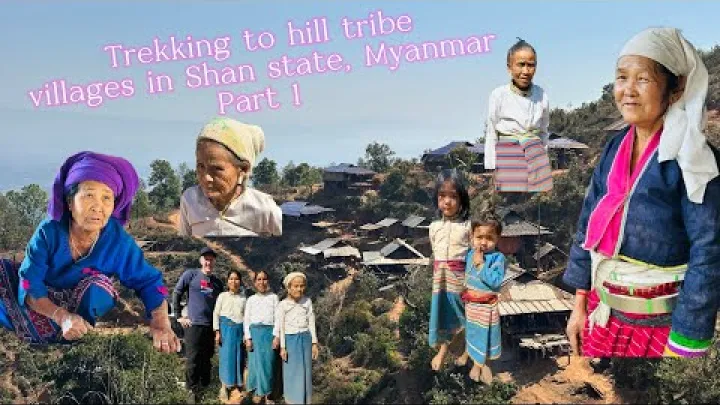
November through February is the strongest choice for trekking around Kengtung. Drier paths make walking more comfortable, and cooler conditions are helpful during longer climbs or early starts. The combination of more dependable access and clearer conditions also makes it easier to plan a village route without building every day around the possibility of heavy rain.
Late October can work for travelers who want post-monsoon greenery and are willing to accept some wet ground. March is another practical shoulder-season option for people who prefer a quieter period and can manage warmer midday walking. In both cases, trail conditions may be less consistent than during the core dry season.
During the core monsoon months, rural paths may become muddy and slippery, and visibility can be reduced by cloud or rain. That does not mean every route closes or every trekking day fails. It does mean that a hill-village plan should allow for shorter walks, slower progress, or a different activity if the selected path is not suitable.
Best Months for Culture, Photography, and Green Landscapes
For walking through Kengtung town, visiting local areas, and photographing the surrounding hills, the dry season generally offers the simplest logistics. Rain is less likely to interrupt a short outing, equipment is easier to keep dry, and a full day can be planned around several stops rather than one weather window.
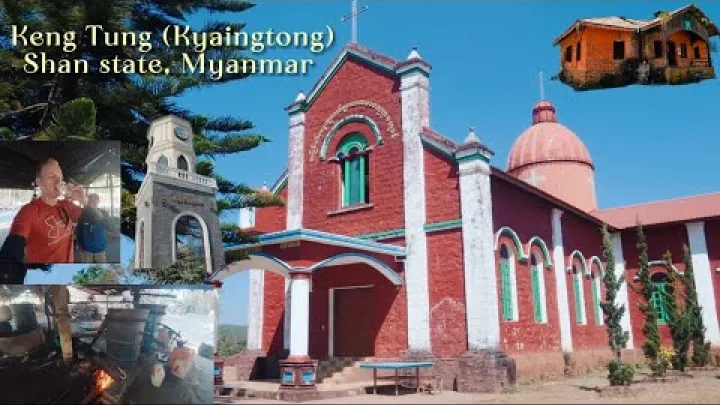
The period after the main rains can be especially attractive for travelers who want greener scenery. Fields, hills, and village approaches may retain a fresh appearance as the landscape moves toward the drier season. The trade-off is that residual wetness can remain on paths and secondary roads, particularly earlier in the transition.
The rainy season is also a valid choice for visitors who value lush landscapes, a quieter atmosphere, and a less structured travel rhythm. Cloud and showers can change the light for photography, but they can also obscure distant views. Choose this period when you have enough flexibility to postpone an outing, return to town, or replace a longer excursion with a shorter one.
Best Months for Lower Costs and Fewer Visitors
November through February is the main tourism season across Myanmar. Demand may be higher during these months because warm, dry days attract more visitors. Tourism guidance from Selective Asia also identifies November to February as the country's principal visitor season.
March and April may offer a shoulder-season alternative, while parts of the green season may have lower demand. However, a quieter month does not guarantee a lower room rate or cheaper transport. Prices, opening schedules, and availability can vary by accommodation, guide, and transport provider.
Kengtung is less mainstream than Myanmar's best-known destinations, so national crowd patterns are only a broad guide. The town may feel quieter than major tourist centers even during the high season. For a budget decision, compare the actual accommodation and transport options available for your dates instead of assuming that a national seasonal pattern will apply exactly in Kengtung.
Kengtung Weather Month by Month
The following month-by-month guide describes the usual planning character of each period rather than a daily forecast. It is designed to help you choose a season first, then make a more precise decision using current conditions closer to departure.
November to February: Cool, Dry, and Most Predictable
November is a transition month. Rainfall is generally declining from the monsoon period, while the countryside may still retain post-monsoon greenery. Paths can be less dry than they are later in the season, but November can provide a useful balance between fresh scenery and improving walking conditions.
December and January are the core cool and dry months. Days are usually suitable for walking, while nights and early mornings can feel cool because of Kengtung's highland setting. These months are the most straightforward choice for travelers who want to combine town visits with surrounding hill and village routes.
February is usually still dry and comfortable for outdoor plans. As the dry season advances, conditions such as haze can vary from year to year, so clear distant views should not be treated as guaranteed. Overall, November through February is the default recommendation for a first-time visitor who prioritizes comfort and predictable trekking conditions.
March and April: Warmer Shoulder Months
March is a warmer shoulder month that usually remains relatively dry. It can suit travelers who tolerate heat and want to avoid the main tourism season. Schedule longer walks for the cooler parts of the day, and leave time for shade, water, and rest during the middle of the afternoon.
April is generally the warmer end of the dry season. Pre-monsoon storms may become more likely, and midday conditions can make strenuous walking more demanding. Heat, visibility, and air quality can vary, so avoid building a long hill route around an assumption that every April day will be equally clear or comfortable.
If your trip overlaps the mid-April holiday period, do not assume that opening hours or transport schedules will follow an ordinary week. The effect on a particular Kengtung itinerary depends on local dates and providers, so include that period in your planning conversations rather than treating it as a fixed nationwide rule.
May and June: Monsoon Transition
May can begin with conditions that resemble the hot season before becoming wetter as monsoon conditions strengthen. This transition can produce a mix of warm, bright periods and heavier showers. Travelers who visit in May may still complete outdoor activities, but a day-by-day plan is more useful than a tightly fixed sequence of remote excursions.
June is wetter, with more frequent showers, cloud, and humidity. Unpaved paths and secondary roads toward hill and village areas are increasingly affected by wet ground. The town itself may remain workable for a flexible stay, even when a longer rural route is less comfortable.
May and June suit travelers who value greenery or quieter conditions more than dependable trekking weather. The monsoon transition does not occur on one guaranteed date, so the month should be viewed as a range of possible conditions rather than a precise weather boundary.
July and August: Wettest Core of the Green Season
July and August form the wettest core of Kengtung's green season in the available climate pattern. Rain may be persistent enough to interrupt outdoor plans, and cloud can reduce visibility across the surrounding hills. The landscape can be lush and rural activity may feel especially vivid, but the weather usually demands more patience.
The main trekking drawbacks are muddy surfaces, slippery ground, damp clothing and equipment, and slower progress on rural routes. A short shower may have a limited effect in town, while repeated or heavy rain can have a much greater effect on an unpaved hill path.
These months are best for travelers who can change plans without losing the purpose of the trip. A flexible visitor may still enjoy Kengtung, but should be comfortable shortening a walk, spending more time in town, or replacing a remote excursion when conditions are unsuitable. Travel is not automatically impossible; it is simply less predictable than in the dry season.
September and October: Late Monsoon Transition
September is still wet and humid, although rain may become less consistently heavy than during the core monsoon months. Green landscapes remain a strong attraction, but muddy trails and cloud can continue to affect longer walks.
Early October can still feel like the rainy season, with wet paths and secondary roads that need time to dry. By late October, conditions may gradually become more favorable as rainfall declines. This makes late October a possible shoulder-season compromise for travelers who want some remaining greenery, potentially lower demand, and improving access.
Conditions around the surrounding hills can change more slowly than conditions in town. A dry-looking day in Kengtung does not necessarily mean that a remote village route has dried out, so treat September and October as transition months rather than assuming that the entire period has one consistent character.
Rain, Roads, and Outdoor Logistics Around Kengtung
Weather affects Kengtung travel in two different ways. Rain may be a minor inconvenience for a town-based day, but it can change the safety, timing, and comfort of a route into the surrounding hills. The farther an activity moves from the town center and onto unpaved paths, the more important ground conditions become.
How Rain Changes Trails and Rural Roads
Heavy rain can make unpaved paths slippery and muddy. Steep sections may take longer to walk, and wet rocks or exposed roots can reduce footing. Rural roads leading toward hill and village areas may also become slower to use, especially when a route depends on a vehicle reaching a less-developed section.

This difference matters when planning a Kengtung itinerary. Town-based activities can often continue with a rain jacket and a change of plan, while a remote trek may require better grip, more daylight, and a shorter route. Rain can also reduce visibility, making a landscape-focused excursion less rewarding even when the route remains open.
Kengtung is located on the National Highway 4, which is a useful geographic anchor when discussing onward travel. That reference does not establish the current condition of the highway, connecting roads, or local routes. Specific closures, washouts, landslides, and route restrictions are current local matters. Use footwear with good grip, and do not commit to a remote trail when heavy rain has made the ground unstable.
How to Build a Flexible Kengtung Itinerary
During wetter months, leave time between Kengtung and any onward connection. A plan with no margin can fail if a rural transfer takes longer than expected or if rain makes a route temporarily impractical. Extra time is also useful when a trekking day needs to move to a different date.
Keep at least one town-based option and one shorter excursion available. If a hill-village route is not suitable, you may be able to spend the day walking in Kengtung, visiting nearby accessible areas, or taking a shorter outing rather than losing the entire day.
Before fixing a route, confirm the current status of roads, local transport, accommodation, and trekking services with providers in Kengtung. Ask a guide or operator:
- Is the selected hill or village route operating in the planned month?
- Which sections become difficult after heavy rain?
- How will the group manage slippery ground, changing visibility, or a late return?
- What shorter fallback route is available if the original plan is unsuitable?
- How much extra time should be allowed for the next road connection?
These questions are especially important when your itinerary depends on a fixed departure, a long road journey, or a route outside the town. Local accommodation and transport providers can give more useful current information than a general seasonal description.
What to Pack and What to Check Before You Go
Kengtung packing is easiest when you plan for both the town and the hills. The season affects rain protection and daytime comfort, while the highland setting makes layers useful for early mornings and evenings.
What to Wear in Each Season
- November through February: Pack light layers for warm afternoons and cooler nights. A long-sleeved layer is useful for early starts and for stays or walks in higher villages.
- March through May: Choose breathable clothing, sun protection, and a hat. Plan enough water for warmer walking conditions, particularly if your route has limited shade.
- June through October: Carry a waterproof outer layer, quick-drying clothing, and footwear with reliable grip. Protect electronics and other items that are easily damaged by rain.
For any season, choose shoes that are comfortable for uneven ground rather than relying only on casual town footwear. Town conditions and hill conditions can differ on the same day, so a light layer and compact rain protection are practical even when the morning looks dry.
Climate Averages Versus the Live Weather Forecast
Climate normals help you decide between a dry-season trip, a warmer shoulder-season trip, and a greener monsoon-season trip. They cannot predict whether rain will arrive on a particular afternoon, whether cloud will cover a viewpoint, or whether a remote path will be comfortable on the day you plan to use it.
Shortly before departure, check the latest official forecast and warnings from Myanmar's Department of Meteorology and Hydrology. Check again before remote outdoor activities. Monsoon showers can be localized, and the official forecast should take priority over a general month-by-month guide when your trip is imminent.
Final Recommendation for Choosing Your Dates
Choose November through February if you want the best overall conditions for Kengtung, especially for trekking, hill-village routes, and comfortable town walking. December and January are the clearest default choices, while November may offer more post-monsoon greenery and February may provide a warmer end to the dry period.
Choose late October or March if you want a shoulder-season compromise, and choose the green season only if lush scenery and a quieter atmosphere matter more than fixed outdoor plans. July and August are not impossible, but they are a poor fit for a tightly scheduled remote trek. Whichever month you select, plan for the difference between Kengtung town and the surrounding hills, and let current official weather information guide the final outdoor decisions.
Select area
Create a post
Posting is free and no registration is required.