Hsipaw Travel Guide: Routes, Sights, Seasons & Safety
Hsipaw is a small town in northern Shan State, Myanmar, known historically for its river setting, Shan heritage, nearby villages and walking routes. For a first-time traveler, however, the most important question is not only what to see but whether reaching and moving around Hsipaw is currently feasible. This Hsipaw travel guide explains the town layout, historical transport options, accommodation areas, seasonal conditions, costs, sights and practical safety decisions. Treat the destination information as historical background and a conditional framework for future planning, not as a guarantee that routes or services operate today.
Current Travel Feasibility and Safety First
Hsipaw has a strong reputation among travelers, but its tourism appeal should come after a current feasibility check. Official advisories, local movement conditions and the availability of medical and transport services can change more quickly than travel guides are updated.
What Current Advisories Mean for Hsipaw
As of 7 August 2026, the UK Foreign, Commonwealth & Development Office advises against all but essential travel to several parts of Myanmar, including Shan State South and East and Mandalay Region. Hsipaw is in northern Shan State, so readers should pay close attention to the geographic wording of their own government’s advice. A warning that names one part of Shan State should not be casually applied to every town, but a narrower map reference is not a positive recommendation to visit Hsipaw.
Government advice for Myanmar reflects risks that may include armed conflict, political volatility, movement restrictions, checkpoints, arbitrary enforcement and limited access to consular or medical assistance. These risks can outweigh Hsipaw’s historical tourism appeal. If the government of your nationality advises against travel to Myanmar or the relevant Shan State area, defer a leisure trip rather than treating an old blog, train report or hotel listing as evidence that conditions are acceptable.
Travel advice is also nationality-specific. Check the latest advisory issued by your own government, read the regional detail rather than only the headline, and note its publication or update date. Advice from another country may use different categories, but it should not be used to override a direct warning that applies to you.
Why Older Route and Service Information May No Longer Apply
Many Hsipaw travel articles were written when the town had a more predictable independent-travel network. They may describe trains, buses, shared taxis, guesthouses, bicycle rentals, trekking agencies, boats and homestays that are no longer operating, operating only intermittently or inaccessible from a particular direction. An archived timetable proves what was once scheduled, not what a traveler can board now.
Conditions can change because of road closures, damaged bridges, checkpoints, territorial changes, local orders, power cuts or weak public communication. A route can appear on a map and still be unusable for visitors. A hotel can remain listed online even when it has closed, changed management or cannot accept foreign guests. The same problem applies to trekking descriptions: a route described as an easy walk may cross land, roads or communities where access is no longer appropriate.
Use this short verification sequence for any future trip:
- Read your own government’s current Myanmar and Shan State advice.
- Confirm the complete route, including bridges, checkpoints, transfer points and the planned way out.
- Contact accommodation through a locally trusted channel and confirm that it is receiving guests.
- Ask about the current status of specific sights, guides, trails and rural transport.
- Keep a realistic alternative, such as an extra night, a different departure route or postponement.
This sequence is more reliable than combining several old schedules and assuming that the connections still fit together.
Hsipaw at a Glance: Setting, Layout, and Travel Style
Hsipaw is best understood as a compact town and a former base for exploring the surrounding countryside, rather than as a large urban destination with many separate visitor districts.
Where Hsipaw Sits and How the Town Is Laid Out
Hsipaw lies in northern Shan State beside the Dokhtawaddy River, also known as the Myitnge River. Hills, agricultural land and rural settlements surround the town, creating the landscape that historically attracted walkers and photographers. The river is both a geographical reference and part of the town’s sense of place.
Visitors traditionally oriented themselves around the central market, the older quarter known as Myauk Myo, Hsipaw Shan Palace, neighborhood pagodas and the riverfront. These anchors are close enough to form a town-focused day in a historical itinerary, although the actual walking experience depends on road conditions, access restrictions, weather and which buildings or businesses are open.
Hsipaw also sits on the historically important Mandalay-Pyin Oo Lwin-Kyaukme-Hsipaw-Lashio corridor. That connection explains why the town appeared in overland and railway itineraries through northern Myanmar. It does not mean that movement along the corridor is currently simple, continuous or available to foreign visitors. Think of the corridor as an orientation point, not a promise of connectivity.
Who Hsipaw Has Traditionally Suited
Historically, Hsipaw suited independent travelers and small groups who preferred walking, local food, heritage, photography and rural landscapes. The town was more suitable for a slow, flexible trip than for visitors seeking nightlife, extensive shopping, large resorts or a dense program of organized attractions.
Travelers who chose Hsipaw for trekking generally needed reasonable fitness and patience with heat, rain, uneven paths and simple facilities. Rural stays could involve basic accommodation and limited services. Those conditions should not be romanticized or treated as proof of authentic travel. Villages are homes and workplaces, not outdoor exhibits, and any future visit should be organized around residents’ comfort and consent.
This profile describes the former tourism pattern. The local accommodation, guide and transport network cannot be assumed to function in the same way now, even if a current route to Hsipaw becomes possible.
How Long to Allow for a Future Visit
Older travel plans commonly allowed two or three days in Hsipaw. One day could cover central orientation, the market, Myauk Myo, religious sites and available heritage stops. A second day could be used for a short countryside outing, while a third day allowed a longer walk, a nearby site or time to absorb delays.
Longer stays historically made sense for multi-day treks, village visits or travelers moving slowly through the northern Shan corridor. A short visit could work for someone using Hsipaw as a transit stop, but only if the arrival and departure arrangements were dependable. That assumption should not be made from an archived schedule.
For a future visit, a flexible two- or three-day framework is more useful than a fixed timetable. Visitors who do not trek can spend more time on central streets, food, religious architecture, the palace if accessible and quiet riverside orientation. People with limited mobility should ask about surfaces, distances, stairs, vehicle access and rest opportunities before choosing an outing.
Getting to Hsipaw: Routes and Connectivity
Transport has traditionally been part of the Hsipaw experience, especially for visitors arriving by rail or traveling through the northern Shan corridor. It is also one of the areas where historical information is least safe to treat as current.
The Mandalay-Hsipaw Rail Route and Gokteik Viaduct
The railway route from Mandalay historically ran through Pyin Oo Lwin and across Gokteik Viaduct before continuing through Kyaukme toward Hsipaw and Lashio. The journey was famous for its mountain scenery, engineering history and slow-moving atmosphere. For many travelers, the viaduct and surrounding landscape were as important as the arrival in Hsipaw.

The train was generally valued for scenery and historical character rather than speed, comfort or dependable connections. Long travel times, basic facilities and delays were part of the former experience. That description is useful for understanding why the route became iconic, but it should not be read as a current recommendation.
Archived departure times, fares, seat advice and journey durations should not be used to plan a present trip without confirmation from a current operator or trusted local source. A train may be suspended, run only on part of the line or be unsuitable because the onward road or accommodation situation has changed. Check the entire journey rather than confirming only the first train.
Road Travel Through the Northern Shan Corridor
Buses and shared taxis historically connected Hsipaw with Mandalay and towns along the northern Shan route. Travelers also used road transport for the Hsipaw-Lashio corridor and for shorter movements near town. The practical choice depended on road quality, departure conditions, available vehicles and the traveler’s tolerance for delays.
A dated local example shows why route information needs a fresh check. Shan News reported that the Hsipaw-Lashio bridge had been closed to motor vehicle traffic since 14 November 2025 after negotiations over territorial control broke down. That report demonstrates how one bridge or blockade can disrupt passenger travel, goods, medical journeys and visitor access. It is not a complete timetable, and it does not by itself establish whether the bridge remains closed or has reopened on 7 August 2026.
Before any future departure, reconfirm the full road route, bridge status, checkpoints and expected transfer points with current, trusted local sources. Ask what happens if a vehicle cannot pass and whether there is a safe way to return or leave earlier. Do not rely on a quoted fare or duration unless it has been confirmed for the date and route you intend to use.
Getting Around Town and Nearby Areas
Within the central town, walking and bicycle travel were historically common ways to move between the market, older streets, religious sites and riverside areas. This made Hsipaw feel manageable for travelers who preferred to explore at a slow pace. Current road surfaces, traffic, rental services and local permissions may differ, so historical walkability should be treated as a general pattern rather than a service guarantee.
More distant sites traditionally required local transport. Depending on the destination, travelers used a boat, a motorbike service, a hired vehicle or a guide’s arrangement. A nearby rural outing could involve more time and planning than a map suggests, particularly when roads, river crossings or paths are affected by rain or local restrictions.
When conditions allow travel again, ask a locally trusted accommodation provider or contact about what can be reached that day, what transport is actually operating and how you will return. Separate central-town navigation from rural excursions. A vehicle that can take you outward is not automatically proof that the return route or destination access is available.
Best Time to Visit Hsipaw: Weather and Outdoor Conditions
Hsipaw’s climate can help identify more comfortable periods for walking, but weather is only one part of the travel decision. A pleasant season does not make a route safe or open.
Cooler, Drier Months for Walking and Trekking
Historically, roughly November through February was the preferred period for walking and trekking around Hsipaw. Cooler, generally drier conditions could make long days outdoors more comfortable, with better prospects for photography and rural paths than during the wettest months. October and some other shoulder periods could also appeal to travelers who accepted more variable conditions.
The AccuWeather monthly reference can provide broad climate context, but it should not be used to promise a particular temperature, clear view or dry trail. Conditions vary from year to year and between the town, hills and countryside.
The climate-based answer and the security-based answer are separate. November through February may historically be more comfortable for outdoor activity, but that does not mean that travel to Hsipaw is currently advised, that a train or road is operating or that a particular trail is accessible.
Heat, Humidity, and Monsoon Trade-Offs
The hotter period before the monsoon can make midday walking tiring, especially on exposed roads and paths. Humid weather can increase discomfort even when a day does not appear extremely hot. Rainy months can reduce visibility, make rural paths muddy or slippery and complicate road journeys.
These trade-offs affect both comfort and logistics. A short town walk may remain manageable while a hillside route becomes unsuitable. A road that is passable in dry weather may take longer after heavy rain. Water, shade, footwear and a shorter daily plan become more important in hot or wet conditions.
Use a current local forecast and a fresh road or trail condition report before scheduling outdoor activity. Do not assume that a favorable seasonal pattern overrides access restrictions or other current travel advice.
Accommodation, Costs, and a Conditional Short Itinerary
Hsipaw was historically easy to approach as a small town base, but accommodation and pricing information are particularly vulnerable to closures, inflation and disrupted supply. Plan by categories and confirmation steps rather than by old booking pages.
Choosing a Base in the Compact Town
Historical accommodation was concentrated around central blocks and the main road. This area was convenient for the central market, local food, transport arrangements and town sights. A central base also reduced the need for transport on a day devoted to Myauk Myo, pagodas or other nearby points of interest.
The former lodging mix included guesthouses, small hotels and simple traveler-oriented properties. These descriptions are useful for understanding the type of stay Hsipaw traditionally offered, but they do not confirm that a named property is open, accepting visitors or able to provide the services shown in an old listing.
For a future stay, ask about:
- Current opening status and whether the property is receiving travelers of your nationality.
- Reliable communication before arrival and a practical cancellation arrangement.
- Water, electricity, internet and backup arrangements, especially if you need to work or contact family.
- Distance from the central market and the transport point you will actually use.
- Whether the management is locally trusted and can explain current route or site conditions.
Confirm that accommodation and guide services are operating through trusted local contacts before sending money or relying on an old listing. If communication is vague, payment instructions change unexpectedly or no one can confirm the property’s current status, do not treat the reservation as secure.
Understanding Costs Without Outdated Price Promises
A Hsipaw budget is easier to understand when divided into separate categories. The main items are accommodation, meals, local transport, guides, entry or donation costs, communications and a reserve for an extra night, route change or other unexpected need.
Pre-crisis budget guides and old dollar prices should not be presented as current daily costs. Inflation, supply disruption, exchange conditions, fuel costs and the availability of services may have changed substantially. Even two travelers using the same route may receive different prices depending on what is included and whether a vehicle, guide or room is available that day.
Compare a future quote by asking:
- What dates, route segments and services are included?
- Does the amount cover a guide, vehicle, fuel, meals, entrance or donations?
- Which currency and payment method are accepted?
- Can the price change if the route, bridge or departure plan changes?
- What happens if the service cannot operate or you need to leave early?
Transparent categories are more useful than false precision. If historical figures are used for comparison, label them by period and source and do not call them a current Hsipaw travel budget.
A Flexible Two- or Three-Day Framework
A future two- or three-day visit could use the following framework, provided that current access and local guidance support it. The purpose is to organize priorities without creating a chain of guaranteed connections.
- Day one: Use the central area for orientation. Walk only where appropriate, visit the market, explore Myauk Myo and see accessible heritage or religious sites. Allow time to understand the town rather than filling every hour.
- Day two: Choose either a short nature or countryside outing or a slower town day. A rural plan should depend on current route information, permission and suitable weather. A non-trekking alternative can include food, the river area, available heritage visits and neighborhood pagodas.
- Day three: If conditions permit, use this day for a nearby heritage anchor such as Bawgyo Pagoda or for a longer walk. Otherwise, keep it as a buffer for delays, a changed road plan or an earlier departure.
A transit stop can be shortened to central exploration. A longer stay historically made room for a multi-day trek, but that should be considered only when current local information supports the route. Do not schedule a same-day arrival, rural excursion and tightly timed departure. Build alternatives for rain, closed sites, a blocked road or the need to leave sooner than expected.
What Hsipaw Has Historically Offered Visitors
Hsipaw’s attractions are a mixture of landscape, local religious life, Shan history and everyday town activity. The descriptions below explain the destination’s former character; they are not confirmation that each site is open or reachable now.
Trekking and Village Landscapes
Before planning any future rural walk, remember that a route described in an old guidebook is not present permission. Fields, hills and village paths should be considered only after current local information confirms that the route is appropriate, accessible and understood by people who live there.
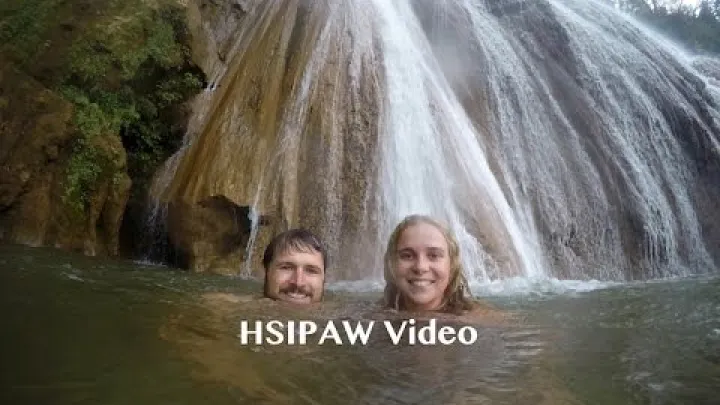
Historically, walks around Hsipaw passed through hills, fields, agricultural areas and villages. Some itineraries focused on a short viewpoint or half-day route, while others used local guides for multi-day treks and simple overnight stays. The appeal came from the landscape and the slower pace, not from a checklist of guaranteed encounters.
Local guides traditionally helped with route choice, translation, practical arrangements and cultural context. They could also help visitors understand when a path crossed private land or when a village visit was not suitable. A guide should be treated as a source of local knowledge, not as permission to enter every area.
Plan for fitness, heat, rain, uneven ground, limited facilities and basic homestay conditions. Ask before photographing homes, farms or residents, and do not assume that a community visit is welcome simply because it appears in a commercial itinerary.
Hsipaw Shan Palace and Royal Heritage
Hsipaw Shan Palace is a heritage anchor associated with Hsipaw’s last princes and the political history of the Shan region. Compared with a large religious monument, a small palace can offer a more personal and narrative-rich way to understand local history, royal authority and the changes that shaped modern Myanmar.
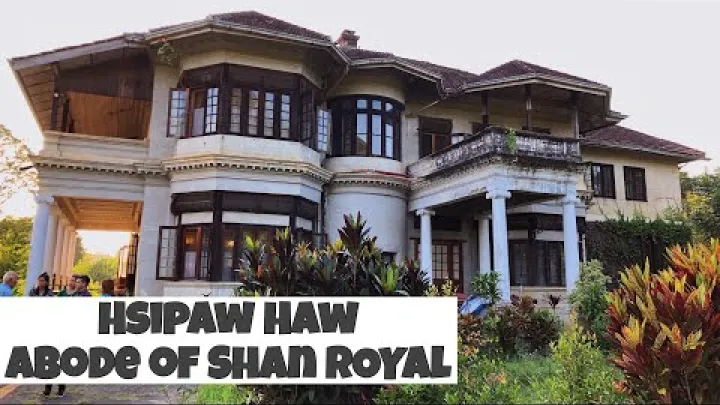
The site should be approached with sensitivity. Current access, custodianship, opening arrangements and the wellbeing of people connected with the palace must be established before a future visit. Do not assume that an old description of an interior visit, opening time or guided conversation remains valid.
If access is available, allow the site to be more than a photograph. Read the information provided, listen to custodians and avoid turning political tragedy or private family history into entertainment.
Pagodas, Little Bagan, and Bawgyo Pagoda
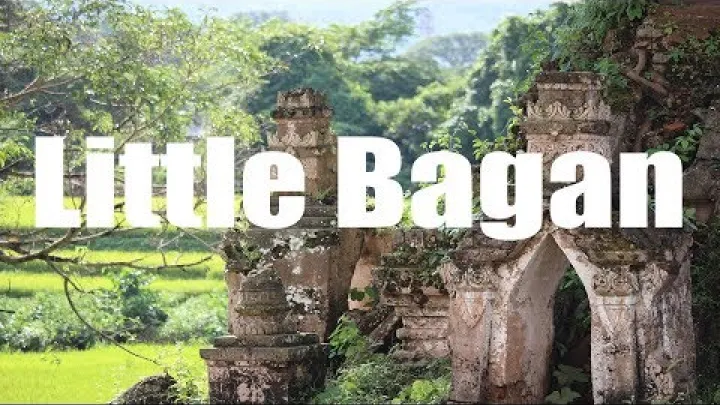
Neighborhood pagodas and the informal label Little Bagan form part of Hsipaw’s historical religious landscape. The comparison with Bagan is descriptive rather than a formal site designation. It should not lead visitors to expect the same scale, official organization or visitor facilities as the archaeological zone in central Myanmar.
Bawgyo Pagoda and Bawgyo village are nearby religious and heritage anchors traditionally included in Hsipaw outings. A general Bawgyo Pagoda reference describes the temple as dating to the 12th century and notes a Buddhist festival associated with March. Treat those details as historical context only. Current access, restoration work, festival dates, opening arrangements and restrictions require local confirmation.
At pagodas, dress modestly, remove footwear where required and follow signs or local instructions. Ask before photographing people, monks, ceremonies or offerings. A quiet visit that respects religious activity is more appropriate than treating a functioning place of worship as a backdrop.
Markets, Shan Food, the River, and Waterfalls
The central market was historically one of the best places to observe everyday commerce in Hsipaw. Small local eateries and market stalls were associated with Shan dishes such as noodles, tofu preparations, pickled vegetables and rice-based meals. Food availability and opening patterns can change, so these are examples of the town’s former culinary character rather than a current restaurant list.
The Dokhtawaddy, or Myitnge, River also shaped the historical visitor experience. Riverside walks and simple boat excursions appeared in older itineraries, offering a slower way to see the town and surrounding landscape. A boat outing should never be assumed to operate merely because a travel article mentions it.
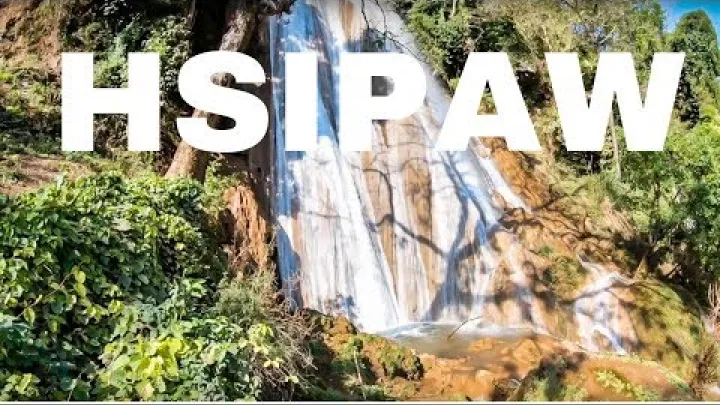
Namtok Waterfall and nearby countryside trips were also historical examples of things to do around Hsipaw. Their suitability depends on the current route, weather, local permissions and whether transport or guides are available. When visiting a market or village, observe without blocking work, ask before taking photographs and buy thoughtfully rather than treating people’s daily lives as a display.
Practical Safety, Health, and Responsible Travel
The practical risks around Hsipaw extend beyond whether a hotel or attraction is open. Rural movement, medical access, communications and community relationships all require a more cautious approach than an ordinary short city break.
Rural Hazards, Landmines, and Outdoor Movement
Official travel warnings for Myanmar identify the possibility of landmines and unexploded ordnance in some areas. That warning is especially relevant to Hsipaw because its historical appeal depended on fields, hills, roadsides and unmarked village paths. A landscape that looks peaceful does not show whether it has been surveyed or whether an object is dangerous.
Do not enter fields, abandoned buildings, unmarked trails or areas identified by local people as restricted. Do not touch suspicious objects, leave established routes to explore a viewpoint or assume that a roadside shortcut is harmless. Paved movement in the central town is not equivalent to walking, cycling or trekking through rural land.
Only consider a future rural route after current, trusted local guidance confirms that it is appropriate and safe. A guide can provide useful local information, but a guide alone cannot remove landmine, unexploded-ordnance, conflict or territorial risks. If route information is uncertain, stay within clearly established areas or postpone the outing.
Health, Communications, Cash, and Emergency Limits
A remote northern Shan town may offer less medical capacity and fewer supplies than a major city. Disrupted roads can make referral or evacuation difficult. Power cuts, weak internet or mobile coverage can also affect contact with accommodation, transport providers, family members and emergency services.
As of 7 August 2026, use the latest official advice for Myanmar when assessing medical support, consular limits and insurance. The UK Foreign, Commonwealth & Development Office provides publication-date-sensitive guidance that should be read alongside the advice for your own nationality. Insurance may exclude travel undertaken against official advice, and consular assistance may be constrained by security and access conditions.
If a future trip becomes appropriate, prepare essential medicines, safe drinking water, basic food reserves, communications options, accessible cash and written emergency contacts. Confirm how you would obtain medical help, reach a larger town or leave the area if the planned route stopped operating. These preparations reduce dependence on uncertain local services, but they are not a substitute for postponing travel when your government advises against it.
Respectful Cultural and Community-Based Visits
Responsible travel in Hsipaw needs to be specific to the places people visit. At the Shan Palace, follow the custodian’s instructions and avoid intrusive questions. At pagodas, dress appropriately, remove footwear when required and keep away from ceremonies unless invited. At the central market, make space for sellers and customers rather than stopping in busy passages.
For villages, homestays and rural walks, ask permission before photographing people, homes, farms or religious activity. Pay agreed fees fairly, buy from local businesses when appropriate and avoid promising donations or services you cannot provide. A local guide should explain what a community visit involves and whether the timing is suitable.
There is an ethical balance during instability. Visitors may want to support livelihoods, but tourism can also normalize difficult conditions, create unwanted attention or place pressure on residents to perform hospitality. Do not demand access, public statements or photographs from people affected by conflict and economic disruption. If a visit would make residents uncomfortable or expose them to risk, the responsible choice is to leave it out of the itinerary.
Bottom Line: Treat Hsipaw as a Future, Conditional Destination
Hsipaw’s landscape, Shan heritage, food, river setting and trekking history explain why it became a memorable stop in Myanmar travel itineraries. They do not override current safety advice, uncertain transport or limited emergency support.
The Decision Rule for Future Visitors
As of 7 August 2026, treat Hsipaw as a future, conditional destination. Start with the latest official advisory for your nationality. Only then consider whether the complete route, bridge and checkpoint situation, accommodation, site access, insurance and local conditions can be confirmed through reliable current information. If those checks do not support a safe and responsible trip, postpone it.
Use this guide for background and for a flexible planning framework, not as proof that an archived service still operates. Check the publication date of any Hsipaw travel guide and look for updated official and local information before making decisions. The destination’s status should be reassessed whenever government guidance or conditions in northern Shan State change.
Select area
Create a post
Posting is free and no registration is required.