Mandalay Travel Guide: Plan a First-Time Trip to Central Myanmar

This Mandalay travel guide is designed for first-time visitors who need more than a list of temples. It explains how to make a responsible travel decision, understand the city layout, choose a practical base, organize the main heritage sights, and plan transport through a changeable travel environment. You will also find guidance on weather, costs, cash, connectivity, and one- to three-day itinerary options. Because access, services, and official advice can change, use this guide as a planning framework rather than as a fixed schedule.
Start With Current Conditions and a Clear Travel Decision
Mandalay has important cultural attractions, but a trip here must be considered within the wider conditions in Myanmar. Make the safety decision before choosing hotels, buying tickets, or building a detailed sightseeing plan.
Read Official Advisories Before Booking
Mandalay should not be assessed only through ordinary daytime visitor experiences. Myanmar continues to face conflict, political uncertainty, health-system limitations, crime concerns, and the possibility of local laws being enforced in ways that may be difficult for foreign visitors to anticipate. Conditions can also differ between neighborhoods, routes, and nearby regions, so a quiet experience in one place does not prove that travel is safe throughout Mandalay or Myanmar.
At the time of writing, the UK FCDO travel advice advises against all but essential travel to Mandalay Region. Other governments may use different national or regional wording, risk categories, and definitions of essential travel. Read the advice issued by your own government, check whether it affects insurance coverage, and review it immediately before booking and again before departure.
This is not an absolute go-or-no-go verdict for every traveler. It is an official risk assessment that should carry more weight than a recent blog post, a social media video, or an anecdote from someone who visited under different conditions. Consider your nationality, medical needs, travel experience, ability to leave quickly, tolerance for disruption, and the reason for your trip. If the official position and your personal risk tolerance do not align, postponing the visit is a reasonable decision.
Make a Flexible Plan for Changing Access
Use two short checklists. The first is for booking:
- Confirm the entry permission and passport conditions that apply to your nationality through an official channel.
- Check that accommodation is accepting guests and can provide a clear address and a reliable arrival contact.
- Confirm that the flight, road, bus, rail, or river connection you need is operating now, not only listed in an old guide.
- Check whether local restrictions, road conditions, or regional guidance affect any planned excursion.
The second is for departure. Keep offline copies of your passport information, entry documents, insurance details, accommodation address, transport confirmations, maps, and emergency contacts. Leave extra time between connections, avoid building a trip around the last available departure, and keep one realistic fallback if a route or attraction becomes unavailable. A flexible booking is more valuable than a small saving if transport or access changes.
Treat travel beyond Mandalay as conditional. Bagan, Inle Lake, Pyin Oo Lwin, and routes toward northern or eastern areas may require a separate decision about current access and regional risk. Do not add them automatically because they appeared in a classic pre-crisis itinerary.
Understand Mandalay’s Role in Central Myanmar
Mandalay is most useful to travelers who want a combination of royal history, living religious culture, markets, craft traditions, and a large working city. It can be a destination in its own right or a possible connection point for Central Myanmar, provided the relevant transport routes are operating.
What Mandalay Adds to a Myanmar Itinerary
Mandalay is Myanmar’s second-largest city and a former royal capital. The city’s identity is shaped by the Mandalay Palace and moat, monasteries, pagodas, numbered streets, busy markets, woodwork and other crafts, and its position near the Ayeyarwady River. The official Myanmar Tourism destination overview also presents Mandalay as a major cultural center associated with the river and local woodwork.
The experience differs from Yangon. Yangon is often approached through its larger urban scale, colonial-era streets, and major religious landmarks. Bagan is defined more by its broad temple landscape, while Inle Lake and Nyaung Shwe offer a lake-based and rural travel experience. Mandalay sits between these styles: it is an urban destination, but its royal and monastic sites are closely connected to surrounding towns and traditional craft areas.
Choose Mandalay when you want cultural layers rather than a single headline attraction. A morning may involve a palace or monastery, an afternoon may bring a market or craft area, and another part of the day may be spent looking across the city or visiting Amarapura. The Ayeyarwady River gives the city geographical and historical context, but it should not be treated as proof that river excursions or passenger services are currently available.
Choose a Stay Length and Trip Pattern
A tightly planned one-day visit can cover the main palace and eastern heritage area, with one additional market, hill, or Amarapura option if movement is working smoothly. It will feel like an introduction rather than a complete Mandalay experience. Heat, traffic, site access, and transport delays can reduce the number of realistic stops.
Two days provide a more comfortable pattern. You can divide the royal and monastic sights from Amarapura, U Bein Bridge, markets, or craft-focused exploration instead of crossing the city repeatedly. Three days allow a slower city visit and possibly one regional extension, but only after checking the route and regional conditions. Extra time is useful for flexibility; it is not a reason to add distant travel that is difficult to confirm.
There are two common patterns. A city-base visit keeps you in one hotel and makes it easier to adjust each day. A through-route visit connects Mandalay with Yangon, Bagan, or Inle Lake and may reduce backtracking, but it creates more dependence on transport. Choose the pattern that matches your available time, budget, comfort, and tolerance for disruption.
Read the City Map and Choose the Right Base
Mandalay is easier to plan when you think in clusters rather than as a list of isolated attractions. The numbered street grid can help with orientation, but distances, traffic, heat, and the quality of local navigation still matter.
Palace East and the Northern Heritage Area
The area around Mandalay Palace and the northern or eastern heritage zone is the clearest first-time base for visitors whose priority is cultural sightseeing. Mandalay Hill, Shwenandaw Monastery, Atumashi Monastery, and Kuthodaw Pagoda can be considered as part of the same broad heritage plan, even though they are not one compact indoor museum complex. Staying near this side of the city can reduce repeated vehicle journeys between major cultural sites.
This area suits travelers who prefer to begin the day near monuments and religious buildings. It may be less convenient for visitors who want the greatest concentration of shops, communications services, or transport arrangements immediately outside the hotel. Use the numbered streets and a complete hotel address when arranging rides; a name alone may not be enough for a driver or a phone map.
Make a route from the sites that are confirmed to be accessible, then add optional stops. Opening arrangements, fees, and access can change, and a religious site may have different visitor expectations from a formal heritage attraction. For most first-time visitors, the palace-area base is the strongest starting choice when suitable accommodation is available and current local conditions support it.
Downtown and the Central Market Area
The central numbered-street area around Chanayethazan and Zegyo Market is a practical alternative. Downtown can make it easier to find food, shops, communications services, hotel staff, and transport arrangements. Zegyo Market is also useful as a local-life anchor: it is a working commercial area, so approach it as a place where residents shop rather than as a site designed only for visitors.
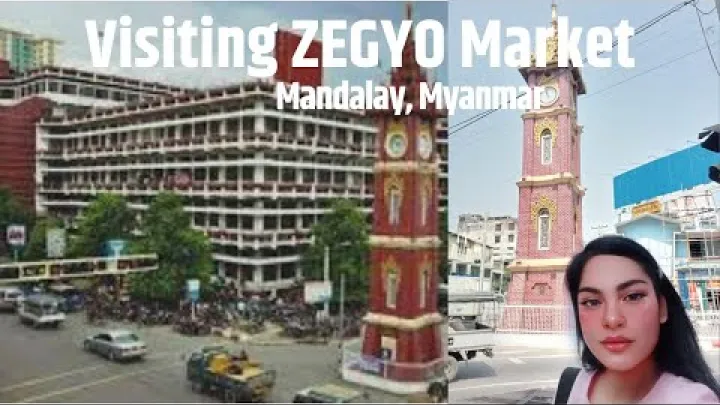
The trade-off is atmosphere. Downtown may feel busier, noisier, and more commercial than the palace side, and major heritage sites may require a vehicle or a longer ride. That can be worthwhile for travelers who value services and transport convenience more than immediate access to monasteries and pagodas.
Do not choose a hotel only because an old guide describes it as inexpensive. Room prices, facilities, power reliability, and payment arrangements can change quickly. Compare the hotel’s current location, arrival support, cancellation terms, and ability to communicate with you against the value of a lower advertised rate.
Amarapura and Outlying Areas
Amarapura, including U Bein Bridge and Taungthaman Lake, is generally more useful as a daytime excursion than as the default base for a first Mandalay visit. Staying nearby can make one attraction convenient, but it may make daily visits to the palace, markets, and northern heritage area less efficient. Proximity to one landmark does not automatically make an area the best place to sleep.
A central base gives most travelers more flexibility for meals, changing plans, and arranging local transport. An outlying base can work when the lodging has been confirmed, the arrival route is clear, and you specifically want a slower stay near that area. Ask about evening transport, check-in arrangements, power, communication, and the practical route back to the main city before committing.
For a first-time Mandalay travel plan, choose either the palace-area heritage base or central downtown according to your priority. Choose Amarapura or another outlying area only when the lodging experience itself is part of your plan and the added transport is acceptable.
Plan the Core Mandalay Experience
The best sightseeing plan groups attractions by geography and energy level. Mandalay rewards a slower sequence more than an attempt to collect every named site in one day.
Build a Royal and Monastic Heritage Loop
Start with the Mandalay Palace and its moat, then organize the remaining day around the eastern and northern heritage cluster. Shwenandaw Monastery, Atumashi Monastery, Kuthodaw Pagoda, and Mandalay Hill can form a broad cultural loop. The exact order should depend on the confirmed access, the heat, the time of day, and how much walking your group can manage.
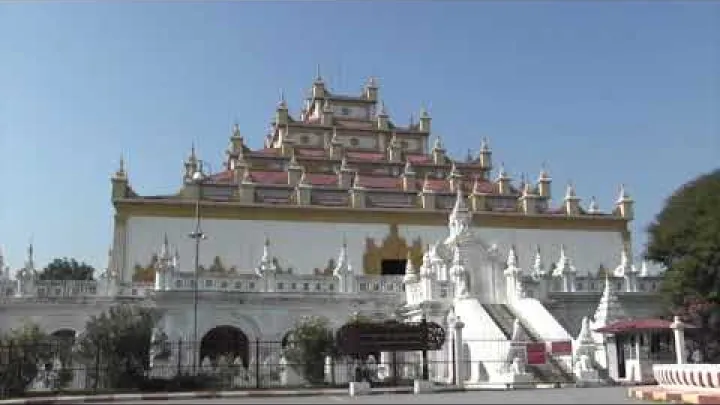
Grouping these places reduces unnecessary vehicle time and creates space for lunch, rest, prayer, or an unplanned stop. It also helps you understand the city as a connected royal and religious landscape rather than a series of unrelated photo stops. You do not need to visit every building to understand Mandalay’s character.
Use modest clothing at monasteries and pagodas. Remove shoes where required, follow signs or local instructions, and avoid interrupting worship. Ask before photographing people, monks, ceremonies, or private activity. A palace or formal attraction may operate like a visitor site, while a monastery or pagoda may remain an active devotional space. Do not assume that old guidebook hours, entrance fees, or access arrangements are still valid; ask your accommodation or a current local operator for the day’s practical information.
Time Mandalay Hill and U Bein Bridge
Mandalay Hill and U Bein Bridge are outdoor visits, so timing matters more than it does for a short stop in a city building. Schedule the hill during a cooler part of the day and allow time for rest, water, and the physical effort involved. If your group includes older travelers, children, or anyone affected by heat, make the viewpoint optional rather than a test of the itinerary.
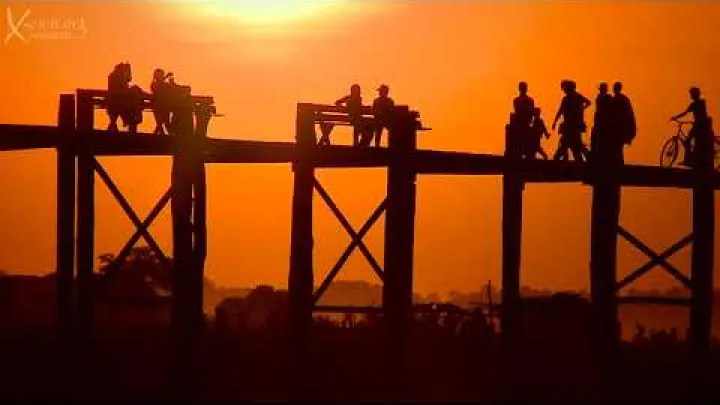
U Bein Bridge is associated with Amarapura and should be planned as a daylight excursion. The bridge, surrounding lake, traffic, weather, and local access can change the best time to go. Sunrise or sunset photography may be appealing, but it is an option rather than a guarantee of good conditions. Do not let a photography goal push you into unfamiliar travel after dark.
Separate scenic timing from transport assumptions. A late departure, a slow road journey, or a change in access may make a different visit time more sensible. Plan the outdoor stop around the conditions you actually find, not around a rigid schedule copied from another traveler.
Add Markets, Riverfront, and Local Craft Context
Zegyo Market and other central commercial streets show a side of Mandalay that formal monuments cannot. They reveal how the city buys food, clothing, household items, and services. Walk with a clear purpose, keep belongings secure without creating tension, and remember that residents are using these spaces for daily life.
The Ayeyarwady River is an important geographic and cultural reference for Mandalay. It can help explain the city’s place in Central Myanmar even if you do not take a river trip. Passenger boats, cruises, and other river activities should be treated as optional services whose current operation depends on season, water levels, route conditions, and local arrangements. Do not build the main itinerary around a river departure that has not been confirmed.
Mandalay’s craft identity, including its woodwork traditions, can add depth to a visit. Look for a locally guided workshop, market area, or small business that is currently open, but do not assume that every guidebook-listed workshop accepts visitors. Ask before taking photographs, especially inside working spaces, and buy directly from legitimate businesses when the interaction is welcome.
Get to Mandalay and Move Around
Transport planning in Mandalay has two parts: reaching the city and making short daily journeys. Both require more flexibility than a normal fixed-schedule city break.
Arrive Through Mandalay International Airport
Mandalay International Airport is the main air gateway for a city-focused visit. Before departure, confirm that your flight is operating and that the arrival information supplied by the airline or airport is current. The Mandalay International Airport transportation information describes options including transfers, taxis, vans, and executive cars, but availability and booking procedures should be confirmed for your arrival date.
A practical arrival sequence is simple:
- Keep your accommodation name, full address, and telephone contact available offline.
- Arrange a transfer through a channel you can contact, or confirm how airport taxis are currently organized.
- Carry a small amount of local cash in case a card, app, or mobile connection does not work.
- Allow time for changing airport procedures, baggage delays, and the journey from the airport to the city.
Do not treat a historical fare, a previously used transfer desk, or an old terminal description as a current guarantee. If a pre-booked driver does not appear, use your accommodation contact and the airport’s currently available transport channel rather than accepting an unverified arrangement from someone who approaches you. Keep the first evening light so that a delayed arrival does not disrupt the whole trip.
Compare Flights, Buses, River Travel, and Trains
Choose intercity transport by considering more than speed. The route may affect your exposure to road conditions, cancellations, regional restrictions, and missed connections. Reconfirm the departure point, operator, timetable, payment method, and daylight plan directly with the current provider before paying or leaving.
- Flights: Air travel can reduce overland travel time when the service is operating, but it creates dependence on a limited schedule and airport procedures. Leave a buffer before any onward connection.
- Buses: Buses may connect Mandalay with destinations such as Bagan, Yangon, or other regional centers when services are running. Road conditions, departure changes, and night travel can affect the practical value of a ticket.
- River travel: A river journey on the Ayeyarwady can be scenic, but services are seasonal and depend on water levels, route conditions, and operator availability. Treat a cruise or passenger boat as a separate confirmed activity.
- Trains: Rail travel may appeal to visitors who value scenery and a slower journey, but current schedules, comfort, delays, and route operation need direct confirmation. Do not use an old timetable to plan a tight connection.
Pyin Oo Lwin, Bagan and Nyaung-U, Yangon, Inle Lake and Nyaung Shwe, and other regional destinations may be possible connections, but they are not interchangeable options. The route to each place has its own current access and advisory considerations. Northern travel, including any journey toward Hsipaw or Shan State, deserves especially cautious treatment and should not be added without checking official guidance and the current operator.
Daylight travel is preferable when practical. Keep a spare block in the itinerary for cancellations or delays, and avoid paying for a nonrefundable onward service immediately after an uncertain arrival.
Use Taxis, Ride-Hailing, Bicycles, and Local Transport
Taxis and hotel-arranged cars are usually the simplest choices for a first visit, especially when you are traveling between the palace area, Mandalay Hill, Amarapura, and the market district. A private vehicle costs more than informal shared transport but can reduce navigation problems and make it easier to adjust the route. Motorbike taxis, trishaws, and shared pickup vehicles may be useful for shorter journeys when you understand the arrangement and the conditions.
Bicycles can work for suitable daytime routes near the palace and heritage districts. Consider traffic, heat, road surfaces, your cycling confidence, and the distance to your next stop. Cycling is not automatically the cheapest or best option if it leaves you exhausted before visiting a monastery or hill. Ask the accommodation about a suitable bicycle route rather than assuming that every numbered street is comfortable to ride.
Ride-hailing and other app-based services may be available at some times, but their coverage, connectivity, payment requirements, and driver response cannot be assumed. When no formal booking system is available, confirm the destination name, fare, currency, waiting time, and payment before starting the ride. Carry the hotel address in both English and a form that local drivers can recognize if your phone map is not working.
Choose the Best Season and Build a Realistic Budget
Seasonal patterns help with planning, but they do not replace a live forecast or a current price check. Mandalay can be hot and physically demanding even during a generally favorable travel period.
Match Weather to Outdoor Plans
October to May is the broad dry-season planning window commonly used for Myanmar travel. November to February is generally more comfortable for walking, cycling, Mandalay Hill, U Bein Bridge, and other exposed outdoor visits. March to May can bring intense heat, so plan early starts, longer midday breaks, lighter activity, and more careful hydration.
June to September is a wetter period. Rain can affect comfort, road movement, outdoor photography, and the reliability of some excursions, but it does not mean that every service stops or every day is unsuitable. A wet-season visit may work for a traveler who can change the order of activities and accept interruptions.
Use the Myanmar Department of Meteorology and Hydrology as an official starting point for current weather information. Check the local forecast shortly before outdoor visits, then adjust clothing, water, rest periods, and transport timing. Long-term climate patterns can tell you what to expect broadly; only a current forecast can help with the specific day.
Estimate Accommodation, Food, and Activity Costs
A useful Mandalay budget has more categories than a room rate and a daily meal allowance. Include accommodation, local food and drinks, city transport, intercity transport, entrance fees, guides or private drivers, communications, laundry, and a contingency for route changes. If you are traveling from the airport, include the arrival transfer separately from daily city rides.
Fixed price ranges from old travel accounts are unreliable in a market affected by currency shifts, inflation, fuel costs, payment limitations, and changes in supply. Rather than converting an old kyat price into a permanent dollar figure, request a current quote in the payment method you will actually use. Ask whether a room rate includes taxes, breakfast, transport, or other conditions, and confirm whether a quoted vehicle price covers the full route or only one direction.
Build three estimates:
- Basic independent plan: simple accommodation, local meals, short city rides, and self-guided sightseeing. This may reduce the cash cost but requires more navigation and problem-solving.
- Comfort plan: a better-located hotel, more frequent taxis, selected paid sites, and some flexibility for meals or activities.
- Supported plan: a guide, private vehicle, or organized excursion. This costs more but can simplify communication, route planning, and changes during the day.
Add a contingency rather than spending the full budget on confirmed bookings. A delayed connection, replacement vehicle, extra hotel night, or change from public transport to a private car can have a larger effect than a small difference in meal prices.
Plan Cash, Cards, and Connectivity
Expect daily spending to be cash-heavy and do not assume that every hotel, restaurant, shop, driver, or ticket desk accepts cards. Carry enough Myanmar kyat for several days, while keeping a separate emergency reserve. Divide it between secure locations and avoid displaying a large amount in public. Keep a working payment backup, but treat it as a backup rather than as the foundation of the trip.
Before leaving, record the accommodation address, airport contact, transport operator, insurance contact, and important emergency numbers offline. An unlocked phone, a local SIM or eSIM where currently available, hotel Wi-Fi, and offline maps can work together, but none should be your only connection method. Download maps and booking details before moving between cities, and keep a power bank if it is permitted and practical for your travel.
Connectivity planning supports more than convenience. You may need data to contact a driver, find an accommodation, receive an access update, or change a booking. Confirm what works locally when you arrive, but keep essential information usable without a network. Carry enough local cash for several days while maintaining the separate reserve and payment backup.
Build a Flexible First-Time Mandalay Itinerary
Use priorities instead of a rigid timetable. Begin with the attractions that define your visit, then add optional stops only when time, weather, access, and transport support them.
One Full Day: The Essential City Loop
For one full day, make the palace and eastern heritage area the minimum plan. A practical order is to visit the Mandalay Palace and moat, continue to selected nearby monasteries and pagodas such as Shwenandaw, Atumashi, and Kuthodaw, and leave space for food and rest. You do not need to enter every site to make the route worthwhile.
Place the most exposed or strenuous activity in the cooler part of the day. Take a midday break rather than treating rest as wasted time. Add Zegyo Market or another central commercial stop if the route and energy level allow. Choose either Mandalay Hill or U Bein Bridge as an optional final component, not both by default; each may require more transport and daylight than a one-day schedule can comfortably provide.
The minimum version is the heritage loop with a proper break. The expanded version adds one market or viewpoint. If traffic, heat, access, or a delayed arrival reduces your time, remove the optional stop first. A short, complete visit is better than a long route that ends with rushed travel.
Two to Three Days: Add Amarapura or a Regional Extension
Use a second day for Amarapura and U Bein Bridge, or for a slower exploration of markets, craft areas, and religious sites. Starting earlier can make an outdoor excursion more comfortable, but let the day’s transport and access determine the final order. You can also use the second day to revisit the heritage area at a less hurried pace.
A third day can remain in Mandalay as a buffer, or it can support a regional extension. Choose Bagan and Nyaung-U, Inle Lake and Nyaung Shwe, or Pyin Oo Lwin only after checking the current route, operator status, travel conditions, and relevant regional guidance. These places require separate transport planning; they should not be treated as automatic casual day trips simply because they appear close on a map.
Keep at least one uncommitted block for weather, delays, closures, rest, or a change in access. Rank additions by ease: a central market or a second heritage visit is usually simpler to replace than an intercity journey. Northern or conflict-sensitive extensions should remain clearly conditional.
Choose a Hub-and-Spoke or Slower Route
A hub-and-spoke plan uses one central Mandalay hotel for several nights. It simplifies luggage, check-in, and last-minute changes, but it may require repeated transport to Amarapura or other outlying sites. This approach suits travelers who value a stable base, have uncertain schedules, or prefer to keep daily decisions open.
A slower route splits the stay between Mandalay and another destination. It can reduce repeated journeys and create a stronger sense of place, but it adds a hotel change and makes you more dependent on an intercity connection. Use it only when the route is currently operating and you have a buffer around the arrival.
To decide, ask three questions: Do you have enough days for a delayed connection? Is the destination pairing central to your trip or merely an attractive addition? Would one extra night in Mandalay make the trip easier if transport changes? Pair Mandalay with Yangon, Bagan, or Inle Lake only after checking current transport and regional advice. Classic pre-crisis circuits are not automatically practical now, and a single fragile link should not control the entire itinerary.
Final Checklist for a Responsible Mandalay Visit
Use this final check shortly before departure and again when making a major movement. Keep the list practical, current, and short enough to act on.
Confirm Documents, Health, and Daily Essentials
Verify passport validity, entry permission, insurance conditions, accommodation details, and transport confirmations through current official or provider channels. Entry and insurance rules can differ by nationality and policy, so do not rely on a general travel blog for a requirement that affects your ability to travel.
Pack essential prescription medicine, basic first-aid supplies, sun and heat protection, comfortable clothing, and suitable clothing for religious sites. Plan water and rest for outdoor days. Keep offline copies of documents, bookings, maps, contacts, and any medical information you may need to explain quickly.
Set realistic expectations about healthcare. A major city may offer more services than a remote area, but you should not assume that specialist treatment, emergency transport, medicines, or communication will be available at the level you expect from a large international destination. Confirm what your insurance actually covers and carry the details in an accessible format.
Keep the Visit Grounded and Flexible
Mandalay’s royal, religious, market, river, and craft traditions can make it a meaningful destination, but cultural value does not remove the need for conservative planning. Respect local customs at monasteries and pagodas, ask before photographing people, and move through markets and residential areas as a guest rather than as an observer entitled to access.
Support legitimate local businesses, guides, drivers, and accommodation providers when doing so is appropriate and safe. Keep your expectations realistic: a local business may be serving residents first, and a planned service may not operate exactly as an old guide describes.
The guiding principle is simple: travel only when current conditions, your personal risk tolerance, and your practical arrangements align. Recheck conditions before committing to each major movement, keep a fallback, and be willing to shorten or postpone the trip if the situation no longer supports responsible travel.
Select area
Create a post
Posting is free and no registration is required.