Mandalay Best Time to Visit: Weather by Month

Choosing the best time to visit Mandalay is mainly a decision about heat, rain, and how much flexibility your itinerary allows. Mandalay’s Central Dry Zone climate is different from the wetter image many travelers associate with Myanmar: the city has a long hot period, a relatively limited rainy season compared with many coastal areas, and a more comfortable dry season. This guide compares November to February with the hot, festival-focused months and the greener rainy season, then explains what each month feels like. It also covers Mandalay Hill, Irrawaddy River outings, clothing, rain logistics, and the difference between climate averages and a live forecast.
Quick Answer: When Is the Best Time to Visit Mandalay?
For most travelers, November to February offers the best balance of dry weather, manageable heat, and reliable conditions for a full day of sightseeing. The best alternative depends on your priorities: early March can suit heat-tolerant visitors, April is attractive for Thingyan, and June to October can work for flexible travelers who value greener scenery and potentially lower-season rates.
Best Overall: November to February
November to February is the strongest general recommendation for a first visit to Mandalay. Rain is generally limited, skies are often brighter, and daytime conditions are more manageable than during the hot season. These conditions are useful for city walks, temple visits, time at Mandalay Hill, and outings near the Irrawaddy River, where shade may be limited and weather can affect comfort.
Cool is a relative term in Mandalay. Winter days remain warm, but early mornings and evenings can feel noticeably fresher, especially in January. November follows the wetter part of the year, so it may retain some transition-season character, while February is already beginning to warm toward the hot season. A light layer is usually more useful than heavy clothing.
This is also the period most often preferred by visitors, so demand for rooms and transport may be stronger than in the rainy season. That does not mean every month or every week has the same crowd level or price. If your dates are fixed, compare current availability rather than assuming that all winter travel has identical costs or demand. Myanmar Travel also identifies November to February as Mandalay’s coolest and driest travel window.
Best Alternatives for Heat, Festivals, and Lower Prices
There is no single best month for every type of traveler. A simple way to compare the alternatives is to decide which trade-off matters most:
- Early March: A dry-season compromise for travelers who can handle increasing heat and want to travel outside the core November to February window.
- April: A cultural choice for visitors interested in Thingyan and public celebrations, but one of the most difficult months for long, exposed walks because of the heat.
- June to October: A possible lower-season option for travelers who prefer quieter visits, greener surroundings, and potentially more favorable accommodation rates over predictable weather.
- Inland sightseeing: Mandalay’s priorities are temples, markets, Mandalay Hill, city streets, and river or countryside excursions. Advice designed for beaches and coastal sea conditions should not be transferred directly to this inland city.
Lower-season travel may bring more choice or better value, but neither lower prices nor empty attractions are guaranteed. Check current room rates, transport arrangements, and opening information when comparing dates. The right choice is the month that matches your tolerance for heat and rain, not simply the month with the lowest typical demand.
Mandalay’s Climate in Context
Understanding Mandalay’s inland position explains why the city can feel very hot even when general Myanmar travel advice describes a comfortable dry season.
The Central Dry Zone and Mandalay’s Inland Weather
Mandalay lies in Myanmar’s Central Dry Zone, an inland lowland area with a hotter and drier character than many coastal and southern parts of the country. The monsoon still affects the city, but rainfall patterns in Mandalay should not be inferred solely from conditions in wetter places such as Yangon or coastal destinations. A rainy-season trip here can include substantial showers, yet the overall experience is not necessarily the same as a continuously wet coastal itinerary.
The city’s lowland setting also matters when comparing it with highland destinations. A broad description of a cool Myanmar winter does not mean that Mandalay will feel cold. Days can remain warm, and paved streets, open courtyards, and exposed heritage sites can become uncomfortable as the sun rises. In the wet season, surrounding countryside and river landscapes can look greener, while humidity and cloud cover change how heat is experienced.
These differences affect practical planning. During the dry and hot parts of the year, a short walk between stops may feel more demanding than the distance suggests because shade is limited. During the rainy season, the main challenge is not only rain itself but the possibility that a shower changes the timing of a hill visit, river activity, or excursion outside the city.
Climate Averages Are Not a Live Forecast
Monthly climate information is a long-term planning baseline. It helps you compare the usual direction of temperature and rainfall through the year, but it cannot predict the weather on a particular travel date. Monsoon onset and withdrawal, thunderstorms, hot spells, cloud cover, and rainfall intensity can vary from year to year.
One Mandalay climate dataset identifies April as the month of maximum warmth and reports an average temperature of about 31.4°C for that period. Such a figure is useful for comparing months, but it is not a daily high, a record temperature, or a promise that every April day will feel the same. Dataset methods can also differ, so numerical values should be compared only when their definitions and periods are clear.
For conditions close to departure, use current forecasts and weather bulletins from the Myanmar Department of Meteorology and Hydrology. Use that information for decisions about a particular day at Mandalay Hill, the riverfront, or another exposed location. A climate average can support itinerary selection; it cannot guarantee clear skies, dry roads, or comfortable temperatures.
Mandalay’s Main Travel Seasons
Mandalay’s year can be divided into a cooler dry season, a very hot pre-monsoon season, and a wetter green season. The boundaries are gradual rather than fixed.
Cool Dry Season: November to February
November to February is generally the most reliable window for full-day outdoor sightseeing. Rain is usually limited, the worst heat has eased, and brighter conditions make it easier to combine several parts of the city in one day. Walking tours, temple visits, Mandalay Hill, and river excursions are easier to schedule when rain is less likely to interrupt the day.
November and February are not identical. November follows the wet season and can feel like a transition into drier weather. February is still dry but is already warming toward March and April. January often provides the freshest mornings and evenings of the year, although afternoons remain warm rather than cold.
The main disadvantage is preference: this is the period many visitors choose. Accommodation and transport demand may be stronger, but the exact effect depends on dates and local availability. Plan for warm afternoons, use sun protection, and carry a light layer for early starts or evening activities.
Hot Pre-Monsoon Season: March to May
March marks a clear move toward hot, dry conditions. April is usually the most challenging month for heat, and May often combines continuing warmth with rising humidity and a greater chance of thunderstorms or rain as the monsoon develops. The heat can make long walks between exposed sites tiring even when the sky is clear.

Sun, limited shade, and hot paved surfaces are more important planning factors than a simple seasonal label suggests. Start outdoor sightseeing early, rest during the hottest part of the day, and use a later afternoon period for a second outing. An indoor or shaded alternative is valuable if your plan includes several hours at open courtyards, viewpoints, or other exposed sites.
April can still be a meaningful choice for travelers interested in Thingyan in Mandalay. The festival provides a cultural reason to accept difficult weather, but cultural appeal does not make the climate comfortable. Lower visitor demand at other times in the hot season also does not automatically make daytime sightseeing easy.
Rainy or Green Season: June to October
June to October brings more humidity, cloud cover, and rain risk. Mandalay is inland and generally has a drier character than many coastal parts of Myanmar, but that does not make the season dry. Showers and thunderstorms can change the feel of streets, the timing of outdoor visits, and the practicality of excursions beyond the city.
The season has real advantages. Countryside and river surroundings can look greener, the light can be softer, and cultural sites may feel quieter. Travelers with flexible schedules may also find more accommodation choice or lower-season value, although these are tendencies rather than guaranteed discounts.
Rain does not mean every day is an all-day washout, and a wet-season month does not guarantee a dry morning. The useful distinction is between a season with a higher chance of interruption and a season with predictable clear weather. A flexible city itinerary can work well, while a tightly timed sequence of hill, river, and countryside activities is more vulnerable to change. For broader seasonal context, Responsible Travel describes the wider country’s drier winter and hotter lowland conditions; Mandalay’s inland setting should remain the main reference for this city-specific decision.
Mandalay Weather Month by Month
The table below gives a practical month-by-month feel rather than a live forecast. It uses qualitative planning language because the exact experience varies by year and because different climate datasets can report different averages.
| Month | Typical feel | Planning focus |
|---|---|---|
| January | Coolest-feeling and dry | Long outdoor days |
| February | Dry and warming | Reliable sightseeing |
| March | Hot and dry | Early starts |
| April | Hottest period | Short exposed visits |
| May | Hot and transitional | Flexible timing |
| June | Greener and wetter | Backup plans |
| July | Humid and wet | Rain buffers |
| August | Humid monsoon weather | Flexible outings |
| September | Often still very wet | Shorter outdoor blocks |
| October | Transitional and variable | Do not assume dry weather |
| November | Drier and more comfortable | Strong all-round choice |
| December | Warm and generally dry | Comfortable classic visit |
January to March: From Comfortable Dry Days to Rising Heat
January: January usually has the coolest and driest feel of the year in Mandalay. Afternoons remain warm, but fresher mornings make it easier to begin a walking tour early. It is well suited to travelers who want extended visits to city sites, Mandalay Hill, and other outdoor locations without the intense heat of spring.
February: February remains very dry and is still one of the strongest choices for predictable outdoor plans. It is warmer than January, but the increase is usually easier to manage than the larger shift that arrives in March and April. Travelers with limited time often get a good combination of clear-season logistics and comfortable sightseeing, although stronger demand may affect availability.
March: March is the point at which heat becomes a central itinerary issue. Dry conditions may still support clear plans, but long walks in the middle of the day become less attractive. Arrange the most exposed activities for early or late in the day, and treat the middle hours as a time for rest, food, shaded stops, or indoor visits.
April to June: Extreme Heat, Festival Travel, and Monsoon Onset
April: April is generally the hottest part of the year. The month can be culturally attractive because Thingyan is associated with the April New Year period, but the combination of strong sun and high daytime heat is demanding. A festival-focused visit is different from a climate-focused recommendation: choose April for the cultural experience, not because it offers the easiest conditions for sightseeing.
May: May is a mixed transition month. Heat can remain intense, while humidity, cloud build-up, thunderstorms, and rain become more common as the monsoon develops. Some days may still support dry-season-style sightseeing, but it is unwise to build every day around long, exposed excursions. Shorter activity blocks are easier to adjust than a single ambitious full-day plan.
June: June usually feels wetter and greener, with less emphasis on extreme dry-season heat and more emphasis on rain management. A dry interval can still provide useful time for city visits, but the month is better suited to travelers who can move an outdoor activity to another part of the day. The seasonal shift does not happen on one guaranteed date, so June should be treated as a transition into the wetter pattern.
Festival travel requires separate planning from ordinary monthly weather. Thingyan dates, public holidays, closures, and lodging arrangements can affect the practical experience of an April trip even when the climate outlook is understood.
July to September: Wettest Core of the Green Season
July: July is a humid monsoon month with a frequent risk of rain interruptions. There may be useful dry periods for sightseeing, but they should not be assumed to occur only in the afternoon or to last for a predictable number of hours. Keep the day modular so that a hill visit or city walk can be shortened without losing the entire itinerary.
August: August continues the wet and humid pattern. Its appeal lies in greener surroundings, softer seasonal light, and the possibility of quieter visits rather than in weather certainty. Travelers who are comfortable waiting out showers can enjoy the city, but those with fixed transport connections or a tightly scheduled excursion should allow more time than they would in the dry season.
September: September can remain very wet even as the wider monsoon begins moving toward withdrawal. It is not automatically a dry shoulder month. Flexible visitors may benefit from a greener setting and possible lower-season value, but Mandalay Hill, river activities, and plans outside the city should be treated as weather-sensitive rather than guaranteed.
October to December: From Residual Rain to the Dry-Season Sweet Spot
October: October is transitional. It may feel less consistently wet than the core monsoon months, but substantial rain can still occur. Travelers with limited time who want a high level of weather predictability may find October less straightforward than November, especially if their plans depend on several outdoor days in sequence.
November: November usually marks a move toward drier and more comfortable sightseeing conditions. It is often a useful compromise for visitors who want to avoid the wetter season without waiting until the dry season is well established. As conditions improve, visitor demand may also become stronger, so current availability is more useful than a general assumption about prices.
December: December is a strong choice for a classic Mandalay visit: days are generally warm and dry, while mornings and evenings can feel cooler. The month works well for combining city walks, cultural sites, Mandalay Hill, and an Irrawaddy activity, provided you still plan for sun during the day and a light layer during early or late outings.
The transition from wet to dry is gradual and can vary by year. October should not be labeled fully dry, and November should not be treated as identical to December. These distinctions matter most when a trip is short and each outdoor day has to work well.
Choose the Best Time for Your Travel Priorities
The best month depends on whether comfort, culture, budget, scenery, or schedule reliability is most important to you.
Best Months for Outdoor Sightseeing and City Culture
Choose November to February if your priority is a balanced program of outdoor sightseeing and city culture. The combination of limited rain and less severe heat supports longer visits to religious and heritage sites, central city walks, Mandalay Hill, and activities near the Irrawaddy River. You can still encounter a hot afternoon, but the season is less demanding than March to May.
Early March is a reasonable alternative for travelers who tolerate heat and want a dry-season trip outside the main winter window. In either period, carry water, use sun protection, and avoid assuming that a comfortable morning will remain equally comfortable through the afternoon. No season is perfect for every visitor, but November to February is the simplest recommendation for a first city stay.
Best Time for Thingyan and Cultural Events
April can be the best time for travelers whose main purpose is to experience Thingyan in Mandalay and the wider New Year atmosphere. The appeal is cultural rather than climatic. High heat can limit long sightseeing sessions, and public celebrations may change normal routines, but visitors who plan around the event can accept those limitations as part of the experience.
Annual festival timing and local arrangements should not be assumed to be identical every year. Before committing to April, confirm the current Thingyan dates, public-holiday schedule, likely closures or reduced business hours, and lodging availability. This is especially important if you need specific transport connections or want to combine the festival with a short, tightly scheduled visit.
Best Time for Budget Travelers and Green Landscapes
June to October can suit budget-conscious travelers who have flexibility and prefer greener surroundings to predictable sunshine. Demand may be lower than in the preferred dry season, and some travelers may find more favorable accommodation choices. These are seasonal tendencies, not guaranteed discounts, so compare current rates rather than choosing dates on the assumption that every hotel or transport service will be cheaper.
The green season can also offer softer light and a different visual character around Mandalay and the Irrawaddy landscape. The cost is greater uncertainty: humidity, showers, thunderstorms, and changed excursion timing may require you to rearrange plans. A simple decision rule is to choose this period when flexibility matters more to you than weather certainty.
Months to Reconsider if You Dislike Heat or Uncertain Rain
Travelers who dislike intense heat should reconsider April and much of May, particularly if they want long outdoor days with little rest. The strongest heat is not a reason that nobody should visit, but it changes how much sightseeing is realistic.
Travelers with fixed schedules and a low tolerance for rain may also find July to September, and sometimes October, less suitable. October is a transition month rather than a guaranteed dry month. If comfort and predictability are the main goals, November to February is the straightforward alternative; if the issue is only heat, early March may work better than April.
Practical Weather Planning for a Mandalay City Stay
A small amount of weather-aware planning can make the same itinerary much easier, especially during the hot and wet seasons.
What to Wear and How to Structure Each Day
For most of the year, choose lightweight, breathable clothing that is comfortable for walking in warm conditions. March to May requires especially effective sun protection: a hat, sunglasses, sunscreen, and enough water for time away from your accommodation. Comfortable walking footwear is useful because city sightseeing often involves uneven surfaces, open areas, and more time on foot than a map suggests.
January mornings and December evenings can feel noticeably fresher, so a light layer is useful without needing heavy winter clothing. The same layer can help during an early river activity or at a hilltop viewpoint where conditions feel different from a sheltered city street.
During the hottest months, structure the day in three parts: begin with the most exposed activity, use the middle of the day for rest or a shaded and indoor stop, and plan a second outdoor block in the late afternoon. This approach is more practical than trying to complete every major sight during the strongest sun. It also leaves room to shorten a walk if the heat feels more intense than the seasonal average suggests.
Rain Logistics and Local Outings
In the wet season, use one simple routine each morning. Review the current conditions, choose one outdoor priority, identify an indoor cultural alternative, and leave time to move between them. Carry compact rain protection and a waterproof way to protect your phone, camera, documents, and other items that cannot be exposed to a sudden shower.
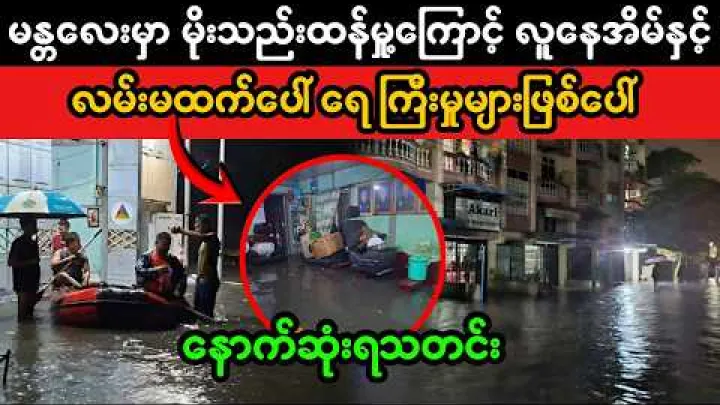
Heavy rain can make street movement, outdoor timing, and excursions less predictable even when a month is generally suitable for travel. Do not assume that roads, transport, or attractions will always remain unaffected. River activities and plans beyond the city may be particularly difficult to time when weather changes quickly.
Build a time buffer into every rainy-season day, especially when an outing has a fixed return time. If a shower arrives, use the indoor alternative rather than waiting indefinitely for perfect conditions, then return to the outdoor priority if the remaining time and local conditions make that reasonable. This gives you a workable Mandalay itinerary without treating a climate average as a guarantee for one particular day.
Final Recommendation for the Best Time to Visit Mandalay
For the best overall combination of comfort, dry weather, and sightseeing reliability, visit Mandalay between November and February. January often feels freshest, February is a reliable but warmer dry-season month, and November offers a useful transition into the more comfortable part of the year. December is also a strong choice for travelers who want warm days with cooler mornings and evenings.
Choose early March if you accept more heat, April if Thingyan is the main cultural priority, or June to October if you value flexibility, greener scenery, and possible lower-season value more than predictable weather. Whatever month you select, plan around Mandalay’s Central Dry Zone climate, protect yourself from the sun, and use current weather information for specific outdoor decisions rather than relying on monthly averages alone.
Select area
Create a post
Posting is free and no registration is required.