Mandalay Getting There: Flights, Buses, Trains & Boats
Mandalay getting there requires more than choosing the fastest vehicle. Travelers must first decide whether the journey is feasible, then compare flights, buses, trains, and the Irrawaddy River route by time, cost, comfort, and booking difficulty. This guide covers Mandalay International Airport (MDL), Yangon International Airport (RGN) as a possible connection point, the main Yangon and Mandalay bus terminals, Mandalay railway station, and the Bagan–Mandalay boat route. Transport schedules, terminal access, and local conditions can change, so use the route information below as a planning framework and confirm the exact service before departure.
Check Current Conditions Before You Travel
Transport availability is only one part of reaching Mandalay. Current security conditions, route access, and operator decisions can affect whether a journey should take place at all.
Read the Latest Travel Advisory Before Booking
At the time of preparation, the U.S. Department of State Burma travel advisory says Do not travel because of risks including armed conflict, unrest, arbitrary enforcement of local laws, poor health infrastructure, landmines, and unexploded ordnance. This is high-level national advice, and conditions are not necessarily identical on every road, in every city, or at every transport terminal. However, a published flight, bus listing, or railway schedule should not be interpreted as evidence that a route is safe for a particular traveler or date.
Read your own government’s latest Myanmar travel advisory before making plans. Also review recent, trustworthy local information about the city, the corridor you intend to use, and any planned overnight movement. If the advisory for your nationality recommends against travel, postpone the trip rather than trying to solve the problem with a different transport mode. Avoid non-refundable bookings until the travel decision is consistent with the latest guidance.
Separate Scheduled Access from Confirmed Operations
A route can appear on an airport page, railway website, booking platform, or travel article without being confirmed for your date. A schedule may describe a normal operating pattern, while an operator may later cancel a departure, change the terminal, reduce service, or stop accepting bookings. Third-party pages can also retain old fares and times after the original service has changed.
Use a simple confirmation sequence for every long-distance leg:
- Identify the operating airline, railway service, bus company, or boat operator and confirm that it accepts passengers on your exact date.
- Confirm the departure time and the exact airport, station, bus terminal, jetty, or check-in counter. Ask about spelling differences in terminal names.
- Confirm the arrival point, expected arrival window, and how you will make the separate transfer to your hotel or next connection.
- Ask for the total fare, what the fare includes, luggage rules, payment method, cancellation terms, and any check-in deadline.
- Keep the booking confirmation and the operator’s contact details offline in case mobile service or internet access is limited during the journey.
Official transport pages are the best starting point, but they may not show every operational change. The Mandalay International Airport flight page is useful for an airport-level schedule check, while Myanmar Railways provides a separate official schedule page for passenger services. For buses and boats, direct confirmation with the operator or a trusted local booking counter is particularly important when online information is incomplete.
Compare the Main Ways to Get to Mandalay
The best way to get to Mandalay depends on what is operating when you travel. The comparison below uses relative categories instead of fixed fares or durations because those details can change.
Air, Bus, Train, and River Travel at a Glance
| Mode | Time pattern | Relative cost | Comfort | Booking difficulty |
|---|---|---|---|---|
| Air | Fastest when operating; connections add time | Usually higher | Usually highest | Medium to high |
| Long-distance bus | Long journey, often overnight | Low to medium | Varies by seat class | Medium |
| Train | Slow overland journey | Low to medium | Basic to moderate | Medium to high |
| River boat | Full-day pattern when operating | Varies | Scenic but slower | High when service is limited |
Air, bus, and train can connect Mandalay with Yangon or other Myanmar cities. The river option is different: it is mainly an internal Bagan-area connection and an itinerary experience, not a normal international arrival method. Door-to-door time can also change the result. A flight may have a short airborne journey but require a separate connection, while an overnight bus may reduce daytime travel but arrive when local transfers are less convenient.
Choose by Speed, Cost, Comfort, and Booking Difficulty
Choose air first when minimizing elapsed travel time is the main priority and an airline confirms a suitable service. Check the full itinerary rather than looking only at flight duration. A connection through Yangon or another regional hub can add airport time, a separate ticket, and a greater risk of a missed onward leg.
Bus travel is often the first overland option to examine when budget matters or when an overnight journey is acceptable. It can provide a direct Yangon–Mandalay connection, but comfort depends on the operator and seat category. Rail may appeal to travelers who prefer an overland journey and can accept a slower, less predictable trip with more basic onboard conditions. Neither low price nor an old timetable is a reason to overlook current operating information.
The river route makes the most sense when Bagan or Nyaung-U is already part of the itinerary. It offers scenery and a slower pace rather than the simplest or fastest connection. Use a short decision path: compare a confirmed flight if speed matters, examine a confirmed bus or train if cost and overland travel matter, and consider the boat if the journey itself is part of the plan. If the operator, terminal, or departure status cannot be confirmed, stop planning that mode instead of building a tight itinerary around it.
Fly Through Mandalay International Airport
Mandalay International Airport is the main aviation gateway for the city. It can be convenient for international, regional, and domestic arrivals, but the available network should be treated as date-specific.
International and Regional Flights into MDL
Use Mandalay International Airport and its code, MDL, when searching for flights into the city. Direct international and regional services are more limited than the networks offered by major Asian hubs. A route may be seasonal, charter-based, offered only during a particular operating period, or changed by the airline with little notice. For that reason, a historical destination list is not a reliable list of current flights.
The airport’s flight information page currently displays schedule information for a window dated 29 March 2026 to 24 October 2026, including entries labelled daily. That information is a useful baseline, but it does not by itself confirm that every displayed service will operate on your date. Check the airport page and the airline’s own booking channel together. Confirm the destination, flight date, operating carrier, baggage allowance, payment rules, and any check-in requirement before paying.
Travelers arriving from farther away may need to connect through a regional hub or through Yangon International Airport (RGN). Yangon can be a practical connection point, but the two flight legs may be sold on separate tickets. Allow enough time for changes and confirm that both legs are operating. Do not assume that an international arrival, a domestic flight, and any checked baggage transfer are protected as one itinerary unless the booking terms clearly say so.
Domestic Flights from Yangon and Other Myanmar Cities
A domestic flight from Yangon or another Myanmar city can reduce the time spent on the road or railway, but it is only a practical option when the current operator or airport schedule confirms service. Frequency may be limited, and a route shown on an aggregator or an old route map may not be available during your travel period. Treat airline names and destinations as examples only unless they appear in a current booking result from the operating carrier or airport.
Before selecting a domestic flight, check which airport is used for each leg, the check-in time, baggage terms, payment method, and the rules for changes or cancellations. If you arrive internationally in Yangon and plan to continue on a separate domestic ticket, allow time for arrival procedures, baggage collection, a terminal change if required, and any delay. A same-day connection may be possible, but it should not be treated as protected or guaranteed when the tickets are separate.
For travelers who value speed, this option can be attractive. For travelers who need a lower-cost or more flexible plan, a bus or train may be more suitable if those services are currently available. The correct choice depends on confirmed service rather than a general route map.
Reach Mandalay by Bus or Train
Overland travel connects the main Yangon–Mandalay corridor with the city’s bus and railway terminals. It can cost less than flying, but the longer journey makes terminal details and arrival planning especially important.
Long-Distance Buses from Yangon
The principal Yangon departure anchor is Aung Mingalar Highway Bus Station. In Mandalay, long-distance buses are commonly associated with Chan Mya Shwe Pyi Bus Station, also called Kyweseskan. These names may appear with different spellings on booking websites, so match the terminal name and location carefully rather than relying only on a search result.

The Yangon–Mandalay bus is often presented as an evening or overnight service. A CheckMyBus listing has shown examples of evening departures and indicative fares in the range of about 29 to 32 United States dollars, while another listing has shown a journey of roughly ten hours. These figures are useful only as examples of how a booking page may display the route. They are not guaranteed current prices, departure times, or journey durations.
Before buying a ticket, ask the operator to confirm the date, seat class, luggage arrangements, departure terminal, and expected arrival conditions. Check whether the bus leaves from Aung Mingalar itself or from a separate pickup point. Ask how late the bus may arrive at Chan Mya Shwe Pyi and arrange a safe onward transfer that does not depend on finding an unknown vehicle at night.
Road travel can be affected by checkpoints, temporary closures, delays, rerouting, and changing corridor conditions. Confirm that the Yangon–Mandalay service is running and obtain current information about the route before selecting an overnight departure. If the terminal, operator, or arrival plan remains unclear, an apparently cheap ticket may create more practical difficulty than it saves.
The Yangon–Mandalay Railway Route
Myanmar Railways’ official train-schedule page is the starting point for checking passenger services between Yangon and Mandalay. The Myanmar Railways schedule should be read as a current reference point, not as a promise that a train will run unchanged after publication.
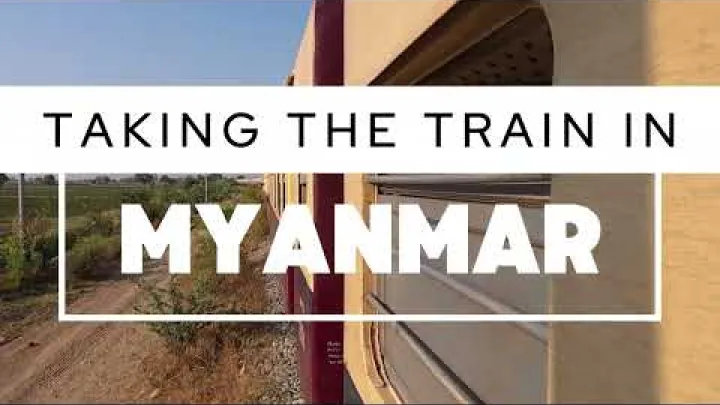
Rail can suit travelers who prefer a lower-cost overland journey and can accept a slower trip. Compared with air travel, it usually involves more time and greater exposure to delays. Onboard conditions may also be more basic than an aircraft or a higher-category coach. The experience can vary between services, so avoid choosing rail solely because a general timetable makes it appear inexpensive.
Upper-class seats or sleeper arrangements may be available on some services, but include them in your plan only when the current schedule, station counter, or booking channel verifies the relevant service. Do not assume that an option described in an older guide is still sold. Confirm the departure and arrival times at the station, especially if you have a hotel check-in, airport connection, or another long-distance ticket waiting at the other end.
Booking and Arrival Timing for Overland Travel
There are several ways to buy an overland ticket: directly from an operator, through a recognized booking platform, at a railway or bus-station counter, or through an informal seller. The safest practical distinction is whether you can identify the operating company, receive a clear ticket, and understand where and when to board. A booking platform may make comparison easier, but its displayed journey time or fare does not guarantee road or rail conditions.
For a bus or train, save the following information before leaving your accommodation:
- Passenger name, travel date, service or operator name, and seat or class.
- Exact departure terminal or station, including the spelling used by the ticket issuer.
- Operator contact details and the booking reference or ticket number.
- Luggage allowance, storage arrangements, and any separate charge.
- Expected arrival window and the hotel’s late-arrival instructions.
Allow flexibility around an overnight journey. Avoid a plan that depends on an unconfirmed same-day flight, boat, tour, or border connection immediately after arrival. Keep a printed ticket or offline screenshot, keep your luggage under control during stops, and tell your accommodation when to expect you. If the operator changes the departure point, update the hotel transfer rather than assuming the original plan still applies.
Travel by River from Bagan
The Irrawaddy River creates a scenic connection between the Bagan area and Mandalay, but it is a specialized internal route. It is best planned as part of a flexible Central Myanmar itinerary rather than as a replacement for every other form of transport.
The Bagan–Mandalay Boat Route
Travelers usually associate the Bagan-side departure with Nyaung-U Jetty. A Mandalay arrival or departure point reported in travel accounts is 2 Canons Jetty. These are useful local anchors, but the exact boarding location, pickup arrangement, and operating pier should be confirmed with the boat operator because a jetty name on a travel page does not prove that the service is running there now.
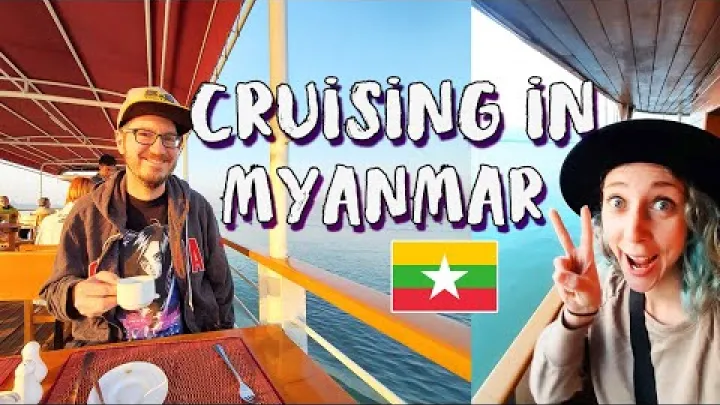
A local account of the MGRG Express Boat route reports an early departure from Mandalay at 07:00, check-in at 06:30, and arrival in Bagan around 16:00 or 17:00. The account from A Social Nomad shows the useful planning point: this is a full-day river journey, not a quick transfer. It should not be copied as a guaranteed current timetable or automatically reversed to create a Bagan-to-Mandalay departure time.
The boat can be worthwhile for travelers who want river scenery and a slower journey. Road travel may be more direct when a confirmed service is available, while a flight is normally more suitable for minimizing time. Boat comfort, seating, meals, shade, luggage handling, and other inclusions should be confirmed as part of the booking rather than assumed from the word express or from a tourism description.
Before paying, confirm the river conditions, jetty access, sailing status, check-in location, total fare, inclusions, and cancellation terms. Weather, water conditions, and access to the jetty can affect boarding or sailing. Ask locally whether the boat is departing on the planned date, and keep a road alternative available if the operator cannot confirm the service.
Plan the Main Routes from Regional Gateways
Most long-distance planning for Mandalay begins with a gateway such as Yangon or the Bagan area. The route should be built around the confirmed departure point, not only the city name shown in a search engine.
Yangon to Mandalay
The Yangon–Mandalay corridor offers the clearest comparison between air, bus, and rail. An international traveler may arrive in Yangon, use RGN as a connection point, and then continue by a separately confirmed domestic flight. Alternatively, the traveler can leave Yangon from Aung Mingalar Highway Bus Station or use the railway route from the relevant Yangon station.
Air generally prioritizes speed and a more predictable onboard environment when the flight is operating. A bus may offer a lower price and an overnight schedule, but it involves road delays and a late or early arrival. Rail may suit a traveler who values the overland experience and can accept a slower journey with more basic conditions. Compare the complete door-to-door plan, including the time needed to reach the Yangon departure point and the transfer from the Mandalay arrival terminal.
Do not assume that an international flight and a domestic connection are protected as one itinerary merely because a booking website displays them together. Separate tickets can have separate baggage rules, change terms, and missed-connection responsibility. If the long-distance service cannot be confirmed, keep the Yangon stay and the onward plan flexible instead of committing to a tight connection.
Bagan or Nyaung-U to Mandalay
For travelers already in Bagan or Nyaung-U, the main choice is between a river experience and whatever road or rail service is currently operating. The boat is attractive when scenery and a full day on the Irrawaddy are part of the travel goal. A bus or train may be preferable when the departure is confirmed and the traveler needs a different schedule or lower-cost overland option.
Do not infer a current bus or rail departure from the existence of a general Myanmar network listing. Ask the operator or station for the actual date, origin, destination, and boarding instructions. For river travel, confirm whether the boat uses Nyaung-U Jetty or another Bagan-area point and whether the Mandalay side is 2 Canons Jetty or a different location.
The departure point may be outside central Bagan, so allow time for the local ride to the jetty, station, or pickup point. This route works best for travelers who can accept a full-day journey and a possible service change. Keep hotel and sightseeing plans adjustable until the long-distance leg is settled.
Other Cities and Border-Linked Routes
Other domestic approaches to Mandalay may be possible from cities served by a current airline, bus operator, train, or other transport provider. They should be considered only when the relevant operator or official notice confirms the route for the planned date. A historical network map, an old travel report, or a route displayed without a current booking result is not enough evidence.
Border-linked planning requires an additional distinction. An internal connection through a regional city is not the same as a viable international border entry. Border access, permits, immigration procedures, foreign-traveler eligibility, and security conditions can change independently of the onward transport. A route that appears geographically convenient may still be unavailable to foreign travelers or unsuitable for the intended date.
For that reason, do not use a border route as the default plan for reaching Mandalay. Check the border’s current status, whether your nationality and documents are accepted, the transport after entry, and current official and trusted local security information. If any part of that chain is unclear, use a better-documented gateway or postpone the route choice.
Handle the Final Arrival in Mandalay
Long-distance transport ends at a gateway, not necessarily at a hotel. Plan the final road connection separately, especially after an overnight bus or train.
From MDL to the City Center
Mandalay International Airport is outside the central hotel area, so arrival at MDL still requires a road transfer. Taxi, private car, and hotel-arranged pickup are possible transfer categories, but availability, fares, and travel time can vary. Do not rely on an old online fare or assume that a preferred vehicle will be waiting after a late flight.
Before leaving the terminal, confirm the pickup point, the agreed fare, the payment method, and who is collecting you. If using a hotel pickup, keep the hotel’s confirmation and the driver or vehicle details available. If using a taxi or private car, ask about current road conditions and settle the price or pricing method before departure.
From the Bus Station or Railway Station
For bus arrivals, use Chan Mya Shwe Pyi, also called Kyweseskan, as the principal terminal anchor in Mandalay. For rail arrivals, the relevant city anchor is Mandalay railway station. Neither name should be treated as a hotel location, and an overnight service may arrive at a time when fewer transport options are available.
A pre-arranged hotel transfer or a confirmed local transport plan can make a late arrival easier. Keep your luggage close, confirm the driver and vehicle identity before entering a car, and avoid leaving the terminal with an unsolicited person. Check the exact arrival point on the ticket because booking pages may use different spellings or may describe a pickup point rather than the main terminal.
An Easybook listing illustrates why terminal names need attention: it identifies Chan Mya Shwe Pyi, or Kyweseskan, in a route listing and displays an indicative distance and journey time. That listing helps identify the terminal pair, but it does not guarantee a current arrival schedule, vehicle, or city-center transfer.
Avoid Ticket Touts and Unclear Fares
Transport hubs can present practical problems such as unsolicited ticket offers, unclear surcharges, unofficial fare changes, or pressure to use a particular vehicle. This does not mean every local seller or driver is unreliable. It means the traveler should use a clear transaction that can be checked against the original booking.
Buy through the operator’s website, a recognized booking platform, or an identifiable station counter when possible. Compare the quoted fare with the booking confirmation, ask what is included, request a receipt, and keep a record of the operator’s name. For a taxi or private transfer, agree on the fare or pricing method before leaving and confirm whether luggage, waiting time, or tolls are included.
Decline unsolicited ticket offers when the seller cannot show the operating company, departure point, total fare, and written booking details. An old online listing or an advertised route does not prove that the service is running now. If the seller pressures you to pay immediately or changes the fare after payment, step away and use a recognized channel instead.
Choose the Route Only After Final Verification
A sensible Mandalay route is not simply the cheapest, fastest, or most scenic option. It is the option whose operator, departure point, arrival point, payment terms, and onward transfer are clear for the exact travel date. Use MDL when a suitable flight is confirmed, compare the Yangon–Mandalay bus and rail corridor when overland service is operating, and choose the Bagan–Mandalay river leg when the full-day experience fits a flexible itinerary.
Before committing, return to the relevant operator or official transport page, confirm the service directly, and save the final details offline. If the information conflicts, the terminal is unclear, or the journey depends on an unconfirmed connection, change the itinerary rather than assuming that a search result will remain accurate. This approach makes Mandalay getting there more practical while recognizing that transport access can change quickly.
Select area
Create a post
Posting is free and no registration is required.