Pakse Travel Guide: Planning a Trip to Southern Laos

Pakse is a practical starting point for Southern Laos: a compact city where the Mekong River meets the Xe Don River, with transport links and everyday services that are useful before heading into the countryside. It is best for travelers who enjoy combining a simple city stay with waterfalls, coffee landscapes, Khmer heritage, or river islands. This Pakse travel guide explains where to stay, how to move around, what to prioritize, and how to build an itinerary with realistic transfer days. It also helps first-time visitors decide when Pakse should be a base and when it is better to continue to Champasak, the Bolaven Plateau, or the 4,000 Islands.
Pakse at a Glance: Is It the Right Base for Southern Laos?
Pakse works well as a logistics hub with enough local character for an arrival day or a relaxed overnight stay. Its value is not a dense list of urban attractions; it is the ability to connect a city walk, food stops, accommodation, cash needs, and onward travel in one place.
What Pakse is like for first-time visitors
Pakse is the provincial capital of Champasak Province, positioned near the confluence of the Mekong River and Xe Don River. The central area is relatively manageable, with Route 13 running through the city and riverside streets, markets, lodging, and transport services close enough to form a useful orientation zone. The old French quarter provides another reference point when choosing accommodation or walking around.

For a first visit, think of Pakse as both a destination and a launch point. Spend time along the riverfront, eat locally, visit a market, see Wat Phousalao, and organize the next stage of the trip. Then use the city for access toward the Bolaven Plateau, Vat Phou, Champasak town, or the islands farther south. Travelers seeking a polished resort town or a full schedule of major museums may prefer to keep the city stay short; those who value easy planning and regional variety will find it useful.
How many days to spend in Pakse and the surrounding region
One night is enough to arrive, settle in, and arrange onward transport. Two nights allow a fuller city orientation and one nearby excursion. For many first-time visitors, three or four days is a sensible minimum for Pakse plus either the Bolaven Plateau or Vat Phou, without trying to rush both into a tight schedule.
Allow five days or more if you want a slower Southern Laos route. You can add an overnight on the plateau for rural scenery and coffee areas, stay in Champasak town for Vat Phou, or continue south to Don Det or Don Khon. A Pakse-centered plan reduces hotel changes and makes departure simpler. A multi-base journey gives more time in each landscape, but it adds luggage handling, road transfers, and coordination.
Where to Base Yourself Around Pakse
The right base depends on whether convenience, scenery, heritage, or a slow river stay is your priority. Central Pakse is the flexible choice; the surrounding bases reward travelers who have more time and are comfortable with fewer immediate services.
Staying in central Pakse
Choose central Pakse if you want the easiest access to transport, banks, shops, food, and day-trip arrangements. The most practical area is generally around the old French quarter, Route 13, the riverfronts, and the streets connecting markets and transport services. It is a useful location after arriving at Pakse Airport or before taking an onward bus.
Accommodation in town is varied and usually chosen for location rather than a uniform level of facilities. Ask the property about parking, pickup arrangements, breakfast timing, and luggage storage if these affect your plans. The riverside, Wat Phousalao, and M Park Night Market are helpful orientation anchors, but their current access, vendors, and atmosphere can vary from day to day.
Staying on the Bolaven Plateau or near Pakxong
A plateau stay suits travelers who want a rural setting, cooler-feeling conditions at elevation, waterfall access, and time around coffee-growing areas. Pakxong is a useful geographic reference, while stays near waterfall zones can feel more secluded. This option is about immersion: mornings in the countryside and less need to return to town after a day trip.
The trade-off is convenience. A plateau base is reached by road and may be less suitable for travelers needing quick access to the airport, long-distance buses, banking, or a broad choice of restaurants. A day trip from Pakse is simpler for a short visit; an overnight stay is better when you want to slow down and avoid treating the landscape as a brief stop between transfers.
Staying in Champasak town near Vat Phou
Champasak town is a quieter Mekong-side base for travelers whose main priority is Vat Phou and a calmer riverside rhythm. Staying nearby can make a heritage-focused visit feel less rushed and gives more opportunity to experience the town separately from the temple complex.
It is not interchangeable with Pakse. Pakse has stronger transport connections and more everyday services, while Champasak town is better for a shorter, more focused stay. Before committing to a small-town base, confirm your accommodation, local transport options, and the current access arrangements for the heritage site, especially if you have a fixed onward departure.
Staying on Don Det or Don Khon in the 4,000 Islands
Don Det and Don Khon are for slow travel: river views, cycling, boat outings, simple guesthouses, and unstructured time. They are usually a better separate base than an extension of a Pakse city day. The final approach normally involves reaching Nakasong and then continuing by boat or ferry, so arrival and departure require their own planning.
| Base | Best for | Main trade-off |
|---|---|---|
| Central Pakse | Flexible first trip | Less rural immersion |
| Bolaven Plateau | Waterfalls and coffee | Fewer city services |
| Champasak town | Vat Phou and riverside pace | Reduced transport choice |
| Don Det or Don Khon | River-based slow travel | Boat transfer and basic facilities |
Island facilities can be more limited than in Pakse. Before leaving the city, ask your accommodation about cash access, payment methods, ferry arrangements, and the practical conditions during your travel period.
The Best Things to Do in and Around Pakse
The strongest Pakse itinerary separates the compact city from the regional excursions. Leave enough space for both: a calm arrival or evening in town makes an early departure to the countryside much easier.
Exploring Pakse city
Pakse can be explored in a half-day or an evening. Start by getting oriented around the Mekong and Xe Don riverfronts, then walk through parts of the old French quarter and nearby food streets. Markets are useful not only for eating but also for seeing the everyday rhythm of a provincial capital.
Wat Phousalao, on the hillside across the river, is a visual landmark and a useful viewpoint when access and transport suit your plans. A practical first-day sequence is arrival and check-in, a riverside walk, an evening meal or market visit, and then time to confirm the next day’s pickup point or transport. This keeps city sightseeing distinct from the longer excursions that are commonly sold from Pakse.
The Bolaven Plateau, waterfalls, and coffee areas
The Bolaven Plateau is the principal nature excursion from Pakse. Its appeal lies in a combination of higher-elevation landscapes, agricultural areas, coffee, and waterfalls such as Tad Fane and Tad Yuang. Pakxong is commonly used as a reference point for the coffee-growing part of the plateau, while waterfall stops are spread across a wider road network.
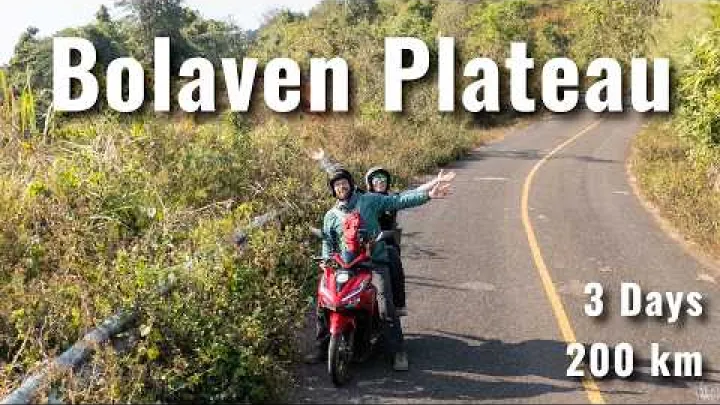
There are three broad ways to visit. A guided trip is the simplest option for travelers who want a driver, local routing, and less navigation pressure. A private vehicle can work well for groups or people wanting a more tailored pace. An independent motorbike loop offers flexibility but requires confident riding, route awareness, and a willingness to adapt to road and weather conditions. Current organized options can be viewed through Bolaven Plateau tour listings, but do not assume listed itineraries, prices, or pickup details are permanent.
Waterfall volume, trail conditions, visibility, and local operating arrangements are seasonal. Decide first whether your priority is coffee and countryside, dramatic waterfall flow, or a manageable day out from Pakse; that choice should determine whether you take a tour, arrange a vehicle, or stay overnight on the plateau.
Vat Phou and Champasak heritage
Vat Phou is the major heritage excursion near Pakse. It is an ancient temple complex with Khmer-influenced religious and architectural history, set within a landscape that links the site, the hillside, and the Mekong plain. The experience is different from a city temple visit: it is about walking through a larger historic setting and understanding why the location held religious importance over a long period.
Pairing Vat Phou with Champasak town can make the day more balanced, especially for travelers who prefer a river stop and a slower pace around the visit. Expect heat, uneven surfaces, and stairs in parts of the complex. Wear shoes with grip, carry water, and allow more time than a quick photo stop. Current visitor interest and tour availability are reflected in Vat Phou tour listings; confirm entrance information, site rules, and access directly through local channels before traveling.
The 4,000 Islands from a Pakse itinerary
The 4,000 Islands are best understood as the river-focused southern end of a longer itinerary. Don Det and Don Khon appeal to travelers who want cycling, boat time, relaxed guesthouse stays, and broad Mekong scenery rather than a packed sightseeing program.

From Pakse, the journey south changes the pace of the trip because the route continues through Nakasong before an island boat transfer. This makes a same-day return possible only in a very compressed plan and leaves little room for delays or enjoyment. Plan at least one overnight if the islands are a priority, and treat their transport and accommodation as a separate part of the journey rather than an add-on to city sightseeing.
How to Get to Pakse
Pakse is reachable by air and overland routes, but Southern Laos itineraries are more reliable when each major connection is treated as its own travel day. Avoid building a plan that depends on several unconfirmed transfers working perfectly together.
Flying to Pakse Airport
Pakse Airport is the main air gateway for Southern Laos. It can be useful for domestic travel and selected regional connections, but schedules, carriers, and seasonal service can change. Route-discovery services such as FlightConnections provide a starting point for current scheduled destinations; always confirm the final schedule with the airline before purchase.
Flying can reduce the strain of long road journeys, but it does not remove connection risk. Build a buffer before any separately booked bus, tour, border crossing, or island transfer. If your itinerary links Pakse with Vientiane, Luang Prabang, Cambodia, Vietnam, or Thailand, judge each connection by the actual service available on your dates rather than by a route that operated in a previous season.
Overland routes from Thailand, Cambodia, and Vietnam
Travelers already in Thailand often approach Southern Laos through Ubon Ratchathani and the Thailand–Laos border. It can be a logical route, especially when combined with a road journey, but the practical details depend on the border in use, transport availability, and entry rules for your passport.
Routes from Cambodia and Vietnam may involve more transfers and less predictable bus operations. Use a bus search tool such as CheckMyBus to identify possible routes, then confirm the departure point, operator, and baggage terms directly. Verify current flight, bus, border, and visa details with the relevant operator or official authority before booking connections. Immigration eligibility and border opening arrangements are not permanent travel-guide facts.
Reaching Pakse from Vientiane and other Lao destinations
Long-distance buses, including overnight services, are important for reaching Pakse from other Lao destinations. They can be economical and useful when time is flexible, but they are not ideal immediately before a critical flight or border crossing. A flight, when available, may be preferable for travelers with limited time; a road journey can make sense for those comfortable with a longer transfer day.
The Laos-China railway does not directly serve Pakse. A rail-based itinerary therefore requires a separate road connection for the southern portion. When comparing options, weigh total door-to-door effort, sleep quality, luggage handling, and the cost of a missed connection instead of looking only at the ticket price.
How to Get Around Pakse and Southern Laos
Movement is straightforward once you match the transport mode to the distance. Pakse’s core is walkable in parts, while the plateau, heritage sites, and islands require organized road travel and, in the case of the islands, a boat transfer.
Walking, tuk-tuks, and local rides in Pakse
Walking is useful around central accommodation, the riverfronts, markets, and the old French quarter. It is less comfortable in strong heat, after dark on unfamiliar streets, or for reaching more distant landmarks. Wat Phousalao and some transport points are better reached by tuk-tuk, a hired car, or an arrangement through your accommodation.
A simple rule works well: walk in the compact core, arrange a ride for distant places, and agree on the fare before departure. Carry small local cash for local rides, ask where you will be collected for the return trip, and do not assume a formal city bus or a particular ride-hailing service will solve every journey.
Motorbike rental versus guided tours
Motorbike rental can give experienced riders freedom to stop at coffee areas, viewpoints, and waterfalls at their own pace. It also places responsibility for navigation, changing conditions, roadside repairs, and timing on the rider. Guided tours and private drivers cost more in many cases, but they are usually the lower-stress choice for people without strong riding experience, travelers in poor weather, or anyone who needs predictable return logistics.
Before accepting a rental, inspect brakes, tires, lights, mirrors, fuel level, and visible damage. Agree on the rental period, deposit, insurance or responsibility terms, and what happens after a breakdown. Take photos of the vehicle and keep a written record of the agreement. Do not leave your passport as security, use appropriate protective equipment, and choose a guided option if the route or your riding confidence is uncertain.
Regional connections to the plateau, Vat Phou, and the islands
Southern Laos can be understood through three main corridors from Pakse: east toward the Bolaven Plateau, southwest toward Vat Phou and Champasak town, and south toward Nakasong and the islands. The first two are road journeys, commonly handled by tour vehicle, private car, minivan, bus, or motorbike. The island route adds a boat or ferry transfer after the road section.
Route sequence matters. A hub-and-spoke plan returns to Pakse between excursions and reduces uncertainty about the final departure. A one-way route moves onward from Pakse through Champasak or the islands, but it requires more hotel changes and careful luggage planning. Keep early departures and buffer time visible in the itinerary instead of assuming every transfer day also supports a full day of sightseeing.
Best Time to Visit Pakse
Season affects comfort more than it changes the essential character of Pakse. Your best dates depend on whether you prioritize easier road travel, powerful waterfalls, greener scenery, temple visits, or a flexible island stay.
Dry and wet season planning
In drier periods, road-based exploration is often easier and viewpoints may offer clearer conditions. The downside can be more intense heat and dry, dusty stretches. Wetter periods can bring greener landscapes and stronger waterfall flow, but rain can make paths slippery and road travel less comfortable.
A short forecast is useful for immediate decisions, not for predicting an entire season. Check current Pakse conditions through the Met Office and check local road conditions before planning plateau rides, waterfall visits, or other outdoor trips. This is particularly important when choosing between a self-drive day and an organized excursion.
Choosing dates for specific activities
Travelers focused on road trips, viewpoints, temple visits, and independent riding may prefer a period that is more likely to be dry, while planning early starts to reduce heat exposure. Waterfall-focused visitors may accept rain in exchange for greener surroundings and fuller water flow, but should be prepared for muddy or slippery approaches.
Pack breathable clothing, sun protection, a refillable water bottle, rain protection, and footwear suitable for wet paths. Start outdoor activities early where possible. Cultural events can be rewarding, but dates and local arrangements should be checked through current local calendars before booking non-refundable travel around them. Boat routes and individual attractions should not be assumed to operate the same way in every season.
Costs, Bookings, and Practical Preparation
Pakse can suit a range of budgets, but the total depends less on food in town and more on how you move through the region. Flights, private vehicles, guided outings, and multiple bases add cost as well as convenience.
What a Pakse trip typically costs
Build your estimate by category rather than relying on an old daily-budget figure. List accommodation, meals, local rides, intercity transport, tours or private drivers, entrance charges, motorbike rental, fuel, and island transfers. Then add a contingency for schedule changes or an extra night if a multi-leg route becomes inconvenient.
A simple city stay with local meals and shared transport is usually less expensive than a route involving flights, private drivers, guided plateau excursions, and several accommodation changes. Do not treat online tour prices or past traveler reports as a fixed local rate. For each paid activity, ask what is included: transport, pickup, entrance fees, food, boat transfer, equipment, and return travel can all be separate items.
Cash, cards, connectivity, and essential services
Plan to access Lao kip before moving to smaller bases. Pakse is the sensible place to handle cash needs, download offline maps, buy a local phone connection if needed, refill medicines, and keep copies of travel documents. Card acceptance, ATM availability, mobile data, fuel, and medical support may be more limited outside the city.
Carry enough local cash for areas such as the islands and confirm which transport, ferry, entrance, or tour fees are included. Ask your next accommodation directly about current payment options, nearby cash access, mobile signal, and any practical supplies you need before leaving Pakse.
Booking transport, accommodation, and tours
Book ahead when a flight, a high-demand date, a small-island room, or a multi-leg connection is central to your trip. For flexible road travel, it can be useful to retain some room to adjust, but informal last-minute arrangements are not a substitute for clear confirmation.
Whether you book through an established operator, an accommodation provider, or in person, confirm the departure point, pickup time, luggage policy, cancellation terms, and included costs. For routes involving the islands, clarify whether the final boat or ferry is included. Keep the provider’s contact details and a copy of the booking information on your phone.
Safety and Responsible Travel in Pakse
Most safety planning in Southern Laos is practical rather than complicated: choose transport carefully, respect heat and terrain, and avoid making assumptions about remote areas. A calm, prepared approach is more useful than alarm.
Everyday safety, health, and road awareness
Use normal travel precautions with valuables, especially in busy transport areas and markets. Stay hydrated in the heat, use sun protection, and take care on uneven stairs at temples or wet paths around waterfalls. At night, give yourself more time for local transport rather than rushing on unfamiliar roads.
Road travel deserves more caution than walking in central Pakse. Rain, darkness, unfamiliar surfaces, and limited support can turn an easy-looking journey into a difficult one. Use reputable transport where possible, carry appropriate travel insurance, and know how to contact your accommodation or local service provider if you need help.
Unexploded ordnance, restricted areas, and current advisories
Unexploded ordnance remains a serious concern in parts of Laos, and risk is not the same in every area. Remain on established roads and marked paths, do not handle unfamiliar metal objects, and do not leave approved routes to explore open land. These habits are especially important beyond built-up places and formal visitor areas.
Review the current Laos Travel Advisory before departure and read the complete guidance for your circumstances. It notes crime, unrest, and unexploded ordnance among the reasons to exercise increased caution. Follow current official advice and any instructions given locally rather than relying on old maps or informal assumptions about restricted areas.
Sample Pakse Itineraries and Final Planning Checklist
The most satisfying route is rarely the one with the most stops. Use Pakse to establish a comfortable rhythm, choose one major theme for a short visit, and add extra bases only when you have enough nights to enjoy them.
A focused three- to four-day Pakse itinerary
On day one, arrive in Pakse, orient yourself around the rivers and central streets, eat locally, and arrange the next day’s transport. On day two, choose one major excursion: the Bolaven Plateau for waterfalls and coffee landscapes, or Vat Phou and Champasak for heritage and the Mekong setting. Do not try to do both as rushed full-day highlights.
On day three, use a second city morning, a lighter nearby activity, or a reserve day for the excursion you did not choose. If you have a fourth day, add an overnight or a second regional outing only if your onward travel is not time-critical. Drop the optional city activity first if weather, fatigue, or transport disruption affects the schedule; preserve the buffer before a flight or border crossing.
A five- to seven-day Southern Laos itinerary
A longer route can begin with one or two nights in Pakse, then move according to your interests. Nature and coffee travelers can add a plateau overnight. Heritage-focused travelers can continue to Champasak town after Pakse. River-focused travelers can travel south through Nakasong for Don Det or Don Khon and allow time to settle into the island pace.
A hub-and-spoke version returns to Pakse after each excursion and is best for travelers wanting simpler luggage management. A one-way route is better for those who want to finish in the islands or another southern base, but each move should be counted as a travel day. Confirm the final departure route from your last base before committing to the sequence.
Pakse pre-departure checklist
- Confirm entry requirements for your nationality and the route you will use.
- Choose a base: central Pakse for flexibility, the plateau for nature, Champasak for Vat Phou, or the islands for slow river travel.
- Decide whether tours, a private driver, or independent transport best match your experience and schedule.
- Recheck flight or bus schedules, border arrangements, road conditions, site access, and island boat plans shortly before departure.
- Arrange insurance, enough local cash, offline maps, phone access, medicines, and accommodation for key nights.
- Review current official travel guidance before leaving for remote areas.
Pakse is most rewarding when treated as more than a transit stop. Give it enough time for a calm arrival and use it as the practical gateway to the distinct landscapes, heritage, and river life of Southern Laos.
Select area
Create a post
Posting is free and no registration is required.