Pakse Getting There: Flights, Buses, and Overland Routes
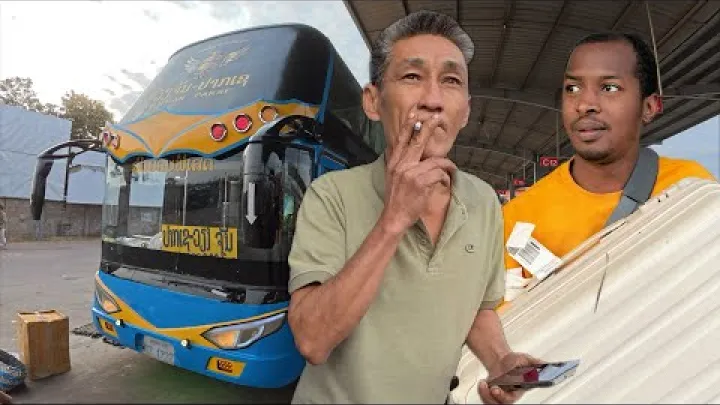
Getting to Pakse is straightforward once you choose between speed, price, and the kind of journey you want. Pakse International Airport, long-distance buses on the north-south road network, and overland links from Cambodia all make the city an important gateway to southern Laos. This guide explains the practical routes from Vientiane, Cambodia, and the Si Phan Don islands, as well as what to expect when you arrive. Transport schedules and pickup points can change, so plan the long-distance trip first and leave room around independent connections.
How to Choose the Best Way to Get to Pakse
Your best route depends less on a single “best” transport option than on where you are starting, how fixed your schedule is, and whether Pakse is a stop within a larger Laos or Cambodia itinerary. Flying is usually the efficient choice for a short visit. Buses and road transfers are often better for travelers moving gradually through the region.
Air Versus Bus: Time, Cost, Comfort, and Booking Difficulty
Flights to Pakse are generally the fastest way to cover a long distance inside Laos, particularly from Vientiane. They are useful when you have limited holiday time, arrive in the capital on a suitable day, or need to avoid a long overnight road journey. The trade-off is that regional services can have limited seats and may not operate at times that fit every international arrival.
Buses are normally the lower-cost choice and make more sense when Pakse is one stop on a north-to-south route. They also allow travelers to break the journey in places such as Thakhek or Savannakhet. However, the experience varies considerably by operator, vehicle, road conditions, stops, and seat layout. An overnight bus can reduce the number of hotel nights, but it may not be the most comfortable option for travelers who need rest before a tour or onward journey.
| Option | Best for | Main advantage | Main limitation |
|---|---|---|---|
| Flight | Short trips and tight schedules | Fastest long-distance option | Limited regional availability |
| Long-distance bus | Budget and overland itineraries | Usually more economical | Longer and less predictable journey |
| Boat and road transfer | Travel from Si Phan Don | Connects the islands with Pakse | Requires more than one transport mode |
Booking difficulty is a separate consideration. A seat displayed by a travel platform is useful for planning, but it is not the same as a broad, high-frequency transport network. This matters most when you are connecting from an international flight, traveling during busy periods, or arriving from Don Det and Don Khon with a same-day flight from Pakse.
Which Arrival Route Fits Your Itinerary
From Vientiane, the practical decision is usually a domestic flight from Wattay International Airport or an overland trip south on Route 13. From Cambodia, a coordinated international bus or minivan can be more direct than routing through another airport, although the land border adds time and formalities. From Don Det or Don Khon, the usual pattern is a boat to the Nakasang mainland port followed by a road transfer toward Pakse.
Pakse is also a useful base rather than only an endpoint. It provides access to the Bolaven Plateau, Wat Phou, and the Si Phan Don region. If those places are part of your plan, choose an arrival route that gives you a recovery night in town when the next transport leg is important. Independently booked flights, buses, boats, and tours do not protect each other if one service is delayed.
Flying to Pakse International Airport
Flying into PKZ can turn a very long road journey into a short final transfer. It is particularly practical for travelers who enter Laos through Vientiane and want to concentrate their time in the south. The airport is a regional gateway, so route choice and timing deserve more attention than they would at a large international hub.
Pakse International Airport and the PKZ Gateway
Pakse International Airport uses the code PKZ and is the principal airport for Pakse and southern Laos. It is close enough to the urban area that the final journey into town is normally much shorter than the long-distance journey that brought you there. This makes PKZ a convenient arrival point for visitors continuing to Champasak Province or arranging travel around southern Laos.
The airport should be approached as a smaller regional facility rather than a large hub with a wide choice of services at every hour. Terminal improvements are under way: reporting by KPL described an expansion project intended to improve the airport’s capacity. During an upgrade period, facilities, passenger flows, and operational arrangements can change. Use your airline’s instructions for the date of travel rather than relying on an older airport guide.
Domestic Flights Through Vientiane and Other Lao Gateways
For most travelers arriving elsewhere in Laos, Vientiane is the principal air connection to Pakse. International visitors can land at Wattay International Airport, spend time in the capital if desired, then continue south by domestic flight when a suitable service is available. This is often preferable to beginning a lengthy road journey immediately after a long international flight.
Lao Airlines is the most useful official starting point for checking domestic availability to PKZ. The airline may also show other Lao connections, but routes such as links through Luang Prabang should be treated as date-specific options rather than permanent assumptions. A route that appears in a general search can be seasonal, sold out, unavailable on selected days, or based on an itinerary involving a connection.
A domestic flight is worth the higher cost when time in southern Laos is limited, when a traveler would otherwise need an overnight bus, or when road travel is likely to make the first day in Pakse unproductive. The bus is a reasonable alternative when the journey itself is part of the itinerary and you are comfortable with a longer, less controlled travel day.
International Flights and Changing Regional Connections
Direct international access to Pakse is more limited than access through larger airports in the region. A Hong Kong–Pakse–Hong Kong service was officially launched on March 5, 2026, according to KPL. That launch confirms that the route has operated, but it does not mean it will run on every date or with a frequency that suits all itineraries.
For travelers coming from Ho Chi Minh City, Phnom Penh, Siem Reap, Guangzhou, or other regional cities, do not assume a nonstop flight to PKZ exists simply because it has been announced, operated in a previous season, or appears in route information online. A practical flight plan may instead involve entering Laos through Vientiane or using an overland Cambodia–Laos route. Limited-frequency direct services can be convenient when they match your date, but they can leave little flexibility if you need to change plans.
How to Book and Verify Flights to Pakse
Start with the official Lao Airlines booking and schedule channels, then use flight-search websites as a way to discover possible combinations. Search by airport code PKZ as well as by the city name, and make sure the displayed itinerary actually ends at Pakse rather than another Lao airport. The official Lao Airlines schedule states that flight times may be changed without prior notice.
- Select the exact travel date, not just the route.
- Confirm the operating airline, flight number, airports, and connection details.
- Read the fare conditions and baggage allowance before payment.
- Allow a comfortable connection if your international arrival and domestic flight are on separate tickets.
- Recheck the airline’s date-specific booking result and schedule immediately before paying, then check again before leaving for the airport.
Keep the booking confirmation accessible offline and do not schedule an inflexible same-day tour or long-distance bus immediately after landing. A buffer is especially useful when a missed flight would affect an onward boat, border crossing, or return journey.
Taking Buses and Overland Routes to Pakse
Road travel remains essential for reaching Pakse from many places in Laos and Cambodia. Buses can offer a practical continuous journey, but the details matter: the operator, vehicle type, terminal, stops, and baggage arrangements may differ even on broadly similar routes.
Route 13 and Domestic Bus Connections
Route 13 is Laos’s main north-south road corridor and the broad overland link between Pakse and cities including Vientiane, Thakhek, and Savannakhet. It is the route framework behind many domestic journeys south, whether you travel in one long trip or divide the distance into stages. Breaking the trip can make a road itinerary more manageable and gives you time in places that might otherwise be passed at night.
Domestic bus networks connect Pakse with multiple Lao destinations. Booking services such as Baolau list routes and stops across Laos, which can help you identify operators and compare available dates. Use these listings as a planning tool, then read the ticket details carefully because departure locations and operating days can differ by service.
Vehicle descriptions are useful but not complete guarantees of comfort. A sleeper bus may have reclining berths and suit an overnight journey, although personal space can be limited. A standard bus may have more conventional seating and more stops. Minivans can be efficient on shorter or less heavily served routes but may have less space for luggage. Total travel time changes with traffic, weather, road works, rest breaks, and the number of passenger pickups, so treat a published duration as an estimate for that specific service.
Cross-Border Buses from Cambodia
Overland services from Phnom Penh or Siem Reap can make sense for travelers moving between Cambodia and southern Laos without returning to a major airport. Depending on the date, a booking platform or local agency may sell a direct bus, minivan, or coordinated transfer to Pakse. These products can be simpler than arranging several separate legs, but the total journey includes border procedures and may be much longer than the driving time alone.
Before purchasing a Cambodia–Laos journey, confirm the current cross-border operator, vehicle type, border procedure, pickup point, baggage handling arrangement, and Pakse arrival terminal for your exact date. Also verify Laos entry, visa, and border requirements with an official authority or the operator before booking. Rules can depend on nationality, document type, crossing point, and the services available at that border.
For speed, a flight combination may be better if a suitable operating schedule exists. For price and a continuous Cambodia itinerary, the overland option can be attractive. Siem Reap is useful when you are linking the Angkor area with southern Laos, while Phnom Penh can be a more natural road gateway for a longer Cambodia route. In both cases, plan an arrival night in Pakse if the next morning matters.
Pakse Bus Stations, Drop-Off Points, and Vehicle Types
International Bus Station KM 2 is an important Pakse hub for long-distance arrivals and departures. It is a useful name to recognize when reading tickets, arranging a pickup, or asking a hotel about the best onward transfer. It should not be treated as the only possible stop, however. Some companies use agency offices, hotel-area pickup points, or other named locations for part of the journey.

Read the ticket for three separate details: the departure point, the operator or agency name, and the stated arrival point. A listing that says “Pakse bus station” may not tell you enough by itself. Match the terminal name with the operator or your hotel, save the local address offline, and arrive at the stated departure point early enough to find the correct counter or exchange an electronic confirmation when required.
Long-distance vehicle type also affects the drop-off experience. A through bus may stop at a terminal, while a minivan or combined international ticket may end at an agency location. Ask where the vehicle will actually finish before departure, especially if you plan to meet a driver or walk to accommodation.
Typical Routes to Pakse from Major Gateways
The following route patterns help with planning, but availability must always be checked for the selected date. They are most useful for deciding whether to fly, travel overland in one journey, or add an overnight stop along the way.
From Vientiane to Pakse
From Vientiane, a domestic flight from Wattay International Airport is normally the time-saving choice. It is well suited to travelers who arrive in the capital by air and want to reach southern Laos quickly, as well as those with a short itinerary focused on Pakse, the Bolaven Plateau, or Wat Phou.
The alternative is an overland journey along Route 13. It requires substantially more time but can fit a lower-budget or slow-travel itinerary. Travelers who do not want to take the entire road journey in one stretch can use Thakhek or Savannakhet as intermediate stops, subject to finding suitable onward transport on their dates. An overnight departure may appear efficient, but stops, sleep quality, and the timing of arrival can influence whether it is actually the better choice for you.
International arrivals should avoid assuming that a flight into Vientiane connects smoothly with a southbound bus or domestic flight on the same day. Separate tickets and different terminals can create a fragile itinerary. If your arrival time is late or uncertain, begin the next leg after a night in Vientiane.
From Phnom Penh or Siem Reap to Pakse
From Phnom Penh or Siem Reap, the choice is usually between an overland cross-border service and a flight itinerary that depends on current airline schedules. A coordinated bus or minivan may provide a more direct land route to Pakse, but it is a full travel day or longer process once pickups, meal stops, and the border are included.
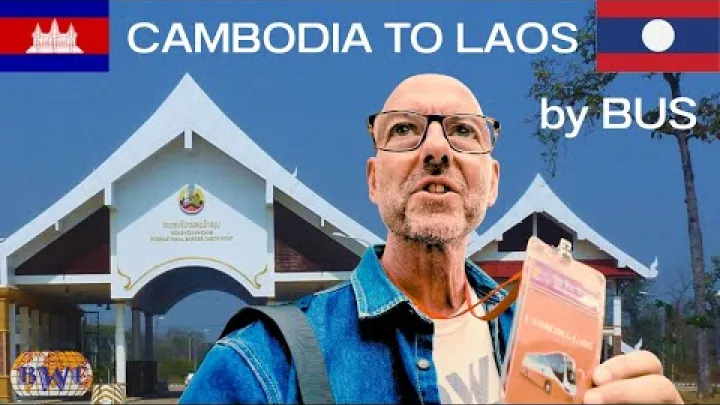
Choose an overland route when price and continuity through Cambodia are more important than speed. Choose a flight-based itinerary when you value shorter travel time and can find operating flights that work with your dates. Do not treat a previously reported direct flight or bus as a year-round promise. The useful planning question is not simply whether a route exists, but whether it operates on the day, from the pickup point, and to the arrival point you need.
Keep accommodation flexible on the Pakse end of the journey. Cross-border arrivals can finish later than expected, and a named drop-off may be different from the city-center hotel area.
From Don Det, Don Khon, and Nakasang
Travel from Don Det and Don Khon normally starts with a boat from the islands to Nakasang, the mainland transport point. From Nakasang, travelers continue by road transfer, shared minivan, or a combined ticket toward Pakse. This is a common route when moving north after time in Si Phan Don, but it involves at least two transport modes and should not be planned as if it were a direct city bus.
Local agencies and online platforms may sell combined boat-and-road tickets. They can be convenient because the seller coordinates the basic connection, but exact departure times, waiting periods, and prices can vary. Nakasang is not Pakse, so check what the road portion includes and whether the final stop is a hotel area, an agency office, or a bus station.
Leave generous time between a boat arrival and any onward flight, major bus, or fixed tour in Pakse. If the connection is important, staying overnight in Pakse is usually calmer than attempting a tightly timed same-day transfer after the island journey.
Getting from the Arrival Point into Pakse
The final transfer is generally simple compared with reaching southern Laos, but it is easier when you know your exact arrival point and have your hotel address ready. A prearranged pickup can be especially useful for a first visit, heavy luggage, or an arrival outside normal daytime activity.
From Pakse Airport to the City Center
Pakse International Airport is near the urban area, so the airport-to-city transfer is relatively short for most visitors. A hotel pickup is often the clearest option because the driver has your destination and arrival details in advance. Depending on the time and local availability, travelers may also find a tuk-tuk, songthaew, or another locally arranged ride.
For convenience, a confirmed hotel or private pickup is usually best. For a lower-cost option, a locally hired ride may work well when transport is available and you are comfortable discussing the destination. Keep small local cash available, show the address rather than relying only on a hotel name, and agree the fare before boarding.
If your flight arrives late, arrange accommodation and a pickup in advance rather than relying on an unverified ride. Send the hotel your flight details where possible, keep its phone number and address saved offline, and use the meeting instructions provided by the accommodation.
From International Bus Station KM 2 to Your Hotel
When arriving at International Bus Station KM 2, use the terminal name on your ticket together with your hotel address to organize the last part of the trip. A hotel pickup or prearranged transfer is often the easiest choice for first-time visitors and for late-night arrivals. It removes the uncertainty of finding the right local ride after a long bus journey.

Not every service stops at KM 2. Some operators may arrive at a nearby agency office or another named location, so check the actual drop-off shown on your confirmation before departure. If taking a tuk-tuk or another local ride, show the hotel address, confirm that the driver understands the destination, and agree the fare before leaving. Do not assume that walking is suitable with luggage, in the heat, or after dark.
Using Pakse as a Base for Southern Laos
Pakse is commonly used as a transport base for trips to the Bolaven Plateau, Wat Phou, and Si Phan Don. Hotels, local agencies, buses, minivans, private drivers, and organized tours can all play a role, but these are different products. A day tour may include transport, while an independent minivan ticket may only take you to a town or junction.
Ask what is included before committing to onward travel: pickup location, final destination, luggage handling, return arrangements, and whether you are buying a transport-only ticket or a tour. When an onward connection relies on a boat, bus, or flight with limited flexibility, a buffer night in Pakse can protect the wider itinerary and give you time to sort out any change in person.
Booking, Verification, and Arrival Checklist
A few minutes of careful checking can prevent the most common transport problems: appearing at the wrong terminal, expecting a direct service that is actually a transfer, or booking an arrival that does not fit the rest of the trip. Save critical details where you can access them without mobile data.
What to Confirm Before Paying
- Date and service status: Confirm that the service operates on your chosen date.
- Operator: Know the airline, bus company, or local agency responsible for the journey.
- Vehicle or aircraft: Check whether the trip is a flight, sleeper bus, standard bus, minivan, boat-and-road transfer, or a combination.
- Departure point: Save the terminal, station, agency office, or hotel pickup address.
- Arrival point: Confirm whether you will reach Pakse International Airport, International Bus Station KM 2, an agency office, or another stop.
- Timing: Note local departure time, check-in requirement, connection length, and expected arrival period.
- Baggage: Read baggage allowances and any conditions for larger items.
- Terms and proof: Review cancellation conditions and keep the payment receipt and confirmation screenshots.
When both an official operator channel and an aggregator listing are available, compare the essential facts rather than assuming they are identical. Put the date, operator, terminal, and current service status first. Then leave buffer time before fixed tours, domestic connections, borders, and return flights, particularly when separate bookings are involved.
Handling Changes, Touts, and Unclear Pickup Instructions
If the instructions sent by an operator differ from the original booking confirmation, do not make a quick decision based only on an informal message. Compare the date, company name, contact number, departure time, and address. Ask the operator or booking seller to state the revised pickup point clearly in writing, and keep screenshots of all messages along with your ticket.
At a station or agency area, use an identified operator counter, your hotel, or a prearranged transfer rather than handing documents to an unsolicited intermediary. Similar terminal names and bundled tickets can create confusion without indicating wrongdoing. Show your confirmation, ask which vehicle is yours, and confirm the destination before loading luggage. For a local ride, agree the fare in advance and keep your accommodation address available offline.
The Best Way to Get to Pakse for Your Trip
Fly to Pakse International Airport when time is your priority and a current PKZ schedule fits your plans. Take the bus when you want a more economical overland route through Laos, especially if you can divide the journey through Thakhek or Savannakhet. Use a coordinated Cambodia service when you are traveling north from Phnom Penh or Siem Reap and accept a longer day with a border crossing.
From Don Det or Don Khon, plan the boat-to-Nakasang and road-transfer sequence as a full connection rather than a quick final leg. Whichever route you choose, know your precise arrival point in Pakse, keep an offline copy of your booking, and give yourself enough time to enjoy southern Laos instead of chasing the next departure.
Select area
Create a post
Posting is free and no registration is required.