Pakse Budget: Daily Costs in Southern Laos
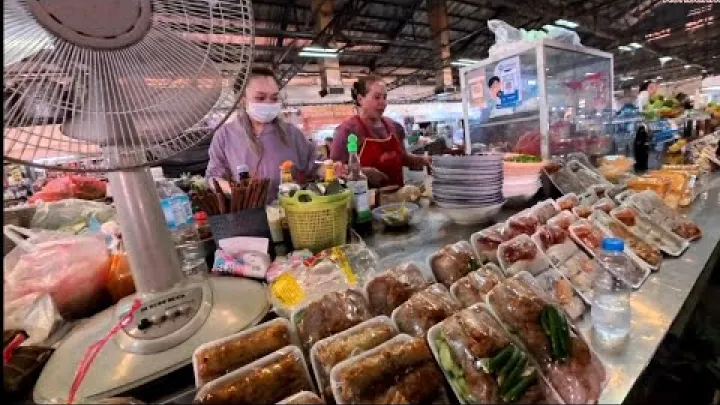
Pakse can be an affordable base for Southern Laos, but the total cost changes quickly when you add private transport, a Bolaven Plateau motorbike loop, Vat Phou, or time on Don Det. This guide gives dated planning ranges rather than fixed tariffs, with budgets for different travel styles and the decisions that most affect spending. Prices are shown in Lao kip first because that is how many everyday costs are quoted locally; US dollar amounts are approximate planning references only. International flights, visas, major travel into Laos, shopping, and unusually expensive private tours are not included in the daily figures.
Pakse Budget at a Glance
A low-cost trip is possible when you use simple accommodation, eat mostly Lao food, walk short distances, and share regional transport. A more comfortable trip usually means a private air-conditioned room, regular cafés or restaurant meals, and more paid transport. Use the figures below as a starting point, then add the one-off costs for the places you plan to visit.
Daily Budget Bands for Budget, Mid-Range, and Comfortable Travel
The following ranges are per person, per day. The kip figures are broad planning equivalents, not live exchange-rate conversions; update the dollar comparison using the rate available when you travel. Room sharing is the largest reason two travellers can spend less per person than a solo traveller.
| Travel style | Daily planning range | Approximate USD | Usually includes |
|---|---|---|---|
| Budget | 400,000–650,000 LAK | US$20–30 | Dorm or simple shared room, local meals, limited rides |
| Mid-range | 900,000–1,500,000 LAK | US$45–70 | Private room, mixed dining, local transport, modest activities |
| Comfortable | 1,700,000–2,800,000 LAK | US$80–130 | Better hotel, restaurant meals, private transport or organized activity |
The budget band assumes an ordinary day in or near Pakse. It does not mean every day will cost the same. A quiet city day may be well below the range, while a day using a private vehicle or joining an excursion can be much higher. The comfortable range is not a standard Pakse hotel tariff: it allows for choices such as premium rooms, a private driver, or a tour.
How to Divide the Daily Budget by Cost Category
Think of a daily budget as five parts: accommodation, food and drink, transport, activities, and a small contingency. Accommodation is a recurring cost, while excursions can create the most dramatic daily swings. Food at local noodle shops and ordinary city movement can remain modest, but café habits, alcohol, motorbike days, and private transport increase the total.
| Category | Budget traveller | Mid-range traveller | Comfortable traveller |
|---|---|---|---|
| Stay | Dorm or shared simple room | Private guesthouse room | Better hotel room |
| Food and drink | Mostly local meals | Local meals plus café or restaurant | Regular restaurant meals and drinks |
| Transport | Walking and occasional shared ride | More hired rides or shared day transport | Private vehicle or frequent paid rides |
| Activities | Few paid stops | One planned attraction or excursion | Tour, guide, or private day trip |
A useful calculation is: your share of the nightly room + meals and drinks + average daily transport + average daily activities + contingency. Keep airport transfers, intercity tickets, ATM charges, rental deposits, and major tours separate. They are real costs, but hiding them inside a daily average can make a short trip look cheaper than it is.
Estimating the Total Cost of a Pakse Trip
Multiply your chosen daily range by the number of nights, then add regional transfers and major activities. A short stay focused on Pakse has fewer moving parts than an itinerary that adds the Bolaven Plateau, Champasak, and the 4000 Islands. Solo travellers should budget more per person for private rooms, tuk-tuks, and motorbike-based days because there is nobody to share those costs.
For example, three days in Pakse at 500,000 LAK a day gives a working spend of 1,500,000 LAK before arrival and departure transport. A four-night city-and-Bolaven plan might start with three ordinary days at 600,000 LAK and reserve an additional 700,000–1,500,000 LAK for a motorbike day or overnight loop, depending on rental type, fuel, lodging, paid stops, and whether costs are shared. For a seven-night Southern Laos route, use your daily range for each base, then add each transfer separately rather than assuming an island room rate covers the journey to Don Det.
These examples are transparent planning tools, not promises that the same prices will be available on every date. The best approach is to build a base total, then set aside a separate amount for transport changes and paid excursions.
Accommodation Costs in Pakse and Nearby Bases
Pakse has the broadest choice of lodging and practical services in this part of Southern Laos. The lowest prices generally involve basic rooms or dorms, while the cost of a private air-conditioned room varies with dates, occupancy, location, and booking conditions. Outside the city, the room may be inexpensive but the logistics of reaching it can cost more.
Budget Rooms, Hostels, and Local Guesthouses in Pakse
Budget accommodation in Pakse includes hostel beds, simple local hotels, and private guesthouses. Condition varies considerably at the low end. A lower headline price may mean a fan rather than air conditioning, a smaller room, no window, a shared bathroom, weaker Wi-Fi, or fewer services. For travellers who are out most of the day, a clean, basic room can be a sensible saving; for a hot-season stay or remote work, air conditioning and a reliable workspace may matter more.

A recent traveller discussion suggested that 300,000 LAK for an air-conditioned double room was already at the high end for a basic option and pointed travellers toward guesthouses near Vida Bakery. Treat that as a benchmark rather than a current quote; availability and room standard differ property by property. The Laos Backpacking Facebook Group discussion is useful mainly as a reminder to compare several nearby properties, not as a price guarantee.
When comparing rooms, ask for the exact total in LAK and confirm the room type, taxes, breakfast, air conditioning, bathroom arrangement, and payment terms. A walk-in room can occasionally suit a flexible traveller, but it is not automatically cheaper and may not be available when demand is high.
Mid-Range and Comfortable Hotels in Pakse
Moving up from a simple guesthouse can buy a private bathroom, air conditioning, a larger room, breakfast, better common areas, central access, and more predictable service. Heaven Guesthouse is an example of a property listed with air-conditioned rooms and private bathrooms. Sanga Rooftop Hostel represents a different format, where hostel-style social space may be part of the appeal. Pakse Hotel and Restaurant is another example of a more established hotel category in the city.
Do not infer a fixed price from a property name. The current listing for Booking.com notes that Sanga Rooftop Hostel prices depend on stay dates and property policy. The same is true across Pakse: a private room for one person can cost nearly as much as the same room for two, and cancellation flexibility can change the total.
Compare platform prices with a direct enquiry only after matching the same room, dates, occupancy, breakfast, taxes, and cancellation conditions. Direct payment may offer flexibility, but it is not reliably cheaper. Travellers seeking comfort should reserve more of the daily budget for accommodation rather than assuming a higher rate guarantees a better location or service level.
Comparing Pakse, the Bolaven Plateau, Champasak, and Don Det
Pakse is usually the easiest place to manage a budget because it has the widest range of accommodation, food, transport counters, and cash access. Areas around Road 13 can be useful for practical city logistics, but room value still depends on the property and the exact distance to the services you need.
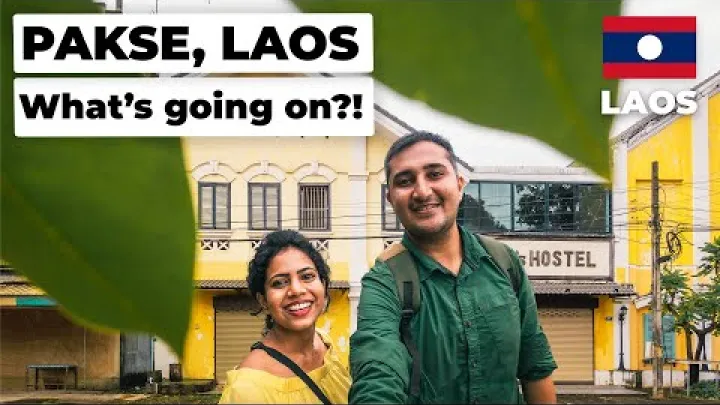
The Bolaven Plateau adds the cost of reaching nature sites, renting a motorbike or arranging transport, fuel, and sometimes rural lodging. Champasak can be a calm cultural base, but a Vat Phou visit adds site access and transport costs. Don Det in the 4000 Islands may offer simple, low-cost rooms, yet the transfer from Pakse, boat connection, reduced cash convenience, and selected tourist services can offset an apparently cheap nightly rate.
Choose Pakse for flexible logistics and a wide service range; the Bolaven Plateau for nature and independent motorbike access; Champasak for a slower heritage-focused stay; and Don Det for island downtime. Older online room figures for the 4000 Islands are especially unreliable, so price the accommodation and transfer as a combined decision rather than choosing only on a low advertised bed rate.
Food and Drink Prices in Pakse
Food is one of the easier parts of a Pakse travel budget to control. A traveller can eat well on local meals while still allowing for selected bakery breakfasts, coffee, or restaurant dinners. Dietary requirements, alcohol, imported products, and frequent snacks are the main reasons food spending rises beyond a frugal plan.
Local Meals, Markets, and Noodle Shops
The lowest-cost pattern usually relies on Lao noodle shops, rice dishes, market snacks, and simple local restaurants. These venues are useful for regular meals because they often offer straightforward portions without the price level of tourist-facing dining. The exact menu, portion size, and price will vary by neighbourhood, ingredients, and whether a drink is included.
For a frugal food budget, choose two or three local meals, carry water or buy simple drinks, and leave room for a snack. Eating locally does not require avoiding every café. It simply means treating café visits as a choice rather than the default for breakfast, lunch, and dinner. Travellers with strict hygiene preferences, allergies, or dietary restrictions may need more flexibility in their food allowance.
Cafés, Bakeries, Beer, and Western-Style Food
Vida Bakery is a useful Pakse reference point for the difference between basic local-food spending and café spending. A bakery breakfast, specialty coffee, dessert, or a larger Western-style meal can be enjoyable, but these purchases normally cost more than a simple noodle or rice meal. Imported items and repeated coffee stops can move a budget traveller into a mid-range food pattern quickly.
Beerlao, soft drinks, and restaurant dinners are optional variables, not essentials that belong in every daily food budget. A traveller who eats local food for lunch and dinner but chooses one café breakfast can keep spending moderate. Someone who adds several coffees, alcohol, desserts, and Western meals should use the middle or upper end of the daily bands.
Daily Food Scenarios for Different Travel Styles
Menu prices should be checked after arrival because current Pakse food evidence is less complete than accommodation information. The scenarios below show how choices, rather than a universal meal tariff, shape a daily food allowance.
| Meal pattern | Planning band | Decision notes |
|---|---|---|
| Frugal local day | 120,000–220,000 LAK | Local breakfast, noodle or rice meals, simple drinks |
| Mixed food day | 250,000–450,000 LAK | Local meals plus one café or bakery visit |
| Comfort food day | 500,000 LAK and above | Repeated restaurant meals, coffee, desserts, or alcohol |
These are per-person planning bands. Appetite, bottled drinks, dietary needs, and sharing dishes can all shift the result. The useful habit is to separate everyday nourishment from discretionary treats so that one higher-cost meal does not surprise you at the end of the day.
Transport Costs Around Pakse
Transport is modest on a city-focused visit but can become the main expense when you leave Pakse. Price each movement according to whether it is shared or private, per person or per vehicle, and whether it includes a boat, fuel, waiting time, or final drop-off.
Tuk-Tuks, Shared Vehicles, and Short City Trips
Walking can cover some central Pakse errands, while tuk-tuks, shared vehicles, taxis, and hired cars help with accommodation, markets, bus areas, and luggage. Short-ride traveller reports are only rough indicators because distance, time of day, rain, luggage, passenger count, and negotiation all affect the total. A point-to-point ride is not equivalent to a half-day or full-day vehicle hire.
Before leaving, agree the total fare and state clearly whether it is for the vehicle or for each passenger. This matters most when a driver quotes a number that sounds low but applies separately to every rider. If you need several stops, ask whether waiting time is included or whether the journey will be priced as a new ride each time.
Motorbike Rental and the Bolaven Plateau Budget
A Bolaven Plateau trip is best budgeted as a package of rental, fuel, food, any overnight stay, waterfall or access fees, and a reserve for unexpected costs. A basic scooter is normally the lower-cost choice, while a larger or more specialized motorcycle can raise the total substantially. The value of a motorbike depends on your confidence, route, weather, luggage, and the number of paid rides it replaces.

For a one-day excursion, use the current operator quote for the motorbike and fuel as the starting point, then add food, any overnight stay, site fees, and a contingency. A multi-day loop can cost more because rural lodging and several nature stops are added. Two people sharing a room and dividing vehicle-related costs can reduce the per-person total, although a scooter may not be suitable for two riders with heavy luggage.
Before accepting a rental, inspect the motorbike and record existing damage. Confirm the deposit, fuel policy, damage responsibility, helmet condition, insurance terms, licence expectations, emergency contact, and what happens if the bike fails outside Pakse. Do not assume every rental provides the same equipment or support. A cheap rental is poor value if it leaves you with unclear responsibility or unsafe gear.
Regional Transfers to Champasak, Vat Phou, and Don Det
Shared transport, local songthaews, minivans, tourist packages, and private tuk-tuks have different cost logic. Shared services generally cost less per person but may have limited timing and flexibility. A private vehicle is expensive alone yet can become reasonable when divided among a small group. Bundled transport can reduce planning effort, but check which parts of the journey are actually included.
For the 4000 Islands, one traveller report lists a boat transfer to Don Det or Don Khon at 50,000 LAK. Treat that as an indicative boat component rather than the full Pakse-to-island cost; getting to the departure point remains a separate expense. The report is available through the Laos Tourism Facebook Group.
For Champasak and Vat Phou, price the regional transfer, local transport, entrance, and return journey together. Before paying for any regional transfer, confirm the total fare, whether it is per person or per vehicle, the route components, boat connection, luggage handling, departure time, final drop-off, and all inclusions. This prevents a partial quote from becoming a larger-than-expected travel day cost.
Activities, Entrance Fees, and Excursion Costs
Activity spending in Southern Laos is flexible. Independent travellers can build low-cost days around scenery and local exploration, while a private driver, guide, or multi-stop day tour can become the largest single expense of the trip. Treat each activity as a complete day cost, not just an entrance fee.
Budgeting for Vat Phou and Cultural Visits
Vat Phou should be budgeted as entrance, transport from Pakse or Champasak, meals during the outing, and any guide or private-vehicle arrangement. Visiting from Champasak can reduce the transport element compared with a dedicated Pakse day trip. Sharing a vehicle or joining other travellers changes the per-person cost, but do not count on finding a group at a specific time.
Entrance charges and opening conditions can change, and the available fee information is not a current official tariff. Before visiting, confirm the current foreign-visitor entrance fee, opening information, and accepted payment method with an official or on-site source. That check is more useful than building a plan around an old online number.
Waterfalls, Nature Stops, and Low-Cost Activities
Many Bolaven Plateau days combine inexpensive nature stops with larger transport costs. Viewpoints, short walks, and time in rural villages may cost little, while some waterfalls or managed sites can charge entry, parking, or local access fees. Rather than trying to visit every stop, select a smaller number of paid places that fit your route and allow time for independent exploration.
This approach controls spending and reduces the pressure to turn a scenic day into a rushed checklist. Keep a modest activity reserve for small fees, but do not rely on a universal waterfall price because access arrangements differ by site and can change.
Private Tours, Shared Excursions, and One-Off Costs
Private tuk-tuk and guided day trips create the largest variation in a Pakse budget because the quote may cover an entire vehicle rather than one traveller. One traveller reported a 700,000 LAK tuk-tuk quote for a Pakse-to-Wat Phou day trip. If two people share that vehicle cost, the transport share is 350,000 LAK each; with four people, it is 175,000 LAK each, before entrance, meals, and other costs. The quote was reported in the Pakse Travel Facebook Group and should be treated as a variable traveller estimate, not an official price.
Ask what a private quote includes: fuel, driver waiting time, pickup, parking, entrance fees, guide services, and return transfer may not all be covered. Also reserve a small one-off contingency for deposits, parking, small admissions, guide fees, and transport changes. Sharing can reduce costs, but it should be an option rather than an assumption.
Currency, Payments, and Cash Planning
Good cash planning makes a Pakse budget easier to follow and reduces the risk of paying poor exchange rates or making repeated small withdrawals. The further you travel from the city, the more important it becomes to know how you will pay for rooms, food, fuel, and transport.
Using Lao Kip and Converting Prices
Plan everyday spending in Lao kip. Food stalls, markets, local transport, simple accommodation, and small entry payments may be quoted in LAK, so it is the clearest way to compare choices. Use US dollar amounts only as a rough mental reference. Exchange rates move, meaning an older dollar example can be misleading even when the kip price is unchanged.
Keep notes with the date, amount in LAK, and whether the price is per person or per vehicle. This simple method prevents a 700,000 LAK vehicle quote from being mistakenly treated as each traveller's fare. Direct payment in foreign currency, where accepted, may use a rate that is less favourable than your own conversion, so ask for the LAK total first.
ATMs, Cards, and Cash for Remote Destinations
Cash planning becomes more important on the Bolaven Plateau and in the 4000 Islands, where payment options can be less convenient than in Pakse. ATM withdrawal fees, machine limits, home-bank charges, card surcharges, and exchange losses are part of the trip cost. A card may be useful as backup, but it should not be the only way you expect to pay for everyday travel.
Before leaving Pakse for a remote leg, check current ATM availability and limits, your bank's overseas withdrawal charge, card surcharges, and the amount of cash your accommodation, rental shop, transport counter, market, and guesthouse will accept. Carry an emergency reserve separately from day-to-day cash, while avoiding more cash than you can manage safely. This one check can prevent an inexpensive island room or rural stop from becoming difficult to pay for.
What Raises the Cost of a Pakse Trip and How to Save
Budget travel in Pakse is not only about finding the lowest room rate. It is about selecting the right base, reducing repeated transfers, and spending more where comfort, safety, or time genuinely matters to you.
Peak Periods, Weekends, and Demand-Related Price Changes
Prices may rise and availability may tighten during busy travel periods, weekends, local events, and last-minute booking windows. This is especially relevant for limited rural accommodation and popular excursion dates, where there are fewer alternatives than in Pakse. Compare the same room type, occupancy, inclusions, and cancellation conditions across flexible dates rather than comparing only the lowest headline rate.
Treat a busy Bolaven or island date as a separate planning risk from ordinary city spending. Booking a key overnight early can be worthwhile when the alternative is an expensive transfer or a much less suitable room. On a flexible city stay, leaving some choices open may still make sense.
Concrete Ways to Reduce a Pakse Budget
- Choose a simple local guesthouse or a shared room when privacy and hotel facilities are not essential.
- Compare platform and direct rates using the same room conditions; convenience, cancellation rights, and payment method are part of the value.
- Eat mostly Lao food, then choose specific bakery, café, or restaurant meals that matter to you.
- Walk short city distances when practical, but use a hired ride when heat, luggage, time, or safety makes it the better choice.
- Share a private tuk-tuk, room, or regional transfer when compatible companions are available.
- Use a scooter only on days when it replaces several paid rides or enables a planned Plateau itinerary; do not rent one merely because the daily rate looks low.
- Stay in a base that reduces repeated transfers, even if the nightly rate is slightly higher.
- Make fewer, larger cash withdrawals when the fee structure supports it, while keeping a contingency for payment problems.
Each saving has a trade-off. A fan room may be less comfortable, a shared vehicle may limit timing, and a cheaper remote base may have fewer services. The best budget is one that preserves enough money for the parts of Southern Laos you most want to experience.
A Pre-Trip Pakse Budget Checklist
Use this checklist to turn the daily ranges into a practical trip plan:
- Choose your daily style: budget, mid-range, or comfortable.
- Decide whether you will pay for a solo room or share a room.
- Set a food pattern: mainly local meals, mixed café meals, or regular restaurant dining.
- List regional excursions separately: Bolaven Plateau, Champasak and Vat Phou, Don Det, or the 4000 Islands.
- Choose motorbike rental, shared transport, or hired vehicle for each excursion day.
- Record confirmed hotel bookings separately from flexible estimates.
- Add expected one-off costs: transfers, boat connections, entrance fees, rental deposits, and ATM charges.
- Keep a contingency for price changes, extra transport, small fees, and unexpected overnight needs.
- Shortly before travel, refresh the plan with current accommodation listings, menus, operator quotes, attraction details, and currency information.
Start with the daily band that fits your preferred comfort level, then add the one-off costs openly. This produces a more honest budget than averaging every major excursion into an apparently cheap daily total.
Build a Realistic Pakse Travel Budget
A realistic Pakse budget begins with a simple choice of travel style, then accounts separately for the experiences that make Southern Laos distinctive. Pakse itself can suit a careful budget, especially with local food and straightforward lodging, while the Bolaven Plateau, Champasak, Vat Phou, Don Det, and the 4000 Islands require extra transport and activity planning. Keep costs in LAK, distinguish per-person fares from per-vehicle quotes, and leave room for a contingency. With those habits, you can choose where to save and where to spend without losing control of the trip total.
Select area
Create a post
Posting is free and no registration is required.