Champasak Where to Stay: Best Bases for Every Travel Style
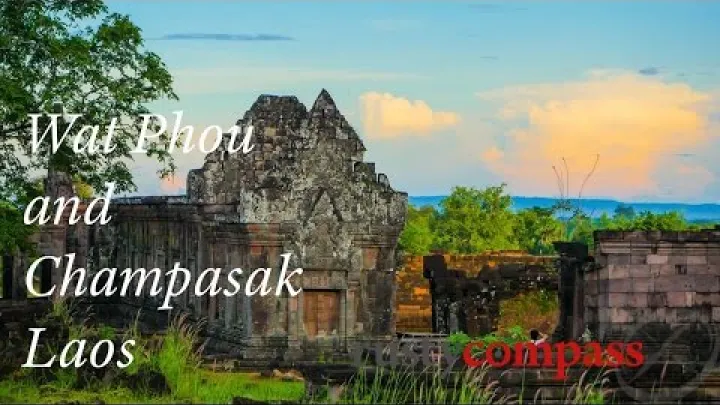
Choosing where to stay in Champasak is mainly a choice between convenience, heritage, and island life. Pakse is the practical gateway, Champasak Town and Don Daeng suit visitors who want Vat Phou and Mekong scenery, and the 4000 Islands are best for an unhurried southern Laos stay. There is no single best base for every itinerary, especially because Champasak Province covers a wide area. This guide compares the main places to stay so you can choose a base that fits your arrival time, budget, comfort needs, and planned activities.
How to Choose Where to Stay in Champasak
Start with the part of southern Laos you actually want to experience. A hotel in Pakse, a riverside inn near Champasak Town, and a bungalow on Don Det can all be good choices, but they create very different trips.
Start With Your Main Travel Purpose
For most travelers, the decision is simple once the main purpose is clear. Choose Pakse for flights, onward transport, city services, and access toward the Bolaven Plateau. Choose Champasak Town or Don Daeng Island for Vat Phou, a quieter Mekong setting, and a heritage-focused stay. Choose the 4000 Islands if your priority is river scenery, cycling, simple accommodation, and slow days.

It is important not to confuse Champasak Province with Champasak Town. The province includes Pakse, the riverside town near Vat Phou, and the island area far to the south. A property described as being in “Champasak” may therefore be much less convenient for your particular plans than its name suggests.
| Base | Best for | Main trade-off |
|---|---|---|
| Pakse | Flights, services, short stays | Less rural and scenic |
| Champasak Town | Vat Phou and riverside calm | Fewer city services |
| Don Daeng | Seclusion and lodge stays | Boat-dependent access |
| Don Det | Budget and social travel | Basic, uneven facilities |
| Don Khon | Quieter island atmosphere | Limited choice nearby |
| Don Khong | Space, villages, cycling | Spread-out services |
A useful way to narrow the choice is to match the base to the number of nights. With only one night, transport reliability matters more than scenery. With two or three nights, Champasak Town or an island can justify the extra transfer because you have time to settle in. On a longer trip, combining a practical night in Pakse with a slower base avoids making every day depend on a long road or boat connection.
Balance Scenery, Services, and Travel Time
Pakse has the broadest range of restaurants, cash access, transport contacts, and everyday services. By contrast, Champasak Town, Don Daeng, and the islands reward travelers with a slower setting but require more planning around meals, transfers, and room facilities. The quieter the base, the more useful it is to arrive with a clear plan for the first evening.
A split stay often works better than trying to use one base for the whole province. For example, an arrival night in Pakse can make sense before moving to Champasak Town for Vat Phou, while an island itinerary may be more enjoyable if it begins after a night in Pakse rather than directly after a late journey. The practical choice depends on arrival time, luggage, the number of nights available, and how comfortable you are with informal local transport.
Map distance is not the whole story. A road journey may need to connect with a shared vehicle, local pickup, or boat, and a riverside property can be less convenient than a slightly more distant town hotel if you need meals, cash, or help arranging the next leg. Travelers with heavy luggage, limited mobility, or a fixed departure should give extra weight to the number of transfers rather than choosing only by scenery.
Set Expectations for Accommodation and Booking
Accommodation in Champasak ranges from functional city hotels and hostels to family-run guesthouses, simple bungalows, homestays, riverside inns, and boutique lodges. The room standard can vary considerably even within the same price category. A basic island bungalow may be ideal for a traveler who wants a hammock and river view, but unsuitable for someone who needs dependable cooling, workspace Wi-Fi, or a late check-in process.
When comparing options, look beyond the property name. Check the selected room type for air conditioning or fan cooling, private or shared bathroom facilities, mosquito screens, Wi-Fi comments, recent guest feedback, exact location, and cancellation terms. Live rates and availability change by season and booking channel, so they are better checked when you are ready to reserve.
Booking online gives more certainty for established Pakse hotels and documented lodges, while some small island stays may have limited or inconsistent online coverage. If you prefer to choose in person, arrive early enough to inspect a room and have a backup plan for the night. If you are arriving late, traveling in peak periods, or need air conditioning and a private bathroom, reserve ahead and confirm that the selected room—not just the property—provides those features.
Pakse: Best for Transport and Short Stays
Pakse is the most useful operational base in Champasak Province. It is not usually the first choice for a secluded Mekong holiday, but it can remove much of the friction from an arrival, departure, or multi-stop southern Laos itinerary.
Stay in Central Pakse for a Functional Base
Central Pakse is the most convenient area for visitors who want food, shops, markets, transport contacts, and accommodation within a relatively compact urban setting. The old French quarter and streets around central services provide a more practical base than an isolated edge-of-town property, while Route 13 is an important reference point for road travel through southern Laos.

This location is particularly useful after landing at Pakse International Airport or before heading toward the Bolaven Plateau, Champasak Town, or the southern islands. Staying in town reduces the need for extra local transfers when arranging tickets, changing money, buying supplies, or finding a meal after travel. Booking.com lists Pakse Hotel in a former cinema and casino, with a location described as close to Pakse International Airport; it is an example of the city’s established, service-oriented hotel type.
For a short stay, compare properties by what you need to do on foot or with one quick local ride. A central location is useful when you need breakfast, supplies, or help arranging transport, while a quieter edge location may offer less immediate convenience. Check the map and arrival instructions rather than assuming that every hotel labeled Pakse is equally close to the city’s practical services.
When Pakse Is the Better Choice
Choose Pakse for an arrival or departure night, for a short trip centered on the Bolaven Plateau, or when you want the greatest choice of hotels and practical services. It is also a sensible base for travelers who need a reliable place to recharge devices, organize luggage, work online, or recover after a long overland journey.
Pakse can serve as a staging point for Champasak Town and the 4000 Islands, but it is not the best place to stay if your main goal is waking up beside the Mekong near Vat Phou or spending several slow days on an island. If you have enough leisure time, move closer to the experience you came for rather than commuting from the city.
Champasak Town and Don Daeng: Best for Vat Phou and Riverside Calm
This riverside cluster is the strongest choice for travelers who want the cultural landscape around Vat Phou and a quieter setting than Pakse. It offers more atmosphere than a city stop while remaining more focused on heritage and comfort than the backpacker-oriented islands.
Champasak Town for Vat Phou and Riverside Access
Champasak Town is the default recommendation for a first-time visitor whose priorities are Vat Phou, the Mekong, and a small-town pace. The town has riverside guesthouses, small inns, and boutique-style stays, with local services closer at hand than on a secluded island property. It is a better fit than Pakse when the temple complex is a central part of the itinerary rather than a quick side trip.
Staying here gives you time to experience the riverside setting before and after sightseeing instead of treating Vat Phou as a rushed transfer. The official Tourism Laos provincial overview places Champasak within the wider southern Laos travel region, where the town, heritage sites, Pakse, and island landscapes form distinct parts of a trip. Confirm the current local arrangements for reaching Vat Phou once you are in the area, as transport options are not always represented by a fixed public timetable.
Town lodging is usually the more adaptable choice when you want to eat outside the property, ask locally about sightseeing, or change plans. A riverside or more secluded stay can be preferable when the setting is the main attraction, but it may require arranging transport for even simple errands. Decide whether you want the town to function as a base for exploring or as a quiet place to remain during the day.
Don Daeng for a Secluded Lodge Stay
Don Daeng is a rural Mekong island opposite the Champasak Town side of the river. It suits travelers who value village paths, open river views, and a quiet lodge-style stay more than immediate access to shops and restaurants. The experience is deliberately more secluded: this is a place to slow down, not a base for spontaneous errands.
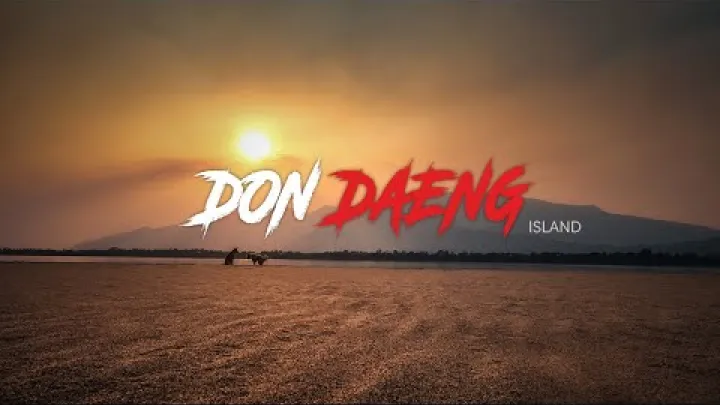
La Folie Lodge is a documented example of the boutique accommodation model in this area, with bookable twin or double rooms and villas shown by Booking.com. Its presence illustrates the type of more complete lodge stay available near Champasak, rather than establishing a ranking over other properties. A stay on Don Daeng works best when the setting itself is part of the reason for booking.
Before selecting an island lodge, establish how you will reach it, where you will meet the boat or transfer, and whether the property expects an arrival by a particular time. These details are part of the accommodation choice, especially if you are carrying luggage or arriving from Pakse. A secluded room can be excellent for a slow stay, but it is not the same as having a flexible town base.
Who Should Choose This Riverside Cluster
Choose Champasak Town or Don Daeng if you are a couple, a heritage-focused traveler, or someone who values a calm riverside base with more character than a functional city hotel. Champasak Town is the more practical choice for travelers who want nearby food and local access. Don Daeng is better for visitors who prefer privacy, scenery, and a self-contained lodge experience.
For a first visit focused on Vat Phou and the Mekong, this cluster is usually the best overall choice. The main exceptions are travelers arriving very late, leaving very early, or needing city-level services; in those cases, beginning in Pakse is often simpler.
The 4000 Islands: Choosing Between Don Det, Don Khon, and Don Khong
The 4000 Islands offer a different kind of Champasak stay: less about city convenience and formal sightseeing, more about river life, bicycles, sunsets, and time. The islands are not interchangeable, so choose according to the atmosphere you want.
Don Det for Budget and Social Travel
Don Det is the most established backpacker-oriented island base. It has simple riverside bungalows, guesthouses, cafés, bars, and informal places to meet other travelers. It is a strong choice for solo travelers, couples on a flexible budget, and anyone who wants a lively but relaxed island environment rather than a resort setting.
Room standards range from basic fan rooms and shared facilities to more comfortable options with private bathrooms, air conditioning, or balconies. Rates are not fixed, and many smaller stays have uneven online visibility. As noted by Miss Travel the World, many Don Det accommodations are not consistently listed online, which can suit travelers happy to explore choices in person but provides less certainty than reserving a city hotel.
If you want to choose a room after arrival, plan for a daytime arrival and keep your expectations flexible. Inspect the room, bathroom, cooling, locks, and route back from the places where you expect to eat. Don Det’s social atmosphere is a benefit for travelers who want informal interaction, but it may be less suitable if you need quiet, predictable facilities, or a tightly scheduled check-in.
Don Khon for a Quieter Island Base
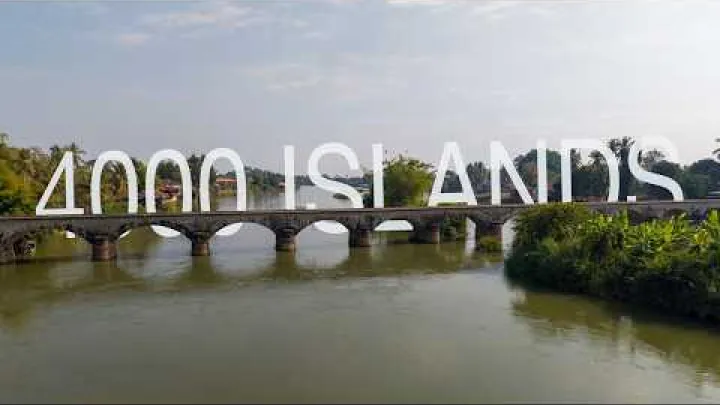
Don Khon is a quieter alternative to Don Det, with accommodation around the French bridge area and a slower rhythm after dark. It suits travelers who want island scenery and a calm base without being far from the better-known Don Det hub. Some properties may feel more comfortable than the simplest Don Det bungalows, but this depends on the room rather than the island name.
For inexpensive rooms, inspect the practical details before committing: door and window locks, bathroom condition, ventilation, cooling, and the walking route to food. A remote-island room should feel secure and workable for your needs, not merely cheap. Bring a phone light or small torch for any necessary night walk, since paths and roads may have limited lighting.
Don Khong for Space and Slow Travel
Don Khong is the largest of these island options and generally feels more spacious and village-based than Don Det. It can be a good choice for travelers who want cycling, local scenery, homestay-style experiences, and a stay with little interest in nightlife. Guesthouses and homestays are spread across a wider settlement pattern, so the exact location has more impact on daily convenience.
Before booking a longer stay, check how close the property is to the restaurants, boat point, and services you expect to use, and ask what amenities are actually available on site. Don Khong rewards a relaxed traveler, but it is less suitable for someone who wants many dining choices or easy social activity within a short walk. A property that looks attractive in a broad island search may still be inconvenient if it is far from the part of the island where you plan to spend most of your time.
Choose Accommodation by Budget, Comfort, and Trip Length
In Champasak, the best lodging type is often determined by how you travel rather than by a formal hotel category. Consider the facilities you need every day, not only the view shown in photos.
Budget Guesthouses, Bungalows, and Homestays
Budget stays across Pakse, Champasak Town, and the islands may offer simple rooms, fan cooling, basic bathrooms, mosquito protection, and variable Wi-Fi. Pakse usually has the easiest access to standardized hotel rooms, while the islands often provide the most informal and scenic low-cost options. Homestays and family-run guesthouses can offer a more personal local experience, but services may be less standardized.
Use the same check list for an online booking and an in-person room inspection: confirm the door lock, window security, water supply, drainage, ventilation, mosquito screens, electrical outlets, bathroom privacy, noise level, and room temperature. This approach is more reliable than assuming all budget rooms in one area have the same facilities.
For a one-night stop, a basic room can be sufficient if it is easy to reach and has the essentials. For several nights, small differences in cooling, bathroom privacy, power supply, noise, and access to meals become more important. Ask whether payment is accepted in your preferred method and keep enough flexibility for a change of property if the room does not match its description.
Mid-Range Hotels and Riverside Inns
Mid-range stays are often the best balance for travelers who want local character without giving up key comforts. This category includes central Pakse hotels, upgraded guesthouses, and riverside inns around Champasak Town. It can suit visitors who value a private bathroom, air conditioning, clearer check-in procedures, stronger Wi-Fi, on-site dining, or help with luggage.
Do not rely on a broad category label alone. In smaller or older properties, amenities can differ between room types. Check whether the specific room includes the cooling, bathroom arrangement, breakfast, balcony, or river view you expect. A mid-range room can be a better value than a basic bungalow if it makes a short stay more comfortable and efficient.
Boutique Resorts for Comfort and Longer Stays
Riverside resorts and villa-style lodges around Champasak and Don Daeng suit travelers seeking privacy, scenery, dining, and a more complete stay experience. They are particularly appealing for couples, special occasions, and visitors who plan to spend meaningful time at the property rather than using it only as a place to sleep. The River Resort is one example of the higher-comfort riverside resort category in Champasak.
Seclusion is valuable, but it is not the same as convenience. A lodge may be ideal for a restful stay while being less suitable for frequent town visits or independent transport plans. Compare cancellation terms, meal arrangements, included services, and the property’s practical relationship to town before choosing a remote resort. A longer stay can make a quieter setting worthwhile, provided you are comfortable relying on the lodge for meals and local arrangements.
Transport, Walkability, and Nighttime Practicalities
Transport is the main reason that a seemingly short distance can become an inconvenient move in southern Laos. Think in terms of gateways and connections, not only map distance.
Plan Transfers Through Pakse, Nakasong, and Local Operators
Pakse is the principal gateway for much of Champasak Province. From there, travelers generally move toward Champasak Town for the Vat Phou area or travel south toward Nakasong for island boat connections. Depending on the route, transport may involve local buses, shared vehicles, minibuses, taxis, tuk-tuks, and boats. These services do not always appear clearly in online schedules.
Your base affects how many stages the transfer has. A central Pakse hotel is easiest for an early departure; a riverside lodge or island bungalow may add a local pickup or boat connection. Before traveling between bases, ask your accommodation or a local transport point to confirm the departure time, fare, luggage arrangements, and any required boat connection. This is especially important when traveling late in the day or changing between road and river transport.
Build a little flexibility into connections rather than planning a tight sequence of separate tickets. Ask where the vehicle or boat departs, whether luggage is carried with you, and what happens if the first leg is delayed. Daylight travel is generally easier for finding an unfamiliar property and checking a boat or road transfer, while a confirmed driver or accommodation pickup can make a direct late arrival more manageable.
Check Night Walkability and Room Security
Central Pakse generally has more activity and infrastructure after dark than the rural riverside areas and islands. Champasak Town, Don Daeng, Don Det, Don Khon, and Don Khong can be very quiet at night, with darker roads or paths and fewer nearby services. That is part of their appeal, but it should shape where you choose to stay if you expect to walk alone frequently after dinner.
Use ordinary travel precautions: keep cash, passport, cameras, and laptops managed carefully; avoid poorly lit shortcuts; and choose a room with functioning locks. Travelers who need late-night food, frequent transport, or more street activity will usually find Pakse easier. Those who choose a quieter base can make it work well by keeping evening plans simple and carrying a charged phone.
Confirm Availability, Check-In, and Practical Amenities
Online booking coverage is stronger for established Pakse hotels and boutique lodges than for some small island guesthouses. A listing can be useful, but it does not guarantee that every room has the same facilities or that the map pin describes the exact access route. This matters most when a property is reached by boat or lies outside the main settlement.
Before arrival at a remote property, confirm the check-in time and any required boat transfer directly with the accommodation. Also ask about the selected room’s cooling, Wi-Fi, meals, payment method, luggage handling, and location. Direct confirmation is particularly useful when the booking page is incomplete or when you will arrive after daylight.
Sample Base Plans for Different Trips
These plans are flexible frameworks rather than fixed itineraries. They help match the number of nights and style of travel with the right accommodation base.
One-Night Arrival or Departure Plan
For one night after a long journey, central Pakse is the clearest default. It gives you access to airport-related logistics, food, accommodation choice, and onward transport arrangements without adding a complicated final transfer. It also works well for a final night before departure.
A direct move to a more remote base can work if your arrival timing, driver, boat connection, and lodging arrangements are already clear. Without those arrangements, a late arrival is usually not the best time to begin an island or lodge transfer.
Heritage and Riverside Plan
For a first trip centered on Vat Phou and Mekong scenery, stay in Pakse only if you need it for the arrival, then move to Champasak Town or Don Daeng. Choose Champasak Town if you want easier access to local services and a small-town base. Choose Don Daeng if you prefer a more secluded lodge experience where the river setting is central to the stay.
Give this area more than a brief temple stop if your schedule allows. A slower stay makes room for the riverside landscape, local pace, and the heritage setting around Vat Phou, rather than reducing the region to a transport break between Pakse and the islands.
Island-Focused Slow-Travel Plan
For an island-focused trip, use Pakse as the road gateway if needed, continue south toward Nakasong, then choose the island based on atmosphere. Don Det is the choice for budget travelers and social energy. Don Khon is better for a quieter island base, while Don Khong suits travelers who want more space, village scenery, and slow cycling days.
Allow enough nights to justify the transfer. The islands are most rewarding when you can settle in rather than arrive, sleep, and leave immediately. A confirmed room is especially useful when comfort matters or when you have limited time to search for accommodation after reaching the river.
Final Recommendation for First-Time Visitors
For most first-time visitors, the best answer to where to stay in Champasak is Champasak Town if Vat Phou and Mekong scenery are the main goals. It combines a quiet riverside atmosphere with more practical access than a secluded island lodge. Add Pakse for an arrival or departure night when transport timing makes that useful.
Choose Don Daeng for a more private lodge stay, Don Det for budget and social island travel, Don Khon for a quieter island experience, and Don Khong for spacious, village-based slow travel. The right base is the one that reduces unnecessary transfers while putting you close to the experience you came to southern Laos to enjoy.
Select area
Create a post
Posting is free and no registration is required.