Champasak Budget: Daily Costs in Southern Laos

A Champasak budget can be low by international travel standards, but the final cost depends strongly on where you stay and how often you move. Pakse, Champasak town, Don Det, Don Khon, and the Bolaven Plateau have different accommodation choices, food access, and transport overheads. This guide uses indicative planning ranges rather than fixed tariffs, because room rates, shared transport, boats, and tours can change with dates and local demand. Use it to build a realistic Southern Laos trip budget, then replace the flexible items with current quotes.
Champasak Budget at a Glance
For most independent travelers, accommodation and transport choices shape the budget more than basic local meals. The following bands are per person, per day, and are intended for planning a stay in Champasak province. They include a share of accommodation, food, ordinary local movement, and modest activity spending, but do not include international flights, travel to Laos, or major arrival and departure transfers.
Daily Budget Ranges for Budget, Mid-Range, and Comfortable Travel
| Travel style | Indicative daily range | Typical pattern |
|---|---|---|
| Budget | US$20–30 | Basic room or shared stay, local meals, limited paid activities |
| Mid-range | US$40–50 | Private room, mixed dining, selected excursions |
| Comfortable | US$55–70 or more | Better room, cafés or international food, private transport or tours |
These are planning bands, not guaranteed local prices. A very careful traveler eating simple Lao food and staying longer in a basic room may spend less. A riverside resort night, an automatic scooter, a private vehicle, or an organized tour can lift a day well above the comfortable range. A broader Laos budget benchmark published by A Little Adrift supports the view that Laos can suit low-cost travel, but Champasak-specific totals still need to account for access between scattered bases.
What Changes the Total Cost
Think of a Champasak travel budget as six parts: accommodation, food and drinks, local transport, access between bases, activities, and a contingency. A basic meal is usually a small part of the total. By contrast, a one-day private car, an island boat connection, or a motorbike rental can become the largest item on a short trip.
Solo travelers often pay more per person for a private room, tuk-tuk, boat, or hired vehicle. Couples and small groups can divide those costs, although a larger room or vehicle may be needed. Compare a quote carefully: it may be per person, per room, per vehicle, or for the entire group. That distinction matters more than a small difference in the advertised rate.
Budget Differently for Stay Days, Excursion Days, and Travel Days
A quiet stay day in Pakse, Champasak town, or Don Det may involve little more than a room, meals, and walking. An excursion day adds a site ticket, fuel, a vehicle, guide service, or a boat. A travel day can add a bus, shared minivan, boat, luggage transfer, and meals bought where choices are limited.
Use this simple method: daily stay costs + that day’s activity costs + a share of major access costs. For example, spread an island transfer across four nights rather than treating it as if every island day costs the same. Keep long-distance bus, boat, or flight costs in a separate arrival-and-departure line so they do not make the ordinary daily stay budget look misleadingly high.
Accommodation Costs by Base
The lowest room price is not always the lowest total trip cost. Pakse has the broadest range of services, while rural and island bases can offer a slower stay but may require more paid movement to reach them.
Pakse: The Broadest Choice for Budget and Mid-Range Rooms
Pakse is the most practical urban base for travelers seeking choice. It has guesthouses, hostels, simple private hotels, and more comfortable air-conditioned rooms, so it is easier to match a room to a strict budget. Dorm-style or very basic stays are generally the lowest-cost category; simple private rooms sit above them; rooms with air conditioning, breakfast, stronger location, and more consistent facilities usually move into a mid-range category.
Compare room-only offers with offers that include breakfast, airport pickup, laundry, or other services. A central room can reduce small daily transport costs, while a property close to a transport departure point may suit an early excursion better. Pakse can be good value for travelers combining city services with day trips toward Vat Phou or the Bolaven Plateau, because it reduces the need to change rooms repeatedly.
Champasak Town: Budget Guesthouses and Riverside Comfort
Champasak town has a smaller accommodation market than Pakse. Travelers can often choose between modest local guesthouses and more polished riverside or boutique properties. The latter may cost more, but the town can be worthwhile for visitors who value a quieter Mekong-side setting and proximity to Vat Phou.
Do not judge the value only by the room rate. Staying in town may reduce the effort and local movement needed for a Vat Phou visit, while returning from Pakse can add transport costs and time. Since current rates are not consistently documented across the town, confirm the bathroom arrangement, air conditioning or fan, breakfast, and any included meals before counting on a low advertised price.
Don Det and Don Khon: Low-Cost Bungalows with Access Overheads
The 4000 Islands, including Don Det and Don Khon, can work well for long, low-key stays in basic bungalows. Older traveler guidance has suggested very low-cost dorms and simple private rooms, but room standards vary widely. A fan room, shared bathroom, private bathroom, riverfront position, air conditioning, and dependable electricity can all change the price and the experience.

Accommodation platforms also show why date-specific checks matter: the listing for Booking notes that Don Det bungalow prices vary by stay dates and room type. Cheap nightly accommodation does not remove the cost of getting to the islands. For a one-night visit, bus-and-boat access can outweigh the room saving; for several nights, that access cost is spread across more days.
Bolaven Plateau: Rural Rooms and Motorbike-Driven Costs
The Bolaven Plateau has basic guesthouses and homestay-style stays, but availability and standards can differ between stops. A low room price can be offset by the cost of reaching it. Independent travelers should calculate accommodation together with scooter rental, fuel, the number of riding days, and meals in places with fewer alternatives.

This is a combined accommodation-and-transport decision, not simply a search for the cheapest bed. A two-day outing concentrates rental and fuel costs into a short period; a longer stay can spread those fixed costs but adds extra room and food days. On arrival, confirm bedding, hot water, meal arrangements, and whether the room meets your expected standard.
Food and Drink Costs in Champasak
Food is one of the easier categories to control in Southern Laos. The most economical pattern is usually local meals with drinking water and limited café or alcohol spending. Availability, rather than price alone, becomes more important in smaller island and plateau locations.
Local Meals at Markets, Stalls, and Simple Restaurants
Lao rice dishes, noodle dishes, market food, and simple restaurants are the foundation of a low food budget. Traveler discussions about everyday Laos spending indicate that simple meals can keep daily food costs modest, but individual bills still depend on portion size, location, ingredients, and whether rice is included. The food-cost discussion shared by Laos Tourism is useful as general traveler context rather than a fixed price list.
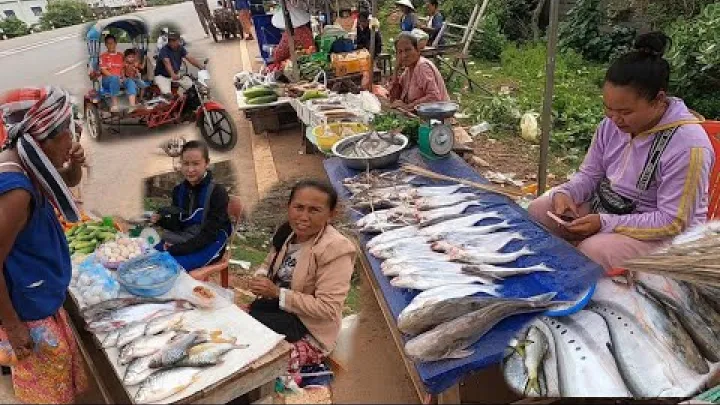
Where a menu is unclear, look for displayed prices or confirm the cost before ordering. This is particularly useful for fish, specialty dishes, drinks, and items sold by weight. A local-food budget should be realistic, not based on the lowest possible meal every day.
Cafés, Western Food, and Tourist-Oriented Restaurants
Cafés, Western breakfasts, imported ingredients, desserts, and international meals can raise daily spending quickly. Pakse has more choice and therefore more ability to compare options. On the islands and in rural areas, a smaller selection may make tourist-oriented food seem less optional, especially when travelers want coffee, familiar breakfasts, or vegetarian alternatives.
A practical mid-range approach is to eat mostly local meals while allowing for an occasional café or restaurant meal. Watch the smaller additions: coffees, cold drinks, beer, snacks, and desserts may not look expensive separately, but they can exceed the cost of one simple meal over a day.
Daily Food Allowances for Different Travel Styles
As an indicative USD allowance, a frugal local-food pattern may fit within roughly US$6–10 per day when breakfast is simple and drinks are limited. A mixed-dining pattern may need about US$12–20 per day. Travelers who regularly choose cafés, international restaurants, desserts, and alcohol should allow US$20 or more. These are broad planning allowances, not menu prices.
Reduce the allowance if breakfast is included with the room or if you can buy simple supplies locally. Raise it for alcohol, several café stops, packaged snacks, and remote locations where choice is limited. Convert the final allowance into Lao kip using the live rate close to travel, rather than relying on an old conversion.
Transport and Access Costs
Transport is the category most likely to surprise a traveler who focuses only on nightly room prices. Treat each transfer as a distinct cost and decide whether time, comfort, and flexibility are worth a premium.
Pakse to Champasak Town and Vat Phou
Travel between Pakse, Champasak town, and Vat Phou can involve shared songthaew or bus-style services, minivans, shared tuk-tuks, or a private vehicle. The cheaper options normally require more schedule flexibility. Private transport can make sense when several people split the vehicle cost or when a traveler wants a simpler return after visiting the site.
The full Vat Phou day cost is not only the entrance ticket. Include the intertown journey, the connection from Champasak town to the site, waiting time if relevant, and the return. Current shared-transport departure times, fares, and same-day return options are weakly documented, so confirm the departure, fare, and return arrangement locally before planning a same-day Pakse, Champasak town, and Vat Phou visit.
Motorbike Rental and Fuel on the Bolaven Plateau
For independent Bolaven Plateau exploration, scooter rental and fuel are the main fixed transport costs. Rental prices vary by bike condition, engine type, rental duration, season, and operator. A semi-automatic and an automatic scooter should not be assumed to cost the same, and a headline rental price may not include fuel.
Calculate the real daily transport cost as rental + fuel + any parking or repair allowance, divided by the number of travelers sharing the bike. Ask about the deposit, damage responsibility, fuel level at collection and return, and what happens if there is a mechanical problem. Sharing one bike can reduce the per-person cost, but it is not equivalent to sharing a car: luggage space, comfort, and rider ability may limit the arrangement.
Getting to the 4000 Islands and Moving Between Islands
For Don Det or Don Khon, keep the bus-and-boat connection separate from the bungalow cost. A first or last day may also include a local transfer, bicycle rental, a small boat, or food purchased during the journey. This makes a short island stop relatively expensive even when the room is cheap.
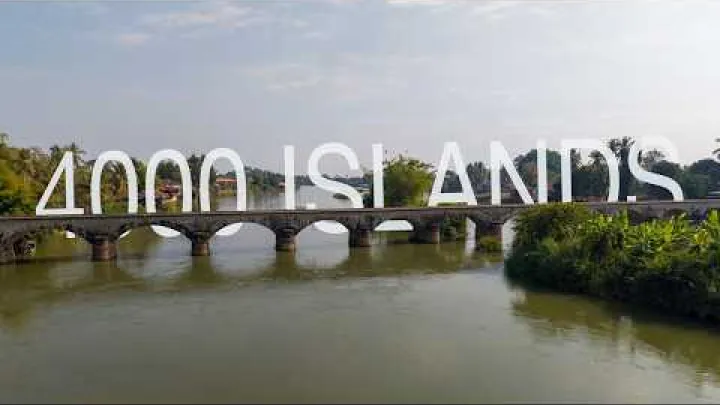
Price the complete bus-and-boat journey for your intended dates and keep a cash buffer before traveling to the 4000 Islands. Ask whether a packaged ticket includes the final boat, whether it covers a local transfer at the other end, and whether island-to-island movement is separate. For a longer stay, divide the access cost by the number of nights to compare it fairly with other bases.
Organized Tours Versus Self-Guided Trips
A group tour, private guide and vehicle, shared transport, and self-guided travel solve different problems. A group tour can reduce the individual cost of transport and fuel. A private option can offer time control. Self-guided travel may be cheaper when public or shared transport works well, but it shifts the planning and connection risk to the traveler.
The premium in a tour quote may pay for a driver, local interpretation, pickup, shared fuel, and less time spent arranging details. Request an itemized quote showing transport, fuel, entry fees, guide service, meals, pickup, return transport, and group size before paying. This makes it possible to compare genuine value rather than comparing incomplete headline prices.
Attraction and Activity Costs
Paid attractions are usually manageable within a Champasak budget when transport is planned separately. The key is to distinguish a known ticket price from the cost of reaching the activity and from optional extras.
Vat Phou Entrance Fee and Visit Costs
Vat Phou, also commonly searched as Wat Phou, is one of the clearest attraction costs to budget. Traveler-reported information lists opening hours of 08:00–18:00, an entrance fee of 50,000 LAK for foreign visitors and 20,000 LAK for local visitors, with museum and site access included in the reported ticket information. These details were shared by Laos Tourism; verify current hours and fees at the site because ticket arrangements can change.
Keep the entrance fee separate from transport from Pakse or Champasak town, plus any parking or local connection cost. Bringing water or allowing for a simple meal can also make the day easier to budget without confusing discretionary spending with the site ticket.
Waterfalls, Coffee Experiences, Boats, and Bicycle Rental
Bolaven Plateau waterfall visits, coffee-related experiences, island boats, and bicycle rental are best budgeted by category because reliable current prices differ by operator and site. A waterfall stop may involve a small access charge, but the larger expense may be the scooter, fuel, driver, or tour that reaches several stops. A boat trip can be shared privately or sold as part of a package.
Before agreeing to an activity price, establish what it includes: boat, driver, equipment, entry, guide, fuel, and return journey. Separate one-off experiences from daily rentals. For example, a bicycle rental affects every day you keep it, while a boat trip may be a single optional cost.
Free and Low-Cost Experiences
Free time can balance a more expensive Vat Phou visit, motorbike day, or guided trip. In Pakse, walking around local streets, markets, and the riverfront can fill a low-cost afternoon. In Champasak town, riverside walks and everyday neighborhood scenes offer a slower alternative to another paid excursion.
On Don Det and Don Khon, relaxed scenery, walking, and photography can keep activity spending low. On the plateau, village surroundings and rural scenery may be enjoyed without turning every stop into a paid activity. Around temples and communities, be respectful of private spaces and local routines.
Currency, Cash, and Payment Planning
Everyday prices are commonly expressed in Lao kip, so totals can look large to visitors used to USD or euros. Good cash planning prevents a manageable trip budget from becoming difficult when a small operator cannot accept a card.
Lao Kip, Exchange Rates, and Price Tracking
Use a live exchange-rate tool when converting your budget into Lao kip. Exchange rates move, and an old travel report can make a room, meal, or ticket look more certain than it is. Keep a simple note with the price in kip, the approximate home-currency equivalent, and the date you checked it.
For planning, round up rather than trying to convert every small purchase exactly. This creates room for exchange-rate movement and makes it easier to see whether a daily total is drifting above your target. Recheck the rate shortly before departure and after obtaining cash.
Cash, ATMs, Cards, and Smaller Destinations
Cash becomes more important outside Pakse, especially on the Bolaven Plateau and smaller islands. Established hotels and some larger restaurants may offer more payment options than family-run guesthouses, local transport, market stalls, and small eateries, but card acceptance should not be assumed.
Check the live LAK exchange rate and obtain enough cash in Pakse before traveling to areas with fewer reliable payment options. Keep money in more than one secure place, and carry enough for accommodation, food, onward movement, and a modest emergency margin rather than depending on an ATM at a smaller destination.
Buffers, Deposits, and Price Verification
Add a contingency after all expected costs, rather than trying to make every estimate exact. A buffer of around 10–15% of flexible in-country spending is a useful planning method for room changes, extra snacks, a transport adjustment, an additional night, or a deposit. It is not a local rule, simply a way to protect the budget.
Confirm high-impact items early: room rate and inclusions, island access, private transport, rental terms, and tours. Smaller choices, such as routine meals or a local walk, can usually be decided day by day. Whenever receiving a quote, clarify whether it is per person, per room, per vehicle, per day, or for the full package.
How to Save Money and Choose the Right Base
The best base depends on whether your priority is price, convenience, scenery, or room comfort. A cheap room that creates repeated transfers may cost more than a slightly higher-priced room in a better-connected location.
Choose Pakse, Champasak Town, the Islands, or the Plateau by Budget
| Base | Cost pattern | Best fit |
|---|---|---|
| Pakse | More room and food choice; lower service friction | Convenience and flexible planning |
| Champasak town | Smaller selection; can reduce Vat Phou movement | Riverside stay and site access |
| Don Det or Don Khon | Low-cost bungalows; separate island access cost | Longer, slower stays |
| Bolaven Plateau | Basic rooms; transport can dominate | Rural exploration |
Pakse is usually the safest choice for travelers who want broad accommodation options, easier food access, cash services, and transport flexibility. Champasak town suits a slower stay near Vat Phou. The 4000 Islands can reward a longer stay with low nightly costs. The plateau is most suitable when rural scenery is worth the rental, fuel, tour, or driver expense.
Concrete Ways to Reduce Daily Spending
Focus first on the largest categories. Stay more than one night in a base that works for your plans, compare room inclusions, use local meals for most of the day, and avoid unnecessary one-night moves. These choices normally matter more than trying to save a small amount on a snack.
- Share a tuk-tuk, boat, private vehicle, or tour when the group size makes the split worthwhile.
- Compare a room with breakfast against a cheaper room that requires a separate morning meal.
- Use walking or cycling where practical, rather than taking short paid rides.
- Limit frequent Western meals, café drinks, and short stops that create repeated access costs.
- Use a private vehicle only when its convenience or group split beats the available shared option.
Motorbike use is not necessary for a low-cost trip. Travelers who are not comfortable riding should compare shared transport and group tours rather than treating a scooter as the default budget choice.
Peak Season, Weekends, and Event-Related Price Changes
Busy travel periods, weekends, and local events can affect room availability and rates, particularly for scarce room types such as better riverfront bungalows or comfortable boutique rooms. The available information does not establish a consistent seasonal premium, so do not build the trip around an assumed percentage increase or decrease.
Compare current weekday and weekend room prices before fixing the base and trip dates. If a preferred property becomes expensive, consider an alternative base, a simpler room category, or a longer stay that spreads access costs. A higher room rate can sometimes be balanced by walking more, reducing optional activities, or skipping an extra transfer.
Build and Adjust a Champasak Trip Budget
A good trip budget separates unavoidable costs from choices. It also makes short transfer days visible, instead of hiding them inside a simple daily average.
A Simple Trip Budget Calculation
Use this template: accommodation per room × nights, divided by travelers; food per person × days; then add transport and access, activities, and a contingency. Keep arrival, departure, and excursion days separate from ordinary stay days.
| Budget line | Calculation | Type |
|---|---|---|
| Accommodation | Room rate × nights ÷ travelers | Core |
| Food | Daily food allowance × days | Flexible |
| Transport and access | Transfers, rental, fuel, boats | Core or shared |
| Activities | Tickets, tours, rental choices | Optional |
| Contingency | Percentage of flexible spending | Buffer |
Divide a shared room, tuk-tuk, boat, or tour only among the people actually paying for it. This avoids a common error in couple and group budgets, where a vehicle quote is incorrectly treated as a per-person cost.
Illustrative Three-Day Budget Scenarios
Budget Pakse stay: A traveler using a basic room or shared accommodation, mostly local meals, walking, and limited paid activity might plan around US$60–90 for three stay days, excluding arrival and departure travel. The lower end assumes few transfers and disciplined food spending.
Mixed-comfort trip with Vat Phou: A private mid-range room, mixed local and café meals, a Vat Phou ticket, and paid movement between Pakse or Champasak town and the site may fit roughly US$120–170 for three days. The total depends especially on whether transport is shared, private, or part of a tour.
Island or plateau-focused trip: Basic accommodation can keep the room line low, but access to Don Det or Don Khon, or scooter rental and fuel on the Bolaven Plateau, can raise a three-day total to roughly US$100–180 or more. An extra island night can improve the value by spreading the access cost. A private vehicle, guided tour, automatic scooter, or resort night should be added as a separate upgrade rather than assumed within these examples.
Final Checklist Before Booking
Start by choosing a base that matches the activities you actually want. Check current room prices and inclusions, choose a realistic food style, price transport and access separately, and add only the activities you are likely to take. Obtain sufficient cash before leaving the larger service center, then add a contingency for flexible costs.
- Choose between Pakse convenience, Champasak town access, island relaxation, or plateau exploration.
- Compare current room categories for your exact dates.
- Estimate food based on local meals, mixed dining, or café-heavy spending.
- Confirm transport, rentals, boats, and tour inclusions.
- Budget Vat Phou and other activities separately from daily living costs.
- Carry a cash buffer and retain flexibility for a changed plan.
Use the daily bands as a starting point rather than a promise. Pakse can simplify logistics, while lower-cost rural and island stays may add access and payment considerations. Updating the date-sensitive variables will give you a more reliable Champasak travel budget than any single fixed total.
Select area
Create a post
Posting is free and no registration is required.