Vientiane Travel Guide: Plan Your First Trip to Laos
Vientiane is a useful introduction to Laos for travelers who want temples, recent history, local food, and unhurried time beside the Mekong rather than a crowded capital-city experience. The compact central area makes it possible to see many highlights without moving hotels, while the city also works well as an arrival buffer or transport hub for Central and Northern Laos. This Vientiane travel guide explains when to go, where to stay, how to move around, what to see, and which practical checks matter before departure.
Plan for a slower rhythm than in many Southeast Asian capitals. A well-organized first visit can combine sacred sites, markets, cafés, the riverfront, and one thoughtful museum visit, with optional outings if you have more time. The city is particularly easy to approach if you divide each day into a cooler outdoor period, a midday break, and an evening riverside or food stop.
Vientiane at a Glance
Vientiane sits on the Mekong River opposite Thailand and is Laos's capital. Its visitor areas are relatively concentrated, but heat, traffic, and changing transport arrangements still reward realistic planning.
What Vientiane Is Like for First-Time Visitors
Vientiane is a calm, low-rise Mekong-side capital where Buddhist heritage, French-influenced streets, cafés, markets, and everyday local life sit close together. The central experience is less about an intensive checklist and more about moving between temples, monuments, shaded streets, food stops, and the riverfront at a comfortable pace.
Most first-time visitors spend their time in and around the central grid, the Mekong riverfront, Lane Xang Avenue, Talat Sao, and the heritage sites farther east. It is a practical cultural stop rather than a city known chiefly for dramatic scenery or dense nightlife. Travelers who enjoy architecture, history, food, and a quieter urban base often find it rewarding.
How Vientiane Fits into a Laos Itinerary
Vientiane Capital is the city and its urban administration; it should not be confused with Vientiane Province. Vang Vieng is part of the wider Central Laos travel corridor, not part of Vientiane city. Making that distinction helps when reading rail listings, booking buses, and choosing accommodation.
For many Laos itineraries, Vientiane is an arrival or departure point, a rest day after a border crossing, or a cultural stop before continuing to Vang Vieng, Luang Prabang, southern Laos, or Thailand. One night can cover a brief introduction, but one to two nights is more realistic for the main sights. Choose two to three nights if you prefer slower museum and temple visits, evening food exploration, or a nearby outing.
The Best Time to Visit Vientiane
Season affects walking comfort more than it affects the basic ability to visit. Choose the period that suits your tolerance for heat, rain, crowds, and outdoor travel.
Cool and Dry Months for Walking and Sightseeing
Roughly November to February is often the most comfortable period for walking between temples, cycling, and spending time along the riverfront. Mornings and evenings may feel notably cooler than midday, making this a good time to group outdoor landmarks such as Patuxai, That Dam, and the central temple streets.
This is also a popular period, especially around holidays and cultural events. Reserve accommodation and key transport earlier if your dates are fixed. Seasonal patterns vary from year to year, so use this as broad planning guidance and review current conditions closer to travel.
Hot Season Planning from March to May
From roughly March to May, heat and humidity can turn a short map distance into a tiring walk. Arrange exposed sights early in the morning, return to your hotel or a café during the hottest part of the day, and keep water, sun protection, and suitable footwear with you.
In this period, a compact city day can be more satisfying than a long outdoor excursion. Choose accommodation with reliable cooling if you are sensitive to heat, and place indoor or shaded stops such as COPE Visitor Centre, cafés, or museums between major monuments.
Wet Season Trade-Offs and Festival Timing
Wetter months can bring heavy showers, humidity, wet pavements, and traffic disruption. Rain does not necessarily prevent city sightseeing, but it can make road-based day trips and closely timed plans less convenient. Pack rain protection, keep the order of visits flexible, and check a current forecast before travel; outdoor visits and nearby excursions are easiest when you can move them around the day.
The That Luang Festival can be a meaningful time to experience a major religious and cultural gathering. Its dates, crowd levels, road arrangements, and accommodation demand vary, so confirm the relevant year's details before committing to flights or hotels.
How to Get to Vientiane
Vientiane is reached by air, rail, and road. The best choice depends on your point of origin, border requirements, luggage, and how much time you have for transfers.
Arriving through Wattay International Airport
Wattay International Airport is the main air gateway for Vientiane and is closer to the central city than many large-capital airports. Airport taxis, minibuses, prearranged hotel pickups, and a shuttle connection are common options. The Vientiane Airport transport information describes a shuttle between Wattay Airport and the Central Bus Station, with stops at several city-center hotels.
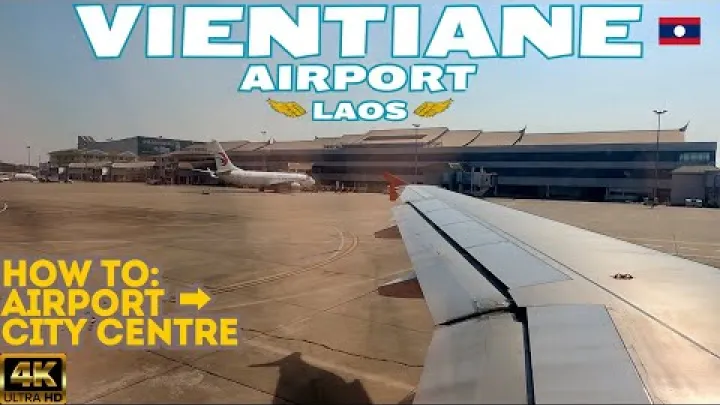
A prearranged pickup can be worthwhile for a late arrival, substantial luggage, a first visit, or accommodation outside the central area. A taxi or shuttle may be sufficient for a daytime arrival with a central hotel. Actual travel time depends on traffic and your exact destination, so ask your accommodation about the most practical drop-off point.
Rail, Cross-Border Travel, and Intercity Buses
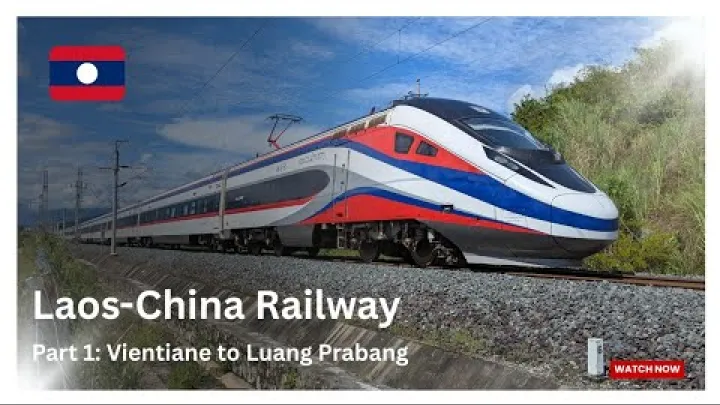
The Laos–China Railway is an important overland link for travel between Vientiane, Vang Vieng, and Luang Prabang. It can be a faster alternative to long road journeys, although station access, ticket rules, and onward transport need to be included in the total journey rather than treated as minor details.
Rail options also connect the Bangkok–Vientiane corridor, while another common route involves reaching Nong Khai in Thailand and continuing across the border. Services and border procedures can change. Vientiane's Central, Northern, and Southern bus stations serve different routes, so do not assume that every intercity bus leaves from the station closest to your hotel. Compare rail and bus by total door-to-door time, ticket availability, luggage needs, price, and the effort needed to reach each terminal.
Rail generally makes most sense when a predictable, quicker intercity journey matters and you can manage a separate transfer to the station. Buses may offer more route flexibility or a lower fare, but road conditions, traffic, and terminal location can make the total journey less straightforward. For cross-border trips, allow time for immigration and confirm whether the ticket covers the whole connection or only one leg.
What to Verify Before Booking Transport
Before buying any rail, bus, or cross-border ticket, confirm the exact departure station, passenger-name and passport requirements, ticket collection method, luggage rules, and the amount of time needed to reach the platform or terminal. Check whether an arrival-side transfer is available, especially if you will arrive after dark or outside the central area.
Confirm current schedules, booking windows, fares, and transfer times immediately before booking. Allow a generous buffer when connecting an international flight to a same-day train or bus; an itinerary that works on paper can fail if immigration, baggage collection, traffic, or station procedures take longer than expected.
Getting Around Vientiane
Vientiane is manageable on foot in selected areas, but transport becomes more useful as temperatures rise or when visiting sites beyond the central core.
Walking the Central Grid
A useful orientation line runs from the Mekong riverfront inland toward Talat Sao and along Lane Xang Avenue to Patuxai. This area connects cafés, temples, markets, colonial-era streets, and several landmarks. A central walking day might begin around Wat Sisaket and Wat Ho Phra Keo, continue past the Presidential Palace area and That Dam, then end at the riverfront.
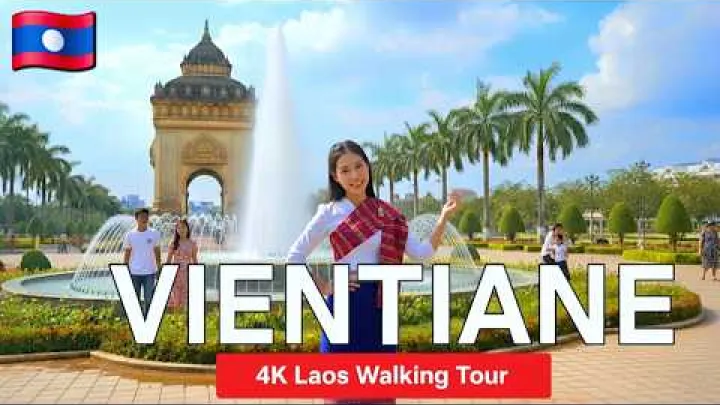
Not every attraction is an easy walk from every hotel. Sidewalks can be uneven, traffic requires attention, and the distance to Pha That Luang or outlying sites may feel much longer in heat or rain. Wear stable shoes, carry water, and use a ride when it improves the day rather than treating walking as a requirement.
For orientation, use the riverfront as your western reference, Talat Sao as a practical transport and market landmark, and Patuxai as the inland end of a prominent avenue. This makes it easier to judge whether a hotel or attraction is genuinely central rather than relying on a listing that simply uses the word downtown.
City Buses, Tuk-Tuks, Taxis, and Ride-Hailing
City buses can be a lower-cost option on selected routes, with the Central Bus Station near Talat Sao as a useful reference point. The practical city-bus overview from Laos Guide 999 notes that bus operations and lower-demand routes can vary, so treat route details and service hours as information to confirm locally.
Tuk-tuks are useful for short direct trips, while taxis and locally available ride-hailing options may suit luggage, longer distances, or late arrivals. The most reliable habit is simple: agree on the destination and the total price, or confirm the app price, before leaving. This avoids confusion about whether a quoted amount is per vehicle, per person, or only part of the journey.
For a short central hop, choose the option that saves time and avoids walking in the hottest part of the day. For a longer ride, compare the vehicle's luggage space, pickup point, and final fare before accepting. Route availability, operating hours, app coverage, and prices can change, so check the current route or ride price before leaving each terminal, hotel, or attraction.
Where to Stay in Vientiane
Your best base depends on whether you prioritize walking, transport links, evening activity, or a quiet night before a flight.
Central Downtown, Talat Sao, and Chanthabouly
Central downtown is the most practical base for many first-time visitors. It gives relatively easy access to central temples, restaurants, markets, major roads, and the Central Bus Station. Use Talat Sao, Lane Xang Avenue, Rue Samsenthai, and Chanthabouly district as orientation anchors rather than strict accommodation boundaries.
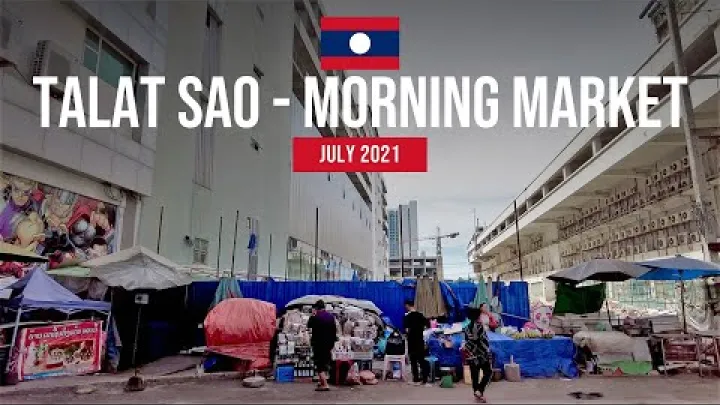
Guesthouses, hostels, boutique hotels, and mid-range properties can all work here. Compare the exact location, air conditioning, street noise, breakfast needs, and access to transport. A location near buses may suit an early departure, while a quieter side street may be preferable for travelers who plan to walk during the day and sleep early.
This is the strongest default base for a first visit because it reduces the need to arrange a ride for every temple, meal, or market stop. It is less ideal if your priority is airport convenience, a residential setting, or guaranteed quiet; in those cases, compare the actual map position and nighttime surroundings before booking.
Mekong Riverside and Night Market Area
The Mekong riverside suits travelers who value sunset walks, evening food stalls, cafés, and easy access to the night market. The Chao Anouvong area and riverfront promenade are useful landmarks when assessing a hotel map. This is a convenient base for relaxed evenings after a day of temple and museum visits.
The trade-off is that some riverside streets can be livelier and noisier in the evening, and inland attractions may require a longer walk or a short ride. The riverside is not one uniform experience: check the exact street and recent guest comments rather than assuming every property has the same atmosphere.
Airport-Side, Residential, and Quieter Areas
Staying nearer Sikhottabong and the airport can make sense for an early flight, a short transit stay, or travelers who value a simpler departure morning. Sisattanak and Xaysettha can offer more residential surroundings while remaining connected to the central city.
These areas may reduce immediate walking access to the main visitor sights. Before booking, inspect the exact map position, how you will arrive after dark, whether food is nearby, and what transport will be available for your planned return trips.
The Best Things to Do in Vientiane
The strongest Vientiane itinerary mixes sacred architecture, national symbols, recent history, and evening time by the river. Do not try to see every site in one hot afternoon.
Temples, Monuments, and the Historic Core
Start with the historic core: Wat Sisaket, Wat Ho Phra Keo, the Presidential Palace area, and That Dam can be combined with cafés and short walks. Continue along Lane Xang Avenue to Patuxai, a national monument with a prominent position in the city. Pha That Luang, Laos's major national and religious landmark, is best treated as a separate stop farther from the riverside core.
This sequence helps distinguish sacred places from monuments and civic landmarks. At temples, cover shoulders and knees when appropriate, remove shoes where requested, speak quietly, and ask before photographing people in prayer. Opening arrangements, access rules, and photography restrictions can change, so confirm the day's details at the site.
With only one day, prioritize the central temples, That Dam, Patuxai, and the riverfront. With two or three days, give Pha That Luang its own visit and add time for less hurried temple streets or a museum. This geographic grouping reduces backtracking and leaves room for heat or rain delays.
Museums, COPE, and Laos's Recent History
COPE Visitor Centre is an important stop for understanding the continuing humanitarian impact of unexploded ordnance and disability support in Laos. It adds context that temple visits alone cannot provide, particularly before traveling onward into rural parts of the country. Allow time to read and reflect rather than treating it as a quick photo stop.
Other museums and historical places can broaden an itinerary, but no single institution represents the full history of Laos. Approach accounts of war, disability, and unexploded ordnance with care, and use these visits as a starting point for deeper understanding.
The Mekong Riverfront, Markets, Food, and Evening Time
The Mekong riverfront is best enjoyed in the late afternoon or evening, when the promenade, nearby cafés, market stalls, and casual food options become part of local social life. Pair it with a central sightseeing day rather than planning it as a full-day attraction. A sunset walk can be followed by a meal and a slow return through the central streets.
Food exploration is part of the Vientiane experience, from simple rice and noodle dishes to grilled foods and Lao specialties. Choose vendors that appear busy and orderly, and ask about ingredients if you have allergies or dietary restrictions. The riverfront includes both local and visitor-oriented activity, so explore beyond one market row if you want a broader picture.
Buddha Park and Nearby Day Trips
Buddha Park is an optional half-day outing for travelers with extra time who want to see the large sculptural park outside the central walking area. It is a better fit on a second or third day than on a very short visit, particularly if Pha That Luang, COPE, and the historic core are still priorities.
Phou Khao Kway National Park and other nearby outings may appeal to travelers seeking nature, but they require separate transport, access, weather, and timing decisions. Choose an excursion only when it fits your energy level and onward plans; otherwise, an unhurried city day is a worthwhile use of limited time.
Vientiane Costs, Money, and Daily Logistics
Vientiane can suit different budgets, but hotel demand, exchange rates, private transport, and dining choices affect totals quickly.
Illustrative Budgets for Different Travel Styles
These daily ranges are indicative only and exclude international flights, visas, major rail tickets, substantial shopping, and private tours. They are most useful as a planning framework, not as a promise of current prices.
To set a realistic band for your dates, price the room first, then add the number of local meals, planned rides, site admissions, and a small contingency. A basic traveler can keep the total down through a simple room, local food, and walking; a mid-range traveler usually pays for comfort and occasional rides; a higher-comfort plan leaves room for better accommodation, private transfers, and more flexible dining. The same itinerary can therefore produce very different totals without either estimate being unusual.
| Travel style | Typical approach | Daily planning range |
|---|---|---|
| Basic | Hostel or simple room, local meals, walking and buses | Lower-cost range |
| Mid-range | Comfortable hotel, mixed dining, rides when useful | Moderate range |
| Higher comfort | Upscale hotel, private rides, more paid dining | Higher range |
Rather than relying on one published daily figure, price your chosen dates: compare accommodation, estimate meals, add short rides, and include admissions and contingency cash. Costs rise when you book late during busy periods or rely heavily on private transport.
Kip, Cash, Cards, and ATMs
The Lao kip is the main day-to-day currency. Cash remains useful for markets, small eateries, local transport, and some admission counters, while card acceptance varies by business. Foreign-currency acceptance is also inconsistent, and worn or damaged notes may be declined in some settings.
Carry a reasonable cash reserve, use reputable ATMs, and keep a backup payment method separately from your main wallet. Do not carry more cash than you can secure comfortably. Small notes are useful for everyday purchases, but check your remaining cash before traveling to an outlying attraction or leaving for a station.
Tickets, Opening Hours, Connectivity, and Daily Essentials
Small daily costs add up: drinking water, mobile data, laundry, admission tickets, short rides, and food stops. Heritage sites, museums, transport counters, and smaller shops may have changing hours, lunch breaks, cash-only payments, or limited English signage.
Keep small notes, download any useful maps while connected, and confirm your final transport option before beginning a long day. Leave buffer time between attractions rather than planning back-to-back visits around assumed opening hours.
Safety, Health, and Entry Checks
Good preparation should be proportionate. Everyday city awareness is important, but travel outside the central city can involve different risks and requirements.
Current Safety Guidance for Vientiane and Laos
Check your government's current Laos travel advisory before departure and follow any advice that applies to specific provinces, borders, or routes. The U.S. Department of State advises travelers to consider crime, unrest, unexploded ordnance, and location-specific conditions in Laos. Conditions outside central Vientiane can differ substantially from an ordinary city visit.
Use normal urban precautions: secure valuables, keep copies of important documents, pay attention around traffic, and arrange suitable travel insurance. In areas affected by unexploded ordnance, stay on established paths and never touch unknown metal objects. Read your government's current Laos travel advisory and avoid areas or routes it specifically identifies as higher risk.
Health, Mosquitoes, Food, Water, and Alcohol
Seek travel-health advice that matches your full itinerary, especially if you will continue to rural, forested, or wetter areas. Basic preparation includes insect-bite prevention, hydration, appropriate medications, and attention to food and water hygiene. Health needs can differ between a short city stay and travel beyond Vientiane.
Be particularly cautious with alcohol. Methanol poisoning can occur in unlabelled or informally mixed drinks. Choose only sealed drinks that you open yourself, especially when drinking outside established venues. If someone develops severe illness after drinking alcohol, seek urgent medical help.
Visa, Passport, and Entry Requirements
Visa eligibility, visa-free periods, eVisa access, visa-on-arrival arrangements, fees, and permitted stays depend on nationality and entry point. Check official Lao government or embassy guidance shortly before travel; the UK Foreign, Commonwealth & Development Office also maintains current travel and entry information for its citizens.
Prepare a passport with appropriate validity, accommodation details, onward-travel information if requested, and an accepted payment method for your route. Retain immigration documents during your stay. Verify your nationality's current visa and entry requirements through an official Lao or embassy source before departure.
Simple Vientiane Itineraries and Final Planning Checklist
A flexible route will feel more enjoyable than a tightly timed schedule. Group sights by area and preserve room for weather, rest, and transport changes.
A One- to Two-Day Vientiane Itinerary
On day one, explore the central heritage area: Wat Sisaket, Wat Ho Phra Keo, the Presidential Palace surroundings, That Dam, and Patuxai, with a café break during the warmest hours. Finish at the Mekong riverfront for sunset, food, and the market area. This works well for a culture-focused first day.
On day two, visit Pha That Luang and COPE Visitor Centre, then choose between a museum, slower neighborhood exploration, or Buddha Park. In rain, prioritize indoor stops and cafés; in hot weather, place Pha That Luang and other exposed sites early. If you have an onward train or flight, reduce the itinerary rather than risking a rushed transfer.
For a relaxed visit, replace one major site with a longer café, market, or riverside break. For an onward-travel day, keep the morning close to your hotel and station plan rather than adding a distant excursion. Check current opening arrangements and transport availability before fixing the order.
When to Stay Longer and Where to Go Next
Add an extra night if you want time for unhurried temple visits, museums, food, markets, or Buddha Park. Vientiane also works well as an arrival buffer after a long flight or as a final night before departure, especially when you do not want a same-day intercity connection.
Vang Vieng and Luang Prabang are natural onward options by rail when current services suit your dates. Thailand can be reached by land or rail routes depending on border and timetable arrangements. Choose the next stop based on the actual transport availability and your departure deadline, not only on map distance.
Final Checks Before You Leave Home
Before leaving, confirm your passport and visa status, insurance, accommodation location, airport or station transfer, and current transport tickets. Review the weather, official travel advice, health supplies, available cash, and the payment methods you will need on arrival.
Vientiane is easiest to enjoy when you treat the compact core as the center of the trip, keep outdoor time realistic, and leave room for transport changes. It is especially well suited to travelers who value cultural sites, local pace, riverfront evenings, food, and a practical gateway to the rest of Laos.
Select area
Create a post
Posting is free and no registration is required.