Vientiane Best Time to Visit: Weather by Season and Month
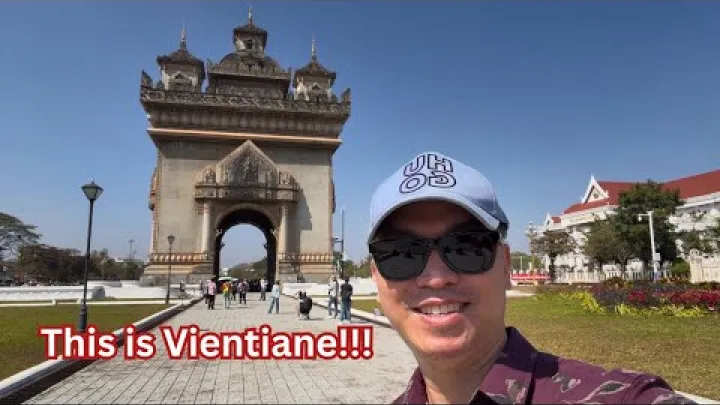
The best time to visit Vientiane for most travelers is from November to February, when rainfall is usually lower and daytime heat is more manageable for exploring the city. Vientiane has a tropical monsoon climate, so every season involves a trade-off between comfort, greenery, crowds, heat, and rain. This guide explains Vientiane weather by season and month, including practical advice for temples, the Mekong riverside, nearby excursions, and festival-focused trips. Climate patterns are useful for planning, but they are not a forecast for a specific travel date.
The Quick Answer: When to Visit Vientiane
November to February is the best overall time to visit Vientiane. These months are generally drier than the monsoon period and less demanding than the intense heat of March and April. They are well suited to walking between temples, visiting That Luang, spending time in cafés and markets, and enjoying the Mekong riverside in the late afternoon.
For a greener compromise, consider October or early November. Rainfall often begins to ease, landscapes remain lush, and the weather is usually less severe than in the hottest months. Travelers who do not mind rain and can keep their plans flexible may also enjoy May through September, when the city and surrounding countryside are greener. March and April can work for festival travel, but they are the least comfortable months for long outdoor days.
For a short two- or three-day city break, November through February offers the simplest itinerary planning because you can schedule several outdoor sights without building every day around rain or extreme heat. If you are combining Vientiane with rural travel, allow more flexibility in October and during the wet season. Travelers focused on cultural events may reasonably choose a less comfortable month, but should treat the event as the priority and plan rest, shade, and indoor time around it.
Vientiane Climate and Main Travel Seasons
Vientiane Capital is inland, beside the Mekong, and its travel weather follows a broad tropical monsoon pattern. National climate summaries describe a rainy season and a dry season, although the exact timing and intensity can vary from year to year. The UNDP Lao PDR climate overview describes Laos as tropical and monsoonal, with a broadly rainy period from May to November and a dry period from November to April. For visitors, it is more useful to think in terms of four practical travel periods.
Cool Dry Season from November to February
November through February is the strongest recommendation for most visitors. Rain is generally less frequent, humidity is lower than during the monsoon, and the heat is easier to manage than later in the dry season. Conditions are often most comfortable for full days of city sightseeing, although Vientiane remains warm rather than cold.
This is a good period for walking around That Luang, visiting temple areas, browsing markets, and taking an evening stroll near the Mekong riverside. A light layer can be useful after sunset or in air-conditioned interiors, especially in December and January. Dry season does not guarantee cloudless skies or identical temperatures every day, but it gives the best chance of comfortable outdoor time.
The trade-off is demand. Travelers often prefer these months for Laos itineraries, so popular travel dates can bring busier accommodation and transport booking periods. Reserve early if your dates are fixed, especially around public holidays or local events.
Hot Dry Season from March to April
March and April are usually the hottest part of the year in Vientiane, with April often the most difficult month for extended outdoor sightseeing. Strong sun, very warm nights, and rising humidity can make a long midday walk between attractions tiring. Brief pre-monsoon storms are possible, but they should not be treated as reliable relief from the heat.

April can still be rewarding for travelers drawn by New Year celebrations and other seasonal cultural activity. The appeal is the atmosphere rather than mild weather. Event schedules vary, so confirm dates after choosing your travel year rather than assuming a fixed program.
Late in the dry season, haze can also affect visibility and outdoor comfort in some years. Its severity varies with regional conditions and is not guaranteed. Visitors who are sensitive to poor air quality should check current air-quality readings before travel and reduce outdoor exposure or use a suitable mask if conditions are poor.
Wet Monsoon Season from May to September
From May, rainfall and humidity increase, and June through September are generally the most rain-prone part of the year. The monsoon does not necessarily mean uninterrupted rain all day. Many days still have usable periods, but showers or thunderstorms can interrupt walks, riverside plans, and excursions with little warning.

For flexible travelers, this season has real advantages. The countryside around Vientiane becomes greener, vegetation looks fuller, and the Mekong can appear more substantial than in the late dry season. A short city stay can still work well when museums, cafés, temples, and meal breaks are used to structure the day around showers.
The greater challenge is for travelers planning longer overland journeys or routes that use unpaved roads. Heavy rain can make walking less pleasant and can affect rural access. Keep regional road trips flexible and verify route and flood conditions locally before departure during the wettest months.
Shoulder Conditions in October and Early November
October and early November are a useful transition period for travelers who want greener scenery without committing to the core monsoon months. Rainfall often declines gradually, but October can still bring showers and occasional disruption. By November, conditions usually become more reliably dry and better suited to city walking.

This period can combine the visual appeal of the green season with improving conditions around the Mekong setting and Vientiane’s cultural sights. The That Luang Festival and the Vientiane boat racing festival are important local reference points, but annual timing and programming can change. Check current event dates and local conditions before building a trip around a festival.
Think of October as a promising compromise, not a guaranteed dry month. It is particularly appealing for travelers who value scenery and cultural atmosphere more than perfectly predictable weather.
Vientiane Weather Month by Month
Monthly climate information is best used as a guide to typical patterns. Historical data for Laos provides a useful baseline, but city-level conditions can differ from national averages, and individual years can be wetter, hotter, or hazier than usual. The World Bank Climate Knowledge Portal presents historical climatology for Laos based on the 1991 to 2020 period, which is helpful for understanding broad seasonal tendencies rather than predicting a particular holiday.
January to April: From Comfortable Dry Weather to Peak Heat
January is usually one of the best months for a Vientiane city break. It is relatively dry, mornings and evenings can feel more comfortable, and walking-based sightseeing is easier. February remains a strong choice, though daytime warmth becomes more noticeable.
March brings a clearer rise in heat, making early starts and slower afternoons more important. By April, heat can dominate the travel experience, particularly for visitors planning long temple walks or outdoor exercise. Long-term climate datasets commonly identify April as the warmest month and December as the coolest on average, but these labels describe averages, not the highest or lowest temperatures on a given day.
January and February are therefore best for travelers who want to explore at a relaxed pace. March and April suit visitors who can plan shorter outdoor sessions and include shaded, indoor, or air-conditioned breaks. Haze and visibility in the late dry season can vary substantially between years.
May to August: Increasing Rain, Humidity, and Greenery
May is a hot transition month, when rain becomes more common but hot conditions can persist. June and July are typically humid and increasingly rain-prone. August is often among the wettest months in travel-oriented climate guides, although exact rainfall totals differ by dataset and location.
Modelled climate information for Vientiane shows a clear contrast between drier and wetter months, with monthly precipitation above 150 millimetres generally described as wet and values below 30 millimetres as dry by Meteoblue. This is a broad planning signal, not a promise that rain will follow the same daily pattern on every visit.
During these months, quick-drying clothes and a compact rain layer are more useful than trying to schedule every hour outdoors. Plan temple visits, markets, cafés, and museums in combinations that allow an easy change of activity if a shower arrives. The reward is a greener city and more vivid surrounding landscapes.
September to December: From Wet-Season Risk to the Best Travel Window
September can remain wet and humid, even as the main monsoon begins to move toward its later stage. October often brings a gradual improvement, but rainfall can still affect plans. November is usually a major step toward drier, more comfortable travel conditions, and December is one of the clearest examples of a dry-season city-stay month.
Late October through December can be especially attractive for travelers who want residual greenery, cooler evenings, and increasingly dependable sightseeing conditions. December is not cold, but it generally feels more comfortable than the months immediately before the rains or at the height of the hot season.
The transition is gradual rather than exact. If traveling in September or October, allow more time between onward connections and avoid making a tightly timed itinerary dependent on outdoor excursions. A forecast that looks favorable for one day does not remove the need for flexibility across a multi-day regional trip, since rain can affect roads and rural access differently from the city itself.
Best Time to Visit Vientiane by Travel Style
The ideal month depends on what you want to do during your stay. Vientiane is primarily a relaxed capital-city destination rather than a beach destination, so comfort for walking, cultural visits, and nearby land-based excursions matters more than sea conditions.
Culture, Temples, Markets, and City Walking
For temples, markets, cafés, and city walks, choose November to February when possible. These months offer the best balance of lower rainfall and less oppressive heat for visiting That Luang and other temple areas, stopping at markets, and spending time along the Mekong riverside.
October and November can add cultural interest when local festivals are taking place, while April may appeal to visitors who prioritize celebration and accept hotter weather. In hotter months, make outdoor sightseeing a morning and late-afternoon activity. Use the middle of the day for a meal, café break, museum, or rest period rather than trying to maintain the same pace all day.
Hiking and Nearby Rural Excursions
November to February is generally the most practical period for nearby rural excursions because paths are often drier, road access is more dependable, and heat is lower. October and early November can be appealing for greener scenery, though rain remains a possibility.
May through September can still suit flexible travelers taking short trips outside the capital, but muddy paths and wet unpaved roads make conditions less predictable. Weather suitability is separate from the status of a particular route, trail, or tour. Ask locally about access when arranging an excursion.
Vientiane is an inland city on the Mekong, not a beach destination. Travelers seeking a beach holiday should choose a different location rather than expecting riverside conditions to provide a coastal experience.
Mekong Riverside Activities and Boat Travel
November to January is often a good period for enjoying the Mekong riverside because dry weather is more likely and river levels may still reflect the recent monsoon. It is a pleasant time for riverside dining, evening views, and seasonal local activity. The boat-racing season adds cultural context, but it should not be treated as a fixed-date attraction.
During the wet season, higher water can change the character of the river, but weather and operating conditions can be more variable. River level alone does not confirm whether a particular boat experience is running. Confirm current river activity availability and operating conditions locally before booking or departing.
Budget Travel, Crowds, and Festival Trade-Offs
The comfortable dry-season months can bring stronger demand, while wetter months may feel quieter for travelers who accept humidity and rain. This does not mean every wet-season date is inexpensive or every dry-season date is crowded. Accommodation prices depend on booking timing, holidays, events, and room availability.
May to September can be a practical lower-demand option for a flexible traveler who is focused on a short Vientiane stay rather than a fixed rural itinerary. Late October, early November, and March are shoulder possibilities, but each has a different trade-off: residual rain in October, possible event demand in November, and increasing heat in March.
Festivals can make a visit more memorable, but they can also increase accommodation demand and local congestion. Choose festival dates for the cultural experience, not because they guarantee the most comfortable weather or the lowest prices.
Periods to Approach with Caution
No season automatically rules out a visit to Vientiane. These periods simply require more careful planning, especially if your itinerary depends on long outdoor days, rural transport, or health-sensitive travel.
Extreme Heat and Seasonal Haze
March and April require the most deliberate heat management. April is generally the hottest month in climate datasets, and the combination of sun, warm nights, and humidity can affect even experienced tropical travelers. Schedule outdoor sightseeing for early morning or late afternoon and carry water during March and April.
Wear breathable clothing, use sun protection, and plan shaded or indoor breaks around midday. Do not treat a packed walking itinerary as a test of endurance; Vientiane is better enjoyed at a slower pace when the heat is high.
Seasonal haze is a separate, variable issue. It can affect breathing comfort, outdoor exercise, and visibility, especially for travelers with respiratory or cardiovascular concerns. Check current air-quality information before committing to late-dry-season travel, and adapt activities to the conditions rather than relying on a historical seasonal description.
Heavy Rain, Flooding, and Regional Travel Disruption
Later wet-season months can bring heavier rain, temporary urban flooding, muddy routes, and delays on regional or unpaved roads. A flexible Vientiane city break is usually easier to manage than an itinerary with several rural connections, fixed transfers, or long road journeys.
Storm remnants can occasionally produce heavier-than-usual rainfall, but this is not predictable by month alone. Do not assume that all roads, neighborhoods, or activities close during the rainy season. Instead, leave buffer time before day trips and onward travel, particularly when your plans involve regional road connections.
Practical Planning for a Vientiane City Stay
A little seasonal planning makes a short stay in Vientiane much easier. The main goal is not to avoid every shower or warm afternoon, but to build a day that still works when conditions change.
What to Wear and Pack by Season
For most months, pack breathable clothes, sun protection, comfortable walking shoes, and modest clothing for temple visits. A light layer is useful for dry-season evenings and strongly air-conditioned spaces. Temple clothing should provide respectful coverage, so bring an option that covers shoulders and knees when needed.
From May to October, add a compact rain layer and quick-drying clothing. Shoes with good grip are helpful on wet pavements, but they should still be comfortable for walking. In the hot season, lighter fabrics and a refillable water bottle can make a substantial difference to daily comfort. A small dry bag or waterproof pouch can also protect a phone, wallet, and travel documents during an unexpected downpour without requiring a large day pack.
How to Schedule Sightseeing Around the Weather
During hot months, start with outdoor sights in the morning, then move to a shaded meal, café, museum, or rest period around midday. Return outdoors in the later afternoon for markets, temple grounds, or the Mekong riverside. This approach is more realistic than trying to complete all major sights during the hottest hours.
In the wet season, keep the order of your activities flexible. Pair an outdoor stop with a nearby indoor alternative so a shower changes the sequence rather than cancelling the day. Staying in a central part of Vientiane can make it easier to return to shelter, change clothes, or rest between activities without spending much of the day in transit. On a short visit, group sights by area where practical, then leave one adjustable block rather than assigning every hour to a fixed outdoor plan.
Climate Averages Versus the Live Forecast
Climate averages describe what is typical across many years. They cannot tell you whether it will rain during a particular temple visit, whether a heatwave will occur, or how a specific road will be affected. Transition months, especially October and May, can vary more from year to year than the core dry or wet periods.
Shortly before each activity, check a current forecast, rainfall radar where available, air-quality information, and local travel updates. This is particularly important for river activities, rural excursions, and travel during the wet-season transition. Choose November to February for the safest general comfort, October or early November for a greener compromise, and wet-season months when you are comfortable adapting plans.
Final Recommendation for the Best Time to Visit Vientiane
For most travelers, plan a Vientiane visit between November and February. This is the most dependable window for comfortable city walking, temples such as That Luang, markets, and late-afternoon time on the Mekong riverside. Choose October or early November if you value greener scenery and can accept some rain. Visit from May to September when flexibility matters more than predictable outdoor conditions, and approach March and April with a heat-aware schedule. Whatever month you choose, use climate patterns to set expectations, then let the live forecast guide your final daily plans.
Select area
Create a post
Posting is free and no registration is required.