Vientiane Getting There: Flights, Trains, Buses & Border Routes
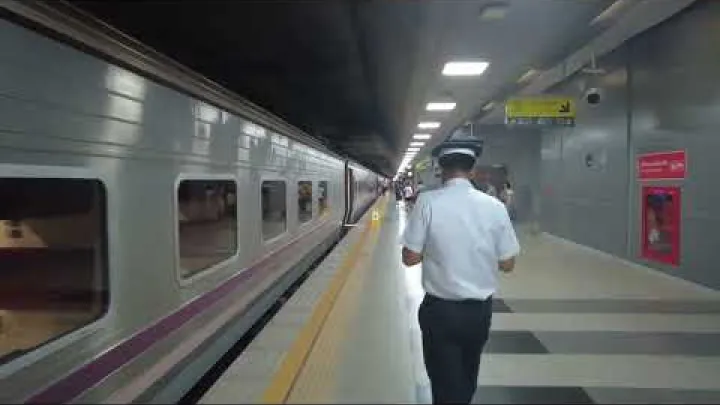
Getting to Vientiane is straightforward once you choose the right gateway, but the fastest-looking ticket is not always the easiest journey. Flights arrive at central Wattay International Airport, while rail and bus services use several separate stations and terminals. This guide compares flights, trains, buses, and Thailand border routes by speed, comfort, cost position, booking effort, and the final trip into Vientiane city center. It also explains how to plan for an arrival from northern or southern Laos, Vietnam, Cambodia, or a wider international itinerary.
Choose the Best Way to Get to Vientiane
Your best route depends mainly on where you start, how much time you have, and whether you value a simple arrival over the lowest ticket price. Flying is normally the quickest option from international hubs and distant Lao cities. Rail is particularly useful on the northern Laos corridor and selected Thailand connections, while buses provide the widest overland coverage and can be useful when train seats are unavailable.
At-a-Glance Choice: Air, Rail, or Bus
Compare the complete journey rather than only the time spent on a vehicle. A flight includes airport check-in and baggage collection, a train may require a substantial road transfer from its station, and an international bus can be delayed by border formalities. For travelers with a fixed meeting, hotel reservation, or onward flight, a route with fewer uncertain steps can be worth a higher fare.
| Mode | Usually best for | Main advantage | Main trade-off |
|---|---|---|---|
| Flight | International arrivals and long Lao routes | Fastest and simplest final arrival | Usually costs more |
| Train | Luang Prabang, Vang Vieng, and selected Thailand trips | Fast, structured northern corridor | Station transfer and ticket access |
| Bus or minivan | Flexible domestic and regional travel | Wide route coverage | Longer, more variable road journey |
| Thailand border route | Travelers already in northeastern Thailand | Often practical from Nong Khai | Multiple transport and immigration steps |
Flights are generally the easiest choice if you are carrying large luggage, traveling with children, arriving from another continent, or visiting for a short time. Trains can be a strong balance between speed and comfort when their departure time and station location fit your itinerary. Buses are often the most adaptable choice for towns not directly served by rail or air, but vehicle quality, luggage space, and final terminals vary considerably.
Check the Gateway and Service Before Booking
Vientiane has several distinct arrival points. Wattay International Airport serves air travelers. The Laos-China Railway uses Vientiane station, which is outside the city center. Thai cross-border rail information may refer to Khamsavath Railway Station, a different Lao rail arrival point. Long-distance road services can use the Northern Bus Station, Central Bus Station near Morning Market, or Southern Bus Station.
These gateways are not interchangeable. A cheap ticket can become inconvenient if it leaves you at an outlying station after local transport has become limited, or if it requires a transfer between terminals. Before paying, check the current operator or gateway notice for the exact departure and arrival point, service status, fare conditions, ticket rules, and any border requirements. Read the station name on the booking carefully rather than relying on a listing that simply says “Vientiane.”
Fly to Vientiane Through Wattay International Airport
For most international visitors, Wattay International Airport is the most convenient arrival gateway. It is commonly known by the airport code VTE and is much closer to central Vientiane than the Laos-China Railway station. This makes flying especially attractive when you want a short final transfer after a long trip.
Regional International Flights to Wattay
Wattay receives regional international services, with Bangkok being an especially useful gateway for travelers arriving from outside Southeast Asia. Depending on season and airline schedules, routes or connections may also be available through Hanoi, Ho Chi Minh City, Singapore, and selected cities in China and South Korea. The current airport listing and airline timetable are more reliable than an older route map because direct services may change by season or operating day.
The airport is described as being about 3 kilometres from central Vientiane by Vientiane Airport, which is a major practical advantage over an outlying rail arrival. Lao Airlines lists services to Laos from several Asian cities on its Lao Airlines website. Treat route availability as date-specific, particularly for less frequent regional flights.
When comparing an apparently direct itinerary with a one-stop option, include the full connection design. Check whether bags are checked through, whether the connection is protected on one ticket, whether an airport change is required, and whether the transfer time leaves room for a delay. A lower fare can be less useful if it creates an overnight airport wait or a connection that you would need to rebook yourself.
Domestic Flights from Other Lao Cities
Domestic air travel can save substantial time on long-to-south journeys within Laos. Vientiane may be connected, when services are operating, with cities such as Luang Prabang, Pakse, Savannakhet, Xieng Khouang, and Sam Neua. These are examples of places that can have air links rather than a promise of a permanent nationwide network.
Flying is most useful when a road journey would occupy most of a day, require an overnight bus, or leave little time for the reason you are visiting Vientiane. It also reduces the practical burden of repeated stops and long-distance road travel. In exchange, domestic air tickets are commonly more expensive than buses, and some routes may have limited frequencies.
Check the current route and departure date directly with Lao Airlines or the operating carrier. Compare the flight’s arrival time with your hotel access and next-day plans, rather than assuming that a domestic flight will be available at a convenient hour.
Take the Train to Vientiane
Rail has transformed travel on selected northern Laos routes. It can be considerably faster than road travel between the main railway corridor and Vientiane, but its value depends on ticket availability, the exact station used, and the road transfer at each end.
The Laos-China Railway from Northern Laos and China
The Laos-China Railway provides an important alternative to long road journeys from Vang Vieng, Luang Prabang, and the northern direction toward China. For many travelers, it is the preferred option when speed matters and a suitable departure is available. Rail travel is generally more structured than a long-distance bus, with a defined station, assigned journey, and less exposure to road conditions.
However, published train time is not the complete door-to-door time. Vientiane station on the Laos-China Railway is outside the central urban area, so you need to include travel from your accommodation to the departure station and a road transfer into Vientiane city center after arrival. A bus can sometimes be slower on the road but more convenient if its final stop is closer to your accommodation.
Train categories, stopping patterns, fares, and schedules can change. Buses remain a useful alternative for travelers who need a different departure time, cannot obtain rail tickets, or prefer a local pickup point. Do not assume there is a direct rail route from Pakse to Vientiane; use flights or road transport as the practical planning base for southern Laos unless an official rail service specifically confirms otherwise.
Cross-Border Rail from Thailand via Khamsavath
Thailand rail travel can form part of an overland route to Vientiane. Depending on the current service pattern, travelers may use a direct or connecting train from Bangkok, or take a shorter rail journey from Nong Khai or Udon Thani before continuing across the border. This route can appeal to travelers who want to avoid flying, particularly if an overnight train makes accommodation for one night unnecessary.
Cross-border rail should be planned as a sequence rather than as a single simple journey. Include travel to the Thai departure station, border processing, the Lao arrival station, and local transport to your hotel. Khamsavath Railway Station is the Lao arrival point referred to for current Thai cross-border rail services in this guide, and it should be distinguished from Vientiane station on the Laos-China Railway.
Older travel information may describe a Thai train ending at Thanaleng. Because rail operations and station arrangements evolve, confirm the current arrival station with the operator before selecting this route. Compared with flying from Bangkok, rail may offer a more gradual journey and an overnight option, while flying usually provides a simpler and faster arrival near the center.
Rail Tickets, Station Locations, and City Transfers
Rail booking may be less straightforward than booking an international flight. Ticket-release windows, identity details, foreign phone-number access, payment methods, agency inventory, and station sales arrangements can differ by service. An official channel may be preferable when it works for you, while an established agency can be useful where direct booking is not practical. Neither method guarantees that tickets will remain available.

Before choosing a train, confirm the current Laos-China Railway ticket-release rules, the exact station printed on the ticket, and the city-transfer plan at both ends. Check that the passenger name matches the travel document, that the departure date is correct, and that you understand baggage rules and payment confirmation. Build a generous buffer if the train is connected to an international flight, a border crossing, or a fixed accommodation check-in.
For an arrival in Vientiane, decide in advance whether a private taxi, shared transport, city bus, or ride service is realistic for your luggage and arrival time. This last-mile decision often determines whether rail is genuinely the best option for your day.
Travel by Long-Distance Bus or Road
Road transport remains essential for reaching Vientiane from many places in Laos and neighboring countries. It provides route variety beyond the rail corridor, but conditions can differ sharply between an intercity coach, a sleeper bus, a minivan, and a cross-border service.
Bus Routes from Luang Prabang, Vang Vieng, and Central or Southern Laos
Long-distance buses connect Vientiane with destinations including Luang Prabang, Vang Vieng, Phonsavan, Thakhek, Savannakhet, Pakse, and other provincial towns. They are particularly important where no suitable flight or rail service exists. Online listings can help identify possible routes; for example, Baolau lists bookable bus connections involving Vientiane and several Lao transport points. Treat listings as a starting point, not a guarantee that every departure is running.
From Luang Prabang or Vang Vieng, rail is often faster when seats are available, while a bus can offer more departure choices and sometimes simpler local booking. From central and southern Laos, road travel may be the main budget option. Services heading from the north generally use the Northern Bus Station, while routes from the south commonly use the Southern Bus Station. Some central services may involve the Central Bus Station near Morning Market, but the ticket’s actual final stop is what matters.
Sleeper buses and minivans should not be treated as equivalent. A sleeper may reduce daytime travel but can provide limited personal space and variable sleep quality. A minivan may be more direct but can have restricted luggage capacity. Confirm the departure terminal, vehicle type, baggage arrangement, and whether a digital booking must be exchanged for a physical ticket at the station.
Cross the Friendship Bridge from Nong Khai or Udon Thani
Nong Khai and Udon Thani are the main Thai overland gateways for Vientiane. Nong Khai is closer to the Friendship Bridge, while Udon Thani can be convenient for travelers arriving by domestic flight, train, or bus from elsewhere in Thailand. The sensible choice is the one that reduces unnecessary transfers in your own itinerary.
The usual sequence is to reach the Thai-side transport terminal or border area, complete Thai departure procedures, cross the Friendship Bridge using the authorized service, complete Lao immigration, and then continue toward Vientiane. The bridge is the official overland crossing for this route; do not rely on informal Mekong crossing arrangements. A practical account from GoNOMAD describes the shuttle-bus element of the crossing, but operating details in older accounts can change.
Before departure, verify the open hours, immigration requirements, and transport arrangements for the specific Friendship Bridge crossing. Confirm the permitted entry method for your nationality, the point where your ticketed service ends, and how you will continue after Lao immigration. The advertised bus duration from Udon Thani or Nong Khai does not include every queue, transfer, or border step.
Overland Routes from Vietnam and Cambodia
Overland travel from Vietnam to Vientiane can be appealing for budget travelers or people building a multi-country route, but it is often a long journey. Services may use central or northern corridors and can involve sleeper-bus conditions, border processing, and route-specific pickup arrangements. A listing described as direct may still include operational stops or vehicle changes.
From Cambodia, travelers commonly approach through southern Laos, often using Pakse or another southern transfer point before continuing north to Vientiane. This can be a reasonable route for a flexible itinerary with planned stops, but it is rarely the quickest way to reach the capital. Flying may cost more but can greatly reduce travel time and the number of transfers.
For either country, check the permitted border crossing, entry or visa process, pickup location, luggage rules, and final Vientiane terminal before booking. Plan the route as an international journey with a domestic final leg, rather than assuming one ticket resolves every part of the trip.
Compare Typical Routes to Vientiane
The following comparisons help turn the mode choices into practical decisions. They emphasize total effort and arrival convenience, not a fixed fare or timetable.
From Bangkok or Northeastern Thailand
| Route pattern | Main gateway | Strength | Consider |
|---|---|---|---|
| Flight from Bangkok | Wattay International Airport | Fastest, short city transfer | Check-in time and fare |
| Rail via northeastern Thailand | Khamsavath | Useful for an overnight-style journey | Stations and border steps |
| Road via Nong Khai | Friendship Bridge | Flexible overland option | Several transfers and immigration |
Choose a flight when speed, connection protection, and a straightforward first arrival are priorities. Consider rail if you want to travel overland and the current schedule fits your plans. The Nong Khai or Udon Thani route can suit travelers already in northeastern Thailand, especially those with a flexible day and modest luggage.
For all three options, include hidden time: airport procedures, travel to Bangkok rail terminals, road transfers in northeastern Thailand, immigration, and the onward trip from the Lao arrival point. A direct flight can be better value than a cheaper overland route when losing a day would affect a work commitment or a short visit.
From Luang Prabang or Vang Vieng
For Luang Prabang and Vang Vieng, the main decision is normally train versus bus. Choose the Laos-China Railway when a suitable, confirmed service is available and reducing journey time matters. It is particularly attractive for travelers who prefer a more predictable vehicle environment than a long road trip.

Choose a bus when train seats are unavailable, when a bus departure better matches your schedule, or when local pickup and arrival location matter more than speed. Compare the complete door-to-door journey: travel to the station, waiting time, train time, and transfer from the Vientiane rail station may narrow the difference shown by vehicle times alone.
Both options can work well. The better choice is usually the one that gives you a comfortable arrival time and leaves enough margin for your accommodation, work, or onward plans.
From Pakse and Southern Laos
From Pakse, Savannakhet, Thakhek, and the far south, domestic flights and long-distance buses are the main practical choices. Flying can save a large amount of road time and may be worthwhile for a short visit, travelers with limited energy, or people who need a predictable arrival near the center. Buses are usually more budget-oriented and allow intermediate stops, but the journey can be long.
An overnight bus may preserve a daytime sightseeing or work schedule, but it is a comfort trade-off. Consider the vehicle layout, luggage handling, sleep quality, rest stops, and the difficulty of reaching a hotel after an early or late arrival. Breaking the journey into stages can be a better choice than forcing one very long leg.
Do not assume an advertised direct Pakse-to-Vientiane rail route exists. Use current operator information for flights and road services, and make decisions based on the service actually available for your date.
Get from Vientiane’s Gateways to the City Center
Arrival location affects the practical value of every transport option. Keep your accommodation address available offline, including its neighborhood or a clear map pin, because the city center is a reference area rather than one single drop-off point.
Arriving at Wattay International Airport
Wattay International Airport is the simplest gateway for most visitors because it is close to central Vientiane. Available onward transport may include an airport shuttle or city bus when operating, official airport taxis, and app-based rides where available. The most suitable option depends on your arrival hour, luggage, hotel location, and whether you want the lowest cost or the most direct ride.
Use clearly identified airport services and ask the transport provider to confirm the destination before leaving. Shuttle availability and fares can change, so do not rely solely on an older guidebook or social-media post. Keep this part of the journey simple: the goal is a safe, direct transfer to your accommodation rather than an extended search for a marginally cheaper option.
Arriving at the Laos-China Railway Station
Vientiane station on the Laos-China Railway is outside central Vientiane. Plan a road transfer after the train rather than expecting to walk into the main visitor areas. A private taxi is usually the most direct option for travelers with luggage; shared transport, local buses, or app-based rides may reduce cost but can require more waiting or have limited availability.
Allow extra time after the scheduled arrival. The least expensive option may not be the fastest, and late arrivals can make a direct ride more practical. This final transfer is one of the key reasons to compare rail with a bus that may arrive at a more central terminal.
Arriving at Khamsavath or a Vientiane Bus Station
Khamsavath Railway Station is closer to central Vientiane than the Laos-China Railway station, but most travelers will still need local transport to their accommodation. Bus arrivals require equal attention because the Northern, Central, and Southern Bus Stations serve different route directions and are not one interchangeable terminal.
The Central Bus Station near Morning Market can be a familiar reference point, but do not assume every service ends there. Before departure, identify the ticketed final stop and compare it with your hotel address. At any gateway, use a simple arrival flow: leave through the official exit, confirm the fare or booking, choose the onward mode, and keep your accommodation details ready to show the driver.
Book and Arrive Without Common Transport Problems
Small booking details can have a large effect on an arrival in Vientiane. Good preparation is particularly useful when you are crossing a border, traveling at night, or arriving at an outlying rail or bus terminal.
Tickets, Identity Documents, and Payment
Before paying, confirm the passenger name, travel date, departure point, exact station or terminal, baggage allowance, cancellation terms, and whether a printed ticket is needed. A booking platform can make search and payment easier, but it may be an intermediary rather than the transport operator. A confirmation message is useful evidence of a booking, but it is not a substitute for reading the service details carefully.
Keep offline screenshots of tickets, accommodation information, passport details, and payment confirmations. Carry some cash for local transport, small purchases, and charges that may not accept an international card. Do not assume every operator accepts the same payment method or that every digital ticket can be shown without an exchange at the terminal.
Border and Late-Arrival Planning
International road and rail journeys need time for immigration and customs, so published travel times should be treated as estimates rather than guarantees. Before traveling overland, confirm your entry eligibility, passport validity, visa or e-visa options for the chosen crossing, and any current restrictions that apply to your route.
Avoid a tight same-day connection by leaving a buffer and arranging accommodation and onward transport for late arrivals. This matters whether you arrive at Wattay, Khamsavath, an outlying railway station, or a bus terminal, because low-cost transport choices may be less available later in the day. A flexible first-night booking and a saved hotel phone number can reduce stress if the journey runs late.
Touts, Fares, Luggage, and Personal Safety
Unsolicited offers at airports, stations, and border areas can create confusion, especially after a long journey. Use official ticket or taxi counters where available, choose a reputable booking channel, or agree an informal fare clearly before boarding. Do not hand a passport to someone who says they need to hold it for a ride or ticket.
Keep passports, money, electronics, and other valuables with you rather than in a vehicle hold when possible. Check that your luggage is present and intact before leaving the arrival point. For road and night travel, choose established routes, avoid rushed connections, and allow enough time to make decisions without pressure.
Final Recommendations for Getting to Vientiane
Fly to Wattay International Airport when speed and a short final transfer are most important. Use the Laos-China Railway for a time-saving route from Luang Prabang or Vang Vieng when the station transfer and ticket access work for you. Choose a bus for broader domestic coverage, flexible schedules, or a lower upfront cost, and use Nong Khai or Udon Thani as practical Thailand gateways when traveling overland.
Whatever route you choose, plan around the actual arrival gateway rather than the word “Vientiane” on a booking page. A clear station name, realistic last-mile transfer, and enough time around borders or late arrivals will make the journey more comfortable and far easier to manage.
Select area
Create a post
Posting is free and no registration is required.