Phonsavan Travel Guide: Plain of Jars & Trip Planning
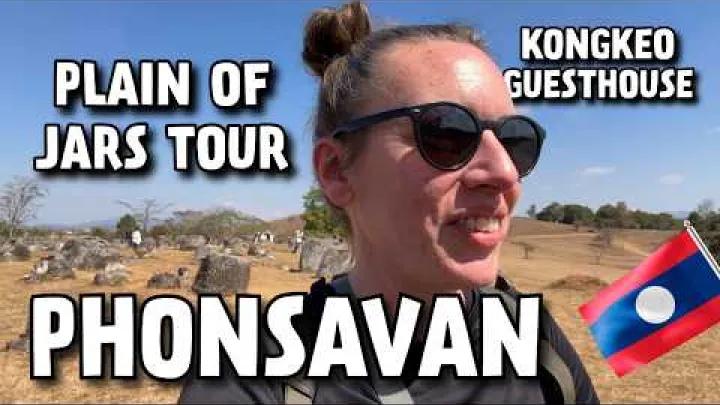
Phonsavan is the practical base for visiting the Plain of Jars, one of Laos’s most unusual archaeological landscapes. It is a destination for travelers who value history, open highland scenery, and a more thoughtful kind of cultural travel rather than a polished resort experience. This Phonsavan travel guide explains how the town fits into a Laos itinerary, when to go, where to stay, and how to plan a responsible visit to the jar sites. It also covers transport choices, realistic timing, local logistics, and the UXO awareness that should shape every rural excursion.
Is Phonsavan Worth Adding to Your Laos Itinerary?
Phonsavan is worth the journey if the Plain of Jars is a priority and you are prepared to treat the town as a working base rather than the main attraction. Its rewards are specific: ancient stone jars in a broad upland landscape, insight into Xieng Khouang’s recent history, and a slower provincial rhythm. It is less suitable for travelers who want dense sightseeing, nightlife, or a large choice of high-end accommodation.
What Makes Phonsavan Different
Phonsavan sits on the Xiangkhoang Plateau in Xieng Khouang Province and is the main service town for the Plain of Jars. The archaeological sites are spread across the countryside, so staying in town makes it easier to arrange a driver, guide, tour, food, cash, and onward transport. The town itself is spread out and functional, with everyday businesses, guesthouses, restaurants, and services rather than a compact historic core.
This is a strong stop for travelers interested in archaeology, cultural landscapes, Southeast Asian history, and responsible remembrance travel. The stone jars are compelling in their own right, but the region’s wartime legacy adds important context to a visit. Travelers should arrive ready to spend time outdoors, travel between sites, and learn rather than simply collect photographs. Lonely Planet also describes Phonsavan chiefly as a base for travelers exploring the Plain of Jars, which is the most useful expectation to bring.
A useful way to decide is to separate the destination into two experiences: the town is where you solve practical needs, while the surrounding plateau is where most of your sightseeing time belongs. That makes Phonsavan a good match for a focused heritage trip, even if you would not choose it for a conventional city break. If your itinerary is already full of scenic towns and cultural stops, the jars and Xieng Khouang’s history provide the distinctive reason to make the detour.
How Phonsavan Fits Between Luang Prabang and Vientiane
Phonsavan provides a clear contrast to Laos’s better-known hubs. Luang Prabang is known for its concentrated heritage-town setting, riverfront atmosphere, and broad visitor services. Vientiane offers capital-city transport connections, administrative services, and a more urban pace. Phonsavan is a focused northeastern detour where the main experiences are dispersed across a rural plateau.
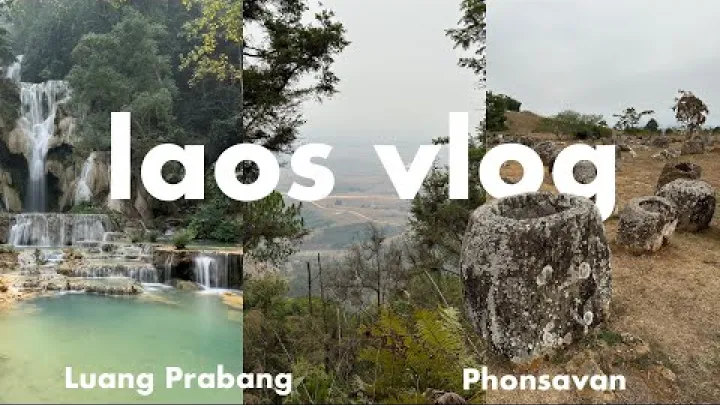
Many visitors connect overland from Luang Prabang, while travelers coming from Vientiane may consider a domestic flight when one is operating. In either direction, the journey is part of the decision: Phonsavan usually works best as a dedicated stop within a wider Laos route, not as a substitute for the country’s principal cities. Add it when the Plain of Jars and the history of Xieng Khouang matter more to you than minimizing travel time.
For itinerary design, think in terms of travel purpose rather than simply placing Phonsavan between two map points. Luang Prabang suits concentrated heritage sightseeing, Vientiane is useful for connections and urban services, and Phonsavan rewards travelers willing to spend a full day outside town. A route that gives Phonsavan its own arrival and departure buffer is usually more comfortable than trying to attach the jar sites to a same-day transfer.
How Many Nights to Plan
Plan two nights as a practical minimum. This gives you an arrival day, one full day for the principal Plain of Jars circuit, and a departure day without forcing major sightseeing around a long transfer. It is especially sensible when arriving by road, since travel fatigue can reduce the value of trying to visit sites immediately.
Three nights are better for a more complete first visit. The additional day can be used for Muang Khoun, a museum or education center, a market, a slower visit to the main sites, or a suitable rural excursion. Travelers with a deep interest in archaeology, community-based experiences, trekking, or humanitarian history may choose longer, but more nights are not automatically better. The right length depends on how much time you can devote to rural transport and outdoor visits.
When to Visit Phonsavan
Season affects comfort, road travel, photography, and the pace of a Plain of Jars day. The plateau can feel different from lowland Laos, particularly in the early morning and evening. Think about the kind of outdoor day you want, not only the weather at your departure city.
The Cool and Dry Season
The cooler and generally drier part of the year is often the most comfortable time for open-air sites, longer walks, and multi-stop day trips. Drier ground can make paths and rural approaches easier to manage, while clearer conditions can make it simpler to spend a full day moving between sites. These are general seasonal patterns, not a guarantee for a particular week.
Bring a light warm layer for early departures, evenings, and air-conditioned transport. This can surprise visitors arriving from warmer lowland destinations. A light layer, sun protection, and comfortable walking clothes are more useful than packing only for tropical heat.
Wet-Season and Hot-Season Trade-Offs
The wet season can bring greener landscapes but also rain, muddy walking surfaces, reduced visibility, and slower progress on rural approaches. Hotter periods can make exposed sites tiring, particularly when several stops are combined in one day. Neither season rules out a visit, but each asks for a different pace and more flexibility.
Check a current local forecast before each outdoor day and keep buffer time for rain, heat, or changing road conditions. Ask your accommodation, driver, guide, or the local information center which route and site combination is most realistic that day. Carry water, use shade when available, and do not build a tightly timed itinerary around an outdoor circuit.
What to Pack for the Plateau
- Sturdy closed footwear with grip for uneven, dusty, or muddy ground.
- A refillable water bottle, sun hat, sunscreen, and light long sleeves.
- A compact rain layer and a warm layer for cooler starts and evenings.
- Offline directions, your accommodation name and contact details, and a charged phone or power bank.
- Cash and any personal medication needed for a full day outside town.
Pack for changes in ground conditions as well as temperature. A weatherproof layer and good shoes can make a rural site day more comfortable, but they do not replace local instructions about which areas are open or where visitors may walk.
How to Get to Phonsavan
There is no single best arrival method for every traveler. Flying can save time when services fit your route, while road travel can suit travelers who prefer lower-cost transport or want to connect from northern Laos. Build the journey into the itinerary rather than treating it as a short transfer.
Flying From Vientiane
When domestic services operate, flying from Vientiane to Xieng Khouang Airport is usually the most time-efficient way to reach the Phonsavan area. The airport is close enough to town that the final transfer is generally straightforward compared with an all-day mountain road journey. It can be a useful option for travelers with limited time or those who prefer to preserve energy for the archaeological sites.

Confirm current flight, bus, or minivan schedules and fares directly with the carrier, station, accommodation, or local tourism office before departure. For flights, check the Lao Airlines website for the active schedule, baggage rules, booking terms, and updates, then keep a road-based backup in mind if a service changes. Arrange or discuss your airport pickup before leaving Vientiane, particularly if arriving later in the day.
Traveling Overland From Luang Prabang or Vientiane
Overland travel is common from Luang Prabang and Vientiane, but it should be treated as a full travel day rather than a transfer with reliable sightseeing time attached. Roads in this part of Laos cross mountain and plateau terrain; Route 7 is one of the important roads around Phonsavan. Actual journey length depends on the vehicle, stops, weather, roadworks, and the departure point.
Public buses and minivans are usually the budget-oriented choices. They can be economical but provide less control over timing, pickup points, stops, and comfort. A private vehicle or arranged transfer costs more but can be useful for families, groups, travelers carrying more luggage, or anyone who wants greater flexibility. Before committing, ask where the vehicle leaves, where it arrives, what luggage is included, and whether the price includes a transfer to your accommodation.
Arriving and Getting Around Town
Most arrivals orient themselves around Xieng Khouang Airport, the Phonsavan provincial bus terminal, Route 7, and the central cluster of hotels and restaurants. On arrival, first confirm your accommodation location and arrange the immediate transfer. Once settled, organize next-day site transport rather than assuming it will be available at the last minute.
Tuk-tuks, hired cars, motorbikes, bicycles, and organized tours may be available, with the useful choice depending on distance, weather, confidence, and the places you hope to see. Phonsavan is more spread out than a compact heritage town, so walking can be inconvenient for transfers between accommodation, restaurants, and services. Independent riders should ask about rental requirements, the vehicle’s condition, fuel, and whether the intended roads suit their experience.
Keep the first evening simple if you arrive by road: check in, locate a nearby place to eat, identify where you can obtain cash, and save your accommodation’s phone number offline. For an early site departure, ask whether breakfast can be provided early or replaced with food to take away. These small arrangements reduce the risk that a delayed arrival or an unfamiliar town layout cuts into your only full sightseeing day.
Where to Stay in Phonsavan
For a short first visit, location and practical help matter more than luxury. A central base can reduce friction around meals, transport arrangements, information gathering, and early departures to the Plain of Jars.
The Best Base Area for First-Time Visitors
Stay near the central commercial streets or Route 7 if you want the simplest base. This area generally places you closer to restaurants, small shops, transport arrangements, and visitor-oriented services. It can also make it easier to reach the MAG UXO Visitor Information Centre, local market areas, and places that help coordinate day trips.
Properties on the edge of town or on higher ground may feel quieter and may offer more space, but they can require planning for meals and transport. For a first trip of two or three nights, central convenience is usually the stronger choice. The Xieng Khouang Phonsavan Official Tourist Information Center is a useful local anchor for asking about current visitor information, site arrangements, and nearby services.
Guesthouses, Hotels, and Simple Resorts
Phonsavan’s accommodation is mainly made up of guesthouses, small hotels, bed-and-breakfast-style stays, and simple resort-like properties. The selection is more limited and practical than in Luang Prabang or Vientiane. This is not necessarily a disadvantage, but it means it helps to choose a place that supports the way you plan to travel.
Prioritize hot water if it matters to you, clear pickup coordination, early breakfast or the option of packed food, secure parking if you are driving, and staff who can help arrange a vehicle for the jar sites. Read recent guest feedback for current conditions, then contact the property directly if a specific feature is essential. Confirm what is included in the room rate before arrival.
Costs, Cash, and Booking Logistics
Phonsavan can suit a range of budgets. Simple lodging and local meals are usually the more manageable parts of a stay, while a private vehicle, guide, or remote excursion can be the largest variable expense. A useful budget framework is to separate everyday spending from day-trip spending: lodging and meals on one side, then entrance fees, transport, and optional guiding on the other.
Carry enough Lao kip for rural visits, entrance fees, local transport, and small businesses that may not accept cards. Bring funds before leaving town for a full-day excursion, and ask in advance how a driver, guide, rental provider, or accommodation expects to be paid. This avoids relying on card acceptance or cash access when you are already on the road.
For a simple planning worksheet, list your expected nights, meals, and local rides first, then add one separate allowance for the Plain of Jars day. Make the transport line flexible because the total can change according to whether you join a group, hire a vehicle, add a guide, or visit a more distant site. Ask whether quoted day-trip costs include the driver’s time, fuel, entrance fees, waiting time, and return to town. Treat exchange rates, opening arrangements, and payment methods as details to check close to travel rather than fixed assumptions.
Visiting the Plain of Jars
The Plain of Jars is not a single monument but a wider archaeological landscape with multiple sites. For most first-time visitors, a carefully planned day focused on the principal sites is more rewarding than attempting too many stops. Leave time to walk, absorb the setting, and understand the context of what you are seeing.
The Core Visit: Sites 1, 2, and 3
Sites 1, 2, and 3 are the most practical starting point from Phonsavan. Site 1 is often the first choice for limited time because it has a more developed visitor setting and is commonly included in day-trip arrangements. Sites 2 and 3 offer different surroundings and a more rural or wooded atmosphere, which helps show that the jar landscape is not uniform.
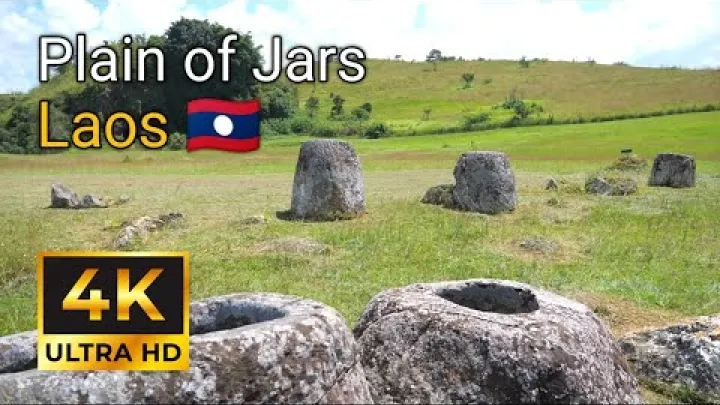
Plan the core circuit as a full outdoor activity, not a quick roadside stop. The experience includes travel between sites, walking on the ground, reading available interpretation, and allowing time for photography without rushing. A guide can add archaeological and historical context, although independent visitors may prefer a driver and a slower self-directed visit. Do not assume a particular fee, facility, or route will be unchanged; ask locally what combination is practical on the day you go.
If you have only one full day, choose the site combination according to your arrival energy, transport arrangement, and the weather rather than trying to collect every viewpoint. Ask for the estimated time on foot at each stop and whether the vehicle can wait while you explore. Carry water and a snack, and allow a proper pause between sites. The best visit leaves room to notice the landscape and interpretation instead of turning the circuit into a checklist.
Beyond the Main Three Sites
Site 52 and other remote jar-site possibilities can appeal to travelers with more time, suitable transport, and a strong interest in rural heritage. These additions may involve longer approaches, more walking, local coordination, or a guided arrangement. They are optional enhancements rather than essential parts of a first visit.
Muang Khoun can be a worthwhile complementary destination for travelers interested in the province beyond the jars. Rural communities and war-history locations may also be part of a broader day out when they are appropriate to visit and included in a responsible local arrangement. Choose one meaningful addition instead of trying to combine every possible stop into an exhausting schedule.
Choosing Between a Tour, Driver, Motorbike, and Bicycle
| Option | Best for | Main trade-off |
|---|---|---|
| Organized tour | Easy first visit | Less control over pace |
| Driver and guide | Context and flexibility | Higher daily cost |
| Motorbike | Experienced independent riders | Navigation and weather exposure |
| Bicycle | Shorter, slower outings | Distance and physical effort |
An organized tour simplifies transport and can be useful when you have only one day. A private vehicle with a guide gives the greatest flexibility and can be especially valuable for visitors who want historical context or plan to combine sites. Motorbikes and bicycles offer independence, but distance, changing surfaces, fuel, navigation, language barriers, and return timing all need realistic consideration. Choose the option that matches your time, mobility, and confidence rather than the lowest apparent price.
Safety, Health, and Responsible Travel
Phonsavan is best visited with steady, practical preparation. The most important responsibilities relate to the region’s UXO legacy and to the realities of rural travel. Respect for boundaries, local guidance, and community life is central to a meaningful visit.
UXO Awareness at Heritage Sites and in Rural Areas
Xieng Khouang’s war legacy makes unexploded ordnance awareness essential at the Plain of Jars and in rural areas. The appropriate response is calm attention, not fear: use established visitor areas and take signs, barriers, and local guidance seriously. The MAG UXO Visitor Information Centre on Road 7 in Phonsavan is a valuable orientation stop for understanding why clearance work and visitor behavior matter. MAG identifies its Phonsavan visitor center on Road 7.
Stay on marked and cleared paths, never touch unidentified metal objects, and follow current instructions at every heritage site. Do not take shortcuts into vegetation, wander beyond designated areas, or handle anything that appears unusual. A guide, site staff member, or official sign has priority over assumptions based on maps, old travel accounts, or another visitor’s route.
Road Conditions, Health Care, and Contingency Planning
Mountain journeys, rural roads, rain, heat, and delayed transport can affect an itinerary even when distances look modest on a map. Keep essential medication with you rather than in checked or separately transported luggage. Travel insurance with medical and evacuation coverage appropriate to your itinerary is a sensible precaution for provincial travel.
Keep your accommodation details, transport contacts, and local tourism contacts accessible on your phone and on paper. Avoid arranging a schedule that leaves no time to recover from a delayed arrival or to adapt if a rural excursion cannot proceed. Simple preparation is more useful than trying to predict every possible disruption.
Before leaving town, consider what you would do if a vehicle broke down, rain delayed your return, or you felt unwell outdoors. Carry enough water for the planned outing, protect yourself from sun and temperature changes, and tell your accommodation where you are going when arranging an independent trip. If you take regular medication, bring a sufficient personal supply and keep it clearly organized. These precautions support flexibility without suggesting that every rural journey will be difficult.
Booking Guides and Respecting Local Communities
A local guide or driver can be helpful for distant sites, historical interpretation, and practical routing, but make the arrangement clear before paying. Confirm the guide, vehicle, itinerary, inclusions, total price, and return arrangements before booking a local tour. Also clarify whether meals, entrance fees, guide language, pickup, waiting time, and cancellation terms are included.
For changing conditions or remote locations, use local visitor information services and operators with a clear local presence. At archaeological sites, survivor centers, villages, markets, and war-history locations, behave as a guest. Ask before photographing people or sensitive places, avoid treating difficult history as entertainment, and buy respectfully from community businesses when you choose to shop. The Quality of Life Association UXO Survivor Information Centre and Village Shop can offer a more human perspective on the province’s continuing recovery work.
Sample Phonsavan Itineraries
These outlines leave room for arrival fatigue and practical changes. They work best when you treat a travel day and a sightseeing day as separate commitments.
A Two-Night First Visit
Day 1: Arrive in Phonsavan, settle into a central base, and organize the next day’s transport. If your arrival is early and your energy allows, visit a local information point or the MAG center for orientation. Keep the evening simple: eat nearby, prepare cash and water, and make sure you know the morning pickup plan.
Day 2: Make the Plain of Jars your priority. Visit Sites 1, 2, and 3, or the combination that is practical for current access and the day’s conditions. Build in time for walking and a proper break rather than rushing between stops.
Day 3: Depart with enough time for your chosen connection. If weather, access, or a delayed arrival prevents the full circuit, focus on Site 1 and one additional accessible site rather than trying to force a compressed route.
A Three-Night Heritage-Focused Visit
Day 1: Arrive, settle in, and gather local orientation. Use the afternoon for the MAG center, the official tourist information center, or a quiet walk through town if timing permits.
Day 2: Visit the principal Plain of Jars sites at an unhurried pace. A guide can be useful if understanding the archaeology and wartime context is central to your visit.
Day 3: Choose one additional focus: Muang Khoun, a confirmed remote-site excursion, a war-history location, or a visit connected to the Quality of Life Association. Leave time for local food and everyday town life. If your trip falls on a Sunday, ask locally about the Hmong Sunday Market near Nong Pet and whether it is appropriate and practical to visit.
Day 4: Depart, or use the morning for a relaxed final meal and any small purchases before your onward journey.
Who Should Choose a Longer or Shorter Stay
A shorter stop can work for travelers with a tightly connected Laos itinerary who mainly want to see the principal archaeological sites. Two nights is the efficient choice when arrival and departure links are reasonably convenient and one full outdoor day is enough.
Choose three or more nights if you are interested in archaeology, war history, rural communities, slower travel, or additional sites beyond the main circuit. The best planning rule is simple: base your stay on travel time, weather flexibility, and the number of places you can visit responsibly. Phonsavan is most rewarding when it is given enough time to be understood, not merely passed through.
Select area
Create a post
Posting is free and no registration is required.