Phonsavan Best Time to Visit: Laos Weather by Month
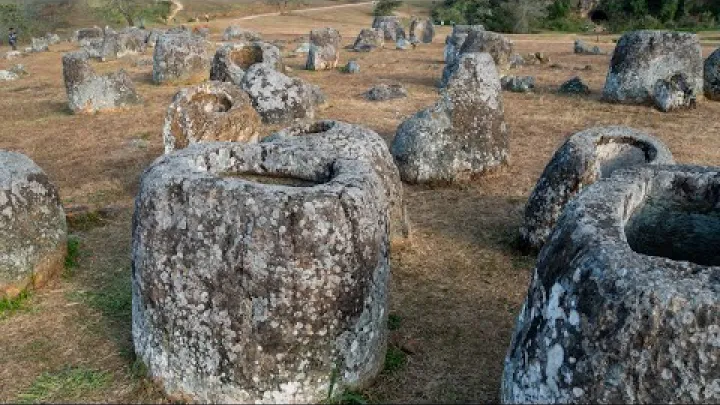
The best time to visit Phonsavan is generally November to February, when the Xiangkhouang Plateau is cooler, typically drier, and easier to explore on foot. This is the most dependable period for travelers planning time at the Plain of Jars and other outdoor sights around Phonsavan. However, the best month depends on whether you value crisp weather, green landscapes, warmer days, quieter travel, or the possibility of lower demand. This guide explains Phonsavan weather by season, gives a simple month-by-month view, and helps you choose a travel window that matches your plans.
When Is the Best Time to Visit Phonsavan?
Phonsavan has a different feel from many lower and warmer parts of Laos. Its upland location means that cool mornings, changing cloud, and seasonal rain matter more to a visit than a simple dry-season label suggests.
Best Overall: November to February
For most visitors, November through February is the best time to visit Phonsavan. Typical rainfall is lower than in the monsoon months, daytime sightseeing is more comfortable, and outdoor day trips are usually easier to plan. This makes the period especially suitable for travelers whose main goal is the Plain of Jars, where walking between viewpoints and archaeological areas is a central part of the experience.
The trade-off is temperature. Phonsavan sits on the Xiangkhouang Plateau, so early mornings and evenings from December through January can feel distinctly cold, even if the afternoon is mild and pleasant. Bring layers rather than assuming Laos will be warm at every hour. These are long-term seasonal tendencies, not a promise of identical weather every day or every year.
This period may also attract more travelers who prioritize dry conditions. Book accommodation and day trips with reasonable lead time if you have fixed dates, while remembering that demand does not guarantee the same services or prices across every week.
Best Alternatives for Green Scenery, Lower Demand, or Warmer Days
October can be a useful compromise for travelers who want green scenery after the rainy season but prefer a better chance of improving weather. It remains a transition month, so showers are still possible. March offers warmer days and can still be relatively dry, appealing to visitors who prefer less cold at night.
May and June are options for travelers who enjoy fresh green fields, cloudier skies, and a quieter atmosphere. They require more tolerance for rain and an itinerary that is not tightly dependent on a single outdoor day. Choose October for a balance of greenery and changing conditions, March for warmth, or early rainy-season months for landscape color and a slower pace.
Phonsavan Climate and Seasons
Laos has a monsoonal climate pattern, broadly divided between a rainy season and a dry season. The national pattern is useful context, but Phonsavan’s plateau setting changes how it feels on the ground.
The Xiangkhouang Plateau Climate
Phonsavan is higher and generally cooler than many lowland Lao destinations. The practical result is a milder daytime climate for much of the year, cooler nights in the dry season, and less of the constant tropical heat some visitors expect. A long-term climate summary for Phonsavan reports an annual mean temperature of about 19.7°C and annual rainfall of about 1,446 mm in Phonsavan climate data.
Rainfall is concentrated in the monsoon period, while the dry months are generally more suitable for extended outdoor sightseeing. At the same time, a forecast for central Phonsavan cannot describe every exposed viewpoint, rural road, or jar-site area on the plateau. Treat climate averages as a guide to choosing a season, not as a detailed daily itinerary.
At country level, Laos is commonly described as having a rainy season from around May to November and a dry season from around November to April, as outlined by UNDP Lao PDR. In Phonsavan, the cooler part of the dry season is often more important to comfort than the dry-season name alone.
Cool Dry and Hot Dry Phases
November to February is the cool dry phase. Days are often comfortable for walking, but dawn, sunset, and evenings can be cold enough to make a fleece, light insulated jacket, or similar warm layer useful. Clearer typical conditions can help with open views and photography, while the moderate daytime temperature makes longer visits feel less tiring.
March and April are the hotter dry-season transition. Days become warmer, trails may still feel comparatively dry, and the coldest nights have passed. April can also bring increasing humidity and the first more noticeable chance of showers. Travelers who dislike chilly mornings may prefer this period, but should plan outdoor walking early or later in the day rather than relying on the middle hours.
Dry season is therefore not one single travel experience. The cooler months favor comfort and layered clothing; the later dry months favor warmth but can be less comfortable for long exposed walks. Both are generally different from the stronger lowland heat found elsewhere in Laos.
Rainy Green Season: May to September
From May through September, rain becomes more frequent, humidity rises, and cloud cover can change the look of the plateau quickly. The landscape becomes greener and more vivid, which can be rewarding for travelers who enjoy fields, mist, and atmospheric skies. It can also be a quieter time to base yourself in Phonsavan.
July and August are generally the wettest part of the year in long-term patterns. That does not mean every day is continuously wet, but it does mean rain is more likely to affect walking, visibility, and the timing of outings. The green season is a good fit for travelers who can adjust their schedule and value landscape mood over the most predictable sightseeing conditions.
Phonsavan Weather Month by Month
The following overview gives a practical seasonal feel rather than a precise forecast. Conditions can differ between years, and the timing of rain or haze can shift.
November to February: Cool, Dry, and Usually Most Comfortable
| Month | Typical feel | Best for |
|---|---|---|
| November | Greener after rain, cooler, improving dryness | Balanced conditions |
| December | Cool and usually dry | Walking and jar sites |
| January | Often the coolest period | Comfortable daytime exploration |
| February | Dry, with gradually warmer days | Dry-season travel with less cold |
November often retains some of the rainy season’s green appearance while conditions begin to settle. It is a good shoulder choice for travelers who want a less dry-looking landscape without committing to the wettest period. December and January are commonly the coolest months in practical terms, with comfortable afternoons but cold starts and evenings.
February usually remains a strong choice for outdoor visits while daytime warmth begins to increase. It can suit visitors who want dry-season advantages but prefer less cold than December or January. Across all four months, lower typical rainfall and firmer outdoor surfaces are important advantages when planning to visit more than one area around Phonsavan.
March and April: Warmth, Dry Trails, and Greater Uncertainty
March is warmer than the preceding months and can still work well for sightseeing. It may suit travelers who want dry-feeling outdoor conditions without winter-like mornings. Long-distance views are less certain than in the cool season because haze can occur in the wider region.
April is hotter and more transitional. The increased warmth can make midday activity less appealing, and showers may begin to appear more often as the wet season approaches. These months suit flexible travelers who can prioritize morning visits, town time, and shorter outdoor walks when conditions are less clear.
May to September: Wet, Green, and More Flexible
May begins the greener phase, with warmer conditions and an increasing chance of rain. June often brings lusher scenery and more regular interruptions to outdoor plans. Both months can appeal to photographers looking for saturated vegetation and dramatic cloud, but they are less dependable for a tightly timed itinerary.
July and August are generally the wet-season core, when persistent or heavy rain is more likely. September can still be wet, although it may begin the gradual shift toward the later-year transition. Rain can make walking less comfortable, reduce distant views, and complicate travel on unsealed rural surfaces. The reward is a landscape that can look at its most vivid, with fewer reasons to expect consistently blue or clear skies.
For rainy-season photography, carry a cover for cameras and phones, keep spare dry bags available, and choose footwear with grip for wet or uneven ground. Budget-focused travelers may find this period worth considering, but the value of a lower-demand season depends on whether they can accept changing plans.
October: A Transitional Shoulder Month
October sits between the wetter months and the cooler dry period. The plateau can still look green, and temperatures are usually easier than the later hot season. Rainfall often declines through the month, but October should not be treated as reliably dry.
The first and second halves of October can feel different in a given year. For travelers who can accept a few showers and prefer a mixed landscape of green fields and improving travel conditions, it is a reasonable shoulder-month option. Those seeking the strongest chance of dry outdoor days should lean toward November instead.
Best Time to Visit Phonsavan by Travel Purpose
The same month can be excellent for one type of trip and less suitable for another. Start with your main activity, then choose the weather trade-off you are prepared to make.
Plain of Jars and Archaeological Sites
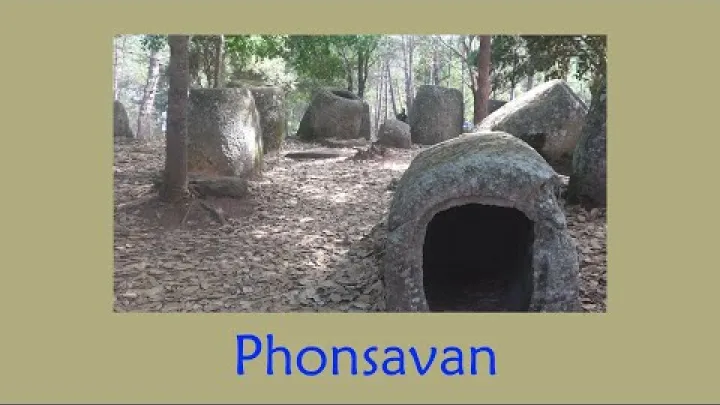
November to February is the strongest choice for visitors focused on the Plain of Jars. Cooler temperatures make walking more comfortable, and lower typical rainfall supports more predictable day-trip planning. Dry weather matters because visits involve outdoor movement between archaeological areas, viewpoints, and transport stops, even though exact conditions differ by site and route.
March, October, and the early wet season can still work for travelers who are willing to exchange some certainty for warmer weather, greener surroundings, or a quieter experience. The Plain of Jars is the main reason many people travel to Phonsavan, and local day-trip offerings commonly center on visits from town; see current Plain of Jars visitor information as one starting point for activity planning.
Trekking and Landscape Photography
For walking and broad plateau views, November through February is generally the best fit. The cooler dry period tends to offer more comfortable daylight conditions, firmer trails, and clearer typical visibility. It is a practical choice for travelers who want crisp landscape images and do not mind carrying a warm layer at the start and end of the day.
May and June can be more attractive for photographers who prefer bright green fields, low cloud, and a softer, moodier atmosphere. Rain protection becomes essential, and the visual result may be dramatic rather than clear. March and April can be less dependable for distant landscape photography if haze is present, even when rain is not the main concern.
Budget Travel and Smaller Crowds
Rainy-season and shoulder-month travel may bring lower demand, but travelers should not assume fixed discounts. Accommodation, transport, and tours can vary according to local availability, weekends, holidays, and booking timing. Compare current rates for your exact dates instead of making a decision based only on a broad low-season label.
Lower demand can also mean fewer choices or less convenient departure times. A wet-season trip is best for visitors who value a slower pace and can accept that weather reliability, rather than price, may be the main trade-off. October, November, February, and May are useful months to compare when looking for a balance between conditions and demand.
Culture, Town Walks, and Flexible Trips
The cool dry period is comfortable for walking around Phonsavan, stopping at viewpoints, and combining outdoor time with meals or cultural visits. It is the easiest season for travelers who want a full day outside without managing much heat or rain.
Rainy days do not make a stay unworkable. They can be used for museums, local cultural visits, meals, and a slower town itinerary, while clearer periods can be reserved for the landscape. If you are traveling for a festival or a specific event, check the current local calendar separately because event timing and arrangements are not determined by climate averages.
Rain, Smoke, and Access: When Conditions May Be Less Suitable
Seasonal averages help with broad planning, but a few variable conditions can have an outsized effect on a short stay in Phonsavan.
Possible Burning-Season Haze in March and April
During March and April, agricultural burning in the wider region can sometimes create haze. The timing and severity are not fixed, and conditions in Phonsavan may differ from other places in Laos. Haze can reduce distant views and may be uncomfortable for travelers with respiratory sensitivities.
Before committing to long outdoor activities in these months, check current smoke and air-quality conditions. Photographers should be prepared to change viewpoint plans if visibility is poor, while hikers and sensitive travelers should reduce exertion or move outdoor time when air conditions are unfavorable.
Heavy Rain and Rural Access
Intense or persistent rain can make unsealed surfaces muddy, slow travel beyond town, reduce visibility, and complicate visits to more remote places. These effects are variable: a route that is manageable on one day may be slower after a period of heavy rain. It is not useful to assume that every rural route will be either open or impassable throughout the wet season.
For remote jar sites during the rainy season, confirm local road and site conditions with a Phonsavan-based operator before traveling. This is particularly important when a single day trip is central to your itinerary, since local knowledge is more useful than a general seasonal description.
Climate Averages Versus the Live Forecast
Use climate averages to choose a month, then use a live forecast to organize the actual trip. A forecast can help with immediate decisions about rain, temperature, cloud, and visibility, but it cannot guarantee conditions for every part of the plateau or for an entire holiday.
Check a current forecast shortly before departure and again during your stay. The Xieng Khouang Airport forecast is a practical nearby reference point, though airport conditions are not identical to every location in Phonsavan or at the Plain of Jars. A short forecast is best used for flexible daily planning, not as a guarantee for a longer trip.
What to Pack and How to Plan a Phonsavan Stay
Packing for Phonsavan should follow the season and your planned outdoor time. The most useful items are those that help you adjust between cool upland mornings, warmer afternoons, and sudden rain.
Clothing for Cool Nights and Warm Days
Layered clothing is the most practical approach. From November to February, take a warm layer for early mornings and evenings, even when the daytime forecast looks mild. A fleece, sweater, or light insulated jacket can make dawn departures and evening walks much more comfortable.
For warmer months, choose breathable clothing, sun protection, and comfortable footwear for outdoor sites. In every season, shoes with stable grip are more useful than fashion footwear because paths and surfaces can be uneven. Travelers who are sensitive to cold should ask their accommodation directly about room comfort rather than assuming a particular heating arrangement.
Rain Gear and Day-Trip Planning
From May to September, and in uncertain transition months, bring a lightweight waterproof layer, protection for electronics, and a small dry bag. Shoes should be suitable for wet ground as well as walking. An umbrella may help in town, but a hands-free rain layer is often more practical at outdoor sites.
Build spare time into your plans rather than arranging several rural visits with no room for adjustment. A stay based in Phonsavan is easier to manage when the order of activities can change with rain or low cloud. This does not require abandoning outdoor plans; it means leaving space to move them to the better part of the day.
Verifying Local Conditions Before the Plain of Jars
Before setting out, confirm the latest weather, road conditions, site access, and tour arrangements locally, especially in the wet season. Use Phonsavan as the planning base and ask about the specific Plain of Jars area you intend to visit, since climate data cannot confirm the conditions at a particular archaeological site.
This final check is useful even in the dry season if your schedule is fixed. It helps you match the day’s route, transport, clothing, and expectations to current local conditions rather than to a monthly average.
Conclusion: Choosing Your Phonsavan Travel Window
November to February is the best overall time to visit Phonsavan for cool, generally dry conditions and comfortable exploration of the Plain of Jars. Choose October for a greener but variable shoulder season, March for warmer dry-season travel with possible haze, or May to September for lush scenery and a more flexible pace. Whatever month you choose, use seasonal patterns to set expectations, then use the current forecast and local information to plan each day well.
Select area
Create a post
Posting is free and no registration is required.