Aomori Budget: Daily Travel Costs in Tohoku, Japan

An Aomori budget can be manageable for travelers who stay in an urban base, eat a mix of casual and local meals, and choose activities carefully. Costs rise when you add long-distance travel from Tokyo, remote nature resorts, private tours, or festival dates. This guide explains budget, mid-range, and comfortable daily ranges in yen, then separates accommodation, food, local transport, attractions, seasonal costs, and long-distance access. Use the figures as planning ranges rather than fixed prices, because occupancy, dates, availability, and inclusions can change the final total.
How Much Does an Aomori Trip Cost Per Day?
Start by deciding whether your figure is per person or per room and whether it covers only spending in Aomori or the full journey from your departure city. Before comparing any Aomori daily-budget figure, write down the yen amount, party size, number of nights, and every included or excluded cost. This prevents a low room rate or a transport-only estimate from being compared with an all-in travel budget.
Budget, Mid-Range, and Comfortable Daily Ranges
The following ranges are practical on-the-ground estimates for one traveler, or for one person's share when a room is shared. They normally exclude the cost of reaching Aomori from Tokyo or another gateway.
| Travel style | Daily range | Accommodation | Food | Local transport | Activities |
|---|---|---|---|---|---|
| Budget | ¥6,000-¥10,000 | ¥3,000-¥5,000 | ¥2,000-¥2,500 | ¥300-¥1,000 | ¥500-¥1,500 |
| Mid-range | ¥15,000-¥22,000 | ¥8,000-¥12,000 | ¥3,500-¥5,500 | ¥800-¥2,000 | ¥1,500-¥3,000 |
| Comfortable | ¥30,000 or more | ¥18,500-¥30,000+ | ¥5,000-¥10,000 | ¥2,000-¥8,000 | ¥3,000-¥10,000+ |
These categories are rounded planning allocations, so the line items do not need to total the same amount every day. A budget traveler might walk around Aomori Station and the waterfront, while a comfortable traveler might pay for taxis, a resort stay, and a guided Oirase experience. The broad national framework from Japan Guide places sample low-budget and medium-budget travel in similarly wide bands. Aomori can fit the lower end when you use urban accommodation, casual meals, and walking, but nature-focused days can be more expensive than a city day because access takes more time and transport.
What the Daily Ranges Include
A daily Aomori travel budget should be built from four ordinary spending groups. The figures above assume one night of accommodation, daily meals, movement within the destination, and at least one free or modestly priced activity.
- Accommodation: One night in a dormitory, simple private room, business hotel, inn, or higher-grade property. A room price must be divided by the number of guests when you calculate a per-person total.
- Food: Breakfast, lunch, dinner, and ordinary drinks. Gifts, alcohol, tastings, and large specialty meals are better recorded separately.
- Local transport: Walking, city buses, short rail journeys, and occasional low-cost transfers within the base area. Long-distance travel to Aomori is not included.
- Activities: Free public spaces, parks, trails, and one or two low- or medium-cost attractions. Private tours and expensive resort activities belong in an optional line.
Long-distance access is a separate fixed or semi-fixed cost. Add the return train, bus, or flight price to the trip total instead of hiding it inside a daily Aomori figure. Daily costs are more variable: your room type, meal choices, number of bus rides, and paid attractions can change them from one day to the next. Optional costs, such as shopping for apple products, souvenirs, coffee, alcohol, and extra taxis, can then be added as a separate allowance.
Breakfast inclusion also changes the real price of a hotel. A room that appears more expensive may be reasonable if it replaces a paid breakfast, while a cheap room may require extra transfers or meals. Exchange-rate changes affect visitors using foreign currency, so keep the working budget in yen and convert it only as a temporary reference.
A Sample One-Day Aomori City Allocation
Imagine a one-person day based near Aomori Station. A budget version could use ¥4,000 for the per-person accommodation share, ¥2,200 for meals, ¥500 for city transport, and ¥510 for general admission to the Aomori Museum of Art. The arithmetic is ¥4,000 + ¥2,200 + ¥500 + ¥510 = ¥7,210.
A mid-range version could use ¥9,000 for accommodation, ¥4,500 for meals, ¥1,200 for local transport, and ¥1,500 for activities. This produces ¥16,200. The activity amount can include the ¥510 museum visit plus an additional paid experience or a larger allowance for cultural stops. It is not a fixed price for a complete day; it shows how the total is formed.
Walking between the station area, waterfront spaces, and nearby cultural attractions can keep local transport low. The same day becomes more expensive if you add a taxi, a seafood meal, an izakaya dinner, drinks, or a guided experience. This is why two travelers can visit the same Aomori attractions while reporting very different trip costs.
Accommodation Costs by Base and Comfort Level
Accommodation is usually the largest part of an Aomori trip budget. Compare the total for the room, not only the advertised nightly amount, and record whether it is priced per room or per guest. The best base depends on the attractions you want to see: Aomori City supports city sightseeing and food access, Hirosaki supports park and castle visits, and Oirase or Lake Towada supports nature immersion.
Aomori City Hostels and Business Hotels
A standard hotel room in Aomori City is represented by a broad range of roughly ¥7,000-¥15,000 per night in a booking snapshot from Agoda. This is a useful mid-range anchor, but it should not be treated as a guaranteed rate for a particular date. A dormitory bed may reduce the per-person cost, while a private hostel room can overlap with a basic business hotel once two people share it.
Another date-sensitive hostel snapshot showed approximately US$34-US$88 for two adults for one night. That range is useful only when its occupancy, currency, taxes, and booking date match your search. For two people, the headline amount would be divided between them, but the result is not directly comparable with a single-person dormitory bed or a room price quoted in yen.
Aomori Station is a practical cost-control base because it puts restaurants, city buses, museums, and central sightseeing within a manageable area. Staying near the station can reduce repeated transfers and make walking a realistic option. When comparing properties, put the final booking total, breakfast cost, cancellation conditions, room occupancy, and festival-date availability into the same worksheet rather than relying on the lowest headline rate.
Hirosaki and Other Urban Bases
Hirosaki is a strong alternative base for travelers who prioritize Hirosaki Park, Hirosaki Castle, historic neighborhoods, and western Aomori. If most of your planned time is in Hirosaki, sleeping there can reduce the need for a same-day return and may give you more time in the park. If your plans center on Aomori Museum of Art, Nebuta Museum WA RASSE, the waterfront, and food around Aomori Station, changing hotels may create more cost and inconvenience than it saves.
There is no single reliable rule that Hirosaki is always cheaper than Aomori City. Hotel supply, weekday demand, room type, and season can reverse the result. Use a same-date comparison with three lines: the complete room price for the same number of guests, the transport cost to your first and last planned attraction, and the value of avoiding a hotel change.
For a short trip, one urban base may be financially efficient even if one day includes a longer transfer. For a longer trip, splitting nights between Aomori City and Hirosaki can make sense when each base covers a different group of sights. Enter the extra intercity journey as a real budget item, not as an invisible cost of changing location.
Oirase, Lake Towada, and Rural Resort Stays
Rural nature stays can move an itinerary into the comfortable range. The official site for Hoshino Resorts presents Oirase Keiryu Hotel as a resort located along the Oirase Stream and shows a starting-price anchor of about ¥18,500 per night. Treat that amount as a starting snapshot, not as a universal current rate or a direct comparison with an urban room.
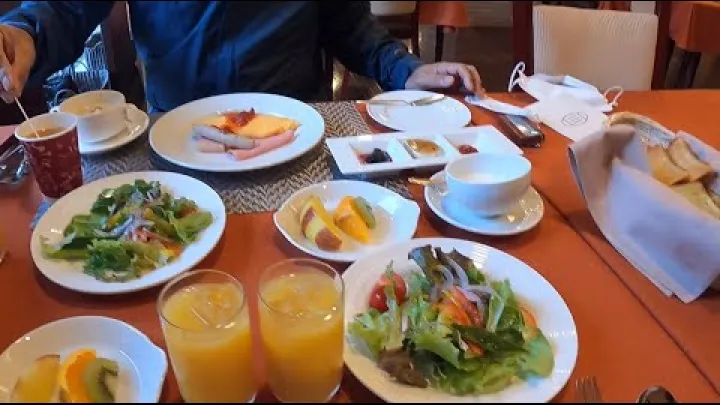
Before booking a rural or resort stay, check the property's current total for your dates, what breakfast or dinner includes, cancellation terms, and the access arrangements. Confirm whether transport is self-arranged, whether a shuttle has conditions, and whether the displayed rate is per person or per room. A lower-looking room price can be misleading if meals, transfers, or required plan options are added later.
Compare the total stay, not only the room. One night beside Oirase may provide a deliberate nature highlight and reduce the time spent reaching the stream. A day trip from Aomori City or Hirosaki may cost less in accommodation but require return bus fares, a longer day, and possibly another local transfer. For many travelers, one rural splurge night combined with urban nights offers a better balance than using a remote resort as the base for the entire trip.
Food Costs and Local Dining Choices
Aomori food costs can remain low when you use casual restaurants and shops, but local specialties make it easy to spend more. Separate ordinary meals from highlight dining so that one seafood meal or evening of drinks does not distort the whole daily food budget.
Everyday Meals and Groceries
For simple meals, use approximately ¥500-¥800 for lunch and ¥500-¥1,000 for dinner as basic planning ranges. Noodle shops, curry restaurants, convenience stores, supermarkets, and small casual restaurants can fit these levels, while larger portions, conventional restaurants, and drinks increase the total.
A practical low-budget food allowance is about ¥2,000-¥2,500 per day when breakfast and lunch rely on a convenience store or supermarket and dinner remains casual. One illustrative allocation is a simple breakfast, a ¥500-¥800 lunch, and a ¥500-¥1,000 dinner, leaving a small amount for fruit, a drink, or a snack. These are budget-planning examples, not guaranteed menu prices.
Broad aggregator data are useful for understanding the general price level but do not guarantee a particular restaurant bill. For example, a city price snapshot from Livingcost reports a lunch-menu average and a dinner-for-two figure in US dollars. Because those averages combine different businesses and may use changing exchange rates, use them as context and keep actual menus or displayed prices as the basis for a final meal choice.
Aomori Specialties and Dining Splurges
Aomori has several food experiences that deserve their own budget line. Seafood market bowls, fresh fish, apple-based sweets, local cider, sake, and izakaya meals can cost more than an ordinary convenience-store or noodle-shop meal. A seafood-bowl example around ¥2,000 is a useful illustration of how one local specialty can fit into a mid-range day, but the contents and current market menu should be compared before ordering.
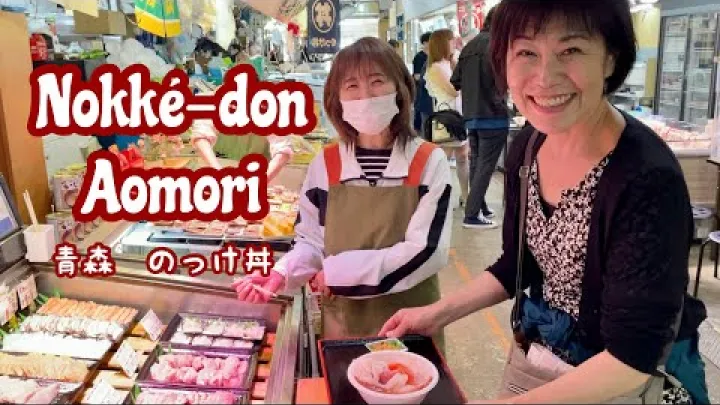
Plan for one or two highlight meals rather than trying to eat every meal at the highest local price. For example, keep breakfast and one lunch simple, then reserve the evening for seafood or an izakaya. In another plan, choose an apple dessert or cider tasting and keep dinner moderate. This preserves the local experience while protecting the core food allowance.
Gifts and tasting purchases are not the same as meals. Put packaged apples, sweets, bottles, market purchases, alcohol, and souvenirs in an optional shopping line. A traveler who records only restaurant bills may still exceed the Aomori travel budget through frequent small food gifts.
Ways to Keep Food Costs Predictable
Use a repeatable meal pattern for ordinary days: a simple breakfast, a supermarket or convenience-store lunch, and one selected casual restaurant dinner. On a specialty-food day, reverse the pattern and reserve more of the daily amount for the highlight meal. This gives you flexibility without treating every day as either an extreme budget day or a full splurge.
A hostel or apartment kitchen can help on a longer stay or for a group, especially when the property is close to a supermarket. Do not assume that every hostel has cooking equipment or that a rural property has convenient grocery access. Kitchen use also adds time, so it is most useful when you are staying several nights rather than moving between bases.
Make coffee, alcohol, snacks, and desserts a separate daily allowance. A simple tracking method is to write the core food cap at the top of each day's notes, then record optional purchases below it. When the optional line is used early, choose a simpler meal later instead of quietly increasing the main food budget.
Transport Costs to and Around Aomori
Transport has two different roles in an Aomori budget. Access from Tokyo or another gateway is a long-distance trip cost, while buses, short rail journeys, and walking are daily local costs. Keep these categories separate because an inexpensive city stay can still have a high total once the return journey to Aomori is added.
Getting to Aomori: Rail, Highway Bus, and Flight Cost Choices
Planning snapshots place a Tokyo-to-Shin-Aomori Shinkansen journey at around ¥17,000 one way. Highway bus examples range from about ¥4,800-¥11,000 one way, depending on the service and date. Selected promotional flights from Tokyo have appeared at around US$65 one way during some periods. These are examples of the cost trade-off, not current universal fares.
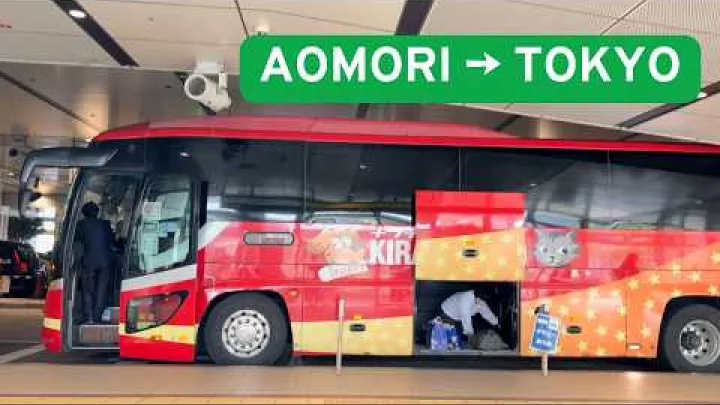
Rail usually buys speed and a simple arrival at Shin-Aomori Station, but the return cost can be substantial. A highway bus can lower the transport line and may suit travelers who accept a longer journey or overnight travel. A flight can look competitive when a promotion is available, but the airport transfer, schedule, baggage conditions, and separate movement into Aomori City affect the real total.
Before choosing a mode, check the current one-way and return prices for your actual origin and travel dates. Include the airport or station transfer, baggage or seat conditions, and any extra accommodation created by an inconvenient timetable. Put that access amount on a separate line in every sample trip budget.
When a Rail Pass Is Worth Considering
The JR EAST PASS is relevant when Aomori is part of a wider eastern-Japan itinerary. The official JR EAST information describes coverage, validity, price, and purchase details for exploring areas that can include Aomori, Sendai, Nagano, and Niigata. A planning snapshot lists approximate five-day and ten-day price points of ¥35,000 and ¥50,000, but pass prices and conditions should be treated as changeable.
Use a break-even calculation. Suppose the current eligible JR fares for a hypothetical itinerary are ¥18,000, ¥10,000, and ¥9,000. The total is ¥37,000, so a ¥35,000 pass could save about ¥2,000 before considering reservation or route conditions. If the same traveler plans only ¥24,000 of eligible journeys, buying that pass would not be financially justified.
Before buying, add the exact planned JR fares and compare them with the official pass price, coverage, validity period, reservation rules, and purchase conditions. A pass can be poor value if you cannot use enough valid travel days or if part of the itinerary uses services outside its coverage. Broader national passes may be relevant for travel beyond eastern Japan, but they should be compared using the same fare-total method.
Aomori City Buses and Day-Pass Options
Walking and individual bus fares are often enough for a compact Aomori City day. A day pass becomes more useful when your plan involves several rides between Aomori Station, museums, the waterfront, and other separated stops. Nebutan-go services and other city-bus options should be treated as transport choices, not as automatic reasons to buy a pass.
Local planning benchmarks include a ¥500 Free Route 1-Day Pass for weekends and holidays, along with AOPASS options listed at approximately ¥1,000 for one day and ¥1,500 for two days. Coverage, route, purchase location, payment method, and validity restrictions are product-specific. Compare the sum of your planned individual fares with the pass price before deciding.
A simple rule is to walk when most stops are close together, pay individual fares for a day with only one or two rides, and consider a pass for a ride-heavy day. If a pass is limited to a particular route, day, or holiday period, it should not be included in a weekday or out-of-area budget unless it actually applies.
Reaching Oirase Stream and Lake Towada by Bus
JR Bus Tohoku's Oirase-go and Mizuumi-go services are important public-transport cost anchors for reaching Oirase Stream and Lake Towada. The operator provides a fare table and service information for these nature destinations through JR Bus Tohoku.
The total depends on the exact boarding and alighting points, whether you buy a return journey, the operating period, and any connection from Aomori City, Hirosaki, or a rail gateway. Do not use a universal one-way estimate for a nature day. Look up the exact planned segment, then add the return fare and any connection between your accommodation and the bus stop.
Before planning the day, confirm the current JR Bus Tohoku timetable, operating period, and fare for the intended Oirase or Lake Towada segment. A public bus is one cost level; a resort shuttle, taxi, rental vehicle, or guided tour is another. The nature-day total should include return transport, local transfers, meals, and any paid activity rather than treating the stream or lake as cost-free to reach.
Attraction and Activity Costs
Many Aomori experiences have low or no direct admission cost, but transport and time still belong in the budget. A useful itinerary mixes public spaces and self-guided sightseeing with one or two paid cultural attractions or a deliberate guided experience.
Low-Cost Museums and Cultural Sites
The Aomori Museum of Art is a useful low-cost anchor. The local tourism information lists general admission at ¥510, with university and high school students at ¥300 and junior high school and elementary school students at ¥100. The price makes one museum visit compatible with both a budget day and a mid-range day. The Aomori Tourism listing is a useful place to compare the current ticket categories.
Nebuta Museum WA RASSE can add local cultural context to an Aomori Station itinerary. Keep its basic admission as one line in the worksheet and keep special programs, demonstrations, or guided experiences as a separate line. This distinction prevents a standard museum visit from being compared with a premium program.
One or two modest museums can add depth without creating the cost of a private tour. Check current opening days and official ticket information before visiting, especially when a closure would require you to replace a paid activity with another attraction or change your transport plan.
Hirosaki Park and Hirosaki Castle Costs
Hirosaki Park and the Hirosaki Castle area have a low basic admission cost compared with many guided experiences. The official Hirosaki Park information lists an individual one-day ticket at ¥320 for an adult and ¥100 for a child. A common-ticket option is listed at approximately ¥520 for adults and ¥160 for children when visitors plan to use multiple covered areas.
The ticket is only one part of a Hirosaki excursion. Add transport from your chosen base, local movement, meals, and the time value of a full park visit. A traveler staying in Hirosaki may have a lower activity-day transport line, while a traveler staying in Aomori City must include the intercity journey.
Access and opening conditions change by season, including winter conditions. Use the official seasonal information to determine whether the castle area and the ticket you want are available for your travel dates. Do not assume that a low admission price means every part of the park operates in the same way throughout the year.
Free Nature and Paid Guided Experiences
Public landscapes, waterfront areas, parks, trails, and self-guided walks can keep direct activity costs low. A free admission line does not make the day free: you still need to pay for transport, food, and possibly equipment or an overnight stay. This distinction is especially important for Oirase and Lake Towada, where reaching the landscape can be a large part of the cost.
Private walking tours, Lake Towada and Oirase tours, and multi-stop cultural excursions can cost several hundred US dollars per group in variable listing snapshots. That is a different product from a museum ticket or a self-guided walk. Prices depend on duration, vehicle use, language, group size, and what is included.
Group size changes the calculation. A private tour fee shared by two or four travelers may fit a comfortable group budget more easily than a solo budget. For a lower-cost plan, choose one guided highlight and fill the remaining time with public spaces or self-guided activities. For a comfortable plan, treat the guide fee as an intentional experience rather than an unexpected daily surcharge.
What Makes an Aomori Budget More Expensive?
The largest increases usually come from accommodation demand, remote access, and optional experiences rather than from basic admission fees. Identify these cost drivers before fixing the trip structure.
Peak Season, Weekends, and Festivals
The Aomori Nebuta Festival, popular blossom periods, weekends, and public holidays can increase lodging demand and reduce the supply of budget rooms. A near-festival booking snapshot has shown a three-star weekend average of about US$49 near the festival area, but that figure describes a particular search window and does not establish a guaranteed festival rate. Room type, taxes, remaining inventory, and exact dates can produce a very different total.
Before fixing festival travel dates, check the exact Aomori Nebuta Festival dates and live accommodation availability. If your dates are flexible, compare a peak period with shoulder dates or ordinary weekdays. Booking earlier can give you more choice, while staying farther from the main event area may reduce the room price but add local transport and time.
Do not build a festival trip around the lowest normal-season hotel figure. For a peak-period worksheet, use the actual room total available for the party size, then add the normal food, local transport, and activity lines. The festival itself may provide major entertainment, but the accommodation portion can change the whole trip average.
Remote Bases and Convenience Premiums
Oirase, Lake Towada, Hakkoda, and other nature-focused areas can have limited accommodation supply, longer transfers, resort meal plans, and higher taxi exposure. A remote room may appear reasonable when viewed alone, but the complete door-to-door cost can include a bus or shuttle, meals at the property, and less flexibility to choose cheaper restaurants.
An urban base can look more expensive on the booking page while costing less overall because it offers more accommodation choice, restaurants, and frequent local transport. The reverse can also happen when repeated day trips to a remote landscape require return fares and long travel days. Compare accommodation, meals, access, and local transfers together.
A rural stay is often worthwhile as a deliberate highlight for one or two nights. It becomes harder to control the Aomori budget when a remote resort is used for every night and every sightseeing day begins with a long transfer. Choose rural accommodation for the experience it provides, not only for the apparent room rate.
Group Size, Private Tours, and Small Extras
Couples and small groups can share a room or a private-tour fee, while solo travelers may pay more per person for the same experience. A room priced at ¥12,000 costs ¥6,000 per person for two guests but the full ¥12,000 for a solo traveler. The same division applies to some private vehicles and guided activities.
Taxis, coffee, alcohol, snacks, souvenirs, and service add-ons are small recurring budget drivers. Create mandatory, optional, and occasional categories. Mandatory costs include the room, basic food, planned transport, and entry fees. Optional costs include specialty dining and tours. Occasional costs include gifts, shopping, and a one-time taxi.
As a splurge illustration, suppose two travelers use an urban room at ¥10,000 per night for two nights and replace a third urban night with a rural starting anchor of ¥18,500. The lodging line becomes ¥38,500 before meals and access, compared with ¥30,000 for three urban nights. The difference is ¥8,500 before any meal or transfer change. This is an illustration of how one resort night affects the trip average, not a quote for a particular property.
Flight-and-hotel packages should also be kept separate from an on-the-ground daily budget. A package listing may combine flights and three nights of accommodation for two travelers, so its price cannot be compared directly with three days of food, local transport, and attractions.
Practical Ways to Save on an Aomori Travel Budget
Saving does not require removing all local experiences. The most effective approach is to spend deliberately on the place or meal that matters most and reduce repeated convenience costs around it.
Choose a Cost-Efficient Base and Mix Splurge Nights
Use the following decision matrix to match a base with your priorities:
| Priority | Practical base | Budget effect |
|---|---|---|
| City culture and food | Aomori City near Aomori Station | More walking and restaurant choice |
| Hirosaki Park and castle | Hirosaki | Less transport on Hirosaki-focused days |
| Nature immersion | Oirase or Lake Towada | Higher access and meal exposure |
| Budget control | Urban hotel or hostel | More room and food options |
Aomori City and Hirosaki are useful urban bases because they offer more choice than a remote resort. You can then add one or two nights at Oirase, Lake Towada, or another rural property when nature immersion is a central goal. Compare the combined accommodation and transport amount rather than selecting a base only because its advertised room rate is lower.
A mixed-base trip can also reduce hotel changes. For example, use Aomori City for museums and city food, Hirosaki for a park-focused day, and one rural night for Oirase. If the transfers become more expensive than the time or room saving, keep one urban base and make only the most valuable day trip.
Match the Transport Mode to the Itinerary
For an Aomori City stay, compare the cost of long-distance access with a mostly walking itinerary and a few individual city-bus fares. A weekend or holiday pass may be useful if your schedule is ride-heavy, but a pass is unnecessary when most stops are close and you take only one or two buses.
For a wider Tohoku loop, list every planned JR journey and compare the total with the current JR EAST PASS price and validity. Rail can be worthwhile because of the number of journeys, not simply because Aomori is far from Tokyo. If the itinerary has only one long return journey, a pass may add cost rather than reduce it.
For a nature-focused itinerary, compare the exact return public-bus cost with a guided tour, private transfer, rental vehicle, or resort shuttle. Public transport may be the lowest cash option, while a tour may become more competitive for a group when it replaces several transfers. Make the comparison using the full nature-day total, including access from the accommodation.
Control Meal, Activity, and Convenience Spending
A repeatable low-cost day can use a simple breakfast, a supermarket or convenience-store lunch, one casual local dinner, walking or a low-fee museum, and individual bus fares only when needed. Reserve one or two days for a seafood bowl, apple product, local drink, or higher-quality restaurant. This pattern protects the daily food cap while preserving local experiences.
Combine the Aomori Museum of Art, Hirosaki Park, public waterfront spaces, and self-guided nature time with fewer paid tours. A low admission fee can be a better fit for a budget day, while a private Oirase or Lake Towada tour should be treated as a planned comfortable-budget item.
Keep the core budget in yen. Exchange-rate conversions are temporary and can change between booking and travel. Also avoid assuming that every small vendor, city bus, or rural property accepts the same cards or IC cards. Carry a payment method suitable for the specific service and keep discretionary purchases such as souvenirs, alcohol, coffee, and desserts outside the core food and activity caps.
How to Build a Personal Aomori Trip Budget
A personal worksheet is more reliable than a single daily number because it shows which decision is responsible for each increase. Build a low estimate and a high estimate, then identify one planned splurge that can be removed if accommodation or transport costs exceed expectations.
Create a Per-Day and Per-Trip Worksheet
Use this formula: accommodation multiplied by nights, plus food multiplied by days, plus local transport multiplied by days, plus activities, long-distance access, and optional extras. For a three-day trip with three nights, record three accommodation costs. If your definition of three days includes only two nights, change the number of nights rather than forcing it into the daily figure.
| Budget line | Calculation | Your yen figure |
|---|---|---|
| Accommodation | Nightly total × number of nights | ¥_____ |
| Food | Daily food cap × number of days | ¥_____ |
| Local transport | Daily local amount × number of days | ¥_____ |
| Activities | Admissions and planned experiences | ¥_____ |
| Access to Aomori | Return rail, bus, or flight plus gateway transfer | ¥_____ |
| Optional extras | Shopping, alcohol, taxis, and snacks | ¥_____ |
| Trip total | Add all lines | ¥_____ |
For every accommodation entry, write room or person beside the price. Also record whether breakfast, dinner, taxes, transfers, or admissions are included. Keep the access-to-Aomori line separate from daily spending so that you can compare a Tokyo rail journey with a highway bus without changing the meaning of the daily budget.
Three-Day Example Budgets
The following examples assume one traveler, three days and three nights, and an Aomori City-centered trip. They use rounded planning allocations and exclude the journey to Aomori from Tokyo. The comfortable example assumes higher-grade or resort-style accommodation and more paid experiences.
| Style | Lodging | Food | Local transport and activities | On-the-ground total |
|---|---|---|---|---|
| Budget | ¥4,000 × 3 = ¥12,000 | ¥2,250 × 3 = ¥6,750 | ¥1,800 + ¥1,500 = ¥3,300 | ¥22,050 |
| Mid-range | ¥9,000 × 3 = ¥27,000 | ¥4,500 × 3 = ¥13,500 | ¥3,600 + ¥3,000 = ¥6,600 | ¥47,100 |
| Comfortable | ¥20,000 × 3 = ¥60,000 | ¥7,000 × 3 = ¥21,000 | ¥9,000 + ¥18,000 = ¥27,000 | ¥108,000 |
The budget example allows simple meals, walking, city buses, and a small number of low-fee activities. The mid-range example allows a standard hotel, restaurant meals, more local movement, and several paid attractions. The comfortable example allows higher accommodation, restaurant or specialty dining, taxis or longer transfers, and a guided or premium activity.
To add access from Tokyo, use a separate benchmark. A Shinkansen example of about ¥17,000 each way would add approximately ¥34,000 for a return journey. Highway-bus examples of ¥4,800-¥11,000 each way would add about ¥9,600-¥22,000 for a return journey. A selected promotional flight example of around US$65 each way would be about US$130 for a return journey if both directions are available at that level, before airport transfers and other conditions.
For a version that includes a rural nature stay, replace one ¥9,000 urban night in the mid-range example with the ¥18,500 Oirase resort starting anchor. The lodging arithmetic changes from ¥27,000 to ¥36,500, an increase of ¥9,500 before differences in meals and access. Enter Hirosaki as another variation by adding its exact intercity and local transport lines, then include the low Hirosaki Park or castle-area admission rather than comparing ticket prices alone.
Final Takeaways for Planning an Aomori Budget
A realistic Aomori budget is about matching the base, season, and activity level to your priorities. Plan on roughly ¥6,000-¥10,000 per day for a careful budget, ¥15,000-¥22,000 for a mid-range trip, and ¥30,000 or more for comfortable travel, excluding long-distance access.
Use Aomori Station or Hirosaki when food and accommodation choice matter most, and add Oirase, Lake Towada, or another rural resort as a deliberate highlight. Keep transport to Aomori separate from daily spending, compare exact fares before choosing a rail pass or nature bus, and reserve a separate allowance for optional purchases.
The most useful final number is not the cheapest advertised price. It is the complete yen total for your party, nights, meals, transport, activities, and one realistic contingency for the choices that make your Aomori trip worthwhile.
Select area
Create a post
Posting is free and no registration is required.