Aomori Best Time to Visit: Month-by-Month Weather Guide
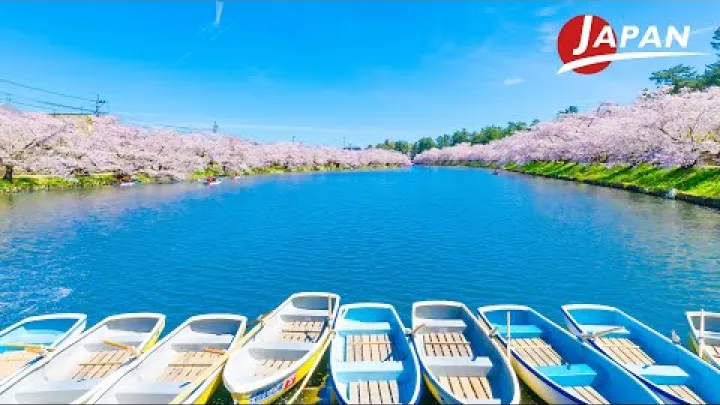
The best time to visit Aomori depends on the experience you want. Late April to mid-May is a strong choice for cherry blossoms and mild city sightseeing, mid-May to mid-June suits fresh greenery and outdoor activities, and October to early November offers crisp weather and autumn scenery. Early August is the main choice for the Nebuta Festival, while December to March is best for snow, winter landscapes, and hot springs. This guide explains Aomori weather by month, regional differences, seasonal trade-offs, and practical ways to choose your dates.
When Is the Best Time to Visit Aomori?
Aomori has four distinct seasons, and each one creates a different type of trip. The most comfortable dates for general sightseeing are usually in late spring and autumn, but the best season changes if your priority is a festival, cherry blossoms, mountain foliage, or deep snow.
The Best Overall Travel Windows
For a balanced first visit, choose late April to mid-May. This period can combine pleasant city walks, spring scenery, and the possibility of cherry blossoms around Hirosaki Castle. Choose mid-May to mid-June for fresh green landscapes and outdoor activities before summer humidity becomes more established. Choose October to early November for cool air, colorful scenery, and comfortable sightseeing away from the hottest part of the year.
Travelers with a specific purpose may prefer a different window. Early August is the natural choice for the Nebuta Festival and a lively cultural atmosphere. December through March suits snow scenery, onsen visits, and winter activities, especially around the Hakkoda Mountains and Sukayu Onsen. These are purpose-based recommendations, not a claim that one season is best for everyone.
| Travel goal | Best window | What to expect | Main trade-off |
|---|---|---|---|
| Balanced sightseeing | Late April to mid-May | Mild days, blossoms, city and cultural visits | Blossom timing varies by year |
| Greenery and hiking | Mid-May to mid-June | Fresh leaves, flowing water, comfortable outdoor conditions | Cloud and showers become more likely |
| Nebuta and summer culture | Early August | Major festival atmosphere and warm evenings | Higher demand and humid weather |
| Autumn scenery | October to early November | Crisp air and foliage in mountains and valleys | Foliage timing differs by elevation |
| Snow and hot springs | December to March | Snow-covered landscapes and winter onsen experiences | Cold, short daylight, and snow logistics |
Late April to mid-May is often the easiest recommendation for visitors who want a little of everything without committing to severe winter conditions. Mid-May to mid-June is better for travelers who would rather see forests, valleys, and waterfalls than attend a major event. October is a particularly useful choice for a nature-focused itinerary, although the best foliage date can move earlier or later depending on altitude and the year.
Long-term climate patterns support these broad windows, but seasonal attractions do not follow an identical calendar every year. Blossoms, foliage, festival programming, rainfall, and early snow can all shift. A city trip and a mountain trip may also have very different conditions on the same date.
When to Plan Carefully or Avoid
No month in Aomori is universally bad. However, travelers who want reliable outdoor sightseeing and mild conditions should plan carefully for June and early July, when the northern Tohoku rainy-season pattern can bring more cloud, humidity, and showers. Rain is not necessarily continuous, but it can reduce visibility and make gorge walks, scenic drives, and mountain views less predictable.
September can still be warm and attractive, but it is more variable than October. Rain fronts and storms may affect outdoor plans, while the transition to autumn scenery is not yet consistent across the region. Late November through March is a poor fit for visitors seeking easy, warm-weather sightseeing, yet it is an excellent choice for those who are prepared for snow, cold surfaces, and winter travel.
Some dates are busy for reasons unrelated to average weather. Golden Week, the Nebuta period, the most popular blossom dates, and peak foliage weekends may create stronger demand for accommodation and transport than ordinary shoulder-season dates. Treat these as planning trade-offs rather than automatic reasons to stay away.
Aomori Climate Through the Four Seasons
Aomori's climate is shaped by its northern position, surrounding seas, mountains, and elevation changes. Aomori City, the Hakkoda highlands, the Oirase valley, and the Lake Towada area can feel like different destinations in the same season. The Japan Meteorological Agency describes Tohoku as a region with clear seasonal changes and substantial short-term variation, which is useful context when planning travel beyond the city.
Spring: Snow Recedes and Blossoms Arrive
March still feels like a late-winter month in Aomori, particularly outside the lowland city areas. Snow may remain on higher routes, and cold days can alternate with milder periods. April is the main warming transition. Daylight increases, lowland streets become easier for walking, and spring blossoms begin to shape travel plans. Nights can still be cold, so a light jacket or warm layer remains useful.
Late April and early May are commonly associated with cherry blossoms around Hirosaki Castle, making this a popular cultural and garden-sightseeing period. Exact blossom dates vary with the year, so the same calendar week will not always provide the same display. May then develops into a comfortable period for longer walks, scenic drives, and city visits, while mid-May to June brings fresh green scenery to places such as Oirase Gorge.
Spring conditions change sharply with elevation. A comfortable afternoon in Aomori City does not mean that Hakkoda trails or highland roads are free of cold, snow, or difficult surfaces. Visitors combining city blossoms with mountain scenery should think of them as two climate zones rather than one spring itinerary.
Summer: Rainy Season, Warmth, and Festivals
June and early July are the most useful months to associate with the rainy season in Aomori. The Baiu is a cloudy and rainy period of early summer, but it does not mean that every day is wet from morning to night. The Japan Meteorological Agency presents rainy-season timing as a regional and approximate pattern, so Aomori travelers should expect a mixture of cloudy periods, showers, and occasional brighter intervals.

Late July can mark a transition toward a more settled summer feel, although conditions remain variable. August is generally Aomori's warmest month and often feels humid, but it can be less persistently hot than many destinations farther south in Japan. Early August is especially important for visitors attending the Nebuta Festival. The warmer season also works well for waterfront walks, views around Aomori Bay, and greener landscapes.
Summer rain or storm effects can still interrupt outdoor plans, including festival travel, scenic drives, and mountain visits. The attraction of August is therefore its cultural energy and warmth, not a guarantee of uninterrupted sunshine.
Autumn: Wet September, Clearer October, and Early-November Foliage
September retains some summer warmth but is more rain- and storm-variable than the following month. It can be a pleasant time for city sightseeing and greenery, but visibility and outdoor comfort may change quickly. October is cooler and often feels clearer, making it one of the strongest months for walking, scenic drives, and broad regional travel.
![Preview image for the video "2023 八甲田山の絶景紅葉 [4K] /Autumn leaves of Mt. Hakkoda ( Aomori, Japan )".](/sites/default/files/styles/media_720x405/public/oembed_thumbnails/2026-08/cnDP23hrh7XT_9c-P_4tBq0EeAiiEKnnQYMCDH4kCKY.jpg.webp?itok=gjdPT8eI "Preview image for the video \"2023 八甲田山の絶景紅葉 [4K] /Autumn leaves of Mt. Hakkoda ( Aomori, Japan )\".")
In the Hakkoda Mountains, foliage can develop during October as temperatures fall earlier at higher elevations. Lower areas around Oirase Gorge may remain colorful into early November, although the timing depends on the year and the exact route. This elevation difference allows visitors to find autumn scenery over a wider period, but it also means that a single prefecture-wide peak date is not reliable.
November is a cooling transition toward winter. Early in the month, lower-elevation sightseeing may still be rewarding. As the month progresses, cold rain, reduced visibility, and early snow become more likely at higher elevations. The atmosphere can be quiet and beautiful, but the trip requires more flexible expectations than an October itinerary.
Winter: Deep Snow and Onsen Atmosphere
December through March is Aomori's snow season. January and February usually provide the most consistently wintry conditions, with cold temperatures, snow-covered surfaces, and limited daylight compared with spring and summer. December has a stronger early-winter character, while March begins a variable transition in the lowlands even though mountain snow remains substantial.

Aomori City can be manageable for visitors who are prepared for snow, winter footwear, and slower walking. The Hakkoda Mountains and Sukayu Onsen area are a much more intense highland environment, with colder conditions and deeper snow than the coastal city. The contrast is important when planning a day trip: a city climate description cannot represent a mountain excursion.
Winter is a strong choice for snow scenery, hot springs, and specialized outdoor activities. It is not the easiest season for warm-weather sightseeing, long unplanned walks, or travelers who do not want to manage icy or snow-covered surfaces.
Aomori Weather by Month
The monthly guide below describes the typical feel of each period rather than a forecast. It is designed to help you choose a season first; specific outdoor plans require a separate look at current conditions.
January to March: Deep Winter to Late Snow Season
| Month | Typical feel | Good for | Main trade-off |
|---|---|---|---|
| January | Cold, snowy, and firmly wintry | Snow scenery, onsen, winter atmosphere | Short daylight and difficult surfaces |
| February | Deep winter with slightly longer days | Snow-focused trips and hot springs | Highland conditions can be severe |
| March | Variable transition with lingering snow | Late-season snow and quieter travel | Too early for dependable blossoms or mild hiking |
January is the clearest choice for a traditional deep-winter city stay. Snow can shape walking routes, station transfers, and the amount of time needed for outdoor sightseeing. February continues the same winter identity, but the gradual increase in daylight can make a full day of sightseeing feel easier.
March is less predictable. Lowland streets may begin to thaw, while Hakkoda and other high areas remain strongly associated with winter. It can work well for visitors seeking late-season snow or a quieter trip, but it should not be treated as an early spring hiking month. A city thaw is not evidence that mountain routes are snow-free.
April to June: Blossoms, Greenery, and Rainy-Season Change
| Month | Typical feel | Good for | Main trade-off |
|---|---|---|---|
| April | Warming spring with cool nights | Blossoms, city sightseeing, gardens | Cold spells and mountain snow can remain |
| May | Mild, bright, and increasingly green | General sightseeing, drives, walking, early hiking | Popular blossom dates may be busy |
| June | Lush, mild, cloudier, and wetter | Green landscapes and flexible nature trips | Showers and lower visibility can affect plans |
April is the month for travelers who are willing to accept cool conditions in exchange for spring scenery. Blossom-focused visitors often target late April or early May, but the best dates move from year to year. May is the broadest comfort window in this group. It works for Aomori City, Hirosaki Castle, scenic roads, and many lower-elevation walks without the full humidity of summer.
June brings vivid greenery and can be attractive around Oirase Gorge and Lake Towada. It also marks a change toward more cloud and showers associated with the rainy season. This makes June a good month for travelers who value landscape freshness and can adjust the order of outdoor and indoor activities, rather than for visitors who require a fixed schedule of clear mountain views.
July to September: Humid Summer and Storm-Variable Conditions
| Month | Typical feel | Good for | Main trade-off |
|---|---|---|---|
| July | Early summer rain, then warmer conditions | Green scenery and later-summer outdoor plans | Timing between showers can be difficult |
| August | Warmest, humid, and festival-oriented | Nebuta, waterfront time, summer travel | Humidity and event-period demand |
| September | Warm but more variable | Quieter city visits and late-summer greenery | Rain fronts and storms can disrupt outdoor plans |
Early July can still feel like a rainy-season month, with cloud and showers affecting outdoor plans. Late July often offers a more summer-like balance of warmth and greenery, but the change is gradual rather than guaranteed on a specific date. August is the most event-oriented month, especially during Nebuta, and is also the most likely of these three months to feel humid.
September can be attractive for travelers who want warmth without the main August festival atmosphere. Its weakness is variability: a comfortable day can be followed by a wet or windy period. Compared with September, October usually offers a more dependable feeling for crisp outdoor sightseeing, although climate averages never guarantee conditions for an individual trip.
October to December: Foliage, Cooling Weather, and Snow Return
| Month | Typical feel | Good for | Main trade-off |
|---|---|---|---|
| October | Cool, crisp, and strongly autumnal | Foliage, hiking, scenic drives | Highland color may peak earlier |
| November | Cooling rapidly toward early winter | Late lowland foliage and quiet sightseeing | Cold rain or early snow becomes possible |
| December | Increasingly snowy and wintry | Early winter scenery and onsen stays | Snow logistics and reduced daylight |
October is the strongest general month in this group for travelers who want cool walking weather and autumn scenery. Highland foliage around Hakkoda may arrive before lower-elevation color, while valleys and lake areas can remain attractive later. Early November can therefore be useful for lower areas such as Oirase Gorge, but it is a shoulder-season choice rather than a guaranteed foliage peak.
Late November has a colder, quieter character. December begins the more consistent winter pattern, especially in elevated areas. Across these months, clothing, trail surfaces, and the availability of seasonal attractions can change quickly. A route that feels like an autumn walk in early October may require winter preparation later in the season.
Best Time to Visit Aomori for Different Experiences
The right travel month becomes clearer when the itinerary has a main purpose. Aomori can support cultural travel, spring and autumn nature trips, winter onsen visits, and quieter city breaks, but each purpose has a different ideal window.
Cherry Blossoms, Culture, and Nebuta
Choose mid- to late April and early May for a cherry-blossom-focused trip. Hirosaki Castle is the key local anchor for travelers interested in historic surroundings, gardens, and spring color. The exact blossom period can move with temperatures, so it is safer to treat these dates as a planning range than as a fixed promise.
Choose early August for the Nebuta Festival. This period offers a major cultural atmosphere, evening activity, and a strong reason to base a trip in Aomori City. The trade-off is that festival dates can create more demand for rooms and transport than an ordinary summer week. Travelers who prefer a quieter cultural itinerary can visit city museums, waterfront areas, and other indoor attractions outside the main event period.
Blossoms and festivals are different types of cultural trip. Spring is generally better for gardens and slower daytime sightseeing, while August is better for visitors who want a large public event and are comfortable with warmth, humidity, and a busier atmosphere.
Hiking, Greenery, Foliage, and Scenic Drives
For fresh greenery, plan around mid-May to mid-June. Oirase Gorge is a useful anchor for a landscape itinerary because the season can bring vivid leaves, flowing water, and a fresh early-summer atmosphere. This period is often more comfortable for walking than the hottest part of summer, although cloud and showers can affect visibility and trail comfort.
For autumn foliage, October is the broadest recommendation, especially around the Hakkoda area and other higher landscapes. Early November may extend the opportunity into lower areas such as Oirase Gorge. Spring greenery and autumn foliage provide different experiences: spring emphasizes bright new leaves and water, while autumn emphasizes color, cooler air, and a more settled seasonal atmosphere.
Elevation, rainfall, and visibility matter as much as the calendar. A route may be suitable for a short viewing stop but less suitable for a long hike if the ground is wet. Likewise, a scenic drive can remain rewarding in light cloud, while a high viewpoint may lose much of its appeal when visibility is poor. Build the itinerary around the type of nature experience you want, not only the name of the season.
Snow, Skiing, and Hot Springs
Choose December through March for snow-covered scenery, hot springs, and winter experiences around Hakkoda, Sukayu Onsen, and Towada-Hachimantai National Park. January and February provide the strongest deep-winter atmosphere. December can suit visitors who want an early snow setting, while March may appeal to those looking for a less central-winter feel in the city while still finding snow in higher areas.
A winter trip to Aomori is a specialized travel choice rather than a standard sightseeing visit. Insulated clothing, waterproof footwear, gloves, and clothing that can handle repeated exposure to snow are important. Snow-covered paths can make short distances take longer, and limited daylight reduces the useful outdoor time.
Winter scenery and onsen atmosphere are the main rewards. Travelers should not choose this period expecting the same easy walking conditions as May or October. Conditions also differ sharply between Aomori City and mountain destinations, so a city-based winter itinerary should be planned separately from a highland snow excursion.
Waterfront Days and Quieter or Lower-Cost Travel
Aomori is not primarily a beach destination, but warmer summer weather, especially in August, is the most plausible period for comfortable waterfront recreation around Aomori Bay. Waterfront walks, views, and outdoor time can be enjoyable without making unsupported assumptions about swimming conditions or sea temperature.
Travelers seeking a quieter alternative can consider late May, parts of June, late September, November, or February. Each has a different trade-off: late May can be comfortable but follows popular spring dates; June is green but wetter; late September can be warm but variable; November is quiet but cold; and February has a strong winter character.
These periods may sometimes offer better availability than major event or peak foliage dates, but they are not guaranteed bargains. Accommodation and transport costs depend on exact event dates, holidays, demand, and remaining availability. Compare current prices rather than assuming that a shoulder month will always be cheaper.
How Aomori's Regions Change the Best Travel Window
Aomori is large enough for coastal, inland, valley, lake, and highland conditions to differ substantially. Choose the travel window for the places you will actually visit, not only for the weather in the city where you sleep.
Aomori City and Aomori Bay
Aomori City and Aomori Bay are the practical coastal base for urban sightseeing. The marine setting can make the city feel different from the mountains, but it does not remove winter snow, cold surfaces, or strong weather changes. April and May suit blossoms, museums, markets, and walking routes; August adds warmth, festival energy, and the best summer feel; October brings cooler air and comfortable city exploration.
Rain affects city logistics even when attractions remain open. Allow time for wet outer layers to dry, and combine outdoor walks with museums or other indoor stops. In winter, snow and ice can slow station transfers and make waterfront surfaces cold or slippery. Wind around the bay may also make a day feel colder than a sheltered street, so a city itinerary benefits from layers even outside the main winter months.
City climate information is a useful starting point for a city stay, but it should not be used to describe Hakkoda, Sukayu, Oirase, or Lake Towada. A short trip that combines the city with highland destinations needs separate seasonal planning.
Hakkoda Mountains and Sukayu Onsen
The Hakkoda Mountains and Sukayu Onsen form a distinct highland environment. They are substantially colder and snowier than Aomori City, and winter conditions can remain demanding even when lowland streets begin to thaw. This makes them especially attractive for deep snow, hot springs, and dramatic winter landscapes, but less suitable for casual outdoor plans without appropriate preparation.
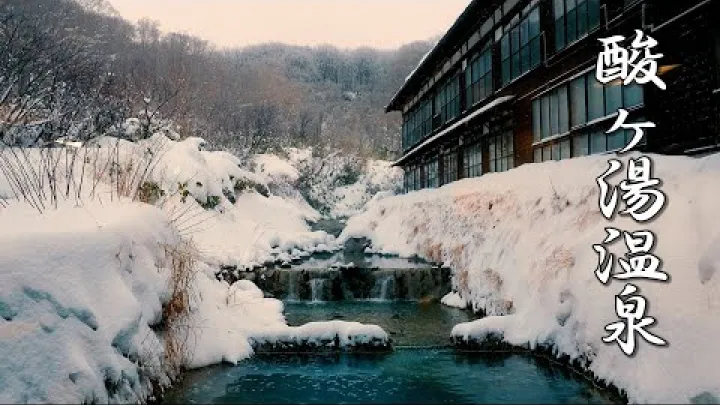
Late spring snow can linger at elevation, delaying the change from winter conditions to ordinary hiking conditions. In autumn, foliage can arrive earlier in the mountains than in lower valleys. October is therefore a useful highland foliage month, while December through March serves visitors seeking a clearly wintry experience.
Use current mountain and snow-safety guidance for any winter visit. Do not enter closed or unassessed winter routes around Hakkoda and Sukayu. The city forecast and a general prefecture description cannot replace route-specific information about snow, visibility, surfaces, or mountain risk.
Oirase Gorge, Lake Towada, and Towada-Hachimantai National Park
Mid-May to June is a strong seasonal fit for lush greenery and flowing-water scenery around Oirase Gorge and Lake Towada. October to early November is the main foliage window, with higher areas often changing earlier and lower valleys potentially holding color later. Winter can create specialized snow and frozen-landscape experiences, but it is not simply an extension of the autumn hiking season.
River valleys, lakes, uplands, and forest trails can have different temperatures, precipitation, wind, and visibility on the same date. Wet weather may make a gorge walk slower, while wind or cloud around Lake Towada can reduce views. A mountain road or bus route may also have different seasonal conditions from a city route.
Before entering these areas, confirm current trail, road, ropeway, bus, and park operating status with the relevant local authority or operator. This is particularly important for a fixed-date itinerary, because seasonal access and transport arrangements can affect whether a planned walk or scenic drive is practical.
Practical Planning for Weather and Conditions
Good Aomori planning uses two kinds of information: long-term climate patterns for selecting dates and current operational information for deciding what to do on a particular day. The distinction is especially important when an itinerary includes mountains, gorges, lakes, or winter travel.
Climate Normals, Rainy Season, and Live Forecasts
Monthly climate statistics show the usual pattern: winter is cold and snowy, summer is warmer and more humid, spring becomes brighter and milder, and autumn cools from September into November. They help answer questions such as whether January is a sensible month for a light-clothing trip or whether October is a better choice than August for comfortable hiking. The Japan Meteorological Agency provides monthly climate tables that are useful for this first stage of planning.
Climate normals do not predict a specific travel week. They cannot tell you whether a particular blossom display will be at its peak, whether a mountain viewpoint will be clear, or whether a storm will affect a scheduled transfer. They also should not be transferred directly from an Aomori City station to Sukayu or another highland destination.
The Baiu period should likewise be treated as an approximate climatological window rather than a fixed block of continuous rain. Late summer and early autumn can also bring storm-related variability, including periods of heavy rain or wind. A simple verification workflow is:
- Use monthly climate patterns to choose the season and prepare suitable clothing.
- Use local event information and operating information to shape the itinerary.
- Shortly before each outdoor day, check the live Japan Meteorological Agency forecast and official warnings for the relevant city, valley, lake, or mountain area.
- Change the plan if current warnings or conditions make an outdoor route unsuitable.
What to Wear and How to Manage a City Stay
In spring and autumn, layers and a light jacket are practical because mornings, evenings, shade, and higher elevations can feel much colder than a sunny afternoon in the city. Comfortable walking shoes are useful for city streets and parks, while a compact rain layer helps during the wetter transition periods.
For humid summer periods, choose breathable clothing and bring reliable rain protection. An outer layer that can dry reasonably quickly is more useful than clothing designed only for hot, dry weather. Rain can change city logistics, so leave drying time between outdoor activities and use museums, indoor attractions, cafes, or flexible waterfront plans as alternatives.
Winter requires insulated and waterproof clothing, warm accessories, and footwear with good traction on snow or wet surfaces. These needs are more demanding for Hakkoda, Sukayu, Oirase, and Lake Towada than for a short city stay. A traveler visiting only Aomori City may manage with urban winter clothing, while a mountain itinerary requires preparation for colder exposure and slower movement.
Crowds, Event Dates, and Accommodation Planning
Golden Week, the Nebuta period, major blossom timing, and peak foliage weekends can attract more demand than ordinary dates. This may affect room availability, transport availability, and the ease of making last-minute changes. The exact effect depends on the year and on how early you book, so avoid relying on a fixed claim about crowd size or price.
Quieter periods can provide a calmer experience, but they may also bring colder weather, more rain, shorter daylight, or seasonal changes to services and attractions. The Official Aomori Travel Guide is a useful place to confirm current seasonal event information before making a festival- or culture-focused booking.
A practical booking rule is to secure fixed-date trips earlier when the main purpose is Nebuta, a holiday period, or a narrow event schedule. For weather-sensitive nature trips, keep the outdoor portion as flexible as possible and compare current accommodation and transport rates before committing. This balances the need for availability with the reality that foliage, rain, and mountain conditions do not follow a perfectly fixed calendar.
Final Recommendation for Choosing Your Dates
For most first-time visitors, late April to mid-May is the best all-round answer for Aomori. It combines spring scenery, the possibility of blossoms around Hirosaki Castle, and generally comfortable city sightseeing. Choose mid-May to mid-June if greenery and outdoor landscapes matter more than blossoms. Choose October to early November for crisp air and autumn scenery, remembering that highland and lowland foliage peak at different times.
Choose early August when the Nebuta Festival is the central reason for your trip, and choose December to March for snow and hot springs around places such as Hakkoda and Sukayu. If you are sensitive to rain, June and early July require more flexibility; if you want warm, easy outdoor sightseeing, late November through March is the wrong seasonal fit. The strongest final decision comes from matching your main activity to the local region, then using current forecasts, warnings, event dates, and operating information to refine the exact itinerary.
Select area
Create a post
Posting is free and no registration is required.