Aomori Travel Guide: Regions, Bases, Transport & Itineraries

An Aomori travel guide is especially useful for first-time visitors because the prefecture combines compact city attractions with wide rural distances. At the northern end of Honshu, Aomori offers coastlines, mountains, hot springs, historic towns, Jomon heritage, local food, and famous Nebuta festivals. This guide explains which areas to choose, where to stay, how to move around, when to visit, and how to plan around weather and seasonal services. Use it as a practical starting point, then build a route that matches your time, transport confidence, and main interests.
Aomori at a Glance for First-Time Visitors
Aomori is large enough to reward regional planning, but a first visit does not need to cover the whole prefecture. The best experience usually comes from choosing one main area, adding one nearby nature or cultural excursion, and allowing extra time for rural connections or changing conditions. The Official Aomori Travel Guide is a useful place to explore local attractions and current destination information.
What Makes Aomori Different from Mainstream Japan Itineraries
Choose Aomori if you want a slower, more regional part of Japan where landscapes and local traditions are as important as city sightseeing. The prefecture is at the northern end of Honshu, in the Tohoku region, and its attractions range from Aomori City and Hirosaki to the Pacific coast, the Lake Towada and Oirase area, and the remote Shimokita Peninsula.
Aomori differs from a Tokyo, Kyoto, or Osaka itinerary in scale and seasonality. City centers can be straightforward to explore, but a mountain, gorge, peninsula, or coastal village may require a separate bus, a car, or a carefully timed connection. Winter also has a major effect on some roads, services, and outdoor activities. This does not make Aomori difficult, but it means that a flexible plan is more valuable than a long list of disconnected sights.
It is also important to distinguish three geographic terms. Aomori Prefecture is the entire destination. Aomori City is one city and a practical first base. Tohoku is the larger northeastern region of Japan, which includes several prefectures beyond Aomori. When a travel website describes Aomori, it may be discussing the city, the prefecture, or the wider regional journey, so check the location of each attraction before deciding where to stay.
How Many Days to Spend in Aomori
A short visit of about two days works well for a city-focused introduction. Base yourself in Aomori City and use one day for the bayfront, Nebuta Museum WA RASSE, markets, and nearby urban sights. Use the other day for Hirosaki Castle and Hirosaki Park, or reverse the order if the season makes Hirosaki the main priority.
Allow roughly three or four days if you want to add Hakkoda, an onsen, or the Lake Towada and Oirase area. This length is better for travelers who want both culture and nature without changing hotels every night. A longer stay of five days or more can combine Tsugaru with Nanbu, or can make a deliberate visit to Shimokita possible.
Shimokita needs a different time calculation. Mutsu, Mount Osore, Cape Oma, Cape Shiriyazaki, Sai, and coastal villages are dispersed, so a long day trip can consume much of the day before sightseeing begins. Treat these ranges as planning frameworks, not fixed travel times. If your trip depends on several limited departures, a shorter route with one strong base may be more enjoyable than an ambitious circuit.
Choose an Aomori Region That Matches Your Interests
Aomori is easier to understand when divided into the cultural and historic Tsugaru area, the Pacific-side Nanbu area, and the remote Shimokita Peninsula. Each has a different travel rhythm. Choosing between them is more useful than trying to find one base for every attraction.
Tsugaru: Cities, Festivals, History, and Hakkoda
Tsugaru, broadly associated with western and northern Aomori, is the most natural starting point for many first-time visitors. Aomori City provides museums, waterfront attractions, food, and transport services. Hirosaki offers a historic town atmosphere, Hirosaki Castle and Hirosaki Park, seasonal flowers, old streets, and apple-related products. Hakkoda adds mountain scenery, hot springs, and outdoor activities within a different setting.
The area also provides several ways to understand local culture. Aomori Nebuta is a major summer festival, while Hirosaki Neputa represents a different local festival tradition. The Sannai-Maruyama Jomon site adds an archaeological and heritage perspective. A year-round museum visit and a festival-period visit should not be treated as the same experience: one is a planned cultural attraction, while the other affects accommodation, crowd levels, and transport demand.
Tsugaru is also known for substantial winter snow in some locations. That matters for skiing, snowshoeing, mountain scenery, and onsen travel, but it also affects walking conditions and road journeys. Spring and autumn sightseeing can be excellent in the cities and mountains, although higher elevations may have different conditions from the urban areas. Compare Aomori City and Hirosaki rather than treating Tsugaru as one uniform destination.
Nanbu: Hachinohe, Towada, Coastlines, and Forests
Nanbu is the Pacific-side part of the prefecture and suits travelers who want to combine coastal scenery, food markets, lake landscapes, and forest walks. Hachinohe is the stronger urban and coastal base. It offers access to local markets, seafood, coastal culture, Tanesashi Coast, and the Korekawa Jomon Museum. The city is also a useful choice for travelers who prefer rail connections and evening services.
Towada City has a different role. It is a regional service point for nature-focused trips, while Lake Towada is a separate scenic destination with its own lakeside setting. Oirase Gorge connects to the lake area as a forested walking corridor with waterfalls and changing scenery. A traveler who stays in Hachinohe may prioritize the coast and markets, while a traveler whose main goal is the gorge and lake may save time by staying closer to the nature area or changing bases.
Nanbu is attractive because the experiences complement one another, not because every sight is close to one station. Public transport can work for a carefully selected route, while a car may offer more flexibility for rural stops. Decide whether your priority is an urban evening, a coastal walk, a forest hike, or lake scenery before choosing the base.
Shimokita: Remote Coasts and Spiritual Landscapes
Shimokita is the most remote and dispersed choice in an Aomori visitor guide. The peninsula is centered on Mutsu for services and logistics, but its attractions extend across long coastal roads. Mount Osore is a significant religious and cultural site. Cape Oma, Cape Shiriyazaki, Sai, and smaller coastal communities are destinations that deserve time rather than quick stops between unrelated attractions.
Choose Shimokita when you have additional days, enjoy remote landscapes, and are comfortable planning around limited services. Skip it on a short first visit if your main interests are the city, Hirosaki, festivals, or the Lake Towada area. A rental car, an overnight stay, a suitable ferry connection, or a guided arrangement may make the peninsula more practical than a long public-transport day trip.
Access requires particular care. Before fixing a Shimokita or Mount Osore itinerary, confirm current opening dates, ferry services, and the small number of regional bus departures with the relevant local information source. Also check accommodation availability in the area you intend to reach. Mount Osore should be approached respectfully as a religious site and sacred landscape, not only as a dramatic sightseeing label.
Where to Stay: Best Bases in Aomori
The best base depends on whether you value rail access, evening services, seasonal attractions, or proximity to nature. Staying in two bases can be more efficient than making repeated long excursions from Aomori City.
Aomori City for a First Visit and Easy Connections
Aomori City is the simplest base for a first-time visitor who wants an introduction to the prefecture. The area around Aomori Station and the bayfront places museums, markets, restaurants, tourist information, and transport support within a relatively compact urban zone. The waterfront and Aomori Bay provide clear orientation points, while Nebuta Museum WA RASSE and the Shinmachi shopping area make it easy to combine culture, food, and an evening walk.

The station area is usually the most practical choice when you plan to make day trips or arrive with luggage. It can support outings toward Hakkoda, Sannai-Maruyama, Asamushi Onsen, and other regional attractions by public transport or an organized day tour, depending on the service available for your travel date. A waterfront stay may feel more scenic and convenient for museums, but the station side can reduce the effort of early departures and connections.
Aomori City is an urban base, not a substitute for a mountain or hot-spring overnight experience. If soaking in an onsen or waking near a nature site is central to the trip, consider spending one night elsewhere. For a balanced first visit, however, Aomori Station gives you a dependable starting point and a place to adjust plans when the weather changes.
Hirosaki for Historic Streets and Seasonal Parks
Stay in Hirosaki when Hirosaki Castle, Hirosaki Park, historic streets, seasonal flowers, autumn color, or apple-related food culture are the main reasons for your trip. The city works best at a slower pace: walk through the park, explore nearby historic areas, try apple products, and leave time for a meal rather than treating Hirosaki as only a quick station stop.
There are two practical location choices. Staying near Hirosaki Station makes arrival, departure, and onward transport easier. Staying closer to Hirosaki Castle and Hirosaki Park puts the main sightseeing area nearer and may suit travelers who want an early or late park visit. The trade-off is simple: choose the station for connections and the park area for immediate sightseeing.
Seasonal demand can be important during the cherry-blossom period, autumn foliage, and other park events. Blossom and foliage timing changes from year to year, and event programs may vary. If the park is the central purpose of your trip, choose dates only after checking the intended year's local information, then reserve a suitable base early.
Hachinohe or Towada for Nanbu Nature Trips
Hachinohe is the better base for coastal scenery, markets, local food, Tanesashi Coast, and rail-based travel. It has an urban setting with more evening choices, so it can be comfortable for travelers without a car or for anyone who prefers to return to a city after a day outside.
Towada or a nearby nature-oriented stay makes more sense when Oirase Gorge and Lake Towada are the main priorities. The gorge is a forest walking route, while the lake is a separate lakeside destination. Towada City and Lake Towada should therefore not be treated as interchangeable locations. One is an urban or regional service base; the other is a nature area where accommodation and services may be more limited.
For a combined Pacific-coast and lake itinerary, changing bases can save time. A Hachinohe stay favors coastal days and food experiences. A stay closer to Towada or Lake Towada favors early access to forest and lake scenery. In winter or shoulder seasons, compare transport frequency, road conditions, evening services, and the opening pattern of nature facilities before choosing a remote overnight location.
Mutsu and Shimokita for an Intentional Remote Stay
Mutsu is best understood as a service and logistics base for Mount Osore and parts of the Shimokita Peninsula. It is not a universal base for Aomori sightseeing. Staying there is worthwhile when the peninsula itself is a clear priority, especially if you want to visit several remote sites or avoid returning to central Aomori after a long day.
An overnight stay, rental car, ferry connection, or guided arrangement can be more practical than combining Mutsu with Aomori City, Hirosaki, Hakkoda, and Nanbu in one compressed route. Plan the peninsula as a separate stage and select only the coastal destinations that fit your available time. Remote lodging may have fewer rooms and fewer nearby alternatives than city accommodation, so flexibility with dates and meal arrangements is useful.
For a first-time visitor with only a few days, Shimokita is optional rather than mandatory. Choose it for remoteness, coastal landscapes, and religious or cultural interest. Choose Aomori City, Hirosaki, or Nanbu instead if you want easier connections, more frequent services, or a broader mix of famous attractions.
How to Get to and Around Aomori
Aomori travel planning becomes easier when arrival transport and local sightseeing transport are considered separately. The main arrival choices are rail, air, and highway bus. Within the prefecture, the important distinction is between city travel, intercity travel, and access to rural nature sites.
Arriving by Shinkansen, Plane, or Highway Bus
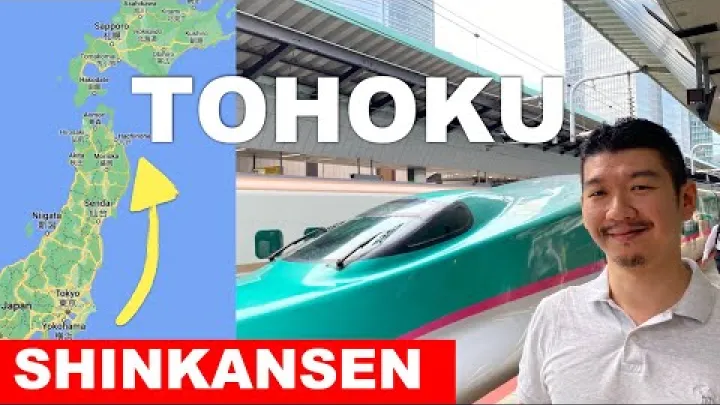
The common rail approach from Tokyo is the Tohoku Shinkansen to Shin-Aomori, followed by a local connection if your final destination is central Aomori City. Shin-Aomori Station and Aomori Station are different locations, so confirm the connection when booking accommodation or arranging a same-day activity. Rail is often attractive for travelers who value predictable long-distance travel and want to avoid airport transfers.
Aomori Airport is the main air gateway for many visitors, while Misawa Airport may be a useful alternative for an eastern Aomori itinerary. Air travel can reduce the long-distance journey but introduces flight schedules, airport transfers, and possible weather exposure. Check the airport's current flight information and status through Aomori Airport before fixing a connection.
Highway buses may be slower but can be budget-oriented, depending on the departure city, route, and booking conditions. They may suit travelers with flexible timing, but an overnight or long-distance bus can be less comfortable than rail. Compare total travel time, convenience, price, luggage arrangements, and exposure to delays or weather rather than choosing only by the headline fare.
Transport products and conditions can change. Before you commit to flights, Shinkansen connections, highway buses, or any regional pass, check the current operator information for schedules, route changes, eligibility, reservations, luggage rules, and cancellation conditions. Build a small buffer around an airport transfer or a limited rural connection instead of planning an arrival that depends on a perfect sequence.
Public Transport Between Cities and Nature Sites
Rail is most useful for the main city-to-city framework, including travel between major urban areas such as Aomori City, Hirosaki, and Hachinohe. City buses then help with local sightseeing, while regional buses serve selected mountain, gorge, lake, and peninsula routes. Tourist information centers can help identify the correct stop, seasonal route, and local ticket arrangement when you arrive.
Use sample route logic rather than trying to memorize every transport product. For example, an Aomori City and Hirosaki trip can be organized around rail and walking. An Aomori City and Hakkoda day can be organized around a mountain bus or guided outing. An Oirase and Lake Towada day requires attention to the relationship between the walking corridor and the lakeside area. A Mutsu and Mount Osore trip requires a separate peninsula plan.
City sightseeing is generally simpler because services and alternatives are closer together. Rural nature travel is different: one missed bus may affect the entire day, and some services operate only in particular seasons. Local day passes may be useful within Aomori City, but their price, coverage, validity, and purchase rules are not universal. Use the current timetable for the date of travel, especially when a route is seasonal or has limited departures.
When Renting a Car Helps—and When It Adds Risk
A car is worth considering for dispersed Shimokita, remote coastlines, several rural stops in one day, or a flexible Oirase and Lake Towada itinerary. It can also help when your accommodation is away from a station or when you want to stop at smaller communities. A car is not automatically necessary for Aomori City, Hirosaki, or a carefully selected urban itinerary.
Public transport or a guided option may be more comfortable if you are unfamiliar with rural Japanese roads, do not want to navigate in poor visibility, or prefer to enjoy scenery without driving. Compare the actual route, not just the distance. A short-looking map route can involve mountain roads, infrequent fuel stations, or a return journey after a full day outdoors.
Winter makes the decision more important. If driving in snow, confirm that the vehicle has suitable studless tires, allow greater stopping distances, and plan for black ice, reduced visibility, and possible road closures. Check current local road information before departure. If conditions are poor or your route includes a mountain pass, choose public transport, postpone the drive, or use a guided arrangement rather than treating a rental car as essential.
Top Experiences for an Aomori Travel Guide
Aomori's strongest experiences are varied, so group them by location and season. A city day, a historic-town day, and a nature day each require different clothing, transport, and pacing.
Aomori City's Nebuta, Bayfront, and Jomon Heritage
Start in Aomori City around Aomori Station and the bayfront. Nebuta Museum WA RASSE gives visitors a year-round way to learn about Nebuta culture and see the tradition in a planned museum setting. The bayfront, local markets, restaurants, and nearby shopping streets can then form an easy half-day or full-day introduction to the city.
The museum experience is not the same as attending the large summer street festival. A festival visit brings moving floats, crowds, evening activity, and a much greater need for advance planning. A museum visit is more predictable and can fit a short itinerary outside the festival period. Both are valuable, but they serve different travel goals.
The Sannai-Maruyama Jomon site adds an important prehistoric heritage experience. Treat it as a separate stop from the walkable Station and waterfront cluster, even though it can fit naturally into the same city-focused day or a dedicated half-day. Before a festival-period stay or a museum visit, confirm current programs, opening hours, ticketing, reservation rules, and any event-area restrictions through the relevant official information. This is particularly important when the festival itself is the main reason for booking.
Hirosaki Castle, Parks, and Apple Country
Hirosaki Castle and Hirosaki Park are the central attractions for a historic and seasonal Hirosaki itinerary. In spring, the park is associated with cherry blossoms. In autumn, foliage and other seasonal displays change the character of the visit. The same park can therefore feel like a flower destination, a historic walk, or a quieter town-side landscape depending on the time of year.
Plan enough time to connect the castle area, park, station, and surrounding town as related but distinct visitor zones. The park is the main sightseeing focus, while the station area is the practical arrival point. Historic streets and local food experiences extend the visit beyond the grounds. Apple products, sweets, and seasonal produce are easy ways to explore the area's agricultural identity without turning the day into a formal food tour.
Event hours, illuminations, boats, and tickets may vary. Do not promise peak blossoms or foliage for a fixed calendar date. If seasonal scenery is your priority, keep the wider itinerary adaptable and choose a base that lets you spend time in the park when conditions are favorable.
Oirase Gorge and Lake Towada
Oirase Gorge is best understood as a forested walking corridor rather than a single viewpoint. Waterfalls, streams, bridges, and changing forest scenery appear along different sections, so choose the walking length according to your fitness, weather, and available daylight. Travelers who do not want a long hike can select a shorter section, while stronger walkers can plan a longer route with suitable transport at the ends.
Lake Towada complements the gorge with open lake scenery, viewpoints, lakeside walks, and boat trips when operating. The gorge offers a shaded, linear walking experience; the lake offers a broader landscape and a slower sightseeing rhythm. Combining both can create a full nature day, but it requires attention to where you begin, where you finish, and how you return to your base.
Trail conditions, bus services, access roads, and boat operations are seasonal. Do not build a plan around an exact transfer guarantee unless the service is published for your date. If rain, snow, or low visibility changes the route, shorten the walk or use the lake area as a separate alternative rather than forcing both attractions into one day.
Hakkoda Mountains and Aomori's Onsen Culture
Hakkoda is a multi-season destination. Autumn brings mountain color, winter brings deep snow scenery and snow formations, and other seasons can suit hiking or elevated views. The Hakkoda Ropeway provides one style of mountain sightseeing, while skiing, snowshoeing, and longer walks require more preparation and greater awareness of conditions.
Sukayu Onsen represents a mountain hot-spring experience, while Asamushi Onsen offers a different type of stay closer to the coast and Aomori City. A visitor looking for a traditional overnight retreat may choose a hot-spring base. A visitor who wants to combine bathing with city sightseeing may prefer a shorter excursion. These are complementary options, not interchangeable stops.
Match the activity to your clothing, fitness, equipment, and tolerance for changing weather. Ropeway sightseeing can be more accessible than a mountain hike, but elevated conditions can still differ from those in the city. Skiing, snowshoeing, and winter hiking may require equipment or specialist guidance. Confirm current ropeway, lift, bus, and onsen operating information before building a day around a particular service.
When to Visit Aomori: Seasons, Weather, and Festivals
Aomori has a strong seasonal identity, but conditions vary between the snowy Tsugaru side, the mountains, the Pacific coast, and the peninsula. Choose the season according to your main experience, then keep at least one weather-sensitive day flexible.
Spring: Hirosaki Blossoms and Comfortable City Touring
Late April to early May is the main planning period for Hirosaki cherry blossoms, but bloom timing changes each year. If blossoms are the purpose of the trip, reserve accommodation early and expect demand to be concentrated around the most popular dates. A flexible booking or a backup plan can be more useful than a firm promise about the exact peak.
Spring is also suitable for city sightseeing, parks, historic streets, markets, and lower-elevation walks. Higher mountain areas may still have snow, muddy trails, or different access conditions from Aomori City and Hirosaki. Pack layers and shoes that can handle wet ground. Travelers who cannot visit during the blossom period can still enjoy Hirosaki's townscape, apple products, and heritage attractions at a calmer pace.
Summer: Nebuta, Lakes, and Cooler Northern Weather
Summer is the season for Aomori Nebuta, longer daylight, lake and gorge walks, coastal outings, and broader regional exploration. The festival period offers strong cultural energy, but it also creates higher demand for accommodation and transport. Travelers who want the festival should make it the center of the route instead of adding it casually to a fully packed itinerary.
Aomori can feel cooler than central Japan, but summer can still bring humidity, rain, and changing conditions. Light layers, walking shoes, sun protection, and a rain plan are useful. The city, coast, mountains, and forests may not feel the same on one day, so avoid assuming that one clothing choice or forecast represents the entire prefecture.
Autumn: Hakkoda, Lake Towada, and Hirosaki Foliage
Autumn is a strong choice for travelers interested in foliage, mountain scenery, lake views, photography, and cooler walking conditions. Hakkoda and Jogakura Valley offer elevated mountain landscapes. Lake Towada and Oirase Gorge provide complementary water and forest scenery. Hirosaki Park gives a more accessible seasonal experience within a historic town.
Plan by elevation and region. Higher Hakkoda areas may change color before lower areas, while Hirosaki and other town parks can follow a different schedule. A route that starts with the highest area and keeps lower-elevation alternatives available is more adaptable than a rigid date promise. Rain and cool mornings can affect slippery paths and photography, so bring layers and footwear with reliable grip.
Winter: Snow, Onsen, and Access Caveats
Winter suits visitors who want Hakkoda snow scenery, skiing, snowshoeing, hot springs, and snowy city or rural landscapes. Tsugaru can receive heavier snow, while Pacific-side conditions can differ. The prefecture should not be treated as one uniform winter climate: a city walk, a mountain excursion, and a coastal drive may require different expectations.
Snow can shape the itinerary through suspended buses, closed mountain roads, limited seasonal attractions, and reduced outdoor access. Mount Osore's seasonal closure is also an important reason not to assume that every famous site is available in winter. Choose rail, an operating bus, an urban cultural day, an onsen stay, or a guided activity when driving or hiking conditions do not suit your experience.
Immediately before mountain, gorge, or winter travel, check the official forecast and the latest route or attraction status for the exact area. The Japan Meteorological Agency provides regional forecast information, including the Aomori Sanpachi-Kamikita and Hachinohe area, but one forecast page is not a complete climate record for every part of the prefecture. Use the forecast area that matches your route and be ready to change the order of your days.
Aomori Food, Costs, and Booking Priorities
Food and accommodation choices are closely connected to the region you select. Coastal cities emphasize seafood and markets, Hirosaki is associated with apples and sweets, and the Towada and Oirase area provides local products alongside nature travel. Build the budget around the actual base and transport plan rather than using one figure for the whole prefecture.
What to Eat: Seafood, Apples, and Regional Specialties
In Aomori City and Hachinohe, look to markets, izakaya, seafood restaurants, and everyday local dining for coastal flavors. A market meal can fit a simple itinerary, while an izakaya or regional restaurant can provide a longer evening experience. Opening hours may be more limited outside the busiest urban areas, so do not assume that a late arrival will offer the same choices as a major city in central Japan.
Hirosaki is a natural place to try apples, apple sweets, drinks, and seasonal produce. These products work well as snacks, gifts, or part of a café stop between visits to the park and historic streets. Around Towada and Oirase, use local restaurants, roadside stops, and regional products as additions to a nature day rather than expecting a dense restaurant district near every trail.
Named specialties are starting points, not a required checklist. Check current menus, opening hours, reservation arrangements, and dietary information directly with the restaurant or facility. Visitors with allergies or strict dietary needs should carry a clear explanation and allow extra time, particularly when traveling through rural areas with fewer alternatives.
Typical Daily Costs and Major Budget Drivers
A useful Aomori budget separates long-distance travel from daily spending. The journey from Tokyo, an airport transfer, or a long highway bus can change the total more than one meal. Within the destination, the largest variables are accommodation, intercity transport, rental cars, paid activities, and the number of bases.
- Lower-cost framework: Choose simple accommodation, casual meals, rail or bus travel, free public spaces, and a small number of paid museums or activities. This works best with one base and a compact city itinerary.
- Mid-range framework: Add a private room, restaurant meals, paid cultural attractions, selected taxis, and one or two regional excursions. This is often a practical balance for a first visit.
- Higher-cost framework: Include a ryokan or onsen stay, a rental car, scenic cruises when operating, guided outdoor activities, and more than one base. Seasonal demand can increase the cost of this style of trip.
Before choosing a pass or final route, price intercity transport, accommodation, rental cars, and paid activities as separate line items. A pass is not automatically economical if most sightseeing is local or if the route does not match its coverage. Likewise, a rental car may appear convenient but add fuel, parking, insurance, and winter-driving costs.
Booking, Connectivity, and Practical Arrangements
Book early for Aomori Nebuta, the Hirosaki cherry-blossom period, autumn foliage, ski travel, and limited-capacity onsen stays. The best base may be sold out even when another part of the prefecture still has rooms. If your dates are fixed, choose the region first and reserve the accommodation before adding distant day trips.
Tourist information centers near stations can help with local maps, transport questions, events, and changes to a planned route. Major city areas may offer public Wi-Fi, but coverage, English-language support, payment methods, and connectivity are not universal in rural Aomori. Download offline maps, save accommodation addresses, and keep transport details available without relying on a continuous data signal.
A practical preparation checklist includes:
- Reserve high-demand accommodation and any required seats, tours, or activities.
- Save the names and addresses of hotels, stations, trailheads, and meeting points in Japanese and English when possible.
- Pack footwear and layers for the season, with rain or snow protection for outdoor routes.
- Carry a payment method that suits your route, plus some cash for smaller businesses and rural services.
- Keep a backup plan for a city museum, park, market, or onsen if a limited-service nature day does not work.
Safety, Itinerary Planning, and Final Checks
Aomori is suitable for independent travel, but its mountains, coastlines, snow, and remote communities require more preparation than a purely urban trip. Separate routine city precautions from outdoor, driving, weather, and religious-site considerations.
Safety in Cities, Outdoors, and Sacred Places
Use ordinary travel precautions in Aomori City, Hirosaki, Hachinohe, and other towns: look after your passport and valuables, keep accommodation details accessible, and avoid rushing for a late connection. International visitors should also check the current Japan Travel Advisory from their government before departure. This is a general planning step, not a reason to assume that all parts of the trip carry the same risk.
Outdoor risks are more relevant on mountain and gorge routes. Weather can change quickly at elevation, paths can become slippery after rain, and snow or ice can make a familiar route unsuitable. Coastal walks bring exposure to wind and changing surfaces. On remote routes, carry essential information such as your accommodation address, transport plan, phone power, and a map that remains available if service is limited.
Mount Osore and other religious or community sites require respectful behavior. Follow signs, stay within permitted areas, observe photography guidance, and follow local instructions. Dress and behave as you would at a place of worship rather than treating a sacred landscape only as a photo stop. If a site is closed or access is restricted, do not bypass barriers or enter areas marked for local use.
Build a Two-, Three-, or Five-Day Aomori Route
Use these as adaptable templates. They are designed to limit unnecessary crossings of the prefecture and should be adjusted for the season, transport, and opening pattern of each attraction.
- Two days, Aomori City and Hirosaki: Base in Aomori City for the bayfront, Aomori Station area, local food, and Nebuta Museum WA RASSE. Spend the second day in Hirosaki for Hirosaki Castle, Hirosaki Park, historic streets, and apple-related food. Reverse the order if the seasonal park experience is the main purpose.
- Three days, culture plus nature: Use the two-day framework, then add Hakkoda and a suitable onsen experience. Alternatively, make the third day a dedicated Sannai-Maruyama and Aomori City heritage day if mountain conditions or transport do not suit an outdoor excursion.
- Five days, Nanbu version: Spend the first days in Aomori City and Hirosaki, then move toward Hachinohe for markets and Tanesashi Coast. Add Towada, Lake Towada, or Oirase Gorge only when the walking and transport plan fits comfortably. A second base can reduce long returns.
- Five days, Shimokita version: Keep the first part of the trip focused on Aomori City and Hirosaki, then reserve the final stage for Mutsu and selected Shimokita sites. Do not add Cape Oma, Cape Shiriyazaki, Mount Osore, and several coastal villages as casual stops. Choose only the destinations that match the available time and confirmed access.
Before booking, use a simple decision checklist: choose the season, select one or two bases, decide whether rail, bus, car, or a guided arrangement fits the route, reserve high-demand stays, and keep the most weather-sensitive day flexible. A route with fewer attractions and realistic connections will usually provide a better Aomori experience than a schedule that crosses the prefecture repeatedly.
Final Takeaways for Planning an Aomori Trip
Aomori rewards travelers who plan by region rather than by isolated attractions. Choose Aomori City and Hirosaki for a balanced first introduction, Nanbu for coastal and forest experiences, or Shimokita for a more remote journey with extra planning time. Let the season guide your priorities: blossoms, Nebuta, foliage, snow, onsen, and outdoor scenery each require a different approach. Confirm transport and access details, budget the major travel components separately, and leave room to adapt. With one or two well-chosen bases, Aomori can offer a rich and manageable introduction to northern Japan.
Select area
Create a post
Posting is free and no registration is required.