Naha Best Time to Visit: Weather, Seasons, and Monthly Guide

The best time to visit Naha is usually late March through April or October through November, when warmth, humidity, and outdoor comfort are often well balanced. Naha and the wider Okinawa Island area stay mild in winter, become hot and humid in summer, and receive rain at any time of year. This guide explains the climate by season and month, then matches the timing to beach days, hiking, culture, and budget travel. It also separates climate averages from live forecasts so you can build a more reliable stay in Naha.
The Best Time to Visit Naha at a Glance
There is no single perfect month for every traveler. The best choice depends on whether you value warm water, comfortable walking, lower seasonal pressure, or the greatest possible flexibility for outdoor plans.
Best Overall Windows: Late March to April and October to November
For most visitors, the strongest overall windows are late March through April and October through November. These periods usually offer a useful balance of warmth, manageable humidity, and conditions that are comfortable for combining Naha sightseeing with coastal excursions. They also generally have less tropical-storm exposure than the core summer months, although no month guarantees clear skies or smooth travel.
April and October are especially strong candidates for a first visit. April brings the transition into warmer spring weather, while October retains much of the warmth of summer as humidity begins to ease. November is cooler and often better suited to city walking than to a beach-centered trip. A visitor-oriented seasonal overview from Japan Travel Navitime also places the earlier part of the year among Okinawa’s more stable travel periods.
Late April and early May can overlap a major domestic holiday period, so hotel availability and airfares may vary sharply by date. Treat this as a booking issue rather than a climate rule: compare the exact dates and current availability before committing to a fixed itinerary.
Choose by Travel Goal: Beach, Hiking, Culture, or Budget
Use your main activity to refine the general recommendation:
- Beach and swimming: Choose late spring through early autumn if warm water is the priority. Summer offers the warmest marine conditions, but it also brings more heat, humidity, and storm exposure.
- Hiking and outdoor sightseeing: Late March to April and October to November are usually more comfortable for walking than the hot, humid summer period. Rain can still affect spring and early-summer excursions.
- Culture and city sightseeing: Winter, spring, and autumn can work well for a Naha-based trip focused on urban walks, food, markets, museums, and cultural sites. You do not need peak beach weather to enjoy the city.
- Budget travel: Winter and shoulder seasons may offer more choice or less seasonal pressure than popular summer dates, but actual prices depend on the property, flights, holidays, and demand.
If predictable outdoor time matters more than warm water, be cautious about choosing the wettest or most storm-sensitive parts of the year. These are not automatic no-go periods, but they are less suitable for a tightly scheduled itinerary. Seasonal recommendations also do not guarantee that every beach, trail, or marine activity will operate on your chosen day; current local operating information remains important.
Naha Weather and Climate Basics
Naha has a subtropical, ocean-moderated climate. The practical result is a mild winter rather than a cold one, warm spring and autumn conditions, and a long hot and humid season. The city is easy to visit throughout the year, but the comfort of walking, the usefulness of beach time, and the amount of rain planning required change considerably by month.
Temperature and Humidity Through the Year
Naha’s climate is moderated by the surrounding ocean. In broad terms, monthly mean temperatures are in the high teens Celsius during midwinter and the upper 20s Celsius during midsummer. The Japan Meteorological Agency notes that Okinawa’s oceanic climate means temperatures of 35°C or above are uncommon, but that does not make summer mild.
Humidity is a major part of how the weather feels. A summer day can make a short walk between Naha Airport, accommodation, shopping areas, and attractions feel tiring even when the temperature is below the most extreme heat found elsewhere in Japan. Nights are also warm in summer, which can affect sleep if your room is not well ventilated or air-conditioned. Spring and autumn are generally easier for long walks, while winter can feel cool when cloud, wind, or rain move through.
For clothing, think in layers rather than in fixed seasonal uniforms. Winter visitors may need a light jacket, spring and autumn travelers benefit from breathable layers, and summer visitors should favor lightweight clothing, shade, water, and breaks during the warmest part of the day.
Rainfall, Sunshine, and Sea Conditions
Rain can occur in every month in Naha. The typical concentration is strongest around the May–June rainy season, when showers, cloudy intervals, high humidity, and occasional heavy downpours can interrupt an outdoor schedule. July through September is warmer and often more attractive for swimming, but tropical weather can bring rough seas and larger changes to marine plans.
Monthly rainfall totals do not describe how every day will feel. A wet month can contain several useful sunny intervals, while a relatively drier month can still receive a burst of heavy rain. Sunshine, wind, cloud cover, and visibility can also differ between the city and coastal areas around Okinawa Island.
Sea conditions deserve separate attention from air temperature. Warm summer water may be ideal for swimming, but wind and waves can affect visibility, comfort, and boat-based activities. Conversely, a cooler month may be pleasant for walking even if it is not the best choice for travelers seeking long days in the water.
Naha Seasons: Winter, Rainy Season, Summer, and Autumn
Thinking in seasons makes it easier to understand the trade-offs behind the best time to visit Naha. The boundaries are gradual, not fixed calendar dates, and individual years can differ from the usual pattern.
Winter and Spring: Mild Conditions and a Comfortable Transition
December through February is mild by international standards and comparatively cool for Okinawa. This period suits visitors who prefer city walks, cultural visits, food, and a slower urban itinerary without the strongest summer humidity. It is not reliable peak beach weather for every traveler, especially when wind or cloud makes the water feel less inviting.

March and April form a comfortable transition into spring. Temperatures rise, coastal outings become more appealing, and it is easier to combine Naha sightseeing with outdoor time. Light layers and a light jacket are still useful in December through March, particularly on breezy or cloudy days. Beach-opening schedules and activity availability can vary, so do not assume that a seasonal weather pattern sets a universal opening date.
The Rainy Season: Typically May and June
May and June are typically the core rainy-season months in Okinawa. The weather often becomes hotter and more humid, with frequent showers, cloudy periods, and occasional intense rain. The main challenge is not necessarily continuous rain; it is the difficulty of knowing how long a dry interval will last when planning a full day outdoors.
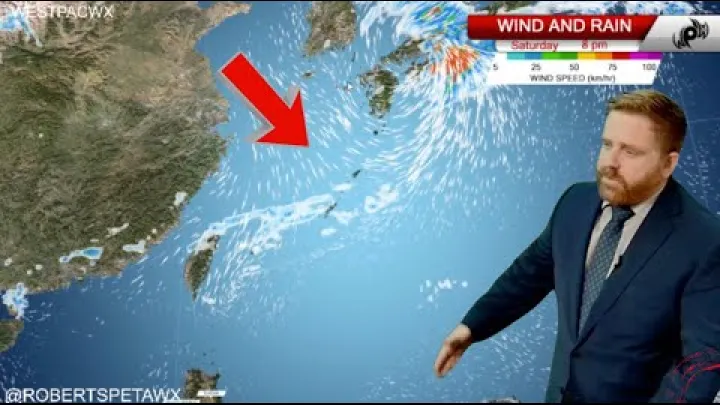
Rain can slow walking tours, reduce coastal visibility, make paths wet, and leave swimwear or clothing slow to dry. A compact rain layer, quick-drying fabrics, and a plan that can move between outdoor and indoor activities are useful. Visitors who accept this trade-off may find the period appealing because a rain-prone forecast does not remove the value of Naha’s urban attractions, food, shopping, markets, museums, and cultural experiences.
Lower seasonal demand or occasional lower prices may be possible, but neither is guaranteed. Check the exact dates, accommodation rates, and activity terms rather than assuming that rainy-season travel will always be cheaper or quieter.
Summer: Hot, Humid, and More Storm-Prone
July through September is the hottest and most humid part of the year. The warm seas and strong summer atmosphere make this period attractive for swimming, snorkeling, boating, and other marine activities. It is a good match for travelers who place warm water above mild temperatures and maximum schedule reliability.
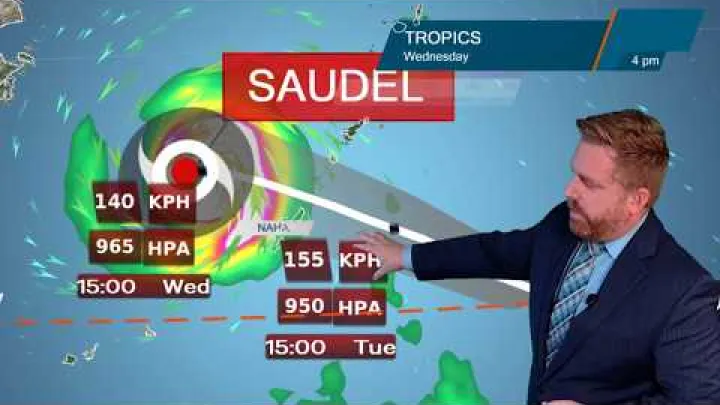
Storm exposure is an important trade-off. The Japan Meteorological Agency’s Okinawa climate guidance identifies August as the month when tropical-storm approaches peak. July, August, and September should therefore be treated as a season with meaningful disruption potential, not as three identical beach-weather months.
Summer demand can also be higher because of school holidays, domestic travel, and popular marine activities. That may put pressure on flights, accommodation, and reservations, although prices vary by date. A summer trip is not destined to experience a typhoon or cancellation, but it is better suited to travelers who can change the order of activities if conditions shift.
Autumn: A Second Shoulder-Season Sweet Spot
October and November are often an excellent alternative to spring. October can retain warm conditions that support coastal activities while feeling less humid than the height of summer. November is milder and often more comfortable for extended city exploration, cultural visits, and outdoor sightseeing.
Autumn is not a guaranteed end to tropical weather on a particular date. The advantage is a broad seasonal tendency toward more comfortable conditions and generally less storm exposure than August and September. Travelers who want a balanced itinerary often find October especially useful, while November suits those who are more interested in Naha itself than in warm-water swimming.
Naha Month-by-Month Travel Guide
The month-by-month guide below translates the broad climate pattern into travel decisions. The underlying baseline comes from the Japan Meteorological Agency’s JMA climate normals for 1991–2020. These are long-term averages, so they describe a typical travel feel rather than the weather for a particular year.
| Month | Typical climate feel | Best fit |
|---|---|---|
| January | Mild, cooler, and sometimes breezy | City walks and culture |
| February | Mild with variable rain and wind | Urban sightseeing |
| March | Warming spring transition | City and coast |
| April | Warm and often comfortable | All-purpose itineraries |
| May | Hotter, humid, and increasingly wet | Flexible mixed trips |
| June | Hot, humid, and often very wet | Indoor and flexible plans |
| July | Hot, humid, and suited to warm water | Marine activities |
| August | Hot, humid, and most storm-sensitive | Flexible summer trips |
| September | Hot with warm water and storm risk | Flexible marine plans |
| October | Warm with easing humidity | Beach and sightseeing balance |
| November | Mild and comfortable for walking | Culture and outdoor mix |
| December | Mild with cooler breezes possible | City and cultural trips |
January to March: Mild Winter and Early Spring
January is cool and usually more city-focused than beach-focused. Light layers and a jacket can be useful, particularly when wind makes the air feel cooler. February has a similar mild profile, with occasional rain or breezy conditions that favor museums, food, shopping, and flexible urban sightseeing.

March is the warming transition. It can support a mixed Naha itinerary with more comfortable coastal excursions, while still avoiding the strongest summer heat. These months are useful for travelers who want a subtropical destination without planning every day around swimming. The climate average is only a guide; conditions in a particular January, February, or March can be noticeably different.
April to June: Best Balance, Then Rainy-Season Weather
April is one of the strongest all-purpose months for Naha. Walking is often more comfortable than in summer, and a day can combine urban sightseeing with coastal time without the same level of heat and humidity. May becomes warmer and more humid, and rainy-season conditions become increasingly relevant. Holiday dates around late April and early May can also change demand and availability.
June is hot, humid, and typically among the wettest-feeling months. It can still work for travelers who are comfortable with showers and who have indoor alternatives, but it is less suitable for an itinerary that depends on uninterrupted beach or hiking days. A mixed schedule is more practical than booking every day around one outdoor activity.
July to September: Peak Summer and Typhoon Exposure
July is hot and humid, with a strong summer feel and warm water. Compared with the rainy-season peak, it may feel brighter on many days, but early tropical-storm exposure is already a planning factor. August is the most storm-sensitive month in this guide while also offering warm seas and high summer energy.
September remains hot, and the water is still warm, but storm exposure remains high even if visitor numbers begin to ease after the busiest summer dates. July through September suit travelers who prioritize marine activities and can accept changes to the schedule. They are less suitable for travelers who need highly predictable transport or mild walking temperatures.
October to December: Warm Autumn and Mild Winter Transition
October is a leading all-purpose month. It combines warm conditions with easing humidity and generally lower storm exposure than August and September. It is often a good compromise for travelers who want both outdoor sightseeing and a reasonable chance of comfortable beach time.
November shifts toward mild, city-friendly weather. It can suit long walks, cultural sites, food, and outdoor excursions, although the sea may feel cooler than it does in summer. December remains mild but is less consistently beach-focused. It works well for a quieter Naha stay centered on culture, shopping, food, and urban exploration. Temperatures and rainfall still vary from year to year.
Choose the Best Time for Your Travel Style
The best month changes when the purpose of the trip changes. A beach holiday, a walking-heavy city break, and a budget-conscious Naha visit should not use exactly the same seasonal ranking.
Beach, Swimming, and Marine Activities
Choose late spring through early autumn if warm water is the main goal. July through September provide the strongest summer feel, while late April and October can offer a more balanced combination of warmth, comfort, and sightseeing. The latter months are often better choices for travelers who want coastal activities without choosing the hottest or most storm-sensitive part of the year.
The trade-offs are important. May and June can bring showers, high humidity, and reduced visibility. July through September bring heat and tropical-storm exposure, and rough seas can affect boat trips even when the air feels warm. Air temperature alone does not show whether the sea will be calm or whether an activity will run.
Before booking, read each marine operator’s cancellation and sea-condition policy. Confirm what happens if the operator cancels, if a departure is delayed, or if conditions make the activity unsafe. This is more useful than assuming that a favorable monthly average guarantees clear water, calm seas, or daily operation.
Hiking and Outdoor Sightseeing
For Naha-based outdoor excursions, late March through April and October through November are usually the most comfortable choices. Lower heat makes walking easier, and these seasons support a mixed itinerary that includes the city and other parts of Okinawa Island.
May and June can make paths wet and visibility changeable. July through September add stronger heat and greater storm-related uncertainty, which can reduce the appeal or feasibility of a long outdoor day. Travelers who hike during warmer months should plan around comfort rather than trying to fit a demanding walk into the hottest hours.
Seasonal comfort is not the same as trail safety or access. Check the current condition of the specific trail or outdoor site, including closures, local access, and transport arrangements, before setting out. Conditions can differ between Naha and more exposed or less urban areas of Okinawa Island.
Culture, City Stays, and Budget Travel
Naha is a useful destination for a city-focused trip because urban attractions, markets, museums, food, shopping, and cultural sites can fill a day when beach conditions are not ideal. This makes winter and the shoulder seasons practical choices for travelers who prefer mild walking weather or do not want a beach-centered itinerary.
Winter and shoulder periods may also reduce some peak-season pressure, and they can be worth comparing for a more budget-conscious trip. However, low prices and low crowds are not guaranteed. Accommodation rates, flights, holidays, weekends, and special events can matter more than the season alone.
A rainy day is easier to absorb when the itinerary is based in Naha. Group outdoor activities on the clearest-looking part of the schedule, leave room for indoor visits, and avoid making one weather-dependent attraction the reason for the entire trip. This approach gives culture-focused visitors more useful options across the year.
Rain, Typhoons, and Trip Reliability
Weather comfort and travel reliability are related but different questions. A month can feel warm and pleasant while still carrying a risk of disruption, and a rainy month can provide useful sightseeing intervals between showers.
Rainy Season and Typhoon Season Are Different Risks
The typical rainy season in Okinawa is mainly associated with May and June. It reflects a broader seasonal pattern of humid air, recurring rain, cloudy intervals, and occasional heavy showers. Typhoon risk is different: it is more episodic, can produce stronger wind and rain, and rises during the summer before tropical-storm approaches typically peak around August. The risk can continue into September.
This distinction helps with choosing priorities. A rainy-season day may include several dry hours, while a month outside the main rainy-season period can still receive heavy rain from a tropical storm. If schedule reliability matters most, late March to April and October to November are often the better compromise. If warm water matters most, summer may still be right, provided the itinerary has room for change.
Use climate normals to choose a broad season, then check the latest Japan Meteorological Agency forecast before fixing outdoor activity days. That two-step approach prevents a long-term average from being mistaken for a prediction for your specific dates.
Protect Flights, Ferries, and Outdoor Plans
Strong winds, heavy rain, and rough seas can affect flights at Naha Airport, ferry services, connections to other islands, and booked outdoor activities. Arrival and departure days are especially vulnerable because a delay can affect the entire itinerary. Island-hopping plans and excursions with fixed departure times have less room to absorb a change.
Where practical, choose flexible or refundable bookings and keep a buffer day before an important flight or connection. Avoid placing the most difficult transfer immediately before an international departure when the season has a higher chance of disruption. For current decisions, confirm status directly with the airline, ferry company, accommodation, or activity provider. A forecast can indicate risk, but it does not guarantee that a particular service will operate.
Use Official Information for Day-of Decisions
For current conditions, warnings, and typhoon information, use the Japan Meteorological Agency rather than relying only on a travel blog or a monthly average. Check the information again on days involving beaches, hiking, ferries, flights, or exposed coastal areas.
Official warnings should override a planned activity. Follow local instructions, avoid exposed coastal areas during severe weather, and wait for confirmation from the relevant operator before resuming an affected trip. If conditions are uncertain, staying in a safer urban setting in Naha is preferable to forcing a coastal or marine plan.
What to Pack for a Naha City Stay
Naha is easy to explore with a practical, adaptable packing list. The right clothing depends on the month, but rain protection, sun protection, and comfortable walking gear are useful throughout the year.
Clothing, Rain Gear, and Heat Management
For December through March, pack light layers and a light jacket. Breezy or cloudy days can feel cooler than the monthly average, while a warm afternoon may still make a heavy coat unnecessary. April, October, and November generally suit breathable shirts, light trousers or shorts, and one adaptable layer.
For May through September, choose lightweight, breathable, and quick-drying clothing. A compact rain jacket or umbrella helps with sudden showers, and a spare shirt can make a wet or humid city day more comfortable. Sun protection, including a hat, sunglasses, and sunscreen, is useful for exposed walks and coastal time.
Comfortable shoes matter because a Naha itinerary may involve walking between urban attractions, markets, museums, accommodation, and transport points. Choose footwear that remains practical on wet pavement. A small bag for rain gear and a change of clothing can be more useful than packing specialized equipment.
Adjust the final packing list using the short-range forecast for your travel dates. Climate averages are helpful for choosing what to bring, but the forecast gives the better indication of whether you need extra rain protection, warmer layers, or more summer clothing.
Final Recommendation for Visiting Naha
For the best overall balance, plan to visit Naha in late March through April or October through November, with April and October as particularly strong choices. Choose summer if warm water and marine activities matter more than heat and schedule reliability, and choose winter for a mild, city-focused trip. May and June are workable when you can accept rain and humidity, while August and September require the most flexibility because of tropical-storm exposure. Whatever month you choose, use climate normals for the seasonal decision and current official information for day-of plans.
Select area
Create a post
Posting is free and no registration is required.