Naha Where to Stay: Best Areas and Accommodation

Where to stay in Naha depends on how you plan to use the city. For many first-time visitors, central Naha around Kokusaidori, Makishi, and Matsuo is the easiest base because it combines food, shopping, markets, attractions, and public transport. Other areas make more sense if you are taking a ferry, visiting Shuri, traveling with children, or prioritizing a modern shopping district. This guide compares the main Naha neighborhoods, accommodation types, transport connections, nighttime atmosphere, and practical booking checks.
The Short Answer: Start with Central Naha
Central Naha is the strongest default for travelers who want to explore the city on foot, use the Yui Rail, eat at a wide range of restaurants, and avoid depending on a rental car. However, the best area is not the same for every itinerary. A ferry departure can make Tomari more practical, while Shuri can reduce travel time to historic sites and Omoromachi can offer a more modern setting with shopping and family facilities.
The Best Default Base for First-Time Visitors and Non-Drivers
For a typical first visit, choose a hotel or other accommodation in central Naha around Kokusaidori, Makishi, Matsuo, or a nearby side street. This area places you close to the city’s main shopping and dining activity, including the Kokusaidori shopping street, Makishi Public Market, restaurants, convenience stores, and local streets leading toward Tsuboya and Asato. It is also a practical base for visitors who want to combine sightseeing with relaxed evening meals rather than plan every journey around a car.
The main advantage is flexibility. You can walk to several activities, reach a Yui Rail station without crossing the whole city, and use buses or taxis when a destination is farther away. A central address is especially useful for a short stay, when moving between different parts of Naha would otherwise take valuable time. It also works well for travelers arriving at Naha Airport and continuing to another Okinawa destination later, since central Naha has many transport connections and a broad range of lodging.
There are trade-offs. This is an urban area, not a secluded beachfront resort. Streets around Kokusaidori and nearby entertainment zones can be busy, and city hotels often have compact rooms. A room directly on the main street may provide maximum convenience but less separation from traffic and evening activity. If you want central access with a more settled atmosphere, look a few minutes away from the busiest blocks in Matsuo, Tsuboya, Asato, or other nearby side streets.
When to Choose a Different Naha Base
Choose a different district when one practical priority clearly outweighs the convenience of central Naha. Tomari is the logical choice for an itinerary built around a ferry from Tomarin. Omoromachi and Shintoshin suit visitors who want large shopping facilities, museums, supermarkets, and a modern urban environment. Shuri is better for travelers who want to focus on Okinawa’s historical sites and prefer a more residential setting in the evening.
Travelers with a very early departure or a late arrival may prefer accommodation near a convenient Yui Rail station or an airport-accessible part of the city. This can reduce the amount of luggage movement on the final or first day, although it may not provide the most interesting dining and sightseeing environment. Families and longer-stay visitors should also consider room layout, laundry, kitchen access, and grocery shopping before choosing a neighborhood.
Finally, separate the idea of staying in Naha from staying at an Okinawa beach resort. Naha is strongest as a city, food, culture, and transport base. If your main goal is a full resort experience with a wide beach setting and extensive onsite leisure facilities, consider dividing the trip between Naha and another Okinawa area rather than expecting central Naha to provide both experiences.
Central Naha: Best Areas for Walkability, Food, and Nightlife
Central Naha is not one uniform neighborhood. Kokusaidori, Makishi, Matsuo, Kumoji, Matsuyama, Tsuboya, Asato, and Sakaemachi each provide a different balance of convenience, local atmosphere, nightlife, and accommodation choice. The Naha Navi tourism information groups many of these areas around shopping, markets, traditional crafts, and historical attractions, which makes the distinctions useful when selecting a base.
Kokusaidori, Makishi, and Matsuo
Kokusaidori, Makishi, and Matsuo form the most useful all-purpose area for many visitors. Kokusaidori is the city’s best-known commercial street, while Makishi provides access to market activity and food-focused streets. Matsuo sits close to both and can offer a central address without requiring you to stay directly on the busiest part of Kokusaidori. Together, these districts are well suited to first-time visitors, short stays, food trips, and travelers without a rental car.

Staying directly on Kokusaidori makes it easy to step into the main shopping and restaurant area. It can also mean more pedestrian activity, vehicle noise, and a stronger tourist atmosphere. A hotel on a side street a few minutes away may provide a better balance: central enough for walking, but not positioned directly above the busiest commercial frontage. Check the map for the actual entrance, because a property advertised as being near Kokusaidori may still be several blocks from the street or from the nearest station.
Makishi and Matsuo are useful when you want to reach the market, dining streets, and central attractions without spending much time on transport. They also provide a practical base for exploring Tsuboya and Asato on foot. The accommodation supply is varied, from compact city hotels and budget properties to apartment-style rooms, so compare the address and room design rather than choosing only by the property name.
Kumoji and Matsuyama
Kumoji is a practical central district with shopping, public services, restaurants, and routes toward the waterfront. It can suit business travelers, visitors who want central transport access, and people who prefer to be close to the city center without staying directly beside the market streets. The area also provides a useful connection between central shopping areas and the port side of Naha.

Matsuyama is Naha’s main nightlife-oriented belt, with bars, clubs, and late-night activity concentrated west of central Kokusaidori. Its clear benefit is convenience for travelers who expect to spend evenings in those venues and want to walk back rather than arrange transport from another district.
The important trade-off is nighttime activity. A street that feels convenient and lively during the day may be active later, particularly around entertainment venues and main roads. If you need quiet, read recent noise reviews for the exact property and request a room away from nightlife streets or major roads. The issue is usually the building’s position, room orientation, and nearby businesses rather than the name of the district alone.
Tsuboya, Asato, and Sakaemachi
Tsuboya, Asato, and Sakaemachi are good alternatives for travelers who want markets, pottery, small local businesses, and a less concentrated tourist atmosphere while remaining close to central Naha. Tsuboya Pottery Street and the Naha City Pottery Museum give the area a strong craft identity. Asato Station is a useful transport anchor, and Sakaemachi Market adds a local market setting near the central districts.
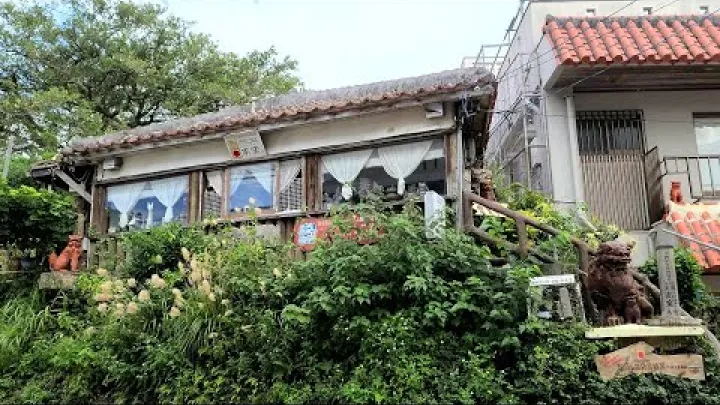
These areas can suit budget travelers and visitors who want to sleep away from the busiest Kokusaidori blocks. You may still be able to walk to central shopping and dining, but the immediate surroundings can feel more residential or neighborhood-focused. This creates a different experience from staying beside the main entertainment street.
The accommodation selection may include fewer large, full-service hotels than the central Kokusaidori area. Some properties are small hotels, guesthouses, private rooms, or apartment-style accommodations. Read the listing carefully for the entrance location, stairs, elevator access, luggage storage, and check-in method. Quietness also varies from one street and building to another, so treat the area as a possible atmosphere preference rather than a guarantee.
Other Useful Naha Bases: Waterfront, Shopping, and Heritage
Areas outside the core shopping streets can be better when your itinerary has a specific purpose. The waterfront is useful for ferry logistics and urban beach access, Omoromachi is designed around modern shopping and cultural facilities, and Shuri is the clearest choice for a heritage-focused visit. These bases may sacrifice some of central Naha’s evening convenience, but they can make a priority activity easier.
Tomari and Naminoue
Tomari is important because Tomarin, also known as the Tomari Wharf Passenger Terminal, serves as a gateway for ferry travel to nearby islands. If a ferry departure is a major part of your trip, staying near Tomari can be more practical than booking near Kokusaidori and crossing the city with luggage early in the morning. The Official Okinawa Travel Guide identifies Tomarin in Naha as a ferry connection point.
Naminoue Beach is an urban beach close to central Naha. It can be convenient for a short swim, a coastal break, or a final walk before a flight, but it should not be confused with a remote beach-resort coast. The surrounding city environment remains more important than the beach itself, so compare the location with the dining and shopping you want to use during the rest of the stay.
For a ferry-oriented booking, map the exact walk from the accommodation to the correct terminal entrance. Consider luggage wheels, road crossings, weather, and whether the route is comfortable at the departure time. Confirm the current ferry operator, terminal, sailing time, and check-in requirement before relying on a Tomari-area booking. Ferry arrangements can differ by destination and operator, so being near the general port area is not enough by itself.
Omoromachi and Shintoshin
Omoromachi and Shintoshin provide a modern alternative to the market and craft streets of central Naha. The area is known for shopping centers, duty-free retail, supermarkets, parks, and the Okinawa Prefectural Museum and Art Museum. These facilities can be useful for families, longer stays, business travelers, and visitors who want indoor activities when the weather changes.
Supermarkets and shopping facilities can make daily life easier if you are staying in an apartment, traveling with children, or buying food and supplies. Museums and indoor retail also provide options beyond the main sightseeing streets. The modern setting may feel more spacious and organized than the older central districts, although the exact room size, view, and noise level depend on the individual property.
Omoromachi Station is the main transport anchor. The Yui Rail connects the area with central Naha, Shuri, and the airport, making it possible to choose a modern base without giving up access to other parts of the city. The trade-off is atmosphere: you will be less immersed in the traditional market, craft, and nightlife streets around Makishi and Tsuboya. Choose Omoromachi when facilities and a modern setting matter more than being at the center of Naha’s evening activity.
Shuri
Shuri is the best Naha base for travelers whose main interest is Okinawa’s heritage. Shurijo Castle Park, the Tamaudun Royal Mausoleum, and the Kinjo-cho stone-paved path are the main local anchors. Staying nearby allows you to begin a heritage visit without first traveling from the commercial center, which can be valuable if you want to spend a full morning or several visits exploring the area.
The district has a more residential and culturally focused character than Kokusaidori. It can appeal to visitors who prefer a calmer evening setting, traditional scenery, and a clear connection to the history of the Ryukyu Kingdom. The Yui Rail provides access to Shuri and makes the area practical for visitors who do not drive, although the station may not be next to every attraction or accommodation.
The main disadvantage is distance from central dining, markets, and nightlife. If you plan to eat on Kokusaidori every night or return late from central Naha, the extra journey may become inconvenient. Shuri works best when heritage access is the main priority, not when you want every major city activity within a short walk.
Choose the Right Accommodation Type
After choosing a district, select the type of accommodation that matches your room needs, length of stay, and daily routine. Naha has compact city hotels, business hotels, hostels, capsules, guesthouses, condominium-style rooms, serviced apartments, and upscale city properties. The right choice depends as much on space, privacy, laundry, and check-in arrangements as on the neighborhood.
City and Business Hotels
City and business hotels are the most practical choice for many Naha visitors. They usually focus on an efficient private room, a central location, and predictable facilities rather than a large resort setting. This makes them suitable for short sightseeing trips, airport stopovers, business travel, and travelers who plan to spend most of the day outside.
Compare hotels using more than the distance to Kokusaidori. Check the walking distance to the nearest useful station, the route with luggage, room size, bed arrangement, breakfast, laundry facilities, sound insulation, and cancellation terms. A hotel that is slightly farther from the main street may provide a better sleep environment, while a hotel beside a station may save time on airport and sightseeing journeys.
Business hotels can be especially useful for solo travelers and couples who value a private bathroom, a simple check-in process, and a predictable room. They may be less suitable for families who need separate beds, cooking facilities, or space to organize luggage. Use current booking listings for availability and conditions instead of treating a fixed price or an old hotel ranking as a reliable guide.
Hostels, Capsules, and Budget Lodging
Hostels, capsule hotels, guesthouses, and other budget accommodations suit solo travelers, backpackers, and visitors who want a central address at the lowest practical cost. Properties near Makishi, Tsuboya, Asato, and central Naha can provide strong walkability without requiring a room on the busiest part of Kokusaidori.
These categories are not interchangeable. A dormitory provides a shared sleeping space, a capsule offers a more individual sleeping compartment but may have shared facilities, and a guesthouse may offer either shared or private rooms. A private budget room can be a better choice when you need more privacy but still want to control the total accommodation cost.
Check the exact arrangement before booking. Important details include shared bathrooms, storage for large luggage, quiet hours, age or occupancy rules, late check-in procedures, reception hours, elevator access, and the distance from the station. Recent guest comments can be particularly useful for cleanliness, noise, luggage storage, and whether the property is actually on a convenient walking route. A low headline rate has limited value if the room does not meet your privacy or storage needs.
Serviced Apartments and Condominiums
Serviced apartments and condominium-style accommodation are often a good fit for families, groups, digital nomads, and stays long enough to benefit from a kitchen, washing machine, or separate living area. Central properties near Makishi, Naminoue, and other city-center areas can combine more living space with access to markets, restaurants, and transport.
Apartment-style lodging is useful when travelers want to prepare simple meals, wash clothes during a longer trip, or give children a separate place to rest. It can also suit remote workers who need a table or living area rather than only a compact hotel desk. For groups, confirm whether the advertised occupancy refers to actual beds, sofa beds, or floor bedding.
Facilities and rules vary substantially. Check whether the kitchen has the equipment you need, whether the washing machine is inside the room, how often cleaning is provided, whether the building has an elevator, and how keys or access codes are collected. Also confirm the maximum occupancy, bedding capacity, house rules, and any additional charges. Compare the total stay with a hotel that includes more regular service; a longer booking is not automatically cheaper or more convenient.
Upscale and Resort-Style City Stays
Naha has upscale city hotels and a limited number of properties with pools, spas, larger public areas, full-service dining, or a resort-like design. These can suit travelers who value comfort, onsite amenities, a polished setting, family facilities, or a relaxing final night before a flight.
Central luxury hotels can provide easy access to shopping and restaurants. Waterfront properties may offer a different atmosphere and convenient access toward Tomari or Naminoue. Shuri-area properties can be more closely connected to historic surroundings. Compare these settings by daily access and atmosphere rather than by star category alone.
A resort-style hotel inside Naha is still a city stay. A pool or spa can improve time spent at the property, but it does not create the same experience as a full beachfront resort elsewhere in Okinawa. If swimming, beach time, and staying onsite are the main goals, consider whether Naha should be one part of the trip rather than the only base. Before booking, read the current property details for pool access, spa services, restaurants, family facilities, opening status, and room configuration.
Where to Stay in Naha by Travel Priority
A quick shortlist is useful when several neighborhoods appear suitable. Start with the activity that would be most difficult to reach from the wrong base, then choose the accommodation type that supports your daily routine. The table below gives a starting point rather than a universal ranking.
Use a Priority-Based Shortlist
| Travel priority | Useful Naha base | Accommodation focus |
|---|---|---|
| First-time sightseeing and food | Kokusaidori, Makishi, or Matsuo | Walkable city hotel or private budget room |
| Nightlife | Matsuyama or nearby Kumoji | Central room with suitable noise expectations |
| Crafts and markets | Tsuboya, Asato, or Sakaemachi | Guesthouse, small hotel, or apartment |
| Heritage | Shuri | Hotel or quiet private accommodation near the route |
| Shopping and family facilities | Omoromachi and Shintoshin | Hotel, apartment, or condominium with useful room space |
| Ferry travel | Tomari | Accommodation chosen around the correct terminal route |
| Early or late flight | An airport-accessible Yui Rail area | Simple hotel with easy luggage movement |
| Driving itinerary | Choose based on the day-one and day-two routes | Property with confirmed parking and suitable vehicle access |
Families and longer-stay visitors should make two decisions separately: first, which district reduces daily travel; second, which room type provides enough beds, storage, laundry, and living space. A family may prefer Omoromachi for shopping and facilities but choose a condominium rather than a standard hotel room. A solo traveler may prefer central Makishi but select a capsule or hostel to spend more of the budget on activities.
For drivers, parking and the ease of leaving the city should be the first filters. A central hotel can be convenient for walking but less convenient for loading luggage, finding a parking entrance, or beginning a road trip. Confirm parking availability, reservation rules, vehicle limits, and fees before selecting the hotel. Do not assume that a property with a car-accessible address includes a suitable parking space.
Naha is most suitable when your itinerary values city access, food, culture, shopping, and transport. If each day is centered on distant beaches or rural attractions, compare the time spent entering and leaving the city with the convenience of staying in Naha.
Booking and Practical Checks Before You Reserve
The best Naha accommodation is the property that works for your actual arrival, departure, walking route, room requirements, and total budget. A hotel can appear close to a landmark on a booking map but be less convenient with luggage, a late arrival, a child, or a rental car. Use transport, street context, and live booking conditions as final filters.
Use the Yui Rail and Exact Walking Route as Filters
Proximity to a useful Yui Rail station is often more valuable than being directly on Kokusaidori. A station can simplify airport access and connections across Naha, while a hotel on the main street may still require a long walk to the platform. The practical stations to consider include Naha Airport, Prefectural Office, Miebashi, Makishi, Asato, Omoromachi, and Shuri, depending on your itinerary.
Use the station as a starting point, then examine the full walking route to the accommodation. Look for the actual building entrance, luggage-friendly surfaces, hills, crossings, covered passages, stairs, and the route you would use after dark. A map distance that looks short may feel different with large suitcases, rain, heat, or a tired child. Also check whether the property’s advertised station is the one that serves your main destinations, rather than choosing only the nearest station by name.
The Naha Navi Yui Rail guide is useful for understanding how the airport, central districts, shopping areas, museums, and Shuri fit into the monorail network. Route logic is relatively stable, but timetable, last-train, fare, and service information can change. Check the current Yui Rail timetable and last-train time against your flight and arrival plan.
Check Night Noise, Street Context, and Basic Safety
The exact block can matter more than the district label. This is particularly true near Kokusaidori, Matsuyama, busy roads, and nightlife venues. Two properties in the same neighborhood may have different experiences because one faces a quiet side street while the other is above a restaurant, beside an entertainment venue, or close to a major traffic route such as National Route 58.
For a specific property, examine recent guest comments, whether rooms face the street, the location of the entrance, nearby lighting, and the route from the station. If you arrive late, consider whether you will need to pass through a busy entertainment area or walk along a road with limited pedestrian comfort. These checks help you evaluate the actual accommodation rather than making a broad judgment about an entire district.
Use normal travel precautions for nighttime walking and personal belongings. Avoid unsupported crime-rate claims or blanket guarantees that one neighborhood is always safe or unsafe. Safety is best assessed through the specific route, building access, lighting, your arrival time, and your own travel habits. Map the exact nighttime walking route and use normal precautions rather than judging safety from a district name alone.
Compare Current Rates, Cancellation Terms, Parking, and Room Facilities
Compare live prices for your exact dates. Naha rates and availability can differ by season, weekday, demand, events, and how far in advance you book. Compare similar rooms with the same occupancy, bed arrangement, breakfast policy, and cancellation conditions. A low displayed rate may not be the lowest total cost after required fees or less flexible booking terms are included.
Review the complete cost, including taxes, service charges, breakfast, cleaning fees, facility charges, and parking. For apartments and condominium-style properties, check whether cleaning, linen changes, or additional guests affect the total. For hotels, compare the value of laundry, breakfast, luggage storage, pool access, and other facilities only when you expect to use them. The Expedia Naha listings can help you compare current inventory, rates, categories, reviews, and booking conditions for your dates.
Room details can change the value of a booking. Confirm the maximum occupancy, number and type of beds, space for luggage, washing machine access, kitchen equipment, elevator, accessible facilities, and check-in method. A room described as suitable for a group may use sofa beds or other arrangements that do not match your needs.
Before choosing a nonrefundable rate, read the cancellation deadline, payment timing, amendment rules, and conditions for a late arrival. Use this short checklist for any hotel, hostel, or apartment:
- Is the exact location convenient for your main activity?
- Can you walk from the station comfortably with your luggage?
- Does the room have the required beds, space, and privacy?
- Are parking, breakfast, cleaning, and other charges included or separate?
- Does the cancellation and payment policy fit your plans?
Final Recommendation for Choosing Where to Stay in Naha
For most first-time visitors and non-drivers, central Naha around Kokusaidori, Makishi, and Matsuo is the best starting point. It offers the simplest combination of walkability, food, shopping, markets, and access to the Yui Rail. Move toward Tomari when a ferry controls your schedule, Omoromachi when modern facilities and shopping matter most, or Shuri when heritage access is the main purpose of the stay.
Once you choose the area, match the accommodation to your trip. Select a city hotel for a predictable short stay, a hostel or capsule for a central budget base, an apartment for space and longer stays, or an upscale city property for comfort and onsite facilities. Then check the exact walking route, room conditions, street context, transport connection, and total booking terms. That process will produce a more useful answer to where to stay in Naha than any fixed list of hotels.
Select area
Create a post
Posting is free and no registration is required.