Naha Travel Guide: Where to Stay, What to Do & Get Around

Naha is more than the arrival point for an Okinawa trip. The prefectural capital combines Ryukyuan history, markets, museums, shopping streets, local food, and an accessible urban beach in a compact area that is relatively easy to explore without a car. This Naha travel guide explains whether the city fits your itinerary, where to stay, how to get around, what to do, and how to plan for weather and travel disruptions. It also compares short visits with a slower two- or three-day stay.
Naha at a Glance for First-Time Visitors
Before choosing a hotel or planning day trips, decide what role Naha should play in your Okinawa itinerary. It can be a destination in its own right, a convenient first or final base, or a brief urban stop between flights, ferries, and resort areas.
What Naha Offers Beyond a Gateway
For many first-time visitors, Naha is worth including because it provides cultural and practical context that is different from Okinawa’s resort beaches and rural landscapes. Shuri Castle and the surrounding Shuri district introduce the history of the Ryukyu Kingdom, while Makishi Public Market, the covered arcades, and Kokusai-dori show the city’s food and shopping culture. The Okinawa Prefectural Museum and Art Museum adds historical, artistic, and natural perspectives, and Naminoue Beach offers a simple coastal break without leaving the city.
Naha is a strong choice if you enjoy walking between neighborhoods, eating in local and international restaurants, visiting museums, and having many accommodation and transport options nearby. It is not a substitute for northern Okinawa, remote islands, or a dedicated beach resort. Instead, it complements them by giving your trip an urban base and a clearer introduction to Okinawan identity.
Naha's Role in a Wider Okinawa Itinerary
Naha commonly serves as an arrival, departure, and transfer point. Naha Airport connects the city with the rest of Japan and other destinations, while the port area supports ferry travel to selected islands and coastal destinations. Because routes and schedules depend on the operator and season, use this geographic role for broad planning rather than building an itinerary around an unconfirmed connection.
Staying several nights in Naha works well when you want cultural sightseeing, evening dining, or a no-car base. A short stop can be enough for the market, Kokusai-dori, and one heritage visit. A Naha stay before or after island travel is especially useful when you want to reduce the pressure of making an early flight or a same-day ferry connection.
Naha's Key Districts and Best Areas to Stay
There is no single best area for every visitor. The right Naha neighborhood depends on whether you value nightlife, heritage, modern facilities, airport convenience, quiet evenings, or the simplest access to a wider Okinawa route.
Kokusai-dori and Makishi as a First-Time Base
Kokusai-dori and nearby Makishi are the easiest base for travelers who want restaurants, souvenir shopping, markets, evening activity, and a central location. The commercial corridor is close to Makishi Public Market, covered shopping arcades, central monorail stations, and major bus connections. It is convenient to return to after a day trip because dining and shopping remain close to many hotels.
The trade-off is energy. The main street can feel busy, and some properties near entertainment areas may be less quiet at night. If you want the same central convenience with a calmer atmosphere, look at side streets rather than choosing a room directly on the busiest commercial road. This area is usually the most flexible choice for a first visit, but not necessarily the best choice for travelers seeking a residential or heritage setting.
Shuri for Heritage and a Quieter Base
Shuri suits travelers who want to stay close to the former royal capital landscape rather than the center of Naha nightlife. The area is associated with Shuri Castle, historic streets, gates, stone walls, viewpoints, and a more residential atmosphere. Evenings can feel slower, making Shuri appealing for travelers who prefer cultural sightseeing and quiet dinners over late shopping.

Its disadvantages are practical. The area is less concentrated for restaurants and nightlife, and walking routes can include slopes and uneven or hilly sections. The Yui Rail and local buses make Shuri accessible, but the final approach to a hotel or attraction may still require a walk or taxi. Castle reconstruction and visitor access are also planning variables, so treat the current site information as part of your accommodation decision.
Omoromachi and Shintoshin for Modern Comfort
Omoromachi and Shintoshin offer a modern urban setting with contemporary hotels, shopping facilities, business services, and access to the Okinawa Prefectural Museum and Art Museum. This area can suit families, business travelers, remote workers, and visitors who prefer newer facilities and a less concentrated tourist-street environment.
Compared with Kokusai-dori, the atmosphere is more spacious and modern, but it may feel less traditional and less lively immediately outside the hotel. Monorail access connects the district with central Naha, the airport corridor, and Shuri, so it remains practical for a city-focused trip. Choose it when comfort and a modern neighborhood matter more than being beside the market and nightlife.
Oroku and Airport-Side Options for Flight Convenience
Oroku and nearby airport-side areas can be useful for an early departure, a late arrival, a short stopover, or a traveler who wants to minimize the first or last airport transfer. They may also be convenient for visitors carrying large luggage or managing limited mobility.
The compromise is a weaker concentration of evening sightseeing, markets, and central dining than you will find around Kokusai-dori or Makishi. If you have several free evenings, the time saved near the airport may not compensate for the extra trips into central Naha. Consider Oroku as a logistics-based choice rather than an interchangeable alternative to central Naha or Shuri.
Getting to and Around Naha
Naha is one of the easier parts of Okinawa to visit without renting a car. The best approach usually combines the monorail with walking, buses, and occasional taxis, while a car becomes more valuable as your plans move beyond the urban area.
Arriving Through Naha Airport and the Port
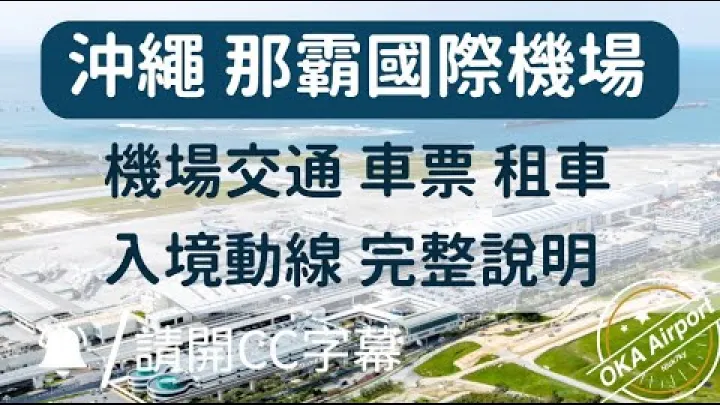
Naha Airport is the main air gateway for Okinawa’s main island and the usual starting point for visitors arriving by air. From there, your accommodation area determines whether the most convenient onward journey is by Yui Rail, bus, taxi, or a prearranged transfer. Consider luggage, check-in timing, and your first planned activity rather than choosing transport by price alone.
Naha’s port is another gateway for ferry travel to selected islands and other destinations. Ferry plans require more attention to departure location, luggage, weather, and operator conditions than a simple city transfer. If you are moving between air and sea travel, leave enough room for the transfer and avoid treating the port and airport as interchangeable arrival points.
Use the Yui Rail for the Urban Core
The Okinawa Urban Monorail, commonly called the Yui Rail, is the main no-car link between the airport corridor, central Naha, and Shuri. It is particularly useful when your hotel is near a station and your plans focus on downtown shopping, Omoromachi, or the Shuri area. It also avoids some of the uncertainty of road traffic during busy periods.

The network is linear, so it does not reach every neighborhood or every attraction directly. You may still need a walk, bus, or taxi for the last part of a journey, especially with luggage or in hot weather. If you are comparing a single ticket with a pass, check the current fare structure and operating information for your travel dates instead of assuming that a pass will always save money.
Combine Buses, Taxis, and Walking
Inner-city buses fill many of the gaps outside the direct monorail corridor. The Kotsu Okinawa Naha map is useful for understanding how local bus routes serve neighborhoods beyond the rail line. Route details, stops, and departure patterns can be less intuitive for a first-time visitor, so allow extra time when using a bus for an important connection.
A simple decision rule is:
- Use the Yui Rail for airport, central Naha, Omoromachi, and Shuri journeys that line up with stations.
- Use a bus when the destination is outside the direct monorail corridor and the route is clear.
- Use a taxi for luggage, late returns, short point-to-point trips, or groups that can share the fare.
- Walk between linked central districts when the weather, hills, and your energy level make it comfortable.
Kokusai-dori can have traffic restrictions, pedestrian-priority periods, or bus rerouting associated with events and local conditions. Check current transport notices before fixing daily departure times around that street.
When to Rent a Car, Bicycle, or Motorcycle
A rental car is optional for a Naha-focused stay. The city’s monorail, buses, taxis, and central walking routes can cover many common first-time plans, and avoiding a car can simplify parking and urban navigation. Renting only for the Naha portion may add cost without adding much freedom.
A vehicle becomes more useful when your itinerary includes distant beaches, northern Okinawa, rural areas, several bases, or places that are poorly connected by public transport. Decide based on the complete route rather than a general rule that Okinawa always requires a car. Bicycles and electric-assist options can supplement short urban trips, but heat, hills, rain, luggage, and road conditions make them a poor complete solution for every visitor.
Best Things to Do in Naha
Naha’s main attractions are easy to combine by theme and neighborhood. The Japan Guide overview is a useful starting point for the city’s main castle, garden, museum, and neighborhood attractions, but a good itinerary should also leave time for food and unplanned exploration.
Shuri Castle and Shuri Heritage
Shuri Castle is the central heritage anchor for understanding Naha’s historic identity and the former Ryukyu Kingdom. The experience is broader than a single building: castle grounds, gates, walls, approaches, viewpoints, and the surrounding Shuri district all help explain how the former royal center was organized.

The main hall reconstruction has made the visitor experience subject to change. A current Japan Guide overview describes the site in the context of reconstruction, but the official visitor information should determine what is accessible when you go. Pair the visit with a walk through Shuri or a nearby cultural stop, and allow for slopes and a slower pace rather than treating the castle as a quick photo stop.
Markets, Shopping Streets, and Tsuboya
Makishi Public Market and the surrounding covered arcades introduce a practical side of Naha’s food culture. You can browse produce, seafood, pork products, snacks, souvenirs, and everyday goods, then continue toward Kokusai-dori for restaurants and broader shopping. The area works best as a neighborhood cluster rather than a list of isolated stops.
Approach the market as a working commercial space. Ask before photographing people or private activity, keep walkways clear, and confirm the price and service arrangement before ordering when a market meal involves several steps. Tsuboya adds a quieter cultural layer to the same general central area, particularly for visitors interested in traditional pottery and small neighborhood streets. Check which shops or facilities are open as part of your route planning.
Museums, Gardens, and Cultural Context
The Okinawa Prefectural Museum and Art Museum is a useful choice when you want more background than a shopping street can provide. Its combination of history, culture, natural history, and art can help connect the city’s contemporary life with Okinawa’s distinctive past and environment.
Shikinaen offers a garden-based alternative, while smaller temples, gardens, and cultural sites can fill a half-day for travelers who have already seen the main commercial areas. Museums, covered arcades, and flexible dining are also valuable choices during rain or the hottest part of the day. Group sites by district and confirm hours, admission arrangements, and holiday closures in the same planning check used for other attractions.
Naminoue Beach and the Urban Coast
Naminoue Beach is a convenient city-based coastal stop for travelers without a car or with only a short amount of free time. It can fit between central sightseeing, a meal, or an airport-related transfer, making it a practical complement to cultural activities.
Set expectations carefully: an urban beach is not the same experience as a remote island or a dedicated resort coast. Use it for a swim when permitted, a short rest, or a coastal view rather than planning an entire Okinawa holiday around it. Posted guidance and current local conditions should determine whether swimming and other beach activities are appropriate.
When to Visit Naha
The best time for Naha depends on whether you prioritize swimming, comfortable walking, lower pressure on the itinerary, or the chance to spend most of the day outdoors. Seasonal patterns are useful for planning, but they do not guarantee the conditions of a particular week.
Choose Between City Comfort, Beach Weather, and Winter Mildness
Hot and humid periods can suit travelers who want marine activities and beach time, but they can make long walks, hills, and crowded streets tiring. Milder periods are often more comfortable for Shuri, museums, markets, and neighborhood walks, although sea temperatures and personal swimming preferences vary.
For a city-focused Naha trip, choose dates based on your tolerance for heat, your need for outdoor flexibility, and your accommodation budget. If swimming is essential, prioritize conditions that suit the water activities you want. If culture and food are the main goals, a milder period may offer a more comfortable balance even when beach time is less important.
Rainy Season and Typhoon-Season Planning
Rain and tropical storms can affect flights, ferries, buses, monorail services, roads, beaches, and marine activities. This matters most when Naha is only one link in a larger route, because a delayed ferry or flight can affect accommodation and onward plans.
Build an itinerary with indoor alternatives and avoid making every day depend on one outdoor activity. Flexible accommodation arrangements and spare time are more valuable when your route includes islands, ferries, or tight connections. Seasonal labels describe broad patterns, not a forecast for your travel week, so choose a plan that can absorb a change of weather.
Build Weather-Proof Days and Pack for Conditions
Pair outdoor visits with options such as the Okinawa Prefectural Museum and Art Museum, Makishi’s covered arcades, markets, and flexible restaurant plans. Naha’s compact urban geography makes it possible to replace a beach visit with a museum or move a neighborhood walk to another part of the day rather than losing the entire day.
Pack light clothing, sun protection, comfortable walking shoes, rain protection, and a small bag for keeping essential items dry. A light layer can also help in air-conditioned interiors or during cooler and windy conditions. Plan demanding outdoor activities for the part of the day that best matches your energy and the conditions you encounter.
Sample Naha Itineraries by Trip Length
Use these routes as flexible blocks, not fixed schedules. Travel time, meal breaks, weather, luggage, and attraction access should decide the final order.
A One-Day Naha Itinerary
Start in Shuri for the castle grounds and nearby heritage landscape. This gives the day a clear historical focus before moving toward central Naha. Continue with Makishi Public Market, the covered arcades, and Kokusai-dori for food, shopping, and an evening atmosphere. Keep the two main blocks separate so you are not crossing the city repeatedly.
Add Naminoue Beach only if the weather, timing, and energy allow. If rain affects the outdoor plan, replace the beach or part of the Shuri walk with the Okinawa Prefectural Museum and Art Museum or more time in the covered central streets. If your arrival is delayed, reduce the route to either Shuri or the central market area rather than trying to complete every stop.
A Two- to Three-Day Naha Itinerary
For two days, give one block to Shuri heritage and another to central Naha. The central day can combine Makishi Public Market, Tsuboya, Kokusai-dori, and a meal without requiring a long transfer between every stop. A museum visit can replace part of either day when the weather is poor or when you want more historical context.
With three days, add the Okinawa Prefectural Museum and Art Museum, Shikinaen, Naminoue Beach, or a slower neighborhood and food period. You do not need to add a major attraction to every available hour. Keeping one flexible block allows time for rest, shopping, a longer meal, or a change caused by rain. Remove or reorder blocks by district so the itinerary remains practical rather than overpacked.
Use Naha Before or After Island and Main-Island Travel
Naha can be a useful first base after an international or domestic arrival, and a useful final base before departure or after returning from another island. It gives you a place to manage luggage, check in, eat, and recover before or after a more demanding route. It is also a sensible alternative to moving directly from the airport to a distant resort when you want a gentler start.
Protect a flexible buffer before flights, ferries, and onward connections. Confirm the current connection status before departure, especially when weather or an operator change could affect the next part of your trip. If a connection is important, keep essential documents and medicines accessible and avoid scheduling a major attraction immediately before leaving the city.
Costs, Bookings, and Practical Trip Logistics
Naha can fit different budgets, but accommodation, season, dining choices, and transport style create large differences. Plan by category first, then use current prices for the dates and properties you are considering.
Estimate Costs by Travel Style
Build your Naha budget around these categories:
- Accommodation: Compare hostels, business hotels, apartments, and higher-end properties by district, room type, season, and cancellation terms.
- Food: Allow for a mix of market food, casual restaurants, cafés, and occasional higher-cost meals. Dining near the busiest tourist streets may offer convenience but not always the same value as exploring side streets.
- Local transport: Include airport transfers, monorail or bus fares, taxis, and any passes only after checking the current fare structure.
- Admissions: Set aside money for castles, museums, gardens, and other paid sites, while remembering that some neighborhood walks and beach visits may not require an admission fee.
- Optional travel: Day trips, ferries, rental cars, fuel, parking, and organized activities can become the largest additions to a city-stay budget.
This framework remains useful when prices change. Keep fixed published charges separate from personal spending choices, and compare the total cost of a convenient hotel with the transport and taxi costs created by a cheaper but less connected location.
Check Hours, Closures, Tickets, and Reconstruction Updates
Attractions in Naha can have different opening days, holiday schedules, admission arrangements, temporary closures, and reconstruction updates. This is particularly important for Shuri Castle, museums, gardens, markets, beaches, special events, and any activity that requires a timed entry or reservation.
Before visiting, check the current official page for the attraction, transport operator, or event. Do the same immediately before a travel day if your plans depend on a ferry, a special event, or a connection during a busy holiday period. Accommodation should be booked early when your dates are fixed or demand is high, but do not assume that every activity requires advance booking; follow the current instructions for the specific venue.
Use Official Visitor Information and Plan Payments
The official Naha tourism association’s Naha Navi website and the Naha City Tourist Information Center can help with maps, brochures, events, attractions, and local orientation. Visitor materials may be available in several languages, which can be useful when comparing neighborhoods or understanding a local event close to your trip.
Plan a practical mix of payment methods. Some travelers use cards for hotels and larger businesses while keeping another option for smaller purchases, transport, markets, or places with different payment policies. Do not assume that every venue accepts the same method, and keep important booking details and accommodation contact information accessible even if your phone connection is unreliable.
Safety and Contingency Planning in Naha
Naha is an orderly urban destination, but a comfortable trip still depends on ordinary city awareness. The most useful safety planning is specific: protect valuables, respect local spaces, understand beach and road conditions, and know where to obtain current assistance.
Everyday City Safety and Situational Awareness
Use normal precautions in crowded markets, nightlife areas, stations, public transport, and busy shopping streets. Keep valuables secure, avoid leaving bags unattended, and check your belongings when moving through crowded spaces. If you drink, keep your return route and accommodation details available rather than relying on memory late at night.
Show respect in residential neighborhoods, cultural sites, beaches, and local businesses. Keep noise low near homes, follow photography guidance, and do not block narrow streets or shop entrances. If you rent a vehicle, secure belongings and follow the rental company’s instructions. These simple habits are more useful than assuming that any city is completely risk-free.
Respond to Typhoons and Major Travel Disruptions
When a typhoon or severe weather event is active, flights, ferries, buses, the monorail, roads, beaches, and marine activities may be disrupted. Monitor current official weather and disaster alerts, follow instructions from your accommodation and local authorities, and remain in a secure place when advised. Do not go to the coast or continue marine activities merely because conditions were calm earlier.
Contact the airline, ferry company, or other transport provider about cancellations and rebooking rather than going to a closed or suspended departure point without confirmation. Keep essential medicines, identification, payment methods, a phone charger, water, and important booking information accessible. If a disruption affects your departure, ask your accommodation about extending your stay or finding a safe alternative. Treat the sea, beaches, and exposed roads as off-limits until current guidance confirms that conditions are safe.
Beach, Road, and Emergency Basics
At Naminoue Beach or any other coast, use designated swimming areas and follow posted beach guidance. Take currents, waves, weather changes, and swimming restrictions seriously, even when the water looks calm. Do not enter the water outside permitted areas or ignore lifeguard, facility, or local-authority instructions.
Japan drives on the left. Before renting a car or motorcycle, confirm that your licence and any required documentation are accepted by the rental company, understand the controls, and allow for dense urban roads and unfamiliar intersections. Choose public transport or a taxi when driving would add stress, particularly after a long flight or during difficult conditions.
Save the emergency contacts provided by your accommodation and locate current emergency information through official Naha or Okinawa government channels. For urgent assistance, use Japan’s police, fire, and ambulance services, and ask accommodation staff or the Naha City Tourist Information Center for multilingual guidance when the situation is not immediately life-threatening. Keep the rental company’s accident procedure and your travel insurance details available if you are driving.
Final Takeaways for Planning a Naha Trip
Naha is a worthwhile part of a first Okinawa trip when you want history, food, museums, shopping, and easy urban logistics alongside beach or island travel. Choose Kokusai-dori or Makishi for central energy, Shuri for heritage and quieter evenings, Omoromachi and Shintoshin for modern comfort, or Oroku for airport convenience. A one-day visit covers the main contrasts, while two or three days allow a more relaxed combination of Shuri, central Naha, museums, gardens, and the urban coast. Plan transport around the Yui Rail, buses, walking, and taxis, and let current access, weather, and connection information shape the final details.
Select area
Create a post
Posting is free and no registration is required.