Tokyo Where to Stay: Best Areas and Accommodation Guide
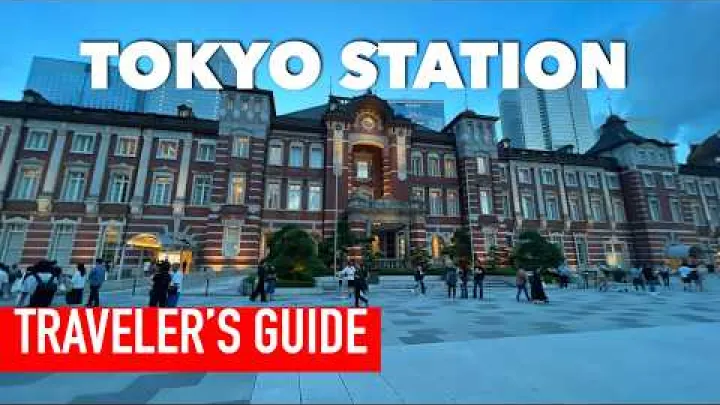
Tokyo is a collection of distinct city centers rather than one compact downtown, so the best place to stay depends on how you plan to spend each day. Shinjuku is a strong default for first-time visitors who want extensive rail access, dining, and activity, while Asakusa suits travelers who prefer traditional surroundings and a calmer evening setting. Other bases, including Shibuya, Ueno, Ginza, Tokyo Station, Ikebukuro, and Odaiba, become more suitable when transport, family space, nightlife, budget, or a specific cultural interest matters most. This guide compares Tokyo neighborhoods, accommodation types, booking checks, and arrival logistics so you can choose a base that fits your actual itinerary.
Quick Answer: Where to Stay in Tokyo
There is no single best area for every Tokyo trip. The right choice is the district that reduces the most important daily inconvenience, whether that is changing trains, finding family-sized rooms, reaching an early departure, or being close to the atmosphere you want after sightseeing.
The Best Default Base for First-Time Visitors
For many first-time visitors, Shinjuku is the most practical all-round base. Shinjuku Station connects with several major rail routes, and the surrounding area offers a very large choice of restaurants, shops, department stores, convenience stores, and entertainment. It is useful when your itinerary spreads across western Tokyo, central Tokyo, and popular areas such as Shibuya and Harajuku. The trade-off is that the station and nearby commercial streets can feel intense, and some east-side streets remain active late into the evening.
Asakusa is the contrasting default. It places you near Senso-ji, Kaminarimon, Nakamise, and the Sumida River, giving the stay a more traditional Tokyo setting. Its accommodation inventory is often worth investigating when value and atmosphere matter more than being close to every western district. Choose Shinjuku when movement and choice are your priorities; choose Asakusa when cultural surroundings, a slower evening, and potentially more budget-oriented lodging are more important. In either case, compare current availability only after deciding which trade-off suits you.
Choose by Your Main Travel Priority
Use this short comparison as a first decision, then read the detailed area descriptions below. Cost levels are relative and can change with dates, room type, events, and demand.
| Priority | Areas to investigate | Main advantage | Main trade-off |
|---|---|---|---|
| Broad sightseeing | Shinjuku | Rail access, dining, shopping | Busy streets and a large station |
| Traditional atmosphere and value | Asakusa or Ueno | Temples, parks, museums, varied lodging | Longer travel to some western areas |
| Intercity rail | Tokyo Station or Marunouchi | Convenient for Shinkansen departures | Often a higher cost level |
| Fashion and contemporary culture | Shibuya | Shopping, cafés, youth culture, nightlife | Crowds and demand-sensitive rates |
| Family facilities and waterfront space | Odaiba | Open promenades, entertainment, larger facilities | More travel to inner-city sights |
| Nightlife | Shinjuku or Roppongi | Late dining and entertainment nearby | More activity, noise, and venue-specific concerns |
How to Choose a Tokyo Base
A neighborhood name is only the beginning of the decision. Two hotels described as being in the same area can have very different station routes, room sizes, evening environments, and access to food or supermarkets. Choose the daily experience first, then compare individual properties.
Start with Rail Access and Your Daily Routes
Tokyo is polycentric, so several station areas can function as a practical center for visitors. The JR Yamanote Line and major subway stations form useful access anchors, but the most important question is not whether a hotel is in a famous ward. It is whether the particular station, exit, and route serve the places you will visit most often.
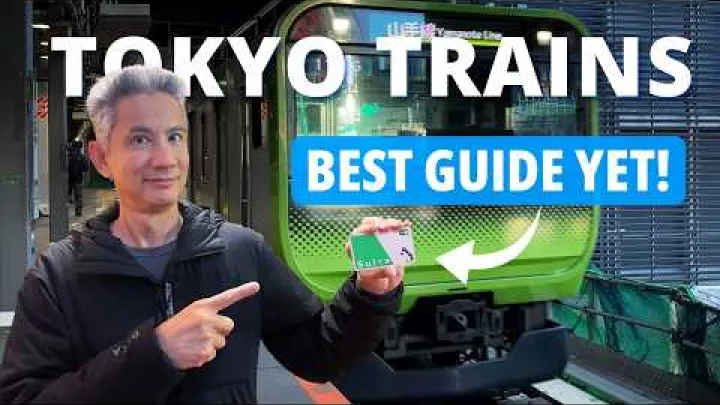
Before selecting a base, group your plans into three categories: arrival and departure, the sightseeing cluster you will visit most, and any regional rail journey. A hotel that looks slightly cheaper may require repeated transfers or a long walk with luggage. Conversely, a property a few stops from a landmark may be easier if it gives you a simple route to several parts of the city. Check the actual operator, transfer points, station entrances, and service conditions for your dates instead of relying on a generic travel-time claim.
Balance Price Against Time, Space, and Neighborhood Atmosphere
Compare accommodation using broad levels rather than permanent nightly prices. Lower-cost options are often worth investigating in eastern areas such as Asakusa, Ueno, Akihabara, and Ikebukuro. Ginza, Tokyo Station, Shibuya, and other central luxury zones often have a higher cost level, particularly when location and full service are part of the offer. These are general patterns, not guarantees for a particular date.
Value also includes the time and space you receive. A compact room beside a convenient station may suit a short sightseeing stay, while a larger room with a kitchen, dining area, or laundry can be more useful for a family or a longer visit. Consider transport, meals, laundry, and the effort of moving bags when comparing the total usefulness of a room. If you use a live booking example, record the dates, room type, occupancy, payment terms, and cancellation conditions because a headline rate without those details is not a reliable comparison.
Check Walkability, Noise, and Evening Feel
Station-centered Tokyo is convenient for restaurants, convenience stores, pharmacies, and everyday services. However, a broad district is rarely uniform. A nightlife corridor can feel very different from a business street, temple edge, park side, or residential lane a short distance away. The word quiet should therefore be measured against your needs: a couple may accept restaurant activity, while a family with an early start may need a room away from late-night roads.
Look at the exact hotel street and nearby venues on a map. Read recent accommodation reviews for comments about street noise, construction, walls, and room orientation, and request a room away from nightlife-facing roads when possible. Also consider the route you will use after dark, the location of convenience stores, and whether the entrance is easy to identify. These details can matter more than the district name.
Match the Base to Trip Length and Travel Party
For a short visit, a well-connected base usually saves time that would otherwise be spent packing, checking in, or crossing the city. A longer stay gives you more reason to prioritize a particular atmosphere, a larger room, a supermarket, laundry, or an apartment-style layout. One convenient base is often simpler than changing hotels simply to experience another neighborhood.
Solo travelers may value a compact room, social common areas, and easy evening dining. Couples may prefer atmosphere, privacy, and a walkable restaurant area. Families and older travelers may need elevators, manageable station routes, seating, early dining, luggage storage, and space to rest during the day. Remote workers or business visitors should also consider a proper desk, reliable connectivity, laundry, and a commute that does not depend on several difficult transfers. Treat these room and facility needs separately from the neighborhood's image.
Best Tokyo Areas for First-Time Visitors
The following four areas cover the most common first-trip choices. They are not ranked in every category; each solves a different travel problem.
Shinjuku: The Hyper-Connected All-Rounder
Shinjuku works well when you want a broad choice of transport, restaurants, shopping, and entertainment close to your accommodation. Shinjuku Station is a major rail hub for reaching western Tokyo and connecting with central districts. Nearby attractions include Shinjuku Gyoen, while the station area provides many practical services for travelers who do not want to plan every meal or activity in advance.
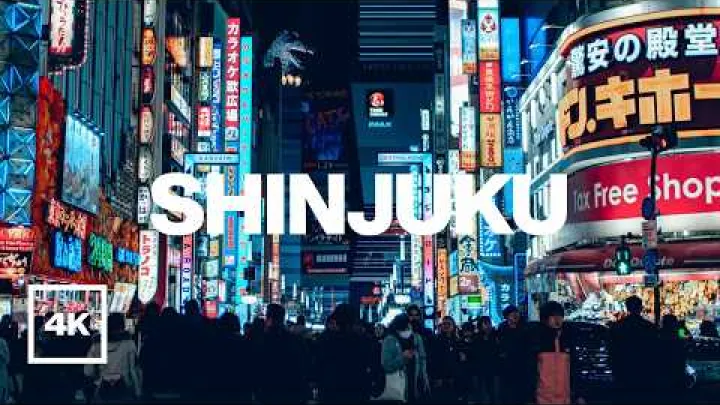
The important distinction is between the sides of the station. The west and south sides include business, hotel, and commercial areas that can feel more orderly or less nightlife-focused, while the east side includes busier streets around Kabukicho and Golden Gai. This does not make the whole area the same in character. A hotel outside the core nightlife streets can preserve the convenience of Shinjuku while offering a more suitable evening environment for couples, families, or early risers.
Choose Shinjuku if you want a lively, flexible base and expect to visit several different parts of Tokyo. Choose another area if a traditional setting, open space, or a calmer street immediately outside the hotel is more important than maximum central activity.
Shibuya: Youth Culture, Fashion, and Major Crowds
Shibuya is a strong base for fashion, contemporary culture, shopping, cafés, and nightlife. Shibuya Scramble Crossing and Hachiko provide recognizable local anchors, while Shibuya Sky, Harajuku, Yoyogi Park, and Aoyama create a larger cluster of places to explore. Travelers interested in current Tokyo street culture may enjoy being close to this energy rather than visiting only for an afternoon.
The same concentration creates a more intense daily environment. Pedestrian flows around the station can be dense, demand can raise accommodation costs, and a hotel that appears close on a map may still involve crowded crossings or a complicated station exit. Check the practical hotel-to-station route and decide whether your party is comfortable carrying luggage or returning through busy streets.
Shibuya is best for travelers who want fashion, cafés, nightlife, and a contemporary atmosphere at the center of the stay. If you like Shibuya's attractions but prefer a slower base, consider staying in another well-connected neighborhood and visiting Shibuya during the day. This can provide a better balance between access and rest without giving up the district's main experiences.
Ginza and Tokyo Station-Marunouchi: Upscale Centrality and Rail Convenience
Ginza and Tokyo Station-Marunouchi are adjacent central choices, but they are not identical. Ginza is associated with department stores, boutiques, restaurants, galleries, and Kabukiza. Tokyo Station and Marunouchi are especially practical for intercity rail, business travel, and travelers with early Shinkansen departures. Marunouchi also offers a polished business and shopping environment close to the station.
These areas suit travelers who value centrality, a refined setting, or repeated rail departures more than the lowest accommodation cost. Some streets can feel comparatively calm outside their busiest business periods, but the experience varies by block and hotel. A central address also does not automatically produce the simplest airport route or the easiest connection to every attraction, so match the base to your actual schedule.
Choose Ginza for shopping, dining, galleries, and a polished central stay. Choose Tokyo Station-Marunouchi when intercity rail is a major part of the plan or when reducing the morning journey to a train departure is worth paying for. For a standard sightseeing itinerary without those priorities, compare them with Shinjuku, Ueno, and Asakusa rather than assuming the most central-looking map location is best.
Asakusa and Ueno: Traditional Atmosphere, Parks, and Value
Asakusa gives a first visit a strong sense of traditional Tokyo. Senso-ji, Kaminarimon, Nakamise, and the Sumida River shape the local atmosphere, and the area is appealing for travelers who enjoy walking among temples, older streets, and waterfront scenery. Evening activity is generally more temple- and restaurant-centered than club-centered, although the exact hotel street still matters.
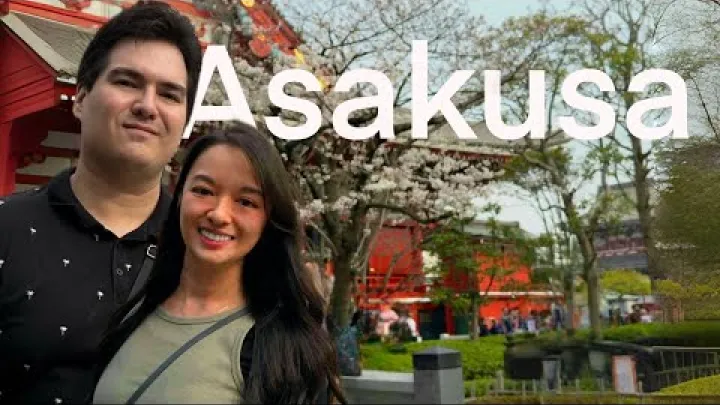
Ueno has a different identity. Ueno Park, museums, Ueno Zoo, and Ameya-Yokocho create a mix of culture, open space, shopping, and everyday city life. Nearby Yanaka adds another slower-paced area to explore. Ueno can be particularly useful for visitors who want museums and parks, while Asakusa is stronger for a traditional setting and landmark atmosphere.
Both areas are worth investigating for families, museum visitors, and travelers looking for a potentially lower accommodation cost. Their trade-off is that journeys to western Tokyo districts may involve more time or transfers than a stay in Shinjuku or Shibuya. That is usually a manageable exchange when the local atmosphere and value are more important than being near every major shopping district.
More Tokyo Neighborhoods to Consider
These neighborhoods are more purpose-driven choices. They can be excellent bases when their identity or transport position matches your itinerary, but they are not necessary additions to every first-time trip.
Akihabara: Anime, Games, Electronics, and Central Budget Options
Akihabara Station and Electric Town are the natural choice for visitors interested in anime, manga, gaming, electronics, arcades, themed cafés, and related pop culture. Staying nearby lets you explore the district at different times of day without making a special return journey. Business hotels, capsule hotels, and other compact accommodation can be found around Akihabara, Kanda, and neighboring central areas.
Akihabara's main strength is its distinctive otaku culture and central position. Its weaker side is that travelers seeking temples, large parks, or waterfront walks may find fewer of those experiences directly outside the hotel. Shop and venue opening patterns also affect how lively the area feels at night, so it should not be treated as a generic best area for every visitor.
Choose Akihabara when the district itself is a major reason for the trip, or when compact central lodging and rail access suit your plans. If you only want to visit Electric Town once, staying elsewhere may give you a more varied neighborhood experience.
Ikebukuro: Practical Rail Access and Budget-Oriented Lodging
Ikebukuro Station is a major northwestern rail hub with extensive shopping, dining, entertainment, and a broad accommodation inventory. It can work well for travelers who want practical transport and many everyday choices without staying in one of Tokyo's most iconic sightseeing districts. Apartment-style hotels and budget properties can also make the area useful for longer stays, groups, or visitors who prioritize usable space.
Rates are highly date-dependent. One KAYAK listing has illustrated this variation with an example monthly average of about 61 US dollars per night in August compared with about 127 US dollars in March. Those figures are not a fixed Ikebukuro rate or a promise of availability; they depend on the listing, dates, room type, occupancy, and booking conditions. Open the accommodation results for your dates and compare the final room details rather than using a monthly average as a budget guarantee.
Ikebukuro's practical strengths come with a weaker traditional and waterfront identity than Asakusa or Odaiba. Do not judge the whole area by its station name or by subjective reputations. Inspect the exact hotel location, access route, and current reviews to see whether the property suits your preferred evening and daily routine.
Roppongi and Minato: Art, Luxury, Business, and Nightlife
Roppongi is useful for travelers interested in art, design, international dining, luxury shopping, business activity, and nightlife. Roppongi Hills and Tokyo Midtown provide large mixed-use complexes, while museums and fine-dining venues make the area relevant during the day as well as at night. It is a good fit when these experiences are central to the trip rather than incidental.
Minato is broader than Roppongi's bar and club streets. Hotels around Shiodome, Hamamatsucho, Shiba Park, and other parts of the ward can offer a different balance of business access, open space, and transport. This distinction matters if you want Minato's central position or views but do not want to be directly beside concentrated nightlife.
Roppongi is usually less suitable for travelers seeking the lowest price or the quietest streets. Select it for art, luxury, business, or nightlife priorities, and compare the exact node within Minato rather than applying Roppongi's reputation to the entire ward.
Odaiba and Tokyo Bay: Waterfront Hotels and Resort-Style Facilities
Odaiba and Tokyo Bay suit travelers who value waterfront promenades, Rainbow Bridge views, shopping, museums, event venues, and family entertainment. The open setting can feel very different from the dense streets around Shinjuku or Shibuya. Waterfront full-service hotels may also offer larger facilities, pools, spas, restaurants, and leisure features that are useful for couples and families.
Access depends on the Yurikamome Line, the Rinkai Line, and other current bay-area connections, so the transport pattern is part of the choice. Odaiba is not the most direct base for every inner-city sightseeing plan, and the extra travel can become tiring if most of your itinerary is elsewhere. At the same time, calling it inconvenient for every visitor would be misleading when the bay attractions are central to the trip.
Choose Odaiba when a waterfront or resort-style stay is itself part of the experience. Do not select it only because one room appears cheaper than a central alternative. Compare the facilities you will actually use with the additional daily travel and the route to your arrival airport.
Where to Stay in Tokyo by Travel Priority
Once you understand the neighborhood personalities, use your main travel priority to narrow the choice. A priority-based decision is more reliable than choosing a district only because it appears frequently in hotel searches.
Best for First-Time Sightseeing
For the broadest first-time itinerary, start with Shinjuku. It combines extensive rail access with dining, shopping, and a lively city experience, making it a flexible choice when your plans include several sides of Tokyo. Its trade-off is the intensity of the station area and the need to choose the immediate hotel surroundings carefully.
Choose Asakusa if you want the traditional setting to be part of the stay, or Ueno if parks, museums, and everyday transport are more important. These bases can make mornings and evenings feel more connected to cultural surroundings, while trips to western districts may be longer. Ginza or Tokyo Station-Marunouchi is suitable when a polished central setting or intercity rail is more important than budget. You do not need to sleep beside every landmark: Tokyo's rail network allows a well-chosen base to support a varied itinerary.
Best for Airports, Shinkansen, and Day Trips
For frequent intercity rail, Tokyo Station and Marunouchi are the clearest choices because they reduce the practical problem of reaching repeated departures. Ueno can be worth comparing for certain northern journeys or when the Keisei Skyliner fits your Narita Airport plan. For Haneda-focused convenience, look at Hamamatsucho, Shiba Park, or an airport hotel, depending on whether the priority is sightseeing or a simple final departure.
Airport convenience depends on the terminal, arrival or departure time, luggage, current services, and number of transfers. A single day trip usually does not justify moving away from your preferred sightseeing base, especially when changing hotels creates its own work. Paying more for a transport hub may be worthwhile when you have several early departures, heavy luggage, or a tight schedule. For one occasional journey, compare the actual route before paying a location premium.
Best for Families, Space, and Quieter Nights
Asakusa and Ueno are strong starting points for families who value parks, museums, accessible dining, and a less nightlife-focused setting. Ginza and Marunouchi can provide centrality and polished facilities, although the cost level may be higher. Odaiba is attractive when waterfront space, family entertainment, and larger full-service facilities are more important than quick access to inner-city neighborhoods.
Quieter should be understood as relative to the busier parts of Shinjuku, Shibuya, or Roppongi, not as a promise of silence. Families should compare apartment-style rooms, laundry, kitchens, dining space, bed arrangements, and rest areas with the hotel street itself. Stroller handling, elevator access, station crossings, luggage, nearby food at an early hour, and the ability to return for a midday break may matter more than being beside a famous attraction.
Best for Budget, Nightlife, and Contemporary Culture
| Travel priority | Areas to investigate | Choose when | Trade-off |
|---|---|---|---|
| Budget-oriented stay | Asakusa, Ueno, Ikebukuro, Akihabara | You value room rate or practical inventory | May trade centrality, space, or atmosphere |
| Nightlife | Shinjuku, Shibuya, Roppongi | Late dining and entertainment are central | More crowds, activity, and varied street feel |
| Contemporary culture | Shibuya, Akihabara | You want fashion, gaming, cafés, or pop culture | Less traditional or slower-paced surroundings |
Low price is not automatically good value. Add the practical cost of transport, meals, laundry, limited room space, noise, and restrictive cancellation terms to your comparison. Likewise, nightlife access is not the same as suitability for every traveler. Select the area that supports the hours and atmosphere you actually want, then compare specific accommodation rather than relying on a district-wide label.
Accommodation Types and Booking Strategy
Tokyo has accommodation for short city breaks, business trips, family holidays, long stays, and experience-focused travel. The most useful question is what the room and property need to do for you, not simply whether it is called a hotel.
Hotels and Business Hotels
Hotels are the most flexible option for short and standard sightseeing stays. Luxury hotels emphasize service, facilities, and a central or distinctive setting. Boutique properties focus more on design and character, while business hotels often prioritize efficient rooms, practical locations, and predictable services. The best category depends on how much time you will spend in the room and how much value you place on service or space.
Before booking, compare:
- Bed configuration and maximum occupancy
- Room dimensions and space for open luggage
- Walking distance to the relevant station and exit
- Luggage storage before check-in or after check-out
- Breakfast, laundry, desk space, and other included facilities
- Payment timing and cancellation conditions
A business hotel can be excellent value for a visitor who spends most days outside, but less suitable for a family needing shared space or a remote worker needing a comfortable desk. Choose based on the room's practical use rather than the category's marketing language.
Hostels and Capsule Hotels
Hostels and capsule hotels suit solo travelers, short stays, and visitors who place low cost or social facilities above private space. They can make it easier to meet other travelers and may be located near major stations. A capsule can provide a private sleeping compartment without offering a conventional private room, so the distinction matters when you are comparing comfort.
Check whether bathrooms are shared, how much storage is provided, whether large luggage can be kept securely, and how quiet the sleeping area is. Also review access hours, sleeping arrangements, age or gender policies, and recent cleanliness comments. Women-only and design-focused options exist, but policies and room layouts differ by property. Do not assume every capsule or hostel provides the same privacy, locker size, or social environment.
Serviced Apartments and Apartment-Style Hotels
Serviced apartments and apartment-style hotels are useful for families, groups, longer stays, and travelers who value a kitchen, dining area, washing machine, or more usable floor space. A higher nightly rate can be worthwhile when several people share the room, prepare some meals, and avoid repeated trips to a laundromat. These properties can also support remote workers or visitors staying in Tokyo for several weeks.
Compare the usable layout rather than only the headline price. Confirm occupancy limits, bed arrangements, kitchen equipment, laundry access, cleaning frequency, extra cleaning charges, deposits, and whether the listed rate includes all required facilities. An apartment-style hotel and a private short-term rental are not automatically subject to the same operating conditions, so treat them as different booking categories and review the property information carefully.
Ryokan and Waterfront Full-Service Hotels
A ryokan is an experience choice rather than simply a different room price. Depending on the property, it may involve tatami rooms, traditional service, Japanese meals, and bathing routines. This can add cultural depth to a Tokyo trip, but not every property marketed as traditional follows the same room layout, meal pattern, or bathing customs.
Waterfront full-service hotels around Tokyo Bay offer a different kind of immersion, with views, promenades, pools, spas, restaurants, and resort-style facilities. They can work well for families, couples, and leisure stays that include time at the property. The trade-off for both a ryokan and a bay hotel is that the experience may be farther from a central rail hub. Check whether meals, baths, views, pools, and other facilities are included in the selected rate before treating the property as an upgrade.
Safety, Night Movement, and Booking Checks
Good base selection separates ordinary movement through a station area from risks connected with particular venues or unclear accommodation listings. Use measured judgment: a convenient neighborhood is not risk-free, and a nightlife district is not defined only by its late-night businesses. The exact street, property, route, and behavior matter.
Everyday Safety and Nightlife-Specific Caution
Tokyo is widely experienced as manageable for ordinary travel, but situation-specific risks can arise around bars, clubs, touts, heavy drinking, crowded streets, and unfamiliar venues. Kabukicho, parts of Roppongi, Shibuya nightlife corridors, and similar areas should not be assigned a blanket district ranking. Instead, distinguish normal station-area movement from a late-night decision to enter a particular establishment. Specific guidance for walking around Kabukicho, including caution late at night, is discussed by Japan Travel NAVITIME.
Practical habits are simple. Refuse unsolicited invitations from street touts, stay with companions when appropriate, protect drinks and belongings, and leave if a venue's prices, location, or conditions are unclear. Use only venues whose prices and location are clear, especially when someone approaches you rather than you choosing the venue yourself. If the late-night environment does not match your comfort level, select a hotel outside the most concentrated nightlife streets and return by a straightforward route.
Verify the Property, Total Cost, and Location Before Booking
Compare the final payable total, not only the first rate shown in a search result. Check applicable tax, deposits, cleaning charges, service charges, payment timing, cancellation conditions, and the facilities included in the selected room. Tokyo's official GO TOKYO accommodation guidance explains the range of lodging categories and provides context for accommodation requirements and tax-related checks.
Private lodging requires an additional legal check. The listing should provide current registration or permit information where required. If the information is missing, unclear, or inconsistent with the address, ask the platform or host for clarification before payment rather than assuming that an attractive price confirms compliance. This check is separate from personal preferences such as décor, view, or breakfast.
Make the following basic checks before completing a reservation:
- Confirm the full address, property name, and contact method.
- Match the advertised room with the number of guests and beds.
- Check luggage storage, check-in hours, and late-arrival instructions.
- Compare the final total and cancellation terms on the payment page.
- Read recent reviews for issues that affect your needs, such as cleanliness, noise, or access.
Arrival, Transport, and Final Base-Selection Checklist
Transport should be part of the base decision from the beginning, not a problem solved after booking. The most attractive sightseeing neighborhood may be less suitable if your flight arrives late, your departure is very early, or you have several rail journeys with large bags.
Plan Around Haneda or Narita
Start with the actual airport, terminal, arrival time, departure time, and luggage. Haneda-focused travelers can compare central locations around Hamamatsucho, Shiba Park, and nearby Minato areas with a final-night airport hotel. Narita arrivals may make Ueno or Asakusa worth comparing when the Keisei Skyliner fits the intended route, while Shinjuku or Shibuya may still be preferable when the main value is immediate access to western Tokyo. The official GO TOKYO guide is a useful city-level starting point for attractions, hotels, and transport information.
Check the current airport route, service hours, transfers, luggage handling, and station accessibility for the actual flight time. A route that is simple during the day may be less comfortable after a late arrival, and a transfer can be difficult with several bags. Also decide whether airport convenience is needed for the first night, the final night, or the entire stay. An airport hotel may simplify a very early departure, but it also creates a cost and sightseeing trade-off.
Plan Around Shinkansen and Intercity Travel
Tokyo Station and Marunouchi are the clearest named anchors for travelers taking frequent Shinkansen or other intercity trains. Staying nearby can reduce the morning transfer and make repeated departures easier, especially when luggage or an early schedule is involved. The benefit is less compelling when you are taking only one occasional day trip and strongly prefer another neighborhood's atmosphere.
Confirm the correct departure station, train operator, departure schedule, and practical platform access before booking. Being generally central is not enough if the train leaves from a different station or if the walk through a large station is difficult with bags. Compare the price of a rail-hub hotel with the effort of one transfer from your preferred sightseeing base, and pay a location premium only when the repeated convenience has real value.
Use the Station Area, Not Just the District Name
A Tokyo district label can cover several station exits, commercial zones, residential streets, and nightlife corridors. The final choice should therefore be based on the exact hotel address and the practical route from the relevant station. A property described as near Shinjuku, Ueno, or Asakusa may still be on the far side of a large station or require a route that is awkward with luggage.
Use a live map to check the station exit, sidewalk route, crossings, slopes, escalators, elevators, and building entrance. Look at the route at the scale you will actually walk, and use recent reviews to identify access issues that a map pin does not show. Before booking, ask:
- Which station and exit will I use most often?
- Can I follow a simple, luggage-friendly route to the entrance?
- Is the building entrance clearly identified and open at my arrival time?
- Does the walking route work for a stroller, mobility need, or heavy bags?
- Does this location fit the destinations I will visit most frequently?
Choose One Base or Split the Stay
One base is usually the simplest choice for a short Tokyo visit. It avoids packing, check-in, check-out, storage, and luggage transfers, and most major neighborhoods are reachable for a day visit. A split stay becomes worthwhile when the change creates a meaningful contrast or solves a real logistics problem, such as combining a central city experience with Asakusa or Tokyo Bay, or ending near an airport for an unusually early departure.
Use a simple rule: change hotels only when the second base offers an experience or transport advantage that you cannot reasonably obtain by train. Consider trip length, luggage, mobility, check-in and check-out times, storage, and the time spent transferring between properties. For many travelers, one well-located room in Shinjuku, Asakusa, Ueno, or another suitable base will provide more usable holiday time than a split stay chosen only to collect neighborhood names.
Conclusion: Choose the Right Tokyo Base
For a quick default, choose Shinjuku for broad rail access and an active all-round stay, or Asakusa for traditional surroundings and a potentially better value balance. Choose Ueno for parks and museums, Shibuya for contemporary culture, Ginza or Tokyo Station-Marunouchi for polished centrality and intercity rail, Ikebukuro or Akihabara for practical or interest-led stays, Roppongi for art and nightlife, and Odaiba for waterfront facilities. The best place to stay in Tokyo is ultimately the one that matches your daily routes, room needs, evening atmosphere, and arrival plan. Once you have selected the base, compare the exact station area and complete property, cost, and transport checks before booking.
Select area
Create a post
Posting is free and no registration is required.