Tokyo Travel Guide: Plan Your First Trip to Japan's Capital

Tokyo is easier to enjoy when you plan it as a group of connected neighborhoods rather than as one compact city center. This Tokyo travel guide explains how the main districts fit together, how to travel from Haneda or Narita, where to stay, what to budget, and how to organize a first visit. You will also find practical guidance on seasons, trip length, neighborhood-based itineraries, safety, and everyday etiquette. Use it as a planning framework, then adjust each day to your interests, arrival time, and travel pace.
Tokyo at a Glance for First-Time Visitors
Tokyo combines historic areas, major commercial centers, waterfront attractions, gardens, museums, nightlife, and residential neighborhoods across a very large urban area. The official GO TOKYO visitor guide is useful for checking the broad range of attractions and visitor services available across the city. For a first trip, the most important decision is not how to see everything, but how to group places so that each day has a sensible geographic shape.
What Makes Tokyo Different from a Single-Center City
Tokyo does not work like a city where most sights surround one central square. It has several major hubs, including Shinjuku, Shibuya, Tokyo Station, Ueno, and Ikebukuro, with distinct streets and activities around each station. A day that looks short on a map can become tiring when it includes a long train ride, a large station transfer, several station exits, and substantial walking after arrival.
Think of every destination as more than a name. The useful location is usually a station, the correct exit, the street or attraction beyond that exit, and the walking route between nearby places. Shibuya Station, for example, is not a single small point; it is a large complex connected to different lines and surrounding commercial areas. The same principle applies to Shinjuku and Tokyo Station.
A successful first Tokyo trip therefore starts with a few practical choices: which districts match your interests, which area will be your base, how much time you want to spend in transit, which season suits your plans, and how much flexibility you need for weather or fatigue. Once those decisions are clear, attractions and restaurants are much easier to place into an itinerary.
Fit Tokyo into a Wider Japan Trip
Tokyo can be the main destination for a short city break, a three-to-seven-day stay within a larger Japan itinerary, or the arrival and departure point for travel elsewhere in the country. If you are also visiting Kyoto, Osaka, or another region, count the time needed to reach a station, handle luggage, and make an intercity rail connection. A day that includes a long transfer between cities is not equivalent to a full sightseeing day in Tokyo.
Decide whether you want a Tokyo-focused visit or a broader Kanto plan. Yokohama can be a separate regional addition, while the Tokyo Disney Resort area is best treated as a dedicated theme-park destination rather than another central Tokyo neighborhood. Your arrival airport, departure airport, and any shinkansen plans should influence where you stay and how many usable days remain for central Tokyo.
Understand Tokyo's Layout and Main Districts
Tokyo becomes less confusing when you use a few station hubs as reference points and then explore each area on foot. The following districts are not a complete list of the city, but they cover many of the places first-time visitors consider.
Use the Yamanote Loop as a Mental Map
The JR Yamanote Line is a useful mental map for central Tokyo. It links familiar reference points such as Shinjuku, Shibuya, Tokyo Station, Ueno, and Ikebukuro in a loop, helping visitors understand how the western, central, and northern parts of the city relate to one another.
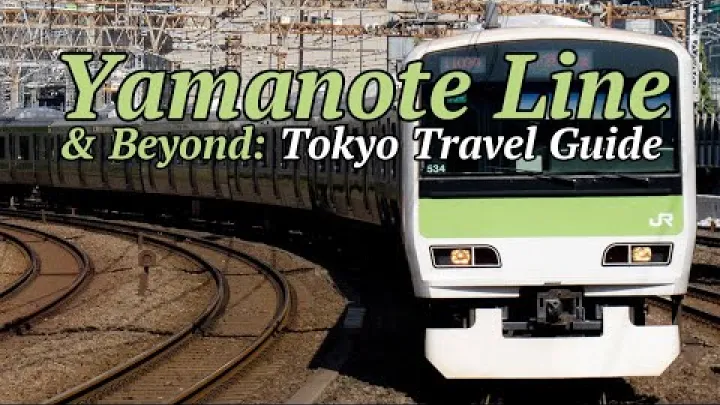
It is not a universal sightseeing route. Tokyo Metro and Toei Subway lines reach places that are not directly served by the Yamanote Line, and private railways connect the city with areas beyond the central loop. A route planner may therefore suggest a subway, private railway, or short walk instead of the line that looks most familiar on a tourist map.
When planning a journey, note the departure station, arrival station, operator, line color or name, and the most useful exit. Allow time for transfers inside major stations. A route that takes only a short time on the train can still require a substantial walk through a station complex and along busy streets before you reach the actual attraction.
Choose Districts by Atmosphere and Interests
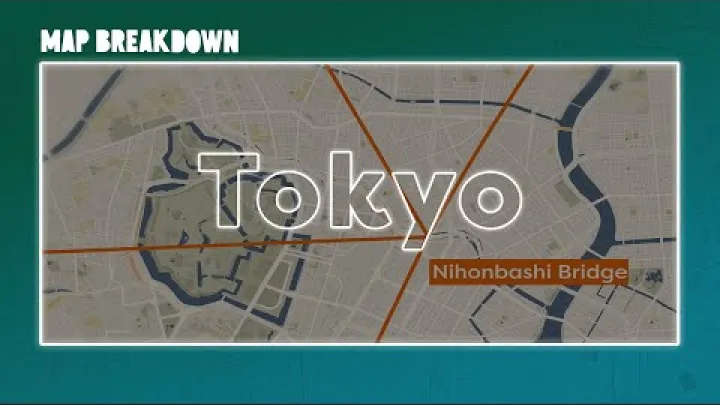
Choose a district because it fits the way you want to spend time, not simply because it contains a famous name. This compact comparison can help you create neighborhood clusters.
| District | Good fit for | Useful anchors |
|---|---|---|
| Shinjuku | Transport, shopping, dining, and nightlife | Shinjuku Gyoen National Garden |
| Shibuya | Contemporary city life, fashion, and evening energy | Harajuku and nearby western districts |
| Ginza and Marunouchi | Polished shopping, dining, and central access | Tokyo Station |
| Asakusa and Ueno | Historic atmosphere, temples, parks, and museums | Senso-ji and Ueno Park |
| Akihabara | Electronics, gaming, anime, and pop culture | Akihabara Station area |
| Roppongi | Art, dining, and selected evening activities | Museums and city views |
| Odaiba | Waterfront attractions and open urban spaces | Tokyo Bay area |
| Harajuku | Fashion, youth culture, shrines, and green space | Meiji Shrine and Yoyogi Park |
| Daikanyama and Nakameguro | Design, cafes, and slower neighborhood walks | Local streets and riverside areas |
These districts overlap in practical ways. Harajuku, Meiji Shrine, and Yoyogi Park can form one walking day before continuing toward Shibuya. Tokyo Station, Marunouchi, and Ginza work well together, while Asakusa and Ueno provide a different eastern Tokyo experience from the large western hubs.
Do not assume that a district's daytime atmosphere describes its entire evening character, or that a famous station is close to every attraction associated with its name. Use the district table to select themes, then check the walking distance and opening pattern of each specific place.
Getting to Tokyo and Getting Around
Tokyo's transport network is extensive, but first-time visitors usually have a better experience when they plan fewer, clearer movements instead of trying to master every line. Group nearby destinations, identify the operator for each journey, and treat station navigation as part of the travel time.
Choose Between Haneda and Narita Arrival Routes
Haneda Airport is generally closer to central Tokyo, while Narita Airport is farther from the main city centers and often involves a longer or more complicated transfer. That difference can affect your first evening, your final morning, and the best area for accommodation. An airport that looks convenient for the flight may not be the simplest choice for your hotel or onward journey.

Haneda has direct rail connections through the Keikyu Line and the Tokyo Monorail. The official Haneda Airport access information provides current route details for these services. For Narita, travelers commonly compare options such as the Narita Express and Keisei services, along with other rail or bus connections, according to their destination station and luggage needs.
Before booking accommodation, confirm the actual airport, terminal, arrival time, and current official transfer route. Also consider whether you will arrive during a busy period, carry large luggage, or need an easy route after a long flight. For an early departure, simple access and a manageable transfer may matter more than saving a small amount of money on the hotel.
Use Trains and Subways with Fewer Transfers
JR East is especially useful for travel between several major central hubs, while Tokyo Metro and Toei Subway cover many inner-city routes. Private railways connect western and southern districts with areas outside the central city, and buses fill gaps where rail access is less direct. No single operator covers the entire network.
Use a route planner together with an operator map, particularly for journeys that involve a transfer. The JR East station route maps can help you understand the role of JR stations and identify the right hub. When comparing results, look beyond the journey time: a route with one additional transfer may include a shorter walk, a more convenient exit, or less complicated luggage handling.
At large stations, follow signs carefully and allow time to find the correct platform. Confirm the destination direction and line before boarding, and save the name of your destination in Japanese characters when a place has several similarly named entrances or facilities.
Decide Between an IC Card and a Day Pass
An IC card is usually the simplest payment tool for many participating rail and bus services. Its main advantage is convenience: you do not need to calculate a separate ticket for every ordinary ride. Convenience does not automatically mean that it is the cheapest option, so it should be treated as a flexible payment method rather than a savings pass.
A day pass can make sense on a concentrated sightseeing day with several rides on the same covered operator or group of operators. Compare the planned journeys with the pass's actual coverage, exclusions, and conditions. A JR pass or JR ticket product is not automatically valid on Tokyo Metro, Toei Subway, or private railway services. Compare current operator fares and pass coverage before purchasing any pass.
Combine Rail with Walking, Buses, and Taxis
Walking is often the best way to explore one Tokyo district. A short neighborhood loop can connect a shrine, park, market street, shop, cafe, and restaurant more naturally than several separate train rides. It also helps you notice the quieter streets between major attractions.
Buses are useful when a rail station is not close to the final destination, although their routes may be less intuitive for a first visit. Taxis can be a sensible selective choice when you have heavy luggage, are traveling as a group, are returning late, or would otherwise make a difficult series of transfers. Compare the cost with the time and effort saved, and do not assume that late-night availability or fares will match daytime conditions.
Choose Where to Stay in Tokyo
The best place to stay in Tokyo depends on your daily route, airport, budget, and preferred evening atmosphere. A well-connected secondary hub can be more useful than a famous address if it gives you simple station access and nearby food or convenience services.
Compare the Best Base Areas
| Base area | Best for | Main advantage | Trade-off |
|---|---|---|---|
| Shinjuku | First-time visitors, nightlife, dining | Many rail connections and services | Large, busy station area |
| Shibuya | Fashion, contemporary city life | Access to Harajuku and Omotesando | Busy streets and high demand |
| Ginza or Tokyo Station | Polished surroundings and rail connections | Central location and intercity rail access | Can cost more, depending on dates |
| Asakusa | Traditional atmosphere and temples | Near Senso-ji and historic streets | Less central for some western districts |
| Ueno | Culture, museums, and practical access | Useful eastern hub and park area | Different atmosphere from Shibuya or Shinjuku |
| Kanda, Akihabara, or Ikebukuro | Value, specific interests, or alternatives | Good connections in selected locations | Choose the exact station carefully |
Shinjuku is a strong all-purpose base for travelers who want dining, shopping, nightlife, and transport options. Shibuya suits visitors who want a modern urban setting and easy access toward Harajuku, Omotesando, and nearby western areas. Ginza or Tokyo Station can be especially practical when polished surroundings or intercity rail connections are important.
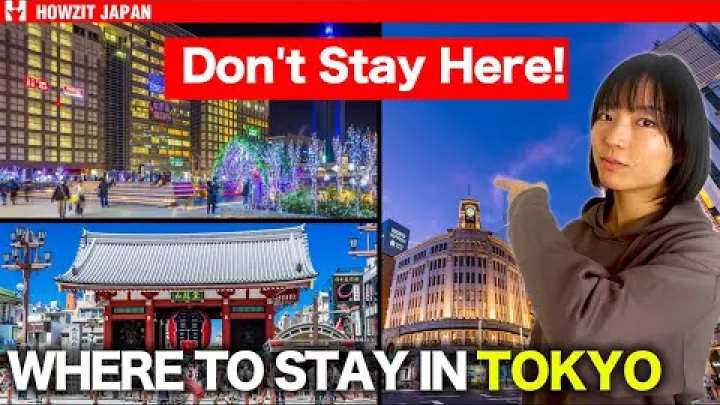
Asakusa and Ueno are useful choices for travelers who prefer temples, museums, parks, and a more traditional visual setting. They can also be practical alternatives to the most expensive central hubs, but the value and convenience of a property depend on its exact station and travel dates.
Match Your Base to Your Trip Style
For a first visit built around nightlife and major western districts, compare Shinjuku and Shibuya. For traditional streets and Senso-ji, Asakusa may be more appealing. For a plan that includes several shinkansen journeys, Tokyo Station or nearby Ginza can reduce the effort of reaching intercity rail.
Families and travelers with luggage may prefer a straightforward station route, a lift or escalator near the relevant exit, and nearby supermarkets or restaurants. Budget travelers should compare prominent hubs with less famous but well-connected areas such as Kanda or selected parts of Ikebukuro. The right base is the one that reduces repeated transfers for your actual itinerary, not the one that appears closest to every landmark.
Choose Accommodation Type and Room Expectations
Hostels can reduce accommodation costs and offer shared social spaces, while business hotels often focus on efficient private rooms and transport access. Mid-range hotels provide a balance of services and comfort, and full-service properties add amenities that may matter more for longer stays or special trips. Ryokan-style accommodation offers a different experience, sometimes with traditional rooms or bathing arrangements, but not every property provides the same level of service or meal format.
Room size and layout deserve attention when booking in Tokyo. Check the room dimensions, bed arrangement, bathroom type, luggage storage, check-in hours, and cancellation policy. A room that seems suitable for one traveler may feel crowded with two large suitcases, and a property near a station may still require a long walk from the most useful exit.
Accommodation prices in yen vary substantially by date, season, district, room type, and booking conditions. Use a date-specific search rather than treating a general online price band as guaranteed. Keep the room cost separate from your daily food, transport, attraction, and shopping budget.
Choose the Best Season and Trip Length
Tokyo is a year-round destination, but the best season depends on how much time you want to spend outdoors, your tolerance for heat or cold, and how much flexibility you have around popular travel periods.
Choose a Season for Your Priorities
Spring and autumn are popular choices for walking through parks, gardens, and historic neighborhoods because outdoor exploration can feel comfortable. Seasonal scenery is attractive, but cherry blossom and autumn foliage timing varies from year to year, so it should not be treated as guaranteed for a specific date.
Summer can bring heat, humidity, and rainy-season conditions that make long walking days more demanding. Winter is colder, but it can suit travelers who prefer museums, shopping, food-focused plans, and outdoor sightseeing on clear days. Tokyo remains workable in every season when you balance outdoor activities with indoor options and avoid making every day depend on one type of weather.
Plan Three, Five, or Seven Days
- Three days: Focus on three geographic clusters. One day can cover Meiji Shrine, Yoyogi Park, Harajuku, and Shibuya. Another can focus on Asakusa and Ueno. A central day can combine Tokyo Station, Marunouchi, Ginza, and an optional evening activity.
- Five days: Add a second visit to a preferred district, more museums or gardens, slower meals, and time for neighborhoods such as Daikanyama, Nakameguro, Akihabara, or Roppongi. This length gives you more room to change plans without abandoning a major part of the city.
- Seven days: Explore selected neighborhoods in greater depth, add one carefully chosen Kanto excursion, or keep rest and weather-flexibility blocks. If you are also visiting Kyoto or Osaka, compare the value of spending the extra days in Tokyo with the time required for another city.
These are planning frameworks, not promises that every landmark will fit. Arrival and departure days usually provide less sightseeing time than a full day, especially when airport transfers, luggage, check-in, or an intercity train are involved.
Build Flexibility for Weather and Peak Periods
Rain, heat, humidity, cold, poor visibility, or severe weather can change the experience of gardens, outdoor queues, viewpoints, and long walking routes. Avoid building a trip in which every day depends on a single outdoor attraction. Pair an outdoor plan with a nearby indoor alternative, such as a museum, shopping complex, food hall, or cultural venue.
Before each outdoor-heavy day, check the current forecast and official hazard alerts, and keep an indoor alternative ready. Also account for seasonal demand when deciding how early to reserve a popular experience. Flexible blocks are especially valuable when a view, garden, queue, or waterfront plan depends strongly on conditions.
Build a Neighborhood-Based Tokyo Itinerary
A neighborhood-based Tokyo itinerary reduces backtracking and leaves more time for meals, shopping, and unplanned discoveries. Start with one or two anchor experiences for each day, then add nearby options instead of filling every hour.
Create a Three-Day First-Timer Framework
Day one: Meiji Shrine, Yoyogi Park, Harajuku, and Shibuya. Begin with a major shrine and green space, then move through Harajuku before ending in Shibuya. This sequence combines cultural interest, walking, fashion, shops, cafes, and contemporary city scenery in the western part of central Tokyo.
Day two: Asakusa and Ueno. Start around Senso-ji and the surrounding historic streets, then continue toward Ueno for park space, museums, or another cultural activity. Leave room for a meal or slower neighborhood exploration rather than treating every stop as a timed appointment.
Day three: Tokyo Station, Marunouchi, Ginza, and an optional evening stop. Use the central district for architecture, shopping, dining, and a walk around the Imperial Palace area. If the group still has energy, add a planned evening meal or view in Roppongi instead of crossing the city repeatedly during the day.
Add Secondary Districts and Day Trips
Choose additions by interest. Akihabara suits electronics, gaming, anime, and other pop-culture interests. Ikebukuro offers another large shopping and entertainment hub. Odaiba works for travelers interested in waterfront attractions and open urban spaces. Daikanyama and Nakameguro are better choices for design, cafes, and a slower street-level experience.
Yokohama and the Tokyo Disney Resort area should be treated as optional Kanto additions, not essential central Tokyo neighborhoods. Select one only when the available time and transport effort fit your trip. A theme-park visit can occupy most of a day, while a regional excursion may be more rewarding for travelers who want a different city setting. Admission, reservation, and transport requirements also influence the choice.
Prevent Overplanning and Booking Problems
Common problems include underestimating station walking, putting distant districts on the same day, overlooking limited opening hours, and forgetting that some attractions or special experiences require reservations. Luggage can also make an arrival or departure day much slower than expected. Keep the first and last day lighter when possible.
Leave buffer time around major bookings and keep one flexible block for weather, fatigue, shopping, or an unexpected neighborhood discovery. Before finalizing the itinerary, verify venue hours, closures, and reservation rules on the official page for each booked or time-sensitive attraction. Treat map pins and travel blogs as planning ideas rather than proof that a venue will be open at the time you arrive.
Budget for Tokyo Without Guesswork
Tokyo travel costs are easier to control when you separate fixed bookings from flexible daily spending. Build the budget in yen for the dates you are actually traveling, then decide which experiences are essential and which can be changed.
Set a Daily Budget by Travel Style
Separate these categories before estimating a total: accommodation, food, local transport, attraction tickets, shopping, airport transfers, international flights, and intercity travel. A per-person daily estimate should not quietly include a double-occupancy room, a shinkansen ticket, or an international flight unless you label it clearly.
| Travel style | Usually prioritizes | Budget planning approach |
|---|---|---|
| Budget | Lower-cost rooms, casual meals, free sights | Use public transport and select paid attractions carefully |
| Mid-range | Private room, varied meals, regular admissions | Balance central access with date-specific accommodation prices |
| Comfort | More space, premium dining, taxis, special experiences | Reserve planned splurges and protect a flexible allowance |
These labels describe planning styles rather than fixed yen amounts. Recheck current yen prices for accommodation, meals, transport, and admissions before booking, and set a contingency amount for price changes, luggage, weather-related changes, or unexpected transport needs. Avoid fixed dollar conversions because exchange rates change.
Control Food and Transport Spending
Tokyo offers many levels of dining, from convenience stores and casual restaurants to specialist meals and higher-end dining. Plan a mix rather than assuming that every meal will have the same cost. Walking within one district can reduce routine transport use, while an IC card makes ordinary planned journeys easier to track.
Free or low-cost parks, shrines, neighborhood walks, and public spaces can balance paid museums, special exhibitions, observation decks, and other ticketed experiences. A simple daily worksheet can list the room share, meals, local transport, admissions, shopping, and a small flexible amount. Check the current fare, admission fee, and pass mathematics for each planned choice before claiming that a pass will save money.
Budget for High-Cost Choices
Some decisions can dominate the total cost of a Tokyo trip: a central or luxury hotel, upscale dining, extensive shopping, premium city views, a theme park, a Kanto day trip, or repeated airport transfers. Identify these as planned splurges instead of allowing them to appear as unplanned daily spending.
For example, a traveler might choose a modest room and casual meals in order to reserve money for a Tokyo Disney Resort visit. Another might prioritize a central hotel and restaurants while limiting shopping and paid viewpoints. Separating these choices makes the budget easier to adjust if weather changes a day trip or if luggage and transport require extra spending.
Stay Safe and Respect Tokyo's Everyday Norms
Tokyo travel generally benefits from the same awareness expected in any large city. Prepare for ordinary urban issues, respect local public behavior, and use extra care in nightlife settings without treating an entire district as unsafe.
Use Normal Urban Safety Precautions
The current Japan page from the U.S. Department of State advises travelers to exercise normal precautions. This is guidance for U.S. citizens, not a guarantee that every situation is risk-free; travelers from other countries should also read their own government's current advice and keep travel insurance information available.
Routine sightseeing calls for practical habits: stay aware in crowded stations, keep important documents and payment methods secure, and avoid displaying valuables unnecessarily. Nightlife areas such as Kabukicho, Roppongi, Shibuya, and Ikebukuro require particular care around unsolicited invitations, drinks, venue selection, and unfamiliar charges. These cautions concern specific situations, not a blanket judgment about every street or business in a district.
In nightlife districts, stay with trusted companions, use licensed venues, and keep drinks and valuables in sight. Be cautious when someone approaches you with an unexpected offer for a bar or club, and leave if the situation feels unclear or pressured. Plan how you will return to your accommodation rather than assuming that every late-night rail connection will be convenient.
Know What to Do in an Emergency
Prepare a small emergency checklist before departure. Save your accommodation name and address, keep copies of important documents, understand the hotel's emergency instructions, carry travel insurance details, and use a reliable way to receive current alerts. A written address can be useful when language assistance is limited or when you need to show your destination to staff.
The commonly used emergency numbers in Japan are 110 for police and 119 for fire or ambulance. Confirm the current instructions and language support available for your situation through official local guidance. Language assistance may not be immediate, so describe your location using a station, hotel, major intersection, or visible landmark when possible.
Earthquakes, typhoons, heat-related illness, and other hazards are reasons to follow official instructions rather than improvise during an active event. If an alert affects your area, prioritize shelter, communication, and directions from local authorities over continuing a sightseeing schedule.
Follow Common Public and Dining Etiquette
Small behaviors make public transport and shared spaces more comfortable. Keep phone calls quiet or avoid them on trains, queue where signs or other passengers indicate, and allow people to exit before boarding. Follow designated smoking rules, keep pathways clear, and avoid loud behavior in places where others are commuting or dining. The JNTO etiquette guidance offers a broader introduction to common Japanese customs.
Shoes may need to be removed in traditional accommodation, tatami rooms, some restaurants, temples, and other designated spaces. Follow the signs or the host's instructions. In a public bath, wash before entering the shared bath and keep towels out of the water; each facility may have additional rules, so observe the local practice.
A few simple expressions are useful. Sumimasen can help when asking for attention or apologizing, and arigato gozaimasu is a polite way to say thank you. You do not need an exhaustive list of rules. Watch how people around you behave, follow posted instructions, and ask respectfully when a custom is unclear.
Final Takeaway: Build Tokyo Around Neighborhoods
The most useful Tokyo travel guide is a planning tool, not a checklist of every famous attraction. Choose a base that fits your airport and priorities, group each day by neighborhood, use trains with realistic station time, and balance major sights with walking and flexible breaks. Budget in yen using your actual dates, prepare for seasonal conditions, and follow ordinary urban safety and etiquette. With that structure, a first trip can feel broad and varied without becoming a race across the city.
Select area
Create a post
Posting is free and no registration is required.