Kobe Travel Guide: Where to Stay, Transport & Things to Do

Kobe is a practical choice for travelers who want a Japanese city with a compact center, an international port history, nearby mountains, and access to hot spring areas. The city works as a day trip, an overnight stop, or a slower base within a wider Kansai itinerary. This Kobe travel guide explains when to visit, how to arrive, where to stay, how to move between districts, and how to plan your time. It also covers costs, reservations, food, weather flexibility, and basic safety.
Start Here: Is Kobe Right for Your Kansai Itinerary?
Kobe is easiest to plan when you treat the central city and its mountain or onsen extensions as related but different experiences. Start with the central corridor, then add one nearby theme that matches your time and interests.
What Makes Kobe Different from Osaka and Kyoto
Kobe is a port city set between the Rokko foothills and the sea. In a relatively compact central area, a traveler can move from Sannomiya and Motomachi to Nankinmachi Chinatown, the Former Foreign Settlement, Meriken Park, and Harborland. Farther north are Kitano and Shin-Kobe, while Nada, Mount Rokko, Mount Maya, and Arima Onsen provide different experiences outside the central sightseeing route.
That combination gives Kobe a distinct role in Kansai. Osaka is often chosen for its large-scale urban energy and broad dining scene, while Kyoto is known for its historic temples, gardens, and traditional districts. Kobe offers a medium-sized city experience with waterfront walks, port history, hillside streets, food, and access to nature. It is not simply a smaller version of either city.
Choose Kobe as a standalone destination if you want several kinds of sightseeing without long transfers across a large urban area. Choose an overnight stop if you want an evening harbor walk, a special meal, or an early start toward the mountains. The official VISIT KOBE guide is useful for checking the current range of named areas and experiences.
How Many Days to Spend in Kobe
One day is enough for a focused introduction to central Kobe. Begin around Sannomiya or Motomachi, walk through the Former Foreign Settlement and Nankinmachi, then continue south to Meriken Park and Harborland. This route gives you a mix of city streets, food, port views, and optional museums or observation attractions.
Two days are better if you want to add one outlying experience. You could combine Kitano with Nunobiki, spend time in the Nada sake district, choose a mountain viewpoint on Mount Rokko or Mount Maya, or make Arima Onsen the main focus of the second day. These options are not interchangeable:
- Kitano and Nunobiki: A convenient choice for hillside history, gardens, and a shorter city-edge excursion.
- Nada: A good fit for travelers interested in sake culture and brewery-related visits.
- Mount Rokko or Mount Maya: Better for broader mountain scenery, viewpoints, walking, and a more weather-dependent day.
- Arima Onsen: Best for bathing, a traditional mountain-town atmosphere, or a ryokan stay rather than only a city view.
A longer stay is useful when you prefer a slower pace, want both a central day and a mountain day, or plan regional trips from Kobe. Base the decision on your arrival and departure times, walking tolerance, luggage, and interest in hills or hot springs. A two-night stay with one flexible excursion is often more comfortable than trying to cover every named destination.
Choose the Best Time to Visit Kobe
The best season depends on whether you value comfortable walking, seasonal scenery, waterfront activities, or hot spring time. Kobe can work throughout the year, but weather and mountain conditions can change the practical shape of a day.
Kobe Weather by Season
Kobe generally has relatively mild winters, hot and humid summers, and a wetter period during the warmer months. Spring and autumn are often comfortable for walking through central districts and visiting elevated viewpoints. Summer plans need shade, indoor breaks, and attention to heat and humidity, while winter travelers should prepare for colder evenings and more exposed conditions on the hills.
Conditions are not identical across the city. Mount Rokko and Mount Maya can feel cooler and windier than central Kobe, and the waterfront can be more exposed than an inland street. The broad climate information from Climate to Travel is useful as background, but it should not replace a dated forecast for your actual travel dates.
Match Seasons to Sightseeing Priorities
Spring suits travelers who want long walking days and seasonal blossoms in parks, gardens, or hillside areas. Autumn is often a strong choice for foliage and clear-looking mountain scenery, although the most attractive weekends can be busy. Summer is suitable for waterfront walks and evening city views when you plan breaks indoors and avoid making every part of the day an exposed outdoor activity.
Winter can work well for a city-focused visit, warm meals, museums, and an Arima Onsen experience. Bring layers if you plan to stay out near the harbor after sunset or visit a mountain viewpoint. Seasonal festivals, illuminations, fireworks, blossom periods, and foliage conditions depend on the current calendar and weather, so treat them as possibilities rather than fixed features of every trip.
Crowds, Reservations, and Weather Flexibility
Demand can rise during blossom and foliage periods, public holidays, festivals, and other popular travel dates. The reservations most worth prioritizing are accommodation, a highly sought-after Kobe beef restaurant, a cruise with limited departures, and an Arima ryokan when your dates are fixed. Reserve these first, then leave less time-sensitive walks, shopping, and casual dining open.
Mountain and waterfront plans need a backup. Check the forecast and the official attraction or ropeway notices the day before a mountain or waterfront day. Keep an indoor alternative such as a museum, shopping arcade, covered dining area, or additional neighborhood walk. This approach protects the overall itinerary without requiring you to book every hour in advance.
Arrive in Kobe and Get Around Efficiently
Kobe has several gateways and several nearby station names. The best route depends on where you sleep and what you plan to do next, so identify your final transfer before choosing accommodation or reserving a timed activity.
Choose the Right Arrival Gateway
Shin-Kobe Station is the relevant gateway for shinkansen arrivals. It is north of the central Sannomiya and Motomachi area, so a hotel near Shin-Kobe is not the same choice as a hotel in the main downtown corridor. Shin-Kobe is also useful for Nunobiki connections.

Sannomiya is the main central orientation point for many first-time visitors. It is convenient for dining, shopping, Motomachi, Nankinmachi, the Former Foreign Settlement, and connections to other parts of Kobe. Kobe Station is a separate choice that can be convenient for Harborland, but it should not be confused with the cluster of Sannomiya stations.
Kobe Airport is the airport gateway for domestic air travel and connects with the city through the Port Liner. Kansai International Airport is a common arrival point for international travelers, but the final route into Kobe may involve a different combination of rail or bus services. Confirm whether your booked route ends at Shin-Kobe, Sannomiya, Kobe Station, or Kobe Airport, then map the last transfer before reserving a timed activity.
Exact fares, schedules, and transfer times can change. Use the current operator or route planner for your travel date rather than choosing a hotel on an assumed journey time.
Use Sannomiya as Your Transport Compass
On a map, think of Sannomiya as the center of the first-time visitor route. Kitano and Shin-Kobe are toward the hills, the harbor is to the south, Motomachi and Nankinmachi are to the west, and Nada is farther east. This simple orientation helps you group stops instead of crossing the city repeatedly.
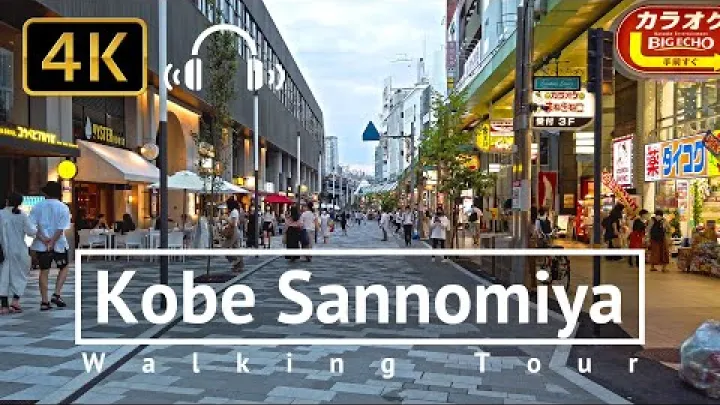
Pay attention to the exact station name. JR Sannomiya, Kobe-Sannomiya, and Sannomiya-Hanadokeimae belong to different transport systems or station areas. They are close in the broader downtown district, but a transfer may require street-level walking and careful signs. Search the complete station name shown in your route instructions.
Walking is practical along much of the central corridor, especially when combining Sannomiya, the Former Foreign Settlement, Motomachi, Nankinmachi, Meriken Park, and Harborland. Rail or bus services become more useful for Shin-Kobe, Nada, the mountains, Arima Onsen, and airport connections. Do not assume that two destinations are a short walk apart simply because both appear on a central Kobe map.
Choose Rail, Subway, Buses, and IC Cards
Use JR and private railways for regional journeys and for movement along the east-west corridor. The Kobe Municipal Subway is useful for selected city connections, while the Port Liner is particularly relevant to Kobe Airport and port-island journeys. Buses can help with attractions that sit uphill or away from a station.
For sightseeing, CITY LOOP and Port Loop may simplify movement between central districts and waterfront attractions. They can be useful when you want a sightseeing-oriented route rather than a series of station transfers. Check the current service area, operating period, and ticket conditions because sightseeing bus services are not the same as ordinary city transport.
An IC card is usually a convenient pay-as-you-go option for compatible trains and buses. A rail pass is worthwhile only when its included operators and routes match your actual itinerary. Compare the cost of the individual journeys you will take with the pass coverage instead of assuming that any pass is cheaper. The Hankyu Railway station reference can help with network orientation, but use the relevant operator for current fares, closures, and service conditions.
Plan Mountain and Onsen Connections
Nunobiki is the simplest mountain-edge option for many first-time visitors. From Shin-Kobe, the Kobe Nunobiki Herb Gardens and Ropeway create a city-edge excursion that can be combined with Kitano if your walking ability and the weather suit it. Mount Rokko and Mount Maya are broader mountain areas, with routes that may combine trains, buses, cable cars, or ropeways. Arima Onsen is a separate mountain-town segment reached from central Kobe through its own combination of services.
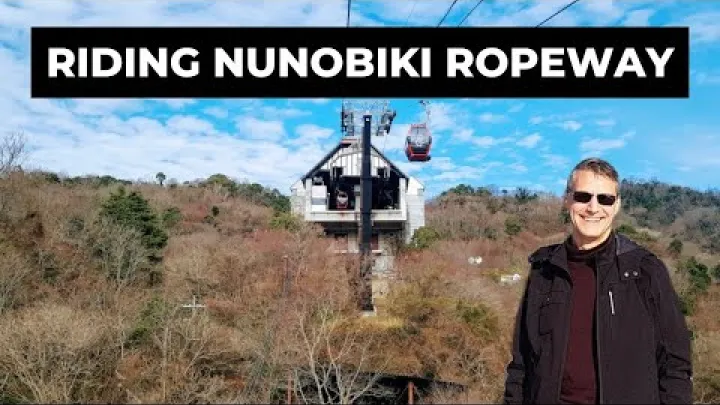
These connections should not be treated as one continuous all-day system. A cable car or ropeway may have a different timetable from the bus that connects to it, and the final return can matter more than the outbound journey. Before departure, verify the current timetable, closure day, last return, maintenance notices, and weather policy for every cable car, ropeway, and mountain bus you plan to use.
Choose the route by purpose. Nunobiki is suitable when you want a shorter hill or garden outing with a central-city base. Rokko or Maya is better when the mountain itself is a main destination and you can give it much of the day. Arima is the choice when bathing, a traditional lodging experience, or a slower mountain-town visit matters more than maximizing the number of Kobe attractions.
Understand Kobe's Districts and Choose Where to Stay
Kobe is long and relatively narrow, with the sea, urban center, and mountain foothills arranged in close parallel bands. Understanding this layout makes the choice of where to stay more important than choosing a hotel by city name alone.
Read Kobe's Map: Mountains, Center, Harbor, and East Kobe
The central first-time visitor area runs broadly from Sannomiya and Motomachi toward the harbor. Nankinmachi and the Former Foreign Settlement sit within this central sightseeing zone, while Meriken Park and Harborland extend the waterfront experience. Kitano and Shin-Kobe rise toward the hills, making them convenient for hillside heritage or Nunobiki but less central for evening dining in Motomachi.
Nada lies farther east and is best considered a separate district for a sake-focused visit. Mount Rokko, Mount Maya, and Arima Onsen are broader extensions of the Kobe destination rather than interchangeable central neighborhoods. They may be easy to reach in a planned excursion, but they are not all places to walk to from a downtown hotel.
Use a simple map rule: group central west, central east, waterfront, hillside, and mountain stops into separate blocks. This reduces backtracking and makes it easier to leave room for meals, shopping, and transport changes.
Stay in Sannomiya or Motomachi for the Best All-Round Base
Sannomiya is the strongest all-round base for travelers who value transport connections, a wide choice of dining, shopping, and access to several parts of the city. It is especially practical for a short stay, a regional itinerary, or a traveler who does not want to rely on one sightseeing bus route.
Motomachi suits travelers who prefer a more historic central setting close to Nankinmachi, the Former Foreign Settlement, and the waterfront walking route. It can make the central sightseeing sequence feel natural, while still keeping Sannomiya within reach.
- Choose Sannomiya for transport convenience, varied evening activity, and a practical base for rail connections.
- Choose Motomachi for central sightseeing, historic streets, Chinatown access, and a slightly different atmosphere.
- For a lower-cost or higher-comfort trip, compare the actual property location, not only the neighborhood label.
Do not rely on unsupported citywide hotel averages. Compare the room type, cancellation terms, station walking route, luggage storage, and access to your first planned activity. If a property is on a hill or several blocks from the station, check that route before booking.
Choose Harborland, Meriken Park, Kitano, or Shin-Kobe for Atmosphere
Harborland and Meriken Park are suitable for travelers who prioritize waterfront views, leisure facilities, cruises, and evening scenery. The trade-off is distance from the main cluster of central restaurants and some inland rail connections.
Kitano is a good match for historic Western-style residences, hillside streets, cafes, and a quieter atmosphere. Hills and slopes can make luggage movement and repeated evening returns less convenient. Shin-Kobe is useful for shinkansen access and Nunobiki connections, but it is not the same as being in the Sannomiya-Motomachi restaurant and shopping corridor.
Choose by priority rather than by attraction count. Harbor views, transport, heritage streets, quiet surroundings, and mountain access point to different bases. Check the walking route between the specific hotel and station; not every attraction in a named area is a short walk from every hotel there.
Add an Arima Onsen Stay When You Want a Mountain Retreat
Arima Onsen works best as an optional overnight extension for travelers who want hot springs, traditional lodging, and a compact mountain-town atmosphere. It changes the rhythm of the trip from central-city sightseeing to a slower stay where the lodging, meals, and bathing experience may become the main activities.
A ryokan night can be rewarding when you want a retreat, but it is less convenient than Sannomiya if your priority is regional rail travel, city restaurants, or several urban attractions. Staying in Arima also means planning around check-in and meal times rather than treating the town as an unstructured late arrival.
Before booking, confirm whether bathing is included, whether meals are required or optional, the check-in window, luggage handling, cancellation terms, and the transport route from your previous and next destinations. Arima is an optional mountain base, not the default choice for every Kobe itinerary.
Build a First-Time Kobe Itinerary
Build the itinerary geographically first and then add paid attractions. This keeps a short visit manageable and leaves space for meals, photographs, and changes in walking speed.
One Day: Central Kobe, Chinatown, and the Harbor
A one-day Kobe itinerary can follow a westward and southward route from the main central stations:
- Start in Sannomiya: Use the central station area as your orientation point and begin with the Former Foreign Settlement or nearby streets.
- Continue to Motomachi and Nankinmachi: Allow time for Chinatown food, shopping, and the surrounding commercial streets.
- Walk toward Meriken Park: Add the waterfront, Kobe Port Tower, the Kobe Maritime Museum, or the preserved earthquake memorial area according to your interest and available time.
- Finish at Harborland: Choose an evening walk, shopping, a meal, or a cruise if the current departure and weather suit your plan.
The route is flexible. Travelers who prefer museums can replace some shopping time with an indoor attraction. Travelers who prefer open space can keep the admission-based stops optional and spend longer along the harbor. If you arrive late, start at Motomachi and shorten the first section rather than trying to preserve every stop.
Two Days: Add Kitano, Nunobiki, Nada, or a Mountain Escape
Use the second day to select one main extension rather than attempting every outlying area. The easiest addition for a first visit is often Kitano and Nunobiki, which combine hillside history, gardens, and a city-edge mountain experience. This is a good choice when you want variety without committing the entire day to a distant excursion.
Choose Nada when sake culture is more important to you than a viewpoint. Choose Mount Rokko or Mount Maya when scenery, hiking, elevated views, or mountain cafes are the main goal. Treat either mountain as a substantial excursion, not a quick stop between central attractions. Choose Arima Onsen when bathing or a mountain-town atmosphere is the priority, especially if you are considering an overnight stay.
The best option depends on weather, walking ability, transport operation, and whether you want a half-day or full-day experience. A practical ranking is: Kitano and Nunobiki for lower effort, Nada for a focused cultural interest, Rokko or Maya for a dedicated nature day, and Arima for a hot spring experience. Keep only one major mountain or onsen extension in a busy two-day plan.
Use Kobe as a Base or a Day Trip from Osaka or Kyoto
A day trip from Osaka or Kyoto can work well when you want the central route and do not want to change hotels. It is particularly convenient if your wider itinerary already uses one of those cities as a base and you are comfortable returning after dinner.
| Option | Best when | Main trade-off |
|---|---|---|
| Overnight in Kobe | You want a slower evening, harbor views, a special meal, or a mountain start | Requires another hotel booking and luggage plan |
| Day trip from Osaka | You want central Kobe without changing your main base | Less flexibility for late dining or an early mountain excursion |
| Day trip from Kyoto | You are combining Kobe with a wider Kansai route | A longer regional day can reduce time for outlying Kobe areas |
Choose an overnight stay when the evening experience matters, when you want Kobe beef without watching the last return, or when you plan to leave early for Mount Rokko, Mount Maya, or Arima. A day trip is more suitable for a central-city overview. For any regional plan, check the current rail route, fare, and last-return option for your actual origin and destination.
Choose Kobe Experiences by Interest
Kobe's attractions are easier to select by theme than by a single ranked list. Pair one central theme with one optional extension and leave time for ordinary streets and meals.
Waterfront and Earthquake Memory
Meriken Park, Harborland, Kobe Port Tower, the Kobe Maritime Museum, the BE KOBE monument, and the preserved earthquake memorial area can form one connected waterfront experience. Together they show different sides of Kobe: maritime history, modern leisure, city views, public space, and remembrance of the 1995 earthquake.
Visit during the day if you want to combine the harbor with museums and a clear walking route. Visit later if evening scenery and waterfront atmosphere matter more. Admission-based attractions can remain optional, so the route still works if you prefer outdoor space or if a venue does not fit your schedule.
Check the current opening hours, admissions, last entry, and access for each attraction separately. Treat the earthquake memorial area respectfully. It is a place for learning and remembrance, not only a photo stop, and precise figures about damage or casualties should come from a dedicated authoritative source.
Port-City History: Kitano, the Former Foreign Settlement, and Nankinmachi
These areas explain Kobe's international port history through different streetscapes. Kitano presents former foreign residences and hillside heritage streets. The Former Foreign Settlement shows a different urban and commercial character in the central city. Nankinmachi is a busy Chinatown area known for food streets, shops, and commercial activity.
Do not blend the three into one attraction. Kitano is mainly a hillside heritage and walking experience, the Former Foreign Settlement is part of the central city fabric, and Nankinmachi is a lively food and shopping district. Together they work well for travelers who enjoy photography, cafes, architecture, shopping, and cultural observation.
Separate paid historic residences from public streets and commercial areas. Check individual venue hours and admission rules, especially if you want to enter specific houses. Kobe's identity has many influences, so avoid treating one neighborhood or one cultural history as a complete explanation of the city.
Food and Drink: Kobe Beef, Sake, and Everyday Eating
Kobe beef can be a memorable splurge, but it does not need to define your entire food budget. Central Kobe also offers casual restaurants, Nankinmachi food, cafes, bakeries, and everyday local dining. A balanced plan might include one carefully chosen premium meal and less expensive meals around it.
The Nada sake district is a separate experience from a Kobe beef dinner. Brewery museums, tasting facilities, and related visits can suit travelers interested in production and local drink culture. Plan it as an eastward district visit rather than assuming it belongs naturally on the central harbor route.
For high-demand restaurants, reserve when your dates are fixed and confirm the cancellation policy. Ask about set menus, minimum orders, payment methods, and dietary communication. If certification or provenance matters to you, ask the restaurant directly and use current venue information rather than relying on general claims. Restaurant quality and prices vary widely, so compare the actual menu with your budget.
Views, Nature, and Hot Springs
The Kobe Nunobiki Herb Gardens and Ropeway is a city-edge option linked with Shin-Kobe. It suits travelers who want gardens, elevated views, or a shorter nature outing without making the mountains the entire day. Mount Rokko and Mount Maya are broader mountain areas with more varied viewpoints, walking, cafes, and elevated city scenery.
Arima Onsen serves a different purpose. It is the choice for bathing, traditional lodging, and a compact hot spring town rather than only a lookout or garden. A short Nunobiki outing, a full Rokko or Maya day, and an overnight Arima stay should each be planned as different itinerary types.
Before visiting, check access arrangements, hiking restrictions, operating hours, bathing rules, and weather-related changes with the relevant venue or operator. Mountain plans need more time and weather awareness than central sightseeing. If conditions are poor, keep the central city or an indoor plan available rather than forcing an exposed viewpoint visit.
Budget and Booking Logistics
Kobe is easier to budget by travel style than by one citywide daily average. Separate fixed costs from optional experiences, then price the actual dates and venues you plan to use.
Estimate Daily Costs Without False Precision
Build your estimate from five categories: accommodation, meals, local transport, admissions, and optional splurges. Accommodation is usually the largest variable, and the total changes substantially between a simple room, a central hotel, a waterfront property, and an Arima ryokan.
- Lower-cost plan: Choose simple accommodation, casual meals, walking in the central districts, and only a small number of paid attractions.
- Comfortable plan: Use a central hotel, mix casual and sit-down meals, pay for selected attractions, and allow for several local transport journeys.
- Splurge plan: Add Kobe beef, a cruise, a premium hotel, or an Arima ryokan with meals and bathing.
These are planning profiles, not guaranteed citywide averages. When recording a budget, label every amount as per person, per room, or per activity. Recheck lodging, meals, passes, admissions, and cruises for your travel dates because prices and booking conditions can change. Walking can reduce transport costs, but mountain and onsen extensions may add separate fares and admissions.
Know What to Reserve Before You Arrive
Use this priority order:
- Accommodation: Reserve first when traveling during busy seasonal periods or when you want a specific central hotel or Arima ryokan.
- Arima lodging: Confirm check-in, meals, bathing access, luggage arrangements, and cancellation terms before committing.
- Popular restaurants and cruises: Reserve Kobe beef restaurants and limited-departure cruises when the experience is central to your trip.
- Timed attractions: Book only where a current venue requires or strongly benefits from a timed ticket.
Do not fill a short visit with fixed reservations. Leave arrival buffers, especially when changing from Shin-Kobe or an airport gateway to the central city. Keep weather-sensitive mountain activities flexible, and read cancellation terms before paying. Venue-specific booking rules take priority over general travel advice.
Make the Practical Details Easy
Before leaving your hotel, save the exact station names, venue addresses, current route information, and a backup route. This is especially helpful when a map lists JR Sannomiya, Kobe-Sannomiya, and Sannomiya-Hanadokeimae as separate locations.
- Keep an IC card ready for compatible transport and carry a simple plan for any fare or route that requires a separate ticket.
- Decide where to leave luggage before moving between a hotel, the harbor, a mountain area, or Arima.
- Check payment methods, opening hours, last entry, accessibility information, and reservation requirements for each individual venue.
- Save the final return route for any mountain or onsen excursion rather than planning only the outbound journey.
Do not assume that every shop, bus, attraction, or restaurant accepts the same payment method. Exact local names and short route descriptions are more reliable than translating a neighborhood name loosely.
Stay Safe and Travel Responsibly
Kobe is straightforward to explore, but its waterfront, hills, transport connections, and disaster history make basic preparation worthwhile. Use current official information when conditions or procedures matter.
Prepare for Earthquakes, Storms, and Mountain Conditions
Review current alerts, accommodation instructions, and official transport updates during an earthquake, storm, heavy rain event, or other disruption. A country-level travel advisory, such as the one published by the U.S. Department of State, can be one information checkpoint, but it does not replace local instructions or the advice of your own government.
Ask your accommodation about its evacuation and emergency instructions when you arrive. If an alert occurs, stop sightseeing and follow directions from local authorities, transport staff, or the property. Do not continue toward the waterfront, a mountain route, or a ropeway simply because it was part of your original plan.
Kobe's earthquake memorial sites can help visitors understand the city's history, but practical disaster awareness matters more than memorizing figures. Keep your phone charged, know where your accommodation is located, and allow for transport changes. Mountain routes, waterfront plans, and ropeway services may need to be abandoned when conditions deteriorate.
Respect Neighborhoods, Shrines, Baths, and Shared Spaces
Follow the rules of each place rather than assuming that one custom applies everywhere. At shrines and historic houses, keep voices low, stay on marked paths, and do not photograph areas where photography is restricted. In busy neighborhoods, do not block entrances, queues, narrow sidewalks, or residential access.
At an onsen, follow the facility's instructions about washing, towels, lockers, bathing, photography, and tattoo policies. Ask the facility directly if you have questions about accessibility, private bathing, or other needs. Restaurants should also receive direct information about allergies, dietary restrictions, and mobility requirements.
Use public bins where available, carry waste when necessary, and leave shared spaces clean. Consider residents when photographing streets or waiting outside popular venues. Quiet, clear, and considerate behavior helps protect the neighborhoods, heritage sites, and everyday businesses that make Kobe enjoyable to visit.
Conclusion: A Flexible Kobe Travel Plan
A strong Kobe travel plan starts with a central base, usually around Sannomiya or Motomachi, and then adds one clear theme: the harbor, port-city history, food and sake, gardens and views, mountains, or Arima Onsen. One day can cover the central corridor, while two days allow a carefully chosen extension. Check the actual arrival gateway, group destinations by district, reserve only high-priority experiences, and keep mountain or waterfront plans flexible. With those choices in place, Kobe can fit comfortably into a Kansai itinerary without feeling rushed.
Select area
Create a post
Posting is free and no registration is required.