Kobe Best Time to Visit: Weather, Seasons, and Monthly Guide
The best time to visit Kobe depends on whether you value cherry blossoms, comfortable walking weather, mountain scenery, or lower travel costs. For most travelers, late March to mid-April and October to November offer the strongest overall conditions, although each window has different crowd and price trade-offs. Kobe's coastal city center can also feel quite different from Mount Rokko and Arima Onsen. This guide explains Kobe weather by season and month, rainy-season and typhoon considerations, activity-specific timing, packing, and the difference between climate averages and a live forecast.
When Is the Best Time to Visit Kobe?
Kobe is a flexible destination because the central city combines waterfront walks, shopping, dining, museums, and cultural attractions with nearby mountain and hot-spring areas. The best broad travel windows are usually spring and autumn, but the right choice depends on your priorities and tolerance for crowds, heat, rain, or cold.
Best Overall Windows for Most Travelers
Late March to mid-April is a strong choice for travelers who want spring scenery and mild conditions for city walks. It is the main period to consider for cherry blossoms, but bloom dates vary from year to year. Popular seasonal viewing periods can also bring more visitors and stronger accommodation demand.
October to November is often the most balanced window for general sightseeing. Temperatures are more comfortable for walking than in summer, humidity is usually lower, and outdoor plans around the city, Mount Rokko, and Arima Onsen are attractive. Mountain areas can be cooler and windier than central Kobe, especially later in autumn, so a flexible layer is useful.
If you want the best combination of comfortable walking and fewer seasonal complications, choose October or November. Choose late March or early April instead when blossoms are a central part of the trip. Neither period guarantees clear skies, exact bloom dates, or identical conditions every year.
Best Windows for Lower Crowds or Lower Costs
January to February, the first part of June, and possibly mid-September can suit travelers who value quieter sightseeing or a better chance of finding lower accommodation rates. These are directional patterns, not guaranteed discounts. Weekends, holidays, events, booking time, and hotel location can change the final price.
| Travel window | Weather trade-off | Demand tendency | Best for |
|---|---|---|---|
| January to February | Cool, with cold nights and shorter days | Often quieter outside holiday dates | Budget-focused city trips and winter culture |
| First part of June | Warm, humid, and increasingly rainy | Often calmer than peak spring dates | Flexible travelers who accept rain |
| Mid-September | Still warm, with storm uncertainty | Possible shoulder-season value | Travelers prioritizing flexibility and lower demand |
Cherry blossom, autumn foliage, and major national holiday periods can make popular dates busier and more expensive. If price matters more than peak seasonal scenery, compare several weekdays and neighborhoods rather than assuming that one entire month is always the cheapest.
How Kobe's Climate Shapes a Visit
Kobe's coastal setting makes the central city convenient for sightseeing in many seasons, but conditions change with elevation and exposure. A day that feels comfortable around Sannomiya, Motomachi, or the port may feel colder, windier, wetter, or less visible on higher ground.
Coastal Kobe, Mount Rokko, and Arima Onsen
The central urban area, including Sannomiya and Motomachi, is where many visitors spend most of their time. The Kobe waterfront and port area can feel more exposed to wind, while the higher surroundings of Mount Rokko have cooler conditions and can develop cloud or reduced visibility that is not present downtown. Arima Onsen is also in a higher, more mountainous setting than the coastal core.

This difference matters when combining a harbor walk, central shopping, and a mountain excursion on the same day. A light city outfit may not be enough for an evening or outdoor stop at elevation. Rain can also affect mountain paths and local access differently from roads in the city center.
Before leaving central Kobe, check current Mount Rokko and Arima Onsen access information, transport operation, and trail conditions for the route you plan to use. Do not assume that the city-center weather or visibility describes the conditions uphill.
Rainy Season, Summer Heat, and Typhoon Risk
The Kansai rainy season generally runs from early June to around mid-July, although its start, end, and intensity vary by year. The season usually means a higher chance of repeated rain, cloud, and humidity, not rain without interruption every day. The broad timing is explained by Japan Guide.
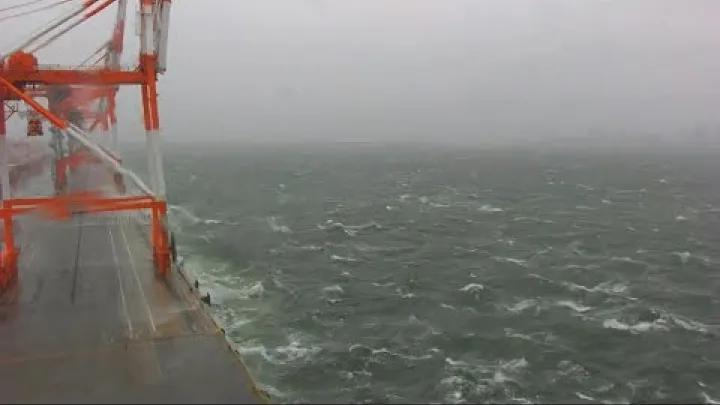
July and August are hotter and more humid than the rainy-season transition. Long walks, waterfront sightseeing, and mountain activities can become tiring more quickly, while heavy showers can interrupt an otherwise manageable day. Late summer and early autumn also have a greater possibility of typhoon-related disruption, including changes to transport, coastal plans, mountain visibility, or outdoor schedules.
For a day affected by persistent heavy rain or storm disruption, keep an indoor backup. Museums, indoor shopping, dining, and flexible time in central Kobe can preserve the value of the trip without forcing a harbor or mountain plan in poor conditions. Treat rainy-season timing and typhoon context as planning patterns, not as a prediction for your exact travel dates.
How to Read Kobe Climate Normals
Climate normals are long-term averages used to compare months. They help you choose a season, plan clothing, and understand when heat or rain is more likely, but they cannot predict the weather during one particular visit.
For a numerical comparison, use one consistent Kobe observation point and compare monthly mean air temperature, mean daily maximum temperature, and total precipitation. The Japan Meteorological Agency provides these monthly climate-statistics fields. Avoid combining rainfall totals from unrelated websites unless you know that the station, period, and measurement method are the same.
- Winter: The coolest part of the year, with generally lower rain totals than the rainy-season period and cold evenings.
- Spring: Temperatures rise steadily from March through May, while rainfall becomes a more important planning factor.
- Early summer: June is warmer and more humid, with rainy-season conditions often becoming more noticeable.
- High summer: July and August bring the strongest heat and humidity, with showers and storm-related uncertainty also relevant.
- Autumn: September can remain warm, while October and November usually move toward more comfortable walking conditions.
Use the reference period shown in the official table when comparing data. Kobe city averages should not be treated as measurements for Mount Rokko or northern Hyogo. Climate averages are for choosing a month; daily route decisions require a short-range forecast.
Kobe by Season
Each season gives Kobe a different balance of scenery, comfort, and planning flexibility. The following guide focuses on the city stay while noting when nearby highland areas may behave differently.
Spring: March to May
March is a cool transition month. Afternoons gradually become more comfortable, but mornings and evenings can still feel cold, particularly when a day includes an exposed waterfront or a higher excursion. Late March may bring the first cherry blossom opportunities, but the timing changes each year.
April is the main spring month for blossom-focused travel and mild sightseeing. Parks, shrines, city walks, and nearby viewpoints can be especially appealing, but the most attractive blossom dates may also be the busiest. May brings fresh greenery and generally comfortable conditions for cultural visits, shopping, dining, and walking after the main blossom period.
Spring is best understood as two choices: late March to early April for peak seasonal scenery, or May for a calmer trip with comfortable temperatures. Pack adjustable layers in March and early April, then a lighter jacket or overshirt for many May days. Rain gradually becomes a greater possibility as summer approaches.
Summer: June to August
June begins warm and becomes more humid as the rainy season develops. July is hotter and may still include heavy showers or lingering humid conditions. August is typically the hottest part of the year, so the same walking route can feel much more demanding than it would in spring or autumn.
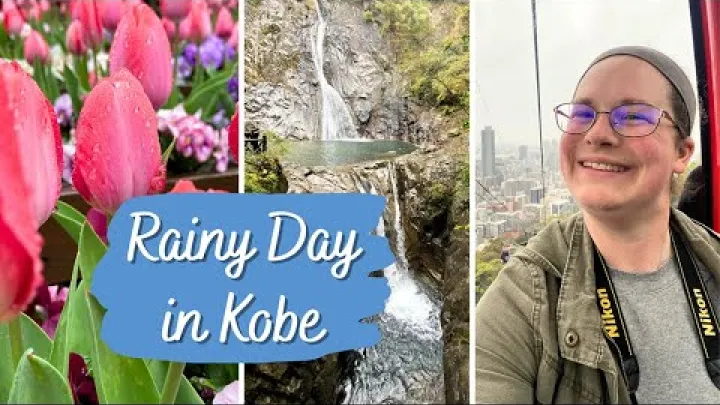
Summer can still work well for travelers interested in seasonal events, warm-weather waterfront plans, or an itinerary with plenty of indoor stops. Its success depends on how well you tolerate heat and how much flexibility you have when rain or storms affect outdoor plans. Confirm annual event dates separately if an event is a main reason for choosing summer.
Schedule strenuous outdoor activities for the morning or evening, keep the middle of the day for air-conditioned indoor activities, and take regular cool-down breaks. Light clothing, water, shade, and sun protection make long city days more manageable. Mountain plans may offer a different atmosphere from the city, but heat, humidity, rain, and visibility still need to be considered.
Autumn: September to November
September is still warm and can retain summer humidity. It may offer shoulder-season value, but late-summer or early-autumn storms create more uncertainty than in October or November. Travelers who want lower demand may accept this trade-off in exchange for more flexible planning.
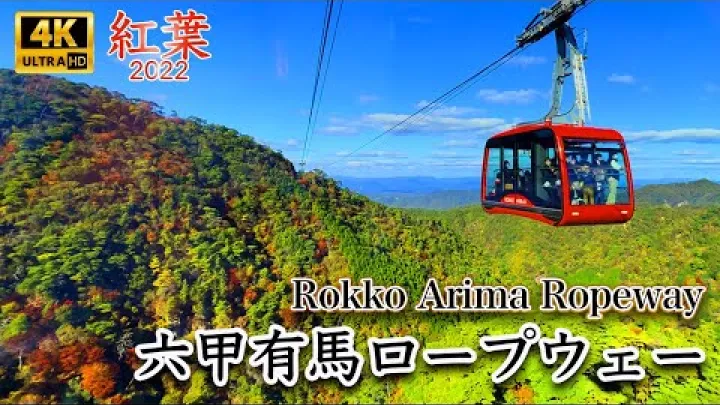
October and November are the strongest autumn months for comfortable walking, city culture, and outdoor excursions. Mount Rokko and the area around Arima Onsen can provide an autumn experience that differs from lower city locations because foliage timing changes with elevation. Higher areas may show seasonal color before the central urban area.
Peak foliage dates can increase visitor demand even though Kobe is often less crowded than the most famous foliage destinations nearby. November is excellent for travelers who want mountain scenery and cooler air, while October may offer a slightly warmer balance for extensive city walking. Neither month guarantees clear skies or fixed foliage dates.
Winter: December to February
Winter in central Kobe is cool and often more manageable for city sightseeing than the humid summer, provided you dress for cold mornings, evenings, and wind. December has shorter daylight and a gradual move into winter conditions. January and February are often quieter choices, but cold nights and reduced daylight can limit late outdoor plans.
Conditions above the city can be colder, and snow or more difficult winter weather is more relevant at higher elevations and elsewhere in Hyogo than in the central coastal area. Do not use a central Kobe forecast as a description of the whole prefecture.
Arima Onsen can be an appealing winter addition, and winter illuminations may be available in some years. Both seasonal attractions and schedules are date-dependent, so confirm current operating dates when building an itinerary. Winter may offer lower prices, but discounts depend on demand, holidays, weekends, and booking timing.
Kobe Weather Month by Month
This month-by-month guide gives a practical feel for Kobe weather rather than a promise about any specific year. It is useful for choosing a travel window and a basic packing plan.
January to March
January: Expect a cool, relatively dry winter feel and quieter sightseeing outside major holiday dates. A warm coat, layers, and protection from wind are useful for the waterfront and evening walks.
February: Conditions are similar to January, with cold mornings and evenings. Wind exposure can make the port area or Mount Rokko feel colder than sheltered streets around Sannomiya and Motomachi.
March: This is a transition month. Afternoons become milder, but nights remain cool, and blossom timing is not guaranteed. By late March, many visitors move from a heavy winter outfit toward a lighter jacket with layers underneath.
April to June
April: Mild conditions and the possibility of cherry blossoms make April visually attractive. Popular blossom dates may be busy, so travelers seeking a quieter experience can consider May. A light layer and rain protection are practical.
May: May is comfortable for general sightseeing and fresh greenery. The late-April to early-May national holiday period can increase demand even when the weather is favorable. Use light layers and keep a small rain layer available.
June: June is warm, increasingly humid, and often affected by the Kansai rainy season. It can be a useful shoulder period for flexible travelers, but an umbrella, wet-weather shoes, and indoor alternatives are more important than they are in May.
July to September
July: July is hot and humid, with lingering rainy-season patterns or heavy showers possible. Breathable clothing and a schedule that limits long exposed walks in the middle of the day are helpful.
August: August is typically the hottest month. Start outdoor sightseeing early, use indoor activities during the hottest hours, and allow more time for rest between stops. Waterfront plans may feel pleasant at the right time of day but uncomfortable during strong heat.
September: September remains warm, although comfort may gradually improve. Storm uncertainty continues into part of the month, so avoid building a short trip around one fixed mountain or coastal day. A light rain layer remains useful.
October to December
October: October is generally comfortable for walking, with lower humidity than summer. Light layers work well for the city, with an extra layer for evenings or a mountain visit.
November: November is a strong month for autumn foliage and outdoor excursions. Mount Rokko may change color before lower city locations, and the most scenic dates can be busier. Bring a warmer layer for elevated areas.
December: December is cooler and more winter-like, with shorter daylight. A coat and layered clothing are practical, especially for evening waterfront walks and visits to higher areas.
Best Time to Visit Kobe for Different Trip Styles
The ideal month changes when the main purpose of your trip changes. Kobe supports city culture in every season, but outdoor activities are more sensitive to heat, rain, wind, visibility, and elevation.
Cherry Blossoms, Gardens, and Culture
Choose late March to early April if cherry blossoms are the main goal. This is the best seasonal window to consider, but blossom dates shift with the year and the most popular viewing days can be crowded. Book early if your dates are fixed around the expected bloom period, while recognizing that no booking can guarantee the exact peak.
May, October, and November are better choices for travelers who want comfortable cultural sightseeing without depending on a particular blossom window. City walks, shrines, museums, dining, and central shopping can also be arranged around indoor stops. This makes a culture-focused Kobe itinerary more resilient when rain or heat affects outdoor plans.
Hiking, Mountain Views, and Arima Onsen
October and November are especially attractive for walking and foliage around Mount Rokko and Arima Onsen. Spring is another comfortable option, particularly when you want mild conditions and fresh greenery. These seasons usually provide a better balance for outdoor activity than the hottest and wettest part of summer.
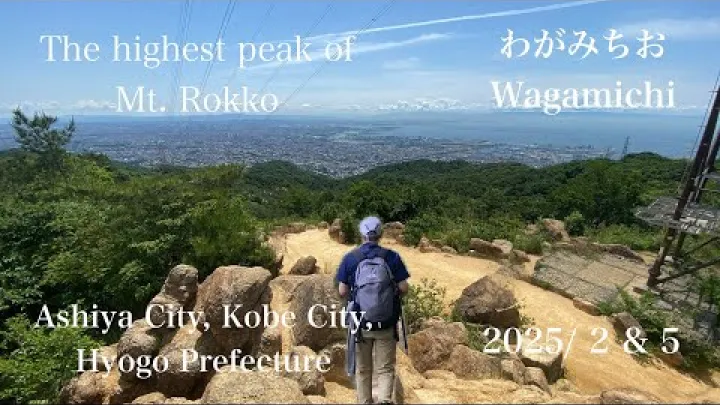
Summer mountain plans can be less predictable because heat, humidity, rain, reduced visibility, and slippery paths all affect comfort. Winter requires warmer clothing and attention to conditions above the city. For a mountain day, use the area's own same-day trail and transport information rather than relying only on the central Kobe weather report.
Waterfront and Beach Plans
Warmer months may appeal to travelers planning waterfront or beach-oriented activities, but heat, humidity, rain, and sea conditions affect comfort and safety. The Kobe waterfront and port area can be enjoyable in any season when the priority is walking, dining, or sightseeing rather than swimming.
Spring and autumn may be better for long harbor walks because temperatures are often more comfortable than in high summer. Travelers planning to swim or use beach facilities should confirm seasonal opening periods, available services, and local sea conditions for their exact dates. Kobe's general city climate does not guarantee suitable swimming conditions.
Budget and Quieter Travel
January to February is the clearest cool-season option for travelers seeking calmer sightseeing, while the first part of June and mid-September are possible shoulder alternatives. January and February trade mild weather for cold nights. Early June brings rain and humidity, while September can still be hot and may have storm uncertainty.
Accommodation prices are shaped by holidays, weekends, seasonal events, hotel location, and booking lead time. Demand often rises around cherry blossoms, autumn foliage, and major national holiday periods. Travelers who strongly dislike summer heat may prefer not to visit in July or August, while those who dislike crowds should avoid the most sought-after blossom, foliage, and holiday dates.
Practical Packing and Weather Planning for Kobe
Kobe packing is easiest when you separate central-city needs from mountain and waterfront conditions. Choose clothing that can adapt during the day instead of packing for one expected temperature.
What to Wear in Kobe by Season
- Winter: Bring a warm coat, several layers, and wind protection. Add a warmer layer if Mount Rokko or an evening waterfront walk is part of the plan.
- Spring: Use adjustable layers, including a light jacket for cool mornings and evenings. Early spring needs more warmth than May.
- Autumn: Light layers are useful in October, while November usually calls for a warmer jacket or coat, especially for higher elevations.
- Summer: Choose light, breathable clothing, sun protection, and comfortable walking shoes. Carry rain protection because heat and showers can occur in the same travel period.
- Rainy-season travel: Pack a compact umbrella, shoes that cope with wet pavements, and a waterproof pouch or bag protection for electronics and day-trip items.
Mountain visits deserve one extra layer even when the city feels comfortable. For a short city stay, this approach is usually more practical than carrying a complete outfit for every possible condition.
Rainy-Day and Hot-Day Logistics
On a rainy day, pair outdoor walks with museums, indoor shopping, dining, and other activities that do not depend on dry pavements. Build the route around central areas so that you can shorten an outdoor section without losing the main purpose of the day.
On hot days, place long walks and outdoor excursions in the cooler morning or evening and reserve midday for air-conditioned indoor stops. Carry water, use sun protection, and allow extra time for wet pavements, slower walking, or changing damp clothing. This is especially useful when a planned route combines the port, central shopping streets, and a long transfer.
Climate Averages Versus the Live Forecast
Climate normals help answer the question, Which month should I choose? A short-range forecast answers different questions: what to wear tomorrow, whether a long walk will be comfortable, and whether a coastal or mountain route is practical on a specific day.
Before finalizing each day's route, check the short-range forecast and official warnings from the Japan Meteorological Agency. Pay particular attention before a waterfront outing, a mountain excursion, or a day with several long outdoor walks. Also confirm annual blossom and foliage timing, event dates, trail conditions, and facility schedules separately because these can change independently of climate averages.
Conclusion: Choose the Season That Matches Your Trip
For the best all-around balance, visit Kobe in October or November. Choose late March to mid-April for cherry blossom potential, May for comfortable late-spring culture and greenery, or January to February for a quieter cool-season trip. June and mid-September can work for flexible travelers who accept weather trade-offs, while July and August suit visitors prepared for heat, humidity, and schedule changes. Match the season to your main activity, pack adjustable layers, and use climate averages for choosing dates and a live forecast for daily decisions.
Select area
Create a post
Posting is free and no registration is required.