Kanazawa Travel Guide: A Practical First-Time Visitor Plan
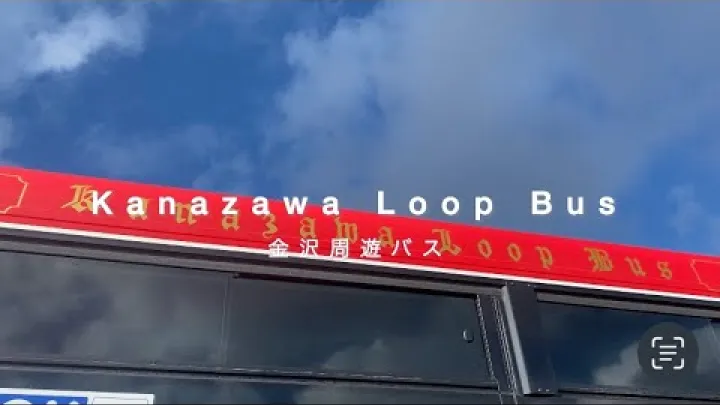
This Kanazawa travel guide explains how to plan a first visit to one of Japan’s most rewarding cultural cities. Kanazawa combines a castle-centered historic core, a famous garden, preserved samurai and tea-house districts, markets, traditional crafts, and contemporary art in a manageable urban setting. For most visitors, two full days provide a useful starting point, while a third night allows a slower pace and more flexibility. You will find practical guidance on neighborhoods, transport, accommodation areas, seasons, costs, reservations, safety, and local etiquette.
Start With a Kanazawa Trip Overview
Begin by deciding whether Kanazawa is a short cultural stop or a main destination in your Japan itinerary. Its compact layout makes both approaches possible, but a slower stay reveals more of the city’s food, craft, evening, and neighborhood character.
What Makes Kanazawa Different
Kanazawa is a compact cultural city in Ishikawa, in the Hokuriku part of central Japan. Its identity comes from the combination of a historic castle town, carefully maintained gardens, traditional crafts, preserved residential districts, and a strong museum scene. The city’s main experiences are close enough to combine, but each area has a distinct atmosphere.
A first visit usually brings together Kanazawa Castle Park, Kenrokuen Garden, Omicho Market, the Nagamachi Samurai District, and the historic tea-house districts on both sides of the central rivers. Gold leaf, lacquerware, ceramics, textiles, workshops, galleries, and local food add depth beyond sightseeing. The Visit Kanazawa guide is useful for understanding the city’s broad visitor context and its range of cultural attractions.
Kanazawa is best viewed as a complement to Tokyo, Kyoto, Osaka, or a wider Hokuriku journey. It does not offer the scale of Tokyo or the density of Kyoto, and that is part of its value. Travelers can experience historic streets, gardens, museums, and restaurants without planning every day around a huge metropolitan area.
How Many Days to Spend in Kanazawa
Two full days is the most practical baseline for a first visit. This gives you time for the Kenrokuen and castle area, Omicho Market, at least one traditional district, a museum or craft activity, and an unhurried meal. It also leaves room for the fact that rain, snow, photography stops, and transport connections can make an apparently short route take longer.
A tightly planned day trip can work if Kanazawa is a stop between major cities. Choose one central cluster, such as the market, castle, garden, and nearby museum zone, then add one historic district if time and mobility allow. A one-day visit will be selective rather than comprehensive.
Two nights with two sightseeing days suit most first-time travelers. Choose three or more nights if you want workshops, evening experiences, more time in the tea-house areas, a slower food itinerary, or an excursion elsewhere in Hokuriku. Adjust the recommendation for your arrival and departure times, physical comfort, advance reservations, and onward travel.
Understand Kanazawa’s Layout and Main Districts
Kanazawa becomes easier to plan when you treat the castle park as the center of a group of sightseeing zones. The main decision is not whether every attraction is walkable, but which nearby places belong in the same outing.
Read the City Through Its Castle-Centered Core
Use Kanazawa Castle Park as your main map reference. Kenrokuen Garden sits beside the castle grounds, and several museums and cultural sites are nearby. Omicho Market is also close to the central heritage area, making it a natural food or browsing stop before or after the castle and garden.
![Preview image for the video "[金沢旅行] 1 day walk in Kanazawa: Geisha & Samurai Districts. 金沢定番観光ルート ❣️[近江町 茶屋街 兼六園 金沢城 長町]".](/sites/default/files/styles/media_720x405/public/oembed_thumbnails/2026-08/IEU-3rRiDZqcIpYvwKVqgejGAXqeFLqo0GVfd9KGwko.jpg.webp?itok=KWN-FXtV "Preview image for the video \"[金沢旅行] 1 day walk in Kanazawa: Geisha & Samurai Districts. 金沢定番観光ルート ❣️[近江町 茶屋街 兼六園 金沢城 長町]\".")
From this core, the Nagamachi Samurai District and Korinbo extend toward the southwest. Across the Asano River, Higashi Chaya District and Kazuemachi Chaya District form an eastern historic cluster. Across the Sai River, Nishi Chaya District and the Teramachi temple area create a different western and southern cultural zone.
This pattern supports cluster-based planning. For example, combine the castle, garden, and museum area rather than crossing the city between each stop. Pair Omicho Market with central sightseeing, and reserve a separate outing for Higashi Chaya, Kazuemachi, or the Sai River side. A current map is still useful for the exact route from your hotel and for checking river crossings, bus stops, and entrance locations.
Find the Samurai, Geisha, and Temple Sides
Nagamachi was a samurai residential area. Its walls, lanes, gardens, and selected residences help visitors understand how elite households lived during the castle town’s historical period. It is close to the central downtown side of Kanazawa and works well with Korinbo, but the area is better suited to a quiet walking visit than to a rapid checklist.
Higashi Chaya District is the largest of Kanazawa’s preserved historic tea-house areas and lies beside the Asano River. Kazuemachi is smaller and has a more concentrated riverside atmosphere. Nishi Chaya is another preserved area across the Sai River, generally approached as a separate and quieter cluster. The Teramachi temple area adds temples, gates, and architectural interest for travelers who want a less commercial historic walk.
These districts should not be treated as interchangeable photo stops. Some streets are residential, some buildings are private, and access to operating businesses or cultural venues varies. Walk quietly, do not block entrances, and follow signs about photography and visiting hours.
Orient Yourself Between Downtown and the Station
Kanazawa Station is the main rail gateway and the practical starting point for many arrivals. Korinbo functions as a central downtown area with shops, hotels, restaurants, and access toward the heritage core. Katamachi is especially useful for independent restaurants, bars, and evening activity.
The station area prioritizes rail access, luggage handling, bus connections, and modern conveniences. The castle-centered core prioritizes gardens, history, museums, and daytime sightseeing. Korinbo and Katamachi are better for central dining and evening choices, while the areas around the historic districts emphasize atmosphere.
Understanding these roles helps prevent unnecessary cross-city trips. Neighborhood labels can overlap, and a hotel described as central may still be some distance from the bus stop or attraction you plan to use. Check the property’s exact map position, the route to its nearest transport stop, and the terrain you will cover with luggage.
How to Get to Kanazawa
Rail is the main access method for most visitors arriving from Tokyo, Kyoto, or Osaka. Kanazawa Station then connects you with local buses, taxis, accommodation areas, and onward travel.
Reach Kanazawa from Tokyo by Rail
The Hokuriku Shinkansen is the main direct rail connection between Tokyo and Kanazawa. A commonly cited journey is about two and a half hours, although the actual time depends on the service pattern and the departure you choose. The route runs through the Hokuriku corridor, with major stops including Nagano and Toyama on some services.
Some services make fewer stops and are designed for a faster journey, while other services stop more often and may have different seating or reservation conditions. The important choice is whether you value the quickest arrival, a particular departure time, pass eligibility, or a fixed reserved seat.
Before booking, check the current rail timetable, service pattern, reservation rules, and fare. Advance reservations are especially sensible during busy holiday periods, blossom and autumn foliage seasons, and whenever your Kanazawa hotel or another train connection depends on a precise arrival time. If you use a rail pass, confirm that the route and seat-booking procedure are covered by its current conditions.
Reach Kanazawa from Kyoto and Osaka
The usual route from Kyoto or Osaka involves a Limited Express service toward Tsuruga, followed by a transfer to the Hokuriku Shinkansen for Kanazawa. Under a normal connection, the trip can take roughly two hours, but the precise time depends on the current timetable, the origin station, and the transfer you select.
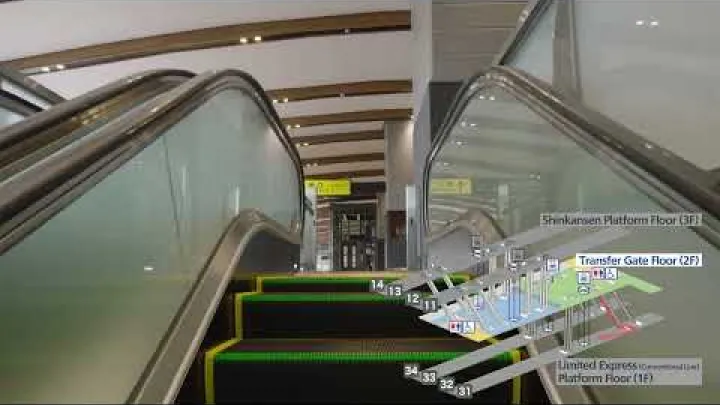
- Take the appropriate Limited Express service toward Tsuruga.
- At Tsuruga, follow the signs for the Hokuriku Shinkansen transfer.
- Continue by Shinkansen to Kanazawa and check the station exit or bus connection for your accommodation.
Confirm the current Kyoto or Osaka connection and the transfer procedure at Tsuruga before travel. This matters if you have large luggage, children, mobility needs, an early reservation, or little spare time between trains. Do not assume that every departure uses the same platform arrangement or offers the same transfer margin.
Start at Kanazawa Station
Kanazawa Station has east and west exits, a rail concourse, bus terminals, visitor information facilities, and station shopping and dining. The east side is commonly used by visitors heading toward the central sightseeing area, but follow the signs for your specific bus, hotel, or service rather than relying only on a general neighborhood description.
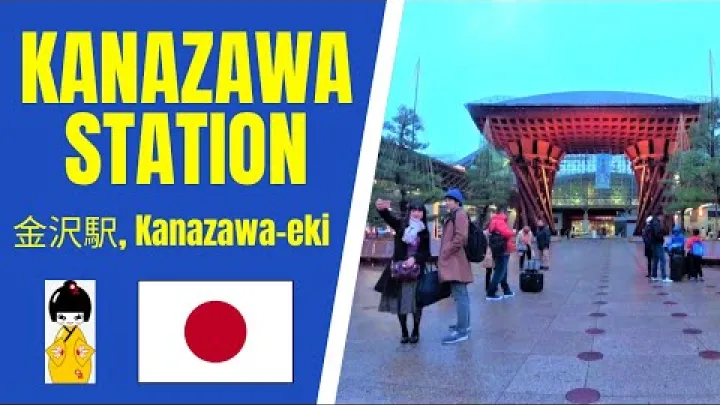
A useful arrival sequence is simple: identify the correct exit, solve your luggage needs, obtain local transport information, and then begin sightseeing. Station coin lockers or staffed storage can make an arrival-day plan much easier, especially if your hotel check-in is later. A Kanazawa Station layout guide can help you understand the main concourse before arrival, but station signs and staff should take priority on the day.
Get Around Kanazawa Efficiently
The most comfortable approach is usually a combination of the local bus network and walking. Plan by sightseeing cluster, not by trying to use transport for every short move.
Use the Kanazawa Loop Bus
The Kanazawa Loop Bus is a useful first-time option for linking Kanazawa Station with Omicho Market, the castle and garden area, Higashi Chaya, the museum zone, Nagamachi, and Nishi Chaya. The right-loop and left-loop directions cover different sequences around the city, so the direction shown at the stop can affect both the route and the time required.
A practical plan might use a bus from the station to Omicho Market, continue on foot through the central castle and garden cluster, and then use another bus toward a historic district. On a separate outing, take the loop toward Higashi Chaya or the Sai River side and walk within that area. This is usually more efficient than returning to the station after every attraction.
Single rides may be simplest for a short visit. A day pass may be useful when several bus journeys are part of the same day, but compare it with individual fares only after checking the current routes, operating hours, fare, coverage, purchase locations, and payment methods. The official Visit Kanazawa transport guidance explains the Loop Bus and other visitor options. Do not rely on an old timetable or an outdated pass description.
Combine Walking with Other Local Options
Walking works particularly well inside the castle, garden, museum, market, samurai, and tea-house clusters. It allows time for small lanes, shop fronts, gardens, and changing river views that are easy to miss from a bus. Historic streets can also take longer than expected because visitors stop frequently and some paths are narrow or uneven.
Do not treat Kanazawa as either an entirely walkable city or a place where every attraction requires a vehicle. Combine a bus ride with a focused walk, then use another bus or taxi when the next cluster is not convenient on foot.
Good footwear is important. Rain, snow, heat, and long periods outdoors can change the comfort of the same route. A taxi is a practical backup for late arrivals, heavy luggage, poor weather, or travelers who need to reduce walking. Leave extra time when using unfamiliar stops or moving between a bus stop and a hotel.
Manage Local Tickets and Luggage
Local bus boarding and payment procedures can differ by service. Read the signs at the stop, follow the instructions when boarding, and ask staff if it is unclear whether a journey accepts cash, an IC card, contactless payment, or a particular pass. Carrying a backup payment method is sensible, especially on a day when you will use several different services.
Station coin lockers and staffed luggage storage can be useful, but locker size and availability are limited. Solve baggage arrangements before entering narrow historic streets or starting a long walking route. If you are using a third-party storage service, confirm its hours, collection process, and location rather than assuming it operates like a station locker.
The station tourist information center can help when a digital booking, bus instruction, or Japanese address is confusing. Keep your hotel name and address available in a form that can be shown to staff or a taxi driver. A map application is helpful, but a charged phone and a backup way to access the address are equally important.
Choose the Best Area to Stay in Kanazawa
There is no single best neighborhood for every traveler. Choose between station efficiency, central dining, heritage atmosphere, and evening activity according to your arrival time and daily priorities.
Stay Around Korinbo and Nagamachi
Korinbo is a balanced base for travelers who want restaurants, shops, hotels, central bus connections, and access toward the Nagamachi Samurai District. It places you between the station side of the city and the main heritage area rather than directly beside either one.
This area suits a two- or three-night visit focused on city sightseeing and evening dining. It is also a good compromise if one traveler values historic walks while another prefers convenient restaurants and modern services. Check the exact walking route from the property to the nearest bus stop, especially if you will return after dinner or carry luggage.
Stay Near Kenrokuen and Higashi Chaya
The area around Kenrokuen, Kanazawa Castle, the museums, Higashi Chaya, and Kazuemachi is the heritage-heavy choice. It can suit photographers, garden visitors, craft enthusiasts, and travelers who want early or late walks near historic scenery before the busiest part of the day.
Boutique hotels and traditional inns may provide a stronger sense of place here. The tradeoff can be higher prices, fewer rooms during popular seasons, and less direct station convenience than a station-area hotel. Do not assume that every property is within an easy walk of every attraction; compare the exact location, entrance route, and bus connection.
Stay Near Kanazawa Station
The station area is practical for short stays, early departures, rail-heavy itineraries, and travelers who prefer modern hotels. It offers immediate access to trains, bus terminals, station dining, ticket services, and luggage facilities.
Families, mobility-conscious travelers, and visitors making regional day trips may value this efficiency. The tradeoff is a less immediate historic atmosphere. You will normally travel from the station toward the castle, garden, market, or preserved districts rather than stepping directly into an old neighborhood when you leave the hotel.
Stay Around Katamachi and Teramachi
Katamachi is useful for travelers who prioritize independent restaurants, pubs, and evening activity near the Sai River. The nearby Teramachi area adds temples and quieter cultural walks, giving the southern side of the center a mix of nightlife and traditional architecture.
This base is often more convenient for dinner than for an early train. Street-by-street conditions vary, so check likely noise, closing times, and the route back to the property before booking. It suits travelers who want to spend evenings in the city rather than return to the station area after every meal.
Plan the Best Things to Do in Kanazawa
Organize activities around the city’s strongest contrasts: garden and castle, food and crafts, historic neighborhoods, and contemporary culture. A balanced itinerary includes both outdoor areas and indoor options.
Visit Kenrokuen Garden and Kanazawa Castle
Kenrokuen Garden and Kanazawa Castle Park are the central cultural pairing for a first visit. Kenrokuen offers ponds, paths, seasonal plantings, bridges, and changing views across a carefully shaped landscape. The adjoining castle grounds provide open spaces, historic walls, gates, and reconstructed structures associated with Kanazawa’s castle-town history.
Allow enough time to experience the garden as a sequence of views rather than rushing directly to a single photograph. Then cross into the castle park and explore how the open grounds and buildings relate to the surrounding city. Their proximity makes them efficient to combine, but they are separate visitor sites and may not share the same admission arrangements or hours.
The official Kanazawa Castle Park site is the appropriate place to check current admission information, opening hours, seasonal illumination, and temporary closure notices before building a tightly timed plan.
Explore Samurai, Geisha, and Temple Districts
Use Nagamachi for samurai-era residential streets, earthen walls, gardens, and selected residences open to visitors. Its interest comes from the relationship between lanes, walls, homes, and small gardens, not only from one landmark building.

Higashi Chaya is the largest preserved tea-house district and usually feels more expansive and visitor-oriented. Kazuemachi is smaller, with a strong riverside setting. Nishi Chaya offers another historic tea-house area with a different scale and atmosphere. The Teramachi temple area is a useful addition for travelers interested in religious architecture, quieter streets, and a less concentrated visitor route.
Do not try to rush through all of these districts in one short outing. Choose one or two that match your interests, then walk slowly. The streets remain living neighborhoods, and buildings may be residential, privately operated, or open only at particular times. Photography, performances, and entry rules vary by place.
Combine Omicho Market with Crafts and Food
Omicho Market is a practical way to encounter Kanazawa’s food culture and can fit naturally between the station side and the central heritage area. Visitors can browse stalls, choose a meal, or use the market as a short stop before continuing to the castle and garden. Do not assume that every vendor has the same opening hours or seating arrangements.
Kanazawa’s craft identity gives the market visit a useful second dimension. Gold leaf, lacquerware, ceramics, textiles, workshops, galleries, and hands-on activities can turn shopping into a cultural experience. Availability and language support differ, so reserve a workshop when it is central to your itinerary rather than expecting to join one spontaneously.
Decide what role the stop should play: a brief browse, a planned meal, a purchase of a craft item, or a booked activity. That decision helps prevent the market and craft areas from taking more time than intended while still leaving room for discovery.
Add Contemporary Art and Indoor Culture
The 21st Century Museum of Contemporary Art shows that Kanazawa’s identity is not limited to its historical districts. Its modern cultural presence sits close to the castle and garden area, making it easy to combine contemporary art with traditional sightseeing rather than treating the two as separate trips.
Museums, craft collections, galleries, and other indoor venues are valuable when rain, heat, or a slower pace makes a full day outside less comfortable. They also give repeat visitors a way to explore Kanazawa beyond the most photographed streets.
Exhibitions, admission arrangements, access rules, and popular installations can change. Check the official 21st Century Museum information for the dates of your visit, and avoid building an entire day around one installation unless entry is confirmed.
Choose When to Visit Kanazawa
Kanazawa has four distinct seasonal moods, and the best choice depends on whether you prioritize blossoms, greenery, snow, comfort, or lower demand. Weather can affect walking, gardens, buses, and outdoor photography. Before finalizing outdoor plans and packing, check the latest local forecast and official event or operating updates for the places you intend to visit.
Choose Spring or Autumn for Seasonal Scenery
Spring appeals to travelers seeking blossoms, fresh greenery, and a bright garden atmosphere. Autumn brings changing foliage and deeper color around gardens, castle grounds, rivers, and temple areas. Both seasons work well for a first visit because the main outdoor attractions are at the center of the itinerary.
Exact blossom and foliage timing varies each year. Popular dates can also increase crowds, accommodation demand, and prices. If your schedule is flexible, choose a wider travel window instead of planning around one predicted peak day. Reserve the parts of the trip that sell out first, then leave some time for seasonal conditions to develop naturally.
Choose Summer for Greenery and Events
Summer offers lush greenery, longer daylight, and festivals or other events that may add energy to the visit. It is a good season for travelers who enjoy outdoor scenery and do not mind heat, humidity, or rain.
Plan a sustainable rhythm: walk through gardens or historic districts during more comfortable periods, take breaks in shaded or indoor places, and keep water available. Museums and craft venues can balance a hot afternoon. Festival dates, access arrangements, and crowd levels vary, so use the current event calendar when deciding whether a particular event should anchor your trip.
Choose Winter for Snow and Atmosphere
Winter is a deliberate choice for travelers who value a quieter visual atmosphere, cold-weather food, and the possibility of snow-covered gardens and historic streets. The rope supports known as yukitsuri are part of the seasonal appearance of Kanazawa’s gardens and trees, adding a distinctive winter detail even when snowfall is limited.
Prepare for cold, wet, windy, and potentially slippery conditions. Snow is not guaranteed for every date, and it can change walking comfort, transport, access, and the operation of outdoor attractions. Keep indoor museums, craft venues, and flexible meal plans available, and do not base the entire trip on a specific snowfall or illumination scene.
Handle Costs, Safety, and Essential Travel Practicalities
Most planning problems in Kanazawa come from treating a national Japan estimate, an old timetable, or a flexible local custom as a fixed rule. Separate the major cost categories, reserve only what matters, and keep a small amount of flexibility in each day.
Build a Realistic Daily Budget
Broad Japan travel benchmarks show how widely daily spending can vary. One reference presents example low-budget daily spending of roughly ¥9,000 to ¥19,000 and medium-budget spending of roughly ¥19,000 to ¥46,000, depending on the assumptions used for accommodation and other costs. The Japan Guide figures are useful as broad planning benchmarks, not as fixed Kanazawa prices.
| Budget style | Typical planning pattern | Main tradeoff |
|---|---|---|
| Lower cost | Basic accommodation, casual meals, buses and walking | Less space and less flexibility during peak dates |
| Mid-range | Standard hotel, mixed meals, admissions, and local transport | Higher total when demand or meal choices increase |
| Higher comfort | Boutique hotel or ryokan, selected restaurants, taxis, and workshops | More atmosphere and convenience at a much higher total |
Separate accommodation, meals, sightseeing, local transport, and intercity rail when making your estimate. A ryokan stay, a meal-inclusive rate, a craft workshop, or several taxis can change the total more than small admission fees. Local bus fares and attraction tickets are usually additional parts of the daily plan. Recheck accommodation, attraction, and transport prices for your travel dates instead of treating these ranges as a quotation.
Plan Reservations, Payments, and Connectivity
Reserve the parts of the trip that can determine the rest of the itinerary. These may include intercity trains, popular accommodation, selected restaurants, craft workshops, performances, and attractions with limited capacity. Not every meal or museum visit needs advance booking, so leave some flexible time for weather and local discoveries.
Read cancellation and change terms when booking. If you need to cancel a restaurant or accommodation, do so promptly rather than simply failing to arrive. This is especially important for small businesses and reserved experiences with limited spaces.
Carry a backup payment method and check whether your intended hotel, restaurant, bus service, workshop, or attraction accepts the card, IC card, contactless method, or digital ticket you plan to use. Arrange reliable access to maps and translation before leaving the station, and keep important hotel and reservation details available offline in case your connection is slow or unavailable.
Check Safety and Current Conditions
Use normal urban travel precautions in central Kanazawa: keep personal belongings secure in crowded markets and stations, take care around traffic and crossings, and follow signs and staff instructions in busy visitor areas. At night, choose well-lit routes and use a taxi when the route, weather, or luggage makes walking uncomfortable.
Do not assume that conditions in central Kanazawa represent all of Ishikawa. Before departure, review current official travel advisories, local disaster information, transport disruption notices, and destination-specific updates. Repeat that check when adding areas outside central Kanazawa, because regional excursions can involve different roads, weather, services, and recovery conditions.
If a disruption affects your plan, ask your accommodation or the tourist information center for current practical guidance. Avoid making a confident judgment about an unfamiliar regional route based only on an old blog post or a map listing.
Travel Respectfully in Living Heritage Areas
Historic districts are active neighborhoods, not open-air theme parks. Ask before photographing people, shops, performances, or spaces that look private. In the tea-house and samurai areas, avoid blocking doorways, gathering in narrow lanes, or treating residents and workers as part of a photo scene.
Follow simple local expectations: avoid eating while walking when a business or public space provides a better place to stop, carry your rubbish when bins are limited, and remove shoes where signs or staff require it. Keep voices low on residential streets and follow photography, entry, and no-touch rules in historic buildings, temples, gardens, and museums.
If your plans change, cancel reservations promptly. When a procedure or custom is unclear, ask your accommodation, the tourist information center, or venue staff rather than guessing. The official Visit Kanazawa resource can help with general destination orientation, while local staff can explain the specific expectations of the place you are visiting.
Final Kanazawa Planning Checklist
Use this short checklist to turn the guide into a workable trip:
- Choose two full sightseeing days as the baseline, or add a third night for workshops, evening activities, and a slower pace.
- Group the castle, garden, museum, market, samurai, tea-house, and temple areas into sensible clusters.
- Choose a base around Korinbo, the heritage core, Kanazawa Station, or Katamachi according to your transport and evening priorities.
- Book the Tokyo, Kyoto, or Osaka rail connection with the current timetable and transfer rules in mind.
- Plan buses and walking together, with a practical luggage and backup-payment solution for arrival day.
- Match the season to your tolerance for crowds, heat, rain, cold, or possible snow, and keep at least one indoor alternative.
- Recheck prices, opening information, reservations, current conditions, and regional notices close to departure.
- Respect the residents, businesses, historic buildings, and shared streets that make Kanazawa’s heritage areas meaningful.
For most first-time visitors, the strongest Kanazawa itinerary is not the one with the most stops. It is a well-placed two-day plan that combines the castle and garden core with one or two historic districts, good food, a craft or museum experience, and enough flexibility to enjoy the city at its natural pace.
Select area
Create a post
Posting is free and no registration is required.