Kanazawa Budget: Daily Travel Costs, Prices, and Saving Tips

A Kanazawa budget can be surprisingly flexible: the city has low-cost hostels, walkable historic districts, casual local meals, and premium ryokan experiences in the same destination. A practical daily target is about ¥7,000–10,000 for budget travel, ¥14,000–23,000 for mid-range travel, or ¥30,000–50,000 or more for comfortable travel, excluding international flights. This guide breaks those figures into lodging, food, local transport, attractions, and access costs. It also explains which decisions have the greatest effect on your total trip cost.
Kanazawa Budget at a Glance
The easiest way to plan a Kanazawa travel budget is to set a daily target first, then add long-distance transport and any special experiences separately. The figures below are approximate planning ranges in Japanese yen per person per day.
Daily Budgets for Budget, Mid-Range, and Comfortable Travel
Budget travel usually means a dormitory bed or simple guesthouse, inexpensive meals, walking, and mostly free sightseeing. Mid-range travel generally includes a private hotel room, a mixture of casual and better restaurant meals, regular bus use, and several paid attractions. Comfortable travel allows a more spacious room or ryokan, varied dining, taxis or other convenient transport, and premium cultural experiences.
| Travel style | Lodging allowance | Food | Local transport | Activities | Daily total |
|---|---|---|---|---|---|
| Budget | ¥2,000–4,000 | ¥2,000–3,000 | ¥400–800 | ¥0–1,000 | ¥7,000–10,000 |
| Mid-range | ¥8,000–15,000 | ¥4,000–6,000 | ¥800–1,500 | ¥1,000–3,000 | ¥14,000–23,000 |
| Comfortable | ¥15,000–30,000 or more | ¥6,000–10,000 | ¥1,000–3,000 | ¥3,000–10,000 or more | ¥30,000–50,000 or more |
These are planning ranges rather than fixed averages. The accommodation figure is a per-person allowance, so a ¥15,000 room shared by two people contributes ¥7,500 per person. A solo traveler may pay the full room price. Exchange rates, shopping, alcohol, paid workshops, car rental, and intercity travel are not included in the daily totals.
What the Daily Estimates Include and Exclude
Use this simple formula for a first estimate: accommodation plus food plus local transport plus activities plus a small daily buffer. Then add fixed or occasional costs, such as the journey from Tokyo, Kyoto, Osaka, or Komatsu Airport, separately. One long-distance ticket can cost as much as several days of local spending, so hiding it inside a daily average can make a short trip look cheaper than it is.
For every accommodation quote, record whether it is priced per person or per room. Also note whether breakfast, dinner, taxes, cleaning fees, service charges, and other stay-level costs are included. For example, two travelers sharing a ¥14,000 room would budget ¥7,000 each before any extra charges, but a meal-included ryokan rate should not be compared with a room-only hotel rate without adjusting for the meals.
Keep the main worksheet in yen. A foreign-currency conversion is useful for planning, but it changes with the exchange rate and may not match the amount charged by a card issuer or booking platform. A sensible buffer protects the plan from small price differences, an unplanned taxi, or a meal that costs more than expected.
Accommodation Costs in Kanazawa
Lodging is normally the largest variable in a Kanazawa budget. The best choice depends on whether you are traveling alone, sharing a room, staying several nights, or treating a traditional Japanese stay as one of the main experiences.
Hostels, Capsule Hotels, and Guesthouses
Dormitory beds are the main low-cost option. A broad planning band of about ¥2,000–4,000 per night is reasonable for a dorm bed or simple guesthouse when dates and availability are favorable. Capsule hotels and private guesthouses can bridge the gap between a dormitory and a business hotel, but compact rooms, shared bathrooms, limited storage, or fewer services may be part of the trade-off.
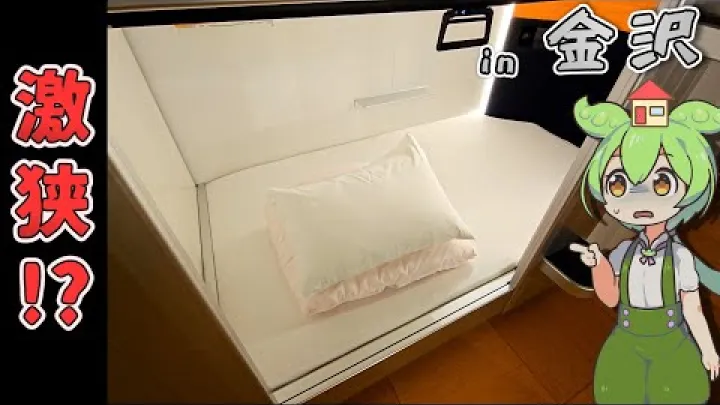
A recent Hostelz listing snapshot shows dorms from about US$13.83, with figures around US$19 in July and US$26 in October. Converted yen amounts will vary, and a starting price or monthly average is not a guaranteed price for your dates. Treat it as evidence that the month and booking timing matter, not as a quote for a particular property.
Properties near Kanazawa Station can be convenient for arrival and departure, while guesthouses closer to the sightseeing core may reduce some daily walking or bus time. Compare the total trip cost rather than choosing only the lowest bed price. Saving ¥5,000 on one night of lodging could fund several inexpensive meals, admission to multiple attractions, or part of one paid cultural experience.
Business Hotels and Apartments
For a private bathroom, predictable service, and a straightforward short stay, allow approximately ¥8,000–15,000 per room per night for a business hotel. Mid-range rooms may move toward ¥15,000–25,000 depending on the date, room size, location, cancellation conditions, and whether breakfast is included. A private room can be good value for two people even when its total price is higher than a dormitory bed.

Kanazawa Station, Korinbo, and the central historic areas create different combinations of cost and convenience. A station hotel may simplify airport or intercity access. A Korinbo or historic-area stay may put more evening and sightseeing options within walking distance. The cheaper room is not always cheaper overall if it creates extra bus rides, taxis, or lost time.
Apartments are worth comparing for families, groups, or longer stays because the room cost can be divided among several travelers and self-catering may reduce some meal costs. Do not compare only the advertised nightly rate. Cleaning, service, booking, and other stay-level fees can change the final amount, so calculate the full reservation total and divide it by the actual number of guests.
Ryokan Stays and Bundled Meals
A ryokan is a separate spending tier because the price may include a traditional room, Japanese-style service, dinner, and breakfast. A practical planning range is about ¥15,000–40,000 or more per person per night, depending on the property, meal level, room type, bathing arrangements, and date. Compare this as a lodging-and-dining experience rather than as a room alone.
Sumiyoshiya is a Kanazawa example associated with Kaga-cuisine kaiseki. Japanryokanguide presents an approximate starting rate of about US$100 per person per night for this example. A starting rate does not represent every plan or room, so use it as a guide to the tier rather than a universal quote.
When comparing ryokan stays, list the inclusions: dinner, breakfast, private or shared bathing, room type, cancellation terms, and whether the price is per person. Many travelers can enjoy the experience without making every night expensive by booking one ryokan night and using a hostel, business hotel, or apartment for the remaining nights.
Food and Drink Prices in Kanazawa
Kanazawa is known for seafood and regional cuisine, but a local food experience does not require a premium restaurant at every meal. The main budget decision is how often you choose market seafood, casual restaurants, cafes, alcohol, or formal dining.
Cheap Meals and Omi-cho Market Spending
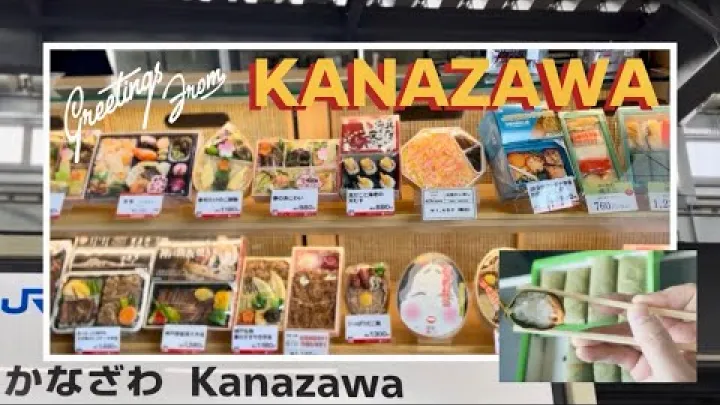
A realistic low-budget food target is about ¥2,000–3,000 per day when you combine convenience-store or supermarket breakfast items, inexpensive noodles or rice dishes, casual restaurants, and small market portions. This range requires choices, but it does not mean avoiding local food. Lunch sets, ramen, gyudon, curry, bakery items, and smaller seafood servings can keep the average manageable.
At Omi-cho Market, one reported example was about ¥700 for two scallops at a particular stall. Happily Pink also notes that the price and quantity of scallops vary by stall. Use a market price as an example of a snack or small serving, not as the expected cost of a complete seafood meal.
A tight low-cost day could include a ¥300–500 breakfast item, one market snack around ¥700, an inexpensive restaurant meal around ¥1,000, and supermarket or convenience-store items around ¥500. That example is close to ¥2,500, but a larger seafood meal or several market tastings can quickly move the day above ¥3,000. Decide whether a market visit is a snack stop, a full meal, or a tasting activity before setting the food allowance.
Restaurants, Cafes, and Nightlife
Allow about ¥1,500–3,000 for a typical casual restaurant meal. Lunch sets can offer better value, while dinner, sushi, izakaya meals, premium seafood, omakase, and kaiseki can cost considerably more. A mid-range food budget of about ¥4,000–6,000 per day allows a traveler to mix casual meals with a better dinner or a few local treats.
Ordinary coffee or a soft drink may fit an allowance of roughly ¥400–700. A cafe visit with a specialty drink, dessert, or light meal is more likely to fall around ¥600–1,200. These small purchases matter because two cafe stops and several market snacks can add as much as a full inexpensive meal.
Keep nightlife as a separate discretionary line. A traveler who rarely drinks may remain near the mid-range food budget, while frequent alcohol, izakaya visits, or a premium dinner can push food and drink toward ¥10,000 or more for one day. One substantial lunch, a lighter dinner, and limited cafe stops can preserve money for a planned local specialty.
Transport and Access Costs
Kanazawa's main sightseeing areas are close enough for walking to be a useful budget tool, but buses, bicycles, and occasional taxis help when weather, luggage, or distance makes walking inconvenient. Treat local transport and intercity access as separate cost categories.
Local Buses, Walking, Bicycles, and Taxis
For a preliminary worksheet, use about ¥220 for a standard bus ride and ¥500–800 for some possible day-pass products only as approximate planning anchors. The product, route, and operator determine the actual fare. A pass is worthwhile only when the rides or included discounts you will use exceed its price; buying one automatically can cost more than paying for a few individual trips.
The official Visitkanazawa transport guide illustrates why bicycle pricing must be treated separately: it lists ¥165 for the first 30 minutes and an additional ¥110 per 30 minutes when a bicycle is not docked, and it shows a ¥1,650 one-day option. Do not assume that a bicycle product, city bus pass, and sightseeing pass share the same price or inclusions.
Reserve roughly ¥400–800 for a low-cost local transport day if you will combine walking with one or two paid rides. Walking between nearby districts can reduce this amount, while repeated taxis can exceed it quickly. A simple decision rule is to map the day by clusters: walk within one cluster, use a bus or bicycle for a longer gap, and take a taxi only when its time or convenience is worth the extra cost.
Arriving from Tokyo, Kyoto, Osaka, or Komatsu Airport
Access costs should be added to the trip total rather than hidden inside the daily Kanazawa budget. The following one-way figures are illustrative planning anchors from the researched fare set:
| Starting point | Illustrative one-way amount | Budget note |
|---|---|---|
| Tokyo | About ¥14,600 | Reserved Hokuriku Shinkansen planning figure |
| Kyoto | About ¥6,500 | Rail fare anchor; service and seat conditions vary |
| Osaka | About ¥8,000 | Rail fare anchor; compare available services |
| Komatsu Airport | About ¥1,400 | Airport bus planning figure |
| Selected highway buses | From about ¥2,500 | Lower examples apply only on selected dates and services |
Use each figure for one leg, then add the return or onward journey separately. Fare differences depend on the railway or bus service, seat type, booking conditions, date, and operator. Before purchase, check the relevant railway, highway-bus, or airport-transfer operator for the current fare, seat conditions, booking rules, and service status. This is especially important when a low promotional or off-peak fare is being used in the estimate.
Payment Methods, IC Cards, and Cash Planning
Cards and IC-based payments can make many transport journeys and small purchases easier, but acceptance is not universal. A stored-value card may help you track repeated low-value spending, yet payment convenience should not be confused with a discount. The price of the bus ride, bicycle rental, meal, or admission remains the same unless a specific product states otherwise.
Before leaving each day, consider this short payment checklist:
- Local buses: confirm whether the service accepts your IC card, another contactless method, or cash.
- Bicycle systems: check accepted cards, deposits, registration requirements, and how returns are charged.
- Attractions: confirm whether admission counters accept cards or require yen.
- Markets and independent restaurants: expect that some smaller vendors may prefer or accept only cash.
- Taxis and small shops: ask about payment before the transaction when the method is important to you.
Carry enough Japanese yen for small attractions, market stalls, independent shops, and a backup transport payment. This is a practical budgeting measure, not an instruction to convert all spending to cash.
Attraction Fees and Low-Cost Sightseeing
Kanazawa offers a useful mix of paid gardens, museums, temples, cultural activities, historic districts, markets, and public spaces. You can keep an activity day inexpensive by choosing free areas and one paid highlight, or spend much more through bundled admissions and special experiences.
Paid Highlights and Ticket Bundles
The following amounts are useful placeholders for a Kanazawa activity budget, not a guaranteed current fee card:
| Place or experience | Planning amount | What to compare |
|---|---|---|
| Kenrokuen Garden | About ¥320 | Standard garden admission |
| Kanazawa Castle areas | About ¥320 for certain areas | Which areas and ticket type are included |
| Garden-plus-one style bundle | About ¥500 | Bundle inclusions and validity |
| 21st Century Museum exhibitions | About ¥450–1,200 | Exhibition, special show, or paid zone |
| Myoryuji Temple | About ¥1,200 | Admission and any visit conditions |
| Tea experience | About ¥10,000 for up to two people | Duration, group size, and what the experience includes |
The official Kanazawa21 information distinguishes the museum's no-charge public or base areas from paid exhibition zones. That distinction is useful when deciding whether a museum visit belongs in a free sightseeing day or a paid activity budget.
Before finalizing the activity total, verify current attraction fees, opening status, reservation rules, and ticket-bundle inclusions on the relevant official pages. Some prices apply only to a particular exhibition, area, or experience, and a reservation requirement can affect both cost and itinerary flexibility. Also separate admission from the cost of reaching the attraction.
A free-sightseeing day may require only ¥0–1,000 for activities if you choose public areas and one modest admission. Several paid admissions or one tea experience can move the activity total to ¥3,000 or much more, so list premium experiences separately rather than burying them in an average.
Free Districts, Markets, and Cultural Stops
Exploring Higashi Chaya District, Nagamachi Samurai District, selected shrines and temples, and the streets around Omi-cho Market can provide a full day of atmosphere without a large admission budget. Browsing Omi-cho Market is different from buying seafood, and walking through a historic district is different from entering a preserved house or paying for a guided cultural activity.
The 21st Century Museum also has public areas that can be visited without treating every exhibition as a paid admission. Likewise, seeing the exterior or public grounds around a cultural site does not necessarily include access to an interior, special exhibit, preserved residence, or temple experience. Make the distinction when planning the day.
One low-cost pattern is to browse Omi-cho Market, walk through Higashi Chaya District, continue toward another free historic or religious stop, and choose only one modest admission. A second pattern is to spend a little more on Kenrokuen or a museum exhibition while keeping the surrounding districts free. Grouping nearby places reduces both admissions and local transport spending without removing the cultural focus of the day.
What Changes a Kanazawa Travel Budget
The same Kanazawa itinerary can have very different totals because dates, room arrangements, location, and travel style affect several categories at once. Focus on these structural choices before trying to save small amounts on individual meals.
Seasonality, Weekends, and Events
Accommodation usually changes more than ordinary food or attraction prices. Weekends, public holidays, festivals, major events, limited availability, and late booking can raise room costs. A flexible traveler may lower the total simply by comparing a weekday stay with a weekend stay or by shifting the trip by one or two nights.
The monthly hostel variation described earlier shows why one universal claim about the cheapest or most expensive month is unreliable. Different lodging categories respond differently to demand, and a low hostel month may not produce the same result for a ryokan or a private hotel.
Compare the exact dates you want with at least one weekday alternative. Check holiday and event calendars before booking, then compare the complete reservation price rather than only the nightly headline rate. A lower lodging price can offset a better meal, a paid attraction, or a more convenient local transport choice.
How Location and Trip Style Change the Total
Choose a base by combining lodging price, walking time, bus use, arrival convenience, and the shape of your itinerary. Kanazawa Station is practical for travelers with luggage or regional access needs. Korinbo can suit travelers who value a central position and evening convenience. A historic-area stay may reduce some sightseeing journeys but can have a different room price. None of these areas is always the cheapest for every date.
| Traveler or trip style | Base to compare | Main budget effect |
|---|---|---|
| Backpacker | Station area or guesthouse | Lower bed cost; walking and occasional buses |
| Couple seeking privacy | Korinbo, station, or central private hotel | Higher room total, divided between two people |
| Family or group | Apartment or larger private room | Shared room cost may help; check all fees and occupancy rules |
| Culture-focused traveler | Central area plus one ryokan night | One bundled splurge instead of a premium stay every night |
| Regional day-trip traveler | Station-convenient base | May simplify access; add rail, bus, taxi, or optional car costs |
A city base and a rural or resort extension should not be averaged together too early. Wakura Onsen, for example, may involve higher bundled lodging and meal costs, as well as additional transport, taxi, or car expenses. Car rental is best treated as an optional rural-trip cost: add it only when the flexibility is valuable, and compare the full rental, fuel, parking, and insurance conditions rather than assuming it will reduce the budget.
Practical Ways to Save Money in Kanazawa
The strongest savings usually come from changing one major category, not from eliminating every small pleasure. Use the following priorities to protect the parts of the trip that matter most to you.
Savings Tactics That Preserve the Experience
- Start with lodging dates. Compare weekdays, weekends, and flexible date combinations. This can change the total more than saving a few hundred yen on a meal, although a cheaper room may mean less space, fewer services, or a less convenient location.
- Compare room types and sharing arrangements. A private room divided between two people may be better value than two dormitory beds, while a solo traveler may benefit more from a hostel. Include all fees before deciding.
- Separate intercity access from city spending. Compare rail and highway-bus options for the dates you actually need, and avoid adding unnecessary long-distance legs. One expensive transfer can outweigh several local savings.
- Use lunch for value. Choose a casual lunch set or inexpensive local meal, then make dinner lighter if you want to spend on Omi-cho Market seafood, sushi, or a cafe.
- Mix free and paid sightseeing. Combine Higashi Chaya District, Nagamachi Samurai District, market browsing, shrines, temples, and public museum areas with one or two selected admissions. This protects the activity budget while keeping the itinerary varied.
- Walk strategically. Group nearby attractions and use buses or bicycles for longer gaps. A taxi can be a useful time-saving choice, but make it an intentional convenience rather than an automatic part of every journey.
- Plan one meaningful splurge. A single ryokan night, tea experience, premium meal, or special admission often creates more value than many unplanned small purchases. Reduce lower-priority categories around it instead of cutting all local food.
A Simple Kanazawa Budget Checklist
Copy this worksheet into a notes app or spreadsheet:
- Number of travelers: ___
- Number of nights and days: ___
- Lodging basis: per person or per room; room total: ¥___
- Meal inclusions: breakfast ___; dinner ___; other charges ___
- Daily food target: ¥___ × ___ days = ¥___
- Daily local transport target: ¥___ × ___ days = ¥___
- Attraction admissions: ¥___
- Special experiences or premium meals: ¥___
- Arrival and departure transport: ¥___
- Contingency buffer: ¥___
The basic calculation is: lodging total + food total + local transport total + admission total + intercity access + optional splurges + buffer = trip total. Convert room prices to the correct per-person amount only after recording the full room total. Keep fixed costs paid before departure separate from daily spending so you can see which category is causing the budget problem.
For a simple three-day city plan, a low scenario might use a shared dormitory or lower-cost room, about ¥2,500 per day for food, limited paid transport, and one modest admission per day. A higher scenario for the same itinerary might use a private room shared by two people, about ¥5,000 per day for food, more bus or taxi use, and several paid attractions. Comparing both scenarios shows what flexibility buys you without requiring a completely different itinerary.
If the total is too high, change one major category first. Test different lodging dates, a different room basis, or a lower-cost intercity connection before cutting every meal or attraction. This approach creates a Kanazawa budget that is realistic and still leaves room for the experiences you came to enjoy.
Conclusion: Plan a Kanazawa Budget That Fits Your Trip
A useful Kanazawa travel budget starts with a daily range, but the final number depends most on lodging, travel dates, intercity access, and planned splurges. Budget travelers can combine hostels, inexpensive meals, walking, and free districts for about ¥7,000–10,000 per person per day. Mid-range travelers should allow about ¥14,000–23,000, while comfortable trips with better rooms, dining, and cultural experiences can reach ¥30,000–50,000 or more.
Write every cost in yen, label room and meal inclusions, add access costs separately, and compare low and high scenarios for your exact dates. With one deliberate splurge and a few high-impact savings choices, Kanazawa can fit a wide range of travel budgets without turning the trip into a list of compromises.
Select area
Create a post
Posting is free and no registration is required.