Kanazawa Best Time to Visit: Weather by Month
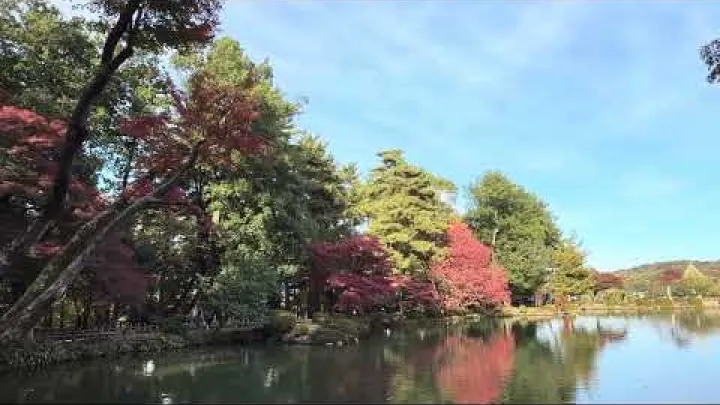
The best time to visit Kanazawa depends on whether you want cherry blossoms, autumn foliage, snow scenery, festivals, or comfortable days for walking. Spring and autumn usually offer the broadest balance, but Kanazawa has a wet Sea of Japan climate, so rain can occur in every season. This guide explains Kanazawa weather by month, seasonal crowd and price patterns, clothing needs, and the trade-offs of planning nearby mountain excursions. Use the climate information to choose a travel window, then make final day-by-day decisions from current official forecasts and local access information.
Best Time to Visit Kanazawa: Quick Answer
Kanazawa is a year-round destination with gardens, historic districts, museums, food, festivals, and seasonal scenery. The most suitable month changes with your main goal, so a useful answer compares weather, sightseeing comfort, demand, and the attractions you most want to see.
Best Overall: Late March to May and Late September to November
For most visitors, the best overall periods are late March to May and late September to November. These windows generally provide more comfortable conditions for visiting Kenrokuen Garden, Kanazawa Castle Park, the Higashi Chaya District, and the Nagamachi Samurai District than the hottest summer weeks or the dampest winter period. Spring brings fresh growth and blossoms, while autumn brings changing leaves and cooler walking weather.
Late April to May is a useful spring compromise if you want green gardens and cultural sightseeing without relying on the short peak cherry blossom window. In autumn, late September to early October can offer mild conditions before peak foliage demand, while late October to early November often gives a stronger balance of autumn scenery and manageable walking temperatures. Early April is more suitable when sakura is the main purpose, and mid-November may suit travelers who prioritize foliage over warmth. No season guarantees consistently dry weather in Kanazawa.
Choose Your Dates by Priority
The following comparison gives a quick starting point. Seasonal viewing periods, festival dates, and holiday effects vary by year, so use it to narrow your choices rather than treat any date as guaranteed.
| Priority | Useful timing | Weather and experience | Main trade-off |
|---|---|---|---|
| Cherry blossoms | Early April | Spring gardens and riverside views | Short window and higher demand |
| Green gardens | May | Mild walking weather and fresh foliage | Rain remains possible |
| Autumn foliage | Late October to November | Color at major gardens and castle grounds | Cooler weather and stronger demand |
| Snow atmosphere | January and February | Winter scenery, yukitsuri, and seasonal food | Cold, wet conditions and variable snow |
| Festivals | June to August | Summer events and long daylight hours | Heat, humidity, showers, and possible disruption |
| Potentially lighter demand | Mid-January to mid-February, mid-May to early June, September outside holidays | More flexibility for city sightseeing | Each window has a distinct weather limitation |
| General comfort | Late April to May or October | Good conditions for mixed indoor and outdoor plans | Neither period is guaranteed to be dry |
Kanazawa Climate and Weather: What Travelers Should Expect
Kanazawa weather is shaped by its position on the Sea of Japan coast in Hokuriku. That creates a different travel pattern from the simple dry-versus-rainy-season model many visitors expect. Cloud, rain, sleet, and snow are important parts of the annual climate, while summer adds humidity and winter can make outdoor surfaces uncomfortable even when snow is not lying deeply.
Sea of Japan Climate, Rainfall, and Snow
For a local reference, the Japan Meteorological Agency provides monthly climate statistics for the Kanazawa station, WMO 47605. The station records help show why Kanazawa should be planned as a maritime city with frequent precipitation rather than as a destination with one clearly dry season. Winter is especially associated with cloudy skies, rain, sleet, and snow, but spring and autumn also include wet periods.

June and July commonly bring a rainy-season pattern with increasing warmth and humidity. Late summer and early autumn can also bring heavy rain and strong wind linked to typhoon-related weather. The city itself should be kept separate from nearby highlands: mountain areas can receive deeper snow, have lower temperatures, and face more demanding access conditions than central Kanazawa. A good city itinerary can remain practical even when a mountain excursion is not.
Climate Averages Are Not a Live Forecast
Climate averages are useful for choosing when to travel, but they do not predict the conditions on a particular date. The Kanazawa station tables report monthly temperature, precipitation, and snowfall information, and their displayed reference periods or values can be updated. The qualitative overview below summarizes the pattern shown by those local statistics so that you can compare the months without treating a broad seasonal label as a promise.
| Month | Temperature feel | Precipitation pattern | Snow and planning meaning |
|---|---|---|---|
| January | Cold and damp | Frequent wet weather | Snow, sleet, or rain may alternate |
| February | Cold | Frequent precipitation | Snow atmosphere remains possible |
| March | Cool and changing | Rain remains possible | Winter can linger as spring begins |
| April | Mild with cool evenings | Often easier for walking than winter | City snow is generally not the focus |
| May | Mild to warm | Relatively favorable shoulder pattern | Greenery and outdoor visits are appealing |
| June | Warm and humid | Rainy-season pattern becomes important | Use indoor and outdoor alternatives |
| July | Hot and humid | Rain or heavy showers may occur | Plan outdoor walks around cooler hours |
| August | Typically hottest and humid | Showers and heavy rain are possible | Festivals come with heat management |
| September | Warm, with cooler evenings | Rain risk can remain high | Typhoon-related changes are possible |
| October | Mild to cool | Often favorable but not rain-free | Strong month for walking and early foliage |
| November | Cool | Wet periods remain possible | Foliage appeal increases as temperatures fall |
| December | Cold and damp | Increasingly wintry precipitation | Early snow is possible and plans need flexibility |
Use the averages for the first choice of month, not for a daily packing or safety decision. The Japan Meteorological Agency provides current forecasts and advisories for rain, snow, wind, heat, and severe weather. Check its forecast and advisories within seven days of departure and again on the morning of each major outdoor day, especially when a garden visit or regional excursion is central to your plan.
Rain Logistics, Clothing, and Indoor Backups
Rain matters in Kanazawa because many of the best experiences involve walking between gardens, castle grounds, historic streets, tea houses, and museums. Wet paths in Kenrokuen Garden and Kanazawa Castle Park can slow photography and sightseeing. Stone surfaces in the Higashi Chaya District and Nagamachi Samurai District may also feel slippery when wet, while slush and melting snow can make winter walks messy even without deep snow.

Pack light layers, waterproof footwear with reliable grip, and a compact umbrella or rain layer. Protect cameras, phones, and day bags from sudden showers. Plan an indoor option for each major outdoor block: a museum, market, café, tea house, craft experience, or other cultural stop can preserve the shape of the day. This approach treats rain as a planning factor rather than a reason to remove Kanazawa from your trip.
Spring in Kanazawa: Blossoms and Comfortable Sightseeing
Spring is one of the easiest seasons for a first visit because gardens and historic districts become comfortable to explore on foot. It is also a season of changing conditions: March can still feel wintry, while April and May gradually bring milder days and greener scenery.
March and April: Plum and Cherry Blossom Timing
March is a transition month. Temperatures rise from winter levels, but cold days and rain remain possible. Plum blossoms can provide an early spring focus, while some other flowers may begin to appear toward the end of the month. March suits travelers who prefer a chance of early seasonal scenery without making the entire trip depend on peak sakura.
![Preview image for the video "[Kanazawa Japan] Best Cherry Blossom Spots - Japan's most beautiful garden - Sakura".](/sites/default/files/styles/media_720x405/public/oembed_thumbnails/2026-08/9yiRbOV2fWkbNTXLdGudd_SLU1ZlbSiwdpKldVrScAo.jpg.webp?itok=K3jaCMId "Preview image for the video \"[Kanazawa Japan] Best Cherry Blossom Spots - Japan's most beautiful garden - Sakura\".")
April is usually the main spring sightseeing month, and early April is the typical period associated with cherry blossoms in Kanazawa. Kenrokuen Garden, Kanazawa Castle Park, and views along the Asano River are natural places to include in a blossom-focused plan. The flowering window varies by year and can differ from the timing in Tokyo or Kyoto, so treat early April as a useful guide rather than a fixed promise. Peak blossoms can also mean crowded viewpoints, tighter room availability, and higher demand than later in the month.
May: Warm Greenery and a Quieter Shoulder Season
May is a strong choice for visitors who value fresh green gardens, comfortable walking, and cultural sightseeing more than cherry blossoms. The month is generally warmer than April, with pleasant conditions for moving among Kenrokuen, Kanazawa Castle Park, museums, markets, and historic districts. It can be especially suitable for a first visit because the city offers both outdoor beauty and indoor alternatives.
JMA climate patterns make May relatively drier than Kanazawa’s wetter winter and summer periods, but it is not a dry season. Late April and May can also provide a calmer feel after the main blossom period. The national Golden Week holiday period may still bring strong domestic demand, while the period after it may be less pressured in some years. Use light layers, sun protection, and compact rain gear rather than assuming every day will be clear.
Autumn in Kanazawa: Foliage and Clearer Walking Weather
Autumn combines seasonal color with conditions that are often more comfortable for long city walks than summer. The season is not uniform: September can still feel like summer, October is a useful compromise, and November usually provides the strongest foliage interest alongside cooler and wetter conditions.
September and Early October: Mild Weather Before Peak Foliage
September often begins warm, with more comfortable evenings developing as the month progresses. Early October usually offers a clearer transition toward mild daytime walking and cool evenings. This makes early autumn useful for visitors who want to photograph gardens, cross the Asano River area, and explore historic districts before the strongest foliage demand.
September still carries a meaningful risk of heavy rain and typhoon-related weather, and holiday periods can create short demand spikes. Early October is often a better weather compromise, but the first autumn colors may be limited compared with later weeks. The advantage of this window is balance: you may gain easier walking conditions and more flexibility by traveling before the most sought-after foliage dates.
Late October and November: Foliage at Its Best
Late October through November is the main autumn foliage period in Kanazawa. Kenrokuen Garden, Kanazawa Castle Park, and Gyokusen'inmaru Garden are particularly appealing for visitors seeking layered color, landscaped views, and photography. Historic streets and riverside areas add variety when you want to combine garden scenery with cultural sightseeing.
Color does not arrive everywhere at once. Tree species, garden location, elevation, and the weather of the year all affect the timing, so mid-November is a typical guide for stronger color rather than a fixed date for every site. November can be cooler and, in some climate patterns, wetter than October. Demand for rooms and popular attractions may also rise during the most attractive foliage weeks. Pack a light jacket, flexible layers, and rain protection for outdoor viewing.
Summer and Winter in Kanazawa: Seasonal Trade-Offs
Summer and winter show Kanazawa at its most distinctive, but both ask travelers to accept more demanding conditions. Summer brings events, greenery, and long days with heat and humidity. Winter brings snow-season atmosphere and seasonal food with cold, cloud, and frequent wet weather.
June to August: Rainy Season, Heat, Humidity, and Festivals
June marks a transition into warm, humid weather and a stronger rainy-season pattern. July can remain wet while temperatures and humidity rise, and August is typically the hottest period. Visitors can still enjoy gardens and outdoor districts by starting early, taking a longer midday break, and moving museums, cafés, markets, or other indoor attractions into the hottest or wettest hours. Lightweight clothing, water, and sun protection become more important than in spring or autumn.
Summer events add a reason to accept the weather. The Hyakumangoku Festival, summer fireworks, and YOSAKOI are examples of events that may shape a Kanazawa visit, but exact dates and programs must come from the relevant official calendar for the travel year. Late summer can sometimes feel less crowded than blossom or foliage peaks, but heat, humidity, heavy showers, and typhoon-related weather remain real trade-offs. Keep August and September outdoor plans flexible so a typhoon-related weather change does not remove the main purpose of the trip.
December to February: Snow Scenery, Seafood, and Damp Cold
Winter in Kanazawa is cold, humid, cloudy, and frequently wet. Rain, sleet, and snow can alternate around temperatures near freezing, so a day may not resemble a continuous snow scene. January and February are the strongest choices for travelers who specifically want winter atmosphere, including snow-covered views when conditions allow, yukitsuri-covered pines at Kenrokuen, and seasonal food experiences such as local seafood and warming dishes.
Central Kanazawa should not be confused with nearby mountain areas. Snowfall and access challenges can be much more severe in the mountains, while snow in the city may melt or change to rain. Winter clothing, waterproof shoes, warm layers, and traction are important. Exceptional snowfall can also affect regional movement, so winter is best for travelers who welcome a flexible city itinerary rather than one built around several fixed outdoor connections.
Kanazawa Month-by-Month Travel Guide
Use this month-by-month guide to match Kanazawa’s typical seasonal feel with your travel style. The descriptions are based on broad climate patterns, not a forecast for a particular year.
January
January is core winter in Kanazawa, with cold damp air, limited sunshine, and frequent precipitation. Rain, sleet, and wet snow may alternate, and continuous snow cover in the city center should not be assumed. The month can feel quieter after the New Year period, but that quiet is not the same as universal availability: some businesses and attractions may have holiday closures, while domestic travel patterns can affect specific dates.
January suits visitors who want winter atmosphere, seasonal food, and a slower indoor-outdoor itinerary. Waterproof outer layers, warm clothing, and footwear with traction are practical choices for wet paths and occasional snow.
February
February remains cold and frequently wet, but it is one of the better months for a chance of snow scenery and a quieter city visit. Snow can create a striking atmosphere around gardens and traditional architecture, yet it may melt quickly in central areas or change to rain. The month is a good fit for budget-conscious or crowd-averse travelers who accept that winter conditions can limit outdoor time.
Build the day around flexible combinations of gardens, museums, markets, tea houses, and restaurants. February can provide the visual character of winter without guaranteeing deep snow, particularly if your plans extend beyond the city into higher mountain areas.
March
March is a changeable winter-to-spring month. Temperatures generally rise, but warm clothing is still useful, especially in the morning and evening. Rain remains possible, and a spring-like day can be followed by a colder or wetter one.
Choose March for plum blossoms, early spring scenery, and a possible first look at new growth before the main cherry blossom demand. Late March can be a good compromise for travelers who want an early seasonal feel without depending on the exact peak of April sakura. Flower timing varies, so keep the focus on the overall city experience rather than one guaranteed bloom.
April
April is one of the leading months for visiting Kanazawa. Mild daytime conditions, spring gardens, and typical cherry blossoms create a strong combination for first-time visitors. Kenrokuen Garden, Kanazawa Castle Park, the Asano River, and the historic districts can all fit naturally into a walking-focused itinerary.
Early April is usually the higher-demand choice because of the typical sakura window. The second half of April may feel calmer while retaining spring color and comfortable sightseeing conditions. A light jacket, adaptable layers, and rain protection are useful because spring weather can change during a full day outdoors.
May
May is warm, green, and well suited to walking between gardens, museums, castle grounds, and historic districts. It is a particularly good month for travelers who prefer garden structure and fresh foliage to peak cherry blossoms. The period after the main Golden Week demand may offer more flexibility, although room availability and prices depend on the exact dates and local events.
May is relatively favorable in Kanazawa’s climate pattern, but showers remain possible. Pack breathable layers, sun protection, and a compact rain layer. With a mix of outdoor and indoor stops, May can support a comfortable cultural trip without relying on one short viewing window.
June
June brings increasing warmth, humidity, and greenery, with the rainy-season pattern becoming more important. It can be a rewarding month for gardens and cultural attractions, but a walking-heavy schedule should not place every major activity outdoors.
Combine morning garden visits with museums, cafés, markets, or craft and cultural experiences later in the day. Quick-drying clothing and rain protection are useful. Early-summer events may add interest, but the relevant year’s official schedule should determine whether a particular celebration fits your dates.
July
July is hot, humid, and potentially rainy, particularly around the transition from the rainy season to the hotter summer period. Showers can interrupt outdoor plans even when the day begins bright. Gardens and historic districts remain attractive, but long midday walks may feel tiring.
Start outdoor sightseeing early, use shaded routes where possible, and place indoor attractions in the middle of the day. Lightweight clothing, hydration, and sun protection help with heat management. July suits visitors who value summer greenery and events more than mild walking weather.
August
August is typically Kanazawa’s hottest and most humid month. Long daylight hours and summer events create an energetic atmosphere, while heavy showers may still occur. The month is better for travelers who tolerate heat and want festivals, evening activity, or summer scenery than for those seeking cool, comfortable walking.
Obon can increase domestic travel demand even if Kanazawa is less pressured than Japan’s largest destinations. Plan shaded or indoor midday periods and leave room for changes related to heavy rain or wider summer weather. The appeal of August is seasonal energy, not dependable mild conditions.
September
September is a late-summer or early-autumn month. Days can remain warm, while evenings gradually become more comfortable. Outside major holiday periods, the month may offer thinner crowds and good opportunities for gardens, museums, and historic-district walks.
Rainfall risk remains important, and typhoon-related weather can affect travel plans. Silver Week demand may also create a spike in particular years because its holiday pattern varies. September is a useful shoulder-season option if you prefer warmer weather and can accept more uncertainty than October brings.
October
October is one of the strongest all-round months for Kanazawa. Temperatures are often mild enough for extended outdoor walking, photography, and visits to gardens and historic neighborhoods. Early foliage may begin to appear, but the city can still offer a balance between seasonal scenery and demand before the strongest November color.
October may be a better compromise than peak foliage weeks for travelers who want comfortable weather and a reasonable choice of rooms. Do not interpret improved autumn conditions as a guarantee of clear skies: light layers and rain protection remain useful. Crowd levels can differ significantly between the beginning, middle, and end of the month.
November
November is the main foliage month in Kanazawa, with Kenrokuen Garden, Kanazawa Castle Park, and Gyokusen'inmaru Garden among the most appealing places for autumn color. Cooler temperatures make long walks pleasant for some visitors, but they also require warmer layers than October.
Foliage timing varies by site, tree species, and year, so the most colorful week cannot be guaranteed. Rain remains possible, and accommodation demand may increase around popular foliage dates. November is an excellent choice for scenery-focused travelers who are willing to trade some warmth and availability for stronger autumn views.
December
December begins the winter transition, with increasing cloud, rain, cold, and the possibility of early snow. Early December may still provide a bridge between late autumn and winter atmosphere, while later December brings a different pattern of holiday demand and business schedules.
December can suit visitors who want a quieter cultural trip and do not need dependable snow. Use winter clothing and waterproof footwear, and combine gardens or historic streets with indoor attractions. Avoid building the entire itinerary around either remaining foliage or snow on particular dates.
Crowds, Prices, and Activities by Travel Goal
Weather is only one part of the best time to visit Kanazawa. A slightly less perfect month may be better if it gives you more room in your schedule, a wider choice of accommodation, or a better chance of completing a nearby excursion.
Quiet and Potentially Lower-Cost Windows
Potentially lighter-demand periods include mid-January to mid-February, mid-May to early June, September outside major holidays, and early December. These windows may make it easier to find rooms or visit popular areas without the same pressure as cherry blossom or peak foliage weeks. They are tendencies, not guarantees, and actual accommodation prices depend on weekends, events, school holidays, and booking timing.
Each quieter window has a clear trade-off. Winter is cold with variable snow and frequent wet weather. Early June approaches the rainy season and adds humidity. September can bring typhoon-related rain and holiday spikes. Early December becomes colder and wetter, even if it can offer a calmer city atmosphere. Compare your exact dates rather than relying on a permanent ranking of cheap months.
Peak Demand Around Blossoms, Foliage, and Holidays
Early April blossoms, Golden Week, autumn foliage from late October into November, Obon in August, and the New Year period can all increase demand. Effects may include fewer available rooms, higher rates, and more competition for popular garden viewpoints, restaurants, or transport services. The intensity differs by date and attraction, so a national holiday is not the only factor.
General seasonal guidance from JNTO also notes that popular blossom periods can bring crowding and higher travel costs. Confirm the relevant year’s national and regional holiday dates. When traveling during blossoms, Golden Week, Obon, peak foliage, or New Year, reserve cancellable accommodation early when possible so you retain an option if your dates or plans change.
Best Timing for Gardens, Culture, Festivals, Snow, and Nearby Mountains
Spring and autumn are the easiest seasons to match with gardens, historic districts, museums, and long outdoor walks. Choose winter for snow-season atmosphere, yukitsuri, seasonal food, and a quieter city experience. Choose June through August for festivals and summer greenery, but accept heat, humidity, rain, and more demanding daytime planning.
Late spring and early autumn are usually more suitable starting points for hiking or broader Hokuriku exploration than the wettest summer periods or the snowiest winter conditions. The Tateyama Kurobe Alpine Route and other nearby mountain areas have different elevations, weather, seasonal operations, and transport requirements from Kanazawa city. Before booking one as a central part of the trip, verify current official opening information and transport conditions, including any weather-related access changes. Do not use Kanazawa’s city climate as a substitute for a mountain forecast.
How to Choose and Prepare for Your Travel Dates
A simple planning process can prevent the common mistake of choosing a month only for its most attractive photograph. Start with the experience you value most, then decide which weather and crowd trade-off you can accept.
A Simple Date-Selection Checklist
- Choose the main purpose. Decide whether your priority is blossoms, foliage, comfortable walking, snow, festivals, lower cost, or nearby mountain travel.
- Select a first-choice window. Use early April for typical sakura, May for green gardens, October for balanced autumn weather, November for stronger foliage, January or February for snow atmosphere, or summer for events.
- Choose a different backup window. For example, use May instead of early April if garden greenery matters more than blossoms, or early October instead of November if walking comfort matters more than peak color.
- Check the calendar effect. Look for blossom and foliage demand, Golden Week, Obon, Silver Week, New Year, and the dates of any event you plan to attend.
- Match the itinerary to the limitation. Add indoor culture to rainy-season plans, early starts to summer plans, and flexible city alternatives to winter or mountain plans.
This decision path keeps the recommendation conditional. There is no single month that simultaneously guarantees peak blossoms, peak foliage, low prices, light crowds, mild temperatures, and ideal mountain access.
What to Pack and Plan Before Departure
Translate the season into a small, practical packing plan. Spring and autumn call for layers that can handle cool mornings and mild afternoons. Summer calls for breathable clothing, sun protection, and a rain layer. Winter calls for warm waterproof outerwear, insulating layers, and shoes that can handle wet surfaces and occasional snow.
- Carry rain protection in every season because favored travel windows are not reliably dry.
- Choose footwear for grip as well as comfort, particularly for wet stone, slush, and snow-melt water.
- Build at least one indoor alternative into each full sightseeing day.
- Use climate averages to choose the travel window, then use current official information for final day-by-day decisions.
- Keep regional mountain plans separate from city plans because elevation, seasonal access, and weather can differ substantially.
A flexible plan is especially valuable when Kanazawa is one stop in a larger Chubu or Hokuriku journey. It lets you shift gardens, museums, shopping, food, and neighborhood walks without losing the main character of the visit.
Final Recommendation for Visiting Kanazawa
For the best overall balance, choose late April to May or late September to early November. Select early April when cherry blossoms are the priority, mid-November when autumn color matters most, January or February for a chance of winter atmosphere, and June through August for festivals and summer greenery. Kanazawa’s rain is part of its climate, so the strongest itinerary is not the one that assumes perfect weather; it is the one that pairs seasonal goals with suitable clothing, indoor alternatives, and realistic flexibility.
Select area
Create a post
Posting is free and no registration is required.