Makassar Travel Guide: South Sulawesi Planning Tips

This Makassar travel guide is for first-time visitors who want a practical overview before arriving in South Sulawesi. Makassar is a busy coastal city on the Makassar Strait, known for food, waterfront sunsets, maritime history, and access to wider Sulawesi trips. It is not a resort city, so the best trips come from planning around heat, traffic, rain, local transport, and realistic day trips. This guide covers when to visit, where to stay, how to get around, what to eat, what to do, and how to connect Makassar with places such as Rammang-Rammang and Tana Toraja.
Makassar at a Glance
Makassar is one of eastern Indonesia’s most important urban gateways. It works well as a short city break, a food-focused stop, or the starting point for a longer South Sulawesi itinerary.
Where Makassar Fits in Indonesia and Sulawesi
Makassar is the capital of South Sulawesi and sits on the southwest coast of Sulawesi, facing the Makassar Strait. Many travelers arrive through Sultan Hasanuddin International Airport, then continue into the city toward Losari Beach, Fort Rotterdam, Panakkukang, or onward destinations across the province.
You may also see the city referred to by its former name, Ujung Pandang. For travelers, the most useful way to understand Makassar is as a port city and regional hub. It has a strong maritime identity, a busy waterfront, major roads, malls, markets, offices, and transport links to inland areas.
Makassar is also a gateway rather than only a final destination. Travelers often use it before continuing to Tana Toraja, the Maros area, Rammang-Rammang, Bantimurung-Bulusaraung National Park, or offshore islands such as Samalona Island.
Is Makassar Worth Visiting?
Makassar is worth visiting if your interests include Indonesian food, working harbors, urban waterfronts, colonial-era landmarks, and South Sulawesi culture. A Makassar travel guide should also set realistic expectations: this is a large, hot, traffic-heavy city, not a quiet beach resort.
The main appeal is the combination of local food, Losari Beach at sunset, Fort Rotterdam, Paotere Harbor, nearby islands, and access to nature day trips. It is especially rewarding for travelers who have already visited places such as Bali or Java and want to experience another side of Indonesia.
The main caveats are practical. Walking can be tiring in the heat, rain can disrupt plans, and distances across the city may take longer than expected. If you plan with flexibility, Makassar can be a memorable and useful stop in eastern Indonesia.
How Many Days to Spend in Makassar
Most first-time visitors can understand the city with one to three days. One day is enough for a transit stop with Fort Rotterdam, local food, and Losari Beach. Two or three days allow a slower pace, more eating, and one day trip if weather and logistics are suitable.
| Trip length | Best for | Suggested focus |
|---|---|---|
| 1 day | Transit visitors | Fort Rotterdam, Losari Beach, one local meal, short city stops |
| 2 days | First-time city stay | City highlights, food, markets or malls, waterfront evenings |
| 3 days | City plus day trip | Makassar highlights plus Samalona Island, Rammang-Rammang, or Bantimurung area |
| 4 days or more | Regional base | Slower city time and planning buffer for South Sulawesi travel |
Tana Toraja should not be treated as a normal same-day trip from Makassar. It needs separate time, transport planning, and usually at least one overnight stay beyond the city.
Best Time to Visit Makassar
Makassar is hot and humid throughout the year. The main seasonal difference for travelers is rain, which can affect walking, road traffic, outdoor attractions, and boat trips.
Dry Season and Rainy Season
Makassar has a tropical climate, with a wetter period and a drier period rather than four distinct seasons. Climate summaries from Climates to Travel describe the rainy season as generally running from around November to April, with a drier period during the middle part of the year. Treat these as planning averages, not a guarantee for your exact dates.
Rain does not mean Makassar is impossible to visit. It does mean you should allow extra time for traffic, carry rain protection, and avoid building an itinerary that depends on perfect weather every day. Heavy tropical rain can make walking uncomfortable and can affect sea conditions for island trips.
Check the local forecast close to your travel dates, especially if you plan to take a boat, visit outdoor limestone landscapes, or connect to an onward flight or bus on the same day.
Best Months for City Sightseeing, Islands, and Day Trips
Drier months are generally more comfortable for Losari Beach walks, Paotere Harbor visits, offshore islands, Rammang-Rammang, and Bantimurung-Bulusaraung National Park. Outdoor day trips are easier when roads are less affected by rain and when boat operators consider sea conditions suitable.
City activities are more flexible. Fort Rotterdam, food stops, shopping malls, hotel restaurants, and short rides between neighborhoods can still work during rainy periods. Indoor malls such as those around Panakkukang or other central commercial areas can be useful during midday heat or heavy rain.
Weekends, Indonesian school holidays, and major religious holiday periods can affect traffic, accommodation demand, and transport availability. If your trip falls near a busy holiday period, reserve important hotels and transfers earlier and keep your daily plan simple.
How to Get to Makassar and Get Around
Most visitors reach Makassar by air and then use a mix of taxis, ride-hailing, private transfers, short walks, and occasional local transport. Traffic is a major planning factor, so avoid tight connections when possible.
Arriving at Sultan Hasanuddin International Airport
Sultan Hasanuddin International Airport is the main air gateway for Makassar and South Sulawesi.
The airport is outside the central waterfront area, so your first decision is how to reach your hotel. Allow buffer time for baggage, traffic, and check-in, especially if you are connecting from an international flight through another Indonesian city.
If you are arriving late at night or leaving early in the morning, consider whether an airport-area hotel or a pre-arranged transfer is more comfortable than crossing the city at a difficult time.
Airport Transfers to Losari Beach and Central Makassar
Common airport transfer options include airport bus, taxi, app-based ride-hailing where available, and private hotel or tour transfers. Losari Beach, also called Pantai Losari, is a useful central reference point because many first-time visitors stay near the waterfront.

One local hotel transport page, Hyatt Place Makassar, notes an airport bus route between the airport and Pantai Losari. Treat bus routes, operating hours, stops, and fares as details to confirm on arrival, because public transport information can change.
As a simple rule, the bus can suit budget travelers with light luggage and daytime arrivals. A taxi, ride-hailing car, or private transfer is usually easier for families, late arrivals, heavy luggage, or travelers staying away from the main bus corridor.
Moving Around by Ride-Hailing, Taxi, Walking, and Pete-Pete
Many visitors move around Makassar by combining ride-hailing, taxis, and short walks. This is often simpler than trying to understand local minibus routes on a first visit. Save your hotel name and address in Indonesian and confirm the destination before starting the trip.
Pete-pete, the local minibus system, is part of everyday transport in Makassar. It can be cheap and useful for residents, but routes and stops may be confusing if you do not speak Indonesian or know the city layout. If you try it, ask a local person to confirm the route and fare before boarding.
Walking is most realistic around Losari Beach, parts of the waterfront, Fort Rotterdam, and nearby food areas. Even there, expect heat, traffic noise, uneven sidewalks, and busy crossings. Plan longer walks for early morning or late afternoon rather than the hottest part of the day.
Onward Travel to South Sulawesi and Tana Toraja
Makassar is the usual starting point for many South Sulawesi journeys. Nearby excursions include coastal and Maros-area trips, while longer routes lead toward Tana Toraja and other inland destinations.
Separate nearby day trips from longer overland journeys. Rammang-Rammang and Bantimurung-Bulusaraung National Park can fit into a day with suitable transport and weather. Tana Toraja requires more planning, more travel time, and usually overnight stays.
Build buffers into onward plans. Road conditions, rain, traffic, vehicle availability, and local schedules can affect travel time. If you have a flight the next day, avoid returning from a long inland journey at the last possible moment.
Where to Stay in Makassar
The best area to stay in Makassar depends on whether you want waterfront atmosphere, business convenience, road access, or a simple airport stop. Check the exact hotel location on a map, because the city is spread out and traffic can change how convenient an area feels.
Losari Beach and the Waterfront
Losari Beach is the most intuitive base for many first-time leisure visitors. It offers sunset views, evening activity, easy orientation, and access to the urban waterfront. It is also a practical area for visitors who want to combine food, Fort Rotterdam, and short city rides.
Losari is not a classic swimming beach. It is better understood as a promenade and public gathering area. Choose this area if you want atmosphere and easy evening walks. Choose elsewhere if you need quieter nights, easier road access, or a more business-focused environment.
Before booking, check whether your hotel is actually near the promenade and whether your room type has the view or access you expect. Not every property in the wider waterfront area has direct sea views.
Panakkukang and Pettarani Road
Panakkukang and the Pettarani Road corridor are practical, commercial, and service-oriented. They can suit business travelers, longer stays, visitors who want malls and modern conveniences, or travelers who prefer road access over waterfront atmosphere.
Accommodation platforms such as Expedia commonly highlight Panakkukang and Pettarani Road as convenient hotel areas. Use this as a starting point, then compare your hotel’s exact location with your planned activities.
The trade-off is that Losari Beach, Fort Rotterdam, Paotere Harbor, and some historic areas usually require transport. This area is less scenic for a first leisure stay, but it may be very convenient if your priorities are meetings, shopping, services, or road connections.
Fort Rotterdam, Karebosi, and the City Center
The area around Fort Rotterdam, Karebosi Field, and the older city center can work well for visitors who care about history, markets, and central orientation. It is useful for short rides to the waterfront and some older commercial streets.
This area can feel more functional and mixed than a polished tourist district. Streets may be busy, and the visitor experience can vary from block to block. It is best for travelers who value central access and are comfortable with an urban Indonesian environment.
Compare it with Losari before booking. If sunset walks and waterfront dining are your priority, Losari may feel easier. If museums, markets, central streets, and short transport links matter more, the city center can be practical.
Rappocini and Airport-Area Stays
Rappocini and other inland districts can suit travelers with specific reasons to be there, such as appointments, family visits, road access, or longer stays. They are not usually the simplest choice for a first leisure visit unless the hotel location matches your plans.
Airport-area stays mainly suit late arrivals, early departures, or short layovers. They reduce transfer stress but put you farther from Losari Beach, Fort Rotterdam, and many city attractions.
| Area | Good for | Main trade-off |
|---|---|---|
| Losari Beach | First-time leisure stays, sunsets, waterfront walks | Traffic, crowds, possible street noise |
| Panakkukang and Pettarani Road | Business, malls, road access, longer stays | Less waterfront atmosphere |
| Fort Rotterdam and Karebosi | History, central streets, markets | More functional urban feel |
| Rappocini and inland areas | Specific appointments or local access | Less convenient for classic sightseeing |
| Airport area | Early flights, late arrivals, layovers | Farther from city attractions |
Best Things to Do in Makassar
The best Makassar activities combine waterfront time, history, food, maritime culture, and everyday city life. Keep your daily plan flexible and avoid crossing the city too many times in one day.
Losari Beach Promenade
Losari Beach is the city’s best-known waterfront promenade. Visit for sunset, photos, evening food, public gathering spaces, and a sense of Makassar’s coastal identity. It is better for walking and atmosphere than for swimming.
Early morning and late afternoon are usually more comfortable than midday. The area can become busy in the evening, especially on weekends. Keep belongings secure and use normal city awareness in crowded areas.
If you stay near Losari, make it your easy first or last stop of the day. It pairs naturally with local snacks, seafood restaurants, and short rides to Fort Rotterdam.
Fort Rotterdam and Colonial-Era History
Fort Rotterdam is one of Makassar’s key historical landmarks. It helps visitors understand the city’s maritime role, colonial-era history, and long importance as a trading center in eastern Indonesia.
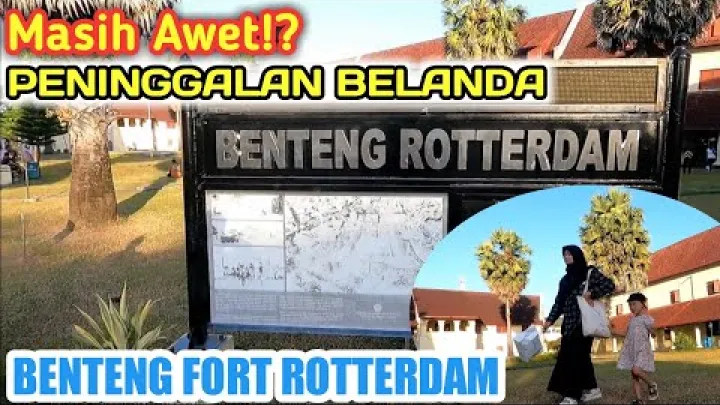
Keep the visit focused rather than treating it as a full-day activity. Check current opening hours and museum access before going, because access details can change. If cultural spaces or exhibitions are open during your visit, they can add useful context.
Use respectful language and attention when visiting heritage sites. Fort Rotterdam is not only a photo stop; it is part of a layered local history that includes trade, power, conflict, and cultural exchange.
Paotere Harbor and Maritime Culture
Paotere Harbor is a working harbor associated with Makassar’s maritime identity and wooden vessels. It is not a curated attraction, so the experience can feel raw, busy, hot, and practical.

Visit with realistic expectations. You may see cargo activity, boats, workers, traffic, and daily port routines. Do not block work, ask before photographing people closely, and consider going with a local guide if you are unsure how to move around respectfully.
Paotere is most rewarding for travelers interested in real urban life and maritime culture. Wear sun protection, use sturdy footwear, and avoid carrying unnecessary valuables.
Markets, Malls, and Contemporary City Life
Makassar is not only heritage and waterfront. Markets, malls, cafés, and commercial districts show contemporary city life. Traditional markets can be interesting for food, local products, and atmosphere, while malls provide air conditioning, predictable services, and shelter during rain.
Panakkukang is a useful commercial anchor, and malls such as Mall Panakkukang or Mall Ratu Indah may be convenient depending on your hotel and plans. Check current opening hours and facilities locally rather than assuming every shop or attraction is operating as listed online.
In markets, keep small cash ready, watch your belongings, and ask before taking close photos of vendors. In malls, use the time practically: cool down, withdraw cash if an ATM is available, buy essentials, or wait out a rainstorm.
Best Day Trips from Makassar
Makassar has several appealing day-trip options, but they are weather-sensitive. Choose between sea-based and inland trips based on forecast, comfort, and how much logistical work you want to handle.
Samalona Island and Nearby Offshore Islands
Samalona Island is a common offshore day-trip option from Makassar. It appeals to travelers who want a short island escape from the city, with the possibility of swimming, beach time, or snorkeling depending on conditions.
Do not over-plan this trip from old price lists or fixed schedules. Boat arrangements, departure points, sea comfort, return timing, and prices should be confirmed locally. Weather and sea conditions matter, and local operators may adjust plans for safety or practicality.
If you choose an island trip, start early, protect electronics from water, bring sun protection, and confirm exactly what is included. Ask about life jackets, return time, and what happens if weather changes.
Bantimurung-Bulusaraung National Park
Bantimurung-Bulusaraung National Park is a nature-focused day trip north of Makassar in the Maros area. Travelers often associate the area with waterfalls, caves, limestone scenery, and butterflies, but access and conditions should be checked before you go.
This trip is usually easier with a driver or organized tour, especially if you want to combine it with other Maros-area stops. Independent travel may be cheaper, but it can require more local knowledge and more flexibility.
Bring water, sun protection, rain protection, and footwear suitable for wet or uneven ground. Check current entrance rules, opening hours, and local conservation guidance close to your visit.
Rammang-Rammang Karst Landscapes
Rammang-Rammang is known for karst landscapes, river scenery, limestone formations, and rural surroundings in the Maros area. It is one of the most distinctive excursions near Makassar when weather and road conditions are suitable.
Many visits involve local boat arrangements, so confirm operating conditions, prices, and return timing before committing. Heavy rain can affect comfort and visibility, while strong sun can make midday travel tiring.
This trip pairs well with travelers who like landscapes and photography more than shopping or city sightseeing. Keep the day flexible, and avoid scheduling a tight evening flight immediately after a rural excursion.
Choosing Between a Tour, Driver, or Independent Trip
Your best day-trip style depends on budget, time, language comfort, and tolerance for uncertainty. Tours reduce planning stress. Private drivers offer flexibility. Independent travel can cost less but requires more local knowledge.
| Option | Best for | Watch for |
|---|---|---|
| Organized tour | Simple logistics, limited time, language support | Less flexibility, fixed route |
| Private driver | Flexible inland trips, small groups, comfort | Need clear price, route, and waiting-time agreement |
| Independent trip | Lower budget, experienced travelers | More uncertainty, local transport knowledge needed |
| Island boat arrangement | Sea trips and offshore islands | Weather, safety equipment, return timing, price clarity |
For any option, build in time buffers. Makassar traffic, rain, boat conditions, and road delays can affect your return. If you need to connect to a flight or long-distance journey, choose the more conservative plan.
What to Eat in Makassar
Food is one of the strongest reasons to visit Makassar.
Essential Local Dishes to Try
Coto Makassar is one of the city’s signature dishes, usually a rich beef soup that may include offal depending on the venue. Pallubasa is another hearty local soup, often served with rice and sometimes with egg or other additions. If you do not eat offal, ask before ordering.
Sop Saudara is a comforting soup associated with South Sulawesi, often featuring meat, noodles, or other ingredients depending on the kitchen. Pallumara is a fish-based dish with sour and savory flavors. Kapurung is associated with sago and vegetables, and it may include fish or other proteins.
Makassar also has local noodle dishes, grilled fish, and many snack foods. Do not assume a dish is halal, pork-free, vegetarian, or allergy-safe unless you confirm at the specific venue. Ingredients and cooking methods can vary.
Seafood, Street Snacks, and Markets
Seafood is a major part of Makassar’s food appeal. Grilled fish, shellfish, and spicy sauces are common in local eating areas, including places near the waterfront. Choose busy venues with high turnover, especially for seafood.
Pisang Epe, a pressed grilled banana snack often served with sweet toppings, is strongly associated with the Losari Beach area. Buroncong, a coconut-based snack, is another local treat to look for in markets or street-food settings.
Markets can be excellent for observing local food culture, but they require more care. Carry small cash, watch your belongings, and choose cooked foods that are hot and freshly prepared. If you have allergies, prepare written Indonesian phrases for ingredients such as seafood, peanuts, egg, milk, meat, or chili.
Food Safety and Dietary Tips
Use practical food hygiene rather than fear. Drink bottled or properly filtered water, be cautious with ice if you are unsure of the source, and avoid raw or poorly stored foods if you have a sensitive stomach.
Start with established, busy eateries before moving to smaller street stalls. High customer turnover is often a practical sign that food is being cooked and replaced frequently, although it is never a guarantee.
Dietary restrictions require extra care in small local eateries. Learn simple Indonesian phrases for no pork, no beef, no seafood, not spicy, allergy, and vegetarian. Translation apps can help, but show the message clearly and confirm that the staff understand it.
Practical Travel Tips for Makassar
Makassar is manageable for prepared travelers. The most important practical issues are money, connectivity, heat, transport, and current local conditions.
Typical Costs and Money
Makassar can be affordable by many international standards, but costs vary widely by hotel class, transport style, and dining choices. Local eateries and ride-hailing can keep costs low, while higher-end hotels, private drivers, and tours increase the budget.
Indonesia uses the rupiah. Cash is useful for markets, small eateries, local transport, parking, tips, and small purchases. Cards are more likely to be accepted in larger hotels, malls, and established restaurants, but you should not rely on cards everywhere.
- Withdraw or exchange enough rupiah for your first day.
- Keep small denominations for food stalls, short rides, and tips.
- Use ATMs in secure, well-lit places such as malls or banks when possible.
- Expect prices to change during holidays, events, and high-demand periods.
Connectivity and Useful Apps
Urban connectivity in Makassar is generally useful for maps, messaging, translation, and ride-hailing. Hotel Wi-Fi, local SIM cards, and eSIM options can all work depending on your phone and travel style.
Before going out, save your hotel address, download offline maps, and keep a power bank for long days. This is especially important for day trips to islands or rural areas where charging options may be limited.
Use Indonesian place names when possible. For example, Pantai Losari may be recognized more easily than Losari Beach in some transport conversations. Save destination names in your notes so you can show them to drivers or staff.
Health Access and Everyday Precautions
As a major city, Makassar has more services than many smaller regional destinations, but travelers should still carry travel insurance and personal medicines. If you have specific medical needs, identify suitable facilities before arrival rather than waiting for an emergency.
Heat management matters. Drink water, use sun protection, take breaks in the shade or indoors, and avoid overloading your midday schedule. Mosquito precautions and rain protection are also sensible, especially during wetter months or outdoor trips.
Do not treat city access as a substitute for preparation. Keep emergency contacts, insurance details, passport copies, and medication information available both digitally and offline.
Safety, Weather Disruption, and Current Advisories
Makassar should be approached like a normal large-city travel environment. Use standard urban precautions: secure your phone and wallet, avoid unnecessary displays of valuables, use reputable transport, be careful in crowds, and avoid demonstrations or tense public gatherings.
Before departure, check current official travel advice for Indonesia through your own government and other trusted channels. The U.S. Department of State travel advisory page is one example of an official source that travelers can consult, but advisory information can change quickly.
Weather can disrupt plans even when safety conditions are normal. Heavy rain may affect traffic and walking, while sea conditions may affect island trips. In a region with wider natural-hazard considerations, it is sensible to monitor local news, hotel advice, and official alerts during your stay.
Suggested Makassar Itineraries and Final Planning Tips
Makassar itineraries work best when they are simple.
One-Day Makassar Itinerary
For one day in Makassar, start with Fort Rotterdam if it is open and accessible, then add a local lunch such as Coto Makassar, Pallubasa, or seafood. In the afternoon, choose either a market, a mall break, or a short cultural stop depending on heat and rain.
End the day at Losari Beach for sunset and evening food. This route keeps the focus near the central and waterfront areas, which is more realistic than crossing the city repeatedly.
If the weather is poor, shift the plan toward food, museums or cultural spaces with confirmed access, cafés, and malls. Do not force an island trip or outdoor excursion when conditions look unsuitable.
Two- or Three-Day Makassar Itinerary
With two days, use the first day for Fort Rotterdam, Losari Beach, local food, and central orientation. Use the second day for Paotere Harbor, markets, Panakkukang or another commercial area, and a deeper food plan.
With three days, add one day trip. Choose Samalona Island or nearby offshore islands if sea conditions are good and you want a coastal escape. Choose Rammang-Rammang or Bantimurung-Bulusaraung National Park if you prefer landscapes, rivers, limestone scenery, or inland nature.
If you are continuing to Tana Toraja, protect time for the longer onward journey. Avoid using your final Makassar day for a complex excursion if you need to depart early the next morning.
Before You Book: Final Checklist
Use this checklist before confirming your Makassar trip. It will help you avoid the most common planning mistakes.
- Choose your season with rain, heat, and boat conditions in mind.
- Pick a base area that matches your trip: Losari for first-time leisure, Panakkukang or Pettarani Road for convenience, city center for history, airport area for flights.
- Plan your airport transfer before arrival, especially for late flights.
- Decide whether your day trip should be sea-based or inland.
- Keep cash in small denominations for food, markets, and local payments.
- Save hotel addresses and key destinations in Indonesian.
- Check current transport schedules, attraction access, boat conditions, weather, and official advisories close to travel.
Makassar rewards travelers who plan for an urban, coastal, food-focused South Sulawesi experience. If you arrive with realistic expectations and a flexible schedule, the city can be both an interesting destination and a strong gateway to the wider region.
Select area
Create a post
Posting is free and no registration is required.