Makassar Getting There: Flights, Ferries, Buses & Rail

Makassar getting there decisions are usually simple if you fly, but they become more complex if you want to arrive by ferry, bus, private car, or rail. The city is the main gateway to South Sulawesi and an important connection point for eastern Indonesia, so it has stronger transport links than many nearby destinations. This guide explains the practical ways to reach Makassar, how the main gateways compare, and what to verify before you book. It focuses on long-distance arrival planning, with only a brief look at the airport-to-city transfer.
Quick Answer: The Best Way to Get to Makassar
For most visitors, the best route to Makassar is a domestic flight into Sultan Hasanuddin International Airport (UPG), followed by a taxi, ride-hailing vehicle, hotel pickup, or airport bus into Makassar city center. Ferries, buses, private cars, and the developing railway can be useful in specific cases, but they require more flexibility and more local checking.
Fastest and easiest option for most travelers
The fastest and easiest way to get to Makassar is to fly to Sultan Hasanuddin International Airport (UPG). The airport serves Makassar and the wider South Sulawesi region, and it is the most practical arrival point for international travelers connecting through major Indonesian hubs.
Common domestic connection points include Jakarta Soekarno-Hatta International Airport (CGK), Surabaya Juanda International Airport (SUB), Denpasar Bali Airport (DPS), Manado Sam Ratulangi Airport (MDC), and Sorong Airport (SOQ). These routes are useful because they connect Makassar with western Indonesia, eastern Java, Bali, northern Sulawesi, and eastern Indonesia. Schedules and airlines change, so treat route availability as something to check close to your travel date.
Flights are also the easiest mode to compare online. You can usually search by airport code, compare baggage rules, and see whether an itinerary is direct or requires a stop. Prices vary by season, booking time, baggage allowance, and national holiday demand, so avoid planning around a single old fare example.
When ferries, buses, or trains make sense
Ferries make sense if you are a flexible traveler, you enjoy slow travel, or you are already planning a long inter-island sea journey. They are not usually the best choice for a short holiday, a tight work trip, or a same-day connection because sailing times and arrival times can be less predictable than flights.
Buses, shared cars, and private cars are important mainly for travel within Sulawesi. They are useful if you are coming from places such as Rantepao in Tana Toraja, Parepare, Palopo, Bira, or other South Sulawesi destinations. Road journeys can take much longer than the map distance suggests because of traffic, mountain roads, roadworks, rain, and rest stops.
Rail is emerging in the Makassar and South Sulawesi transport picture, especially around the Makassar-Parepare corridor, but it is not yet a full replacement for flying or long-distance inter-island transport. Travelers should expect to combine any rail use with road transfers and confirm current station access locally.
Arriving by Air at Sultan Hasanuddin International Airport
Sultan Hasanuddin International Airport is the main air gateway for Makassar. The official Hasanuddin Airport site provides airport information and domestic transit guidance, which is useful if you are connecting through UPG rather than ending your journey there.
Main domestic gateways to Makassar
Use the airport code UPG when searching for flights to Makassar. This helps avoid confusion with other Indonesian airports and makes it easier to compare direct flights with one-stop itineraries.
Jakarta and Surabaya are usually the strongest gateways for many travelers. Jakarta Soekarno-Hatta International Airport (CGK) is especially useful if you are arriving from outside Indonesia and then connecting onward domestically. Surabaya Juanda International Airport (SUB) is useful for travelers coming from eastern Java or from international routes that connect through Surabaya.
Bali, Manado, and Sorong can also be important depending on your itinerary. Denpasar Bali Airport (DPS) works well for travelers combining Sulawesi with Bali. Manado Sam Ratulangi Airport (MDC) can be useful for northern Sulawesi routes. Sorong Airport (SOQ) is relevant for travelers linking Makassar with eastern Indonesia, including trips that may continue toward West Papua or nearby island regions.
Indicative route activity shown by Flightradar24 includes busy links such as Jakarta, Surabaya, Bali, Manado, and Sorong, but live schedules should always be checked through your airline or booking platform. A direct flight is normally simpler, while a one-stop itinerary may be cheaper or more available on certain dates.
International access and likely connection points
Makassar has stronger domestic connectivity than dependable direct international connectivity. Some international links may be available at certain times, but they can change by airline, season, and demand. For most international travelers, the safest planning assumption is to enter Indonesia through Jakarta, Bali, Surabaya, or another major regional hub, then connect to Makassar on a domestic flight.
If you are connecting from an international flight to a domestic flight on a separate ticket, allow enough time for immigration, baggage collection, customs, terminal movement, and check-in for the next flight. This is especially important in Jakarta or Bali, where international arrivals and domestic departures may involve separate processes.
When possible, a through-ticket can reduce stress because the airline may protect your connection if the first flight is delayed. If you book separate tickets, add a larger buffer and avoid the final domestic flight of the day unless you are comfortable staying overnight if something goes wrong.
Getting from the airport to central Makassar
Sultan Hasanuddin International Airport is north of central Makassar, near the Mandai and Maros side of the metropolitan area. The main practical choices into Makassar city center are official taxis, ride-hailing services where available, private pickups, hotel transfers, and airport buses if operating on your arrival day.
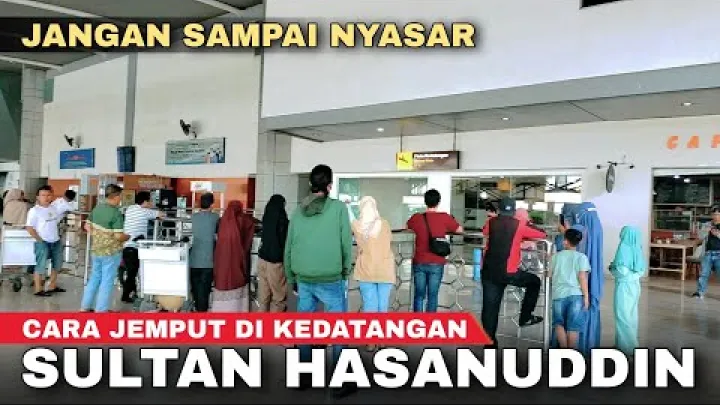
Taxi or private pickup is usually the easiest option if you arrive late, carry large bags, or are unfamiliar with the city. A taxi can be faster than a bus, while a bus can be cheaper but slower and less convenient with luggage. Transfer estimates from Welcome Pickups suggest that taxi travel may take around 30 minutes in good conditions, while bus travel can take closer to an hour, but actual time depends on traffic, weather, and your exact destination.
Before leaving the terminal, confirm your destination name, pickup point, and payment method. If using a taxi, use an official counter or a clearly identified operator where possible. If using an app-based ride, check the license plate and driver details before entering the vehicle. For late-night arrivals, a confirmed hotel pickup can be worth the extra cost if you want the simplest arrival.
Getting to Makassar by Ferry
Makassar is a historic maritime city and remains an important sea gateway for South Sulawesi. Ferry travel can be rewarding, but it is best for travelers who have time, flexibility, and patience with changing schedules.
Port of Makassar and long-distance passenger ferries
The Port of Makassar is the main reference point for large passenger ferry arrivals and departures. Do not confuse it with Paotere Harbor, which is better known as a traditional harbor area and is not the main gateway for large long-distance passenger ferries.
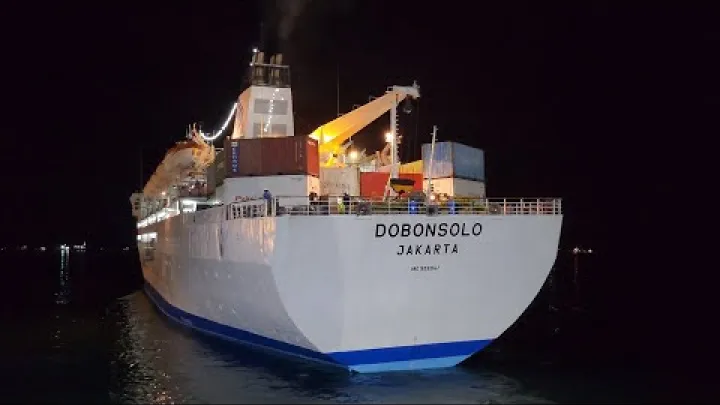
Indonesia has national long-distance ferry services, and Pelni is the key name many travelers will encounter when researching passenger ships. However, ferry routes, ship assignments, departure days, and ticket procedures can change. Use official operator channels, port offices, or trusted local ticket agents for current details rather than relying only on old blog posts or international ferry aggregators.
Sea travel is slow compared with flying, but it can suit long-term backpackers, flexible domestic travelers, or people carrying more luggage than would be convenient on a flight. Background accounts of Pelni-style travel, such as Monkey Rock World, can help set expectations for the experience, but they should not be treated as current schedule information.
Ferry schedules, ticketing, and planning buffers
Ferry schedules can be harder to confirm far in advance than flight schedules. Some routes may appear on one platform but not another, and not every Indonesian domestic ferry option is clearly shown on international booking sites.

For planning, first decide whether the ferry is part of the travel experience or simply a way to reach Makassar. If you only need the fastest arrival, fly. If you want the sea journey, check schedules close to departure, confirm the port, and ask how early passengers should arrive before boarding.
Build in generous buffer time after a long ferry arrival. Weather, port congestion, late ship arrivals, boarding procedures, and schedule revisions can affect your plan. Avoid booking a same-day onward flight or a nonrefundable hotel transfer immediately after a ferry arrival unless you are comfortable with the risk of delay.
Overland and Rail Access Within Sulawesi
Overland access matters most when Makassar is part of a wider Sulawesi itinerary. Roads connect the city with inland, coastal, and northern destinations, while the rail corridor is still limited for most visitors.
Buses and road routes from South Sulawesi destinations
Road transport is the main way to reach Makassar from many South Sulawesi destinations. Travelers commonly use buses, shared cars, private cars, or drivers for routes involving Tana Toraja, Rantepao, Parepare, Palopo, Bira, and nearby areas.
Rantepao in Tana Toraja is a practical example. Many visitors fly into Makassar, continue by long-distance bus or private vehicle to Tana Toraja, and later return to Makassar for their onward flight. The journey can be long and tiring, so a night bus may save daytime hours, while a private car gives more control over stops and timing.
For Bira and other coastal destinations, road travel may involve smaller vehicles, transfers, or local advice from hotels and agents. Before booking any long-distance bus or shared car, confirm the departure point, arrival area in Makassar, luggage rules, seat type, and whether the trip is direct or requires a transfer.
Road conditions and long-distance comfort
Sulawesi road journeys can include winding mountain sections, variable surfaces, heavy rain, roadworks, and delays. The trip can feel longer than expected, especially if you are traveling at night or after a long flight.
A bus is often the most economical choice on established routes, but comfort depends on the vehicle, seat type, air conditioning, driving style, and rest stops. A shared car may be faster or more flexible, but it can feel cramped if fully loaded. A private driver costs more but gives the most control, especially if you want stops, a direct hotel pickup, or a daytime journey.
Self-driving is possible for experienced drivers familiar with Indonesian traffic conditions, but it is not the easiest option for first-time visitors. Scooter rental should not be treated as a practical long-distance solution for most travelers, especially on mountain roads or routes with heavy vehicles.
Keep valuables close on night buses and at rest stops. Choose a seat that feels secure and comfortable, carry water and basic medicine, and do not plan tight onward connections after a long road journey. Recent local advice from hotels, terminals, drivers, and travelers can be very useful because road conditions change.
Current role of the Makassar Parepare railway
The Makassar-Parepare railway is an emerging part of South Sulawesi transport, but it is still limited for most arriving travelers. It should not be understood as a mature intercity rail network like those in Java, and it is not a way to reach Makassar from Java, Bali, or other Indonesian islands.
Names such as Mandai, Garongkong, and Parepare may appear when you research the corridor. However, travelers still need to check which stations are active for passengers, how tickets are handled, and how to connect between rail stations and central Makassar.
For now, rail may be useful only for specific local movements if the service, station access, and timing match your trip. Most visitors should treat it as a possible add-on rather than the primary way to arrive in Makassar.
Best Routes from Major Starting Points
The best route depends on where you start, how much time you have, and whether transport is simply a transfer or part of the adventure. The following route guidance covers common starting points without assuming that any specific schedule is permanent.
From Jakarta and western Indonesia
From Jakarta, the standard choice is to fly from Jakarta Soekarno-Hatta International Airport (CGK) to Makassar (UPG). This is usually the fastest and easiest option for both domestic travelers and international visitors who enter Indonesia through Jakarta.
If you are flying into Jakarta on an international ticket and then booking a separate domestic ticket to Makassar, allow extra connection time. You may need to pass immigration, collect bags, move between terminals, and check in again. A delayed first flight can cause problems if the second ticket is separate.
Travelers from other western Indonesian cities may connect through Jakarta or another major hub. Ferries from western Indonesia toward Makassar are a specialist slow-travel option, not the default choice for most travelers.
From Surabaya, Bali, and eastern Java
Surabaya Juanda International Airport (SUB) is a strong gateway for travelers coming from eastern Java. Flying from Surabaya to Makassar is normally much faster and simpler than trying to combine road and sea transport.
Denpasar Bali Airport (DPS) can be practical if you are combining Bali with Sulawesi in one Indonesia itinerary. A flight from Bali to Makassar avoids complex overland and ferry combinations and is easier to plan if you have fixed hotel dates or onward tours.
Sea routes from Java toward Makassar may exist depending on ship schedules and ports, but they are much slower and need current confirmation. Choose a ferry only if you have time, want the sea journey, and can accept changes to departure and arrival timing.
From northern Sulawesi and eastern Indonesia
From Manado Sam Ratulangi Airport (MDC) and northern Sulawesi, flying is usually the practical choice if your goal is simply to reach Makassar. Overland travel from north to south Sulawesi can be an itinerary in itself, involving long distances, multiple stops, and changing local conditions.
Makassar is also useful as an air hub for eastern Indonesia. Travelers moving between Sulawesi and places such as Sorong Airport (SOQ) often find Makassar helpful for flight connections, although exact schedules should be checked for the travel date.
Ferries may connect Makassar with eastern Indonesian ports, but these should be researched close to departure through official or local channels. If you are planning a multi-day sea or overland adventure, build the itinerary around flexibility rather than tight reservations.
How to Choose and Book Your Route Safely
The right transport mode depends on your time, budget, comfort needs, and tolerance for uncertainty. A business traveler, a family with luggage, and a long-term backpacker may all make different choices for the same route.
Comparison by speed, cost, comfort, and booking difficulty
The table below gives a practical comparison for getting to Makassar. It uses broad categories because fares, schedules, and service quality change by season and route.
| Mode | Best for | Speed | Booking difficulty | Main caution |
|---|---|---|---|---|
| Flight | Most travelers | Fastest | Low | Baggage and connection time |
| Ferry | Flexible slow travel | Slow | Medium to high | Schedule changes and delays |
| Long-distance bus | Sulawesi routes | Medium to slow | Medium | Long travel time and comfort |
| Private car | Families or flexible trips | Variable | Medium | Cost and driver reliability |
| Local rail | Specific local corridor use | Limited | Medium | Station access and service status |
Choose a flight if you value speed, easy booking, and a predictable arrival. Choose a ferry if the journey itself is part of your plan. Choose a bus or car if you are already in Sulawesi or heading to destinations not served conveniently by air. Treat rail as a local option to investigate, not as the main arrival method.
Booking checklist before departure
Before you depart, check the current details through official operators, airport pages, port offices, terminals, or trusted local agents. This is especially important for ferries, buses, and rail, where public-facing information may be less consistent than flight booking information.
- Confirm the exact airport, port, station, terminal, or pickup point.
- Check baggage allowance, luggage storage rules, and any extra fees.
- Confirm the arrival area in Makassar, not only the departure point.
- Check payment methods, cancellation rules, and refund conditions.
- Save screenshots of tickets, booking codes, and operator messages.
- Keep destination names in Indonesian when useful, such as the hotel name, street, or terminal.
- Add buffer time around national holidays, school holidays, bad weather, and late-night arrivals.
Do not assume every route can be booked easily online from abroad. For some local road or ferry arrangements, a hotel, local agent, terminal counter, or port office may provide clearer current information.
Common arrival traps and how to avoid them
The most common arrival problems are usually practical rather than dramatic: unclear taxi pricing, wrong terminal assumptions, outdated online schedules, or accepting help before understanding the cost. Slow down before leaving the airport, port, or terminal area.
For airport arrivals, use official taxi counters, confirmed hotel transfers, or app-based rides where available. Confirm the destination and price or app fare before the vehicle departs. If someone offers transport informally, ask the total price clearly and be prepared to decline.
For ferries and night buses, keep valuables close, do not leave important documents in stored luggage, and avoid planning a tight onward flight or prepaid tour immediately after arrival. For rail or road connections, confirm the exact station or terminal because names can sound similar or be located outside the city center.
Frequently Asked Questions
What is the easiest way to get to Makassar?
The easiest way to get to Makassar is to fly to Sultan Hasanuddin International Airport (UPG). Flights are usually faster, easier to book, and more predictable than ferries, buses, or rail.
Which airport serves Makassar?
Makassar is served by Sultan Hasanuddin International Airport, using the airport code UPG. It is the main airport for Makassar and a major gateway for South Sulawesi.
Can you get to Makassar by ferry?
Yes, Makassar can be reached by sea through the Port of Makassar on long-distance passenger ferry routes. Ferries are slow and schedules can change, so confirm current sailings through official or local channels.
Can you reach Makassar by train?
Rail access near Makassar is developing, but it is not a main way to reach the city from other Indonesian islands. Travelers may still need road transport between central Makassar and active rail stations.
How do you get from Makassar airport to the city center?
The main options are official taxi, ride-hailing service where available, private pickup, hotel transfer, or airport bus if operating. Taxi or private pickup is usually simplest for late arrivals or heavy luggage.
Is it better to fly or take a ferry to Makassar?
Flying is better for most travelers because it is faster and easier to plan. A ferry is better only if you want a slow sea journey, have flexible dates, and can allow for schedule changes.
Final Tips for Getting to Makassar
For most travelers, Makassar is best reached by flying into Sultan Hasanuddin International Airport (UPG) and arranging a clear transfer into Makassar city center. Jakarta, Surabaya, Bali, Manado, and Sorong are useful route anchors, but current schedules should always be checked before booking.
Use ferries, buses, private cars, and rail when they fit your wider Sulawesi plan, not because they look shorter on a map. Sea travel needs flexibility, road travel needs comfort planning, and rail remains limited for most visitors. If you confirm the gateway, allow realistic buffer time, and keep arrival details clear, getting to Makassar can be straightforward and efficient.
Select area
Create a post
Posting is free and no registration is required.