Wamena Travel Guide: Papua's Baliem Valley Tips

This Wamena travel guide is for travelers who are interested in Papua's highlands but want a realistic view before booking. Wamena is the main town and practical gateway for many visits to the Baliem Valley, a remote mountain region where flights, weather, permits, local guidance, and current security conditions shape every itinerary. A good trip here requires more preparation than a standard Indonesia beach or city holiday. Use this guide to understand how to get there, where to base yourself, what to verify, and when postponing may be the wiser choice.
Start With the Travel Reality in Wamena
Before thinking about viewpoints, markets, or treks, decide whether travel to Wamena is appropriate at the time you plan to go. Highland Papua can be affected by security restrictions, local tensions, flight disruption, and limited emergency support.
Check Current Safety Advisories Before Committing
Wamena is in Highland Papua, a region where conditions can change quickly. International government advisories may warn about unrest, armed conflict, demonstrations, terrorism risks, natural disasters, or limited ability to assist travelers in remote areas. The U.S. Department of State advises travelers to review Indonesia carefully and pay attention to areas with increased risk.
Check your own government's latest advisory, Indonesian updates, and current local advice before booking non-refundable flights, guides, or accommodation. Avoid demonstrations, political gatherings, and security activity. Do not photograph police, military personnel, checkpoints, or sensitive infrastructure. If a trusted local operator, hotel, or authority advises you to avoid an area, treat that advice seriously.
Confirm Permits and Local Requirements
Foreign visitors have historically been asked for a Surat Jalan or similar travel permission for some travel in Papua's interior, especially beyond major hubs. Rules and enforcement can change with security conditions, route, nationality, and local instructions, so do not rely on old travel reports.
Before leaving Jayapura or flying to Wamena, confirm the current requirements through a reputable local operator, hotel, or relevant police guidance in Jayapura. A guide can help with procedures, but the responsibility remains with the traveler. Prepare these documents in printed and digital form:
- Passport with a valid Indonesian visa or entry permission.
- Flight details and a simple itinerary.
- Hotel or host contact details in Wamena and Jayapura.
- Copies of travel insurance, including emergency assistance contacts.
- Passport photos, if requested locally.
- Emergency contacts and a copy of your passport identity page.
Plan for Limited Medical and Emergency Support
Wamena has regional medical facilities, but travelers should not assume the same specialist care, medical equipment depth, or evacuation options as in Jakarta, Bali, or other major Indonesian cities. A Wamena Regional General Hospital study describes the hospital's role as an important referral facility for parts of the Central Highlands, while also showing why remote logistics matter.
Buy comprehensive travel insurance that includes medical evacuation, especially if you plan trekking or village stays outside town. Carry personal medicines, a basic first-aid kit, water purification options, and enough prescription medicine for delays. Weather, unrest, road conditions, and flight cancellations can all slow access to care or evacuation.
Understand Wamena and the Baliem Valley
Wamena is not a quick add-on to a typical Indonesia itinerary. It is a highland base in Papua's mountainous interior, and most travel decisions should be made around time, flexibility, local relationships, and respect.
Know Where Wamena Fits in Highland Papua
Most visitors first enter Indonesia through a larger city such as Jakarta, Bali, Makassar, or another domestic hub, then continue to Jayapura in Papua, and finally fly inland to Wamena. Wamena sits in Jayawijaya Regency in Highland Papua and functions as the main service town for many Baliem Valley trips.
The Baliem Valley is the wider travel context: villages, gardens, mountain slopes, rivers, footpaths, and cultural encounters are spread across the valley rather than concentrated in one tourist district. Compared with Bali, Yogyakarta, or Lombok, Wamena usually needs more buffer days, more cash planning, more guide support, and a higher tolerance for uncertainty.
Approach Dani and Highland Cultures With Nuance
The Dani are strongly associated with the Baliem Valley, but the wider highlands include different communities, languages, and identities. Do not assume that every village, guide, or cultural event represents one single culture. Ask locally how people identify themselves and what behavior is appropriate.
Respectful travel means asking permission before entering villages, photographing people, attending ceremonies, or sharing images online. Some cultural visits involve community fees, guide coordination, and local protocols. These arrangements are not just formalities; they help visitors avoid intrusive behavior and support local decision-making.
Use Wamena Town as the Practical Base
Wamena town is usually the practical base for flights, guides, markets, hotels, supplies, cash management, and administrative errands. Wamena Airport, Jibama Market, small shops, guesthouses, and guide contacts make the town useful even if your main interest is the wider Baliem Valley.
The town experience is functional and busy rather than polished for tourism. The valley provides most of the landscape, walking, and village-based experiences. First-time visitors often sleep in town for logistics, then arrange day trips or overnight stays in the valley if conditions, permissions, and comfort levels are suitable.
How to Get to Wamena
Access is one of the biggest differences between Wamena and easier Indonesian destinations. For ordinary travel planning, think in terms of flights, buffers, and schedule changes.
Fly to Papua and Connect Through Jayapura
Most travelers reach Wamena by flying first to Papua, commonly through Jayapura, then connecting onward to Wamena. A simple planning route is: international or domestic entry point in Indonesia, flight to Jayapura near Sentani Airport, then a domestic flight to Wamena.
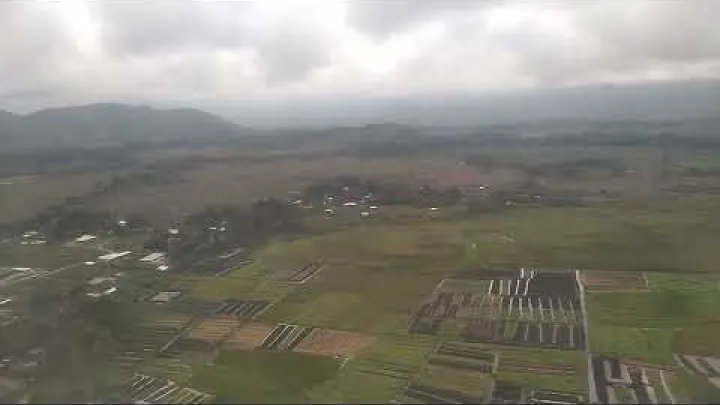
Build an overnight buffer in Jayapura rather than relying on a tight same-day connection. This helps if your incoming flight is delayed, if you need to confirm local requirements, or if the Wamena flight schedule changes. Travel information from Kupi also presents flying from Jayapura to Wamena as the normal access pattern for visitors.
Understand Wamena Airport and Mountain Flight Delays
Wamena Airport is the key air gateway for the Baliem Valley and an important highland aviation point. The Wamena Airport overview describes its role for passenger and cargo movement in the Papuan highlands.

Mountain weather, cloud, visibility, operational limits, cargo demand, and local conditions can affect flights. Keep extra time before any important onward flight, especially an international departure from Indonesia. Flexible tickets, contingency nights in Jayapura, and a calm approach to schedule changes are practical parts of Wamena travel.
Treat Overland Access as Exceptional, Not Standard
First-time visitors should not plan on a normal bus, road transfer, or casual overland route from the coast to Wamena. Road projects and expedition-style routes may exist in parts of Papua, but terrain, access permission, weather, security, and local conditions make overland travel unsuitable as a default tourist plan.
For most travelers, flying is the realistic access method. If you are considering any overland route, discuss it only with specialist operators who have current local knowledge, and be prepared to cancel if conditions are not suitable.
Getting Around Wamena and the Baliem Valley
Movement around Wamena is local, practical, and often informal. Do not expect the clear transport systems found in large Indonesian cities.
Use Local Transport for Short Town Trips
Local minibuses, shared vehicles, hired cars, or informal motorcycle transport may be useful for short trips in and around Wamena town. Routes, fares, and availability may not be obvious to foreign visitors, and language can be a challenge.
Ask your hotel, guide, or trusted local contact to confirm transport before setting out. Move mainly in daylight, agree on the destination and price before departure when hiring private transport, and avoid assuming that ride-hailing apps or card payments will be available.
Hire Qualified Local Guides for Villages and Treks
A qualified local guide is important in Wamena for more than convenience. Guides help with route finding, language, community introductions, local protocols, fee discussions, permit procedures, safety judgment, and changes caused by weather or local conditions.
Before agreeing to a guide, ask clear questions:
- What villages, routes, or areas are included?
- Are community fees, transport, food, porters, and accommodation included?
- What is the backup plan if weather or local advice changes?
- Can the guide provide recent references or hotel/operator recommendations?
- How will emergencies, illness, or evacuation be handled?
For longer treks, discuss porters, food, sleeping arrangements, walking hours, river crossings, and payment in advance. Negotiate respectfully and pay fairly for local labor.
Prepare for Patchy Connectivity Outside Town
Phone and internet access may be better in Wamena town than in villages, mountain areas, or trekking routes. Do not build your safety plan around constant mobile coverage.
Download offline maps, save important documents, carry a power bank, and keep printed copies of permits, insurance, and contacts. Share your itinerary with someone you trust before leaving town and agree on a check-in plan. Weather, power issues, or network limitations can disrupt communication without warning.
Best Time to Visit and What to Pack
Wamena's highland climate feels very different from Indonesia's coastal and island destinations. Plan for cool evenings, damp trails, and changing mountain conditions.
Expect Cool, Damp Highland Weather Year-Round
Because Wamena sits in the highlands, it can feel cool, humid, misty, and damp even when other parts of Indonesia feel hot and tropical. Trails may be muddy, clothes may take time to dry, and evenings can feel cold in basic accommodation.
There may not be a simple dry-season answer in the same way travelers expect for Bali or Java. Regional guidance from Papua Explorer notes that rainfall patterns in Papua vary by area, so check current weather information and ask local guides what conditions are like before committing to treks.
Time the Trip Around Festivals Only After Verification
The Baliem Valley Festival is one of the best-known reasons travelers plan a Wamena trip. It can attract visitors who want to see cultural performances, community gatherings, and highland traditions in an organized setting.
Do not rely on old dates, old venues, or old itineraries. Festival timing, programming, visitor access, and logistics can change. If you plan to visit during a festival period, book flights, guides, and rooms early, but keep cancellation flexibility. Crowds, prices, transport demand, and local rules may differ from ordinary travel periods.
Pack for Mud, Cold Nights, and Basic Facilities
A Wamena packing list should look more like a mountain trip than a beach holiday. Pack light enough to move easily, but do not underprepare for cold, wet conditions.
- Layered clothing for cool mornings and evenings.
- Waterproof jacket or poncho for rain and mist.
- Sturdy walking shoes with good grip for mud.
- Warm sleepwear for simple rooms or village stays.
- Dry bags or plastic liners for documents and electronics.
- Headlamp or small torch for power cuts and basic facilities.
- First-aid kit, personal medicines, and water purification options.
- Cash in small denominations, stored securely in more than one place.
Where to Stay and Where to Base Yourself
Your best base depends on whether your priority is logistics, comfort, trekking, or immersion. For a first visit, many travelers use Wamena town first, then add valley stays if appropriate.
Choose Wamena Town for Logistics and Short Trips
Wamena town is the most practical base for first-time visitors who need airport access, guide meetings, markets, supplies, and administrative support. It also makes short valley trips easier to organize because you can adjust plans after hearing current local advice.
Town hotels may be functional rather than luxurious. Before booking, ask whether the room has hot water, reliable electricity, Wi-Fi, breakfast, airport transfer, secure storage, and help contacting guides or drivers. Confirm the address and payment method in advance.
Use Valley Lodges or Homestays for More Immersion
Valley lodges, guesthouses, homestays, or village stays can bring you closer to the landscapes and daily rhythms of the Baliem Valley. They can also involve simpler bedding, shared bathrooms, basic meals, limited electricity, and less privacy than town hotels.
Ask about transport, meals, bedding, bathroom arrangements, guide support, community permission, and what behavior is expected from guests. Remote stays may reduce access to medical help, communication, and flexible transport, so they are best arranged through responsible local contacts.
Book Early for Festival Periods and Flexible for Delays
Accommodation supply in Wamena is limited compared with major Indonesian tourism centers. Around festival periods, official holidays, or group tour dates, rooms and reliable guides can be harder to secure.
Book early when your dates are important, but choose flexible terms where possible. Flights, weather, permits, advisories, or local conditions may force changes. Keep at least one contingency night when onward travel matters.
| Base | Best for | Main trade-off |
|---|---|---|
| Wamena town | Flights, guides, supplies, short trips | Less immersive valley setting |
| Valley lodge | Scenery, quiet stays, guided walks | Fewer services and transport options |
| Village stay | Cultural exchange with permission | Basic facilities and more dependence on local arrangements |
What to See and Do Around Wamena
Most Wamena activities depend on local access, guide advice, weather, and community permission. Treat the following as planning ideas, not guaranteed attractions.
Explore the Baliem Valley With Community Permission
The Baliem Valley is the core experience for many visitors. It offers mountain scenery, farms, villages, footpaths, and the Baliem River landscape. The appeal is not a single viewpoint but the broader sense of moving through a highland valley with deep local histories.
Village visits should be arranged with guides and local permission. Agree in advance on fees, gifts, performances, access boundaries, and photography. Some places may be closed, inappropriate to visit, or unsuitable on a particular day because of local events or security concerns.
Visit Markets and Viewpoints as Low-Intensity Options
If you have limited time or trekking conditions are uncertain, town and nearby valley stops can still make the trip meaningful. Jibama Market may be useful for seeing produce, trade, and daily movement around Wamena, while viewpoints such as Napua Hill or areas sometimes referred to as Aikima or Pasir Putih may be considered if local advice supports a visit.
Ask your guide or hotel which stops are appropriate on the day. Markets and viewpoints are not free from etiquette concerns: ask before photographing people, avoid sensitive sites, and leave if a situation feels tense or if local contacts advise against staying.
Consider Trekking Routes Only With Realistic Fitness and Support
Trekking around Wamena can range from day walks to multi-day routes. Conditions may be muddy, steep, wet, and logistically basic. Areas such as Kurima, the Pyramid area, Wosilimo, or routes toward higher landscapes are sometimes discussed by travelers, but any route should be confirmed locally with a guide.

Before committing, ask about walking hours, elevation, river crossings, meals, sleeping arrangements, porters, communications, and evacuation options. Do not underestimate the effect of rain, mud, cold nights, and limited phone coverage. Serious treks should be guided.
Experience Cultural Events Without Treating People as Exhibits
Cultural events, performances, and festival programs can be meaningful parts of a Wamena trip when they are organized transparently and respectfully. Remember that staged performances are still community labor, and traditional dress or ceremonies should not be treated as objects for tourist photography.
Ask before taking photos of individuals, children, ceremonies, or performers. Pay agreed fees, avoid intrusive behavior, and follow your guide's advice. If attending the Baliem Valley Festival, verify current access, dates, etiquette, and transport before finalizing plans.
Costs, Sample Itineraries, and Booking Checklist
Wamena often costs more than easier Indonesian destinations because access is flight-dependent and responsible travel usually needs guides, local transport, and contingency time.
Budget for Flights, Guides, Permits, and Contingency Days
A cheap independent trip may not be realistic or responsible in Wamena. Budget for the full system of access, local support, and flexibility rather than only counting room and food costs. Exact prices change, so request written inclusions before paying deposits.
| Cost category | What to confirm | Why it matters |
|---|---|---|
| Domestic flights | Jayapura to Wamena schedules and baggage | Access is flight-dependent |
| Accommodation | Hot water, power, Wi-Fi, breakfast | Standards vary |
| Guide and driver | Daily rate, inclusions, route, language | Local support is central |
| Community fees | Village access, photos, performances | Prevents misunderstandings |
| Permits | Current requirements and documents | Rules can change |
| Cash buffer | Small notes and secure storage | Card use may be limited |
| Contingency | Extra nights and emergency funds | Delays are possible |
Match Trip Length to Your Risk Tolerance and Goals
Use trip lengths as planning frameworks, not promises that a route is possible at the time you travel. A short trip of several days may focus on Wamena town, a market visit, nearby viewpoints, and one guided Baliem Valley visit if conditions allow.
A medium trip can add more valley time, a village stay, or a simple guided walk. A longer trip can include festival dates or multi-day trekking, but only with current local confirmation, stronger contingency planning, and realistic fitness. Keep plans reversible rather than tightly packed.
Finalize a Go or Postpone Checklist
Before paying major deposits or leaving Jayapura, make a clear go or postpone decision. Wamena can be rewarding for well-prepared travelers, but it is not suitable for casual, last-minute, or risk-blind planning.
- Current travel advisory reviewed.
- Local safety advice checked with trusted contacts.
- Permit or travel permission requirements confirmed.
- Flights booked with buffer time.
- Guide vetted and inclusions written down.
- Accommodation confirmed directly.
- Travel insurance includes medical evacuation.
- Cash prepared in small denominations.
- Documents copied and stored offline.
- Emergency contacts and itinerary shared.
Postponing can be the responsible choice if advisories, permits, transport, or local advice raise concerns. If you go, travel with patience, ask permission, support local services fairly, and avoid politically or culturally sensitive behavior.
Frequently Asked Questions
Is Wamena safe for tourists right now?
Safety depends on current conditions, route, timing, and local advice. Check your government's travel advisory, Indonesian updates, and trusted local contacts before booking, and postpone if there are warnings about unrest, access restrictions, or unreliable support.
How do travelers usually get to Wamena?
Travelers usually fly to Papua, commonly through Jayapura, then take a domestic flight to Wamena Airport. Build in buffer nights because mountain weather and operational issues can affect schedules.
Do foreign visitors need a permit to visit the Baliem Valley?
Permit or travel permission requirements for Papua's interior have changed over time and can vary with conditions. Confirm the current requirement before departure through a reputable local operator, hotel, police guidance in Jayapura, or official channels.
What is the best time to visit Wamena?
There is no simple universal answer. Wamena has cool, damp highland conditions, and rainfall can affect trails and flights. Check current weather, ask local guides about trail conditions, and verify festival dates if your trip depends on the Baliem Valley Festival.
Can I visit Wamena independently, or do I need a guide?
You may be able to handle basic town logistics independently, but guided support is strongly recommended for villages, cultural visits, and treks. A good guide helps with language, permissions, safety judgment, route choices, and respectful community access.
Select area
Create a post
Posting is free and no registration is required.