Wamena Budget: Realistic Trip Costs for Baliem Valley

A realistic Wamena budget needs a different approach from a standard Indonesia trip budget. Wamena is the main highland hub for the Baliem Valley in Papua, and access, guides, private transport, and festival demand can raise costs quickly. This guide separates daily spending from domestic access flights, explains the main cost drivers, and gives practical sample budgets for short visits, treks, and the Baliem Valley Festival. Use the ranges as planning estimates, then confirm current prices before you book.
What a Realistic Wamena Budget Looks Like
Wamena can be affordable in some narrow categories, such as simple village stays, but the total trip is rarely as cheap as a low-cost route in Bali, Java, or Sumatra. The best way to plan is to separate fixed access costs from daily on-the-ground spending.
Daily budget ranges by travel style
The following ranges exclude international flights and usually exclude the flight from Jayapura to Wamena unless stated otherwise. They are planning assumptions, not guaranteed current prices. Prices can move with dates, accommodation availability, guide demand, group size, and whether you travel during the Baliem Valley Festival.
| Travel style | Estimated daily budget | What it usually means |
|---|---|---|
| Bare-bones backpacker | About USD 45-70 per day | Simple room or village stay, local meals, limited paid activities, careful transport choices |
| Independent trekker with guide | About USD 70-120 per day | Basic lodging, simple food, guide cost, some trailhead transport, possible porter costs |
| Mid-range comfort | About USD 110-200 per day | Town hotel, private guide days, private vehicle use, hotel meals or mixed dining |
| Packaged cultural or festival trip | Often USD 200-300+ per day when unpacked | Bundled lodging, guiding, transport, meals, cultural visits, festival arrangements, and logistics |
For local payments, think in Indonesian rupiah. USD ranges are useful for comparison, but guides, drivers, food stalls, village hosts, and small shops normally deal in rupiah. If you are comparing a package quoted in USD, EUR, MYR, or another currency, ask what exchange rate is being used and what is included.
Why Wamena costs more than the Indonesia average
Wamena is a remote highland destination. Many goods, supplies, building materials, fuel-dependent services, and tourism arrangements carry a logistics premium. A low meal price or a simple village lodging price does not remove the larger cost of getting people, food, equipment, vehicles, and support staff into the Baliem Valley.
The biggest cost drivers are the flight link through Jayapura or Sentani, limited accommodation supply, private transport to villages or trailheads, guide and porter fees, cultural visit arrangements, and demand around the Baliem Valley Festival. Each of these can be managed, but not all can be avoided.
Compared with Bali or Java, Wamena gives you fewer price points and less ability to solve problems cheaply at the last minute. A missed flight connection, a full hotel, or a private vehicle needed at short notice can change the budget more than a normal day of food spending.
Access Costs: Flights and Arrival Logistics
For many travelers, access is the single largest budget item. Keep flights to Papua and flights into Wamena separate from your daily budget so you can see the real cost of the trip.
Budgeting for the Jayapura to Wamena flight
Most visitors reach Wamena by flying from Sentani International Airport near Jayapura, coded DJJ, to Wamena Airport, coded WMX. It is a short highland route, but prices can vary widely. A booking snapshot from Booking.com describes the DJJ-WMX flight as about one hour and shows a round-trip fare snapshot that should be treated as date-dependent rather than permanent.
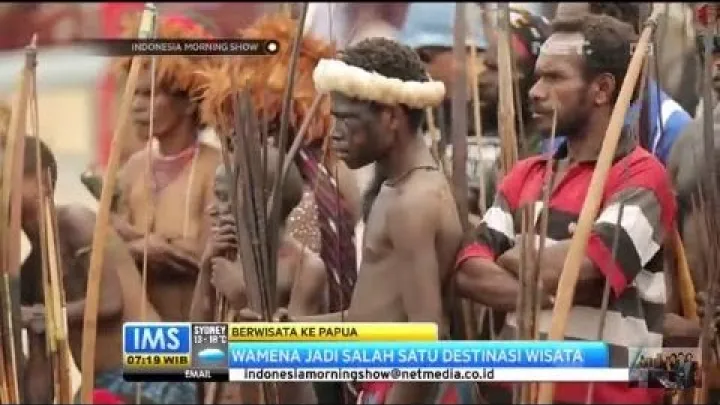
Some traveler and local guide reports mention lower locally available fares, while online booking platforms may show higher amounts, especially when availability is limited. The practical lesson is simple: check the current DJJ-WMX fare before you decide your final Wamena travel budget. If you are visiting during Indonesian holidays or the Baliem Valley Festival period, check earlier and budget more conservatively.
Buying locally may sometimes reduce the fare, but it can reduce certainty. That trade-off matters if you have fixed hotel dates, a guide waiting in Wamena, or an international flight home. Budget travelers with flexible time may accept more uncertainty; short-trip travelers usually need firmer reservations.
Other access and buffer costs before Wamena
Do not count only the Jayapura to Wamena flight. You also need to budget for travel from the rest of Indonesia to Jayapura or Sentani. For many international visitors, this means a chain of flights through Jakarta, Makassar, Denpasar, or another Indonesian hub before reaching Papua.
Possible access-related costs include airport transfers, meals during transit, baggage fees, one night near Jayapura or Sentani, and a schedule buffer if the connection is not safe. In remote travel, a buffer day is not only a safety decision. It is also a financial planning tool because a delay can create new hotel, food, transport, and rebooking costs.
If you buy a package, compare inclusions carefully. Some packages begin in Wamena, some begin in Jayapura, and some begin from another Indonesian gateway. A cheaper-looking tour can become more expensive if the expensive domestic legs are excluded.
Accommodation Prices in Wamena and the Baliem Valley
Accommodation costs depend strongly on whether you sleep in Wamena town, a resort-style property, a basic guesthouse, or a village stay during a trek. Availability is limited compared with major Indonesian tourist centers.
Town hotels and guesthouses
Wamena has a small accommodation market, so nightly rates can change sharply by date and availability. Properties such as Baliem Pilamo Hotel Wamena are useful local anchors when you research town accommodation, but the actual rate depends on dates, room type, booking channel, and inclusions. Booking pages commonly state that prices vary by stay date, so do not rely on an old screenshot or a friend’s past rate as your final number.
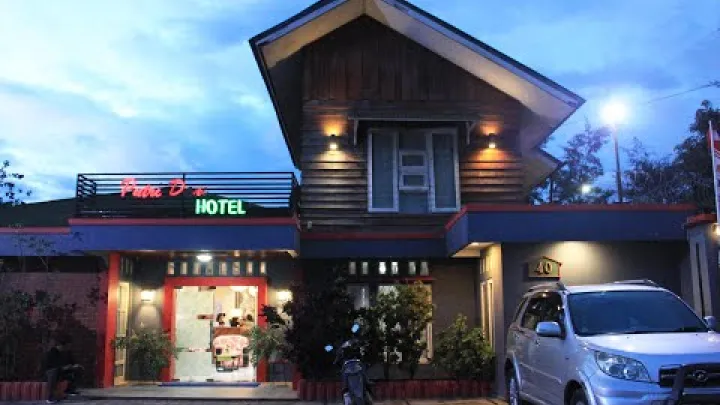
Town hotels are one of the main differences between a bare-bones Wamena budget and a mid-range Wamena budget. A private bathroom, hot water reliability, breakfast, airport transfer help, generator backup, location near Jalan Trikora or central services, and staff assistance with guides or transport can all affect value.
Baliem Valley Resort is another name travelers may encounter when looking for more comfortable or resort-style arrangements. Again, check current dates directly. During high-demand periods, the cheapest acceptable rooms may disappear first, leaving travelers with fewer and more expensive choices.
Village stays and trekking accommodation
Village stays and simple trekking accommodation can cost much less than town hotels, but they are also much more basic. Some planning reports mention village or honai-style stays around IDR 100,000 per night in certain contexts. Treat that as an approximate anchor, not a valley-wide rule.
Basic conditions may include limited bedding, simple floors, shared facilities, no heating, and cold highland nights. Carrying a suitable sleeping bag or liner can be a comfort decision and a cost-control decision because it reduces dependence on rented or improvised bedding.
Low accommodation cost does not make the whole trek cheap. A trek budget must also include a guide, possible porter, food for you and possibly the support team, village payments, trailhead transport, and pre- or post-trek nights in Wamena. Agree on payments clearly and respectfully before you stay.
Festival and peak-date accommodation pressure
The Baliem Valley Festival creates the strongest accommodation pressure in Wamena. The town has limited rooms, and festival visitors may include independent travelers, domestic tourists, international groups, guides, drivers, and officials.
When rooms fill, independent travelers can lose choice and may become more dependent on packages that already hold accommodation. Flights can also become harder to secure. If the festival is your main reason for visiting, book earlier and keep a larger buffer.
If the festival is not your main goal, consider traveling outside the August festival period. You may find planning easier, have more flexibility with guides and lodging, and reduce the risk of paying a premium for limited rooms. Do not assume exact savings; confirm current availability and prices.
Food and Daily Living Costs
Food can be moderate if you eat simply, but Wamena is still usually costlier than more accessible Indonesian cities. Budget food separately for town days and trekking days because the logistics are different.
Meals and small purchases in Wamena town
In Wamena town, simple Indonesian meals, small local eateries, kiosks, and basic snacks can keep daily food spending under control. Travelers looking around central streets such as Jalan Trikora may find everyday eating options, but opening hours, menus, and prices should be checked on arrival rather than assumed in advance.

For planning, a very careful traveler might budget modestly for simple meals and water, while a mid-range traveler should allow more for hotel restaurants, extra drinks, snacks, coffee, or meals with a guide. The difference between local eateries and hotel dining can be large over several days.
Carry small rupiah notes. Small shops, food stalls, local rides, and village payments may not be convenient places to use large notes, cards, or digital payment methods. If you need special foods, dietary items, or reliable trail snacks, consider buying them before Wamena when practical.
Trekking food and carry-in supplies
Trekking food is usually simple. It may include rice, noodles, potatoes, vegetables, fruit, tea, coffee, and other basic items bought locally or carried in. Some trekking cost reports use around IDR 100,000 per day as a simple-food planning anchor in certain contexts, but the real amount depends on group size, route, guide arrangements, and what is available.
Before estimating food separately, ask whether a quoted trek price includes meals, cooking, fuel, guide food, porter food, and village-host meals. A low guide fee may not include these items, while a higher arranged trek may bundle them.
Buying strategic snacks, dry food, basic medicine, water purification supplies, and personal essentials in Jayapura or a larger Indonesian city can reduce stress and sometimes cost. This should not mean avoiding local purchases completely. Buying from villages where appropriate can support hosts and reduce the need to carry everything.
Local Transport, Guides, and Activity Costs
Local transport and guiding are where Wamena budgets often expand. The cheapest option may not fit your timing, safety needs, language ability, or cultural expectations.
Local rides, buses, and private cars
Within Wamena town, some movement may be possible on foot or by short local rides. For routes out of town, travelers may encounter a large difference between cheap shared transport and private car hire. Reports compiled by Off the Unbeaten Track describe budget contrasts such as very cheap local buses to some trailheads and much higher private vehicle costs for rural access.

As rough planning anchors, some reports mention local bus rides around USD 2 in certain situations and private cars to rural areas around USD 30-50 per trip. Confirm current fares locally because routes, road conditions, fuel prices, and availability can change.
Private vehicles are easier to justify when shared by two or more travelers. They can also save time and reduce uncertainty. The budget decision is not only price; it is the balance between cost, comfort, timing, and certainty.
Guide, porter, and trekking cost choices
Guides and porters can become the largest on-the-ground cost for a Baliem Valley trek. Some local guidance has mentioned guide fees around IDR 300,000 per day, while other negotiated or internationally arranged rates can be higher. Porters are normally an extra cost unless clearly included.
There are three broad budget levels. Self-supported trekking may reduce cash spending, but it increases navigation, language, safety, and cultural-management challenges. Independent trekking with a local guide costs more but gives help with route decisions, introductions, payments, translation, and problem solving. Fully arranged trekking costs the most but may include lodging, meals, transport, guide, porters, and logistics.
Do not choose self-guided trekking only because it is cheaper if you lack experience in remote areas. A good guide is not only a navigator. The guide can help manage village expectations, avoid misunderstandings, coordinate payments, and adjust plans when weather, health, or transport changes.
Before agreeing on a rate, ask whether the fee includes cooking, carrying, food, accommodation, village payments, transport, cultural visits, and the guide’s own expenses. Put the inclusion list in writing if possible, even if it is a simple message.
Cultural visits and festival packages
Cultural visits, mummy villages, pig-feast arrangements, performances, and the Baliem Valley Festival are often bundled into packages rather than sold as simple entry tickets. This can make price comparison difficult because one quote may include transport, guide, meals, and lodging, while another may include only the event or visit.
As a historical traveler-reported example, A Girl Named Clara discussed a Baliem Valley Festival budget arrangement with figures around RM4,000, about USD 890 at the time, while also noting that daily needs and accommodation in Wamena can feel expensive. Treat this as one past example, not a standard current market price.
Internationally marketed packages can cost much more, especially for solo travelers, small private groups, or resort-based itineraries. Group size changes the apparent daily cost because cars, guides, permits, and logistics are shared more efficiently.
When comparing packages, ask for a clear inclusion list: start and end location, DJJ-WMX flights, meals, lodging, guide, vehicle, porter, permits, entrance fees, private cultural events, festival access, room sharing, and emergency changes. A from-Wamena price and a from-Jayapura price are not the same thing.
Money, Currency, and Administrative Planning
Money planning in Wamena is partly about price and partly about access to cash. Remote travel becomes easier when you have the right denominations and a separate reserve.
Cash, cards, and ATMs
Indonesia uses the Indonesian rupiah, and Wamena budgeting should be done mainly in rupiah terms. Cash remains widely accepted in Indonesia, while credit and debit cards are more reliable in hotels, restaurants, and larger retailers than in small or rural settings, according to Agoda.
Before flying to Wamena, withdraw enough rupiah for the first stage of your trip, especially if you are going directly into villages or trekking areas. Avoid carrying all money in one place. Split cash between a daily wallet, a secure backup, and an emergency reserve.
Small denominations are useful for food stalls, local transport, village stays, guide or porter payments, and small purchases. Large notes may be difficult to change in rural contexts. Do not assume every expense can be paid by card or online transfer.
Permits and local administrative costs
Foreign visitors to Papua’s interior may need to arrange or confirm travel permission before visiting Wamena and the Baliem Valley; local operators such as Baliem Valley Tour Guide publish guidance on this process. You may hear the term surat jalan, which means a travel letter or travel permit used for certain areas. Requirements can change, and advice may differ by nationality, route, and current local rules.
Do not budget only money for this item. Budget time, photocopies, passport copies, document checks, and possible small administrative expenses. If a tour package says it handles permits, ask exactly what is included and what documents you must provide.
Independent travelers should confirm current requirements with a local operator, hotel, or relevant police office before travel. Avoid relying on old forum posts because permit practice in Papua can change.
Emergency reserve for remote travel
A Wamena budget should include a separate emergency reserve. A reasonable planning buffer is about 10-15 percent of your local trip budget if you can manage it. This is separate from your daily spending money.
Possible uses include extra hotel nights, flight changes, private transport when shared transport is unavailable, medical needs, lost gear, or adjustments to guide and porter arrangements. The goal is not to expect problems. The goal is to avoid one change damaging the entire trip.
Keep part of the reserve in cash because not every urgent expense can be paid by card. Any unused rupiah can be spent later in Indonesia or exchanged after the trip, depending on your onward plans.
Sample Wamena Budgets for Common Trips
The examples below are planning models, not quotes. They exclude international flights and state whether the Jayapura-Wamena flight is included. Adjust them for your dates, group size, accommodation standard, and guide arrangements.
Three-day Wamena town and nearby culture budget
A short Wamena visit focused on town, markets, nearby cultural visits, and modest accommodation can be planned without a multiday trek. The main budget question is whether you arrange a private guide and vehicle for one or more days.
| Cost item | More independent example | With private guide and car |
|---|---|---|
| DJJ-WMX flight | Excluded; check current fare | Excluded; check current fare |
| Accommodation | Simple guesthouse or basic hotel | Better town hotel or confirmed room |
| Food | Simple local meals and snacks | Mixed local meals and hotel dining |
| Activities | Markets, town walks, limited paid visits | One or two guided cultural days |
| Local transport | Walking, short rides, limited vehicle use | Private vehicle for selected days |
| Planning total | About USD 150-250 plus flights | About USD 300-600 plus flights |
The lower example works best for flexible travelers who are comfortable arranging simple logistics after arrival. The higher example suits travelers with limited time, specific cultural interests, or a preference for confirmed arrangements.
Five-day Baliem Valley trekking budget
A five-day Baliem Valley trek can look cheap at first because village accommodation may be inexpensive. The total rises once you add guide, porter, food, village payments, and transport to and from the trailhead.
| Trek style | What to include | Planning range excluding flights |
|---|---|---|
| Experienced self-supported | Village stays, food, local transport, local payments, safety buffer | About USD 250-450 plus Wamena hotel nights |
| Independent with guide | Guide, food, village stays, trailhead transport, possible porter | About USD 400-750 plus Wamena hotel nights |
| More arranged comfort | Guide, porter, meals, private transport, arranged lodging, logistics support | About USD 700-1,200+ plus flights if not included |
Self-supported trekking is not the default recommendation for inexperienced travelers. Remote routes require practical judgment, cultural sensitivity, language support, and the ability to manage problems. Paying local hosts and support workers clearly is both a budgeting issue and an ethical issue.
If you add one hotel night before and one hotel night after the trek, include those in the total. Many travelers underestimate these town nights because they focus only on trail days.
Baliem Valley Festival budget
A Baliem Valley Festival budget needs a larger margin than a normal Wamena visit. Accommodation pressure, flight demand, vehicle arrangements, festival-related activities, and guide availability can all affect the total.
Independent booking can work if you secure flights, lodging, and local arrangements early. The benefit is control over each cost item. The risk is that one missing piece, such as accommodation or a vehicle, can become expensive later.
A package can look costly, but it may include important items: flights from Jayapura or Wamena arrangements, lodging, meals, festival access, guide, vehicles, cultural visits, and permit help. Compare the package by unpacking the daily cost and the included services. A historical budget-tour example around RM4,000, about USD 890 at the time, is useful only as an anchor for how bundled festival travel can be structured, not as a current quote.
Festival travelers should ask operators for a written inclusion list and should confirm whether the trip starts in Wamena, Jayapura, or another gateway. Hold a larger buffer than usual because replacing a missing room or vehicle during festival dates can be difficult.
Conclusion: Saving Tactics and Final Budget Checklist
Wamena is best budgeted as a remote highland destination, not as a standard low-cost Indonesia stop. You can control many costs, but underestimating access, guides, and festival pressure is the main budget risk.
Ways to reduce fixed costs
The most effective saving tactic is sharing fixed costs. Share private cars, guides, porters, and cultural arrangements with other travelers when it is practical and respectful. This can reduce the per-person cost without pushing unfairly low rates onto local workers.
If the Baliem Valley Festival is not your main goal, travel outside the festival period. You may find more choice and less pressure on accommodation and transport. If the festival is your goal, save money by booking earlier rather than waiting for last-minute solutions.
Mix guided high-value days with lower-cost independent days in Wamena town. For example, use a guide for cultural visits, village introductions, or a trek, but keep simple town days for markets, rest, and planning.
Bring selected supplies from Jayapura or larger Indonesian cities: trail snacks, basic medicine, personal hygiene items, batteries, water treatment, trekking essentials, and backup cash. Compare local operators and international packages by inclusions, not headline price alone.
What to verify before booking
Before you commit money, verify these budget items:
- Current Sentani International Airport (DJJ) to Wamena Airport (WMX) flight fare and baggage rules
- Accommodation availability in Wamena for your exact dates
- Baliem Valley Festival dates if you plan to attend in August
- Guide and porter daily rates and what they include
- Private car costs, shared transport options, and trailhead access costs
- Permit or surat jalan requirements for your nationality and route
- Cash access, card acceptance, and the amount of rupiah to bring
- Package inclusions, especially flights, meals, lodging, vehicles, permits, and room sharing
- Emergency buffer of about 10-15 percent of your local trip budget
The core takeaway is clear: a Wamena trip can be controlled with careful planning, but it should not be budgeted like a cheap city break. Plan the access costs first, confirm your accommodation and guide needs, carry enough rupiah, and leave room for the realities of remote travel in Papua’s Baliem Valley.
Select area
Create a post
Posting is free and no registration is required.