Timika Travel Guide: Papua Gateway Planning Tips
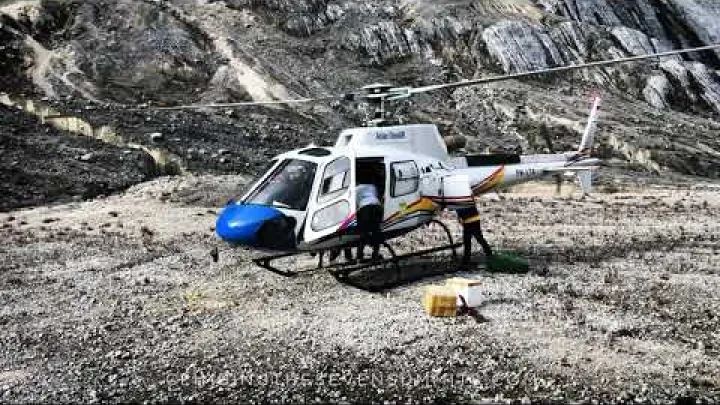
This Timika travel guide is for travelers who need a practical first look at one of Papua's most important gateway cities. Timika is not a resort-style destination; it is a working city where transport, logistics, local contacts, and preparation matter. Many visitors arrive for business, fieldwork, onward travel into Papua's highlands, or specialist expeditions rather than a conventional holiday. This guide explains how to plan your arrival, where to base yourself, how to move around, what to pack, and how to approach safety, health, money, and permissions with care.
Timika Travel Planning Basics
Good planning makes a major difference in Timika. The city can be straightforward if your visit is organized, but it can become stressful if you arrive without accommodation, local transport, cash, or clear onward arrangements.
Where Timika Is and Why It Matters
Timika is in Papua, Indonesia, and is closely associated with Mimika Regency in Central Papua. For travelers, its importance comes less from sightseeing and more from access. It sits in a region where lowland areas, rainforest, industrial activity, airport logistics, and routes toward the Papua highlands all shape how people move.
Timika is often discussed as a gateway city because travelers may use it before continuing to more remote parts of Papua. This can include highland travel, work assignments, research projects, community visits, or expedition logistics linked to places such as Carstensz Pyramid, also known as Puncak Jaya. Access rules, security conditions, and transport arrangements can change, so treat Timika as a place where current local information is essential.
The wider setting is also important. South of the mountains are lowland areas that eventually relate to the Arafura Sea lowlands, while inland travel can lead toward very different terrain, climate, and cultural contexts. A visitor who is comfortable in town may still need a much higher level of preparation for travel beyond it.
Who Should Add Timika to an Indonesia Trip
Timika is best suited to travelers with a clear reason to visit Papua. It can make sense if you are arranging an expedition, joining a work or research project, visiting with local hosts, preparing for highland travel, or building a broader Papua itinerary with professional support.
It is less suitable if you are looking for an easy beach break, nightlife, boutique shopping, or a first Indonesia trip focused on famous leisure destinations. Timika has practical services, accommodation, food options, and everyday city life, but travelers should not expect the tourism infrastructure of Bali, Jakarta, Yogyakarta, or major resort islands.
This does not mean Timika is uninteresting. It means the rewards are different. The city is useful for understanding how remote-region travel works in eastern Indonesia, for preparing carefully, and for connecting with people who understand local conditions.
How Many Days to Plan
The right length of stay depends on why you are coming. For a simple flight connection, one night may be enough if your arrival and departure are reliable and you have no complicated luggage or onward arrangements. For a practical preparation stop, two nights is more comfortable because it gives you time to rest, confirm transport, buy supplies, withdraw cash, and solve small problems.
If Timika is part of an expedition or remote travel plan, build in more time. Three or four days can be useful as a buffer, especially if you are waiting for other team members, checking equipment, confirming permissions, or coordinating onward movement. For specialist mountain or highland travel, timing should be set with your operator rather than copied from a general guide.
Buffer days are not wasted days in Timika. They reduce pressure when flights change, bags arrive late, rain affects movement, or local arrangements take longer than expected. If you have an expensive international flight after Papua, avoid scheduling it too close to your planned return from remote areas.
Getting to Timika
Most visitors reach Timika by air. Overland and sea travel in Papua can be complex, slow, and highly dependent on local conditions, so first-time visitors usually plan around flights and confirmed airport transfers.
Flying to Mozes Kilangin Airport
Mozes Kilangin Airport is the key arrival point for Timika. Travelers normally connect through larger Indonesian cities before reaching Papua, but airlines, routes, schedules, and baggage rules can change. Always check current flight details directly with airlines, booking platforms, your accommodation, or your local operator before you finalize your itinerary.
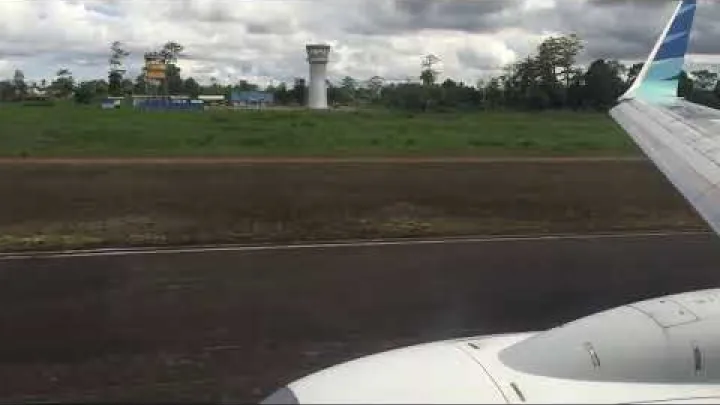
When comparing flights, look beyond the ticket price. Consider arrival time, connection time, checked baggage allowance, reliability of the connecting airport, and how easy it will be to reach your hotel after landing. If you are carrying expedition gear, work equipment, or medical supplies, confirm luggage rules before departure and keep essential items in your hand luggage when possible.
For international travelers, Timika will usually be part of a multi-stage journey within Indonesia. That means you should allow time for domestic transfers, possible overnight stops, and changes in terminal or baggage handling at larger airports.
Building Buffer Time Into Your Route
Tight same-day connections can create problems, especially if Timika is only the first step toward a remote destination. A delayed inbound flight can affect hotel pickup, team coordination, onward transport, or a scheduled expedition departure.
A safer plan is to arrive at least one day before any important meeting, transfer, or field departure. If you are joining a highland trip, ask your operator how much buffer they recommend. If you are returning from a remote area before an international flight, leave extra time in case weather, aircraft availability, road conditions, or administrative checks slow your return.
Buffer time does not guarantee that everything will work perfectly, but it gives you options. It also lowers the chance that you will need to make rushed decisions in an unfamiliar place.
Arrival Practicalities at the Airport
Before landing in Timika, know how you will leave the airport. First-time visitors should strongly consider arranging pickup through their hotel, employer, host, expedition operator, or trusted local contact. This is especially useful for late arrivals, heavy luggage, limited Indonesian language ability, or travel with specialist equipment.
On arrival, focus on a simple checklist: collect all luggage, check that fragile or important items are intact, contact your pickup or hotel, confirm your next appointment, and keep your passport and valuables secure. If you need cash, it is better to arrive with some Indonesian rupiah rather than assuming that every card, ATM, or payment app will work when you need it.
Save your accommodation name, address, phone number, and pickup details offline. Mobile data may work well in some places and less reliably in others, so do not depend only on a live internet connection for essential information.
Getting Around Timika and Reading the City Layout
Timika is easier to understand if you think in practical zones rather than tourist districts. Most visitors move between the airport, hotel, food places, shops, banks, offices, and transport meeting points.
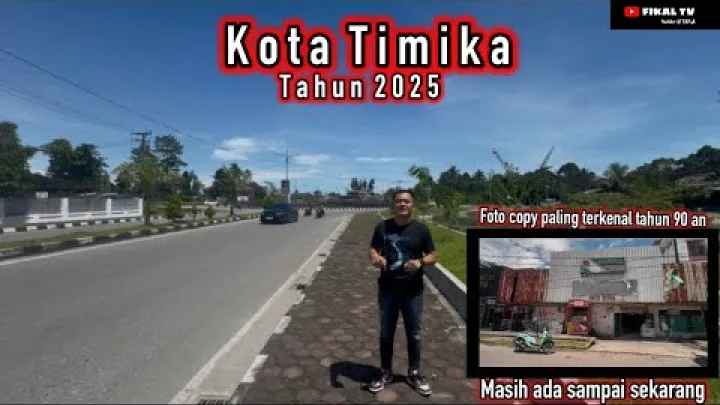
Airport Corridor, Town Center, and Everyday Service Areas
Your first decision is whether you need to stay close to the airport corridor or closer to town services. Airport access matters if you have an early flight, a short transit, or bulky equipment. Town access matters if you need food, supplies, banking, local errands, or more flexibility during the day.
Visitor movement in Timika is often task-based. You may go out to buy SIM cards, withdraw money, meet a local contact, collect supplies, eat a meal, or confirm transport. Unlike cities with dense tourist centers, the useful parts of Timika may be spread across ordinary service areas rather than grouped around attractions.
For this reason, ask your accommodation what is nearby before booking. Confirm whether you can walk safely to food or shops, whether transport is easy to arrange, and whether the location suits your arrival and departure times.
Local Transport Options
Common options for visitors may include hotel transfers, taxis, hired cars, local drivers, and shared local transport. Availability and standards can change, so confirm details locally rather than assuming that transport works like it does in larger Indonesian cities.
Before setting out, agree on the destination, price or payment method, waiting time, return plan, and who to call if plans change. If you do not speak Indonesian, write the destination name and phone number in advance or ask hotel staff to help explain the trip to the driver.
For unfamiliar areas, heavy rain, late-night movement, or travel outside normal city routines, use trusted local contacts. The small extra effort of arranging transport properly is often worth it for comfort and safety.
When to Use Local Help or a Driver
Local help becomes more important when you move beyond simple errands. If you are visiting a community, going to an unfamiliar edge of town, carrying expensive equipment, traveling after dark, or trying to understand access rules, a guide, host, or driver can prevent confusion.
A good local contact does more than drive. They understand timing, road conditions, local etiquette, appropriate introductions, and when a plan is not suitable. This is especially important in Papua, where cultural context and local permission matter.
Avoid treating remote communities as casual attractions. Visits should be arranged with permission, respect, and fair payment where services are provided. If you are unsure whether a place is appropriate to visit independently, assume that local guidance is needed.
Where to Stay and How to Book
Accommodation in Timika is mainly practical. Choose based on logistics first: airport access, transport, reliable communication, and the services you need before or after onward travel.
Best Base Areas for First-Time Visitors
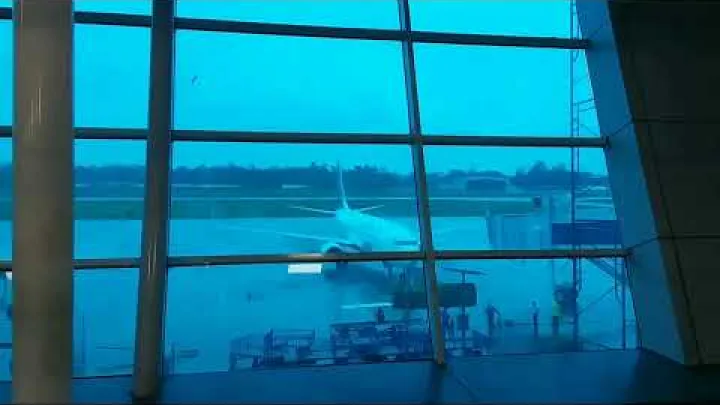
First-time visitors usually choose between staying near the airport and staying closer to town services. Neither is automatically better. The right choice depends on your schedule and the purpose of your visit.
| Base option | Best for | Main trade-off |
|---|---|---|
| Near the airport | Short transit, early flights, late arrivals, heavy gear | May be less convenient for town errands |
| Closer to town services | Food, supplies, banks, meetings, longer stays | Requires more planning for airport transfers |
| Operator or host-arranged stay | Expeditions, work visits, research, community travel | Less independent choice, but often easier logistics |
If your stay is only one night, minimize transfers and choose the most convenient location for your next flight. If you have errands, meetings, or waiting days, staying closer to services may make daily life easier.
Accommodation Types and Amenities
Expect functional hotels, guesthouses, and business-oriented accommodation rather than a large resort or backpacker hostel scene. Rooms may be comfortable, but the main value is usually location, reliability, and practical support.
Before booking, check whether the property offers airport pickup, air conditioning, breakfast, Wi-Fi, card payment, luggage storage, and 24-hour or late-arrival reception. If you are arriving on a late flight, confirm that someone will be available to check you in.
Travelers with specialist needs should ask direct questions. For example, expedition teams may need secure gear storage, early breakfast, vehicle access, or space to sort equipment. Business travelers may need stable internet and quiet working conditions. Do not assume these details from a listing alone.
Booking Tips for a Small Hotel Market
If your travel dates are fixed, book early. Accommodation can be affected by work travel, local events, group movements, and expedition schedules. A room that appears available online may still require direct confirmation for pickup, payment, and arrival time.
After booking, contact the hotel with your full name, arrival flight, expected time, and transport request. Ask what payment methods are accepted and whether you should bring cash. If you do not receive a clear reply, follow up before departure rather than waiting until you arrive.
Online information for smaller destinations can be incomplete or outdated. Recent confirmation is more valuable than old reviews when your plan depends on airport pickup, luggage storage, or early departure support.
Best Time to Visit, Weather, and Packing
Timika travel planning should account for heat, humidity, and rain. The best time to visit depends on whether you are staying in town, continuing to the highlands, or joining an expedition with specific weather and access requirements.
Heat, Humidity, and Rain
Timika has lowland tropical travel conditions. Visitors should prepare for warm temperatures, humidity, and the possibility of rain. These conditions can affect comfort, walking, road surfaces, and how quickly clothes and gear dry.
Rain is not only a comfort issue. It can change visibility, slow local movement, and complicate plans that depend on road access or small aircraft. If your travel purpose is sensitive to weather, check recent forecasts and ask local contacts how current conditions are affecting movement.
Avoid planning your trip around a general assumption that one month will be perfect. Seasonal patterns can be useful, but current conditions are more important when you are close to departure.
Weather Buffers for Flights and Outdoor Plans
Weather can affect domestic flights, local roads, and remote travel. If your itinerary includes an expensive expedition, a highland connection, or an international departure after Papua, add buffer time on both sides of the most important travel stages.
In town, rain may only mean adjusting your errands or taking transport instead of walking. Beyond town, it can have larger effects. A delay that seems minor in a major city can become more complicated when teams, aircraft, permits, or community arrangements are involved.
The best time to visit Timika is therefore not only about comfort. It is about matching your purpose with realistic logistics. A business traveler, a researcher, a short transit passenger, and a climber may all need different timing.
Packing for Lowlands and Highlands
Pack for the trip you are actually taking. If you will stay only in Timika, focus on lightweight clothing, rain protection, insect protection, comfortable footwear, sun protection, personal medication, and waterproof storage for documents and electronics.
If Timika is a gateway to the Papua highlands, your packing list changes. You may need layers for cooler conditions, stronger footwear, a more complete medical kit, and equipment suited to remote travel. Do not rely on buying specialist gear after arrival unless your operator has confirmed availability.
For technical activities such as Carstensz Pyramid or other demanding highland objectives, use a qualified operator's equipment list. Mountaineering, remote trekking, and field travel require specialist planning that should not be improvised from a general city guide.
Things to Do and How to Shape Your Itinerary
Timika is not a place where most visitors follow a long list of standard attractions. A realistic itinerary focuses on preparation, local meals, daily life, rest, and carefully arranged onward travel.
Use Timika as a Gateway to the Highlands
One of the main reasons travelers search for Timika is its role as a staging point for highland travel and specialist expeditions. This may include trips connected with Carstensz Pyramid or Puncak Jaya, as well as other remote Papua plans.
These trips require more than a flight and a backpack. You may need registered operators, local coordination, permits, security checks, medical planning, weather flexibility, and a clear evacuation plan. Costs, routes, access methods, and timing can change, so confirm details with the organization responsible for your trip.
Do not assume that highland travel can be arranged casually after arrival. If the main purpose of your visit is an expedition, start planning well in advance and treat Timika as the final preparation point, not the beginning of research.
Explore Town Life, Markets, and Food Carefully
If you have spare time in Timika, keep activities simple. Eat local meals, visit everyday shopping areas, buy supplies, observe town life, and use the time to understand the pace of the city. Ask hotel staff or local contacts where it is appropriate to go on the day you are there.
Markets and food areas can be interesting, but specific opening hours, names, and conditions should be checked locally. Go during suitable daylight hours, carry only what you need, and keep valuables secure.
Be respectful with photography. Ask before photographing people, stalls, religious spaces, or community settings. If someone says no, accept it immediately. Responsible travel in Timika is often about restraint and courtesy, not collecting as many photos as possible.
Plan Community Visits and Short Excursions With Local Guidance
Visits beyond the town center should be arranged with appropriate local guidance. This may mean a host organization, community contact, guide, driver, or operator who understands the route and the social context.
Clear expectations matter. Agree on who you will meet, what the purpose of the visit is, what payment or contribution is appropriate, how long you will stay, and whether photography is allowed. If a visit involves research, journalism, NGO work, or professional activity, check whether additional authorization is required.
Avoid independent exploration of sensitive or remote areas based only on maps or casual advice. In Papua, local permission, safety conditions, and community relationships can be more important than distance.
Sample Itineraries for Transit, Short Stay, and Expedition Buffer
Use these itinerary frameworks as planning models, not fixed schedules. Adjust them according to flight times, current conditions, and the advice of your hotel, host, or operator.
| Trip type | Suggested time | Main focus |
|---|---|---|
| Overnight transit | 1 night | Airport pickup, hotel rest, next flight confirmation |
| Practical stop | 2 nights | Cash, supplies, local SIM, transport checks, rest |
| Slower city visit | 3 to 4 days | Errands, food, town life, local meetings, flexible timing |
| Expedition buffer | Operator advised | Gear checks, permits, team coordination, weather delays |
For a one-night transit, keep the plan simple: arrive, check in, eat, sleep, and confirm the next day's movement. For a two-night stay, add errands and a little time to recover from travel. For an expedition buffer, let the operator's risk plan guide the schedule.
Safety, Health, Money, and Permissions
This is the section to take seriously. Timika can be manageable for organized travelers, but Papua is not a region where you should ignore current conditions, health preparation, or administrative requirements.
Current Conditions and Personal Safety
Before and during your trip, check current travel advisories, local news, accommodation guidance, and updates from your operator or host. Conditions can vary by area and can change quickly. Avoid absolute assumptions such as “always safe” or “always unsafe.” Instead, make decisions based on current, local information.
Use normal urban precautions. Keep valuables secure, avoid displaying expensive equipment, use trusted transport, and avoid unfamiliar areas late at night. If you encounter protests, roadblocks, large crowds, or security activity, leave the area calmly if it is safe to do so and follow local guidance.
Share your itinerary with someone reliable. If you are traveling beyond Timika, make sure someone knows your route, contacts, expected return time, and emergency plan.
Health Preparation and Medical Access
Arrange a pre-travel medical consultation before visiting Papua, especially if you will go beyond Timika. Ask about routine vaccinations, destination-specific precautions, mosquito-borne disease prevention, heat management, prescription medication, and travel insurance.
Heat, humidity, insects, and remote travel can increase health risks even for experienced travelers. Bring essential medication in original packaging, plus copies of prescriptions. Carry a basic kit for minor problems, but do not treat remote travel as if medical help will always be close.
If your trip includes highlands, expeditions, fieldwork, or community travel, consider insurance that includes emergency evacuation. Read the policy carefully because some activities, elevations, or remote operations may require special coverage.
Money, Connectivity, and Essential Documents
Bring Indonesian rupiah cash, including smaller notes for local expenses. Cards may be useful in some places, but do not rely on card acceptance for every hotel, driver, shop, or small purchase. A backup payment method is sensible.
Before arrival, check your mobile data plan, SIM registration requirements, and whether your phone is unlocked for Indonesian networks. Carry a power bank and save important information offline, including hotel details, contact numbers, flight bookings, insurance documents, and copies of your passport and visa documents.
Keep your original passport secure but accessible when needed. For remote travel, also keep digital and printed copies of permits, invitation letters, operator confirmations, and emergency contacts.
Permits and Responsible Travel Around Remote Areas
Travel beyond main urban areas in Papua may involve permissions, local coordination, or security considerations. Requirements can differ depending on your nationality, purpose of travel, destination, and whether you are a tourist, researcher, journalist, NGO worker, contractor, or expedition participant.
Check requirements through local authorities, registered operators, your accommodation, host organizations, or sponsoring institutions. Do this before departure and again close to travel, because access conditions can change.
Responsible travel means respecting both official rules and local expectations. Do not enter communities, work sites, restricted areas, or remote routes without permission. If your activity is professional rather than purely personal travel, be especially careful about authorization and transparency.
Frequently Asked Questions
How do travelers usually get to Timika?
Most travelers reach Timika by flying to Mozes Kilangin Airport after connecting through larger Indonesian hubs. Check current airline routes, schedules, baggage rules, and arrival transport before booking.
Is Timika safe for first-time visitors?
Timika can be manageable for organized visitors, but safety depends on current conditions, where you go, and how well your trip is arranged. Check advisories and local guidance, use trusted transport, and avoid unfamiliar areas after dark.
How many days should I spend in Timika?
Plan one night for a simple transit, two nights for errands and preparation, and more time if you are joining remote travel or an expedition. Buffer days are useful because flights, weather, permissions, and onward logistics can change.
Is Timika a good base for Carstensz Pyramid or the Papua highlands?
Timika is often used as a staging point for specialist highland travel, including trips linked to Carstensz Pyramid or Puncak Jaya. These trips require experienced operators, current access checks, permits, and careful safety planning.
Do I need special permits to travel around Timika?
Simple city travel may be straightforward, but travel beyond main urban areas in Papua can involve permissions, local coordination, or security considerations. Check with local authorities, hosts, or registered operators before going to remote areas.
What is the best time to visit Timika?
The best time depends on your purpose. For town visits, plan for heat, humidity, and rain at any time. For highland travel or expeditions, follow operator advice and build in weather buffers.
Conclusion: Final Planning Advice for Timika
Timika is best understood as a practical gateway city in Papua, not as a conventional holiday destination. It works well for travelers who arrive with clear plans, confirmed accommodation, reliable transport, enough cash, and realistic expectations.
Before you go, verify flights to Mozes Kilangin Airport, arrange your first transfer, confirm your hotel details, prepare for tropical weather, and check current safety and permission requirements. If your plans extend into the Papua highlands, remote communities, or specialist expeditions, use qualified local support and allow generous buffer time.
With careful preparation, Timika can be a useful and important part of an Indonesia itinerary. Treat it as a place for organization, respect, and flexibility, and your time there will be much easier to manage.
Select area
Create a post
Posting is free and no registration is required.