Timika Budget: Travel Costs & Money Tips

Timika Budget: Travel Costs, Daily Prices, and Money Tips
A realistic Timika budget should be planned differently from a Bali, Yogyakarta, or Java backpacking budget. Timika, Papua is a regional hub rather than a mass-tourism destination, so the cheapest hostel-style options are limited, flights can be a major expense, and travel beyond town may require special logistics. Once you are in town, however, local meals, simple cafes, short rides, and low-key urban activities can still keep daily spending moderate.
The estimates below are travel-planning ranges, not fixed official prices. Use them to build a first budget, then check current hotel rates, flight prices, exchange rates, and local transport quotes for your dates.
Timika Budget at a Glance
Estimated Daily Budget Ranges
For most visitors, the on-the-ground Timika budget is best separated from the cost of reaching Timika. Flights to and from Timika Airport can dominate the total trip cost, especially on a short visit. The daily ranges below exclude flights to Timika, remote expeditions, major private charters, travel insurance, and international flights.
| Traveler style | Estimated daily budget, excluding flights | Typical spend pattern |
|---|---|---|
| Budget | About $30–50 per day | Simple room, mostly local meals, limited paid activities, cautious local transport. |
| Mid-range | About $50–95 per day | Better hotel, breakfast included where possible, mixed local and sit-down meals, taxis or arranged rides. |
| Comfortable or business-style | About $85–160 per day | Business-oriented hotel, more hotel dining, more transfers, laundry, drinks, and flexible bookings. |
A rough breakdown for a mid-range traveler might include $35–60 for a room, $8–20 for food, a small daily amount for rides, and a modest allowance for activities or extras. Budget travelers can spend less if they find a good-value room and eat local food, while comfortable travelers can spend more when they prioritize reliability, air conditioning, airport convenience, and time savings.
Why Timika Costs Differently From Bali or Java
Timika is not a beach-resort market or a dense backpacker center. It serves local, regional, and business travel needs in Papua, so accommodation supply, logistics, and domestic flight access shape the budget more than nightlife or tourist attractions. That does not mean every item is expensive. Indonesian meals, simple drinks, local snacks, and short city movements can remain affordable. The difference is that one or two high-cost items, especially flights, hotels, and remote transport, can lift the total trip cost quickly.
For Indonesia-wide context, travel budget examples from Never Ending Footsteps show how costs vary by destination and travel style. Timika should be treated as a more logistics-sensitive destination than Indonesia’s easiest low-cost hubs.
Money Basics for Timika
Currency and Exchange Rate Planning
Travelers use Indonesian rupiah in Timika. Instead of locking your plan to one exchange rate, use a live currency app shortly before and during the trip. For mental budgeting, think in rounded rupiah blocks such as 10,000 IDR, 50,000 IDR, and 100,000 IDR, then convert larger items separately.
Hotels, domestic flights, remote tours, and private transport quotes are the items most likely to change your overall total. Track them separately from small cash spending on meals, drinks, laundry, tips, and short rides. If you pay for a tour or flight in a foreign currency, exchange-rate movement can also affect the final cost.
Cash, Cards, and ATMs
Cash is useful in Timika for warungs, small cafes, short rides, tips, market-style purchases, and informal services. Larger hotels and online bookings are more likely to accept cards, but you should not assume every small business or driver will take card payment.
Carry small denominations for food, local rides, and small shops. Keep a backup card and withdraw enough cash for several days without carrying more than you are comfortable losing. If an ATM or card terminal offers to charge you in your home currency, choosing Indonesian rupiah is often the cleaner option because dynamic currency conversion can add an unfavorable rate or fee.
Accommodation Costs in Timika
Budget Rooms and Simple Hotels
Timika does not appear to have the same dense hostel market as Bali, Yogyakarta, or other backpacker centers. A practical budget expectation for simple rooms is roughly $20–35 per night when available, though online prices may start lower or higher depending on season, platform, taxes, and availability. Hotel aggregator data such as Kayak has shown Timika hotel deals in this general low-to-mid range, but the lowest displayed price is not something every traveler can count on.
Budget rooms may involve trade-offs: fewer recent reviews, simpler facilities, less English-language information, or more need to confirm details directly. Before booking, check whether the rate includes breakfast, air conditioning, Wi-Fi, taxes, and any airport assistance. A room that looks cheap can become less convenient if you need to add meals and transfers separately.
Mid-Range and Business Hotels
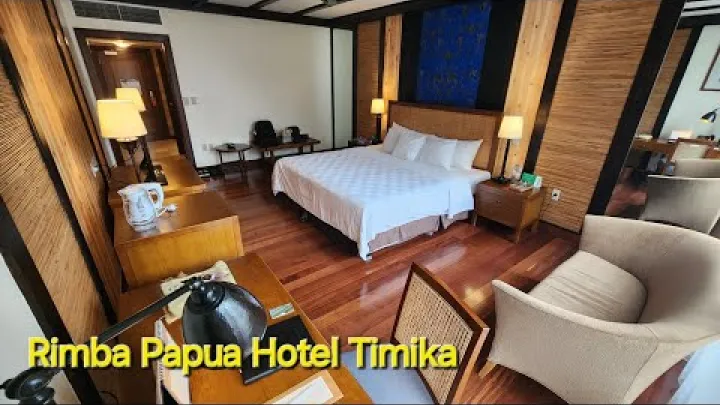
Many visible accommodation options in Timika are mid-range or business-oriented rather than backpacker-focused. For a better-equipped room, plan roughly $35–60 per night in normal conditions, with comfortable rooms, flexible rates, or busy dates potentially higher. Named local anchors include Swiss-Belinn Timika and Rimba Papua Hotel, but treat them as examples to compare rather than automatic recommendations.
The Swiss-Belhotel listing for Swiss-Belinn Timika is a useful example of the kind of business-hotel positioning travelers may find in town. Amenities such as breakfast, reliable air conditioning, airport proximity, a gym, a pool, or flexible cancellation can justify paying more if they reduce other costs or make a short stay smoother.
Location and Inclusions That Change the Real Room Cost
The cheapest room is not always the cheapest stay. A slightly higher rate can be better value if it includes breakfast, has easier airport access, or lets you walk to meals and errands. This matters in Timika because many visitors arrive through Timika Airport, also known as Mozes Kilangin Airport, and may only be in town for a short period.
- Compare the final price after taxes and booking fees.
- Check whether breakfast is included and what time it starts.
- Ask about airport transfer help if you arrive late or leave early.
- Read cancellation rules carefully, especially if flights may change.
- For short stays, prioritize convenience over saving a very small amount on the room.
Some travel listings suggest hotel prices may vary by month, but seasonal patterns are not permanent rules. Check current rates for your exact dates.
Food and Drink Costs in Timika
Cheap Local Meals and Cafes
Food is one of the easiest categories to control in Timika. If you eat Indonesian meals at simple places, a basic meal may fall around 15,000–40,000 IDR where available, depending on venue, portion, and ingredients. Rice dishes, noodle dishes, soups, fried snacks, bakeries, coffee, and tea are the kinds of everyday options that help keep costs down.
For a budget traveler who mostly eats local food and avoids alcohol, a daily food budget can often be kept modest. Build in extra if you need hotel breakfast, Western-style coffee, late-night meals, or imported items. Local restaurant listings such as Tripadvisor show that Timika has a mix of Indonesian, Chinese, Asian, and sit-down dining options, but they should not be read as fixed menu-price evidence.
Restaurants, Hotel Dining, Fast Food, and Alcohol
Mid-range restaurants, hotel dining, fast food, Western-style dishes, and alcohol can raise your Timika budget quickly. A mixed local-and-restaurant food budget might be around $8–20 per day. A more comfortable pattern with hotel restaurants, multiple drinks, or imported-style meals can move closer to $20–35 or more per day.
Kuala Oriental Restaurant and similar sit-down venues are useful local context for the type of dining available in Timika, not a guarantee of current prices. If saving money is the goal, eat local for most meals and use hotel restaurants for convenience rather than habit. Alcohol, where available, is often expensive relative to simple food, so budget extra if it is part of your routine.
Transport and Access Costs
Flights to Timika
Reaching Timika is often the biggest single budget item. Timika Airport serves domestic routes, and many travelers connect through another Indonesian hub. Flight prices can vary widely by route, date, airline, baggage allowance, and booking timing. Listings from Expedia are useful for checking current flight availability and routing options.

Keep flights separate from your daily Timika budget. A $60-per-day stay looks very different if the round-trip domestic flights are expensive and you only stay two or three nights. Compare routes through Jakarta, Bali, Surabaya, Makassar, or other Papua connections where relevant, and check baggage rules before choosing the cheapest fare.
Airport Transfers and Local Rides
Current local transport fare evidence for Timika is limited, so it is safer to plan with ranges and confirm prices directly. Ask your hotel for current airport transfer pricing before arrival. Depending on the situation, your options may include hotel transfer, taxi, private car, ojek or motorbike taxi where available, and walking for short distances.
Agree on the fare before entering an unmetered vehicle. For ordinary city movement, set aside a small daily transport allowance and a separate amount for arrival and departure transfers. Centrally located accommodation can reduce ride costs, especially if you can walk to meals, Diana Mall, or nearby errands.
Private Cars, Day Trips, and Remote Connections
Private car hire, longer local transfers, and travel beyond town can cost much more than short rides. Before committing, get a written or message-based quote that states what is included: fuel, waiting time, driver meals if applicable, road conditions, return timing, and any extra stops.
Separate ordinary city mobility from remote Papua travel. Remote movement may involve flights, boats, guides, permits, local accommodation, or logistics support. Add a contingency buffer for delays, schedule changes, and limited transport choices rather than planning to the lowest possible number.
Activities, Shopping, and Remote Tour Costs
Free and Low-Cost Urban Activities
Timika is not a major museum or theme-park destination, so everyday urban activities can be inexpensive if you keep shopping and transport modest. Diana Mall, Three Kings Cathedral, Timika, Mimika Sports Complex, cafes, and simple local sightseeing can fit into a low daily activity budget. Spending depends mostly on transport, food, shopping, donations, or any current entry rules.
Do not assume every place is free or open at all times. Check locally, dress respectfully for religious sites, and carry small cash for donations or small purchases when appropriate.
Spas, Souvenirs, and Small Extras
Small extras are easy to forget. Laundry, mobile data, snacks, coffee breaks, reflexology or spa visits, tips, toiletries, and souvenirs can change the comfort level of the trip. Budget travelers might add a few dollars per day as a miscellaneous buffer, while comfortable travelers should allow more.
Keep daily necessities separate from shopping. Papuan-themed shirts, local gifts, or extra cafe stops are discretionary, so they belong in a flexible extras category rather than the core survival budget.
Remote Papua Expeditions as a Separate Budget
Trips into remote Papua using Timika as a staging point can cost far more than ordinary city travel. Expedition packages may include domestic flights, boats, guides, porters, meals, permits, and remote accommodation. That makes them a separate budget category, not an add-on to a normal Timika daily budget.
Operators such as Mzungu Expeditions illustrate the scale of remote logistics that may be involved in Papua travel. Prices and inclusions can change by year, group size, route, and service level, so confirm what is included and excluded: insurance, visas, city meals, baggage, tips, emergency changes, and accommodation before or after the expedition.
Sample Timika Budgets by Traveler Type
Budget Traveler Scenario
A budget traveler might spend about $30–50 per day excluding flights by choosing a simple room, eating mostly local meals, limiting paid activities, and walking or using short rides when practical. The biggest constraint is accommodation: Timika may not offer the very low dorm-style prices found in Indonesia’s major backpacker destinations.
To stay near the lower end, look for breakfast included, share a room if traveling with someone, keep shopping limited, and avoid planning around the absolute cheapest rate unless you can confirm it for your dates.
Mid-Range Traveler Scenario
A mid-range traveler might spend about $50–95 per day excluding flights. This budget suits a well-reviewed hotel, breakfast where possible, mixed local and sit-down meals, arranged rides or taxis, and a few extras. For many first-time visitors to Timika, this is the most realistic comfort level because it balances cost with reliability.
Breakfast inclusion and a convenient location can keep the total closer to the lower end. Frequent hotel dining, last-minute transport, or flexible room rates can push it upward.
Comfortable or Business Traveler Scenario
A comfortable or business-style traveler might spend about $85–160 per day excluding flights and remote tours. This pattern prioritizes a better hotel, reliable air conditioning, airport convenience, hotel restaurant meals, laundry, more arranged transfers, and flexible booking conditions.
The extra spending is often about time savings and reliability rather than luxury. Keep a contingency fund for delays, last-minute flight changes, private vehicles, or unexpected schedule shifts.
How to Keep Costs Down in Timika
Book the Expensive Parts Early
Flights and hotels are the categories where planning can matter most. Monitor domestic fares, compare baggage rules, and avoid tight connections when possible. Compare hotel rates across booking platforms and direct booking options, including cancellation terms and included breakfast.
Early booking does not always guarantee the lowest price, but it can reduce the risk of limited availability or expensive last-minute changes. Flexible dates may help when demand or hotel pricing shifts.
Use Local Spending Habits to Save Money
Eat Indonesian meals, carry small cash denominations, confirm fares upfront, and choose accommodation that reduces transport and breakfast costs. Limit Western food, alcohol, hotel dining, and private transport if you want to stay close to a budget range.
Group errands and meals by area so you are not paying for unnecessary rides. Most importantly, add a buffer. In Timika, planning to the lowest possible number leaves little room for flight changes, limited transport options, or a hotel price that is higher than expected.
Conclusion: Planning a Realistic Timika Budget
A practical Timika budget starts with three separate numbers: the daily cost in town, the flight cost to reach Timika, and any remote Papua travel you plan beyond the city. For everyday spending, about $30–50 per day can work for careful budget travelers, $50–95 is a more realistic mid-range range, and $85–160 suits comfortable or business-style travel. Flights, private transport, and remote expeditions can raise the total far beyond those daily figures.
Use the ranges as a planning framework, then check current prices for your dates. If you keep lodging realistic, eat local often, confirm transport costs before committing, and treat remote travel as a separate budget, Timika becomes much easier to plan without unpleasant surprises.
Select area
Create a post
Posting is free and no registration is required.