Sumbawa Besar Travel Guide: Plan a Practical First Trip

This Sumbawa Besar travel guide is for travelers who want a practical first look at a quieter side of Indonesia. Sumbawa Besar is not a polished resort city like parts of Bali or Lombok, but it can be a rewarding base for heritage, local life, inland nature, and trips toward Moyo Island. Planning matters because transport, tours, weather, and local services can be less standardized than in major tourist areas. This guide explains where the city is, when to visit, how to get there, where to stay, what to do, and how to travel with realistic expectations.
Why Visit Sumbawa Besar?
Sumbawa Besar is best understood as a regional hub with cultural depth and access to nearby natural attractions. It suits travelers who are comfortable with a slower pace and who enjoy places where daily life is part of the experience.
What Makes Sumbawa Besar Worth the Journey
Sumbawa Besar is the main city of Sumbawa Regency on Sumbawa Island in West Nusa Tenggara. It offers a mix of local food, markets, royal heritage, and access to nature, rather than a dense list of packaged tourist attractions. Local tourism information from Sumbawa Indonesia Tourism presents Sumbawa Besar as a city with tourism potential and a useful base for exploring the area.
The strongest local anchors for a first visit include Istana Tua Dalam Loka, the historic royal palace area around Seketeng Village, inland escapes such as Semongkat, and offshore trips toward Moyo Island. These are not attractions to rush through. They work best when combined with time for local meals, short walks, and conversations with accommodation staff or local guides.
The main reason to visit is the travel style. Sumbawa Besar is quieter and more modest than Bali or the more visited parts of Lombok. That means fewer international tourist services, but also a stronger feeling of being in a working Indonesian city.
Who This Destination Suits Best
Sumbawa Besar suits repeat visitors to Indonesia, overland travelers, cultural travelers, and people who want to see Sumbawa Island beyond its surf and beach image. It can also work for first-time Indonesia travelers if they are flexible, patient, and comfortable asking for help locally.
| Best for | Why it works | Possible challenge |
|---|---|---|
| Culture-focused travelers | Royal heritage, local identity, markets, and community life | Events may not be scheduled for tourists |
| Nature add-ons | Access to inland areas and Moyo Island excursions | Weather and transport can affect plans |
| Overland travelers | Useful stop between Lombok and eastern Sumbawa or Bima | Long road segments require time and energy |
| Luxury resort travelers | Possible only with careful property selection | Limited high-end choice compared with Bali |
It may not suit travelers who want intense nightlife, a short beach-only holiday, dense English-language tourism services, or a fully predictable resort environment. The city rewards people who plan carefully but leave room for local conditions.
Where Sumbawa Besar Is and How the City Works
Understanding the geography helps prevent common planning mistakes. Sumbawa Besar is not the whole island, and Sumbawa Island is not the same as Lombok or Bali.
Sumbawa Besar in West Nusa Tenggara
Sumbawa Besar is on Sumbawa Island, east of Lombok, in Indonesia’s West Nusa Tenggara province. Sumbawa Island is one of the province’s two main islands, along with Lombok. The city of Sumbawa Besar is part of Sumbawa Regency and functions as an administrative, transport, and service center.
For trip planning, think of it as a practical base in the western and central part of Sumbawa Island. Travelers may arrive from Lombok, continue east toward Bima, or use the city as a starting point for nearby heritage and nature excursions. It is not usually a simple day trip from Bali or Lombok; it deserves its own planning block.
Downtown, Airport Area, and Nearby Nature Bases
Downtown Sumbawa Besar is the most useful base for most first-time visitors. It gives the easiest access to local food, small shops, everyday services, markets, and heritage stops such as Istana Tua Dalam Loka in the Seketeng Village area.

The area near Sultan Muhammad Kaharuddin III Airport is more practical for late arrivals, early departures, or short transit stays. It is not necessarily the best choice if you want to walk around the city or focus on heritage.
Moyo Island and coastal stays should be treated as separate nature-focused segments. They can be excellent additions for snorkeling, quiet beaches, and waterfalls, but they involve boat logistics and weather considerations. For a first visit, stay in town first unless your main purpose is an island or coastal escape.
Best Time to Visit and How Long to Stay
Sumbawa Besar is warm throughout the year, so the best time to visit depends less on temperature and more on rain, sea conditions, road conditions, and the type of activities you want to do.
Dry Season, Rainy Season, and Heat
In broad terms, the drier period is often roughly April to October, while wetter months are often roughly December to March. These ranges are useful for planning, but they are not guarantees. Local weather can vary, and short showers can happen outside the main rainy months.
Climate summaries such as WeatherSpark describe Sumbawa Besar as generally hot year-round, with a clearer dry-versus-wet seasonal pattern. Heat planning matters in every season: start outdoor activities early, carry water, and avoid overloading the middle of the day.
| Season | Best for | Planning note |
|---|---|---|
| Roughly April to October | Road trips, city sightseeing, inland nature, boat planning | Still hot; confirm sea and local conditions |
| Roughly December to March | Greener landscapes and slower travel | Rain can affect roads, trails, and boats |
| Shoulder months | Flexible itineraries | Conditions can change; keep buffer time |
How Weather Affects Activities
Weather matters most for Moyo Island boat trips, snorkeling, waterfall visits, rural roads, and hill or inland excursions. Rain can make landscapes greener and waterfalls more impressive, but it can also make paths slippery, rural access less predictable, and boat plans more uncertain.
If an offshore excursion is important, avoid placing it on your final day before a flight or long onward transfer. Keep at least one buffer day when possible. On rainy days, focus on heritage sites, local food, markets, rest, or simple city activities instead of forcing a long outdoor route.
Recommended Trip Length
One or two nights can work for a short stop focused on the city, a heritage visit, and local food. This is enough if you are crossing Sumbawa Island or connecting by flight, but it is too short to understand the wider area.
Three or four nights is the best first-time length for most travelers. It gives you time for one city and heritage day, one inland nature or village day, one Moyo Island or coastal day if conditions allow, and one flexible arrival or departure day.
A longer stay suits slow travelers who want to explore at a local pace, wait for community events, or combine town time with a nature-focused stay. Longer trips require more flexibility because services and schedules can be less predictable than in major Indonesian tourism hubs.
How to Get to Sumbawa Besar and Get Around
Transport is the part of a Sumbawa Besar trip that deserves the most careful checking. Routes may change, and schedules can be affected by weather, holidays, and operational conditions.
Flying to Sultan Muhammad Kaharuddin III Airport
Sultan Muhammad Kaharuddin III Airport is the main air gateway for Sumbawa Besar. Broad transport guides such as Kupi describe flying as the fastest way to reach the city, but travelers should always check current airline schedules before booking.

Visitors commonly look for connections through larger Indonesian hubs such as Lombok or Denpasar. Avoid tight international-to-domestic connections, especially if you need to change terminals, collect luggage, or overnight before a domestic flight. The airport is close enough to the city to be practical, but you should still arrange your arrival transfer or confirm local transport options in advance.
Arriving Overland by Ferry from Lombok
The common overland route from Lombok to Sumbawa uses the ferry crossing between Labuan Kayangan in East Lombok and Pototano in West Sumbawa, followed by road travel onward to Sumbawa Besar. This option can suit budget travelers, motorcyclists, overland travelers, and people carrying surfboards or outdoor gear.
It is practical, but not effortless. Ferry timing, weather, holiday crowds, and onward road travel can all affect the journey. Confirm the current ferry situation locally before departure, carry water and snacks, and avoid planning an important appointment immediately after a long overland transfer.
Local Transport in Town
In central areas, walking can work for short distances, especially early or late in the day when heat is easier to manage. For longer trips, travelers may use motorcycle taxis, informal local rides, local minibuses where available, hotel-arranged transfers, private drivers, or motorcycle rental.
The tradeoff is flexibility versus predictability. A motorbike gives freedom, but road awareness, helmet use, night visibility, and local traffic habits matter. If you are not an experienced rider, hire a driver instead of learning on unfamiliar roads. For day trips, ask your accommodation to help arrange transport and confirm the return plan before leaving.
Planning Day Trips Without Overcommitting
Sumbawa Besar works well as a hub for heritage stops, inland nature, villages, and departures toward Moyo Island. However, it is better to plan one strong activity per day than to create a rushed multi-stop schedule.
- Confirm pickup time and return time.
- Ask whether the route includes road, boat, walking, or motorcycle segments.
- Check the weather plan, especially for boats and waterfalls.
- Clarify entrance fees, conservation fees, guide fees, meals, and water.
- Ask what happens if conditions change.
- Carry cash, sun protection, and offline maps.
Local guides and accommodation staff can be especially useful when signage, language, boat access, or rural roads make independent travel harder.
Where to Stay in Sumbawa Besar
Accommodation in Sumbawa Besar is more modest than in larger resort destinations. The best area depends on whether your priority is the city, the airport, or nature access.
Best Areas to Stay
| Area | Best for | Tradeoff |
|---|---|---|
| Downtown Sumbawa Besar | First-time visitors, food, markets, heritage, services | Less resort-like atmosphere |
| Airport area | Late arrivals, early flights, short transit stays | Less convenient for city wandering |
| Moyo Island or coast | Nature, snorkeling, quiet stays | Boat logistics and weather dependence |
For most first-time travelers, downtown is the simplest choice. Choose the airport area only when flight timing is the priority. Choose Moyo Island or a coastal stay when your trip is clearly nature-focused and you have confirmed transfer details.
Accommodation Standards and Booking Tips
Expect mostly modest hotels, guesthouses, homestays, and a limited number of nature-oriented stays. Listings on Booking.com show a small accommodation market compared with major Indonesian tourist cities, so recent reviews are important.
Check comments about air conditioning, Wi-Fi, bathroom standards, breakfast, parking, noise, and transfer help. If you arrive late, travel during domestic holidays, need family rooms, or want a specific property, book ahead. It is also wise to contact the property before arrival for directions, pickup advice, or help arranging local transport.
Best Things to See and Do
The best activities around Sumbawa Besar combine heritage, local life, inland scenery, and offshore nature. Keep plans flexible and confirm details locally before setting out.
Istana Tua Dalam Loka and the Royal Heritage Core
Istana Tua Dalam Loka is the main heritage anchor in Sumbawa Besar and a logical first stop for understanding the city’s royal and cultural background. It is commonly associated with the Seketeng Village area and can be combined with nearby local food, markets, or a short city walk.
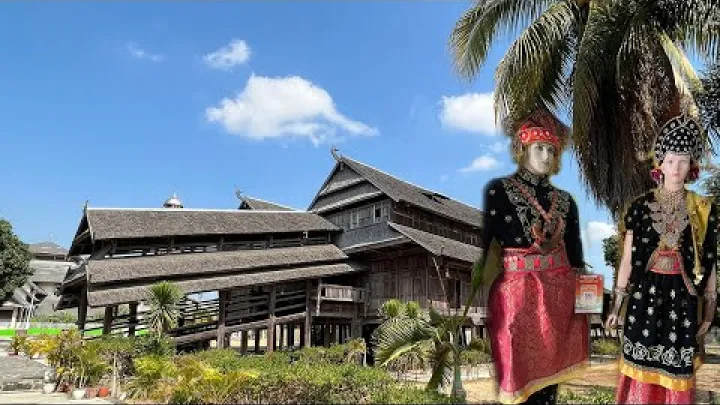
Before visiting, check current opening hours, access, entrance arrangements, and any restoration or event-related restrictions. At heritage sites, dress respectfully, follow local instructions, and be careful with photography if ceremonies, officials, or local visitors are present.
Traditional Villages, Local Culture, and Events
Sumbawa has a distinct local identity, often connected with Samawa culture, but travelers should avoid assuming that cultural performances or village visits are always available on demand. Traditional villages, crafts, dances, buffalo racing, and community events may be possible to experience, but timing and access need local confirmation.
Ask accommodation staff, local guides, or tourism offices about current events. If you visit a village or community event, ask before photographing people, dress modestly, avoid interrupting private activities, and support local businesses where appropriate.
Semongkat and Inland Nature Escapes
Semongkat and nearby inland areas offer a change of atmosphere from the city, with rural scenery, cooler-feeling upland areas, possible waterfalls, and short nature outings. These trips are best planned with local advice because road and trail conditions may vary by season.
Carry water, sun protection, insect protection, and footwear suitable for uneven or wet ground. Be careful around slippery rocks and natural pools, and avoid returning after dark if roads are unfamiliar. During or after rain, ask locally whether access is still safe.
Moyo Island and Offshore Excursions
Moyo Island is one of the most appealing excursions from the Sumbawa Besar area for travelers interested in snorkeling, waterfalls, quiet beaches, and nature-focused travel. Some commercial tours, including examples listed by GetYourGuide, include waterfall and snorkeling activities, but travelers should treat listings as starting points rather than guarantees.
Mata Jitu Waterfall is often mentioned in connection with Moyo Island, but current access, route details, inclusions, conservation fees, and return timing should be confirmed before booking. Ask about boat type, sea conditions, snorkeling equipment, meals, water, guide arrangements, and the backup plan if weather changes. Moyo can work as a day trip when conditions and logistics are clear, or as an overnight nature stay for travelers who want a slower pace.
Food, Costs, Safety, and Cultural Etiquette
Daily travel in Sumbawa Besar is usually straightforward if you prepare for a smaller tourism market. Carry cash, plan for heat, and be respectful in local communities.
Food and Everyday Costs
Food is generally simple, local, and affordable in a qualitative sense. Expect Indonesian meals, warungs, casual restaurants, snacks, coffee, and local market food rather than a large international dining scene. Travelers with strict dietary needs should learn a few Indonesian food phrases or use a translation app.
Carry Indonesian rupiah for small eateries, markets, parking, local transport, tips, and rural excursions. Card acceptance may be limited outside larger hotels or businesses. Instead of relying on exact budgets, plan by comfort level: basic local travel can be economical, while private drivers, boat trips, and special transfers will raise costs.
Money, Connectivity, and Daily Logistics
Sumbawa Besar has basic city services, but travelers should not expect the same redundancy as Bali, Lombok, Jakarta, or Denpasar. Bring enough cash for the next stage of your trip, keep a backup payment method, and avoid waiting until the last moment to solve money or transport problems.
Download maps, booking confirmations, transport details, and key addresses before traveling. A working Indonesian SIM card or roaming plan is useful, but mobile signal and Wi-Fi may vary outside town, in rural areas, and on islands. Pack chargers, power banks, medication, sun protection, and a reusable water plan suitable for hot weather.
Health, Safety, and Respectful Etiquette
The main everyday safety issues are heat, dehydration, road conditions, unfamiliar transport, slippery natural areas, and swimming or boating judgment. Drink water regularly, use sun protection, wear a helmet on motorcycles, avoid riding at night if inexperienced, and consider travel insurance that covers the activities you plan to do.
Sumbawa Besar is in a predominantly Muslim local context, so modest dress and polite behavior are important, especially near mosques, villages, offices, and family areas. Use polite greetings, be sensitive during religious periods, and avoid loud or disruptive behavior in residential areas.
Before departure, check current Indonesian entry rules, health requirements, and travel advisories through official sources relevant to your nationality. Rules and local conditions can change, and it is safer to confirm them close to your travel date.
Suggested Itineraries and Final Planning Tips
A good Sumbawa Besar itinerary leaves space for heat, weather, and transport. Use the following structures as flexible templates rather than strict schedules.
One or Two Nights for a Short Stop
For one or two nights, keep the plan simple. On arrival day, check in, eat locally, and take a short walk if timing and heat allow. On the main day, visit Istana Tua Dalam Loka, explore the surrounding city area, try local food, and prepare for your onward transfer.
This option is best for travelers crossing Sumbawa, connecting by flight, or sampling the city without deeper exploration. Avoid fitting a weather-dependent island trip into a very short stay unless the timing is secure and you can accept a change of plan.
Three or Four Nights for a Balanced First Visit
Three or four nights is the most balanced structure for a first visit. Use one day for the city and heritage, one day for Semongkat or another inland nature or village outing, one day for Moyo Island or a coastal trip if conditions allow, and one day as a buffer or onward travel day.
Adjust the order around weather, boat conditions, and operator availability. If a boat day is not possible, use the time for markets, local food, a slower city walk, or rest. This style gives you a clearer sense of Sumbawa Besar without making the trip feel rushed.
A Longer Stay for Slow Travel
A longer stay suits travelers who want to wait for local events, spend more time with guides, explore at a slower pace, or split time between town and Moyo Island or another nature-focused base. It also works for travelers using Sumbawa Besar as part of a wider Sumbawa Island route toward Bima or other eastern areas.
Slow travel works best if you are comfortable with limited advance information and local coordination. Support local guides, use accommodation staff for introductions when appropriate, reduce plastic waste on island excursions, and avoid treating community events as performances arranged only for visitors.
Final Checks Before You Book
Before booking, confirm your flight or ferry route, accommodation, arrival transfer, weather window, boat plans, cash access, local transport, entry rules, insurance, and communication plan. If you plan to visit Moyo Island, confirm the boat, inclusions, timing, and weather policy before paying.
Sumbawa Besar rewards flexible planning and realistic expectations. It is a calm, culturally rich base for seeing a quieter side of Indonesia, especially for travelers who value local life as much as headline attractions.
Select area
Create a post
Posting is free and no registration is required.