Maumere Travel Guide: Plan Your Eastern Flores Trip

This Maumere travel guide is for travelers who want a practical, balanced introduction to eastern Flores in Indonesia. Maumere is not a large resort city, but it is a useful gateway for Maumere Bay, quiet beaches, Sikka Regency culture, and overland travel across Flores. This guide explains how to reach Maumere, when to visit, where to base yourself, what to do, and how to connect it with places such as Moni, Kelimutu, Bajawa, Ruteng, Ende, and Labuan Bajo. It also highlights the main logistics, safety checks, and planning habits that make a first trip smoother.
Maumere at a Glance
Maumere works best when you understand it as a relaxed coastal base rather than a polished mass-tourism destination. It rewards travelers who are patient, flexible, and interested in beaches, local life, diving, weaving villages, and the wider Trans-Flores route.
Where Maumere Fits in Indonesia and Flores
Maumere sits on the north coast of Flores in East Nusa Tenggara, in the eastern part of Indonesia. It is one of the main entry points for eastern Flores and is commonly used by travelers who want to begin or end a cross-island journey. The town is associated with Sikka Regency and gives visitors access to Maumere Bay, coastal villages, inland landscapes, and road connections toward central and western Flores.
For many international travelers, Maumere is a quieter counterpoint to Labuan Bajo. Labuan Bajo is widely known as the gateway for Komodo trips, while Maumere is more useful for eastern Flores, Maumere Bay, Sikka and Doka cultural visits, and a slower start or finish to an overland route. If your goal is to see Flores beyond its most famous stops, Maumere is worth considering.
Who Should Visit Maumere
Maumere is a strong choice for divers, snorkelers, slow travelers, culture-focused visitors, and people planning an east-to-west or west-to-east Flores itinerary. It suits travelers who enjoy simple coastal stays, local markets, village visits, handmade textiles, and road trips with mountain views.
It is less ideal if you want major nightlife, luxury shopping, international resort infrastructure, or a very dense list of organized attractions. Maumere is not trying to be Bali or Labuan Bajo. Its appeal is quieter and more local: bay views, informal meals, village roads, fishing activity, and a slower rhythm of travel.
How Many Days to Spend in Maumere
Your ideal stay depends on whether Maumere is only a transport stop or a real base for eastern Flores. One night can work if you are arriving late, flying out early, or connecting to a long road journey. Two or three nights give enough time for a town walk, a beach visit, and one cultural or coastal outing. Four or five nights allow a more relaxed mix of Maumere Bay, Koka Beach, village visits, and possibly Mount Egon if conditions are safe.
| Length of stay | Best for | Planning note |
|---|---|---|
| 1 night | Transit, airport stop, road connection | Keep plans simple and stay near transport |
| 2 to 3 nights | First visit, beach time, one day trip | Good balance for most travelers |
| 4 to 5 nights | Diving, culture, beaches, slower travel | Add rest time and weather flexibility |
If you are crossing Flores by road, allow extra time. The Trans-Flores route is scenic but slow, with curves, mountain sections, and long travel days. During rainy months or when relying on domestic flight connections, add buffer time rather than planning every day tightly.
Best Time to Visit Maumere
Maumere is a warm coastal destination, so the main planning question is not whether it will be hot, but how dry, calm, and predictable conditions are likely to be. Weather affects beaches, roads, sea trips, and hiking plans.
Dry Season, Rainy Season, and Shoulder Months
Flores has a tropical climate with a generally drier period around June to September and a wetter period around December to March, according to climate summaries such as Climates to Travel. These are broad patterns, not guarantees. A dry-season trip can still have rain, and a rainy-season trip can still have clear days.
For most first-time visitors, the drier months are usually easier for beaches, snorkeling, diving, road journeys, and outdoor sightseeing. Rainy months can still be possible if you are flexible, but you should expect a higher chance of delays, rougher sea conditions, muddy paths, or road disruptions in hilly areas. Shoulder months can be attractive because landscapes may be greener and visitor numbers may be lower, but conditions are less predictable.
Before traveling, check current Indonesian weather forecasts and local advice, especially if you plan boat trips, volcano hikes, or long road transfers. Seasonal patterns are useful for planning, but daily conditions matter more for safety.
Weather Considerations for Diving, Beaches, and Road Trips
For Maumere Bay, weather can affect boat comfort, snorkeling visibility, diving conditions, and whether an operator decides to adjust or cancel a trip. Respect those decisions. A calm-looking beach does not always mean conditions are safe offshore, and local operators usually understand the bay better than visitors do.
Road travel also depends on weather. Flores roads pass through hills and mountains, and rain can make journeys slower. If you are traveling from Maumere toward Moni, Ende, Bajawa, Ruteng, or Labuan Bajo, avoid planning tight same-day connections after long drives. Motion sickness medicine, water, snacks, and patience can make the journey much easier.
Heat and sun exposure matter year-round. Plan town walks, beach time, and more strenuous activities for the morning or late afternoon when possible. Carry water, sun protection, and light clothing, and take shade breaks during the hottest part of the day.
How to Get to Maumere
Most travelers reach Maumere either by domestic flight or as part of an overland Flores journey. Ferries and multi-modal routes may be possible for flexible travelers, but they usually require more time and more local checking.
Flights to Maumere Airport
Maumere Airport (MOF), also known locally as Frans Seda Airport, is the main air gateway for most visitors arriving by flight. Regional flight patterns can change, so treat routes, airlines, and frequencies as details to confirm close to your travel date. Flight route tools such as FlightConnections can help you understand possible domestic connections, but you should always check directly with airlines or booking platforms before making firm plans.
Travelers generally connect through Indonesian domestic hubs such as Kupang, Labuan Bajo, or other cities depending on current schedules. Do not assume that international flights arrive directly in Maumere. If you are connecting from an international arrival in Bali, Jakarta, or elsewhere in Indonesia, leave a sensible buffer between flights, especially if you are using separate tickets.
Regional flights may have stricter baggage limits than long-haul flights. This matters if you travel with dive equipment, camera gear, or large luggage. Check baggage rules before booking and avoid scheduling an important boat trip, overland transfer, or international connection immediately after a domestic flight with no buffer.
Overland Travel on the Trans-Flores Route
Maumere fits naturally into the Trans-Flores route, which can connect eastern Flores with Moni, Kelimutu, Ende, Bajawa, Ruteng, and Labuan Bajo. This route is one of the main reasons travelers include Maumere in a wider Flores itinerary. It gives you a more complete view of the island than flying only into Labuan Bajo for a short Komodo trip.
The route is beautiful but slow. Roads curve through hills and villages, and travel days can feel longer than distances suggest. Instead of asking only how many kilometers separate two places, ask how tiring the journey will be, where you can stop, and whether it is better to break the route into stages.
Common options include a private driver, shared transport, local buses, or transfers arranged through accommodation. A private driver is usually the most comfortable and flexible option, especially for a group or for travelers with limited time. Shared transport and buses can be cheaper, but they may be slower, less predictable, and less comfortable with luggage.
Self-driving is not the simplest choice for most first-time visitors. Road conditions, local traffic habits, curves, rain, licensing, and insurance all require careful consideration. If you are not experienced with Indonesian road conditions, a local driver is often the safer and easier option.
Ferries and Slower Multi-Modal Routes
Sea routes and multi-modal combinations may exist for travelers with more time, but they are usually more complicated than flying. Ferry schedules, port operations, weather, holiday demand, and onward transfers can all change. Maumere port and other regional ports are practical transport points, but they are not always convenient for short leisure trips.
Choose ferry or multi-modal travel only if you have a flexible schedule and are comfortable confirming details locally. Before committing, check schedules with official operators, local agents, or accommodation staff, and make sure you understand where the ferry arrives, how to reach your next accommodation, and what happens if weather delays the trip.
Getting Around and Where to Stay
Maumere is spread out enough that your base matters. The best area depends on whether you want airport convenience, local town life, beach relaxation, or easy access to marine activities.
Understanding the Town Core, Coast, and Nearby Villages
Maumere is better understood as a coastal town with several practical zones than as a compact walkable tourist city. The town core is useful for markets, shops, transport, the port area, public spaces such as Taman Kota Maumere, and local landmarks such as Maumere Cathedral or Tugu Maumere where access is suitable. These places are better approached as everyday local-life stops than as major monument sightseeing.
Beach and resort areas around Maumere Bay offer a quieter stay and easier access to snorkeling, diving, or boat trips. Nearby villages and rural areas can be rewarding for culture and landscapes, but they often require arranged transport and more flexibility.
District names such as Alok, Alok Timur, and Alok Barat may appear in addresses or maps. For practical planning, focus less on administrative boundaries and more on travel time to the airport, beach, port, planned day trips, and your accommodation.
Local Transport: Ojeks, Drivers, Transfers, and Boats
Common ways to move around Maumere include ojeks, private drivers, hotel transfers, and boats for marine activities. Travel platforms such as Kupi describe ojeks as a practical local transport option, but availability, prices, and comfort can vary by location, time, and season.
For short trips, an ojek may be convenient if you are comfortable on a motorcycle. Use a helmet, avoid carrying awkward luggage, and do not ride if weather or road conditions feel unsafe. For longer day trips, a private driver is usually more comfortable and easier to coordinate.
Before starting any longer trip, agree on the price, route, pickup time, waiting time, fuel inclusions, and what happens if plans change. For boats, confirm the destination, safety equipment, weather policy, snorkeling or diving equipment, and whether the trip is private or shared. Do not pressure boat crews to depart in unsafe weather.
Best Base Areas for First-Time Visitors
Most leisure travelers will prefer a beach or bay-side base if they want quiet, views, and access to snorkeling or diving. The town core is more practical for short transit stays, early flights, errands, and local transport. Rural or village settings can be memorable but work best for travelers who are comfortable with simpler logistics and fewer services nearby.
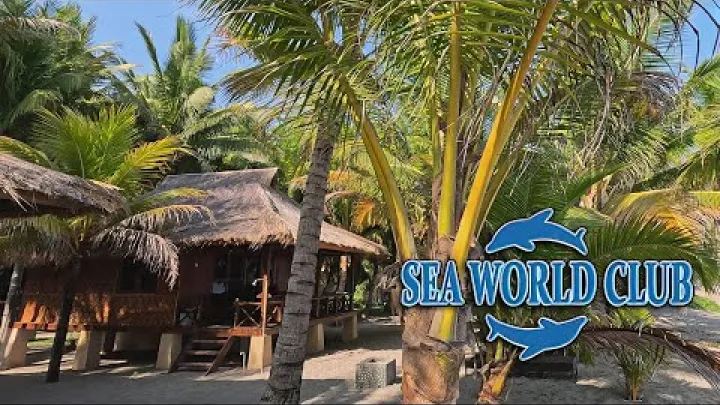
| Base area | Best for | Trade-off |
|---|---|---|
| Town core | Transit, errands, local food, transport | Less beach atmosphere |
| Maumere Bay beaches | Relaxation, snorkeling, diving, sea views | May need transport for town visits |
| Rural or village areas | Culture, quiet, local landscapes | More planning needed for transfers |
When choosing accommodation, ask about airport pickup, meals, transport to town, boat trip arrangements, and whether the beach is good for swimming at the time of year you are visiting. A beautiful setting is more useful when the logistics also match your plans.
Beaches, Reefs, and Outdoor Activities
Maumere is strongest for low-key coastal travel. Its beaches, reefs, and volcanic landscapes are rewarding, but they require realistic expectations and attention to current conditions.
Beaches Near Maumere, Including Koka Beach
Koka Beach is often mentioned as a day-trip beach from Maumere, while closer bay beaches and resort beaches can be easier for a relaxed half day. Expect a quieter and simpler beach experience than on major resort islands. Facilities may be basic, shade can be limited, and local fees or parking charges may apply.
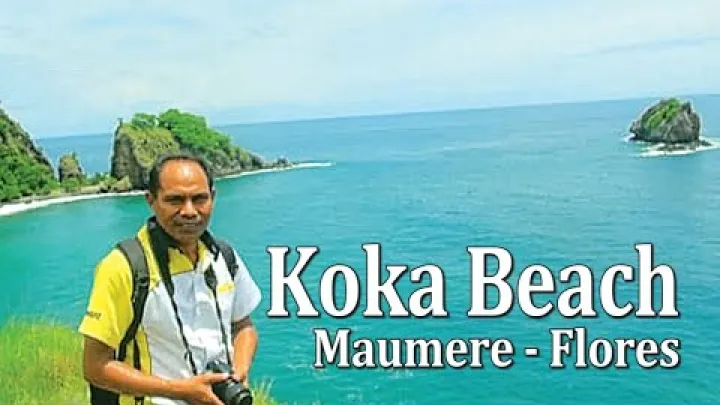
Bring drinking water, sun protection, a towel, sandals, and cash in small denominations. If you plan to swim, check conditions first and ask locally about currents, rocks, or safe areas. Not every beautiful beach is suitable for swimming on every day.
Respect local beach communities. Avoid walking through private areas without permission, keep noise low in family areas, and take your rubbish with you. If local vendors, parking attendants, or caretakers are present, be polite and clarify fees before settling in.
Snorkeling and Diving in Maumere Bay
Maumere Bay is one of the main reasons travelers stay longer in the area. Local dive operators describe varied dive and snorkeling sites with reefs, fish life, and different underwater features; for example, Happy Dive Retreat presents Maumere Bay as a base for island diving and snorkeling. Conditions vary by day, so avoid expecting guaranteed visibility, specific marine life, or a fixed itinerary.
Snorkeling is suitable for travelers who are comfortable in the water and want a lighter experience. Diving requires proper certification for certified dives, careful equipment checks, and attention to guide briefings. Beginners should choose reputable operators who explain safety procedures clearly and do not rush the experience.
Good reef behavior is essential. Do not touch coral or marine life, do not stand on reefs, keep fins under control, and avoid feeding fish. Use sun protection that reduces harm to the marine environment where possible, and follow the instructions of local guides. If currents, wind, or visibility are poor, choose another activity rather than forcing a sea trip.
Mount Egon and Volcanic Landscapes
Mount Egon is an active volcanic landscape near Maumere that can interest hikers, photographers, and travelers who want to see more than the coast. However, volcano access is condition-dependent. Current volcanic activity, official alerts, weather, trail conditions, and local guidance should shape your decision.
Do not plan a Mount Egon hike based only on old blog posts or maps. Ask accommodation staff, local guides, and relevant local authorities about current access before going. If hiking is unsafe, closed, or not recommended, choose safer alternatives such as viewpoints, coastal drives, village visits, beaches, or town exploration.
Volcanic landscapes are impressive, but safety should come before adventure. Carry water, sun protection, appropriate footwear, and a plan for returning before conditions change. If a guide advises turning back, follow that advice.
Culture, Food, and Local Life
A good Maumere trip should include more than beaches. Town life, churches, markets, weaving traditions, and simple meals help visitors understand the area as a living community rather than only a travel stop.
Maumere Town, Markets, Cathedral, and Port
Spend at least a little time in Maumere town if your schedule allows. Markets, small shops, the port area, public spaces, and Maumere Cathedral can give you a clearer sense of daily life in eastern Flores. These are not all formal tourist attractions, so visit with respectful expectations.
At markets, keep valuables secure, ask before photographing people, and be patient if communication requires gestures or translation apps. At churches such as Maumere Cathedral, dress modestly, keep your voice low, and avoid entering during services unless visitors are clearly welcome. Around the port and fishing areas, be careful not to block work, step onto boats without permission, or photograph workers too closely.
Sikka, Doka, and Ikat Weaving Traditions
Villages such as Sikka and Doka are often associated with cultural visits and ikat weaving experiences near Maumere. Access, demonstrations, and visitor arrangements can change, so ask locally before setting out. If a visit is available, go with the understanding that these are living communities, not open-air museums.
Ikat is a textile tradition in which patterns are created through a resist-dyeing process before weaving. Across Flores, textile styles, motifs, and meanings can vary by community, family, and use. Avoid treating all cloth as the same or asking for sacred or ceremonial explanations in a casual way.
If you buy textiles, buying directly from artisans or community sellers can help more money stay locally. Handmade ikat takes time and skill, so bargain respectfully if bargaining is appropriate, and do not pressure artisans to reduce prices below a fair level. Ask before photographing weavers, homes, ceremonies, or textile details.
Food, Warungs, and Simple Coastal Meals
Maumere has a modest food scene based around warungs, simple Indonesian staples, seafood, rice dishes, noodles, snacks, and some resort or beach cafes. Do not expect the range of dining found in Bali or Jakarta. The pleasure is often in fresh, simple meals after a beach day or road trip.
Look for places where food is cooked fresh and where turnover appears steady. If you have dietary restrictions, write them clearly in Indonesian or use a translation app. Vegetarian, vegan, gluten-free, and allergy-specific meals may require more explanation than in major tourist centers.
Drink bottled, filtered, or safely treated water, and carry snacks for day trips. On longer road journeys, meal stops may be simple and timing may be irregular. A small supply of fruit, biscuits, or other snacks can make travel days easier.
Suggested Itineraries and Flores Route Planning
Maumere can be a short gateway stop or a slower eastern Flores base. The best itinerary depends on your flight schedule, comfort with road travel, interest in marine activities, and how much of Flores you want to see.
One or Two Days in Maumere
With one day, keep the plan light. Arrive, check in, arrange onward transport, and choose either a simple town walk or a nearby beach depending on your energy and arrival time. If you have an early flight or long drive the next day, avoid a late or distant outing.
With two days, add one focused activity. This could be a Maumere Bay snorkeling trip, a nearby beach visit, a cultural stop toward Sikka or Doka, or a gentle town-and-coast day. Keep the final afternoon simple if you need to pack, confirm a driver, or prepare for a road journey toward Moni, Ende, or another Flores base.
Short stays should not try to include everything. Heat, rain, flight delays, and slow roads can quickly make an overfilled itinerary stressful.
Three to Five Days in Maumere
Three to five days changes Maumere from a transit point into a relaxed base. A balanced plan could include one Maumere Bay day, one beach or Koka Beach day, one Sikka or Doka cultural visit, some time in town, and a flexible outdoor day for Mount Egon or a safer alternative if conditions are not suitable.
Build the itinerary in modules rather than fixed promises. If the sea is calm, prioritize snorkeling or diving. If the weather is wet, choose town time, food, weaving, or a shorter coastal drive. If a volcano hike is not advised, do not treat it as a failed day; eastern Flores has enough slower activities to fill the time.
Rest matters. Road trips, heat, boat days, and early starts can be tiring. A free afternoon by the bay may be more valuable than adding another distant stop.
Combining Maumere with Labuan Bajo, Ende, Moni, Bajawa, and Ruteng
Maumere is easy to understand when compared with other Flores bases. Labuan Bajo is the main base for Komodo trips and a more developed tourism hub. Moni and Ende are useful for Kelimutu access. Bajawa is known for highland scenery and cultural landscapes. Ruteng is another highland stop often used to break the journey across western Flores. Maumere gives you eastern Flores, Maumere Bay, and a quieter coastal start or finish.

You can travel east-to-west, starting in Maumere and finishing in Labuan Bajo, or west-to-east, starting with Labuan Bajo and ending in Maumere. Neither direction is always better. Choose based on flight availability, prices, how you want to pace the trip, and whether you prefer to end with Komodo and Labuan Bajo or with a quieter Maumere stay.
| Flores base | Typical role | How it pairs with Maumere |
|---|---|---|
| Labuan Bajo | Komodo access, busier tourism hub | Opposite end of many overland routes |
| Moni or Ende | Kelimutu access and central Flores travel | Natural stop between Maumere and the west |
| Bajawa | Highlands and cultural landscapes | Good route break on longer itineraries |
| Ruteng | Western highlands and road journey stop | Helps reduce long travel days |
For a comfortable Flores route, avoid crossing too much of the island too quickly. A slower plan usually gives you better weather flexibility, safer connections, and more time to appreciate the differences between coastal, volcanic, and highland areas.
Costs, Booking, Safety, and Responsible Travel
Maumere can be affordable compared with more developed tourism centers, but total cost depends heavily on transport, diving, and how many private arrangements you need. Planning ahead reduces surprises.
Budget Planning, Cash, and Payments
Main cost categories include accommodation, food, local transport, private drivers, boat trips, diving, entrance fees, parking, village contributions, and tips where appropriate. Food at simple warungs can be modest, while private drivers, diving, and custom boat trips can raise the total cost quickly.
Carry enough Indonesian rupiah for rural trips, beaches, local drivers, small warungs, and village visits. Cards and ATMs may be easier to use in town than in villages or remote coastal areas, but availability should be checked locally. Do not assume every accommodation, driver, or small operator accepts cards.
Because prices change, avoid planning around old online figures. Ask for current costs before confirming, and clarify whether a quoted price is per person, per vehicle, per boat, per dive, or per group.
Booking Drivers, Tours, Accommodation, and Dive Trips
Book key services ahead when your schedule is tight, when you travel in a busier period, or when a missed connection would affect flights or a long Flores route. Airport transfers, overland drivers, dive trips, and special village visits are the most important items to confirm.
Before paying a deposit, ask clear questions. Confirm pickup time, exact meeting point, vehicle type, fuel, parking, meals, guide language, equipment, cancellation rules, weather policy, and what is included. For overland routes, ask whether the driver is comfortable with the full route and whether stops can be adjusted.
Accommodation staff can often help arrange transfers, day trips, and boats. Recent traveler recommendations can also be useful, but still verify details directly. A driver, guide, or operator who was excellent for one route may not be the right choice for a different schedule or activity.
Safety Checks, Health Basics, and Natural Hazards
Maumere is generally planned like other regional Indonesian destinations: use normal travel awareness, buy suitable travel insurance, protect valuables, and keep flexibility for weather or transport changes. For current country-level safety information, review official advisories such as the U.S. Department of State advisory for Indonesia before departure.
Natural hazards in the wider region can include earthquakes, volcanic activity, heavy rain, rough seas, and road disruptions. This does not mean you should be alarmed, but it does mean you should check conditions before outdoor and marine activities. For Mount Egon or any volcanic area, rely on current local guidance and official alerts rather than old travel reports.
Health planning should include travel insurance, any personal medicines, sun protection, insect precautions, hydration, and a realistic understanding that advanced medical care may be more limited than in major cities. If you have a serious medical condition, plan more conservatively and know where you would go for help.
Cultural Respect and Environmental Etiquette
Respectful travel in Maumere is simple but important. Dress modestly in churches, villages, markets, and family-oriented public areas. Ask before photographing people, homes, ceremonies, textiles, fishing activity, or children. If someone says no, accept it politely.
In villages such as Sikka or Doka, follow local guidance about where to walk, where to sit, and what can be photographed. Do not enter homes, sacred spaces, or work areas without permission. If a fee, donation, or guide contribution is requested, clarify it respectfully before the visit begins.
On beaches and reefs, avoid littering, do not touch coral or marine life, and keep distance from fishing gear and local boats. Responsible behavior protects the places that make Maumere worth visiting and helps maintain good relationships between visitors and local communities.
Conclusion: How to Plan a Balanced Maumere Trip
A good Maumere trip balances coastal relaxation, local culture, and realistic logistics. Use Maumere as a gateway to eastern Flores, a base for Maumere Bay, or a start or finish point for the Trans-Flores route. Choose your season carefully, leave buffers for flights and roads, confirm transport and activity details directly, and keep safety checks current for weather, sea conditions, and volcanic areas.
If you arrive with flexible expectations, Maumere can be one of the most rewarding parts of Flores: quiet, practical, culturally interesting, and well placed for travelers who want to understand more of eastern Indonesia than the most famous stops.
Select area
Create a post
Posting is free and no registration is required.