Maumere Best Time to Visit: Weather by Month

The Maumere best time to visit is usually June to September, when the north coast of Flores is in its most reliable dry-season window. These months give most travelers the best chance of clear skies, calmer sea conditions, easier day trips, and better weather for Maumere Bay, beaches, and Mount Egon. April, May, and October can also be good choices if you want fewer peak-season pressures and can accept more weather uncertainty. This guide explains Maumere weather by month, the dry and rainy seasons, and how to choose the right timing for diving, hiking, budget travel, and practical packing.
Quick Answer: The Best Time to Visit Maumere
If you want the simplest answer, choose the core dry season. Maumere is hot all year, so the main planning question is not cold versus warm weather, but rainfall, humidity, cloud cover, road comfort, and sea conditions.
Best overall months: June to September
June to September is the safest overall recommendation for most visitors to Maumere. This period sits in the main dry season for Flores, and travel guidance for Maumere commonly highlights the mid-year months as the most reliable time for clear skies and calmer conditions. Komodo Luxury describes June to August as peak dry-season timing for Alor and Maumere, with reliable weather and clearer skies.
Choose June to September if your trip depends on outdoor plans. These months are usually better for diving and snorkeling in Maumere Bay, beach time, Mount Egon, photography, and inland Flores day trips. They do not guarantee perfect weather, because tropical showers and local sea changes can still happen, but they reduce the risk of disruption.
July and August may be busier than June and September. Maumere is still much quieter than major Indonesian tourism centers, but limited accommodation, domestic flights, dive capacity, and private transport can make early planning useful in the busiest dry-season weeks.
Good shoulder months: April, May, and October
April, May, and October are good shoulder-season options. They are useful if you want generally favorable conditions with fewer peak-season pressures, or if you are flexible enough to adjust plans around short-term weather.
April is usually a transition month after the wet season, so it can bring improving weather but still needs caution. May is often more reliable as rainfall and runoff decrease. October can still be attractive, especially early in the month, but it is hotter and closer to the next rainy season. Late October usually carries more uncertainty than early October.
These months suit divers, independent travelers, and budget-conscious visitors who do not need every day to be dry. They are not as low-risk as June to September, so it is sensible to keep some buffer time for boat trips, hikes, and longer drives.
Months to avoid for weather-sensitive trips
December to March is the least reliable period for weather-sensitive travel in Maumere. If your plans depend on clear seas, dry trails, beach days, or scenic viewpoints, this is the season to treat with caution. January and February are usually the highest-risk months in many Flores climate summaries.

Wet-season travel does not mean it rains all day every day. It can still work for flexible travelers who want a quieter stay, local food, culture, and a slower pace. However, heavy showers, cloudier viewpoints, muddy trails, rougher seas, and schedule changes are more likely. Before traveling in the wet season, check current forecasts and local advice rather than relying only on seasonal averages.
Maumere’s Weather Pattern in Simple Terms
Maumere is on Flores in East Nusa Tenggara, and it follows the broad climate rhythm of eastern Indonesia: a drier middle of the year and a wetter period around the turn of the year. The exact weather can vary by year, coast, hills, and short-term systems, so use seasonal patterns for trip timing and live forecasts for daily decisions.
Dry season conditions
The practical dry season in Maumere is usually strongest from June to September. For Flores as a whole, Climates to Travel describes a tropical climate that is hot all year, with a rainy season from December to March and a dry season from June to September.
For travelers, dry season usually means more sunshine, less rain, clearer viewpoints, firmer trails, easier road conditions, and better odds for boat trips. Some travel operators extend the broader good-weather window into April, May, October, and sometimes early November, but those transition months are not as consistently dry as the mid-year core.
Think of June to September as the low-risk planning window. Think of April, May, and October as useful alternatives when you can stay flexible.
Rainy season conditions
The wetter season is generally concentrated from December to March. During this period, Maumere can feel more humid, with heavier showers and more cloud. Rain may fall in bursts rather than all day, but the chance of disruption is much higher than in the dry season.
For visitors, rain can mean slower travel, muddy ground, reduced underwater visibility near shore, and more uncertainty for sea activities. It can also affect viewpoints and hiking plans, especially in inland or higher areas. December and March can behave like transition months depending on the year, but they still require more backup planning than the core dry season.
If you visit in the rainy season, avoid very tight connections around boat trips, domestic flights, or long drives. Build extra time into your schedule and confirm daily conditions with your accommodation, guide, driver, or dive operator.
Heat, humidity, and wind
Maumere is warm to hot throughout the year. Regional East Nusa Tenggara climate data gives a broad temperature context, with Climate Data showing warm average conditions across the province. Because this is regional rather than Maumere-specific data, it is best used as general context, not as a precise forecast for your travel dates.
The main seasonal difference is rainfall, humidity, cloud, and sea state rather than large temperature swings. Coastal Maumere can feel humid even in the dry season, while inland and higher areas may feel slightly cooler early in the morning.
Mid-year breezes can make beach and coastal days feel more comfortable. Late dry-season months such as September and October can feel very hot under strong sun, so plan hikes and longer walks early in the day.
Month-by-Month Guide to Maumere Weather
This month-by-month guide gives a practical feel for planning. It is based on broad Flores and East Nusa Tenggara climate patterns, supported by travel-operator guidance, not on a guaranteed day-by-day forecast for Maumere.
| Period | Weather feel | Best for | Watch out for |
|---|---|---|---|
| January to March | Wet, humid, more variable | Flexible town stays | Heavy showers, rougher seas, muddy trails |
| April to June | Improving, then increasingly dry | Diving, beaches, hiking, photography | April showers and transition weather |
| July to September | Peak dry-season conditions | First-time visits and outdoor plans | Higher demand in July and August |
| October to December | Hot, then increasingly wet | Flexible travel, especially October | Rising rain risk and variable sea conditions |
January to March
January to March is wet-season travel. January and February are usually the highest-risk months for heavy rain and disruption, while March may gradually improve but should still be treated as part of the wetter period.
These months are better for flexible, low-crowd stays than for diving, snorkeling, hiking, or scenic day trips. If you travel then, bring rain protection, quick-drying clothing, and footwear with good grip. Keep backup plans for days when boat trips or inland excursions are not comfortable.
April to June
April marks the move toward better conditions, but it is still a transition month. May is usually more reliable, and June is one of the strongest single-month choices for Maumere because it sits at the start of the core dry-season period.
As rainfall and runoff decrease, sea conditions usually become more favorable and visibility can improve, especially compared with the wettest months. This period is a strong choice for travelers who want a balance of good weather, green landscapes after the rains, and lower demand than July or August.
April still needs flexibility. If diving, snorkeling, photography, or Mount Egon is important to you, schedule the most weather-dependent activities early in your stay so you have time to move them if needed.
July to September
July to September is the peak dry-season period and the best time for most first-time visitors. Rainfall risk is usually lower, skies are more often clear, and outdoor planning is more dependable.
This is the best window for Maumere Bay, beaches, snorkeling, diving, and inland day trips. July and August may bring higher demand for a limited number of rooms, guides, dive schedules, or domestic transport. September can be a very good alternative if you want dry-season benefits with slightly less holiday pressure, although it may feel hotter.
Even in the best season, plan for strong sun. Use sun protection, carry water, and avoid strenuous activity in the hottest part of the day.
October to December
October is often still attractive, especially early October, but it is a transitional month. It can be hot, and the risk of showers generally rises later in the month.
November is more uncertain. It may still offer usable travel days, but sea conditions and rainfall become more variable. December usually marks the start of the wetter season, especially later in the month, so it is less suitable for tight outdoor or marine-focused itineraries.
Among these three months, October is the best choice. In November and December, verify boat, dive, and road conditions locally before committing to fixed plans.
Best Time for Beaches, Diving, and Maumere Bay
Maumere Bay is one of the main reasons travelers choose Maumere. Timing matters because rain, wind, runoff, and sea state can affect comfort, visibility, and schedules.
When sea conditions are usually most reliable
For beaches, snorkeling, and diving around Maumere Bay, June to September is usually the most reliable period. Drier months often bring calmer sea conditions, more sunlight, and less runoff, all of which can improve the experience on and under the water.
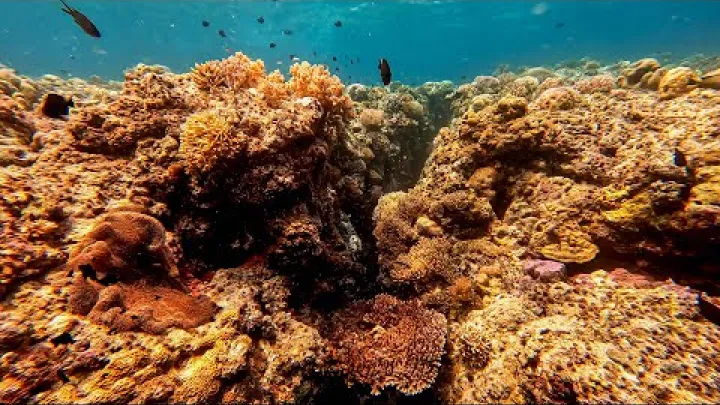
Local marine activity guidance also points to the dry-season start as a strong diving period. Happy Dive Retreat notes that the dry season brings calmer seas and excellent visibility for Maumere Bay diving, although exact conditions always vary by day.
April, May, and October can also work well when conditions are favorable. If you are visiting in these shoulder months, contact local dive operators before making tight plans, especially if you have limited travel days.
How rain can affect visibility and boat plans
Heavy rain can reduce underwater visibility through runoff and lower sunlight, particularly near shore. Rougher seas or stronger weather systems can also lead to delays, route changes, rescheduling, or cancellations.
Novice divers, snorkelers, and travelers who are sensitive to seasickness should prioritize the dry season. If you travel in shoulder or wet months, leave buffer days for boat-based activities. A practical rule is to schedule your most important dives or snorkeling trips early in your stay, not on the final day.
For safety, follow the decision of local operators. They are better placed than a long-range climate guide to judge current sea state, visibility, currents, and weather.
Best Time for Mount Egon and Inland Flores Day Trips
Maumere is also a base for inland travel on Flores, including Mount Egon and scenic day trips. These plans are usually easier when trails are drier and views are clearer.
Dry trails and clearer viewpoints
June to September is the best period for Mount Egon and inland day trips. Drier trails are more comfortable, roads are usually easier, and clear morning views are more likely than in the wet season.

Maumere is often promoted for uncrowded reefs and access to the Mount Egon crater hike; Experience Travel Group highlights both as key local attractions. For hiking and inland touring, April, May, and October can also be good, but they require more flexibility than the core dry months.
Start early. Morning departures help you avoid the strongest heat and improve your chance of clearer views. Inland and higher areas can feel cooler than coastal Maumere before the day warms up, so a light layer can be useful for dawn starts.
Rainy-season risks for roads and hikes
Wet-season rain can make trails slippery, viewpoints cloudy, and minor roads slower or less comfortable. Localized flooding or road disruption is possible in heavy rain, but it should be treated as a risk to check locally, not as a guaranteed condition.
If you are visiting in January or February, avoid fixed hiking plans when possible. Use local transport or local guidance for inland trips rather than assuming that self-drive plans will be simple in wet weather.
Before remote day trips, ask your accommodation, guide, or driver about recent rain, road comfort, and access. Their current local information is more useful than a seasonal average.
Crowds, Prices, and Budget Timing
Maumere is not a mass-tourism destination, but timing still affects availability. In smaller destinations, limited capacity can matter more than large crowd numbers.
Peak travel months and booking ahead
July and August are usually the busiest months within the best-weather period. Maumere may still feel relaxed compared with Bali or other major hubs, but rooms, flights, private drivers, dive trips, and guides can be more limited.
If you have fixed dates in July or August, book accommodation and domestic transport earlier. Divers should also contact operators in advance, especially if they need specific certification courses, equipment sizes, or multi-day schedules.
Avoid relying on precise price averages because travel costs change quickly. Instead, compare availability early and be prepared for less flexibility during peak dry-season weeks.
Lower-crowd alternatives
May, June, September, and October are the best lower-crowd alternatives. May gives improving weather before the main peak. June offers strong dry-season conditions before July and August demand rises. September keeps many dry-season benefits after the busiest holiday period. Early October can be good for flexible travelers who accept rising transition-season risk.
Wet-season months may be quieter and may sometimes be cheaper, but the weather trade-off is significant. They are better for culture-focused, slow, flexible trips than for diving, beaches, or hiking.
For value and weather balance, late April or May can be attractive if you can tolerate occasional showers. For a stronger dry-season experience with fewer peak pressures, look at June, September, or early October.
What to Wear and How to Plan Around the Weather
Packing for Maumere is mainly about heat, sun, humidity, rain protection, and activity type. Keep clothing light and practical, and adjust your daily plans using the current forecast.
Dry-season packing
For the dry season, pack light breathable clothing, quick-drying fabrics, sunglasses, a wide-brimmed hat or cap, swimwear, and strong sun protection. Reef-conscious sunscreen is a good choice when swimming, snorkeling, or diving, where appropriate.
Even in dry months, Maumere can feel hot and humid. A reusable water bottle is useful, and you should plan hydration carefully on beach days, boat trips, and hikes.
Bring a light layer for early inland starts, dawn travel, or higher areas around Mount Egon. For comfort and safety, schedule strenuous walks and hikes early in the morning rather than at midday.
Wet-season packing and forecast checks
For the wet season, pack a light rain jacket or poncho, quick-drying clothing, waterproof bags for electronics, and footwear with good grip. Heavy waterproof layers can feel uncomfortable in humid tropical conditions, so lightweight protection is usually more practical.
Check current forecasts and local advice before boat trips, hikes, and longer drives. Seasonal climate guidance helps you choose the best month to travel, but it cannot replace a live forecast close to your activity date.
A simple planning rule works well: choose your travel season by climate, then adjust each day by forecast and local advice.
Final Recommendation for Visiting Maumere
The best time to visit Maumere is June to September. This is the most reliable window for dry weather, Maumere Bay, beaches, diving, snorkeling, Mount Egon, and inland Flores day trips.
If you want a good balance of weather and fewer peak-season pressures, consider May, June, September, or early October. April and October can be rewarding, but they are transition months and need more flexibility.
December to March is the period to avoid if your trip depends on clear seas, dry trails, or fixed outdoor plans. It can still suit slow, flexible travel, but you should expect more rain-related changes.
For the strongest overall plan, choose June or September if you want dry-season benefits with slightly less pressure than July and August. Then keep your most important boat trips, hikes, and day trips early in your stay so you have room to adjust if the weather changes.
Select area
Create a post
Posting is free and no registration is required.