Mataram Travel Guide: Where to Stay, Eat, and Explore

This Mataram travel guide is for first-time visitors who want to understand Lombok’s main city before deciding where to stay and how long to spend there. Mataram is not a beach resort destination in the way Senggigi, the Gili Islands, or South Lombok are, but it is one of the most practical places on the island for culture, food, shopping, errands, and onward transport. The city works best when you treat it as a useful urban base with heritage sites, local markets, and everyday Lombok life. This guide covers the best time to visit, key districts, things to do, food, transport, safety, and simple one- and two-day itineraries.
Why Mataram Deserves a Place in Your Lombok Trip
Mataram is the capital of West Nusa Tenggara and the main urban center on Lombok. For many travelers, it is not the place that first appears in a dream itinerary, but it can make a Lombok trip easier, more varied, and more culturally grounded.
What Mataram Is Best For
Mataram is best for travelers who want to see the city side of Lombok. It is useful for museums, Hindu and Islamic landmarks, markets, local restaurants, malls, government services, banks, medical errands, and transport connections. It is also a good place to understand how Lombok functions beyond beaches and mountain villages.
The city is different from Lombok’s better-known visitor bases. Senggigi is more convenient for coastal hotels and sunsets. The Gili Islands are better for small-island stays, snorkeling, and a more tourist-focused atmosphere. South Lombok is usually better for surf beaches and scenic coastlines. Mataram, by contrast, is more practical and local: a place for food, culture, logistics, and a short urban stop.
Many first-time visitors use Mataram before or after travel to Senggigi, Bangsal Harbor for the Gili Islands, Lembar Port for Bali ferries, South Lombok, or Mount Rinjani gateway areas. If you arrive late, need a city hotel, want to shop for supplies, or prefer a less resort-focused view of Lombok, Mataram can be a sensible addition.
How Many Days to Spend in Mataram
One full day is enough for a fast cultural stop. With careful planning, you can visit Museum Negeri Nusa Tenggara Barat, explore Ampenan, see Mayura Park and Pura Meru, and finish with an easy food-focused evening near Jalan Udayana or Taman Sangkareang.
Two days is better if you want a slower visit. This gives you time for markets in Cakranegara, a relaxed museum visit, Narmada Park, practical shopping, and unhurried meals. Longer stays mainly suit business travelers, students, remote workers, people handling errands, or slow travelers who prefer an affordable city base.
Use the following simple guide when deciding whether to sleep in Mataram or elsewhere:
- Culture-focused travelers: Stay one or two nights to visit museums, heritage sites, markets, and local food areas.
- Transit-focused travelers: Stay one night if you need an easy city hotel before an airport, port, or island transfer.
- Families: Consider central Mataram for malls, taxis, restaurants, and predictable services.
- Budget travelers: Mataram can be practical for local food, simple hotels, and city transport, but check current hotel rates before booking.
- Beach-first travelers: Consider Senggigi, the Gili Islands, or South Lombok instead, and visit Mataram as a short stop.
- Slow travelers and remote workers: Mataram may work well if you value city services, cafés, supplies, and a less tourist-centered routine.
Best Time to Visit Mataram
Mataram is warm and humid throughout the year, so the best time to visit depends less on temperature and more on rainfall, comfort, and onward travel plans. If your Lombok trip includes beaches, boat transfers, hiking, or long road journeys, weather flexibility matters.
Dry Season and Shoulder Season Planning
The drier months are generally the easiest time for outdoor sightseeing in Mataram. Temple visits, market wandering, walks around Ampenan, and evening food stops are more comfortable when rain is less likely. Many travelers plan Lombok trips around the May to October dry-season window, with June to September often treated as a lower-risk period for outdoor plans.
That said, no month guarantees perfect weather. Mataram’s climate remains tropical, and heat and humidity are still important factors. Climate summaries for Lombok, including average temperature and rainfall context, are available from Climate-Data.org. Before you travel, check current forecasts, especially if you will continue by boat to the Gili Islands or plan mountain travel elsewhere on Lombok.
For comfort, start outdoor visits early, carry water, use sun protection, and choose light, breathable clothing. A short taxi ride can be more practical than a long walk during the hottest part of the day.
Wet Season Trade-Offs
The wet season can still be workable if your schedule is flexible. Rain may interrupt outdoor sightseeing, make roads less comfortable, and affect sea conditions for boats. It does not mean you must avoid Mataram, but it does mean you should avoid overloading each day with fixed outdoor plans.
Good rainy-day options include Museum Negeri Nusa Tenggara Barat, cafés, Lombok Epicentrum Mall, Mataram Mall, and covered or semi-covered market areas. Try to plan outdoor visits in the morning, then keep afternoons flexible for indoor stops or rest.
Pack a compact umbrella, a light rain jacket, quick-dry footwear, a waterproof pouch for your phone and documents, and mosquito precautions. If you are connecting to boats, ferries, or mountain areas, build buffer time into your itinerary rather than planning a tight same-day connection.
Where to Stay and How Mataram Is Laid Out
Mataram is spread across several practical districts rather than one compact tourist center. For first-time visitors, the best area depends on whether you want convenience, old-town atmosphere, markets, or transport access.
Central Mataram for Convenience
Central Mataram is the easiest base for most first-time visitors. It gives you better access to hotels, taxis, restaurants, malls, banks, shops, and everyday services. Lombok Epicentrum Mall and Mataram Mall are useful orientation points, especially if you want air-conditioning, familiar food options, supermarkets, or a simple meeting point for drivers.
The accommodation scene in Mataram is more functional than resort-like. Many hotels serve domestic business travelers, short-stay visitors, families, and people passing through the city. Listings on Booking.com show a range of city hotels, but rates, facilities, and availability change often, so compare current options before booking.
Central Mataram is not the most atmospheric choice if you want beaches or a village feel. Its advantage is convenience. Traffic, heat, and uneven walking conditions can make short taxi or ride-hailing trips more comfortable than trying to walk long distances between hotels, malls, restaurants, and sites.
Ampenan for Old Town and Coastal Atmosphere
Ampenan is the old port area and one of the more characterful parts of Mataram for visitors interested in urban history and coastal atmosphere. It is useful for travelers who want to combine Museum Negeri Nusa Tenggara Barat, old commercial streets, and Ampenan Beach in a half-day route.
Set expectations carefully. Ampenan is not a polished heritage district with a resort beach. It is an urban coastal area with local streets, older buildings, everyday commerce, and a beach that is better for sunset, local activity, and a short stroll than for a classic swimming-focused beach day. Conditions can vary, so look locally before deciding how long to stay by the water.
If you stay in Ampenan, plan transport to other districts. Taxis, ride-hailing where available, or a private driver will be more practical than relying on long walks, especially in the heat. Ampenan suits travelers who value atmosphere over convenience, but central Mataram is usually simpler for a first visit.
Cakranegara and Sweta for Markets and Local Transport
Cakranegara has a busier everyday commercial feel, with markets, small shops, local restaurants, and street activity. It can be interesting for travelers who enjoy seeing daily city life and are comfortable navigating less tourist-oriented streets. It is also a useful area for food exploration, especially if you want to try Lombok dishes in modest local restaurants.
Sweta is better understood as a transport- and trade-oriented area rather than a classic visitor base. It may be useful for some local connections and errands, but it is not usually the easiest area for a relaxed first-time stay. Details such as terminal arrangements, routes, and local transport patterns can change, so confirm current information before depending on a specific pickup point.
Both Cakranegara and Sweta require more local confidence. Expect limited English signage in some places, busy roads, variable sidewalks, and more cash-based transactions. They can be rewarding, but they are not the simplest choice for every traveler.
Best Things to Do in Mataram
The best things to do in Mataram combine culture, heritage, food, practical shopping, and short excursions. The city rewards visitors who keep plans realistic and do not expect every attraction to feel like a major international landmark.
Start with Museum Negeri Nusa Tenggara Barat
Museum Negeri Nusa Tenggara Barat is one of the best first stops in Mataram because it gives context for Lombok and the wider West Nusa Tenggara region. Exhibits commonly associated with the museum include cultural objects, textiles, traditional weapons, masks, and natural-history or geology-related displays. It is a good place to begin if you want to understand Sasak, Balinese, and regional influences before visiting temples, markets, or villages elsewhere on the island.

The museum is also useful during rain or intense midday heat. Before visiting, check current opening hours, ticket rules, and whether English-language interpretation is available. Even when interpretation is limited, the museum can still be worthwhile if you take time with the objects and use it as a broad introduction rather than expecting a fully guided experience.
A practical half-day route is to visit the museum first, then continue toward Ampenan for old-town streets and a coastal stop. This keeps the route geographically sensible and avoids spending too much time crossing the city.
Visit Mayura Park, Pura Meru, and Narmada Park
Mayura Park and Pura Meru form a useful heritage pairing in the central city. They are linked to Lombok’s Balinese Hindu history and can be visited as part of a short cultural route. These are not just photo stops; they are places connected to religious and historical identity, so visitors should behave respectfully.
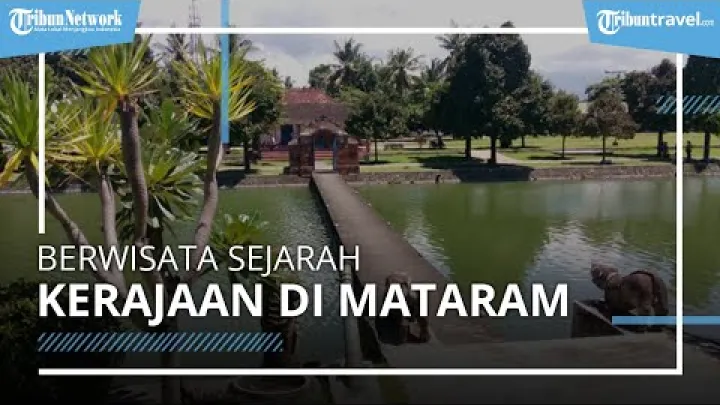
Narmada Park, outside the central city area, can be added as a nearby excursion if you want to continue the same heritage theme. It works better when you have more than one day or when you hire a driver for a flexible half-day route. Attraction lists for Mataram commonly include Mayura Park, Pura Meru, Narmada Park, malls, and the provincial museum, as shown by Expedia, but current access rules and hours should still be checked before you go.
Dress modestly at religious and heritage sites. Cover shoulders and knees where appropriate, follow posted rules, avoid entering restricted areas, and be sensitive if a ceremony or prayer is taking place. If local beliefs or stories are shared with you, treat them respectfully and understand that some may be oral traditions rather than formal historical records.
See Modern Landmarks, Parks, and Malls
Mataram’s modern landmarks and public spaces are useful for understanding the city as it is today. Lombok Epicentrum Mall and Mataram Mall are practical stops for food, shopping, cooling down, and waiting out rain. They are not the main reason to visit Mataram, but they can make a city stay easier, especially for families, remote workers, and travelers who need supplies.

Taman Sangkareang and Jalan Udayana are useful local anchors for evening walks, snacks, and casual city life. Go in the cooler part of the day, watch traffic carefully, and keep valuables secure in crowded areas. Public spaces can be pleasant, but comfort depends on weather, traffic, and local events.
Islamic Center NTB is a major urban landmark in Mataram. If you plan to visit, confirm current access arrangements and dress respectfully. At active religious sites, avoid disrupting prayer, ask before photographing people, and follow any instructions from staff or local visitors.
Use Mataram as a Gateway to Nearby Lombok Trips
Mataram can be a useful logistics stop for wider Lombok travel. Senggigi is nearby enough for a coastal move or short visit, Bangsal Harbor is the main gateway area for many Gili Islands boat connections, Lembar Port is important for Bali ferry connections, and Lombok International Airport is the island’s main air gateway.
However, do not assume every Lombok attraction is easy from Mataram. If your main goal is beach time, sleeping in Senggigi, the Gili Islands, or South Lombok may save time. If your main goal is Mount Rinjani trekking, you will likely need to base closer to a trekking gateway rather than treating Mataram as the center of the experience.
Build buffer time into onward travel, especially when boats, ferries, weather, or early departures are involved. Mataram is useful for organization, but a good Lombok itinerary usually mixes bases instead of trying to do everything from one city hotel.
Food, Markets, and Evening Life
Food is one of the best reasons to spend time in Mataram. The city gives visitors access to Lombok dishes, local warungs, markets, and a more everyday evening rhythm than resort areas.
Local Dishes to Try in Mataram
Start with ayam taliwang, one of Lombok’s best-known dishes, usually associated with grilled chicken and a spicy seasoning. Other dishes to look for include sate rembiga, sate bulayak, beberuk terong, and plecing kangkung. These foods are widely linked with Lombok and Sasak culinary identity, and Mataram is a practical place to try them in local restaurants and warungs.
Many Lombok dishes can be spicy. If you are sensitive to chili, ask for less spicy food by saying you want it not too spicy. In simple places, it can also help to point, smile, and confirm before ordering. If sambal is served separately, start with a small amount.
Use normal food-safety judgment without avoiding all local food. Choose busy places with high turnover, look for freshly cooked dishes, drink sealed or properly filtered water, and be cautious with food that has been sitting out for a long time in heat. Modest local restaurants are an important part of the Mataram experience.
Markets and Street Food Areas
Cakranegara Traditional Market is a good daytime market experience for local trade, produce, snacks, and everyday city life. It is best approached with patience and curiosity. Go earlier in the day for a more active market experience, carry small bills, and keep your bag secure in crowded lanes.
Jalan Udayana and the Taman Sangkareang area are useful evening-friendly areas for casual snacks, strolling, and observing local social life. The atmosphere is more about food, families, and public space than a tourist nightlife strip. Availability and busyness can vary by day, weather, and local events.
At markets, bargaining may be possible for some goods, but keep it polite and light. For cooked food, prices may be fixed or informally understood. If you are unsure, ask before ordering. Cash is useful, especially small notes, because small vendors may not accept cards or have change for large bills.
What Nightlife Is Like
Mataram’s evening life is generally more focused on food, cafés, malls, parks, and family-friendly public spaces than on a resort party scene. This can be a positive if you want a relaxed night, a local meal, or a simple walk after sunset.
Solo travelers can choose busy food areas, malls, or cafés for an easy evening. Couples may enjoy a relaxed dinner followed by a short walk near a public square or along a busier food street. Families may prefer malls, parks, and restaurants with simple transport back to the hotel.
If you want beach bars, late-night tourism zones, or a more international nightlife scene, Senggigi or the Gili Islands may suit you better. In Mataram, dress and behavior should reflect local norms. Be respectful in public spaces, avoid loud disruptive behavior, and remember that Lombok is culturally diverse with Muslim, Hindu, and other communities.
Getting to Mataram and Around the City
Mataram is one of the easiest places on Lombok for transport planning, but exact routes, fares, and schedules can change. Confirm details close to travel, especially for airport pickups, ferries, and boats.
Arriving by Air or Sea
Lombok International Airport, often shown as LOP, is the main air gateway for travelers heading to Mataram. From the airport, visitors commonly use taxis, private transfers, hotel pickups, ride-hailing where available, or shuttle-style services. If you arrive late, travel with children, or carry large luggage, prebooking a transfer can reduce stress.
By sea, Lembar Port is important for ferry connections with Bali, while Bangsal Harbor is the main access point for many boats to the Gili Islands. Sea conditions, schedules, and operator arrangements can change, especially during rough weather, so avoid tight connections when possible.
If your first night is in Mataram, send your hotel your arrival details and ask about the best current transfer option. If you are continuing immediately to Senggigi, the Gili Islands, or another Lombok base, confirm the route and pickup point before you land or arrive by ferry.
Transport Inside the City
Inside Mataram, the most practical transport options are taxis, ride-hailing where available, private drivers, bemos, and short walks. Taxi information and broad city navigation notes are covered by Wikivoyage, but travelers should check current services and fares locally.
Bemos can be cheap and local, but they are often confusing for first-time visitors because routes, stops, language, and payment expectations may not be obvious. They suit patient travelers with light luggage and flexible timing. For most short-stay visitors, taxis, ride-hailing, or a private driver are easier.
Motorbike rental should be considered only by experienced riders with the correct license, insurance awareness, and confidence in Indonesian traffic conditions. Roads can be busy, weather can change quickly, and unfamiliar intersections may be stressful. If you are not confident, use a car with a driver or short taxi trips instead.
Walking is possible for short distances, but Mataram is not always comfortable as a walking city. Heat, traffic, uneven sidewalks, and spread-out districts mean that a mixed approach works best: walk within a small area, then use a ride for longer transfers.
Costs, Money, Safety, and Etiquette
Mataram can be a practical city for budget-conscious travelers, but costs depend heavily on hotel choice, transport style, onward transfers, and how much convenience you want.
Typical Budget Expectations
Compared with heavily touristed resort areas, Mataram is often practical for affordable local meals, simple accommodation, and city transport. However, it is better to think in categories rather than rely on fixed daily budgets that can quickly become outdated.
- Accommodation: Simple hotels, business hotels, and mid-range city properties are common. Compare current rates on multiple booking platforms.
- Meals: Local warungs and modest restaurants are usually more budget-friendly than hotel dining or tourist-oriented venues.
- Local transport: Short rides can be reasonable, but frequent taxi use adds up.
- Attractions: Museums, parks, and heritage sites may have modest fees, but rules can change.
- Onward transfers: Private drivers, airport transfers, guided tours, ferries, and boat connections can become major trip costs.
Budget travelers can save by staying centrally, eating local food, and grouping nearby sights. Comfort-focused travelers may prefer a better hotel, private drivers, and prebooked transfers. Both approaches can work well in Mataram.
Money and Booking Basics
Indonesia uses the Indonesian rupiah. In Mataram, carry cash for markets, small warungs, local transport, parking, tips, and smaller entrance fees. Card payment may be possible at larger hotels, malls, and some restaurants, but it is not universal.
ATMs and financial services are generally easier to find in Mataram than in remote parts of Lombok. Use secure, bank-linked ATMs where possible, avoid letting strangers help with transactions, and keep emergency cash separate from your main wallet. If a card machine offers to charge you in your home currency, compare carefully; choosing local currency is often a better general travel practice, but check your bank’s terms.
Before airport transfers, tours, or onward boats, confirm the pickup point, time, total price, included services, luggage rules, and payment method. Screenshot booking confirmations and keep your hotel address written in a form that a driver can understand.
Safety, Natural Hazards, and Cultural Etiquette
Mataram should be approached with the same practical awareness you would use in any unfamiliar city. Keep valuables secure, avoid displaying expensive items unnecessarily, use reputable transport, and be cautious late at night in quiet areas. For official Indonesia-wide risk framing, including terrorism, demonstrations, natural disasters, and areas with increased risk, check the U.S. Department of State or your own government’s travel advisory before departure.
Natural hazards are relevant in Lombok and Indonesia more broadly. Be aware of earthquakes, volcanic activity, heavy rain, landslides in some wider island areas, and rough seas for boat travel. This does not mean you should avoid Mataram, but you should keep plans flexible, follow local advice, and avoid tight connections during unsettled weather.
Cultural etiquette is important. Dress modestly at religious sites, follow posted rules, remove shoes where required, and ask before photographing people. During prayer times or ceremonies, keep your distance unless invited closer. At temples, mosques, and heritage sites, remember that local worship and community use come before visitor convenience.
Suggested Mataram Itineraries and Final Planning Takeaways
The best Mataram itinerary is realistic. Distances across the city, heat, rain, and traffic can make an overpacked day feel tiring, so choose a few strong stops rather than trying to see everything.
One-Day Cultural Route
Start with Museum Negeri Nusa Tenggara Barat for context. From there, continue toward Ampenan for old-town streets and a coastal stop at Ampenan Beach if the weather is comfortable. This gives the morning a clear cultural and geographic flow.
After lunch or a rest, visit Mayura Park and Pura Meru if you still have energy and current access allows. Keep the afternoon flexible, especially in hot or rainy weather. If rain becomes heavy, switch to a mall, café, or longer museum time instead of forcing outdoor sightseeing.
End the day with casual food around Jalan Udayana or Taman Sangkareang. Use taxis or ride-hailing to reduce time lost between spread-out stops. A good one-day route should feel like an introduction to Mataram, not a race through every landmark.
Two-Day Slow Travel Route
On day one, focus on city orientation. Visit the provincial museum, explore Ampenan, add Mayura Park and Pura Meru if conditions are good, and finish with a local dinner. This suits culture-focused travelers, families, and anyone who wants a gentle first day after arriving in Lombok.
On day two, start early at Cakranegara Traditional Market or another local market area. Continue to Narmada Park if you want a short excursion outside the central city, then return for a slower afternoon at a mall, café, or public park. Finish with another food-focused evening rather than adding a distant attraction.
At the end of day two, plan your onward move. Senggigi works well for coastal hotels, Bangsal Harbor connects many travelers toward the Gili Islands, Lembar Port is relevant for Bali ferry travel, and other Lombok bases may suit beaches, surfing, trekking, or slow travel better than Mataram.
Final Planning Takeaways
Mataram is worthwhile when you understand what it does best. It is a cultural and practical city stop, not a classic beach destination. Use it for one or two nights, city errands, heritage sightseeing, local food, malls, markets, and Lombok logistics.
This Mataram travel guide should help you decide whether the city fits your route. If you include it, keep plans flexible, start outdoor visits early, respect local etiquette, and check current transport, weather, and site access details before finalizing your trip.
Select area
Create a post
Posting is free and no registration is required.