Mataram Budget Guide: Daily Costs, Prices and Tips

A realistic Mataram budget is usually lower than a beach-resort budget in Lombok, but the final cost depends on how you sleep, eat, move, and plan day trips. Mataram is Lombok’s main urban center, so travelers can find local food, simple hotels, malls, markets, and practical services without paying for a beachfront address. This guide focuses on travel costs in Mataram, not government or public-finance budgets. Use the ranges below as planning estimates in Indonesian rupiah, then check current prices close to your travel dates.
Mataram Budget at a Glance
For most travelers, the biggest daily costs in Mataram are accommodation, food, transport, and activities. The city can be very affordable if you choose local meals and simple rooms, but a private driver, a waterfall tour, or a Gili Islands trip can quickly raise the average.
Suggested Daily Budgets by Travel Style
These daily ranges are per person and are best used for on-the-ground costs in Mataram and nearby Lombok. They exclude international flights and major one-off expenses. Couples or friends sharing a room can often reduce the per-person accommodation cost.
| Travel style | Daily total | Stay | Food | Transport and activities |
|---|---|---|---|---|
| Budget | IDR 350,000–600,000 | Simple room or shared cost | Mostly warungs | Short rides, walking, low-cost sights |
| Mid-range | IDR 700,000–1,200,000 | Private hotel room | Warungs plus cafes | Taxis, scooter use, occasional paid activity |
| Comfortable | IDR 1,300,000–2,300,000+ | Better city hotel | Restaurants, cafes, hotel meals | Private drivers, bundled tours, convenience |
Do not treat these figures as fixed prices. Weekends, Indonesian holiday periods, late booking, room inclusions, and the number of day trips can change the total. A traveler who spends two cheap days in Mataram and one organized waterfall day will have a very different average from someone who stays in the city and visits only local sights.
Currency, Cash, and Conversion Notes
Local spending in Mataram is in Indonesian rupiah. Rupiah amounts can look large at first, but many daily purchases convert to modest sums for visitors using stronger currencies. Check the current exchange rate shortly before travel rather than relying on a fixed conversion from an old article.
Carry some cash for warungs, markets, small entrance fees, parking, tips, local donations, and rural day trips. Cards are more useful at hotels, larger restaurants, malls such as Mataram Mall and Lombok Epicentrum Mall, and online booking platforms. Small local businesses may prefer cash or may not accept foreign cards.
ATM fees, card foreign-transaction fees, and exchange-rate margins are personal variables. Include them in your own budget if you withdraw cash often or use a card that charges for overseas purchases.
What Is Included and What Costs Extra
This guide covers a practical travel budget for Mataram and nearby Lombok travel. It includes accommodation, meals, ordinary local transport, small attractions, and everyday purchases such as water, snacks, and laundry.
It does not include international flights, travel insurance, major visa costs, medical costs, shopping, expensive nightlife, diving courses, Rinjani trekking, or inter-island transfers unless they are mentioned separately. If you add one expensive tour or long transfer to a short trip, the average daily cost can rise sharply. This is why it is useful to separate ordinary city days from special activity days.
Mataram Versus Other Lombok Bases
Mataram is not the only place to stay in Lombok. The right base depends on whether you value lower everyday costs, beach access, nightlife, surfing, diving, or fewer transfers.
Mataram, Senggigi, Kuta Lombok, and the Gili Islands
Mataram is Lombok’s urban and administrative center. Prices are shaped more by local and domestic demand than by international beach-resort demand. Senggigi is a coastal resort strip, Kuta Lombok is a surf and beach base in the south, and the Gili Islands are island tourism bases with car-free village environments.
| Base | Best for | Likely cost pattern | Main budget risk |
|---|---|---|---|
| Mataram | City hotels, local food, services | Often lower everyday costs | Extra transport to beaches and tours |
| Senggigi | Beach access, resort stays, sunsets | Mixed, with resort premiums | Paying more for similar room comfort |
| Kuta Lombok | Surfing, beaches, cafes | Tourism-driven in popular zones | Transport to scattered beaches |
| Gili Islands | Snorkeling, diving, island atmosphere | Often higher for convenience | Boat transfers and island markups |
Mataram can be cheaper for everyday food, simple hotels, shopping, and routine transport. However, it is not automatically the best-value base for every traveler. A more expensive room near a beach can save time and transport money if your main goal is daily beach time.
When Staying in Mataram Saves Money
Staying in Mataram can save money when you want low-cost city accommodation, local food, markets, malls, and access to practical services. Areas around Cakranegara, Ampenan, and the main commercial corridors can work well if they put you near the places you will actually use.
Mataram is especially practical for longer stays, business visits, remote workers who do not need a beach address, and travelers who want to use the city as a base for selected Lombok day trips. The savings are strongest when you eat at local warungs, choose a room with useful inclusions, and avoid frequent long-distance private transfers.
A simple decision rule is useful: choose Mataram if your priority is everyday cost control and city convenience. Choose a coastal base if you expect to spend most days at the beach or on the water.
When a Coastal Base May Be Better Value
A coastal base may be better value when your main plans are surfing, beach time, diving, nightlife, or daily island tours. Kuta Lombok or Senggigi can reduce repeated transport costs if your activities are nearby. The Gili Islands may justify their premium if snorkeling, diving, and car-free island time are the main reasons for your trip.
Value is not always the lowest room rate. It is the total of the room, transport, time, and activity access. If you stay in Mataram only because a hotel is cheaper but then pay for long transfers every day, the real saving may disappear.
Accommodation Costs in Mataram
Accommodation is the easiest category to compare before travel because hotel platforms show current availability, taxes, breakfast inclusions, and cancellation rules. Still, the advertised room rate is not always the final value.
Budget Guesthouses and Simple Hotels
Mataram and wider Lombok regularly show low-cost hotel options on booking platforms, and Booking.com lists Mataram accommodation with budget rooms available on many dates. For planning, a basic room or very simple stay can often be estimated around IDR 100,000–250,000 per night when available.
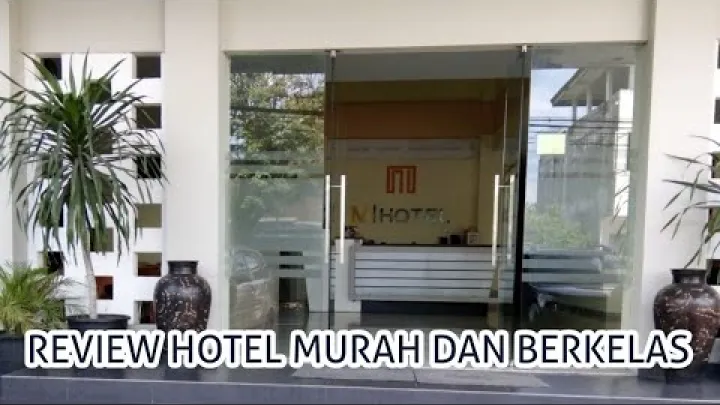
At this level, expect trade-offs. Rooms may be small, facilities may be basic, breakfast may not be included, and air conditioning or Wi-Fi may be weaker than expected. Some places may be farther from the restaurants, malls, or transport options you want to use. Recent reviews are important for checking cleanliness, bathroom quality, air conditioning, noise, and internet reliability.
Also compare the real total. Taxes, service fees, breakfast, cancellation rules, and payment terms can make two similar-looking rooms cost different amounts.
Mid-Range and Comfortable Hotels
Mid-range private rooms in Mataram usually appeal to travelers who want air conditioning, a private bathroom, Wi-Fi, and sometimes breakfast. For planning, use around IDR 250,000–700,000 per night for many mid-range choices, depending on date, property, location, and inclusions.
Comfortable city hotels may start from about IDR 700,000 per night and rise from there for larger rooms, pools, stronger service, better facilities, or more convenient locations. In Mataram, this comfort is generally urban hotel comfort rather than beachfront resort luxury.
| Accommodation level | Indicative nightly range | Typical value | Check carefully |
|---|---|---|---|
| Budget | IDR 100,000–250,000 | Simple room, low base cost | Cleanliness, fan or AC, bathroom |
| Mid-range | IDR 250,000–700,000 | Private comfort and useful facilities | Breakfast, Wi-Fi, location |
| Comfortable | IDR 700,000+ | Better service and facilities | Pool, room size, cancellation terms |
Solo travelers pay the full room cost themselves. Two people sharing a private room can divide the nightly price, which can make a mid-range hotel affordable on a per-person basis.
How Location and Inclusions Change the Real Price
A cheap room far from your daily needs can become expensive after taxis or scooter rental. A room near Cakranegara, Ampenan, Mataram Mall, Lombok Epicentrum Mall, or your work location may save time and transport, but no single district is best for everyone.
Before choosing between two similar hotels, compare more than the room rate. Check whether breakfast is included, whether the room has reliable air conditioning, whether parking is available, whether Wi-Fi is strong enough for work, and whether late arrival or airport pickup costs extra. Booking earlier matters more during weekends, school holidays, national holidays, and periods of strong domestic travel demand.
Food and Drink Prices in Mataram
Food is one of the easiest categories to control in Mataram. A traveler who eats mostly local meals can keep daily spending low, while cafes, malls, hotel restaurants, imported foods, and alcohol can raise the total quickly.
Warungs, Local Meals, and Everyday Food
Local warungs and simple eateries are the most reliable way to keep a Mataram travel budget low. Price examples from MyLifeElsewhere show inexpensive restaurant meals in Mataram at low rupiah amounts compared with many international destinations, although actual prices vary by place, portion, and date.
Common low-cost meals include rice dishes, noodles, chicken, vegetables, soups, and Lombok-style spicy dishes. International visitors may see names such as nasi goreng, mie goreng, ayam taliwang, and plecing kangkung. These can be filling without being expensive, especially away from tourist-focused restaurants.
If you eat three simple local meals and buy basic drinks, food can remain one of the smallest parts of your daily budget. If you choose air-conditioned cafes for every meal, the budget changes quickly.
Cafes, Malls, Alcohol, and Snacks
Mataram Mall and Lombok Epicentrum Mall are practical places for coffee, fast food, supplies, and convenience meals. They are useful, especially in bad weather or when you want predictable air-conditioned spaces, but prices can be higher than at simple local eateries.
International-style cafes, hotel dining, imported ingredients, desserts, and alcohol all raise food spending. Alcohol is a budget multiplier because one drink can cost as much as or more than a simple local meal. Bottled drinks, snacks, convenience-store purchases, and coffee stops may feel small one by one, but over a week they can become a visible expense.
A balanced approach works well: eat most meals locally, then choose cafes or mall meals when you specifically want comfort, Wi-Fi, air conditioning, or familiar food.
Daily Food Budgets by Eating Style
The following food ranges are planning estimates, not guarantees. Dietary preferences, imported foods, specialty coffee, hotel meals, and alcohol can push costs higher.
| Eating style | Daily food budget | Typical pattern |
|---|---|---|
| Low-cost | IDR 60,000–100,000 | Mostly local meals and simple drinks |
| Mid-range | IDR 150,000–250,000 | Warungs plus cafes or mall meals |
| Comfortable | IDR 250,000–400,000+ | Frequent restaurants, coffee, alcohol, hotel dining |
Food is flexible day by day. You can spend less on ordinary city days and allow more for a beach day, a long tour, or a dinner with friends.
Transport Costs Around Mataram and Lombok
Transport costs are more variable than food and accommodation because routes, availability, weather, time of day, and local restrictions can all matter. Treat transport as a planning category, not an afterthought.
City Rides, Ride-Hailing, and Angkot
Common ways to move around Mataram include taxis, app-based rides where available, motorcycle taxis, short walks, and angkot public minivans. App quotes and metered taxis can help with price transparency, but availability and local conditions may vary by area and time.
Angkot can be cheap for people who understand the routes, but it is less straightforward for many short-term visitors because routes, language, and schedules may not be obvious. If you are staying far from food, malls, work, or planned sights, set aside more for daily transport.
Check ride-hailing app estimates after arrival for current local pricing. For late-night returns, remote pickup points, or rural trips, confirm your return option before leaving.
Scooter Rental, Fuel, and Safety Costs
Scooters can be a flexible and cost-efficient way to explore Mataram and nearby Lombok for experienced riders. Rental operators such as Bikago show that scooter and motorbike rentals are available in Lombok, but travelers should check current quotes directly for their dates and pickup location.

The real cost of a scooter is more than the headline rental rate. Include fuel, parking, deposit, helmet quality, insurance terms, possible damage charges, and legal riding requirements such as an appropriate driving license or international driving permit. The cheapest scooter is not always the best choice if the brakes, tires, lights, or insurance terms are poor.
Do not rent a scooter only to save money if you are not an experienced rider. Medical costs, accident risk, and legal problems can be far more expensive than taxis or a driver.
Port Transfers, Gili Trips, and Private Drivers
Trips to ports, the Gili Islands, beaches, waterfalls, and rural areas can raise your average transport cost. Private drivers and door-to-door transfers are convenient, especially for groups or full-day plans, but they should be budgeted separately from normal city movement.

Before leaving Mataram, confirm the pickup price, return plan, waiting time, vehicle type, payment method, and whether parking or entrance fees are included. Port areas and remote locations may have fewer low-cost transport choices, so do not assume that the same ride-hailing options available in central Mataram will be easy everywhere.
For short trips, compare bundled tour transport with do-it-yourself transport. A tour may look expensive at first, but it can include pickup, waiting time, guide support, equipment, entrance fees, parking, timing support, and return logistics.
Activities and Day Trips to Budget For
Activities are where Mataram budgets can change the most. City sights can be inexpensive, while snorkeling trips, waterfall tours, private drivers, diving, and trekking can cost more than several ordinary city days.
Low-Cost City Sights
Mataram has city sights that can fit a low daily budget, including Mayura Park, Pura Meru, markets, malls, and local neighborhoods. Many urban sights cost little compared with organized tours, although small entrance fees, donations, parking, sarong rental, or local guide costs may apply.
Malls are usually free to enter, but they can lead to spending on meals, coffee, cinema, clothing, electronics, or travel supplies. Cultural and religious sites require respectful dress and behavior. Carry small cash for local fees and donations, and verify current opening details before visiting.
Waterfalls, Snorkeling, and Bundled Tours
Day trips outside Mataram can change your budget quickly. Bookable activity listings on Expedia include examples such as Gili Air snorkeling and Benang Stokel and Benang Kelambu waterfall tours, showing how organized activities can cost much more than a simple city day.
Do not compare a bundled tour only with an entrance ticket. A tour may include transport, hotel pickup, guide, equipment, entrance fees, parking, timing support, and return logistics. Budget travelers can sometimes reduce costs by sharing transport or arranging parts independently, but this takes more time and local checking.
A simple rule helps: choose do-it-yourself planning for cost control if you have time and confidence, and choose a tour for convenience, predictable timing, and support.
High-Cost Adventure Days
Major adventure days such as Rinjani trekking, dive courses, private full-day drivers, or multi-stop island excursions can exceed the cost of several ordinary Mataram days. Treat these as separate line items rather than blending them casually into your daily city budget.
For example, if you spend six days at IDR 600,000 per day and add one high-cost activity day, your weekly average may look much higher even though your normal spending habits did not change. Before booking major activities, check cancellation terms, safety standards, equipment, meals, transfers, guide language, and what is not included.
Sample Mataram Trip Budgets
The following examples show how to build a practical Mataram travel budget. They are not fixed itineraries and exclude international flights, travel insurance, major visa costs, shopping, medical costs, and expensive adventure add-ons.
Three-Day City Stay
A three-day city stay works well for travelers who want to explore Mataram, eat locally, visit simple sights, and keep transfers limited. Short trips have less time to average out one-off costs, so an airport transfer, a private driver, or a special dinner can noticeably change the total.
| Style | Daily estimate | Three-day total | Notes |
|---|---|---|---|
| Solo budget | IDR 350,000–600,000 | IDR 1,050,000–1,800,000 | Simple room, local meals, limited rides |
| Shared-room budget | IDR 275,000–500,000 | IDR 825,000–1,500,000 | Two people divide room cost |
| Mid-range | IDR 700,000–1,200,000 | IDR 2,100,000–3,600,000 | Private hotel, cafes, taxis, paid sights |
Use this example for city-focused travel. Add extra money if you include a waterfall tour, a beach day far from the city, or a Gili transfer.
One-Week Lombok Base Plan
A one-week Mataram base gives you more flexibility to mix cheap city days with one or two paid activities. A budget traveler might spend several days on local meals and low-cost sights, then choose one shared waterfall trip or beach day. A mid-range traveler might add a snorkeling trip, a private driver day, or more cafe meals.
| One-week style | Planning range | Activity pattern |
|---|---|---|
| Budget base | IDR 2,500,000–4,500,000 | Mostly city days, one modest day trip |
| Mid-range base | IDR 5,000,000–8,500,000 | Several comfortable days plus one or two tours |
| Comfortable base | IDR 9,000,000–16,000,000+ | Better hotels, drivers, bundled tours, restaurants |
Accommodation is usually the largest predictable cost. Activities are the biggest variable after that. A waterfall tour, snorkeling trip, beach day, or private driver can be worth the money, but include it as a planned extra rather than expecting every day to match your cheapest day.
Longer Stay and Monthly Budget Thinking
Longer stays change the calculation. Monthly room rates, laundry, groceries, coworking needs, cafe habits, transport routines, and visa rules become more important than daily sightseeing costs.
If you are staying several weeks or longer, ask what is included in the monthly price. Check utilities, Wi-Fi, cleaning, breakfast, parking, kitchen access, and whether the rate changes during holidays. Mataram can appeal to slow travelers who want urban services and lower everyday costs rather than a resort environment.
Instead of relying on a fixed monthly figure, build your own monthly estimate: accommodation plus utilities, food pattern, weekly transport, laundry, mobile data, workspaces or cafes, and planned trips. Verify visa and stay-permit costs separately with current official information.
What Makes a Mataram Budget Go Up or Down
Your Mataram budget is not only about local prices. Timing, booking choices, transport habits, and activity planning can push the total up or down.
Peak Dates, Weekends, and Availability
Prices and availability can change during Indonesian holiday periods, school holidays, weekends, festivals, and high-demand travel dates. Eid and Christmas-New Year are examples of periods that can affect travel demand, although some dates vary by year.
Accommodation is often the most visible category affected by demand. Tours and transfers may also become less negotiable when many travelers want the same services. Low-demand periods can offer better hotel value, but still consider weather, sea conditions, and outdoor activity plans.
If your trip depends on waterfalls, snorkeling, trekking, or island transfers, flexible or refundable bookings can be worth paying slightly more for.
Saving Tactics That Work Locally
The most effective saving tactics in Mataram are practical rather than complicated. Stay in the city for lower everyday costs, then use day trips selectively. Eat most meals at local warungs and save cafes, malls, or hotel restaurants for specific moments.
- Compare the total cost of scooter rental, taxis, private drivers, and tours, not only the headline price.
- Share transport or tours when possible.
- Book ahead for busy dates, especially if you need a private room in a specific area.
- Avoid moving bases too often because transfers add cost and time.
- Carry small cash for warungs, markets, parking, donations, and small fees.
- Review your daily spending each evening so small snacks, rides, and coffees do not surprise you later.
These habits keep the budget under control without forcing you to skip the experiences that matter most.
Prices to Verify Before You Book
Some planning principles are stable: local meals are usually cheaper than hotel dining, city rooms are often cheaper than resort rooms, and long transfers raise costs. Specific prices, however, should be checked close to travel.
- Hotel total, taxes, service fees, breakfast, cancellation rules, and payment method.
- Recent menus or reviews if you have dietary needs or plan to rely on specific restaurants.
- Scooter rental terms, insurance, deposit, helmet quality, pickup location, and legal documents.
- Tour inclusions, entrance fees, equipment, guide language, pickup area, waiting time, and return transport.
- Current exchange rate, ATM fees, card fees, and whether small businesses accept cards.
This does not mean the destination is uncertain or difficult. It simply means that Mataram is best budgeted with ranges and decisions, not one fixed number.
Conclusion: Building a Realistic Mataram Budget
A realistic Mataram budget starts with your travel style. Budget travelers can often plan around IDR 350,000–600,000 per person per day, mid-range travelers around IDR 700,000–1,200,000, and comfortable travelers around IDR 1,300,000–2,300,000 or more. Shared rooms, local meals, and selective day trips keep costs low, while private drivers, tours, better hotels, and alcohol raise the total.
Mataram is a practical Lombok base for travelers who value city prices, local food, malls, markets, and services. Coastal bases such as Senggigi, Kuta Lombok, and the Gili Islands may be better value when the main goal is beach or island time. Plan in rupiah, keep cash for small expenses, verify current prices before booking, and separate ordinary city days from high-cost adventure days for the clearest budget picture.
Select area
Create a post
Posting is free and no registration is required.