Kupang Travel Guide: Plan Your First Trip to West Timor
This Kupang travel guide is for travelers planning a first visit to the capital of East Nusa Tenggara on the Indonesian side of Timor Island. Kupang is a practical gateway, but it is also worth time for beaches, sunsets, cave swimming, waterfalls, seafood, and everyday city life around Kupang Bay. It is not a polished resort hub like Bali or a dense attraction center like Labuan Bajo, so good planning matters. This guide explains how long to stay, where to base yourself, how to get around, what to do, what to verify, and how to connect onward to islands such as Rote, Semau, Sabu, Alor, Flores, and Sumba.
Start Here: Is Kupang Right for Your Trip?
Kupang at a Glance
Kupang is the main city and transport gateway of East Nusa Tenggara, located on West Timor in eastern Indonesia. For many travelers, it appears first as an airport or ferry stop. With the right expectations, it can also be a rewarding place to spend a few days before or after exploring the wider region.
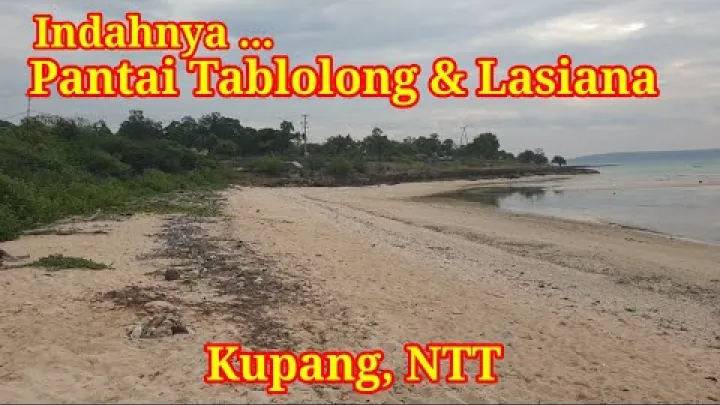
The appeal of Kupang is low-key and practical. You can watch the light change over Kupang Bay, eat grilled seafood near busy evening food areas, swim in freshwater near Crystal Cave, visit Oenesu Waterfall, and make day or overnight plans for beaches such as Lasiana Beach, Pasir Panjang, Tablolong Beach, and Batu Nona Beach. The city also helps travelers understand local life in East Nusa Tenggara beyond the best-known tourist routes.
Kupang is best for curious travelers who enjoy regional cities, local food, coastal views, and flexible itineraries. If you want luxury beach resorts, highly organized tours, or a compact sightseeing circuit where everything is easy to book online, Kupang may feel less convenient. If you want a grounded base for West Timor and nearby islands, it can be very useful.
How Long to Stay and Who Should Visit
One night is enough if Kupang is only a transit stop before a flight, ferry, or overland connection. Two full days gives you time for the waterfront, a beach, a nature trip such as Crystal Cave or Oenesu Waterfall, and an evening food stop. Three or more days works better if you want a slower pace, a beach day at Tablolong, or time to organize onward travel to Rote Island, Semau Island, Sabu Island, Alor, Flores, or Sumba.
| Time in Kupang | Best for | Planning note |
|---|---|---|
| 1 night | Simple transit, late arrival, early flight | Stay near the airport or on a main road |
| 2 full days | City, beach, cave, waterfall, seafood | Plan one flexible nature outing |
| 3 or more days | Slow travel and onward island planning | Add buffer time for ferries and weather |
Kupang suits travelers interested in local Indonesian city life, coastal sunsets, under-visited nature, and regional connections. Travelers who need predictable luxury services, dense nightlife, or a resort-style beach holiday may prefer another base. Whatever your style, add buffer time before important flights and ferry connections because weather, local transport, and schedule changes can affect plans.
Orientation: Where Kupang Is and How the City Is Laid Out
Kupang is easier to understand if you think of it as a coastal city with practical inland corridors rather than as a compact tourist center. Distances are manageable with transport, but walking between areas is not always the easiest way to move around.
Kupang in East Nusa Tenggara
Kupang sits in eastern Indonesia, in East Nusa Tenggara, on the Indonesian side of Timor Island. The region includes several island groups and travel routes, so Kupang often functions as a staging point rather than a final stop. Regional tourism information from the East Nusa Tenggara Tourism Information Center highlights islands across the province, including Timor, Flores, Sumba, Alor, Rote, Lembata, and Sabu.
For trip planning, the main point is simple: Kupang is useful for West Timor and for onward travel in the province. Rote and Semau are more intuitive extensions from Kupang than distant islands, while Sabu, Alor, Flores, and Sumba usually require more planning, more time, and current transport checks.
West Timor is part of Indonesia. Timor-Leste is a separate country on the eastern part of the island. If your itinerary includes crossing toward Timor-Leste, treat it as an international border plan and verify current immigration, transport, insurance, and timing details before you travel.
Main Areas and Best Bases Within the City
For visitors, Kupang can be grouped into coastal bases and inland practical bases. Coastal areas around Kupang Bay, Kota Lama, Pasir Panjang, and Kelapa Lima are useful if you want sea views, sunsets, and easier access to waterfront dining. Inland areas around Oebobo and main road corridors are often more practical for business hotels, errands, airport transfers, and early departures.

| Base area | Why stay there | Best for |
|---|---|---|
| Kupang Bay and Pasir Panjang | Coastal views, sunsets, waterfront meals | Couples, short stays, first impressions |
| Kota Lama and Kelapa Lima | City access, food, coastal atmosphere | Travelers who want a central feel |
| Oebobo and main roads | Practical facilities and easier transfers | Business trips, early flights, transit nights |
There is no single best area for every traveler. Choose the coast if atmosphere matters most. Choose an inland or main-road hotel if your schedule is shaped by flights, work, luggage, or onward transport.
Best Time to Visit Kupang
Dry Season, Wet Season, and Heat
Kupang is warm throughout the year, so the main seasonal question is not cold weather. It is rain, humidity, cloud, wind, and how comfortable you feel moving around outdoors. A commonly reported pattern is a drier period around May to October and a wetter period around late November to March, but local conditions vary from year to year.
For most first-time visitors, the drier months are more convenient for beaches, viewpoints, cave pools, waterfalls, and outer-island transport. During wetter periods, travel is still possible, but plans should be more flexible. Paths may be slippery, visibility may be reduced, and road or sea connections can become less predictable.
Because weather information changes quickly and local microconditions matter, check a current forecast shortly before arrival. In any season, start outdoor trips early, carry water, use sun protection, and build rest breaks into the hottest part of the day.
Timing Outdoor Trips and Sea Crossings
Plan beaches and viewpoints in the morning or late afternoon when the heat is usually easier to manage and the light is better for photography. Midday can still work for short stops, but it is less comfortable for long walks, exposed beaches, or informal trails.
For Crystal Cave, Oenesu Waterfall, and other nature stops, wear footwear that can handle rocks, steps, wet ground, and uneven access. Rain can make the final approach to natural sites more difficult. A dry bag, drinking water, and basic first aid are useful even for short trips.
For ferries and island routes, avoid building tight same-day connections with important flights. Sea crossings can be affected by weather and operational changes. Wet-season travel is not impossible, but it is easier if your itinerary includes backup options and at least one buffer day before a major departure.
How to Get to Kupang and Continue Around the Region
Flights to El Tari Airport
Most visitors reach Kupang by domestic flight to El Tari Airport, often shown with the airport code KOE in booking systems. International travelers normally enter Indonesia through another Indonesian gateway, complete immigration at their first point of entry, and then continue onward by domestic flight.

Route maps can help you understand connection logic, but schedules and airlines change. Flight route information from FlightConnections can be useful for seeing possible domestic links from Kupang, but confirm your exact airline schedule close to departure.
If you arrive late, choose accommodation that can help with airport transfer or is convenient for your next move. If you have an early onward flight, an inland or airport-friendly base may be more useful than a scenic waterfront hotel.
Ferries, Buses, and Onward Islands
Kupang is a gateway for onward travel by sea, air, and road. Rote Island is a common extension for beaches and surf-oriented trips. Semau Island can be considered for a closer island outing, depending on current boat access and local arrangements. Sabu Island, Alor, Flores, and Sumba are better treated as longer extensions or separate itinerary legs rather than casual same-day side trips.
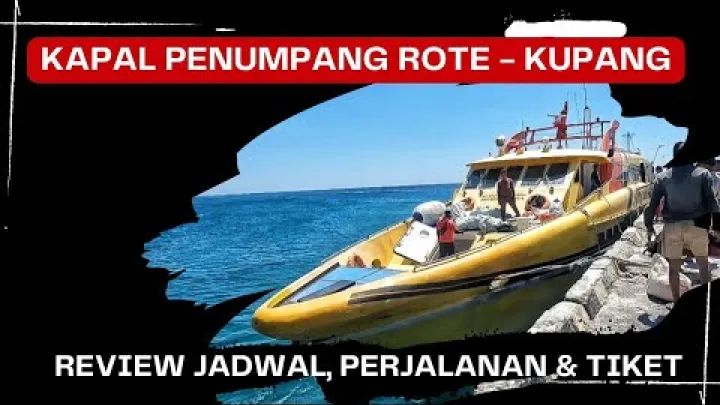
Ferry and bus schedules can be local, seasonal, and affected by weather or operational changes. Do not rely only on old blog posts or distant planning assumptions. Ask your accommodation, local operators, port contacts, or current booking channels to confirm departures before you commit to tight timing.
If you are connecting from a ferry to a flight, add a buffer. This is especially important if your next flight is international, expensive to change, or connected to a separate ticket.
Entry Requirements and Arrival Buffers
International travelers should confirm current Indonesian entry requirements before travel. The Official Indonesia eVisa site is a sensible starting point for checking current electronic visa-on-arrival information and document requirements, including passport validity rules shown for eligible applicants.
If you fly to Kupang after entering Indonesia through another airport, remember that immigration clearance is usually handled at the first Indonesian arrival point. Domestic transfers can still require time for baggage collection, terminal changes, airline check-in, and security checks.
On arrival in Kupang, handle practical tasks early: arrange your airport transfer, withdraw or exchange enough local cash for small expenses, and check that your mobile data works. These steps reduce stress when you need taxis, food, or local coordination later in the trip.
Getting Around Kupang
Taxis, Ride-Hailing, and Local Minibuses
Getting around Kupang is road-based. The city does not have a rail or metro-style system, so most travelers use taxis, hotel-arranged transfers, private drivers, motorbikes, ride-hailing where available, or local shared vehicles.
For first arrivals, late-night movement, and time-sensitive trips, a taxi or hotel-arranged transfer is usually the easiest choice. Ride-hailing availability can vary by time, area, and service type, so do not assume it will work exactly as it does in larger Indonesian cities. Ask your accommodation what is currently reliable.
Local minibuses or shared vans can be low-cost, but routes are not always intuitive for visitors who do not speak Indonesian or know the city layout. They are better for flexible travelers with time than for airport transfers, luggage, or day trips to natural sites.
Motorbike Rental, Car Hire, and Drivers
A motorbike can be useful for flexible travel to beaches, cave pools, waterfalls, and places outside the immediate city center. However, only ride if you are properly licensed, insured, experienced, and comfortable with local traffic and variable road surfaces. Check the helmet, brakes, lights, tires, and rental condition before leaving.
A car with a driver is often better for families, groups, travelers with luggage, or anyone who does not want to ride a scooter. It is also more comfortable in heat, rain, or after dark. For short urban trips, taxis or hotel transport are simpler than renting a vehicle for the whole day.
| Option | Use it for | Main caution |
|---|---|---|
| Taxi or hotel transfer | Airport trips and short urban rides | Confirm price or arrangement first |
| Motorbike | Flexible beach and nature trips | Ride only if licensed, insured, and confident |
| Car with driver | Groups, families, longer day trips | Agree route, waiting time, and inclusions |
Road Conditions and Access to Natural Sites
Major roads in and around Kupang may be straightforward, but the final approach to natural sites can be less predictable. Crystal Cave and Oenesu Waterfall are good examples of places where the last section may involve uneven ground, rocks, steps, wet surfaces, or informal paths.
Do not assume that every swimming spot has lifeguards, barriers, clear depth markings, or consistently maintained facilities. If you plan to swim, check the water carefully, avoid risky jumps, and be honest about your swimming ability. After rain, rocks and paths can become slippery.
Before visiting, ask locally about current access, fees, parking, guide availability, and site condition. Bring sturdy footwear, water, a dry bag for electronics, and basic first aid. Travelers with limited mobility should ask detailed questions before committing to a site.
Where to Stay in Kupang
Coastal Stays Near Kupang Bay
Coastal stays near Kupang Bay, Pasir Panjang, Kota Lama, and Kelapa Lima are attractive for travelers who want sea views, sunsets, and easier access to waterfront dining. They can give a more scenic first impression of the city, especially if you are only staying one or two nights.
The main advantage is atmosphere. You can plan an easy evening walk, watch the bay, and find food without turning every outing into a long transfer. This base works well for couples, short stays, and travelers who want to relax after a flight.
The trade-off is logistics. Coastal hotels may still require transport for El Tari Airport, Oenesu Waterfall, Crystal Cave, Tablolong Beach, and inland services. Before booking, check whether the hotel can arrange transfers and whether recent reviews mention air conditioning, maintenance, Wi-Fi, and noise.
Inland Business and Airport-Friendly Areas
Inland and main-road locations are practical rather than second-best. Areas around Oebobo and other commercial corridors can suit early flights, work trips, errands, and travelers who value easy road access over a waterfront view.
This type of base may be less atmospheric, but it can offer reliable facilities, straightforward transport arrangements, and easier planning for business or transit. If you are a remote worker, ask the property directly about Wi-Fi speed, workspace, backup connectivity, and power reliability rather than relying only on general star ratings.
For early departures, confirm airport transfer options before booking. Avoid assuming a specific travel time because traffic, road conditions, and pickup arrangements can vary.
Booking Tips by Budget and Travel Style
Kupang has a mix of budget guesthouses, practical business hotels, and seafront mid-range properties. Private budget rooms may be easier to find than hostel-style dorms, so solo travelers should compare private-room value rather than expecting a backpacker hostel scene.
Use recent reviews carefully. Look for comments about air conditioning, hot water, Wi-Fi, breakfast, airport transfers, cleanliness, and maintenance. These details often matter more than small differences in decorative style.
| Travel style | Good base choice | Check before booking |
|---|---|---|
| Budget traveler | Guesthouse or simple hotel | Air conditioning, bathroom, location |
| Business traveler | Main-road or inland hotel | Wi-Fi, workspace, airport transfer |
| Short leisure stay | Coastal mid-range property | Sea view, food access, transport |
Rates can change during holidays, events, and periods of high demand. Check accommodation prices close to your travel dates rather than relying on old examples.
Best Things to Do In and Around Kupang
Beaches and Sunset Spots
Beaches around Kupang are often social local spaces rather than untouched resort beaches. That is part of their charm if you arrive with the right expectations. Lasiana Beach is commonly mentioned as an easy local beach option, while Pasir Panjang is useful for coastal atmosphere closer to the city. Tablolong Beach is better for a longer beach outing when you have transport and time. Batu Nona Beach is another coastal name travelers may encounter when researching the area.
For beach visits, think in terms of use case. Choose an easy city-side beach for a short walk or sunset. Choose a farther beach for a half-day outing. Avoid describing any beach as perfect before you arrive because cleanliness, facilities, tide, weather, and crowds can vary.
Dress modestly around local families and communities, especially away from hotel pools or tourist-focused spaces. Bring water, sun protection, and cash for small local expenses. Late afternoon is often more comfortable than the middle of the day.
Crystal Cave and Oenesu Waterfall
Crystal Cave and Oenesu Waterfall are two of the strongest short nature trips from Kupang. They offer a refreshing contrast to the hot coastal climate: cool freshwater, cave swimming, shaded areas, waterfall pools, and a sense of leaving the city without committing to a long expedition.
These sites also require practical caution. Access may involve steps, uneven ground, slippery rocks, or informal trails. Swimming conditions can change, especially after rain. Do not jump into water unless you have confirmed depth and safety, and do not enter a cave pool if you are uncomfortable with enclosed spaces or uncertain footing.
Before you go, ask your hotel or driver about current access, entrance arrangements, site condition, and whether a local guide is recommended. Travelers with limited mobility should ask specific questions about the path, steps, and distance from parking to the water.
Markets, Seafood, and City Life
Kupang is rewarding when you leave space for ordinary city routines. Evening food areas, small eateries, cafés, markets, and waterfront gathering places can be more memorable than a rushed list of sights. Kampung Solor is often used as a local anchor for seafood and evening food culture, but current stall quality and opening patterns should be checked locally.
Look for busy places where food turns over quickly. For seafood, check freshness, ask prices before ordering if they are not displayed, and use normal food-safety judgment. If you have dietary restrictions, write key phrases in Indonesian or use a translation app.
Do not worry about finding the single best restaurant. In Kupang, the better approach is to ask local staff where they would eat that evening, then choose a busy and comfortable place.
Culture, Textiles, and Respectful Travel
Kupang and the wider East Nusa Tenggara region are shaped by Timorese and island cultures, local crafts, churches, markets, and community life. Textiles are an important part of the region’s identity, and visitors may encounter woven cloth, crafts, and market sellers during their trip.
Buy directly from artisans, cooperatives, or reputable sellers where possible. If someone is weaving, selling, or working, ask before taking photos. Do the same in churches, ceremonies, markets, and private community spaces.
Avoid treating private rituals or everyday life as a performance. Respectful travel in Kupang is simple: ask permission, dress appropriately, pay fair prices, and accept that some cultural settings are not designed for visitors.
Island-Hopping from Kupang
Kupang can be a launch point for a wider East Nusa Tenggara itinerary. Semau Island and Rote Island are the most intuitive nearby extensions for many travelers. Rote is usually planned as an overnight or multi-day beach and surf destination rather than a quick city outing. Semau may work as a shorter island escape when current boat access and local transport line up.
Sabu Island, Alor, Flores, and Sumba are more ambitious. They may require flights, ferries, longer waits, and separate ground transport. Treat them as planned itinerary legs, not simple add-ons.
A practical structure is to spend one or two nights in Kupang, continue to Rote or another island, then return to Kupang with a buffer night before your flight. If your schedule is short, use Kupang as a gateway. If your schedule is flexible, use it as a planning base for a wider East Nusa Tenggara route.
Costs, Safety, and Practical Travel Tips
Typical Costs and Money Planning
Costs in Kupang depend on your accommodation standard, transport choices, food style, and onward plans. A simple local-food-and-guesthouse trip will feel very different from a trip using private drivers, seafront hotels, and last-minute flights. Because prices change, it is safer to plan by category rather than rely on old daily budget numbers.
Your main cost categories are accommodation, local transport, food, attractions, and onward travel. Local meals and small expenses may be affordable compared with major resort destinations, while domestic flights, private cars, and ferry-linked changes can increase the total quickly.
Carry small cash for local transport, parking, food stalls, markets, and minor entrance fees. Use cards where accepted, but do not depend on card payments for every small purchase. Check hotel rates, domestic flights, and ferry costs close to booking, especially around holidays, events, or last-minute schedule changes.
Health, Safety, and Natural Hazards
For safety planning, treat Kupang within the broader context of travel in Indonesia. The U.S. Department of State advises travelers to exercise increased caution in Indonesia due to terrorism and natural disasters, with some areas carrying increased risk. Check current advisories from your own government as well, because advice can change.
Daily risks for most visitors are practical rather than dramatic: heat, dehydration, road safety, valuables, slippery trails, sea conditions, and swimming judgment. Protect valuables in busy places, use reliable transport at night, keep emergency contacts accessible, and avoid isolated areas if you are unsure about access or return transport.
For outdoor plans, carry water, sun protection, and suitable footwear. For road trips, avoid riding in darkness or rain if you are not confident. For swimming, check conditions locally and do not assume lifeguards are present. If you have medical needs, travel with insurance and enough medication for delays.
What to Verify Before Departure
Use this checklist shortly before you leave and again after arriving in Kupang. It is especially important if you are connecting flights, ferries, and outer-island travel.
- Current Indonesian entry requirements, passport validity, and visa or eVisa rules.
- Domestic flight times to and from El Tari Airport, including baggage and transfer rules.
- Ferry or boat schedules for Rote, Semau, Sabu, or other islands.
- Accommodation location, airport transfer options, and late-arrival procedures.
- Weather forecast for beach days, waterfalls, cave visits, and sea crossings.
- Current access, fees, and site condition for Crystal Cave, Oenesu Waterfall, and beaches.
- Travel insurance coverage for medical care, delays, motorbike riding, and water activities.
- Cash access, card acceptance, and mobile data setup.
Do not build tight connections around weather-sensitive transport. A buffer night in Kupang can be more valuable than an extra rushed stop elsewhere.
Final Tips for Planning Your Kupang Trip
Kupang is most rewarding when you treat it as both a real city and a regional gateway. Come for practical access to West Timor and East Nusa Tenggara, but leave time for sunsets around Kupang Bay, local seafood, beaches, Crystal Cave, Oenesu Waterfall, and the slower rhythm of an under-visited Indonesian city.
Choose your base according to your schedule: coastal areas for atmosphere, inland or main-road areas for logistics. Visit in the drier months if you want the easiest outdoor planning, but stay flexible in any season. Confirm flights, ferries, entry rules, weather, and site access close to travel.
With realistic expectations and a little buffer time, Kupang can be more than a transit point. It can be a useful, grounded, and memorable starting point for exploring West Timor and the wider islands of East Nusa Tenggara.
Select area
Create a post
Posting is free and no registration is required.