Tual Travel Guide: Kei Islands Beaches, Transport and Tips

This Tual travel guide is for travelers who want to reach one of Indonesia’s quieter eastern island regions without underestimating the logistics. Tual, Langgur, and the wider Kei Islands in Maluku offer long beaches, blue water, local maritime culture, and a slower style of travel than Indonesia’s major tourism centers. The reward can be high, but flights, boats, weather, and accommodation choices need more care than in Bali, Java, or Lombok. This guide explains where to base yourself, when to go, how to move around, what to do, and what to check before you book.
Tual Travel Guide Overview
Tual is best understood as a practical gateway to the Kei Islands rather than as a polished resort destination. Many visitors use the town, nearby Langgur, and beach areas on Kei Kecil together during the same trip.
What to Expect in Tual
Tual is a remote city in southeast Maluku, far from Indonesia’s busiest visitor routes. For most travelers, its appeal is not nightlife, large resorts, or quick sightseeing. The appeal is access to the Kei Islands: white-sand beaches, sandbar outings, boat days, small local settlements, and a travel pace shaped by weather and local arrangements.
You should expect a practical, sometimes improvised trip. English-language information can be limited, transport details may change, and small operators may rely on phone contact or local recommendations rather than formal online booking systems. This does not make Tual unsuitable for visitors, but it does mean that flexibility is part of the plan.
The best approach is to keep your first day simple, confirm onward transport after arrival, and avoid building an itinerary that depends on perfect weather every day. Treat Tual as a place for slow island travel, beach time, and local orientation rather than a destination where every detail can be fixed far in advance.
Who This Trip Suits Best
Tual suits travelers who have already spent time in Indonesia or who are comfortable with domestic connections, small guesthouses, informal transport, and changing plans. It is a strong choice for beach lovers, photographers, slow travelers, and visitors who want an eastern Indonesia experience beyond the most familiar routes.
It may not suit travelers who need frequent flights, luxury resort density, international hotel brands, predictable nightlife, or a wide choice of tours with online confirmation. If you have only a few days in Indonesia and want a simple beach break, another destination will usually be easier.
The trip is most rewarding when you give it enough time. Tual can work as part of a wider Maluku itinerary, especially if you are already passing through Ambon, but it is rarely ideal as a rushed side trip. Add buffer time, keep expectations realistic, and choose your base according to how much beach time, transport convenience, and quiet you want.
Where Tual Is and How the Kei Islands Fit Together
The main travel area for first-time visitors is a small network of places rather than one single town. Tual, Langgur, Kei Kecil, and nearby beaches often function as one practical travel zone.
Tual, Langgur, and Kei Kecil
Tual is in Maluku in eastern Indonesia and is closely linked in daily travel with Langgur and Kei Kecil. Administrative boundaries matter less to most visitors than road access, where the airport is, where supplies are available, and where beach accommodation is located. Basic administrative background on Tual is summarized by Wikipedia, but travelers should use current local information for transport, accommodation, and services.
In practical terms, many visitors move between Tual and Langgur for shops, food, markets, banking needs, transport arrangements, and airport access. Beach stays are often on or near Kei Kecil rather than in central Tual itself. The Tual-Langgur bridge is a useful orientation point because it links the daily movement between the two sides of the local hub area.
If you are choosing accommodation, think less about the name of the municipality and more about your daily routine. Do you want quick access to supplies and transfers, or do you want to wake up by the beach? The answer will shape your stay more than the administrative map.
How Tual Fits into a Wider Maluku Itinerary
Ambon is usually the main regional gateway for travelers heading deeper into Maluku, including to the Kei Islands. Many visitors reach Tual after domestic connections through larger Indonesian cities and Ambon, although exact flight patterns can change.
Tual is best treated as a deeper add-on to an eastern Indonesia journey, not as a quick replacement for an easy beach destination. If you are already planning Ambon, Banda, Seram, or other parts of Maluku, the Kei Islands can add a very different coastal element. If you are flying from far away only for Tual, the time and cost of reaching it become a major part of the decision.
Build in buffer time when connecting between Tual, Ambon, Jakarta, Makassar, or international flights. A missed domestic connection in eastern Indonesia can affect several days of plans, especially if flights are not daily or if seats are limited during busy periods.
Best Time to Visit Tual
Season matters in Tual because beaches, boats, sandbars, and flight comfort are all affected by rain and wind. Climate averages are useful for planning, but they are not guarantees.
Dry Season, Rainy Season, and Shoulder Months
Tual has a tropical climate with a wetter part of the year and a relatively drier period. According to climate-average information from Climates to Travel, the rainy season is generally associated with December to May, while July onward is relatively drier. For beach-focused travel, July to October is often a better planning window.
This does not mean that every day from July to October will be dry, or that other months are impossible. Tropical weather can change quickly, and local wind conditions may matter as much as rainfall. If you are planning a sandbar trip, a boat day, or snorkeling, check the short-term forecast and ask local hosts what conditions have been like in the previous few days.
Shoulder months can be mixed. They may offer quieter travel, but they can also bring uncertain weather. If your trip depends on clear water, calm seas, or specific boat access, avoid making the schedule too tight.
Weather Effects on Beaches, Boats, and Visibility
Rain, wind, and sea conditions can change what is practical on any given day. A beach day near Ngurbloat or Pasir Panjang may still be pleasant in cloudy weather, while a longer boat trip to a sandbar or offshore snorkeling spot may not be comfortable or safe.
Before committing to a boat outing, ask your host or operator about expected wind, tides, departure time, return time, and whether the plan can be adjusted. For Ngurtavur sandbar, timing is especially important because sandbar visits depend on tides as well as boat access and weather.
Pack for both strong sun and sudden rain. Useful items include high-protection sunscreen, a hat, sunglasses, a light rain layer, a dry bag, sandals or water shoes, insect repellent, and a refillable water bottle. Humidity can make even short outings tiring, so plan beach walks and photography for morning or late afternoon when possible.
How to Get to Tual and Move Around
Transport is the part of a Tual trip that needs the most attention. Flights, airport transfers, local roads, and boat trips all require checking close to travel.
Flying via Ambon to Karel Sadsuitubun Airport
Travelers normally reach Tual through domestic flights within Indonesia, often with Ambon as the regional connection point. Karel Sadsuitubun Airport serves the Langgur, Tual, and Kei Islands area; basic airport context is summarized by Wikipedia. There are no normal direct international arrivals into Tual, so international visitors should plan at least one Indonesian domestic connection.
Do not rely on old airline schedules or past trip reports. Before booking, confirm flight days, connection times, baggage rules, and cancellation conditions directly through airlines or reliable booking platforms. This is especially important if you are carrying dive gear, camera equipment, or heavy beach luggage.
If your onward international flight is important, consider a buffer night in Ambon, Jakarta, Makassar, or another major transit point. A tight same-day chain of flights can be risky when one delayed domestic segment affects the whole route.
Airport Transfers, Tual, and Langgur
The airport-to-town journey is a local road transfer rather than a long overland expedition, but you should still arrange it carefully. Exact times and prices can vary by destination, traffic, and local conditions.
If you arrive late, travel with bulky bags, or are staying outside the central Tual-Langgur area, ask your accommodation to arrange pickup. Confirm the price, meeting point, driver contact, payment method, and whether the driver knows your exact property. This is more reliable than arriving with no plan and trying to solve transport while tired.
Langgur can be a useful first stop because it is convenient for supplies and onward arrangements. If your beach stay is remote, stock up before leaving the town area, especially on water, snacks, basic medicines, and any personal items you may not find easily near the coast.
Boats and Island-Hopping Logistics
Boats are central to many of the best Kei Islands experiences. They may be needed for sandbars, offshore beaches, snorkeling trips, village visits, or more remote coastal areas. Local ship and boat travel is part of the wider Maluku transport pattern, and services can range from larger vessels to small local boats depending on route and purpose.

Small-boat trips need careful judgment. Before boarding, ask whether life jackets are available for everyone, how long the trip takes, what the return plan is, whether the trip is private or shared, and what happens if weather changes. Also ask whether there is mobile signal along the route and who carries a phone or radio.
For sandbar trips such as Ngurtavur, do not assume you can go at any time of day. Ask about tide timing, sea conditions, walking surface, sun exposure, and return timing. A beautiful trip can become uncomfortable if you are exposed to strong sun with limited shade or if the return is delayed by changing conditions.
Local Transport for Beaches and Villages
Local movement may involve hired cars, drivers, motorbikes, informal transport, or arrangements through guesthouses. Public transport information can be difficult to confirm in advance, so flexible local arrangements are often more useful than a rigid route plan.
If you are comfortable on a motorbike and have the correct license and insurance, it may offer flexibility for short local trips. If you are not comfortable riding, hire a driver instead. Roads, rain, unfamiliar traffic behavior, and limited lighting after dark can make self-driving more stressful than it first appears.
For scattered beaches, inland stops, and village visits, ask your host to help plan a realistic loop. Avoid long road moves after dark, carry water, and confirm your return transport before leaving. Transport choices should also influence where you stay: beach bases reduce daily travel for swimming, while Tual and Langgur make logistics easier.
Where to Stay in Tual and the Kei Islands
Accommodation around Tual is generally small-scale. You may find guesthouses, homestays, villas, and modest hotels, but you should not expect the same depth of inventory as major Indonesian tourist centers.
Central Tual and Langgur for Logistics
Central Tual and Langgur are practical for first or last nights, airport access, supplies, markets, and arranging onward transport. They are usually better for errands than for a classic beach atmosphere.
Accommodation listings near Tual include small properties such as guesthouses, homestays, cottages, and villas, as shown on platforms like Booking.com. Availability, standards, payment rules, and location accuracy should be checked directly with the property before arrival.
If you arrive late, have an early flight, or need to organize a boat or driver, a central base can reduce stress. If your main goal is long beach days, treat town as a staging point rather than the whole trip.
| Base area | Best for | Main trade-off |
|---|---|---|
| Tual or Langgur | Airport access, supplies, transport, first or last night | Less beach atmosphere |
| Ngurbloat or Pasir Panjang area | Beach time, sunsets, slower days | More planning for meals and errands |
| Village or remote stays | Quiet, local atmosphere, simple island pace | Less flexibility for transport, food, and internet |
Beach Bases near Ngurbloat and Pasir Panjang
The Ngurbloat and Pasir Panjang area is a strong choice for travelers who want beach time to be the center of the trip. Staying near the sand reduces the need for daily transfers and makes it easier to swim, walk, rest, and enjoy late-afternoon light.
The trade-off is that beach areas may have fewer shops, fewer food choices, and less evening transport. If you have dietary needs, prefer specific snacks, or need medicines, buy them in Tual or Langgur first. Also confirm whether your accommodation provides meals or can help arrange them.
During domestic holidays or busy local periods, preferred beachfront stays may fill earlier than expected. Book ahead if your dates are fixed, but still contact the property directly to confirm arrival time, payment, meals, and transport.
Village and Remote Stays
Village-adjacent and remote stays can be peaceful, but they require more self-reliance. Facilities vary from property to property, and a beautiful location may come with limited food choices, inconsistent internet, simpler bathrooms, or less reliable electricity.
Before booking, ask clear questions: Are meals available? Is drinking water provided? Can the host arrange transport? Is there mobile signal? Is electricity available all day? Can they help organize boat trips or beach visits? These questions are practical, not impolite.
Respectful interaction matters in smaller communities. Ask before photographing people, homes, ceremonies, or religious spaces. Follow your host’s guidance about local customs, access routes, and appropriate behavior near beaches, caves, and community areas.
Best Things to Do Around Tual
The best things to do around Tual are coastal, slow, and weather-dependent. Plan a mix of easy beach days, one or two organized outings, and at least one inland stop if conditions allow.
Ngurbloat and Pasir Panjang Beach
Ngurbloat, also widely associated with the name Pasir Panjang, is one of the key beach anchors for a Tual and Kei Islands itinerary. Visitors come for the long white-sand setting, swimming conditions when the sea is calm, beach walks, simple local food where available, and sunset views.

Avoid rushing this beach as a quick photo stop. It works best when you have time to walk, swim, sit in the shade, and return later in the day for softer light. Mornings and late afternoons are often more comfortable than midday because the sun can be intense.
Before going, ask about transport, shade, food availability, and whether the beach is busy due to local events or holidays. Bring cash, drinking water, sun protection, and a plan for returning to your accommodation.
Ngursarnadan Beach and Ngurtavur Sandbar
Ngursarnadan Beach is another coastal stop to consider if you want more than one beach experience. It can be combined with other local movement depending on where you are staying and what transport you arrange.
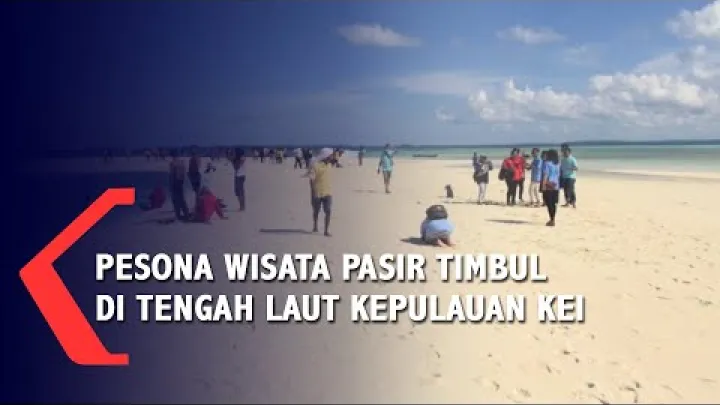
Ngurtavur is a sandbar-style outing and should be planned with more care. Access and enjoyment depend on tides, wind, sea conditions, and boat availability. Do not assume that the sandbar will look the same at all times or that it is suitable in poor weather.
Ask local hosts or boat operators about the best timing, total duration, shade, water depth, footwear, and return plan. If the operator advises against going on a particular day, take that advice seriously and keep a backup beach plan.
Goa Hawang and Inland Kei Kecil
Goa Hawang is often included as a non-beach natural stop on Kei Kecil itineraries. It adds variety to a trip that might otherwise be only beaches and boats, and it can fit well into a road-based day with other inland scenery.

Inland Kei Kecil offers low limestone landscapes, coconut groves, village roads, and small natural features. Conditions at caves or springs can change, so ask locally about access, entry rules, safety, and whether a guide or local permission is expected.
Natural pools and cave areas should be treated with care. Do not use soaps, shampoos, or chemicals in natural water unless local rules clearly allow it. Take your rubbish out, avoid damaging rock formations, and follow instructions from hosts or community members.
Snorkeling, Diving, and Boat Days
Snorkeling and diving can be part of a Kei Islands trip, but infrastructure may be less developed than in Indonesia’s major dive regions. This makes operator choice and safety checks especially important.
For snorkeling, ask about currents, entry points, coral safety, life jackets, boat supervision, and whether the trip suits beginners. For diving, check certification requirements, equipment condition, emergency procedures, oxygen availability, weather policy, and how the operator handles remote-site risk.
Do not make underwater activities the only reason for visiting unless you have confirmed current conditions and operator standards. Treat snorkeling and boat days as a complement to beaches, sandbars, photography, and slow exploration.
Food, Costs, and Trip Length
Food and daily expenses can be simple, but the total trip cost may still be higher than expected because Tual is remote. Flights, transfers, and boats often shape the budget more than meals.
Eating in Tual, Langgur, and Beach Areas
Food access is generally easier in Tual and Langgur than in beach or remote areas. Expect local warungs, simple cafes, rice dishes, seafood, snacks, and basic drinks rather than a large international restaurant scene.
Beach areas may have stalls or simple food options, but availability can depend on season, day of the week, local holidays, and how busy the beach is. If your accommodation is outside town, ask whether breakfast, lunch, and dinner are available before you arrive.
Vegetarians, travelers with allergies, and people with strict diets should plan carefully. Learn a few simple Indonesian food phrases, carry backup snacks, and explain dietary needs in advance where possible. During religious periods or quiet seasons, opening hours may be less predictable.
Markets, Supplies, and Cash Planning
Markets and shops in Tual and Langgur are important for water, fruit, snacks, toiletries, and day-trip supplies. The Gota area in Langgur may be useful for practical errands, but ask locally for the best current supply points after arrival.
Carry enough cash in smaller denominations for boats, local drivers, markets, beach stalls, and smaller accommodations. Do not assume every place accepts cards or digital payments, and do not leave cash planning until the morning of a remote trip.
Useful supplies to organize before beach or island days include sunscreen, insect repellent, basic medicines, motion-sickness tablets if needed, a dry bag, tissues, hand sanitizer, and spare phone power. Some items may be available locally, but choice can be limited compared with larger Indonesian cities.
What Usually Drives the Budget
The largest costs are usually flights to eastern Indonesia, connection nights, private transfers, and boat charters. This is why a trip to a quiet island area can cost more than expected even when local meals are inexpensive.
Simple accommodation and local food may be modestly priced compared with resort destinations, but the overall budget depends on how often you move and whether you take private boat trips. Sharing a boat with other travelers can reduce cost when it is safe, suitable, and organized clearly.
Avoid building your budget around old fare examples. Flight prices, boat costs, and accommodation rates can shift with season, fuel costs, holidays, and availability. Get current quotes and keep extra funds for weather delays or schedule changes.
How Many Days to Spend
A very short visit can cover a main beach and one organized outing, but it leaves little room for weather or transport changes. For most travelers, three to five usable days in the Kei area is a practical minimum after arrival, while a week or more allows a slower and more flexible trip.
If you have three to five days, focus on a simple base, Ngurbloat or Pasir Panjang, one additional beach, and one boat or inland outing if conditions are good. If you have a week, you can add more beach time, a sandbar attempt, inland Kei Kecil, rest days, and photography without forcing every activity into perfect weather windows.
Try to keep at least one buffer day before major onward flights. This is especially important if your route includes domestic flights, boats, or an international connection that would be expensive to miss.
Safety, Etiquette, and Practical Checks
Tual is not a place to fear, but remote-island travel requires preparation. The right checks make the trip calmer and safer.
Travel Advisories and Remote-Island Risk
Before departure, check your government’s current Indonesia travel advice. The U.S. Department of State advises travelers to exercise increased caution in Indonesia due to risks including terrorism and natural disasters, with some areas carrying higher risk. Other governments may frame risks differently, so compare advice relevant to your nationality.
Remote-island risk is often practical rather than dramatic. Medical care may be more limited, replacement flights may not be immediate, and bad weather can disrupt boats or plans. Travel insurance should cover domestic flight disruption, medical care, evacuation if appropriate, and water activities you plan to do.
Keep digital and paper copies of important documents. Share your itinerary with someone you trust, and let your accommodation know when you are going on a boat trip or remote excursion.
Boat Safety, Health, and Connectivity
For boat trips, check weather, life jackets, boat condition, fuel, communication, and the operator’s judgment. If the boat appears overloaded, lacks safety gear, or the operator dismisses weather concerns, do not feel pressured to go.
Health planning should include heat, sun exposure, dehydration, mosquitoes, minor cuts, and stomach upsets. Carry water, oral rehydration salts, sunscreen, insect repellent, and a small first-aid kit. For vaccines, malaria prevention, or prescriptions, get professional travel-health advice before your trip.
Connectivity can vary between town, beach areas, and offshore trips. Download offline maps, save accommodation contacts, keep a power bank charged, and do not rely on constant mobile data during boat days.
Respectful Local Travel
Dress modestly away from beaches, especially in towns, villages, markets, and religious areas. Swimwear belongs on the beach, not in shops or village streets. A light shirt, sarong, or cover-up is useful for moving between beach and public areas.
Ask before photographing people, homes, ceremonies, boats, or religious spaces. Villages may have local customs around land, sea access, sacred places, and community behavior. Your host or guide is the best person to explain what is appropriate in a specific place.
Environmental respect is also part of good travel. Take rubbish out, avoid touching coral, do not stand on reef, reduce single-use plastic where possible, and use reef-conscious behavior when snorkeling. Small actions matter more in remote island settings where waste systems may be limited.
Final Tual Trip Planning Checklist
A successful Tual trip is built around realistic timing, flexible plans, and local confirmation. Before you finalize your itinerary, check your domestic flight route, decide whether you need a buffer night in Ambon or another transit city, and confirm your first transfer from Karel Sadsuitubun Airport.
Choose your base according to your priorities. Stay in Tual or Langgur for logistics, supplies, and early or late transfers. Stay near Ngurbloat or Pasir Panjang if your main goal is beach time. Choose remote or village stays only if you are comfortable confirming meals, transport, electricity, and connectivity in advance.
For activities, plan one or two must-do experiences and leave room for weather changes. Ask locally about Ngurtavur sandbar timing, boat safety, Goa Hawang access, beach conditions, and transport after dark. Carry cash, sun protection, water, basic medicines, offline maps, and patience.
Tual and the Kei Islands reward travelers who slow down and prepare well. If you treat the journey as part of the experience, allow buffers, and respect local guidance, this remote corner of Maluku can become one of the most memorable parts of an Indonesia trip.
Select area
Create a post
Posting is free and no registration is required.