Ambon Budget Travel Guide: Daily Costs & Saving Tips
This Ambon budget travel guide explains how much money to plan for a trip to Ambon City, nearby beaches, and selected island excursions in Maluku. Ambon can be affordable for travelers who stay in the city, eat local food, and use simple transport, but costs rise quickly with coastal resorts, private drivers, diving, or inter-island tours. The prices below are planning ranges, not fixed quotes, because hotel rates, exchange rates, transport fares, and activity costs change by date and availability. Use this guide to estimate your daily travel budget, then check live prices before booking.
Quick Answer: How Much Should You Budget for Ambon?
For most travelers, the most useful starting point is the on-the-ground daily cost in Ambon, separate from flights to Maluku. Indonesia-wide budget references can help with context, but Ambon has its own mix of city prices, island logistics, and limited visitor infrastructure. As a comparison point, Never Ending Footsteps reports Indonesia travel spending benchmarks that are useful for understanding the wider country range, while Ambon-specific planning should focus on local lodging, meals, transport, and activities.
Daily budget ranges for budget, mid-range, and comfortable travel
A practical Ambon travel budget starts around 25-40 USD per person per day for a careful budget traveler, excluding flights. A mid-range traveler should usually plan around 45-70 USD per person per day. A comfortable, resort-based, or activity-heavy traveler can easily spend 80-150 USD or more per day, especially when private transport, diving, or guided island trips are included.
These ranges assume you are already in Ambon and are paying for accommodation, food, local transport, and ordinary sightseeing. They are best used as a flexible planning tool. If you are traveling as a couple, sharing a room and some transport can reduce the per-person cost. If you are traveling solo and using private cars or arranged tours, your daily average can be higher.
| Travel style | Estimated daily budget | Typical choices |
|---|---|---|
| Budget | 25-40 USD per person | Simple city room, warung meals, shared or low-cost transport, free or low-cost sights |
| Mid-range | 45-70 USD per person | Better private room, mixed local and hotel meals, taxis or ride-hailing, beach days |
| Comfortable or activity-heavy | 80-150+ USD per person | Better hotel or resort, private drivers, Western meals, diving, snorkeling, or guided tours |
For a low-spend day in Ambon City, your biggest cost is usually the room. Food can stay modest if you eat local dishes, and transport can be controlled by choosing a central base. For a beach or island day, transport becomes more important. For a diving or private-tour day, the activity itself can become the main budget item.
What the estimates include and exclude
The daily estimates include accommodation, local meals, local transport, ordinary sightseeing, and an average allowance for small activities. They do not include international flights, most domestic flights to Pattimura Airport, travel insurance, visas, shopping, expensive dive packages, or multi-day tours unless you add those separately.
This distinction matters because getting to Ambon can dominate a short trip budget. Pattimura Airport is the main air gateway, and many international travelers first connect through another Indonesian city. A three-day stay has fewer days over which to spread domestic flights and airport transfers, while a one-week stay gives those fixed costs less impact per day. Instead of using a guessed airfare, check current domestic flight prices and divide that total by the number of nights you will spend in Ambon.
For example, if you plan a three-day city break, one airport transfer each way and one beach outing may form a large share of your local cost. If you stay seven days, the same arrival and departure transfers become a smaller daily average, and you can mix low-cost city days with higher-cost excursions.
Why Ambon’s Prices Feel Different from Other Indonesian Destinations
Ambon is not priced like a large international resort zone, but it is also not a remote village with only local prices. It is a provincial capital, a regional transport hub, and the main city base for many Maluku trips. That combination creates good value in some categories and price surprises in others.
Ambon’s cost position within Indonesia
Ambon City often feels more practical than polished. Everyday spending can be reasonable when you use local eateries, markets, and simple hotels. At the same time, visitor-specific services may be fewer than in Bali, Yogyakarta, or Jakarta, so you may have less choice when comparing hotels, drivers, tours, or English-speaking operators.
Cost-of-living data from ERI places Ambon close to the Indonesian national average, which helps explain why ordinary local spending may not feel extreme. Travel costs are different from resident costs, however. A traveler may pay more for short-stay rooms, airport transfers, tours, and convenience.
It is safest not to assume Ambon is always cheaper than Bali or Jakarta. A simple Ambon trip can be affordable, especially with local meals and city accommodation. A trip with resort stays, private transport, and island logistics can cost more than a simple stay in a better-connected destination.
City base, beach base, and nearby-island cost differences
Your base affects your Ambon budget more than many travelers expect. Ambon City usually gives better access to budget hotels, Pasar Mardika, coffee shops, small eateries, pharmacies, banks, and local transport. It is often the easiest choice for travelers who want to keep costs controlled.
A beach-focused base near areas such as Natsepa or Liang may be more convenient for swimming and sea views, but it can increase transport and meal costs if you need private transfers or have fewer nearby food options. Pintu Kota Beach and other coastal sights can work well as day trips, but the value depends on how you reach them and whether you share transport.
Nearby-island trips, such as plans involving Saparua Island and Fort Duurstede, should be treated as a separate budget category. Public ferries may be economical when schedules work, but private boats, speedboats, guides, backup transport, and extra overnight stays can create large cost spikes. If your main goal is a low-cost trip, stay in Ambon City for most nights and add only one or two carefully planned beach or island days.
Accommodation Costs in Ambon
Accommodation is usually the largest predictable part of an Ambon travel budget. The city has simple hotels, business-style properties, and some coastal resort options, but availability and prices can move with dates, local demand, and booking platform inventory.
Budget hotels and simple city rooms
Budget hotel options matter because cheap lodging can make the whole trip viable. Hotel snapshots may show very low deals on some dates, but the cheapest displayed rate is not a permanent price. Platforms such as Momondo show that low-price Ambon hotel listings can appear, while also showing that average accommodation costs vary by search date and stay length.

For planning, budget travelers should compare simple private rooms rather than rely on one headline deal. A basic room may include air conditioning, a private bathroom, simple furniture, and Wi-Fi where listed. Standards vary, so recent reviews matter. Check whether the room is clean, quiet enough, close to the places you plan to visit, and clear about taxes and cancellation rules.
The cheapest room is not always the cheapest trip. If a low-rate hotel is far from food, the airport bus drop-off, or the places you want to visit, extra taxis can erase the saving. A slightly more central room near Ambon City services can be better value for short stays.
Mid-range hotels and coastal resorts
Mid-range accommodation in Ambon includes city hotels aimed at business and domestic travelers, as well as more leisure-focused coastal stays. Names such as Santika Premiere Ambon and The Natsepa are useful orientation examples, not endorsements. Compare them by total trip cost, not only nightly rate.
A better hotel may include breakfast, stronger Wi-Fi, a pool, easier check-in, sea views, or more reliable transport help. These benefits can be worth the higher price if you are working remotely, traveling with family, arriving late, or trying to reduce daily friction. However, a coastal stay can also raise the cost of meals and transport if you are away from local food streets and shared transport routes.
To choose well, separate room comfort from total daily cost. A city hotel with breakfast and nearby warung meals may cost less overall than a cheaper-looking beach room that requires private transport. A coastal resort may be good value if beach time is your main activity and you would otherwise pay for repeated day trips.
Booking timing and price volatility
Ambon hotel rates can change by weekday, local events, school holidays, business travel, government activity, and the number of rooms available online. A booking platform average is only a snapshot, not a permanent market price.
Use flexible dates when possible and compare more than one platform. Check the final price with taxes, breakfast, cancellation rules, and payment terms. If you are arriving during a busy domestic travel period or planning around a local event, book earlier than you would for a flexible low-season stop.
Weather can also affect the value of a room or beach base, but seasonal comfort and sea conditions should be checked close to your travel dates. Instead of relying on fixed assumptions, confirm current forecasts and transport conditions before committing to expensive beach or island plans.
Food and Drink Prices in Ambon
Food is one of the easiest parts of an Ambon budget to control. Local meals, market snacks, and coffee stops can keep daily spending low, while hotel dining, imported items, Western-style meals, and alcohol can raise costs quickly.
Warung meals, street food, and local markets
A warung is a small local eatery, often serving simple Indonesian dishes at lower prices than hotel restaurants. For budget travelers, eating at warung, street stalls, and market areas is one of the most effective ways to reduce daily costs without reducing the quality of the trip.
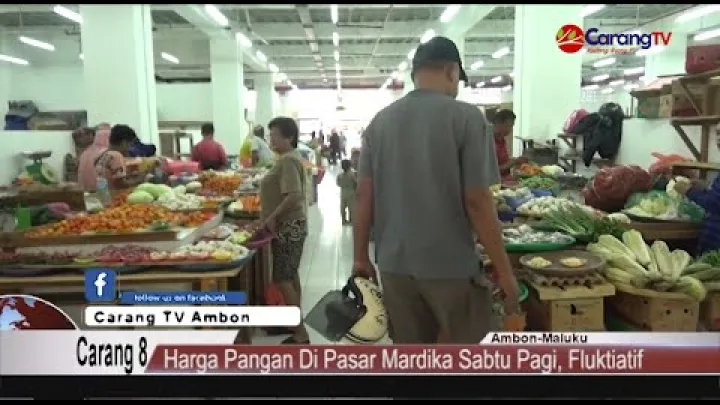
Pasar Mardika is a useful local anchor for thinking about everyday food and market activity in Ambon City. Travel guides such as Wikivoyage also help orient visitors to Ambon City, local transport, dining areas, and nearby sights. Prices vary by dish, portion, seafood choice, and location, so use ranges rather than expecting one fixed meal price.
As a planning habit, assume local meals are usually cheaper than hotel restaurants or Western-style menus. A low-cost food day might include a simple breakfast, a rice or noodle meal, local snacks, and water or coffee. A higher-cost food day might include hotel breakfast not included in the room, seafood at a more formal restaurant, dessert, and imported drinks.
Coffee, Western food, alcohol, and self-catering
Coffee houses and local snacks can be affordable cultural experiences in Ambon. Rumah Kopi Sibu-Sibu is a well-known local anchor for travelers interested in coffee and Ambonese atmosphere. Coffee stops can fit into a budget if they replace a more expensive restaurant break rather than add repeated extras.
Western food, hotel dining, imported drinks, and alcohol are common cost drivers. This is not a problem if you plan for it, but it can surprise travelers who estimate food costs from local warung meals and then eat most meals in hotels. Alcohol should be treated as a discretionary line in your budget, especially if you are trying to stay in the 25-40 USD daily range.
Self-catering may help families, groups, or longer-stay travelers, especially for breakfast, fruit, snacks, and drinking water. For solo travelers, it may not save much if simple local meals are already inexpensive. The biggest food saving usually comes from choosing local venues, not from skipping meals or making the trip uncomfortable.
Transport Costs: Arrival, City Travel, and Day Trips
Transport costs in Ambon depend on distance, comfort, language confidence, weather, and whether you travel alone or share. The best budget strategy is to use low-cost options when they fit the situation and pay for convenience when safety, luggage, time, or late arrivals justify it.
Pattimura Airport to Ambon City
Pattimura Airport is the main air gateway for Ambon and is outside the city center. The budget transfer option is generally the DAMRI airport bus when it is operating and suits your arrival time. Airport guides such as Kupi describe DAMRI as the budget-friendly way to reach central Ambon, with taxis or private transfers offering more comfort.

The right choice depends on the per-person versus per-vehicle calculation. A bus can be best for solo travelers with light luggage who arrive during operating hours and can reach their hotel easily from the drop-off point. A taxi, ride-hailing car, or arranged transfer may be reasonable for groups, late arrivals, heavy luggage, bad weather, or accommodation far from a bus stop.
Keep enough rupiah cash for arrival and departure transfers. Before you fly, check current bus availability, fare, pickup point, and the likely taxi or app-based price range. Airport transfer costs are not daily sightseeing costs, but they matter on short trips.
Getting around Ambon by shared and private transport
Local transport options can include angkot, ojek, becak, taxis, and ride-hailing where available. Angkot are shared minibuses or public vehicles and can be a low-cost option if you understand the route. Ojek are motorcycle taxis and can be useful for shorter trips or places where cars are less efficient. Becak may be available in some local contexts for short distances, while taxis and private cars cost more but reduce confusion.
Exact English fare tables can be hard to confirm, so treat local transport as a category with different cost levels rather than a fixed price list. Shared and motorcycle-based transport is usually cheaper than private cars. App-based pricing, when available, can reduce negotiation stress. If you use non-app transport, confirm the price before boarding.
Walking can work in some central areas, especially for short errands near your hotel, Lapangan Merdeka, or nearby food stops. However, Ambon’s hills, heat, rain, traffic, and spread-out beaches can make walking less practical than it looks on a map. A central hotel can reduce transport spending, but it will not remove it entirely.
Ferries, boats, and inter-island cost planning
Ambon can be a base for wider Maluku travel, including Saparua, Banda, Buru, and other islands. Inter-island transport should not be treated like normal city transport. Schedules, fares, weather, port procedures, and return options can change, so build a separate budget line and time buffer.
Public ferries or larger passenger services may be the lowest-cost option when the schedule fits. Speedboats, private boats, private vehicles, guides, and bundled tours cost more but may save time or make complicated logistics easier. The cheapest route is not always the best value if it forces an extra overnight stay or creates a missed connection.
Before an off-island trip, confirm the port, operator office, departure date, return schedule, weather and sea conditions, luggage limits, and cash needed. Carry enough rupiah for tickets, snacks, local transport at the destination, and a backup plan. If your Ambon budget is tight, plan inter-island travel only after you know the current schedule and total cost.
Activities, Beaches, and Tour Costs
Ambon can be enjoyed with low-cost city days, affordable beach outings, or higher-cost specialist activities. The key is to separate ordinary sightseeing from the experiences that need drivers, boats, guides, or equipment.
Free and low-cost city activities
Low-cost Ambon days can include markets, civic spaces, coffee stops, viewpoints, and central landmarks. Pasar Mardika can be combined with local meals or snacks. Lapangan Merdeka can serve as a central orientation point. Religious buildings and civic landmarks may be interesting, but always check current access conditions and visit respectfully.
The budget value of city activities comes from combining them efficiently. For example, you can plan a morning market visit, a local lunch, a coffee stop, and a short walk near central Ambon without paying for a driver all day. If you use taxis between every stop, the same day becomes more expensive.
Do not assume every attraction is free unless current access details are clear. Some places may have small local charges, donation expectations, parking fees, or limited visiting hours. These costs are usually not large, but they are easier to handle when you carry small notes.
Beach days at Natsepa, Liang, and Pintu Kota
Beach days can be good value in Ambon when transport is shared and meals come from local stalls. Natsepa Beach, Liang Beach, and Pintu Kota Beach are useful anchors for comparing beach-day costs. Your main expenses are likely transport, snacks or meals, possible parking or local access charges, and optional rentals.
Natsepa may be easier to combine with a coastal stay or a planned day out, while Liang and Pintu Kota can involve more deliberate transport planning depending on your base. If you hire a driver for the day, the cost can be reasonable for a group but expensive for one person. If you use cheaper transport, the trip may take more time and require more local knowledge.
Weather and sea conditions affect value. A beach outing is not only about the entrance cost; it is also about whether the day is comfortable enough to justify the transport. Check the forecast, ask locally about conditions, and avoid treating a beach day as guaranteed just because it is on the itinerary.
Diving, snorkeling, private tours, and island-hopping packages
Specialized activities can dominate an otherwise low Ambon budget. Scuba diving, snorkeling trips, private drivers, and organized island-hopping should be budgeted separately from routine sightseeing. These activities often include equipment, boat time, guides, safety support, permits, meals, or logistics, so the price reflects more than simple transport.
Organized Maluku island-hopping packages can cost much more per day because lodging, transport, meals, guiding, and remote logistics are bundled. A tour listing from 10Adventures illustrates how multi-day Maluku packages are a different budget category from independent city travel. Always check current inclusions, exclusions, group size, cancellation terms, and safety arrangements before booking.
To understand the real impact, average an expensive activity day across your whole trip. If you spend several low-cost days in Ambon City and one high-cost diving or island day, your total trip may still be manageable. If every day involves private vehicles, boats, or guides, you should plan in the comfortable or activity-heavy range.
Sample Ambon Budgets by Trip Length
The examples below show how the same destination can fit different budgets. They are not fixed itineraries. They are planning models that you can adjust for hotel choice, food style, transport comfort, and paid activities.
A low-cost three-day Ambon plan
A low-cost three-day Ambon plan works best with a simple city hotel, local meals, one beach outing, and mostly free or low-cost city activities. Because the trip is short, airport transfers and any domestic flight to Ambon have a large effect on the total cost. Add flights separately after checking current fares.
| Category | Low-cost assumption | Budget effect |
|---|---|---|
| Accommodation | Simple Ambon City room | Main daily cost |
| Food | Warung meals, snacks, water, coffee | Easy to control |
| Transport | Budget airport transfer if practical, limited taxis | High impact on short trip |
| Activities | Markets, central sights, one beach outing | Low unless private driver is used |
| Optional extras | Diving, private tour, extra beach transport | Add separately |
For this style, aim for the 25-40 USD per person per day range before flights, but allow extra if you need taxis, arrive late, or choose a better room. If the total feels too high, first reduce private transport and paid activities rather than cutting meals or choosing an inconvenient hotel.
A balanced one-week Ambon budget
A one-week Ambon budget gives you more flexibility. You can spread airport transfers, occasional taxis, coffee stops, and one paid excursion across seven days. This makes it easier to include a comfortable beach day or guided experience without pushing every day into the high-cost range.
A balanced plan might include several nights in Ambon City, local meals most days, a few hotel or cafe meals, beach trips to places such as Natsepa or Liang, and one paid excursion or driver day. Travelers who choose better rooms, more taxis, or a private tour should plan closer to the 45-70 USD daily range before flights.
If the one-week total is too high, cut in this order: reduce private car use, choose fewer paid excursions, compare city hotels with breakfast, and keep Western meals or alcohol as occasional extras. Do not remove all buffer money, because weather, schedule changes, and inter-island logistics can create unexpected costs.
A comfortable or activity-heavy budget
A comfortable Ambon budget may include better hotels, coastal stays, private drivers, more formal restaurants, Western meals, diving, snorkeling, or organized tours. This style can still be good value if it matches your goals, but it should be planned consciously.
Separate accommodation upgrades from activity splurges. You might choose a better city hotel but keep meals local. You might stay in a simple room and spend more on diving. You might split the trip between Ambon City and a coastal base such as The Natsepa area if beach time is the priority.
For this style, 80-150 USD or more per person per day is a more realistic planning range, especially for solo travelers using private transport. Couples and groups can share some vehicle costs, but activity prices may still be charged per person. Keep an experience fund for diving, island trips, or private tours so these costs do not distort your normal daily budget.
Money, Payments, and Saving Tactics
Budgeting in Ambon is easier when you think in Indonesian rupiah first and use USD only as a comparison. Cash remains important for small local spending, while cards are more useful at larger hotels and formal businesses.
Cash, cards, ATMs, and exchange-rate habits
Indonesia uses the rupiah, so plan your daily Ambon spending in IDR. Exchange rates change, and USD equivalents in any guide should be treated as approximate. Check the current exchange rate before travel and again before large withdrawals or major bookings.
Cash is useful for warung meals, market purchases, angkot or ojek rides, small beach charges, snacks, tips, and smaller operators. Cards are more likely to be accepted at larger hotels, formal restaurants, and some online bookings, but you should not rely on cards for every local transaction.
Keep smaller notes for transport, food stalls, and local vendors. Large notes can be inconvenient for small purchases, especially early in the morning or away from central areas. If you are planning an off-island day, withdraw cash in Ambon City before departure rather than assuming easy ATM access at every stop.
What drives costs up in Ambon
The main Ambon cost drivers are clear and mostly controllable. Coastal resorts usually cost more than simple city hotels. Private transport costs more than shared or app-based options. Short stays make airport transfers and fixed costs feel heavier. Western food, hotel dining, imported drinks, and alcohol raise food spending. Diving, snorkeling, private tours, and island-hopping can exceed the cost of ordinary sightseeing.
Timing can also matter. Weekends, holidays, school breaks, events, and domestic travel demand can affect hotels, popular beaches, and drivers. Instead of relying on a fixed high-season rule, compare your exact dates and ask accommodation staff or operators about local demand.
Remote and inter-island logistics add uncertainty. A delayed ferry, rough sea conditions, or a changed return schedule can create extra meals, taxis, or overnight costs. These are not reasons to avoid Maluku travel, but they are reasons to keep a buffer.
How to save without making the trip difficult
The most practical saving tactic is to stay in Ambon City for part or all of the trip. This keeps you close to budget hotels, food, markets, transport, ATMs, and services. Add beach days when the weather is suitable and share transport when possible.
Eat local food most of the time, use low-cost transport when it is practical, and pay for taxis or transfers when comfort and safety justify it. Share drivers for beach trips. Compare hotel locations carefully, because a cheaper room can become expensive if it forces repeated private rides.
Use low-cost days between expensive activity days. For example, schedule a market and coffee day after a private beach trip, or a simple city day before a diving or island excursion. Before booking, check these items: hotel location, breakfast inclusion, airport transfer plan, cash needs, current exchange rate, ferry or tour schedule, weather, cancellation rules, and total price after taxes and fees.
Conclusion: Is Ambon Good Value for Travelers?
Ambon can be good value for travelers who plan around its strengths: local food, city-based accommodation, markets, coffee culture, and accessible beach days. A careful traveler can often work with a 25-40 USD daily on-the-ground budget, while mid-range travelers should plan around 45-70 USD and comfortable or activity-heavy travelers should allow 80-150 USD or more.
The biggest budget lesson is to separate normal daily spending from flights, airport transfers, diving, private tours, and inter-island logistics. Stay central when you want to save, pay for convenience when it matters, and keep a cash buffer for changing conditions. With realistic expectations and current price checks, Ambon can offer a rewarding Maluku trip without turning every day into a high-cost travel day.
Select area
Create a post
Posting is free and no registration is required.