Ambon Getting There: Flights, Ferries & Maluku Routes

Ambon getting there planning is different from planning a simple city break, because most trips involve at least one domestic connection and sometimes an onward boat or small regional flight. Ambon is the main gateway to much of Maluku, so the best route depends on whether Ambon city is your final stop or a staging point for Banda Neira, Tual, Dobo, or other islands. This guide explains the main flight gateways, ferry and harbor options, arrival transfers, and the schedule checks that matter before you commit to tight connections.
Quick Orientation for Reaching Ambon
For most visitors, the practical route to Ambon is by air through a larger Indonesian hub. Sea travel matters, but usually more for onward island travel than for the first long-distance arrival into Ambon.
Start with Pattimura Airport
Pattimura Airport (AMQ) is the main air gateway for Ambon and one of the most important transport entry points for Maluku. It serves Ambon city and also functions as a connection point for travelers continuing to other islands in the province.
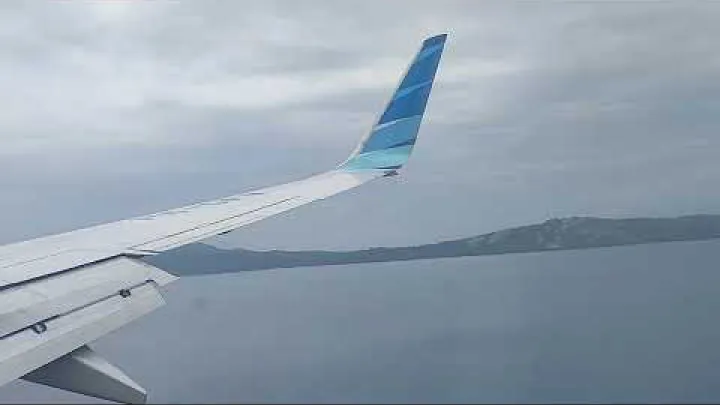
Current route listings for AMQ can be checked through tools such as FlightsFrom, but route maps should be treated as planning aids, not permanent guarantees. Airlines may change schedules, aircraft, and operating days, especially on thinner eastern Indonesia routes.
If you are arriving from outside Indonesia, expect to enter the country at a larger international gateway first, then continue to Ambon on a domestic flight. Build your plan around the airport code AMQ and confirm the operating airline before purchasing non-refundable onward transport.
Know When Sea Travel Is Relevant
Sea travel is part of everyday transport in Maluku, but it is not usually the fastest way for visitors to reach Ambon from western Indonesia. Ferries and passenger ships become more important after you arrive in Ambon, especially if you are continuing to islands where flights are limited, expensive, or unavailable on your travel date.
In Ambon, the two local sea-transport anchors to understand are Yos Sudarso Harbor and Tulehu Harbor. Yos Sudarso Harbor is the city-side harbor used for many inter-island passenger movements. Tulehu Harbor is outside the city center and is relevant for some faster boats toward destinations such as Banda when services are operating.
The trade-off is simple: flights save time, while ships and ferries may save money or reach places that air routes do not cover easily. The cost of sea travel can be lower, but schedule reliability, weather, check-in procedures, and transfer time can make the journey less predictable.
Flying to Ambon from Indonesian Gateways
Flying is the normal first choice for getting to Ambon. The strongest planning strategy is to choose a gateway that gives you a realistic connection, a clear baggage process, and enough time if you need to continue by ferry or small aircraft.
Jakarta to Ambon
Jakarta Soekarno-Hatta International Airport (CGK) is often the simplest gateway for travelers arriving from Europe, North America, the Middle East, or western Indonesia. Many international itineraries already pass through Jakarta, and Ambon is normally reached from there as a long domestic sector.
If your international flight and Ambon flight are on separate tickets, do not assume that your baggage will be transferred automatically. You may need to clear immigration, collect checked bags, pass customs, move to the domestic departure area, and check in again. This can take much longer than a normal domestic connection, especially if your first flight is delayed.
A tight connection in Jakarta can turn a good fare into a stressful itinerary. If the Ambon flight is the same day, leave a generous buffer. If your long-haul arrival is late in the evening or your domestic departure is early, an overnight stop near the gateway airport may be the safer option.
Surabaya and Makassar to Ambon
Surabaya Juanda International Airport (SUB) and Makassar Sultan Hasanuddin International Airport (UPG) can be useful alternatives to Jakarta. They may work well for travelers coming from Bali, eastern Java, Sulawesi, or other parts of eastern Indonesia.
Makassar is especially logical for some eastern Indonesia routings because it is a major air hub in the region. Surabaya can also make sense when it reduces backtracking through Jakarta. Garuda Indonesia describes Ambon within its domestic flight network on its Ambon flight page, which is a useful reminder that AMQ is primarily reached through Indonesian domestic aviation rather than direct long-haul service: Garuda Indonesia.
When comparing gateways, do not look only at the headline flight duration. A cheaper route with two separate tickets and a short layover may carry more risk than a slightly more expensive route with a protected connection. If you are connecting to a ferry in Ambon, arrival time is often more important than the lowest airfare.
Regional Flights from Maluku and Eastern Indonesia
Ambon also works as a regional air hub for parts of Maluku and eastern Indonesia. Depending on the season and airline schedules, travelers may find flights linking Ambon with smaller destinations such as Tual, Dobo, Sorong, or other regional points. These routes can be very useful, but they should not be treated like high-frequency trunk routes.
Smaller aircraft and thinner routes may have limited seats, stricter baggage handling, and a higher chance of timing changes. Divers, photographers, researchers, and long-trip travelers should pay special attention to baggage allowances before booking. If you carry heavy equipment, ask the operating airline what is included and what must be paid separately.
For low-frequency routes, confirm the current operating days directly with the airline or a reliable local agent close to departure. A route that appears in a search engine may not be ideal if the next available flight is several days away.
How to Book Flights and Build Safe Connections
Start by comparing routes on reputable flight search tools, then confirm the details with the operating carrier before you book. Check the airport code, departure time, baggage allowance, and whether the ticket is sold as one protected itinerary or as separate self-transfer segments.
A protected through-ticket usually gives more support if the first flight is delayed and you miss the next sector. A separate-ticket itinerary may be cheaper, but if the first flight is late, the next airline may treat you as a no-show. This matters on Ambon routes because the next convenient flight may not be soon enough for your onward plan.
For onward ferries, small planes, liveaboards, dive trips, or fixed hotel arrangements on other islands, add buffer time. A sensible plan may include one night in Ambon before a low-frequency onward route and one night on the return before an international departure.
Getting to Ambon from Outside Indonesia
International travelers should plan Ambon as a domestic extension after entering Indonesia. The most important tasks are choosing the right entry gateway, allowing time for immigration and baggage, and avoiding assumptions about airside transit.
Use an Indonesian Entry Gateway First
At the time of planning, Ambon is not generally served by scheduled direct international flights in the way that Jakarta, Bali, or other major Indonesian gateways are. Most travelers first fly into Indonesia through a larger airport, then continue to Pattimura Airport on a domestic flight.
Common patterns include entering through Jakarta, Bali, Surabaya, or Makassar, depending on your origin and ticket options. Jakarta is often the most straightforward for long-haul arrivals, while Bali may be convenient for travelers already visiting Indonesia. Makassar or Surabaya may reduce travel time for some regional itineraries.
Check current route maps before booking, because airlines can adjust eastern Indonesia services. Do not rely on historical international routes or old travel forum posts unless you can confirm that the service is currently operating.
Plan Visas, Baggage, and Separate Tickets
Before buying a domestic Ambon connection, confirm that you can enter Indonesia under the rules that apply to your passport. The U.S. Department of State highlights passport validity and blank-page requirements for Indonesia, but travelers should also check the latest official Indonesian requirements or guidance from their own government.
Transport planning and entry formalities are connected. If your final leg is domestic, you normally need to complete immigration and customs before boarding the flight to Ambon. On separate tickets, you may also need to collect baggage and check in again at the gateway airport.
Allow extra time if you arrive during a busy period, if you need a visa-on-arrival process, or if you carry checked luggage. If you are unsure whether your itinerary is protected, ask the airline or booking agent before purchase.
Typical International Routing Patterns
Travelers from Europe or North America often route through Jakarta, sometimes with a stop in the Middle East, Singapore, Kuala Lumpur, or another regional hub before entering Indonesia. Travelers from Australia may compare Bali and Jakarta routings, while travelers from Southeast Asia may find several Indonesian entry points depending on airline schedules.
An overnight stop can be a good investment after a long-haul flight. It reduces the risk of missing the Ambon sector and gives you time to recover before continuing east. This is especially useful if your Ambon trip is linked to a boat departure, dive schedule, research trip, or family event.
If you are continuing to Banda Neira or another island, an extra night in Ambon may be necessary even after you arrive at AMQ. Onward boats and small aircraft do not always align with same-day flight arrivals.
Arriving by Sea and Connecting Through Ambon Ports
Ambon is a sea-transport hub as well as an air gateway. Ports can be essential for onward Maluku travel, but ferry information is sometimes less visible to international travelers than flight information.
Yos Sudarso Harbor for Inter-Island Ships
Yos Sudarso Harbor is the main city harbor to know when planning inter-island passenger travel through Ambon. Long-distance ships and regional vessels may connect Ambon with other Maluku destinations, depending on the current timetable.

Ferry and ship schedules can be harder to confirm through global booking websites than flights. Some information may be available through Indonesian operators, ticket offices, port offices, local agents, or accommodation providers. For low-frequency sailings, confirm the departure time, check-in point, and ticketing process close to travel.
Do not plan a same-day arrival from the airport to a long-distance ship unless you have confirmed both the flight and the sailing and have enough transfer time. Missing an infrequent ship can change the rest of your itinerary.
Tulehu Harbor for Faster Boats Toward Banda
Tulehu Harbor is separate from Ambon city center and is important for some faster onward boat routes, especially toward Banda Neira when services are running. This means you must include a road transfer to Tulehu before the boat departure, not just a transfer into the city center.

Local travel operators can provide useful current route details. For example, Dive Bluemotion reports local information for travel between Ambon or Tulehu and Banda, including fast-boat context, but travelers should still confirm schedules directly before relying on a specific sailing.
Fast boats are quicker than many larger ships, but they can also be more sensitive to weather, sea conditions, and operational changes. If your Banda plan depends on a specific boat, add a buffer day in Ambon where possible.
Flight Versus Ferry for Ambon and Beyond
The best transport choice depends on whether you are trying to reach Ambon quickly or continue through Maluku at the lowest practical cost. For most long-distance arrivals into Ambon, flying is the fastest and most comfortable option. For some onward islands, sea travel may be necessary or more affordable.
| Option | Best for | Main advantage | Main caution |
|---|---|---|---|
| Flight to AMQ | Reaching Ambon from major Indonesian cities | Fastest and easiest to compare | Connections and baggage rules matter |
| Long-distance ship | Flexible inter-island travel | Can reach many island routes | Schedules may be infrequent |
| Fast boat | Selected onward routes such as Banda when operating | Quicker than larger ships | Weather and schedule sensitive |
| Small regional flight | Remote islands with air service | Saves time over sea travel | Limited seats and baggage limits |
When comparing cost, include hotel nights required for buffers, airport transfers, port transfers, baggage fees, and the cost of a missed connection. The cheapest ticket is not always the cheapest full journey.
Transfers After Arrival in Ambon
After you arrive at Pattimura Airport, you still need a road transfer to Ambon city center, your hotel, or a harbor. This transfer is an important part of the itinerary, especially if you are arriving late or connecting to a boat.
Pattimura Airport to Ambon City Center
Pattimura Airport is outside Ambon city center, so every arriving traveler needs onward ground transport. The official airport public transport page lists GrabCar counter information and operating hours, which can be checked through Pattimura International Airport.
Travel guides commonly estimate the airport-to-city transfer at about 45 to 60 minutes by taxi or car, depending on traffic and exact destination. Kupi gives this as a practical airport transfer estimate, but you should allow more time when connecting to a fixed departure.
If you arrive outside normal counter hours or late in the evening, prearrange pickup with your accommodation or a trusted local operator. This reduces stress and avoids negotiating while tired after a long travel day.
Pattimura Airport to Yos Sudarso Harbor or Tulehu Harbor
An air-to-sea connection in Ambon has three steps: land at AMQ, travel by road to the correct harbor, and complete ticketing or check-in for the boat. The critical point is that not all boats depart from the same place.
Yos Sudarso Harbor is associated with Ambon city harbor movements, while Tulehu Harbor is a separate departure area outside the city center. Always confirm the exact departure harbor with the boat operator, ticket office, accommodation, or local agent before booking your airport transfer.
Avoid tight same-day ferry connections unless every part of the journey has been confirmed. If missing the boat would cause you to lose several days or miss a paid trip, plan an overnight in Ambon.
Practical Safety and Price Checks on Arrival
At transport hubs, use official counters or app-based prices where available. If you use a taxi or private car, agree on the fare before leaving the airport or confirm the app price before boarding. Keep important documents, electronics, and essential medication with you rather than in a loosely handled bag.
As in many travel hubs, unofficial offers can appear around arrival areas. This does not mean you should be alarmed, but it is better to choose a clear, traceable transport option. If you are tired, traveling with children, or carrying dive or camera equipment, a prearranged pickup can be worth the extra cost.
For late arrivals, confirm whether your accommodation reception will be open and whether the driver knows the address. Ambon roads and neighborhoods may be unfamiliar to first-time visitors, so a written hotel name and phone number can help.
Choosing the Best Route for Your Itinerary
The best way to get to Ambon is not the same for every traveler. Choose your route by time sensitivity, budget, baggage, and the importance of onward island connections.
Best Route for Speed
For speed, fly to Ambon from the most convenient major Indonesian gateway with the lowest connection risk. A direct domestic sector from a suitable hub is usually better than a cheaper itinerary that adds a fragile transfer.
The decision rule is simple: choose the route that gets you to AMQ with enough time for your next commitment. If you need to board a ferry, meet a liveaboard, join a dive course, or catch a small aircraft, prioritize arrival timing over the shortest advertised flight duration.
Protected connections are valuable on long journeys. If your itinerary is sold on one ticket, the airline may have more responsibility to assist if delays affect the next flight. With separate tickets, you carry more of the risk.
Best Route for Budget
For budget travel, compare the total journey cost, not only the airfare. Low-cost carriers can reduce the ticket price, but checked baggage, seat selection, payment fees, airport meals, and extra hotel nights can change the final cost.
Sea travel may reduce onward island transport costs, but it normally increases travel time. It may also require flexible accommodation and extra days in case a sailing changes. For travelers with limited vacation time, the cheapest boat option may not be the best value.
A good budget plan includes one or two backup choices. Know what you will do if your flight is delayed, if the ferry is full, or if weather affects the next boat. Flexibility is often the real saving.
Best Route for Banda and Other Maluku Islands
Many visitors use Ambon as a staging point rather than a final destination. Banda Neira, Tual, Dobo, and other Maluku islands may require a combination of flight, road transfer, fast boat, ferry, or long-distance ship.
For Banda and other low-frequency routes, align your Ambon arrival with the verified onward schedule. Do not book the final island accommodation before checking how you will actually get there from Ambon on your dates.
Buffer days are especially useful before and after remote island sectors. Add time in Ambon before going onward and again before your return international flight if the onward route is weather-sensitive or infrequent.
Reliability, Weather, and Schedule Verification
Remote island transport can be reliable enough for a good trip, but it rewards careful planning. The farther you move from major trunk routes, the more important it becomes to verify schedules close to departure.
Expect Schedule Changes on Remote Routes
Major domestic flights into Ambon are easier to search and book than many onward island routes, but even flights can change. Smaller aircraft, regional services, ferries, fast boats, and passenger ships may be more exposed to operational changes than high-frequency routes between Indonesia's biggest cities.
Before travel, confirm your schedule with the airline, boat operator, port office, accommodation, or a trusted local agent. This is especially important for routes that operate only a few times per week or that are linked to weather and sea conditions.
Build buffers around expensive, infrequent, or non-refundable plans. If your next flight home is international, return to Ambon or the Indonesian gateway early enough to absorb a delay.
Seasonal Planning Without Overstating Certainty
Weather and sea conditions can affect small vessels and some regional transport in Maluku, especially on open-water routes. Conditions vary by route and season, so it is better to check local forecasts and operator advice than to rely on a general rule.
Before a sea leg, ask whether the boat is expected to operate, where check-in takes place, and what happens if the sailing is postponed. Keep flexible hotel bookings where possible and avoid scheduling an expensive international departure immediately after a remote island return.
Practical preparations include carrying motion-sickness medication if needed, protecting luggage from rain and spray, keeping a small overnight kit in your day bag, and leaving backup days for routes that are important to the rest of your trip.
Frequently Asked Questions
What airport do I fly into for Ambon?
Fly into Pattimura Airport (AMQ), the main airport serving Ambon and a key gateway for Maluku travel. After arrival, allow time for the road transfer to Ambon city center or to the correct harbor.
Are there direct international flights to Ambon?
Most international travelers do not fly directly to Ambon. They usually enter Indonesia through a larger gateway such as Jakarta, Bali, Surabaya, or Makassar, then take a domestic flight to Ambon.
Is it better to reach Ambon by flight or ferry?
For reaching Ambon from other Indonesian cities, flying is usually the fastest and most practical choice. Ferries and ships are more useful for onward travel through Maluku or for travelers with flexible time and a lower-cost focus.
How much time should I leave between a flight and a ferry in Ambon?
Leave a generous buffer, and consider staying overnight if the ferry is infrequent or important to your itinerary. You need time for baggage collection, the road transfer, harbor check-in, and possible flight delays.
How do I get from Pattimura Airport to Ambon city or the harbor?
Use an official airport counter, taxi, ride-hailing option where available, or prearranged pickup. Confirm whether you are going to Ambon city center, Yos Sudarso Harbor, or Tulehu Harbor, because the transfer direction and timing can differ.
What should I verify before traveling onward to Banda or other Maluku islands?
Verify the current boat or flight schedule, departure harbor, ticketing process, baggage limits, weather outlook, and what happens if the service is delayed. For low-frequency routes, add buffer days in Ambon before and after the island leg.
Conclusion: Plan Ambon as a Multi-Leg Journey
Getting to Ambon is usually straightforward when you treat it as a multi-leg journey rather than a single transfer. Fly into Pattimura Airport through the most practical Indonesian gateway, allow time for immigration and baggage if arriving from abroad, and plan ground transfers carefully after landing.
If Ambon is your gateway to Banda Neira, Tual, Dobo, or other Maluku islands, confirm onward schedules close to travel and add buffer days where the route is infrequent or weather-sensitive. The best Ambon route is the one that balances speed, cost, and reliability for your full itinerary, not only the first ticket you book.
Select area
Create a post
Posting is free and no registration is required.