Palangkaraya Travel Guide: Rivers, Rainforest, and Culture
This Palangkaraya travel guide is for travelers who want to understand Central Kalimantan beyond quick airport transfers and basic city listings. Palangkaraya is an inland Borneo city shaped by rivers, peat swamp forest, Dayak cultural heritage, and slower travel logistics. It is not a beach resort destination, but it can be rewarding if you are interested in river journeys, rainforest edges, city parks, museums, and less crowded parts of Indonesia. For broader context, see this overview of Indonesia’s geography and regions. Use this guide to decide when to visit, where to stay, how to arrange transport, and how to approach wildlife and cultural experiences responsibly.
Palangkaraya at a Glance
Palangkaraya is the capital of Central Kalimantan, a province on Kalimantan, the Indonesian part of Borneo. For visitors, its strongest appeal is the combination of city convenience and access to rivers, wetlands, forest areas, and cultural context that are difficult to experience in Indonesia’s more familiar beach or temple destinations.
Why Visit Palangkaraya
Palangkaraya is worth considering if you want a travel guide to a quieter Indonesian city where the main experiences are connected to water, forest, and local culture. The city can work as a base for Kahayan River views, Rungan River excursions, museum visits, city parks, and guided trips toward peat swamp landscapes such as Sebangau National Park.
Visit Palangkaraya if you enjoy slower travel, do not need resort infrastructure, and are comfortable arranging some activities through drivers, guides, hotels, or local operators. It is best for nature-focused travelers, repeat visitors to Indonesia, photographers, people interested in Dayak cultural context, and travelers who prefer less crowded routes.
Reconsider or plan carefully if you want easy public transport, walkable sightseeing all day, guaranteed wildlife sightings, nightlife-focused travel, or a highly polished tourism environment. Palangkaraya is practical, but some of its best experiences require advance planning, local guidance, and flexibility around weather.
How Palangkaraya Fits into Central Kalimantan
Think of Palangkaraya as an inland city with the Kahayan River as one of its major orientation points. The airport lies outside the central sightseeing areas, the city spreads across broad roads and residential districts, and many nature experiences begin with a drive, a boat ride, or both.

The Kahayan River is the most visible river landmark for many first-time visitors, especially around the Kahayan Bridge and nearby riverfront areas. The Rungan River is also important for some boat and wildlife-related trips. Sebangau National Park, south of the urban core, is associated with peat swamp forest and wildlife habitat, but visitor logistics depend on current access arrangements and the operator or entry point used.
For a simple mental map, use Bundaran Besar as a central city landmark, the Kahayan Bridge as a river landmark, Tjilik Riwut Airport as the arrival point, and Dermaga Kereng Bangkirai as one of the names travelers may see when researching access toward Sebangau and boat-based outings. District names such as Jekan Raya and Pahandut often appear in hotel and map searches.
Is Palangkaraya Right for Your Trip
Palangkaraya is right for your trip if you want an Indonesia itinerary that includes Borneo rivers, rainforest margins, and cultural learning without the crowds of better-known destinations. It is also a logical stop if you are specifically interested in Central Kalimantan rather than trying to add Borneo as a rushed side trip.
- Visit if: you want river travel, museum context, city parks, peat swamp forest, and guided nature experiences.
- Reconsider if: you need frequent public transport, easy beach access, luxury resort choices, or a tightly scheduled itinerary with no room for delays.
- Plan extra time if: you want a river cruise, orangutan-related experience, Sebangau outing, or remote village and forest travel.
The main pain points are heat, humidity, rain, limited tourist-oriented public transport, and the need to confirm access before visiting nature or conservation sites. A short city stop can cover the museum, riverfront, parks, and a relaxed meal. A longer stay is more useful if your goals include boats, forest, wildlife, or culture-focused excursions.
Best Time to Visit Palangkaraya
Palangkaraya is hot and humid throughout the year. The most important planning question is usually not temperature, but rainfall, haze risk, river conditions, and how much flexibility you have in your itinerary.
Weather, Rainfall, and Humidity
Palangkaraya has a tropical climate with limited seasonal temperature change compared with many temperate destinations. Travelers should expect warm conditions, high humidity, and the possibility of rain in many months. Weather data summaries such as WeatherSpark are useful for checking month-by-month patterns before choosing dates.
In practical terms, pack for heat and showers rather than for cold weather. Rain can affect walking comfort, trail conditions, boat departures, road travel, and photography. It does not always make travel impossible, but it can make a packed schedule stressful.
The best approach is to plan key outdoor activities in the morning when possible, leave buffer time for rain, and avoid placing your most important boat or forest experience immediately before a departing flight. If your trip is short, prioritize flexible city sights such as Balanga Museum, Kahayan Bridge viewpoints, Taman Kota Pasuk Kameloh, and relaxed food stops that can be moved around the weather.
Dry Season, Rainy Season, and Haze Risk
Mid-year months are often considered more favorable for outdoor travel because rainfall may be lower than in wetter periods. However, conditions vary by year, and no month should be treated as guaranteed dry or clear. Wet months can still be visited if you accept slower logistics and build flexibility into boat, forest, and road plans.
Another issue in parts of Kalimantan is smoke haze during regional fire periods. Haze risk can vary widely by year and location. Travelers with asthma, respiratory conditions, young children, or a low tolerance for poor air quality should check current air quality information and local advice close to departure.
| Period | What to expect | Planning tip |
|---|---|---|
| Relatively drier months | Often easier for outdoor plans, but still humid and not rain-free. | Book key river or forest trips early, and still keep a weather buffer. |
| Wetter months | More showers and potentially softer trails or slower road and boat logistics. | Choose flexible activities and avoid overloading each day. |
| Possible haze periods | Visibility and air comfort may be affected in some years. | Check current air quality, especially if you have respiratory concerns. |
Getting There and Around
Most travelers reach Palangkaraya by air, then use a mix of taxis, ride-hailing where available, hotel transfers, private drivers, and boats for excursions. Transport is manageable, but it rewards advance planning.
Flights and Road Access to Palangkaraya
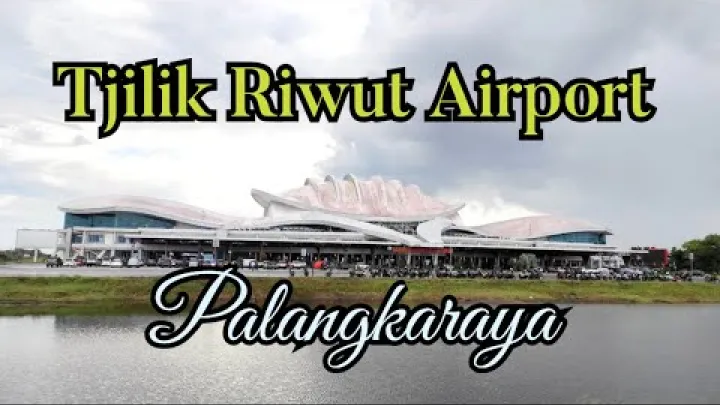
Tjilik Riwut Airport is the main air gateway for most visitors to Palangkaraya. International travelers usually connect through larger Indonesian cities before taking a domestic flight. Current routes and schedules can change, so check live airline and airport information close to booking; general travel-planning sources such as Kupi can help you understand the broad access pattern before confirming details.
Road access from other parts of Kalimantan is possible in principle, but travel times, comfort, and road conditions can vary. Long-distance buses, private cars, or intercity drivers may be relevant for travelers already in Central Kalimantan, but this is not the easiest first choice for visitors arriving from outside Indonesia.
If you arrive late, arrange airport transport in advance through your hotel or a trusted local contact. Confirm the pickup point, price or payment method, and what to do if your flight is delayed.
City Transport, Drivers, and Walking
Within Palangkaraya, visitors usually rely on taxis, ride-hailing where available, private drivers, hotel-arranged transport, and short walks. Public transport may exist for local needs, but it is not usually the most convenient option for travelers with limited time or luggage.
Walking can be pleasant for short stretches near parks, riverfront areas, or food streets, especially in the early morning or late afternoon. It is less practical for crossing the city, reaching nature departure points, or moving around in heavy rain and midday heat.
- Download offline maps before arrival.
- Save your hotel name and address in Indonesian and English if available.
- Confirm pickup points clearly, especially at parks, jetties, and the airport.
- Carry small cash for simple purchases and backup transport needs.
- Plan extra time during rain or if you need to cross wide city areas.
Boats, Jetties, and River Excursion Logistics
River travel is central to many Palangkaraya experiences. Short boat rides may focus on river scenery and local life, while day tours and multi-day itineraries can include forest edges, villages, wildlife-focused areas, or cultural stops. Operators describing Kahayan River journeys, such as Borneo Tour Gigant, show how river-based trips can become multi-day travel rather than simple sightseeing cruises.

Before booking, ask what is included: hotel pickup, boat type, guide, meals, drinking water, park or community fees, accommodation, safety equipment, rain protection, and cancellation terms. Also ask how plans change if river levels, rain, haze, or access rules affect the original route.
- Check that life jackets are available and usable.
- Use a dry bag or waterproof pouch for phone, passport copy, and camera.
- Wear sun protection and bring rain protection.
- Follow the guide’s instructions when boarding and leaving the boat.
- Avoid overloaded boats or unclear safety arrangements.
Where to Stay in Palangkaraya
The best place to stay depends on whether your priority is convenience, quiet, river atmosphere, business facilities, or access to nature departure points. For a first visit, convenience usually matters more than scenery.
Central Areas for Short First Visits
For one or two nights, choose a central base near major roads, restaurants, and familiar landmarks such as Bundaran Besar or the Kahayan Bridge area. This does not mean every sight is walkable, but it reduces friction for airport transfers, food, short sightseeing, and pickup for guided activities.
Central stays are best for first-time visitors, business travelers, and anyone arriving late or leaving early. They are also useful if you plan to visit Balanga Museum, explore city parks, see river views, and arrange a single day trip rather than a longer expedition.
Jekan Raya, Pahandut, and Riverside Stays
Jekan Raya and Pahandut are district names travelers may see when browsing maps and hotel listings. Exact boundaries are less important than the practical question: how far is the property from your arrival point, restaurants, tour pickup, and the places you want to visit?
Hotel corridors near main roads can be convenient for transport and services. Riverside or quieter outskirts stays may feel more atmospheric and may put you closer to certain boat or nature departure points, but they can also make you more dependent on drivers. Mosquitoes, road noise, distance from restaurants, and evening transport should all be considered before booking.
| Base type | Best for | Trade-off |
|---|---|---|
| Central hotel area | Short stays, airport transfers, restaurants, city sightseeing. | Less nature atmosphere and possible road noise. |
| Riverside stay | Views, slower evenings, boat-related plans. | Transport dependence and more mosquitoes in some settings. |
| Quieter outskirts | Travelers with drivers, longer stays, nature-focused trips. | Fewer nearby services and more planning for meals. |
Budget, Mid-Range, and Higher-Comfort Hotels
Accommodation in Palangkaraya ranges from simple budget hotels and guesthouses to more comfortable business-style hotels. Booking platforms such as Agoda can help you compare locations, facilities, and recent guest reviews, but avoid relying only on star ratings.
For most travelers, the most important criteria are air conditioning, reliable Wi-Fi, recent reviews, clean bathrooms, breakfast if you want early starts, and easy pickup for tours. If you are joining a river or forest excursion, ask whether the operator can collect you from your hotel or whether you need to meet at a specific jetty or office.
Save money on simple meals and modest rooms if needed, but do not underbudget for reliable guides, safe transport, and well-organized boat trips. Those choices can shape the quality and safety of your Palangkaraya visit more than a slightly nicer room.
Best Things to Do in Palangkaraya
The best activities in Palangkaraya combine easy city orientation with at least one river, nature, or cultural experience. Do not overpack the itinerary; heat, rain, and transport time make slower pacing more enjoyable.
Kahayan River Landmarks and City Parks
The Kahayan Bridge is one of the city’s most recognizable landmarks and a useful orientation point for understanding Palangkaraya’s relationship with the river. Nearby riverfront areas and public spaces can be good for a low-pressure first look at the city.
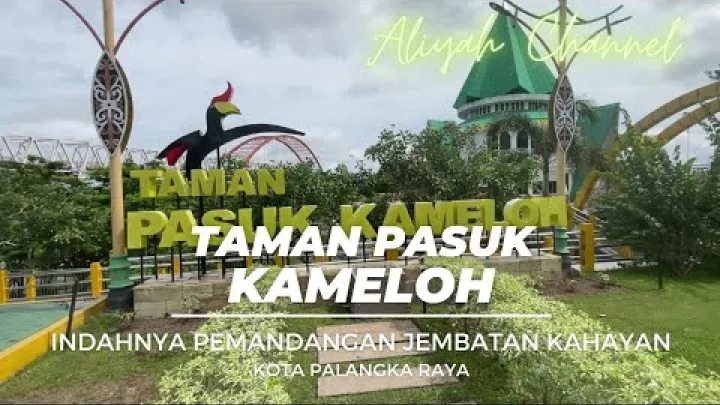
Bundaran Besar is another common orientation point, especially when navigating central areas. Taman Kota Pasuk Kameloh, Taman and Kuliner Kumkum, and other local parks or food areas may suit relaxed sightseeing, casual meals, and evening walks, depending on current conditions.
Plan outdoor city activities for early morning or late afternoon when the heat is more manageable. Avoid assuming that parks, lighting, vendors, or facilities operate the same every day; confirm locally if a specific stop matters to your schedule.
Balanga Museum and Dayak Cultural Context
Balanga Museum is a useful cultural stop for understanding Central Kalimantan and Dayak heritage before going deeper into river or community-based experiences. It can help give context to objects, landscapes, architecture, and traditions that travelers might otherwise see without enough background.
Use respectful language and behavior when learning about Dayak cultures. Dayak is a broad term that includes diverse communities and living traditions across Borneo; it should not be treated as a single static attraction. Ask before taking photos of people, rituals, private homes, or sacred objects, and follow local guidance during community visits.
Before visiting the museum, check current opening hours, ticket arrangements, and holiday closures through your hotel, driver, or local information source.
Sebangau National Park and Peat Swamp Forest
Sebangau National Park is one of the major nature draws associated with Palangkaraya. It is known for peat swamp forest landscapes and wildlife habitat, and many travelers include it because it offers a different kind of Borneo experience from mountain or beach destinations.
Access commonly involves road and boat logistics, depending on the entry point and the operator. Dermaga Kereng Bangkirai is one name travelers may encounter when researching routes toward Sebangau-related boat activities, but procedures, fees, access points, and visitor rules should be checked close to the trip.
Wildlife sightings are possible in the broader region, but they are never guaranteed. Forest and river environments are dynamic, and animals do not appear on schedule. Treat the experience as a chance to understand habitat, peat swamp ecology, and conservation challenges, not only as a checklist for sightings.
Orangutan-Related Experiences Near Palangkaraya
Some travelers use Palangkaraya as a base for orangutan-related experiences, especially around river and conservation-linked areas such as the Rungan River region. You may also see references to Nyaru Menteng in older travel discussions or operator materials, but access policies at rehabilitation, care, or release-related sites can change.
Do not assume that a named orangutan site is open to casual visitors. Check with official conservation organizations, reputable operators, or your accommodation before planning around it. Ethical wildlife experiences should never involve feeding, touching, crowding, or forcing close-contact encounters.
- Keep a respectful distance from wildlife.
- Follow guide instructions at all times.
- Do not feed animals or leave food waste.
- Choose operators that explain conservation rules clearly.
- Accept that sightings may be distant, brief, or absent.
Bukit Tangkiling and Easy Nature Outings
Bukit Tangkiling is often mentioned as a nearby hill and nature outing from Palangkaraya. It can be paired with countryside exploration, simple walks, or other stops outside the city core, depending on current access and your transport arrangement.
Start early, wear closed shoes, carry water, and be cautious on paths that may become slippery after rain. Do not rely only on old blog posts for trail conditions, opening details, or facilities. Ask a driver, hotel, or local guide what is realistic for the current season and your fitness level.
For sites outside the city, arranging a driver or guided trip is usually easier than trying to piece together transport independently. Confirm waiting time, return pickup, and whether you need to bring food or water.
Suggested Palangkaraya Itineraries
Your ideal length of stay depends on whether Palangkaraya is a short city stop or the main base for river and rainforest travel. A rushed visit can still be enjoyable, but the destination becomes more rewarding with time for guided excursions.
One or Two Days in Palangkaraya
With one day, keep the plan simple. Use the arrival block for hotel check-in and a short look at Bundaran Besar, the Kahayan Bridge area, or a nearby park. Add a relaxed dinner rather than trying to fit in a long excursion immediately after a flight.
On a full day, visit Balanga Museum in one block, then plan a riverfront walk, city park, or short boat-related activity if weather and transport allow. If rain interrupts the day, shift to indoor time, a longer meal, or a later riverside visit when conditions improve.
With two days, add one easy nature or river outing, but avoid scheduling it too close to your onward flight. Keep one flexible block for weather, transport delays, or simply resting in the heat.
Three to Five Days with Rivers and Rainforest
Three to five days is a better length if your main interest is rivers, peat swamp forest, photography, wildlife, or cultural learning. A sensible plan might include a city orientation, Balanga Museum, a Sebangau or peat swamp outing, a Kahayan or Rungan River trip, and one slower day for parks, food, or a nearby nature site.
Book specialized excursions before arrival if they depend on boats, park access, conservation rules, or a specific guide. This is especially important for multi-day river cruises, wildlife-focused activities, and any trip involving remote logistics.
Build in substitutions for rainy days. A museum visit, city food stop, hotel rest, or late-afternoon river view can replace an outdoor plan without making the whole trip feel lost. Avoid stacking multiple remote activities on consecutive days unless your operator confirms the logistics are realistic.
Costs, Safety, and Practical Travel Tips
Palangkaraya can be affordable for everyday expenses, but costs rise when you add private transport, boats, guides, park-related fees, or multi-day excursions. The practical goal is to spend carefully where it matters most.
Typical Costs and Booking Expectations
Simple food, local snacks, and modest accommodation can be relatively budget-friendly compared with major resort areas. Guided river, wildlife, and forest trips are likely to be the largest expenses because they may include boats, fuel, guides, permits, meals, and transfers.
Before paying for a tour, confirm the itinerary, pickup point, start and finish times, what happens in bad weather, and what is included. Ask specifically about transport, guide service, meals, drinking water, park or community fees, boat arrangements, accommodation on multi-day trips, and cancellation terms.
If you need to control your budget, save on hotel category and everyday meals, but keep enough money for safe transport and reputable guides. A low-cost but poorly organized river trip can be a false economy.
Health, Safety, and Current Advisories
Palangkaraya is a destination where normal travel precautions matter. Secure your belongings, use trusted transport, avoid poorly planned late-night travel, and be cautious about remote trips that are not clearly organized. Before departure, check current Indonesia travel advisories and entry-related information from official sources such as the U.S. State Department or the relevant authority for your nationality.
Health planning should focus on heat, dehydration, mosquitoes, rain, smoke haze, and the limits of medical access outside the city. Carry water, use insect repellent, protect yourself from sun, and avoid pushing too hard in midday heat. If you have medical concerns, consult a qualified health professional before travel rather than relying on general travel articles.
For boat trips, ask about life jackets, weather decisions, river conditions, and communication options. For forest or peat swamp outings, wear suitable footwear, listen to guides, and avoid wandering away from marked or guided routes.
Packing, Connectivity, and Local Verification
Pack for hot, humid, and wet conditions. Lightweight breathable clothing, rain protection, and closed shoes are more useful than formal travel outfits. For boat travel, dry bags or waterproof pouches help protect electronics and documents.
- Lightweight breathable clothing
- Compact rain jacket or poncho
- Closed shoes with decent grip
- Insect repellent
- Sun hat, sunglasses, and sunscreen
- Reusable water bottle
- Dry bag or waterproof pouch for boat trips
- Offline maps and saved booking details
- Small cash and backup payment method
Connectivity may be adequate in the city but weaker during river or forest excursions. Save maps, hotel addresses, operator contacts, and copies of key booking details before leaving the city. Before each outing, check current opening hours, access rules, transport availability, weather, haze conditions, and pickup arrangements.
Frequently Asked Questions
How many days do you need in Palangkaraya?
One or two days is enough for a basic city stop with Balanga Museum, river views, parks, and relaxed meals. Plan three to five days if you want river trips, Sebangau-related nature activities, or wildlife-focused excursions.
Can you see orangutans near Palangkaraya?
Orangutan-related experiences may be possible through conservation-linked or river-based operators, but access rules can change and sightings are not guaranteed. Check with reputable operators or conservation organizations before planning your trip around orangutans.
What is the best time to visit Palangkaraya?
Relatively drier mid-year months are often more comfortable for outdoor plans, but Palangkaraya is hot and humid year-round. Check rainfall, haze, and local conditions close to travel because no month is guaranteed clear or dry.
Is Palangkaraya good for first-time visitors to Indonesia?
It can be good for independent and nature-focused first-time visitors, but it is not the easiest introduction to Indonesia. Travelers who want simple logistics, beaches, or highly developed tourism infrastructure may prefer to visit after gaining experience elsewhere in the country.
Do you need a guide for river or rainforest trips?
For river, peat swamp, wildlife, and forest outings, a guide or reputable operator is strongly recommended. They can manage boat logistics, safety equipment, access rules, weather changes, and respectful behavior around communities and wildlife.
Final Planning Takeaways
Palangkaraya is best approached as a river-and-rainforest gateway with a practical city base, not as a conventional resort destination. Stay central for short visits, add more time if you want Sebangau, Kahayan River, Rungan River, or orangutan-related experiences, and build flexibility around weather and transport.
The most rewarding trips combine Balanga Museum and city orientation with at least one well-organized river or nature activity. Confirm current access, choose responsible operators, respect Dayak cultural contexts, and leave space in your itinerary for rain, heat, and the slower rhythm of Central Kalimantan travel.
Select area
Create a post
Posting is free and no registration is required.