Palangkaraya Best Time to Visit: Weather & Seasons
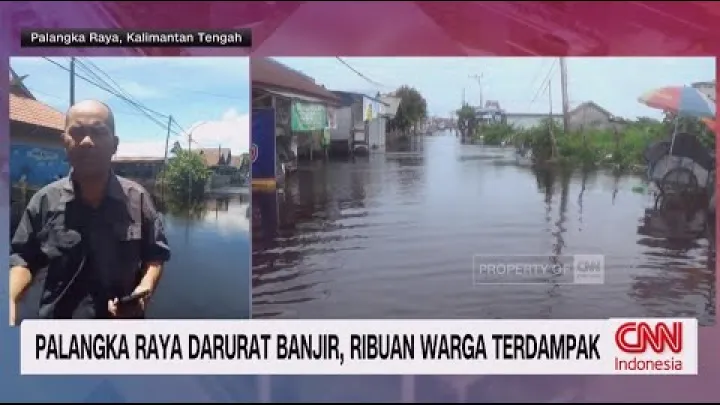
The Palangkaraya best time to visit is usually from June to September, when rain is often lower and outdoor plans are easier to manage. Palangkaraya, also written as Palangka Raya, is an inland lowland city in Central Kalimantan, so the main travel issues are heat, humidity, rainfall, river conditions, forest access, and possible smoke haze in some dry seasons. There is no truly cool season, and even the drier months can bring showers. This guide explains the best months, the rainy season, month-by-month conditions, and practical planning tips for city stays, river trips, and wider Kalimantan travel.
Best Time to Visit Palangkaraya at a Glance
If you want the simplest answer, choose the middle of the year. The dry season is relative in this part of Borneo, but it usually gives travelers the best balance of manageable rain and practical day planning.
Quick Recommendation by Month Range
For most travelers, June to September is the most practical time to visit Palangkaraya. This period usually brings fewer rain interruptions than the late-year and early-year wet season, making it better for short city visits, river excursions, and nature-focused day trips.
August is often among the driest months in local climate averages, while November to January are typically much wetter. However, “dry season” does not mean dry every day. Palangkaraya remains hot and humid, and tropical showers can happen in any month.
| Period | Travel outlook | Main planning note |
|---|---|---|
| June to September | Best overall window | Lower rain, but monitor haze later in the season |
| May and October | Useful shoulder months | Good for flexible travelers who can adjust plans |
| November to March | Least convenient for short trips | More frequent rain, wetter paths, and more delays |
| April | Changing conditions | Rain still likely, but the season may begin to improve |
Who Should Choose June to September
June to September is the best choice if you want the easiest conditions for general sightseeing, short walks, markets, riverside areas, and boat-based activities near the Kahayan River or Rungan River. With less frequent rain, it is usually easier to keep a simple itinerary on schedule.

Heat remains a constant factor. Even in the preferred months, expect to sweat, drink more water than usual, and plan rest breaks in shaded or air-conditioned places.
When to Be More Cautious
November to March is the period to approach with more caution if your trip depends on clear weather and easy outdoor movement. Rain is more frequent, skies are often cloudier, and rural paths or access roads can become muddy. River trips may still operate, but comfort, visibility, and timing can be affected.
Late dry season also needs caution for a different reason. August to October can be attractive because rainfall may be lower, but in bad fire years Central Kalimantan’s peatlands can produce smoke haze. Severe haze does not happen every year, yet it can affect air quality, photography, visibility, flights, and outdoor comfort.
Climate averages are useful for choosing a travel month, but they are not live forecasts. Before you travel, check current weather, air quality, and local operator updates.
How Palangkaraya's Climate Works
Palangkaraya has a tropical lowland climate. The year is shaped more by rainfall patterns than by big temperature changes, so the best travel period depends on how much rain and haze risk you are willing to manage.
Heat and Humidity Stay High Year-Round
Palangkaraya is hot and humid throughout the year. There is no meaningful cool season for most visitors, and evenings may still feel warm because humidity remains high. The World Bank Climate Change Knowledge Portal shows Indonesia’s long-term climate context with consistently warm tropical conditions and strong regional rainfall patterns.
For travelers, the practical issue is comfort. Lightweight clothing, regular hydration, sun protection, and breaks from midday heat matter in every month. Clothes may dry slowly, shoes can stay damp after rain, and long walks can feel more tiring than expected.
Rainfall Shapes the Travel Calendar
Rainfall is the main factor in deciding when to visit Palangkaraya. The broad drier period is around mid-year, while the wetter period usually runs from the late year into the early year. Local climate-normal summaries from Climate-Data.org identify August as a notably dry month in averages and November as one of the wettest.
Wet-season rain can change daily plans quickly. Walking routes may be less pleasant, rural roads can slow down, and boat trips can be less comfortable during heavy showers. A month with lower average rainfall improves your chances, but it does not remove the need for rain gear and flexible timing.
Why Peatland Fire and Haze Risk Matters
Central Kalimantan has extensive peatland landscapes. During prolonged dry periods, peatland fires can create smoke that spreads across the region. Research involving weather radar observations in the Palangka Raya area, published by PMC, documents smoke detection in a fire-prone peatland setting.

This matters because the late dry season can be both appealing and uncertain. Lower rainfall can make travel easier, but smoke haze in a bad year may reduce visibility, affect flights, make photography difficult, and create health concerns, especially for people with asthma or other respiratory conditions.
Do not assume every dry season will be smoky. Instead, treat haze as a condition to monitor closely, especially from August to October.
Month-by-Month Feel in Palangkaraya
The following month-by-month guide describes typical travel conditions based on seasonal patterns. It is not a forecast for a specific year, so use it for broad planning and check live conditions before departure.
January to March: Deep Wet Season
January to March is usually part of the deep wet season. Expect frequent rain, heavy cloud cover, lush vegetation, and high humidity. Travel is possible, but it is better suited to visitors who are comfortable with slow days and weather changes.
For a city stay, this period can mean wet shoes, slower movement between places, and a greater need for indoor backup plans. If you are planning river or forest activities, build in extra time and confirm conditions with local operators.
Haze risk is usually lower when the ground is wet, but rain disruption is higher. The trade-off is cleaner air in many years, but less reliable outdoor timing.
April and May: Transition Toward Drier Weather
April and May are transition months. Rain is still likely, but conditions may gradually become more manageable as the region moves toward the mid-year drier period. May can be a reasonable shoulder month for flexible travelers.
Do not treat May as fully dry. Storms can still interrupt outdoor plans, and humidity remains high. If you choose this period, keep important excursions flexible and check the local forecast often.
June to August: Core Dry and Clearer Season
June to August is the strongest weather window for most visitors. Rain is usually less disruptive than in the wet season, making it easier to plan walking, riverside time, short excursions, and boat-based activities.

Light can be better for photography, and access to outdoor areas is often more straightforward. This is also a good period for travelers who only have a short stay and want to reduce the chance of losing a full day to rain.
The main trade-off is haze monitoring. June and early July can offer a useful balance between lower rain and lower accumulated fire risk, while August may be drier but deserves closer air-quality attention.
September and October: Late Dry Season and Returning Rain
September can be excellent when haze is absent. It often still benefits from drier-season conditions, but it also sits in a higher-uncertainty period because peatland fire and smoke risk can rise in dry years.
October is a shoulder month. Rain usually becomes more likely, especially later in the month, but returning rain can also reduce fire risk. For some travelers, this creates a reasonable compromise; for others, especially those with respiratory concerns, the uncertainty may be too high.
If you plan to travel in September or October, check air quality close to departure and keep outdoor activities adjustable.
November and December: Wet, Green, and Less Predictable
November and December are wet-season months. Rain is frequent, skies can be cloudy, and outdoor plans need flexibility. The landscape may look green and rivers may run higher, but this does not always make travel easier.
These months have fewer weather advantages for short first-time visits. They can still work if your schedule is relaxed, your plans are mostly urban, or you accept rain as part of the experience. Bring reliable rain protection and avoid overloading each day.
Best Time by Trip Purpose
The best month depends on what you want to do. A short city stay, a river excursion, a peat-swamp visit, and a wider Kalimantan wildlife itinerary can all have different timing needs.
City Sightseeing and Short Stays
For city sightseeing and short stays, June to September is usually the easiest period. You have a better chance of comfortable movement around markets, riverside areas, cafes, and local neighborhoods without frequent rain interruptions.
Plan outdoor activities early in the day when possible. Mornings often feel more manageable than the hotter middle of the day, and an early start gives you more room to adjust if showers arrive later.
Rain gear is useful in every month. A compact umbrella, quick-dry clothing, and footwear that can handle wet pavement will make a city stay easier.
River Trips, Wildlife, and Forest Access
River trips around the Kahayan River, Rungan River, and nearby waterways are generally easier to enjoy in the drier months. Lower rain can improve comfort and visibility, although local river conditions can still vary.
For peat-swamp environments linked with the Sabangau River and Sebangau National Park area, ground conditions, boardwalks, boat access, and operator schedules may be affected by recent rain.
If you are combining Palangkaraya with a wider Kalimantan wildlife itinerary, remember that places such as Tanjung Puting National Park are broader regional add-ons, not attractions inside Palangkaraya. Do not plan around guaranteed wildlife sightings; plan around transport time, seasonal access, and operator advice.
Budget, Crowds, and Flexible Travel
Palangkaraya is not usually as crowd-driven as Indonesia’s major beach destinations. Weather is often a bigger planning factor than international tourist crowds. Still, domestic holidays, conferences, or local events can affect room availability.
Flexible travelers may consider May, early June, late September, or October. These shoulder periods can offer a balance between weather and availability, but they also need more flexibility because rain and haze conditions can change.
Avoid assuming that Bali-style high-season patterns apply directly to Palangkaraya. Check hotels and flights for your exact dates instead of relying on general Indonesia price expectations.
Health-Sensitive Travelers
Travelers with asthma, respiratory conditions, small children, or elderly companions should be cautious with rigid late dry-season plans in fire-prone years. The period from August to October can be more uncertain when prolonged dryness increases haze risk.
June or early July may be a better balance for some health-sensitive travelers because rainfall is often lower than in the wet season, while the dry season may not yet have reached its highest haze-risk period. This is not a medical guarantee, so people with serious health concerns should seek professional medical advice before travel.
Check current air quality and haze reports close to departure, and choose accommodation where indoor rest is comfortable if outdoor conditions deteriorate.
Practical Planning for Rain, Heat, and Haze
Good timing helps, but daily preparation matters just as much in Palangkaraya. Pack for tropical heat, sudden rain, and the possibility of smoky air in late dry-season periods.
What to Wear and Pack
Pack lightweight, breathable clothing and quick-dry fabrics. Long sleeves in light materials can help with sun exposure and insects, while still being suitable for humid weather. Comfortable footwear should handle wet pavement and short muddy sections if you leave the city center.
Bring a compact umbrella or light rain jacket in every season. A dry bag or waterproof pouch is useful for phones, passports, and camera equipment during boat trips or sudden showers.
For haze-prone periods, consider carrying appropriate particulate masks, especially if you are sensitive to air pollution. Also plan for indoor rest options, because reducing outdoor exposure may be the simplest response on smoky days.
How to Plan Each Day Around Tropical Weather
Schedule outdoor sightseeing, walks, and boat trips earlier in the day when possible. This helps you avoid the strongest heat and gives you more flexibility if rain develops later.
During wet months and transition months, avoid booking tightly connected activities with no buffer time. A short shower may pass quickly, but heavy rain can delay transfers, reduce visibility, or make paths uncomfortable.
Use indoor breaks as part of the plan, not as a failure of the plan. Air-conditioned rest periods help manage heat and humidity, especially for travelers who are not used to equatorial conditions.
What to Check Before Departure
Before departure, check live weather forecasts, current rain conditions, air quality, and any haze or fire updates. Climate averages help you choose a month, but live information should decide your final packing and daily schedule.
If you are heading to forest areas, river trips, peat-swamp environments, or rural roads, confirm access with local operators. Recent rain can matter more than the month printed on your itinerary.
Also check flight status and transfer plans during haze-prone periods or very wet weather. Building in a little extra time can reduce stress if conditions change.
Best Time to Visit Palangkaraya Compared with Wider Indonesia
Many travelers combine Palangkaraya with other parts of Indonesia. This can work well, but Palangkaraya’s inland climate concerns are different from coastal, mountain, or island-hopping destinations.
How Central Kalimantan Differs from Beach Destinations
Palangkaraya is an inland lowland city, so sea conditions are not the main planning factor. You do not need to plan around beach waves, diving visibility, or rough sea crossings in the same way you might for coastal islands.
The key seasonal issues in Central Kalimantan are rain, humidity, river logistics, forest access, muddy ground, and haze. This makes the planning approach different from destinations where marine activities dominate the itinerary.
If your trip includes both Palangkaraya and a beach destination, check conditions for each place separately. A good month for inland Kalimantan may not be perfect for diving, surfing, or boat transfers elsewhere.
Combining Palangkaraya with Other Indonesia Itineraries
Indonesia’s broad dry season is often described as May to September, and this can support multi-destination trips, as summarized by Intrepid Travel. However, Indonesia is large, and local weather patterns differ by island, elevation, and activity.
Mountain hikes, volcano visits, marine trips, and wildlife excursions all have different weather sensitivities, so match each stop to the activities that matter most.
The best month for Palangkaraya is not automatically the best month for every place in Indonesia. Use June to September as a strong starting point, then refine your route based on the activities that matter most.
Conclusion: The Smartest Time to Go
The smartest time to visit Palangkaraya is usually June to September, with June to August offering the strongest overall balance for many travelers. August can be one of the driest months, but late dry-season haze should be monitored carefully, especially for health-sensitive visitors.
Choose November to March only if you are comfortable with frequent rain and flexible planning. May, early June, late September, and October can work as shoulder periods for travelers who can adjust around changing weather.
For the best trip, combine seasonal planning with live checks before departure. Watch the forecast, monitor air quality during haze-prone periods, confirm river or forest access locally, and pack for heat, humidity, and sudden rain in every month.
Select area
Create a post
Posting is free and no registration is required.