Solo Travel Guide: Surakarta, Java, Indonesia

This Solo travel guide is about Solo, the city in Java, Indonesia, not a general guide to traveling alone. Also widely known as Surakarta, Solo is a culture-focused city in Central Java with royal heritage, batik, markets, traditional arts, local food, and a calmer pace than some larger visitor hubs. It is a good choice if you want to understand Javanese court culture and everyday city life beyond the most familiar stops on a Java itinerary. This guide explains how long to stay, where to base yourself, how to get around, what to do, what to budget for, and how to travel respectfully and safely.
Solo at a Glance
Solo is best understood as a living Central Java city with strong cultural identity. It rewards travelers who enjoy slow exploration, markets, crafts, performance traditions, and local routines rather than a checklist of resort-style attractions.
What Kind of Destination Solo Is
Solo is a city in Java, Indonesia, and is closely associated with the name Surakarta. Many travelers, transport listings, and maps may use one name or the other, so it is useful to recognize both when planning accommodation, routes, and activities.
The city’s appeal is cultural rather than flashy. Visitors usually come for royal palace areas, batik, traditional markets, food, music, dance, and a more relaxed urban rhythm. Solo is not a polished beach destination, and it is not designed only around international tourism. That is part of its interest, but it also means that opening hours, English-language information, and visitor services can vary.
Think of Solo as a place to observe, ask questions, and move at a moderate pace. A short stay can give you a useful overview, while a longer stay lets you understand how heritage, craft, commerce, and daily life fit together.
Who Solo Is Best For
Solo is a strong choice for culture-focused travelers, repeat visitors to Java, independent travelers, budget-conscious visitors, and people who prefer quieter cities. It can also work for first-time Indonesia visitors who are comfortable with a less packaged travel environment.
If your ideal trip depends on a large backpacker scene, very active nightlife, or easy group tours every day, you may find Yogyakarta or another larger tourism base more convenient. That does not mean Solo is difficult. It simply asks for more personal planning, patience, and willingness to use local routines.
Solo is especially rewarding if you like spending time in markets, comparing textiles, taking breaks in simple cafes, learning the background of traditional arts, or using a guide to understand cultural context that is not always visible at first glance.
How Many Days to Spend in Solo
One day in Solo can work as a quick introduction, especially if you are already nearby in Central Java. A day trip or overnight stop can include one heritage area, a market or batik-focused visit, local food, and a short evening plan if schedules allow.
Two or three days is a more comfortable length for most first-time visitors. This gives you time for palace or heritage visits, markets, batik or craft experiences, food exploration, and an indoor option if rain or heat changes your plans. It also reduces the pressure to move across the city too quickly.
Four days or more suits slow travelers, remote workers, students of culture, and people who want workshops, repeated market visits, performances, or regional excursions. Longer stays are not necessary for everyone, but they allow Solo to feel less like a stop and more like a place with rhythm.
| Time in Solo | Best for | Planning note |
|---|---|---|
| One day | Quick cultural snapshot | Keep the route compact and check current access |
| Two or three days | Most first-time visitors | Balance heritage, markets, food, and rest |
| Four days or more | Slow travel and deeper culture | Add workshops, day trips, or flexible work time |
How Solo Fits Into Java and Indonesia
Solo is part of Central Java and is often considered alongside nearby Yogyakarta when travelers build an overland Java route. It can be a main stop, a quieter alternative base, or an add-on that gives a different view of Javanese culture.
Java Travel Context for First-Time Visitors
Java is one of Indonesia’s main travel islands and is commonly planned through major cities, rail routes, domestic flights, and road connections. For a first-time visitor, the most useful point is not to memorize every region, but to understand how Solo connects with the broader Central Java travel pattern.
Indonesia is very diverse, and travel conditions vary widely between islands and regions. A plan that works in Bali, Sumatra, or eastern Indonesia may not feel the same in Java. Java has large urban centers, busy transport corridors, rural areas, cultural towns, volcano landscapes, and major religious and historical sites. Solo fits into this picture as a cultural city rather than a beach or wilderness base.
When planning, leave space for transport changes, traffic, weather, and local schedules. This is especially important if you are connecting Solo with flights, long-distance trains, or activities that require reservations.
Solo Versus Yogyakarta
Solo and Yogyakarta are both important cultural bases in Java, and many travelers consider visiting one or both. Yogyakarta is generally the more established international visitor base, with a larger tourism infrastructure and many well-known excursions nearby. Solo often feels quieter and less dominated by tourism, while still offering strong links to Javanese court culture, batik, markets, and traditional arts.
Neither city is universally better. Choose Yogyakarta if you want a very convenient base with a broader range of tourist services and social travel options. Choose Solo if you want a slower pace, a city that may feel more local in daily rhythm, and a deeper focus on court culture and craft. If time allows, visiting both can be more useful than trying to make them compete.
| Priority | Solo | Yogyakarta |
|---|---|---|
| Pace | Often calmer | Often busier with visitors |
| Culture | Strong court culture and batik focus | Strong cultural base with famous excursions |
| Convenience | Good with planning | Usually easier for first-time visitors |
| Best use | Quiet base or cultural complement | Main visitor hub or social base |
Ways to Add Solo to a Java Itinerary
Solo can fit into a Java itinerary in several ways. You can visit it as a stop between larger destinations, add it as a side trip from Yogyakarta, or use it as a quieter Central Java base if your interests are mainly cultural.
A practical route might place Solo after a busier city, giving you time to slow down before continuing across Java. Another option is to use Solo as a short add-on, with one or two nights focused on markets, heritage areas, and batik. If you prefer a slower journey, Solo can become a base for craft visits, nearby rural experiences, and onward connections.
International travelers should check current Indonesia entry rules separately before departure. Visa rules, passport requirements, customs rules, and health requirements can change, so do not rely only on old travel posts or comments.
Best Time to Visit Solo
Solo can be visited at different times of year, but your experience will be shaped by heat, humidity, rain, holidays, and daily timing. A flexible plan is more useful than choosing dates based only on a perfect-weather idea.
Dry Season, Wet Season, and Daily Timing
Like much of Java, Solo is usually discussed in terms of drier and wetter parts of the year. The dry season is generally easier for walking, outdoor sightseeing, and day trips, while the wet season can bring heavier rain and more need for flexible afternoon plans. Weather patterns are not guaranteed, so check local forecasts close to your travel dates.
Heat and humidity can matter as much as rain. Start earlier when possible, plan indoor breaks during the hottest part of the day, and avoid packing too many outdoor stops into one afternoon. Markets, heritage areas, and street wandering are more comfortable when you are not rushing.
During rainy periods, keep a backup plan such as a museum, gallery, batik workshop, covered market, cafe, or rest period at your accommodation. Rainy-day planning is not a failure in Solo; it is part of making the city more enjoyable.
Holidays, Events, and Schedule Checks
Religious holidays, national holidays, cultural events, and school holiday periods can affect Solo in practical ways. Transport may be busier, accommodation may sell out earlier, prices may rise, and some places may change their opening hours. At the same time, cultural periods can be meaningful and rewarding if you approach them respectfully.
Before fixing your plans, check current schedules for performances, workshops, museums, palace access, transport, and guided activities. Do not assume that every cultural event is open to visitors or that every performance happens on a daily schedule.
If you travel during a peak domestic travel period, book key transport and your first accommodation earlier than usual. Keep some flexibility in the itinerary in case your preferred activity is closed, full, or moved to a different time.
Where to Stay in Solo
The best place to stay in Solo depends on your priorities. Some visitors want atmosphere and proximity to cultural sights, while others prefer modern convenience, transport access, quiet residential streets, or reliable Wi-Fi.
Heritage Core Near Palaces and Markets
A base near Solo’s heritage core can suit travelers who want cultural atmosphere, traditional markets, royal palace areas, and shorter sightseeing distances. This is often the most appealing choice if your main purpose is to experience Javanese court culture, batik, food, and older city streets.
The trade-off is that some properties in older areas may have more street noise, older facilities, limited parking, or fewer modern comforts. Walkability can vary by street, and traffic, sidewalks, lighting, and weather affect how comfortable the area feels.
Before booking, read recent reviews carefully. Look for comments about cleanliness, air-conditioning, noise, bathroom condition, Wi-Fi, staff communication, and how easy it is to reach food and transport. A good property in a less perfect location may be better than a weak property in a famous area.
Commercial Center for Convenience
A commercial central base can be practical for short stays, business travelers, and visitors who want easier access to services. Depending on the exact block and property, this type of area may offer ATMs, convenience stores, pharmacies, shopping centers, restaurants, and easier vehicle access.
The main advantage is convenience. You may spend less time solving small practical problems and more time getting to your planned activities. This can be useful if you arrive late, have luggage, need reliable air-conditioning, or want simple transport pickup points.
The downside is that the area may feel less atmospheric than older heritage districts. If your priority is traditional street life and cultural texture, you may prefer to visit the commercial center when needed rather than sleep there.
Residential Neighborhoods and Homestays
Residential stays and homestays can be rewarding for slower travel. They may offer quieter nights, lower costs, and a closer look at everyday routines. This can work well if you are staying several days, studying, working remotely, or traveling with a strong interest in local life.
However, residential areas can require more effort. There may be fewer English-language services, fewer late-night food options, less obvious public transport, and more dependence on ride-hailing, taxis, or help from your host. Navigation can also be harder if street names, landmarks, or entrances are not familiar.
For a first visit, consider booking at least your first night in advance, especially if you arrive late. After you understand the city better, you can decide whether a residential stay suits your comfort level.
Best Base Area by Traveler Type
There is no single best area for every visitor. The right base depends on how you balance atmosphere, comfort, transport, night-time confidence, food access, and Wi-Fi needs.

| Traveler type | Suggested base | Why it works |
|---|---|---|
| Culture-focused visitor | Heritage core | Closer to palaces, markets, and older streets |
| Short-stay visitor | Commercial center | Easy services and simpler logistics |
| Budget traveler | Heritage or residential area | More simple guesthouses and local food may be available |
| Remote worker | Modern hotel or serviced stay | Better chance of stable Wi-Fi and workspace |
| Deep-immersion traveler | Homestay or residential stay | More contact with local routines |
For night-time comfort, choose accommodation with clear access, helpful staff, and transport pickup points. Avoid making your decision only by neighborhood name. Recent property quality and your arrival time matter just as much.
Getting to Solo and Around the City
Solo is reachable by several transport modes, but the best option depends on where you are coming from, your budget, your luggage, and how much flexibility you need. Because routes and schedules can change, confirm current details before booking.
Arriving by Train, Air, Bus, or Car
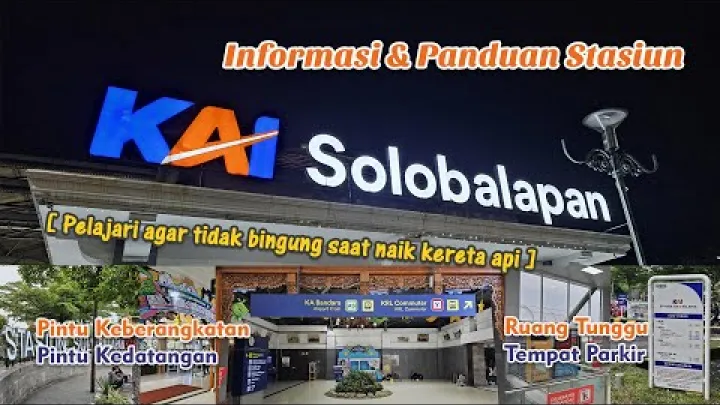
Train travel is often a comfortable way to move through Java if the route and schedule suit your itinerary. It can be a good balance of price, comfort, and reliability, but you should confirm stations, ticket rules, luggage expectations, and departure times before travel.
Factor in airport transfers, check-in time, baggage rules, and possible delays when comparing flights with land transport.
Buses, private transfers, hired cars, and drivers can offer flexibility, especially if you are traveling with a group or planning stops along the way. They can also be more affected by traffic and road conditions. During busy travel periods, book earlier and avoid tight same-day connections when possible.
Local Transport for Short Trips
Solo can be manageable for short central trips, but walking comfort varies. Heat, rain, traffic, uneven sidewalks, and road crossings can make a short distance feel longer. Wear comfortable footwear and be alert at intersections.
For local movement, travelers commonly consider walking, taxis, app-based car rides, motorcycle taxis, bicycles where suitable, and traditional local transport where available. Availability, pricing, and service quality can vary, so check what works locally when you arrive.
Use a car, taxi, or reputable app-based ride for late-night returns, luggage, heavy rain, or longer cross-city trips. Motorbike taxis can be efficient, but they are not ideal for everyone. If you are inexperienced on motorbikes or uncomfortable with traffic, choose a car instead.
Day Trips and Regional Connections
Solo can be used as a base for nearby excursions, craft visits, rural experiences, and onward travel within Java. The value of a day trip depends on route practicality, current access, weather, and how much time you want to spend in transit.
Independent travel may be cheaper and more flexible if the route is simple. A hired driver can be better for scattered stops, limited time, or places with less frequent public transport. A local guide can add cultural interpretation, especially for craft, heritage, or village visits where background knowledge matters.
Before committing to a day trip, check opening hours, road conditions, return transport, and whether the experience requires advance arrangement. Do not plan a long excursion on the same day as an important flight or train unless you have a large time buffer.
Best Things to Do in Solo
The best things to do in Solo are usually connected to heritage, batik, markets, food, and traditional arts. A good itinerary combines planned cultural visits with unhurried time for everyday wandering.
Royal Heritage and Traditional Arts
Solo’s royal heritage and Javanese court culture are central reasons to visit. Palace areas, traditional performance, gamelan, dance, and wayang may be part of the visitor experience, depending on current access and schedules.
Do not assume that all palace spaces, ceremonies, or performances are open to tourists. Some areas may have restricted access, special rules, or changing hours. Dress respectfully, move calmly, and follow local instructions in ceremonial or formal spaces.
Guided interpretation can be very useful in Solo. Without context, a visitor may see buildings, instruments, textiles, or performance gestures without understanding their meaning. A good guide or workshop leader can help explain the connection between court history, religion, social hierarchy, music, dance, and daily life.
Batik, Markets, and Craft Experiences
The experience can be as simple as shopping or as deep as learning about patterns, wax-resist techniques, dyes, and regional styles.
Markets are also important social spaces. They are useful for food, textiles, household goods, and observation of local routines. Go with patience, small cash, and respect for people who are working. If bargaining is appropriate, keep it friendly and avoid treating the process as a contest.
Ask before photographing people, stalls, workshops, or goods in close detail. Some sellers are happy to be photographed; others are not. If you are interested in ethical production or artisan income, ask careful questions rather than assuming that a higher or lower price proves the answer.
Food, Cafes, and Everyday Wandering
Solo is a good city for local food exploration. You can build a day around breakfast near your accommodation, a market visit, a simple lunch, an afternoon cafe break, and an evening meal. This rhythm works well in hot or rainy weather because it gives you natural rest points.
Street snacks, casual restaurants, markets, and cafes can all be part of the experience. Choose busy places with good turnover when eating simple local food, and be cautious with anything that looks poorly stored or has been sitting out too long.
If you have dietary restrictions, prepare key phrases in Indonesian and confirm ingredients before ordering. Vegetarian, vegan, halal, allergy, and gluten-related needs require different levels of explanation, and staff may not always interpret foreign dietary terms in the same way you do.
Museums, Galleries, and Rainy-Day Plans
Museums, galleries, indoor cultural sites, workshops, covered markets, and cafes are useful for rainy days or midday heat. They can also add structure when you want a slower day between heavier sightseeing.
Interpretation quality and English-language support can vary. Some places may be rich in objects or atmosphere but limited in written explanation. If you want deeper understanding, consider arranging a guide or choosing a workshop where questions are welcome.
Check current opening days, ticket rules, and access before setting out. Many travelers lose time by assuming that small cultural sites operate like major international museums. In Solo, a flexible backup plan is useful.
Practical Planning for Costs, Connectivity, and Booking
Solo can be a cost-conscious destination, but your actual spending depends on comfort level, transport choices, activities, food habits, and season. Plan for a mix of simple local costs and occasional paid experiences.
Money, Typical Costs, and Payment Habits
Expect to use both cash and cards. Cards may work in many hotels, larger restaurants, and modern businesses, but cash is still useful for small food stalls, markets, local transport, tips, and minor purchases. Keep smaller notes when possible so simple transactions are easier.
Your main cost categories will be accommodation, meals, local transport, intercity transport, activities, guides, workshops, shopping, laundry, and occasional splurges. A budget traveler who eats locally and uses simple accommodation can spend much less than a traveler choosing modern hotels, private cars, and guided activities.
Costs can change by season, availability, comfort level, and how tourist-oriented your choices are. Avoid relying on old price lists. Check recent booking platforms, current menus, and local advice once you arrive.
Internet, SIM Cards, and Remote Work Basics
Mobile data is useful in Solo for maps, translation, ride-hailing, messaging, booking confirmations, and emergency communication. If staying connected matters, arrange a practical data option early in your trip and confirm any registration rules through current official or operator information.
Wi-Fi quality can vary between accommodations and cafes. Remote workers should read recent reviews and ask direct questions about speed, stability, workspace, power outlets, and whether the room is quiet enough for calls.
Do not assume Solo is a major digital nomad hub with the same infrastructure as more famous remote-work destinations. It can still work well for focused work if you choose accommodation carefully, keep backup mobile data, and avoid scheduling critical calls during travel days.
Booking Accommodation, Guides, and Cultural Activities
Book at least your first night before arrival, especially if you arrive late, travel during a busy period, or are new to Java. This gives you a clear destination and reduces stress after a long journey.
Guides, workshops, performances, day trips, and special cultural activities may require advance checks. Schedules can change, and some activities may depend on the day, the number of participants, local ceremonies, or availability of instructors.
Use recent reviews, direct confirmation, and flexible expectations. If an activity is central to your trip, contact the provider or venue before you build the rest of the itinerary around it.
Safety, Etiquette, Health, and Packing
Solo requires the same thoughtful preparation you would use in any unfamiliar city. The main concerns for most visitors are transport choices, road awareness, valuables management, heat, rain, health preparation, and respectful behavior in cultural spaces.
Personal Safety and Night-Time Movement
Use standard urban precautions in Solo. Keep valuables secure, avoid displaying expensive items unnecessarily, and carry only what you need for the day. Use accommodation safes or secure storage when available.
At night, plan your return before you go out. Choose well-lit routes, use trusted transport for longer distances, and stay in accommodation with clear access if you expect late returns. This advice is practical for all travelers, not only people traveling alone.
Road safety is a major everyday concern. Traffic, motorbikes, uneven walking surfaces, and road crossings require attention. Do not rush across streets, and avoid renting or driving a motorbike unless you are experienced, properly licensed, insured, and comfortable with local conditions. Follow current official travel advisories and local authority guidance before and during your trip.
Cultural Etiquette, Dress, and Religious Awareness
Solo has formal cultural spaces, religious settings, markets, and everyday neighborhoods, and expectations can vary by place. Modest, neat clothing is a safe choice for palace areas, religious sites, ceremonies, and traditional performances. Carry a light layer or scarf if you are unsure what a place may require.
Good etiquette is usually simple: speak calmly, ask before taking photos of people, avoid blocking ceremonies or workspaces, and follow instructions from staff, guides, or community members. In markets and workshops, remember that people are working, not only providing a tourist backdrop.
Avoid assuming that every local person has the same expectation. Observe what others are doing, ask politely when unsure, and accept correction without embarrassment. This approach is especially important in spaces connected with living traditions.
Health, Hygiene, and Weather-Ready Packing
Pack for heat, humidity, rain, and uneven walking surfaces. Useful items include breathable clothing, comfortable shoes, sun protection, a refillable water bottle if you have safe refill access, light rain protection, and a small day bag.
For hygiene and comfort, carry hand sanitizer, basic medication you know you can use safely, oral rehydration salts, and any personal digestive or allergy supplies. Drink safe water and be cautious with food that looks poorly handled.
If you have medical needs, bring enough prescription medication, keep it in original packaging when appropriate, and understand how you would access care if needed. For vaccinations, disease risks, and personal medical advice, consult a qualified medical professional or official health source before travel. Travel insurance is strongly worth considering for medical issues, cancellations, and transport disruptions.
Sample Itineraries and Final Tips
Use these Solo itinerary ideas as flexible structures, not strict schedules. Current opening hours, weather, transport, and personal energy should shape the final plan.
One-Day Solo Snapshot
With one day in Solo, keep the route compact. Start with a heritage or palace-area visit if access is available, then continue to a market, batik-focused stop, or local food area. Use the middle of the day for an indoor break, cafe, or covered market if the weather is hot or rainy.
In the late afternoon, choose one more light activity rather than crossing the city for several stops. In the evening, consider a simple meal, cafe, or cultural performance if schedules allow. One day gives you a snapshot, not a complete experience, so avoid overloading it.
Before setting out, confirm current opening hours, transport options, and return plans. If rain changes the day, replace outdoor wandering with an indoor cultural site, workshop, or relaxed food plan.
Two or Three Days in Solo
Two or three days is the most balanced plan for many first-time visitors. On the first day, focus on orientation: your neighborhood, one heritage area, local food, and a gentle evening. This helps you understand distances and transport before planning more ambitious moves.
Use the second day for batik, markets, crafts, or guided cultural interpretation. This is a good time to ask questions, compare textiles, and learn how traditions connect with modern Solo. Add a cafe or indoor stop so the day does not become too tiring.
If you have a third day, choose between a deeper cultural activity, a museum or gallery plan, a guided workshop, or a nearby excursion if routes are practical. Keep some empty time for rest, weather changes, and unexpected discoveries.
Four Days or More for Slow Travel
Four days or more allows Solo to become a slower travel base. You can repeat a market visit at a different time of day, take a longer workshop, look for performances, explore cafes, or plan a regional excursion with less pressure.
This length of stay suits travelers who enjoy rhythm and observation more than fast sightseeing. It also works for remote workers if accommodation, Wi-Fi, and workspace are chosen carefully.
Extra time can also help you compare Solo with nearby Java destinations such as Yogyakarta, if routes and schedules are practical. Use the additional days to reduce stress, not to fill every hour.
Final Decision: Is Solo Worth Visiting?
Solo is worth visiting if you want cultural depth, batik, traditional markets, Javanese court culture, local food, and a quieter view of Java. It is especially suitable for travelers who enjoy learning through observation, conversation, and slow exploration.
If you are short on time and want the easiest possible first Java base, you may choose to prioritize Yogyakarta and add Solo as a short side trip or overnight stop. If you are strongly interested in culture and prefer a calmer pace, Solo deserves two or three days or more.
The best Solo trip is flexible. Before booking, check current transport, weather, opening hours, accommodation reviews, and local conditions. With realistic expectations and respectful planning, Solo can become one of the most memorable cultural stops on a Java itinerary.
Select area
Create a post
Posting is free and no registration is required.