Qingdao Budget: Daily Travel Costs and Planning Guide

A Qingdao trip can fit several budgets, but the total changes sharply with your hotel location, travel dates, dining choices, and use of taxis or paid experiences. A practical city-only estimate is about 225–375 yuan per person per day for budget travel, 530–870 yuan for mid-range travel, and 1,070–2,000 yuan for comfortable travel. These ranges cover accommodation, food, local transport, activities, and small incidental costs, but not the cost of reaching Qingdao. The guide below shows how to adjust the estimate for a solo trip, a shared room, Laoshan, coastal districts, weekends, and payment needs.
How Much Does a Qingdao Trip Cost?
The most useful Qingdao travel budget is a range rather than a single city average. Accommodation can dominate the total, while free coastal sightseeing and low-cost public transport can keep daily spending moderate. Use the following figures as working planning scenarios for your intended dates, not as guaranteed prices.
Daily Budget Ranges for Budget, Mid-Range, and Comfortable Travel
| Travel style | Daily budget per person | Typical assumptions | Main trade-off |
|---|---|---|---|
| Budget | 225–375 yuan | Dorm bed or basic room, local meals, buses or metro, selective paid activities | Less privacy and fewer taxis or premium meals |
| Mid-range | 530–870 yuan | Private hotel room shared by two, varied dining, mixed public transport and taxis | More comfort, but weekend and coastal hotel rates matter |
| Comfortable | 1,070–2,000 yuan | Higher-category private room, frequent taxis, restaurant meals, and paid experiences | Convenience and room quality increase the total quickly |
The budget tier is suitable for travelers who use a hostel dorm or a simple guesthouse, eat mainly at inexpensive local venues, and build many days around open-air sights. The mid-range tier assumes a private room, usually with the room cost divided between two people. The comfortable tier allows for a better-located or higher-category hotel, more restaurant dining, and less concern about taking a taxi when public transport is inconvenient.
All amounts in this guide are approximate yuan ranges assembled from travel scenarios. Recheck accommodation totals, attraction prices, and transport rules for the exact dates of your trip, especially during summer, public holidays, and event periods. A room is normally priced per room per night, while the daily totals above are shown per person.
What Each Daily Budget Includes
The arithmetic behind the three tiers makes the ranges easier to adapt. A budget day can be planned as 60–120 yuan for a dorm bed or basic stay, 80–120 yuan for food and drinks, 15–35 yuan for local transport, about 40–70 yuan averaged for activities, and 30 yuan for small extras. Together, these lines produce approximately 225–375 yuan. The activity line is an average across a trip, so a free sightseeing day may cost less and a ticket-heavy day may cost more.
A mid-range day can use 180–330 yuan per person for a shared private room, 150–220 yuan for food, 40–100 yuan for local transport, 110–170 yuan for activities, and about 50 yuan for incidental spending. A comfortable day can allocate 500–950 yuan for a shared portion of a better private room, 300–450 yuan for food and drinks, 80–250 yuan for transport, 140–300 yuan for activities, and about 50 yuan for extras.
These city estimates exclude flights, high-speed rail or other long-distance travel to Qingdao, shopping, travel insurance, and major nightlife spending. They also exclude unusual hotel deposits unless you place them in your contingency line. Transport-heavy days and attraction-heavy days do not cost the same as a free walk along the coast, so keep the categories separate rather than treating the daily figure as a fixed allowance.
Seven-Day Qingdao Budget Examples
Use this simple formula: city budget equals the daily range multiplied by the number of spending days, then add outbound travel, return travel, and arrival or departure transfers. The examples below use seven spending days. If your itinerary has seven hotel nights, calculate accommodation for seven nights even if you describe the trip as seven days.
| Seven-day style | Per-person daily range | City cost for one person | Two-person reading |
|---|---|---|---|
| Hostel-focused | 225–375 yuan | 1,575–2,625 yuan | 3,150–5,250 yuan for two travelers using two dorm beds |
| Private room shared by two | 530–870 yuan | 3,710–6,090 yuan per person | 7,420–12,180 yuan for two travelers |
| Comfortable room shared by two | 1,070–2,000 yuan | 7,490–14,000 yuan per person | 14,980–28,000 yuan for two travelers |
The private-room rows assume that two people share the room. A solo traveler booking the same room must pay the full room price rather than one half. As an illustration of the planning method, a solo mid-range traveler may add the other shared-room portion of about 180–330 yuan per day to the mid-range personal estimate. The same adjustment can be much larger for a comfortable hotel. Always use the room’s actual total and then add personal food, transport, and activity costs.
One expensive rail or air ticket can cost more than several days of food and local transport. Keep access costs on separate lines for the outbound ticket, return ticket, station or airport transfer, and any baggage or seat charges. A seafood dinner, private tour, or high-season hotel night can also move a short trip above its city-only estimate.
Accommodation Costs in Qingdao
Accommodation is usually the largest controllable part of a Qingdao budget. The best value is not always the lowest nightly listing: a cheaper room far from useful transport can create daily taxi costs and longer travel times.
Hostels and Budget Guesthouses
For a low-cost Qingdao stay, use about 60–120 yuan per night as a cautious working range for a dorm bed or basic guesthouse when dates and availability permit. The lowest advertised prices may be promotional, limited to particular weekdays, or tied to a specific occupancy and room condition. They should not be treated as the normal price for every date.

Private guesthouse rooms generally cost more than a dorm bed, particularly for a solo traveler who cannot divide the room charge. Before comparing listings, check whether the displayed total includes taxes, deposits, breakfast, and cleaning charges. Also compare the bathroom type, reviews, location, cancellation terms, and distance from a reliable bus or metro connection.
Three-Star to Five-Star Hotel Benchmarks
An indicative hotel snapshot from Booking reports average Qingdao listing prices of about US$52 per night for three-star hotels, US$84 for four-star hotels, and US$130 for five-star hotels. These original-dollar figures are useful for seeing the difference between categories, but they are a platform snapshot rather than an official citywide average.
No fixed yuan conversion is given here because the exchange rate changes. Convert the original figure using a live or clearly dated rate on the day you compare bookings, then add any foreign transaction fee and check whether taxes are already included. A hotel category does not determine value by itself: sea views, room size, breakfast, landmark proximity, cancellation flexibility, and the final payable total can be more important than the star label.
How District, Season, and Weekends Change Room Prices
Central coastal areas in Shinan, including locations near Badaguan, beaches, promenades, and other popular landmarks, can carry a premium over less central districts. Summer demand, public holidays, and Friday or Saturday nights are especially important for a Qingdao hotel budget. A room that looks affordable on a weekday may have a very different price at the weekend.
A KAYAK hostel snapshot illustrates the scale of day-to-day variation: it showed an average of about US$5 on Friday and about US$76 on Saturday. The difference demonstrates why flexible dates matter, but the displayed extremes are not a forecast for every property or season. Use the KAYAK listing as an example of price movement, then check the final accommodation total, cancellation rules, and weekend or holiday rate for your exact dates.
Compare a central room with an inland property near public transport using the full cost of lodging plus daily mobility. A higher nightly rate can be reasonable if it replaces several taxi rides and saves substantial sightseeing time; a modest room premium may not be worthwhile if you plan to spend most days in another district.
Food and Drink Costs in Qingdao
Qingdao food spending can remain moderate when you alternate simple local meals with planned restaurant visits. Seafood, alcohol, coffee, and repeated snacks are the main items that can make an apparently inexpensive food plan rise quickly.
Low-Cost Meals and Everyday Food
Local noodle shops, dumpling restaurants, canteens, simple rice dishes, markets, and street snacks give budget travelers many formats to choose from. A provisional planning figure of roughly 20–40 yuan for a simple meal can be useful, but treat it as an estimate rather than a guaranteed Qingdao-wide menu price. Venue, portion, neighborhood, and current menu pricing all matter.
Build the food line in separate parts: breakfast, main meals, snacks, and drinks. A traveler who budgets only for lunch and dinner can still overspend through bottled drinks, tea, coffee, desserts, and late-night snacks. Local food does not mean every purchase is low-cost, especially in waterfront, tourist, or international dining areas.
Seafood, Beer, Coffee, and Snacks
Seafood is an optional cost driver, not an unavoidable charge for visiting Qingdao. The final price depends on the species, market conditions, portion, preparation, restaurant, and whether the menu prices seafood by weight. Ask how the price is calculated before ordering and decide whether the meal is a planned splurge or part of your ordinary food allowance.

Qingdao’s Tsingtao beer culture can be inexpensive in a simple shop or restaurant, but museum tastings, craft beer, imported drinks, and waterfront venues belong in a higher food budget. Coffee purchases, branded drinks, desserts, and small snacks also accumulate when repeated every day. One planned seafood meal can fit a mid-range trip more easily than a premium dinner and several drinks every evening.
Food Budget Scenarios for Different Travelers
- Budget food and drink: 80–120 yuan per day. This usually means a simple breakfast, inexpensive local meals, limited snacks, and few premium drinks. A typical day might include noodles or dumplings, a simple rice dish, and one local beer or snack.
- Mid-range food and drink: 150–220 yuan per day. This allows a mix of everyday meals, one better restaurant meal, and occasional coffee or beer. A seafood meal can fit if other meals that day are inexpensive.
- Premium food and drink: 300–450 yuan per day. This suits frequent restaurant dining, a planned seafood dinner, multiple drinks, or a combination of coffee, desserts, and late-night food.
These are planning scenarios, not a complete survey of current Qingdao menus. A useful way to control the total is to alternate inexpensive days with one planned splurge. That approach protects the experience while preventing every meal from being priced as an exception.
Transport Costs Within and To Qingdao
Public transport is the main tool for keeping the Qingdao city budget predictable. Long-distance access is a separate decision because the cost of reaching the city depends more on your origin and booking conditions than on ordinary local fares.
Metro and Bus Costs for Everyday Sightseeing
Qingdao Metro and city buses are usually the most economical choices for ordinary sightseeing, particularly if your accommodation is outside the most expensive coastal blocks. A transport reference from TravelChinaGuide gives a benchmark of 1 yuan for a standard bus and 2 yuan for an air-conditioned bus. The same reference mentions discounts on some services, but do not include a discount in your budget unless you are eligible and know how it applies.
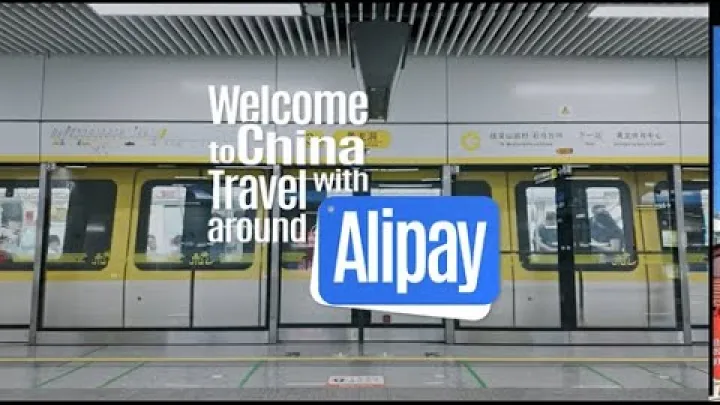
Metro fares, operating hours, passes, discounts, and payment methods can change. Qingdao Tong, QR ticketing, and other transit options may be convenient, but foreign visitors may not have identical access to every feature. Before relying on a pass, confirm current fares, operating hours, and payment rules through current Qingdao transit information. For a normal day, set a local transport allowance and add more when your base requires multiple transfers.
Taxi Costs and When to Use Them
A taxi calculator can provide an indicative reference for Qingdao rides, but it is not an official tariff. The Taxi Calculator estimate should be treated as a starting point because the final meter amount may change with distance, waiting time, traffic, tolls, pickup conditions, and the exact transfer.
Use buses or the metro as the default for routine daytime travel. A taxi is easier to justify for a late return, heavy luggage, a poor public-transport connection, or a group sharing the fare. A simple decision rule is to compare the value of time saved with the fare: one shared ride may be efficient, while using taxis for every attraction can move a budget day into the mid-range tier.
Access Costs to Qingdao from Other Destinations
Flights, high-speed rail, conventional rail, coaches, and other long-distance options should be added separately to the Qingdao daily budget. Origin, booking date, season, ticket class, and flexibility often create larger price differences than several days of metro or bus travel. Arrival and departure transfers also deserve their own line, including travel to or from an airport or Qingdao Railway Station.
Use a planning worksheet with separate fields for outbound travel, return travel, station or airport transfers, baggage and seat charges, and city spending. Flight-and-hotel package listings can illustrate how bundled pricing works, but a package total is not a standalone Qingdao transport fare. Check the selected ticket or fare before booking, especially when an apparently low price has restrictions or excludes important additions.
Attraction and Activity Costs in Qingdao
Qingdao is well suited to a mixed activity plan. Open-air coastal and historic areas can keep admission spending low, while Laoshan, aquariums, museums, and guided experiences can create a larger one-day charge.
Free and Low-Cost Coastal and Historic Sights
Badaguan Scenic Resort, Zhan Bridge, beaches, seafront promenades, parks, and neighborhood walks are useful anchors for a low-cost itinerary. May Fourth Square can also fit a free coastal sightseeing day. Open areas may not have a general admission fee, but a facility, special exhibition, internal transport service, or optional activity may still charge separately.
Organize free sights by area so you reduce both admission costs and unnecessary transport. A central coastal day can combine walking and open-air views with one selected paid venue. This balances a free day against a museum, aquarium, or mountain visit without assuming that every part of a landmark complex has the same access conditions.
Laoshan Scenic Area: Entry, Buses, and Cable Cars
A Laoshan Scenic Area visit can be a moderate activity cost or one of the most expensive days in a Qingdao itinerary. The total depends on the selected route, season, entry ticket, internal sightseeing buses, cable cars, food, and transport between the city and the scenic area. Hiking-focused travelers may spend mainly on admission and required internal transport, while a cable-car visit adds another substantial line.
As a cautious planning example, cited ticket snapshots place route-related admission at approximately 120–150 yuan in some listings. Cable cars may add roughly 40–45 yuan for a one-way ride, so a round trip could add about 80–90 yuan before internal buses, food, and city-to-Laoshan transport. A two-day option may be available in some ticket structures, but do not assume that it suits your route or includes every service.
Separate the calculation into admission, internal sightseeing bus, cable car, food, and transport from your base. Hiking can reduce optional cable-car spending, while a multi-route visit can increase it. Check the current ticket listing for your selected Laoshan route and confirm whether sightseeing buses and cable cars are included; cable cars should never be assumed to be part of the entry ticket.
Paid Urban Attractions and Guided Tours
The Tsingtao Beer Museum and Qingdao Underwater World are useful contrasting examples for an activity budget. The Beer Museum can serve as a moderate urban paid stop, while Underwater World represents a larger ticket commitment in a day plan. Ticket prices and inclusions are date-sensitive, so use the current listing for each attraction rather than treating an old travel figure as a fixed local price.
A private tour is not comparable to admission alone. It may bundle transport, a guide, meals, cable cars, and several entrances, while a self-guided visit may include only the ticket and your local travel. Guided experiences can be reasonable when time is limited or language support is important, but they normally fit more comfortably in a mid-range or comfortable budget. Record the original listing currency and the date of any exchange-rate conversion.
Choosing a Qingdao Base for Your Budget
The right base depends on whether your trip is centered on the coast, the mountain area, or a lower room rate. Compare accommodation and daily mobility together rather than judging a neighborhood only by its nightly price.
Central Coastal Qingdao: Convenience Versus Price
Shinan and the central coastal area are convenient for landmarks such as Zhan Bridge, Badaguan, beaches, and major promenades. Walking access can reduce routine transport costs and make it easier to return to your room between activities. The trade-off is a higher room rate, especially for sea views, landmark proximity, weekends, and peak summer dates.
Choose a central base when the nightly premium is lower than your expected daily taxi and transit costs plus the value of saved time. It can be good value for a short sightseeing trip with many coastal activities. If you plan long days in Laoshan or another outer district, the central premium may be harder to justify.
Laoshan and Scenic Resort Stays
Laoshan District and nearby scenic accommodation suit travelers who prioritize mountain access, hiking, sea views, or a quieter resort-style stay. The room may offer a different experience from a central city hotel, but city sightseeing can become less efficient. Add transfers, possible taxi use, and the cost of changing accommodation if you split the trip between the mountain area and the coast.
Compare one scenic-stay scenario with a central-city stay plus a Laoshan day trip. A night near the scenic area may reduce the need for an early transfer or paid tour, but it can also create a separate journey when you return to central Qingdao. Use current listings for the exact dates rather than assuming a fixed price difference between districts.
Inland and Peripheral Bases
Less central areas may offer more affordable rooms, but the apparent saving can be reduced by longer journeys, extra transfers, taxi use, and lost sightseeing time. Prioritize a property near a reliable metro or bus connection instead of choosing solely by the lowest nightly listing.
Use this comparison template: central room cost plus daily transport; Laoshan room cost plus city transfers and mountain activities; inland room cost plus the expected number of return trips and late-night transport. Also check the neighborhood, last-return transport, breakfast, room taxes, deposit, and cancellation terms. A lower room rate is useful only when the total cost and travel time still fit your plans.
Payment, Currency, and Budget Control in Qingdao
Payment preparation affects convenience and sometimes the final cost. Plan in yuan, keep more than one payment method, and record small purchases that are easy to overlook.
Use Yuan as the Main Planning Currency
RMB and yuan are the practical planning units for daily Qingdao spending. Record hotel totals, meals, local transport, tickets, and deposits in yuan before converting them to your home currency. This keeps comparisons consistent and prevents a changing exchange rate from making one category appear cheaper than another.
Use a live or clearly dated exchange rate for personal examples, and allow for foreign transaction fees and exchange-rate movement. A conversion is only a way to express a local price; it is not a replacement for the yuan amount. Set the daily limit in yuan and review your actual spending in the same currency.
Alipay, WeChat Pay, Cards, and Cash
Alipay and WeChat Pay are important parts of everyday payment planning in China, but foreign-card linking, identity verification, mobile connectivity, and merchant acceptance can vary. Prepare at least one mobile payment option before arrival if possible, but do not assume that every feature or merchant will work in the same way for every visitor.
Carry a modest yuan cash reserve, keep a backup payment card, and know how to contact your card provider if a payment is declined. Separate payment convenience from payment cost by allowing for ATM charges, foreign transaction fees, hotel deposits, and temporary card authorizations. A pre-arrival checklist should include wallet setup, identity or card verification, backup funds, and access to a working phone connection.
Add a Contingency for Variable Prices and Small Expenses
Create separate budget lines for deposits, laundry, snacks, bottled drinks, payment fees, luggage storage, unexpected taxis, and optional activities. These small items are easier to control when they are visible rather than hidden inside the food or transport allowance.
A daily spending log in a wallet history, spreadsheet, or notes app can show overspending early. After an expensive seafood meal or paid tour, lower the next day’s discretionary spending by choosing free coastal sights and public transport. Keep emergency funds separate from the planned daily allowance, and use a flexible contingency line rather than applying an unsupported universal percentage to every trip.
How to Keep Your Qingdao Budget Under Control
The most effective savings come from combining several moderate choices. You do not need to remove every paid experience if you control the room location, meal pattern, and number of taxi-heavy days.
A Low-Cost Qingdao Day Plan
A realistic low-cost day can use public transport, open-air sightseeing, inexpensive local meals, and no more than one selected paid attraction. The following allocation is close to the budget scenario and assumes that the paid-activity line is averaged across the trip.
| Category | Planning amount | How to use it |
|---|---|---|
| Accommodation | 60–120 yuan | Dorm bed or basic room |
| Food and drinks | 80–120 yuan | Simple local meals and limited snacks |
| Local transport | 15–35 yuan | Bus or metro for routine sightseeing |
| One selected experience | 40–70 yuan average | One paid urban stop, or less on a free day |
| Miscellaneous | 30 yuan | Drinks, small purchases, or minor changes |
Keep the day geographically coherent by spending time around one coastal or historic area, such as Badaguan, Zhan Bridge, or the promenade near May Fourth Square, rather than crossing the city repeatedly. A Laoshan visit is better treated as a separate activity-heavy day because admission, internal transport, food, and optional cable cars can exceed the low-cost allocation.
What Raises a Qingdao Budget Fast
In most itineraries, the largest cost drivers are peak-season accommodation, public-holiday demand, Friday and Saturday room rates, waterfront or sea-view rooms, private guided tours, and repeated taxi use. Seafood and Western dining can then raise the food total, while cable cars, several paid attractions, and premium drinks add activity and discretionary costs.
The distinction between a one-time splurge and a repeated habit is important. One seafood dinner may be easy to absorb, while a premium restaurant every evening changes the daily tier. You can preserve the experience by keeping a convenient central base but choosing local meals, or by visiting one premium attraction instead of several. If room rates rise, consider moving dates before cutting the experiences that matter most.
Practical Ways to Save Without Missing Key Experiences
Before booking, use this checklist:
- Compare shoulder-season and weekday dates with Friday, Saturday, and holiday prices.
- Compare a central Shinan room with an inland property near dependable public transport, using lodging plus daily mobility as the total.
- Eat most meals at local venues, then reserve seafood, craft beer, or premium coffee as planned splurges.
- Use buses or Qingdao Metro for routine travel and reserve taxis for luggage, late returns, poor connections, or shared rides.
- Combine free coastal and historic sights with selected paid venues instead of paying admission at every stop.
- For Laoshan, compare a hiking-focused visit with cable-car and multi-route options, and check exactly what the ticket includes.
- Compare a self-guided attraction visit with a private tour by listing transport, guiding, meals, and entrance fees separately.
- Set up Alipay or WeChat Pay before arrival when suitable, carry yuan cash, keep a backup card, and track spending in yuan.
Qingdao is flexible for budget travelers who manage accommodation location, dining choices, local transport, and paid activities together. Start with the appropriate daily range, add access costs separately, and spend more deliberately on the experiences that are most important to you.
Select area
Create a post
Posting is free and no registration is required.