Qingdao Best Time to Visit: Weather by Season and Month

The best time to visit Qingdao depends on what you want to do. For most travelers, late spring and early to mid-autumn offer the best balance of comfortable weather, coastal walks, Qingdao Old Town, and Mount Laoshan outings. Summer is the strongest choice for swimming, beaches, and the city's festival atmosphere, while winter suits quieter cultural trips more than a typical beach holiday. This guide compares Qingdao's seasons and monthly feel, then explains how to use climate averages, crowd patterns, packing advice, and live forecasts when choosing your dates.
The Best Time to Visit Qingdao at a Glance
Qingdao is a year-round city, but the most comfortable travel window for a broad sightseeing itinerary is usually from mid-April to early June or from early September to late October. The right choice changes if your priority is warm seawater, hiking, cultural sightseeing, or lower prices.
Best Overall Periods for Most Travelers
For most visitors, choose late spring, roughly mid-April through early June, or early to mid-autumn, roughly early September through late October. These periods usually provide mild conditions for walking, a better balance between sunshine and rain than the wetter summer peak, and less intense humidity than July and August.
Late spring is especially useful for combining Qingdao Old Town, waterfront walks, parks, and Mount Laoshan. Early autumn keeps some summer energy and possible beach activity but often feels more comfortable for long days outside. October is excellent for general sightseeing outside the October 1–7 National Day holiday period, when popular places can become much busier.
These recommendations describe typical climate patterns, not a promise for every day. A normally favorable month can still bring fog, rain, strong wind, or an unusually cool or warm spell, so use the seasonal recommendation to choose a broad window rather than to predict one specific day.
Best Times by Travel Purpose
Use the comparison below to match the Qingdao travel season to your main activity.
| Purpose | Useful travel window | Main tradeoff |
|---|---|---|
| Beaches and swimming | Late June to early September | Warmest water and active beach season, but more humidity, rain, and demand |
| Hiking and outdoor sightseeing | April to May or September to October | Milder air for trails and walks, but fog, wind, or rain can still affect visibility |
| Culture and city exploration | Spring, post-holiday October, or selected winter days | Comfortable or quiet city visits, with cooler conditions outside late spring and autumn |
| Budget travel | Winter, March, or November weekdays | Potentially lower demand, but colder weather and fewer beach-oriented services |
Late August is often associated with the warmest typical sea conditions, making it attractive for visitors focused on swimming. However, beach services, access arrangements, sea notices, and event schedules can vary by year. Hotel prices also depend on the district, weekday or weekend dates, event demand, and booking lead time, so compare actual rates rather than assuming one season is always cheapest.
Periods to Avoid or Plan Around
July and August are not universal no-go months. They are often the best fit for warm-water swimming, full summer beach activity, and the Qingdao International Beer Festival atmosphere. The tradeoff is peak humidity, more frequent rain, stronger visitor demand, and a greater chance that outdoor plans will need adjustment.
October 1–7, the National Day Golden Week, is the clearest period to plan around if you prefer quieter attractions or easier accommodation. Qingdao Old Town, the Yellow Sea waterfront, and popular routes toward Mount Laoshan may feel much busier than they do later in October. Book earlier if you must travel during this week, and allow extra time for popular stops.
Spring Festival follows the lunar calendar, so its dates change each year. The holiday can bring festive activity and domestic travel, but some businesses, services, and attraction schedules may operate differently. Winter is a poor fit for a classic swimming vacation, but it is not unsuitable for every traveler: cold-weather visitors may enjoy quieter streets, indoor cultural attractions, photography, and local holiday traditions.
How Qingdao's Coastal Climate Shapes a Trip
Qingdao's position beside the Yellow Sea affects temperature, wind, visibility, and the way a day outdoors feels. The coast can make conditions more moderate than in inland parts of North China, but it does not remove the difference between winter, spring, summer, and autumn.
Qingdao's Maritime Setting and Seasonal Pattern
Qingdao lies on the Shandong Peninsula beside the Yellow Sea. For broad geographic and regional context, Britannica describes the city's setting and climate background. In practical travel terms, the maritime location can soften temperature changes compared with inland areas, while exposed waterfront locations remain sensitive to wind and sea conditions.
The city has four distinct seasons. Winter is generally cold and dry, with wind making outdoor conditions feel sharper. Summer is warm, humid, and wetter, especially during the main rainy period. Spring and autumn are transition seasons: they can provide excellent walking weather, but conditions may shift between cool, mild, windy, foggy, or wet days.
This seasonal pattern affects simple travel decisions. A coastal walk that is comfortable in May or October may require sun protection and rain planning in summer, or a wind-resistant outer layer in winter. Mount Laoshan can be pleasant in mild weather but more demanding when trails are wet, visibility is poor, or wind is strong.
Rain, Humidity, Fog, Wind, and Storm Exposure
Rainfall and humidity are normally highest during the warm part of the year, while winter is much drier. Spring and autumn should not be treated as uniformly dry seasons; drizzle, rain, and coastal fog can still occur. Summer rain may arrive as a brief shower, but heavier rain can also disrupt a full day of outdoor plans.
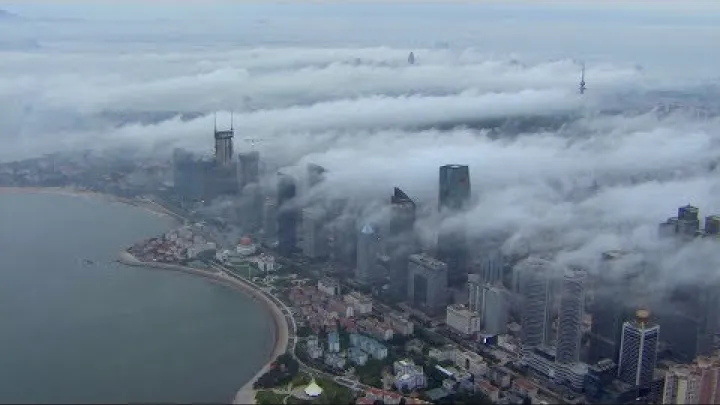
Fog and low cloud matter because they reduce visibility along the Yellow Sea coast and can change the experience of photographing the skyline, walking exposed promenades, or viewing distant scenery from Mount Laoshan. Wind has a similar effect. A warm day can feel cooler on an open waterfront, and strong wind can make a beach visit unpleasant even when the air temperature looks suitable.
Sea conditions are a separate consideration from air temperature. Rough water, strong wind, heavy rain, or reduced visibility can affect swimming and beach use. Mountain routes may also be affected by wet surfaces, limited visibility, or local access restrictions. A tropical system or its remnants can occasionally influence the Shandong and Yellow Sea coast, but visitors should not apply a fixed southern-China typhoon timetable to every Qingdao summer. Treat a specific warning as an exceptional hazard, not as the normal description of the season.
For current rain, wind, and disaster-warning information, use the national and local services provided by Weather China. A live warning is more useful for deciding whether to visit the beach or Mount Laoshan on a particular day than a general statement that a month is usually favorable.
Climate Averages Versus Live Forecasts
Climate normals are standardized multi-year averages used to compare months and seasons. They help answer questions such as whether July is usually wetter than May or whether December is normally colder than October. The NCEI explains that official normals are calculated over a uniform 30-year period and can include monthly, seasonal, daily, and hourly averages.
The NCEI methodology page is useful for understanding what a normal means; it is not Qingdao-specific monthly data. Different datasets may also use different stations, time periods, or measurement methods. For that reason, practical labels such as mild, humid, rainy, windy, or cold are often more useful than false precision when planning a trip far in advance.
A favorable climate month does not replace a live forecast. Use averages to select your travel window, then use current information for the actual temperature, rain probability, wind, visibility, storm warnings, and sea conditions close to departure and before outdoor activities.
Qingdao by Season
Each season supports a different style of Qingdao trip. The most important distinction is not simply warm versus cold, but whether your itinerary depends on swimming, long outdoor walks, mountain trails, or quieter city exploration.
Winter: December to February
Winter is cold, dry, and often windy. The coast can look crisp and clear, but First Bathing Beach and other waterfront areas are better for a short scenic stop than for swimming or relaxed beach time. Long outdoor periods may feel uncomfortable without protection from wind.
This season can suit visitors interested in Qingdao Old Town, indoor cultural attractions, photography, restaurants, or a quieter city atmosphere. Spring Festival may add temporary festive activity, but the lunar-calendar timing and holiday operating patterns change each year.
Pack insulated layers, a wind-resistant outer layer, warm footwear, and accessories that protect your hands and head. Plan shorter waterfront visits and allow more time for indoor activities rather than building every day around outdoor sightseeing.
Spring: March to May
Spring changes considerably from month to month. March can still feel chilly, especially beside the water and on Mount Laoshan routes. April is milder and increasingly suitable for walking, while May is warmer and often one of the best shoulder-season choices for combining city sightseeing with outdoor activity.
Rain, fog, and drizzle are possible, but spring is generally more comfortable for walking and hiking than the humid peak of summer. Qingdao Old Town, coastal paths, parks, and Mount Laoshan all become useful choices when air conditions are mild and visibility is good.
The sea remains cool for most casual swimmers through much of spring, even when the air feels pleasant. Use layers in March and April, then shift toward lighter clothing in May while keeping a light jacket and compact rain protection available.
Summer: June to August
June is a transition into summer. Days become warmer, beach activity increases, and humidity and rain begin to matter more. July and August are typically warm, humid, and rainy, with the strongest demand for beaches, seaside businesses, and summer travel.
Summer is the best fit for travelers who want swimming, sunbathing, and a lively coastal atmosphere. It is also the season most associated with the Qingdao International Beer Festival, although current dates, venues, and arrangements should be checked for the year of travel.
The same conditions that support beach activity can make sightseeing tiring. Humidity, sudden showers, heavy rain, strong wind, and rough seas can change the value of a waterfront or mountain outing. Schedule demanding outdoor activities around the clearest suitable periods of the day and keep indoor city activities available.
Autumn: September to November
Early September can remain warm enough for beach use and, depending on the day, swimming. As September progresses, the air often becomes more comfortable for general sightseeing. October is usually mild and well suited to walking, while November is cooler and begins to feel closer to winter.
Early September through late October is one of the strongest all-round windows for Qingdao. It combines active outdoor possibilities with less peak-summer humidity. The exception is October 1–7, when National Day travel can create substantial crowd pressure. The period after the holiday is often more attractive for a calmer itinerary.
Use light layers in September and October, adding a warmer outer layer for evenings and exposed coastal areas. By November, bring more insulation and treat swimming as a lower priority than urban and cultural travel.
Qingdao Month-by-Month Travel Calendar
The calendar below gives a simple monthly feel without pretending that every year follows the same pattern. Use it to narrow your dates, then make daily decisions from the live forecast and local conditions.
January to March: Winter and Early Spring
January — coldest and driest-feeling: Expect cold, wind-sensitive conditions and limited appeal for swimming. Choose indoor attractions, Old Town architecture, food, and short coastal photography stops. Wear insulated, wind-protective clothing and plan warm indoor breaks.
February — holiday-sensitive winter: The weather remains cold, but Spring Festival can change the city's rhythm. Festive activity may increase in some areas, while closures, altered hours, domestic travel, or accommodation demand may also affect plans. Keep dates and operating arrangements flexible, and continue to pack for wind and cold.
March — transitional: Brighter or milder days become more possible, but coastal walks and mountain routes can still feel chilly. March works for visitors who value quieter cultural travel and can accept changing conditions. Use layers, comfortable shoes, and a light outer layer for the coast.
This three-month period is best for travelers who prioritize atmosphere, culture, and lower seasonal demand over warm outdoor recreation. It is not the natural choice for a beach-centered itinerary.
April to June: Comfortable Spring to Early Summer
April — mild for walking: April is a useful month for Qingdao Old Town, coastal walks, parks, and Mount Laoshan. Fog, drizzle, or cool evenings can still occur, so bring layers and rain protection. The sea is generally too cool for most casual swimmers, even when the afternoon feels comfortable.
May — warm shoulder season: May offers increasingly pleasant beach walks and good potential for hiking and city sightseeing before peak summer humidity. Green scenery and longer comfortable outdoor periods make it a strong compromise for an itinerary that combines the coast, Old Town, and Mount Laoshan. Wear light layers, with a jacket for evenings.
June — early summer: June brings warmer days and more seasonal beach activity, but humidity and rain become more noticeable. It can suit travelers who want an early summer atmosphere without choosing the full July and August peak. Pack light clothing, sun protection, comfortable walking shoes, and compact rain protection.
April through June is one of the most useful sequences for combining city sightseeing, the Yellow Sea coast, and Mount Laoshan. April favors mild walks, May balances warmth and comfort, and June begins to offer more beach possibilities.
July to September: Peak Beach Season and Early Autumn
| Month | Weather feel | Activities and tradeoffs |
|---|---|---|
| July | Warm, humid, rainy, and busy | Strong for swimming and beach activity; showers, crowds, and rough seas can interrupt plans |
| August | Core summer conditions | Often the warmest typical water period toward late month and a major festival period; highest need to manage humidity, rain, and demand |
| September | Warm early, more comfortable later | Early month may retain beach appeal; later month is better for balanced sightseeing and hiking |
July is the clearest choice for a full summer beach trip if you accept wet and humid conditions. August can offer the strongest combination of warm water and festival atmosphere, but event dates and sea conditions are not guaranteed. September is the transition month: early dates may support swimming, while later dates increasingly favor Old Town, coastal walks, and Mount Laoshan.
October to December: Autumn Cooling into Winter
October — mild sightseeing: Outside October 1–7, this is one of the most comfortable months for general sightseeing, walking, and photography. Light layers are useful, with a warmer outer layer for evenings. Coastal weather can still change, but the month is usually a better all-round choice than the summer peak.
November — cooler and quieter: November suits visitors who prefer urban, cultural, and food-focused travel with fewer beach priorities. Outdoor walks remain possible on suitable days, but the sea is no longer a casual swimming focus. Bring layers and a warmer jacket, especially for the waterfront.
December — winter return: Cold, dry, and windy conditions become more prominent. The same coastal landmarks can still support photography and short walks, but insulated clothing and indoor alternatives become more important. Choose December for a winter-oriented city visit rather than a relaxed beach holiday.
Use October for mild sightseeing, November for quieter cooler travel, and December for winter scenery, indoor attractions, and seasonal city experiences.
Practical Planning for Qingdao Weather
Weather planning in Qingdao is mainly about matching clothing and daily activities to the coast. A short, adaptable packing list and a flexible order for outdoor activities can make a larger difference than choosing between two neighboring months.
What to Pack for Qingdao by Season
- Summer: Bring breathable clothing, sun protection, comfortable walking shoes, and compact rain protection. Humidity and sudden showers make a light, quick-drying layer useful.
- Spring and autumn: Pack adaptable layers and a wind-resistant outer layer. This is especially important for evenings, exposed promenades, and Mount Laoshan.
- Winter: Use insulated, wind-protective clothing, warm footwear, and accessories for cold coastal air. The level of insulation should reflect your exact dates and tolerance for cold.
- Every season: Choose shoes suitable for long walks and uneven surfaces, particularly if your itinerary includes Old Town streets, waterfront routes, and mountain trails.
Think of these as seasonal baselines rather than fixed packing rules. A mild October trip and a windy October trip may require different outer layers, just as a dry June day and a rainy June day may need different footwear and rain protection.
Planning the Coast, Beaches, and Mount Laoshan
Qingdao's local attractions respond differently to the same weather. The Yellow Sea coast and First Bathing Beach depend on wind, rain, visibility, and sea conditions as well as air temperature. A warm but windy day may be good for a brief promenade walk but poor for swimming. Fog can reduce views and change the value of a photography stop.

Mount Laoshan adds trail and park considerations. Rain can make routes less comfortable, while strong wind or poor visibility can affect exposed areas. Put flexible outdoor activities on the clearest suitable day when possible, and use Qingdao Old Town, museums, food, or other indoor city plans when the waterfront or mountain conditions are unfavorable.
Follow lifeguard, beach, trail, park, and local access notices. Do not swim where services or authorities restrict access, and do not continue a mountain outing when trail or park notices indicate that conditions are unsafe. A rainy beach day may still allow a rewarding Old Town visit, but a strong storm can affect both the waterfront and Mount Laoshan, so access instructions take priority over a planned itinerary.
Crowds, Holidays, Events, and Prices
Weather quality and operating pressure are separate decisions. Summer may offer the best beach conditions but also brings high demand for coastal accommodation and visitor services. The Qingdao International Beer Festival can add to the city's event atmosphere and affect demand, while October 1–7 National Day Golden Week is a major crowd consideration. Spring Festival can also change travel patterns because its dates follow the lunar calendar.
Do not treat price changes as guaranteed citywide rules. Hotel rates and availability depend on the travel district, exact dates, weekday or weekend timing, event schedules, and how early you book. Compare several date combinations instead of assuming that winter is always inexpensive or that summer is always unaffordable.
If quiet Old Town walks, a less pressured coast, or easier access to Mount Laoshan matters most, compare weekdays with weekends and shoulder-season dates. Book earlier when traveling around major holidays or events, and avoid October 1–7 if crowding and higher accommodation demand are serious concerns.
A Final Weather-Check and Booking Workflow
Use this short process after choosing a possible Qingdao travel window:
- Choose the purpose first. Decide whether swimming, hiking, culture, or budget is the main reason for the trip.
- Select a broad season. Compare late spring, summer, early autumn, late autumn, and winter according to the activities you can realistically enjoy.
- Compare exact dates. Look at weekdays, weekends, holiday periods, event timing, accommodation rates, and cancellation conditions before making nonrefundable arrangements.
- Check current conditions close to departure. Review temperature, rain, wind, visibility, warnings, and any relevant sea or access information. The Met Office Qingdao forecast can provide an independent forecast cross-check.
- Decide each outdoor day at the right time. Recheck conditions before visiting the Yellow Sea coast, swimming, or going to Mount Laoshan, and keep an indoor or flexible alternative available during the wetter summer period.
Climate averages are useful for choosing the month, but the live forecast should decide the final daily plan. Changeable coastal weather is easier to manage when you avoid placing every important activity on one fixed day and use refundable or changeable arrangements where practical.
Conclusion: Choose the Qingdao Window That Matches Your Trip
For most travelers, the best time to visit Qingdao is mid-April to early June or early September to late October, with post-holiday October especially attractive for comfortable sightseeing. Choose late June through early September if warm beaches and swimming are the priority, and consider winter, March, or November weekdays for quieter cultural travel and date comparisons that may suit a smaller budget.
Whatever month you choose, Qingdao rewards an itinerary that respects its coastal conditions. Use seasonal patterns to select your dates, pack for wind and rain as well as temperature, and let current forecasts, warnings, sea conditions, and local access notices guide your final plans.
Select area
Create a post
Posting is free and no registration is required.