Tay Ninh Travel Guide: Plan a First-Time Trip

This Tay Ninh travel guide is for first-time visitors who want to understand how the province fits into a southern Vietnam itinerary. Tay Ninh is often visited from Ho Chi Minh City, but it is more than a quick temple stop: it combines Cao Dai spiritual heritage, Ba Den Mountain, local food traditions, and a borderland setting near Cambodia. This guide explains when to go, how to get there, where to stay, what to do, and what to check before visiting religious sites, mountain attractions, or Moc Bai International Border Gate.
Why Visit Tay Ninh
Tay Ninh is a practical and distinctive side trip from Ho Chi Minh City. It works well for travelers who want to see a different part of southeastern Vietnam without flying or committing to a long domestic journey.
What Makes Tay Ninh Different in Southern Vietnam
Tay Ninh is a border province in Vietnam’s southeastern region, and that location shapes its travel identity. It sits within reach of Ho Chi Minh City, but the pace, landscape, and cultural focus feel different from the country’s largest southern metropolis. The province is strongly associated with the Cao Dai Holy See, Ba Den Mountain, Trang Bang food traditions, and the route toward Cambodia through Moc Bai International Border Gate.
The local government describes Tay Ninh as a southeastern border province developing its tourism around local cultural and natural assets, and that is a useful way to understand the destination. It is not trying to replace Hanoi, Hoi An, Hue, Ho Chi Minh City, or the Mekong Delta on a first Vietnam trip. Instead, it adds a focused cultural and landscape experience for travelers who already plan to spend time in southern Vietnam. For current local tourism context, see the Tay Ninh Government.
The province’s most important visitor anchors are stable and easy to understand: the Cao Dai Holy See in the Hoa Thanh area, Ba Den Mountain and Sun World Ba Den Mountain, Trang Bang, Go Dau, and Moc Bai in Ben Cau district. A good trip does not need to include every place. Most first-time visitors should build the plan around one or two main interests, then leave space for food, rest, and local transport.
How Long to Stay and Who It Suits
Tay Ninh can work as a long day trip, an overnight stop, or a slower two-to-three-day stay. A day trip from Ho Chi Minh City suits travelers with limited time who mainly want to visit the Cao Dai Holy See and, if the schedule allows, Ba Den Mountain. This is the simplest option if you do not want to change hotels.
An overnight stay is better for travelers who want more control over timing. It allows an early start for Ba Den Mountain, a quieter visit around the Cao Dai Holy See, and time for dinner or local food in Tay Ninh city center. Two or three days suit culture-focused travelers, food travelers, photographers, or anyone using Tay Ninh as part of a southern Vietnam and Cambodia route.
Independent travelers usually get more flexibility than fixed group tours. This matters because temple visits require respectful timing, mountain views can be affected by cloud or rain, and local meals are often more enjoyable when not rushed. A tour can still be a good choice if you want transport arranged for you and are comfortable following a set route.
Best Time to Visit Tay Ninh
Tay Ninh has a warm southern Vietnam climate. For travel planning, think less about perfect weather and more about managing heat, rain, visibility, and festival crowds.
Seasonal Weather and Comfort
Tay Ninh is generally warm or hot, with wetter and drier periods typical of southern Vietnam. Cooler and drier months are usually more comfortable for walking around the Cao Dai Holy See, spending time at viewpoints, taking photos, and planning a mountain visit. Even in more comfortable months, midday heat can be strong.
Rain and cloud can change the experience at Ba Den Mountain. A day that is fine in Tay Ninh city center may still have cloud at higher elevations, and a short storm can slow road travel. If Ba Den Mountain is a main reason for your trip, avoid planning the schedule too tightly. Start early, carry water, use sun protection, and bring light rain protection during wetter periods.
Because weather conditions vary by day, avoid relying only on seasonal averages. Check a current forecast before traveling, especially if you plan to hike, ride a motorbike, or cross the province by road. If the forecast is poor, you can still focus on the Cao Dai Holy See, local food, cafes, and indoor rest time.
Festival Timing and Crowds
Religious events and mountain festivals can make Tay Ninh more memorable, but they can also bring heavier crowds, higher transport demand, and tighter accommodation availability. If your main goal is to experience a spiritual event, check current local announcements and accommodation availability before building your itinerary around specific dates.
During major Vietnamese holidays and local festival periods, book transport earlier and keep the schedule simple. A crowded day can still be rewarding if you allow extra time, avoid unnecessary transfers, and accept that photography, parking, and entry procedures may take longer.
Respectful behavior is important whether or not a festival is taking place. The Cao Dai Holy See and mountain temples are active religious spaces, not only sightseeing stops. Dress modestly, move quietly, and follow local instructions.
How to Get to Tay Ninh
Most international travelers reach Tay Ninh from Ho Chi Minh City. Tan Son Nhat International Airport is the main air gateway for the region, but it is not a direct Tay Ninh transport hub; you normally connect through Ho Chi Minh City first.
From Ho Chi Minh City by Bus, Tour, or Private Car
The common travel choices from Ho Chi Minh City are bus or minivan, organized day tour, private car, or self-drive motorbike. Budget travelers usually compare bus and minivan options. Travelers who want a simple first visit often book a tour that combines the Cao Dai Holy See with Ba Den Mountain or another nearby stop. A private car is the most flexible option for families, small groups, photographers, or visitors with limited time.

Road travel time depends on traffic, pickup point, operator, and final destination in Tay Ninh. A journey to Tay Ninh city center, Long Hoa ward, the Hoa Thanh area, Ba Den Mountain, Trang Bang, Go Dau, or Moc Bai will not feel identical. Before booking, confirm the exact pickup location, drop-off point, luggage policy, and return time. Route platforms such as Bookaway can help you compare Ho Chi Minh City to Tay Ninh transport options, but schedules and fares should be checked close to travel.
QL22 is a key road corridor for travel between Ho Chi Minh City, Tay Ninh, and the border area. Traffic can be slow at busy times, especially around urban exits and holiday periods. If you are planning a same-day return to Ho Chi Minh City, avoid adding too many stops. A realistic day is more enjoyable than a checklist that leaves no time for meals, delays, or heat breaks.
Using Tay Ninh as a Vietnam to Cambodia Stop
Moc Bai International Border Gate is the main Tay Ninh anchor for overland travel toward Cambodia. It can make Tay Ninh useful for travelers combining southern Vietnam with Phnom Penh or other Cambodian destinations. The border is in Ben Cau district, so it is a different travel decision from visiting Tay Ninh city center or Ba Den Mountain.

Travelers should treat border planning as an administrative task, not a casual sightseeing add-on. Passport validity, visa eligibility, entry rules, health requirements, insurance expectations, transport connections, and opening procedures can change. Before crossing, check official Vietnamese and Cambodian sources and confirm details with your transport provider.
Travel guides such as Origin Vietnam provide background on Moc Bai International Border Gate, but official immigration guidance should be your final reference for entry requirements. If you do not plan to cross into Cambodia, Moc Bai is usually not essential for a first Tay Ninh itinerary.
Where to Stay in Tay Ninh
Where you stay depends on whether you want convenience, proximity to the Cao Dai Holy See, or the simplicity of returning to Ho Chi Minh City. For most first-time visitors staying one or two nights, Tay Ninh city center is the easiest default base.
Tay Ninh City Center
Tay Ninh city center is the most practical base for general services. It gives you easier access to restaurants, markets, taxis, local transport help, and accommodation staff who can assist with onward plans. It is a sensible choice if you are arriving by bus, leaving early, or planning to combine several parts of the province.
![Preview image for the video "[MYO] Tay Ninh at night - Tây Ninh về đêm".](/sites/default/files/styles/media_720x405/public/oembed_thumbnails/2026-07/o7MEBrzVrqvM9diXR1aljpMZ8TA_cwMv16elVBjj1Ow.jpg.webp?itok=0SQ0xwU_ "Preview image for the video \"[MYO] Tay Ninh at night - Tây Ninh về đêm\".")
Choose accommodation that confirms transport support before you arrive, especially if you need an early trip to Ba Den Mountain, a late return from dinner, or a transfer toward Moc Bai. Do not assume that ride-hailing or taxis will be as easy at all hours as they are in central Ho Chi Minh City.
The city center also gives you more flexibility if the weather changes. If mountain visibility is poor, you can shift to food, cafes, markets, or the Cao Dai Holy See without feeling isolated.
Around the Cao Dai Holy See
Staying around the Cao Dai Holy See, Long Hoa ward, or the wider Hoa Thanh area can be rewarding for travelers focused on religion, architecture, photography, and slow observation. Being nearby may help you visit at quieter times and avoid rushing a sacred site between road transfers.
The benefit is atmosphere and proximity. The trade-off is that dining, evening activity, and transport choices may be more limited than in Tay Ninh city center. This base is best for travelers who know why they want to be close to the Holy See and who are comfortable arranging transport in advance.
Before visiting, confirm current visitor access, ceremony times, and photography guidance locally. Treat the Holy See as an active religious center first and a visitor attraction second.
When to Base in Ho Chi Minh City Instead
Staying in Ho Chi Minh City and visiting Tay Ninh as a day trip is the easiest choice for travelers with limited time, early flights, or a strong preference for a wider hotel selection. It avoids changing accommodation and works well if Tay Ninh is one focused excursion within a larger southern Vietnam trip.
The downside is the long travel day. You may leave early, spend several hours on the road, manage heat during sightseeing, and return after dark depending on the schedule. If you choose this option, confirm the pickup point, return location, meal arrangements, and what happens if traffic delays the group.
Use Ho Chi Minh City as your base if convenience matters most. Stay in Tay Ninh if you want more local time, a less rushed Ba Den Mountain visit, or a deeper look at the province beyond one tour route.
Top Things to Do in Tay Ninh
Tay Ninh’s main attractions are easy to identify, but the best trip comes from pacing them well. The province is not just a list of sights; it is a mix of spiritual spaces, mountain landscapes, food stops, and everyday provincial life.
Visit the Cao Dai Holy See Respectfully
The Cao Dai Holy See is the major cultural and spiritual landmark of Tay Ninh. For many travelers, it is the main reason to visit the province. The site is known for its architecture, symbolism, colors, and connection to Cao Dai practice.
First-time visitors should focus on respectful observation. Move quietly, avoid interrupting worshippers, and follow signs or instructions from local staff. Wear modest clothing that covers shoulders and knees, and remove shoes where required. Ask before photographing people, especially worshippers or religious leaders.
Avoid reducing Cao Dai beliefs to a simple comparison with other religions. It is better to describe what you observe carefully and allow the site to speak for itself. If you want to attend a prayer ceremony, confirm the current schedule before visiting, as visitor routes and permitted areas may change.
Explore Ba Den Mountain
Ba Den Mountain is a major mountain, pilgrimage, and viewpoint attraction near Tay Ninh. Many visitors combine it with the Cao Dai Holy See, but the mountain can easily take more time than expected if you include temple visits, cable car journeys, viewpoints, meals, and photography.
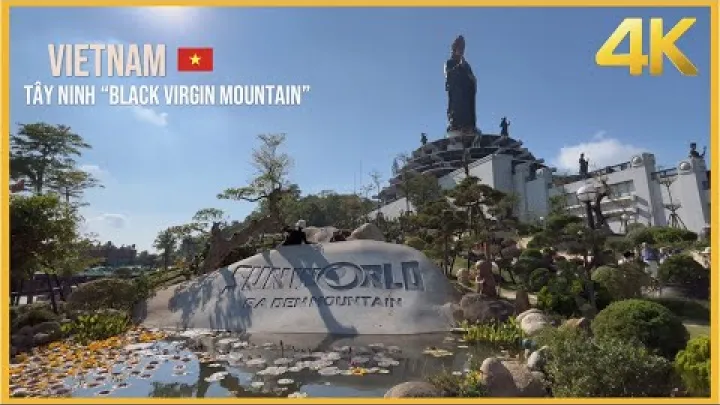
Sun World Ba Den Mountain operates developed visitor facilities, including cable car access, but routes, operating hours, ticket categories, and closures should be checked directly with the operator before you go. If you plan to hike, be realistic about heat, humidity, fitness, trail conditions, and daylight. Do not rely on old hiking reports as your only planning source.
Cloud can affect summit views, and rain can change the comfort of the visit. Start early if Ba Den Mountain is a priority. If visibility is poor, focus on the temples, gardens, and the experience of the mountain itself rather than expecting a guaranteed panorama.
Try Trang Bang Rice Paper and Local Food
Trang Bang is one of Tay Ninh’s most important food anchors. International visitors often associate the area with rice paper and fresh, simple meals that fit naturally into a road journey between Ho Chi Minh City and Tay Ninh. Food is one of the easiest ways to make a Tay Ninh trip feel more local and less like a quick sightseeing transfer.
Look for meals built around rice paper, herbs, vegetables, boiled or grilled meats, and dipping sauces. For international travelers, the experience is usually approachable: you wrap ingredients, dip, and eat by hand or with chopsticks depending on the dish and setting. Staff can often demonstrate if you are unsure.
If you visit food-producing areas or village-style stops, be respectful. Ask before photographing people, avoid blocking work areas, and buy locally when appropriate. Do not enter production spaces unless you are clearly invited or part of an arranged visit.
See Local Markets and Everyday City Life
If you stay overnight, leave time for ordinary Tay Ninh life. Markets, street food, cafes, small shops, and evening walks can be a slower complement to the major sights. This is especially useful after a hot day at Ba Den Mountain or a structured tour.
Check market locations and opening times locally rather than assuming every market is active at night or easy to reach. Carry small cash, keep valuables secure, and arrange transport back to your accommodation if you will return after dark.
Do not expect Tay Ninh to have the same late-night rhythm as Ho Chi Minh City. Its appeal is quieter and more local. A simple dinner, a drink, and an early night before the next day can be the right pace.
Getting Around and Planning Your Days
Good logistics matter in Tay Ninh because the main points of interest are spread out. A smooth itinerary usually depends on arranging transport before you need it.
Local Transport Options and Verification
Local movement may involve taxis, hotel-arranged cars, motorbike rental, local buses, tours, or attraction shuttles, depending on availability and your exact base. Ride-hailing may be less predictable than in Ho Chi Minh City, so do not build a tight schedule around instant app availability unless your accommodation confirms it works well in that area.
Arrange transport in advance for early morning, late evening, Ba Den Mountain, and border-related travel. If you rent a motorbike, consider whether you are comfortable with Vietnamese traffic, local road conditions, heat, rain, and parking. Wear a helmet and avoid riding if you are tired, inexperienced, or uncertain about insurance coverage.
For private cars or taxis, confirm whether the price is one-way, return, waiting time included, or based on distance. Clear communication before departure prevents confusion later, especially when traveling to dispersed places such as Ba Den Mountain, Trang Bang, Go Dau, or Moc Bai.
One-Day, Two-Day, and Three-Day Itinerary Ideas
The best Tay Ninh itinerary depends on your pace. A long day trip from Ho Chi Minh City should focus on the Cao Dai Holy See and one additional priority, usually Ba Den Mountain or a Trang Bang food stop. Avoid trying to add Moc Bai unless it is part of an actual border crossing plan.
An overnight trip gives a better balance. You can arrive from Ho Chi Minh City, visit the Cao Dai Holy See, eat locally, sleep in Tay Ninh city center or near Hoa Thanh, then start early for Ba Den Mountain the next day. This is the most comfortable option for many first-time visitors.
A slower three-day route can include Trang Bang food, the Cao Dai Holy See, Ba Den Mountain, local markets, and optional border logistics if you are continuing to Cambodia. Build in alternatives for rain or heat, such as cafes, indoor rest, or shifting Ba Den Mountain to the clearer part of the day.
| Trip length | Best for | Suggested focus |
|---|---|---|
| One long day | Travelers based in Ho Chi Minh City | Cao Dai Holy See plus Ba Den Mountain or Trang Bang food |
| Two days | First-time visitors who want better pacing | Holy See, city center, local food, early Ba Den Mountain |
| Three days | Culture, food, and overland travelers | Slower temple time, markets, Trang Bang, optional Moc Bai logistics |
Costs, Safety, and Practical Tips
Tay Ninh is often planned as a good-value provincial destination, but exact costs depend on season, booking channel, comfort level, transport style, and how many paid attractions or tours you include. Plan by category rather than relying on a single daily budget copied from another traveler.
Typical Budget Categories
Your main cost categories are accommodation, meals, transport from Ho Chi Minh City, local transport, tours, and attraction fees. A budget traveler may spend mainly on bus transport, simple meals, and a modest room. A mid-range traveler may prefer a private transfer, a better hotel, and more flexible meal stops. A tour-based traveler pays more upfront but reduces planning time.
Do not assume all prices are fixed year-round. Hotel rates can change during holidays and festival periods. Attraction fees, cable car tickets, and tour prices should be checked close to travel. If you compare prices in Vietnamese dong and US dollars, use a current exchange rate rather than an old conversion.
| Travel style | Main costs | Planning tip |
|---|---|---|
| Budget | Bus, simple food, basic accommodation | Confirm drop-off points and local transport |
| Mid-range | Hotel, private or taxi transfers, flexible meals | Book transport for early starts |
| Tour-based | Package transport, guide, set itinerary | Check what is included and excluded |
Health, Road Safety, and Border Checks
Tay Ninh is not usually treated as a difficult destination for visitors, but normal Vietnam precautions still matter. Heat and humidity can affect energy quickly, so carry water, use sun protection, and plan rest breaks. During rainy periods, roads may be slower and outdoor plans may need adjustment.
Road safety is one of the most important practical issues. Use reputable transport, wear a helmet if riding a motorbike, and avoid riding at night if you are not confident. Keep valuables secure in markets, buses, and crowded religious or festival settings.
If your route includes Moc Bai or onward Cambodia travel, verify passport, visa, health, insurance, and entry rules with official sources before departure. Do not rely only on social media posts, old forum reports, or another traveler’s recent experience, because border rules can change quickly.
Etiquette for Temples, Photos, and Local Communities
Temple etiquette in Tay Ninh is based on the same principles that help visitors behave well throughout Vietnam: dress modestly, speak quietly, follow signs, and avoid interrupting worshippers. At the Cao Dai Holy See and mountain religious sites, give people space and observe before taking photos.
In markets and food communities, ask before photographing people. Do not block vendors, producers, or customers while trying to get a picture. Buying a snack, meal, or local product is often a better way to participate than treating the place only as a photo stop.
The best Tay Ninh trips treat the province as a living place. Its temples, food traditions, roads, and markets are used by local residents every day. Respectful behavior usually leads to warmer interactions and a more meaningful visit.
Frequently Asked Questions
Is Tay Ninh worth visiting from Ho Chi Minh City?
Yes, Tay Ninh is worth visiting if you are interested in the Cao Dai Holy See, Ba Den Mountain, local food, or an overland route toward Cambodia. It is best seen as a focused side trip from Ho Chi Minh City rather than a replacement for Vietnam’s major first-time destinations.
How many days do you need in Tay Ninh?
One long day is enough for a quick visit, but one overnight stay gives better pacing. Two or three days are useful if you want to include Ba Den Mountain, local food, markets, and possible border logistics without rushing.
Can you visit Ba Den Mountain and the Cao Dai Holy See in one day?
Yes, many travelers combine them in one day, especially on organized tours from Ho Chi Minh City. The day can be long, so confirm transport times, current attraction access, and how much time is allowed at each stop.
What should visitors wear at the Cao Dai Holy See?
Wear modest clothing that covers shoulders and knees, and be prepared to remove shoes where required. Keep your voice low, follow local guidance, and ask before photographing people.
Can travelers cross into Cambodia through Moc Bai?
Travelers may use Moc Bai International Border Gate for overland Vietnam to Cambodia travel, but entry rules depend on nationality, visa status, passport validity, and current regulations. Check official Vietnamese and Cambodian guidance before you travel.
Final Tay Ninh Travel Planning Advice
Tay Ninh is a strong addition to a southern Vietnam itinerary when you plan it with realistic timing. Choose a day trip if you want convenience, stay overnight if you want better pacing, and allow two or three days if your interests include food, local life, Ba Den Mountain, and onward Cambodia travel.
Build your trip around the Cao Dai Holy See, Ba Den Mountain, and one or two supporting experiences such as Trang Bang food or a market visit. Check current transport, weather, access rules, and border requirements before departure. With respectful behavior and flexible planning, Tay Ninh can be one of the most memorable short journeys from Ho Chi Minh City.
Select area
Create a post
Posting is free and no registration is required.