My Tho Budget: Daily Travel Costs for a Mekong Delta Trip

My Tho can be an affordable Mekong Delta stop when you separate everyday city costs from river excursions and package tours. A simple overnight trip built around a private room, local food, walking, and a few short rides costs far less than a day centered on a private boat or guided tour. This guide uses Vietnamese dong as the main planning currency and gives approximate, date-sensitive ranges rather than fixed promises. It also compares an independent stay with a Ho Chi Minh City day trip, so you can choose the format that fits both your time and budget.
How Much Does a My Tho Trip Cost?
My Tho is generally easier on a travel budget than Vietnam's largest cities, especially for local meals and basic rooms. The main decision is not whether the city itself is expensive, but how much of the Mekong experience you want to buy: a low-cost city visit, one shared excursion, or a private day on the river.
Daily Budget Ranges by Travel Style
For planning, allow about US$25–40 per person per day for a budget trip, US$40–70 for a mid-range trip, and US$70–120 for a comfortable trip. These bands are best used as estimates for one traveler staying overnight, eating meals in My Tho, using ordinary local transport, and doing basic sightseeing. They do not automatically include international flights, a full-day tour from Ho Chi Minh City, a private river cruise, or a large intercity transfer outside the usual Ho Chi Minh City connection.
| Travel style | Daily planning band | Typical approach |
|---|---|---|
| Budget | US$25–40 | Basic room, local meals, walking, limited paid activities |
| Mid-range | US$40–70 | Comfortable hotel, mixed dining, short rides, one paid experience |
| Comfortable | US$70–120 | Better room, restaurants, frequent rides, tour or private add-on |
Room pricing is the part most often misunderstood. A room rate is normally quoted per room, while food, transport, and tours are paid per person. A couple sharing a 400,000 VND room effectively pays about 200,000 VND each for the room; a solo traveler pays the full amount. The bands above assume this distinction and use US dollars only as a broad comparison. Build the actual budget in VND, then convert it with your current exchange rate.
Use the ranges as a working envelope, not a guarantee. Hotel occupancy, weekends, public holidays, and the availability of boat departures can change the total. Keep a separate contingency amount for changing rates, tips, extra rides, weather-related changes, and optional activities that are not essential to your plan.
The Three Costs That Move the Total
Accommodation, paid river experiences, and dining style usually make the biggest difference. A simple central room and local noodle meals can keep the baseline low. A room with river views or a pool, Western-style meals, repeated taxi journeys, and a private boat can quickly turn the same itinerary into a comfortable-budget trip.
Think of costs in two groups. Fixed costs include the room and your arrival and departure transport. Flexible costs include where you eat, how often you use a vehicle, drinks, shopping, and whether you choose a group or private excursion. This makes the budget adjustable: you can spend more on a meaningful river day while keeping food and local travel modest, rather than assuming every paid activity is required.
High-demand weekends, public events, and busy travel dates can affect both availability and price, particularly for rooms and organized tours. Staying near the city center and riverside can reduce the need for repeated rides. Choosing local food and one carefully selected shared tour is usually the clearest route to a lower overall My Tho budget.
Accommodation Costs in My Tho
Accommodation is the largest everyday expense for most independent visitors. My Tho has a more limited hostel-style market than Ho Chi Minh City, so a simple private room is often the practical budget choice rather than a dorm bed.
Budget Hotels, Guesthouses, and Basic Homestays
A reasonable lower-cost planning range for a simple guesthouse or basic room is about 200,000–400,000 VND per room per night. At the low end, expect a functional place to sleep rather than a full-service hotel. Air conditioning, a private bathroom, reliable Wi-Fi, a staffed reception, and a central location are features that can raise the price but may matter more than a small saving after a long journey.
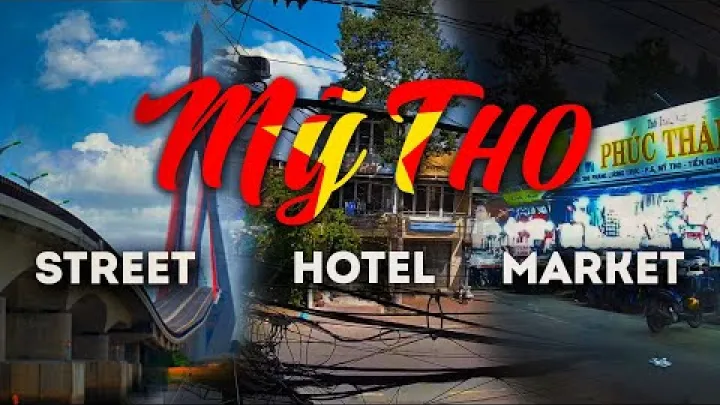
Song Tien Annex Hotel, Song Tien Hotel, and Minh Kieu Hotel are useful names to enter into accommodation searches, not fixed recommendations or promises of a particular price. Current listings describe Minh Kieu Hotel as having air-conditioned rooms, private bathrooms, and Wi-Fi, which illustrates the sort of practical upgrade to compare alongside the headline rate. Search platforms such as Agoda are most useful when you enter your exact dates and compare the final room total.
Compare like with like. Confirm whether the displayed rate includes taxes, breakfast, and a cancellation option, and whether it applies to one or two guests. A 300,000 VND room shared by two can be excellent value, while the same rate for one traveler may leave less room in the budget for a boat outing or restaurant meal.
Mid-Range Hotels and Comfortable Rooms
Many structured mini hotels and modestly comfortable properties fall roughly around 400,000–700,000 VND per night, though individual dates can sit outside that range. As a market reference rather than a universal quote, Agoda has reported average prices of about 562,892 VND for three-star hotels and 922,074 VND for four-star hotels in My Tho. Those figures should be treated as snapshots, because star labels, booking conditions, and availability are not identical across properties.
Look beyond the star rating. A central location can save money and time if it lets you walk to the riverside area, My Tho Night Market, and everyday restaurants. Breakfast may replace a separate morning meal. A lift, larger room, parking, a pool, or a river view may be worthwhile for comfort, but they are not automatically better value for a short stay.
For example, upgrading from a 350,000 VND room to a 650,000 VND room adds 300,000 VND per night. For a couple over two nights, that is an extra 600,000 VND in total, or 300,000 VND each. Decide whether the included breakfast, location, or comfort genuinely replaces other spending before making the upgrade.
City Hotels, Island Lodges, and Nearby Bases
A My Tho city hotel is usually the simplest base for travelers using the bus connection, exploring the riverside, and visiting the night market. It offers easier access to everyday food and short local rides. This is often the best choice when the goal is the lowest predictable daily cost.
Properties around Thoi Son Island, orchard areas, or nearby Ben Tre can offer a quieter rural setting. Basic homestays may be inexpensive, but a rural property is not automatically cheaper. Meals, transfers, garden activities, boat connections, or boutique features can be bundled into the rate or charged separately. A nearby Ben Tre homestay market is a useful comparison point, but it should not be treated as the same market as My Tho.
Choose the base by your priority. Stay in the city for easy buses, markets, and flexible dining. Choose an island or rural stay for atmosphere and included activities, after comparing transfer costs and meal arrangements. A rural room that needs two paid transfers can cost more in practice than a slightly higher-priced room near the My Tho riverfront.
Food and Drink Prices in My Tho
Food is where My Tho can remain inexpensive without feeling restrictive. Local meals are widely useful for travelers who want to control spending, while restaurants, imported drinks, and frequent café stops create a higher daily food budget.
Low-Cost Local Meals
Hu Tieu My Tho is a practical local meal for budget travelers, alongside rice dishes, noodle soups, and simple Vietnamese plates. A bowl of Hu Tieu has been reported in an approximate 20,000–60,000 VND range, depending on ingredients, portion size, and venue. Treat that as an indication, not a menu promise: one stall cannot represent every current price in the city.
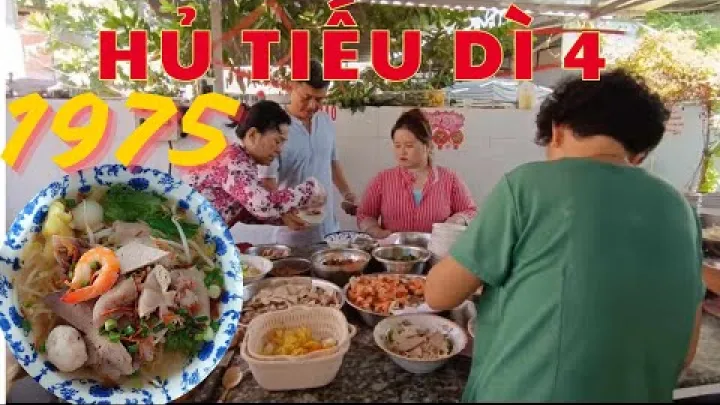
A low-cost food day might include a noodle breakfast, a rice or noodle lunch, a simple dinner, drinking water, a snack, and one local coffee. This approach gives a more realistic food allowance than multiplying the price of one bowl of noodles. Ordinary eateries on commercial streets, including areas around Nam Ky Khoi Nghia Street, may cost less than tourist-oriented restaurants, although quality and menus vary.
When a menu is unclear, look for displayed prices or ask the price before ordering. This is especially useful for add-ons, seafood, drinks, and dishes sold by weight. The goal is not to avoid local places, but to know the expected amount before the bill arrives.
Night Market and Mid-Range Dining
My Tho Night Market on 30/4 Street is a useful evening anchor for snacks, dinner, drinks, and browsing. There is no stated entrance charge, so the cost is entirely what you choose to consume or buy. Keep shopping separate from the food budget; small gifts, clothing, and novelty purchases can make a seemingly cheap evening more expensive.
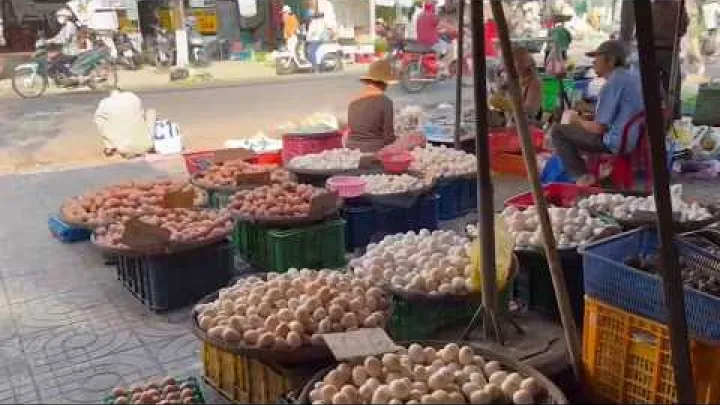
An older travel account recorded food and beer for two at around 140,000 VND. It is helpful as context for the value of casual local dining, but it is not a current guaranteed bill. Prices, portions, drink choices, and inflation all affect the result. A market meal with a non-alcoholic drink can fit comfortably within a budget plan, while several beers, shared seafood, or many snacks move it toward a mid-range meal.
Structured restaurants and rural dining stops often cost more because of their setting, shared dishes, service, or tour-oriented location. One restaurant meal can be a pleasant part of a mid-range day. Repeating that choice for every meal should be reflected in the daily food allocation rather than treated as a minor extra.
Coffee, Beer, and Western Food
Drinks are small purchases that can become a significant daily expense. A local coffee or local beer can fit a modest plan, while specialty coffee, imported alcohol, cocktails, wine, and Western food may approach prices found in larger Vietnamese cities. Dietary needs can also change the food total if they require specialized venues or imported ingredients.
A local-focused day might use one coffee, water, and mostly Vietnamese meals. A comfort-focused day might include café visits, beer or cocktails, and a Western-style dinner. Neither pattern is wrong, but the second requires a visibly larger allowance. Set a separate daily drinks amount before you travel, especially if you enjoy cafés or alcohol, rather than assuming beverages are included in the meal budget.
Transport Costs to and Around My Tho
Transport is usually affordable once you are in My Tho, but arrival transfers and river boats deserve their own budget lines. Keeping them separate prevents a low daily estimate from hiding the real cost of reaching the city or visiting the islands.
Getting to My Tho from Ho Chi Minh City
The bus is the main independent-travel benchmark from Ho Chi Minh City, with a reported planning range of roughly 70,000–100,000 VND one way. The journey is short enough to make either an overnight trip or a day trip possible. However, the fare itself is only one part of access cost.

Use this simple formula: intercity ticket plus transfer to the departure terminal plus transfer from the My Tho arrival point to your hotel or activity. The last two items can matter if your starting hotel is far from the terminal or you arrive away from the riverside area. An older independent trip example recorded a 70,000 VND bus fare plus a 50,000 VND taxi for two, but that historical example from Itchy Feet on the Cheap should not be used as a current tariff.
Before booking, confirm the current operator, fare, departure terminal, My Tho arrival point, baggage policy, and the likely cost of your onward transfer on that day. A packaged day tour can cost more than an independent bus journey, but it may bundle road transport, boats, lunch, and a guide. Compare the complete package against the independent formula rather than comparing ticket prices alone.
Walking, Grab, and Taxis in the City
Choosing accommodation near the city center and riverside makes walking realistic for parts of the itinerary. The market area, evening food options, and some everyday sights can be combined without paying for a vehicle. This reduces cost and removes the friction of arranging a ride for every short trip.
For longer trips, use a ride-hailing app where available or a formal taxi. A researched taxi reference of about 12,000–16,900 VND per kilometer is only a broad guide: minimum fares, operator tariffs, traffic, waiting time, and the current app quote affect the actual payment. Travelers who walk most of the day may need only a small local-transport allowance; travelers moving repeatedly between a hotel, bus point, restaurant, pagoda, and river departure should budget more.
A central hotel can therefore be better value even when its nightly price is slightly higher. It may replace several small rides, simplify an early departure, and leave more time for the My Tho riverfront or evening market.
Boat Costs as a Separate Budget Line
In My Tho, boats are normally a sightseeing expense rather than routine urban transport. They may take visitors toward Thoi Son Island, canals, orchards, or rural food stops. Put a boat trip in the activities section of your budget, not in the same allowance as taxis and short rides.
The older independent account mentioned about 500,000 VND for two people, including a tip, for a locally arranged boat outing. That can help show why sharing a private arrangement may be attractive, but it is not a standard current tariff. A locally arranged boat, a group package, and a private river cruise can have very different routes, durations, group sizes, and inclusions.
Before agreeing to a boat price, confirm the duration, route, number of passengers, stops, guide arrangement, and whether tips or entry charges are expected. This gives you a comparable total and avoids judging an outing only by its initial price.
Attractions and Tour Costs in My Tho
My Tho offers low-cost city experiences, but many visitors come primarily for the river and orchard landscape. The most useful budget is one that gives city sights and paid excursions separate roles.
Free and Low-Cost City Sights
Vinh Trang Pagoda is the main cultural anchor for a low-cost visit. Available reports are inconsistent about whether entry is free, donation-based, or subject to a modest charge. A cautious allowance of about 60,000–80,000 VND can cover a possible small fee, but it should not be presented as a confirmed ticket price. Donations, parking, transport, and purchases are separate from admission.
Before visiting, confirm Vinh Trang Pagoda's current opening hours and entrance policy locally. This is particularly important if your schedule depends on arriving at a specific time or if you are deciding between a taxi and a tour stop. My Tho Night Market, by contrast, is a low-cost evening visit because browsing itself has no stated entrance fee.
A meaningful low-cost day can include a walk through the city center and riverside area, a pagoda visit, local meals, and an evening at the market. That itinerary leaves room in the budget for one paid river experience on another day rather than forcing every sight into a single expensive outing.
Independent River and Orchard Visits
Thoi Son Island, nearby canals, orchards, fruit gardens, and rural food stops are the main independent add-ons to a My Tho stay. They can feel more flexible than a full package, especially for travelers who want a slower pace. Exact current entry fees for small gardens and local activities are not consistently documented, so a universal price range would be misleading.
An independent visit can cost less than taking multiple full-day tours, but it needs more planning. Include the road transfer to the departure point, boat, any garden or activity payment, fruit purchases, tips, food, and the return journey. A low initial boat quote does not necessarily include every stop that appears in a tour itinerary.
Ask what is included before leaving the city: route, landing points, duration, fruit or tasting stops, meals, entrance payments, and return transport. If your priority is predictable spending rather than self-arranged flexibility, a clear group tour can be the easier comparison.
Group Tours Versus Private Tours
Group tours listed for My Tho commonly fall in a broad range of roughly US$17–50 per person. Price differences often reflect pickup location, group size, lunch, boat rides, guide services, and optional activities. Current listings on GetYourGuide can help you compare what is actually offered on your travel date.
Private tours around My Tho, Thoi Son, and Ben Tre can move into roughly US$40–90 per person, depending on the vehicle, boat, guide, and the number of people sharing the booking. Private operators may price the whole service and reduce the per-person amount as the group grows. For example, TNK Travel describes a private structure in which the per-person rate decreases with group size.
A group tour is usually the lower-cost choice for solo travelers who want transport and major stops arranged. A private tour may be worthwhile for couples, families, or friends who value control over timing and privacy. Before paying, compare pickup area, vehicle and boat details, meal arrangement, group size, guide language, cancellation terms, optional charges, and exactly which river activities are included. The cheapest listing is not always the best value if it omits the parts of the day you expect.
Sample My Tho Budgets and Trip Formats
Sample budgets are most useful when each line is visible. The following models use rounded VND ranges, show room sharing where relevant, and keep optional excursions outside the basic city total.
One-Night Independent My Tho Trip
For a low-cost independent overnight trip, a solo traveler could plan for return bus access, one basic room, local meals, mostly walking, a small local-transport allowance, and low-cost city sights. For two travelers sharing a basic room, the per-person accommodation cost falls significantly. The optional boat line is separate because it can change the entire trip cost.
| Item | Low-cost estimate | Comfort-oriented estimate |
|---|---|---|
| Return bus access | 140,000–200,000 VND | 140,000–200,000 VND |
| One room night | 200,000–400,000 VND | 500,000–900,000 VND |
| Food and drinks | 200,000–350,000 VND | 400,000–700,000 VND |
| City rides and sights | 100,000–250,000 VND | 250,000–500,000 VND |
| Optional boat or tour | Price separately | Price separately |
For a solo traveler, the low-cost basic total before an optional boat is roughly 640,000–1,200,000 VND. For two people sharing a 200,000–400,000 VND room, divide the room cost by two when calculating each person's share. A more comfortable version upgrades the room, meals, and local rides, but it is still possible to keep the river activity as a separate decision.
Three-Day Budget by Travel Style
For three days, use the daily bands as the base and add intercity access once rather than three times. The budget model below assumes a return bus connection, two or three room nights depending on arrival timing, ordinary local spending, and a modest contingency. It is a planning framework, not a quotation.
| Travel style | Three-day local spending | With return bus and contingency |
|---|---|---|
| Budget | US$75–120 | About US$90–145 |
| Mid-range | US$120–210 | About US$140–240 |
| Comfortable | US$210–360 | About US$235–400 |
These totals assume accommodation, food and drinks, local transport, and ordinary sightseeing are included. One group tour can add roughly US$17–50 per person; a private excursion can add much more. Do not average a private-tour day with two low-cost city days and assume that every day will feel equally priced. Keep the tour as its own line, then add a small allowance for tips, extra rides, snacks, and spontaneous purchases.
Day Trip from Ho Chi Minh City or Overnight Stay
A Ho Chi Minh City day trip avoids the cost of a room night and may suit travelers with limited time. A packaged trip can be appealing because one price may cover road transport, a guide, lunch, and river activities. Its value depends on the itinerary and what it excludes, not just on the advertised price.
An independent overnight stay adds accommodation and requires separate planning, but it offers more control. You can eat at the night market, explore the city center at a slower pace, and avoid trying to fit every activity into a long return day. It is especially attractive if you want local dining, an early start, or time around Thoi Son Island without a rushed schedule.
Choose a day trip when predictable bundling and limited time matter most. Choose an overnight stay when the experience of My Tho itself matters, when you want to choose your own food and boat arrangements, or when a second day reduces the pressure to buy an all-inclusive tour. Compare room cost with the value of saved time, transfers, and included services rather than treating the hotel night as the only difference.
How to Save Money in My Tho
Saving money in My Tho is mainly about avoiding duplicated transport and duplicated river activities. The best low-cost itinerary is usually simple: a sensible central base, local meals, walking where practical, and one river experience chosen for your preferred level of independence.
Save on Accommodation and Timing
Compare weekday, weekend, event-period, and holiday dates before committing to a room. A cheaper rate on one date may disappear when demand rises, while a modestly priced central room may be available on quieter nights. Compare the final total after taxes, fees, breakfast, and transport, not just the nightly headline rate.
A room near the central market and riverside can cost slightly more, but it may reduce taxi use and make evening dining easier. Compare refundable and nonrefundable options carefully. A nonrefundable bargain is only a saving if your dates are firm. Also compare air conditioning, breakfast, and occupancy: a room that includes breakfast for two may be better value than a lower room price followed by two paid café breakfasts.
If you want both city time and rural scenery, consider whether My Tho can serve as a stable base. Moving to a rural property can add a second booking and a second transfer. It is worthwhile when the rural atmosphere or included activities are central to the trip, not simply because the nightly rate appears lower.
Save on Food, Transport, and Tours
For a one-day visit, use local noodles or rice meals, walk the central area, and choose either a clearly priced group tour or a short independently arranged river experience. Avoid buying several versions of the same canal-and-orchard itinerary. One well-chosen activity often provides the experience you want without paying twice for similar stops.
For three days, make one day a paid river day and keep the other days city-focused. Combine local food with an occasional restaurant meal rather than making every meal tourist-oriented or Western-style. Stay near the core, walk short distances, and use app-based rides or clearly metered taxis only when a vehicle is useful.
For tours, compare the per-person total rather than the headline category. Solo travelers often find group tours economical. Couples and small groups should also calculate the shared cost of a private trip, then compare its flexibility and inclusions with a group option. A cheap independent boat is not necessarily a saving if it needs multiple extra transfers or excludes the stops you wanted.
Currency, Payments, and Price Verification
Vietnamese dong is the practical currency for a My Tho budget. Using VND for your notes makes it easier to compare room rates, food, local rides, and boat arrangements on the same basis.
Vietnamese Dong, Cash, Cards, and Small Fees
Carry Vietnamese dong for markets, small eateries, local transport, and many informal boat or activity payments. Cards can be useful at hotels, larger businesses, and online tour bookings, but they should not be your only payment method if you are following a low-cost local itinerary.
ATM charges, exchange-rate margins, and card surcharges can affect the final cost, but there is no single fee that applies everywhere. Withdraw manageable amounts, keep a small reserve of cash separate from your main funds, and confirm the total before you complete a payment. For a room or online booking, check whether the displayed amount is the final charged amount. For small purchases, carry enough low-denomination cash to avoid depending on change for a large note.
How to Check Live Prices Before Departure
Use a short pre-departure worksheet to turn broad ranges into your own budget. Record every figure in VND and label it per room, per person, or per group. This prevents a shared room rate or private boat quote from being compared incorrectly with a per-person tour.
- Hotel: dates, room occupancy, taxes, breakfast, cancellation terms, and location.
- Bus: operator, terminal, fare, baggage rules, arrival point, and both terminal transfers.
- Tour or boat: route, duration, group size, meals, guide, tips, entrance charges, and cancellation terms.
- Attractions: current opening hours, access policy, donation or admission expectations, and transport cost.
- Payments: cash needs, card acceptance, ATM options, and any visible surcharge.
Check live hotel and tour pages rather than relying on old travel accounts or rounded foreign-currency conversions. Add a small contingency for extra transfers, tips, weather-related changes to boat plans, and unplanned meals. This final step gives you a realistic My Tho travel budget while leaving room for the choices that make the trip enjoyable.
My Tho Budget Takeaways
My Tho can work well for budget travelers when the room is chosen carefully, food remains local-focused, and river costs are planned separately. A basic independent day or overnight stay can be inexpensive, while a private tour or upgraded hotel moves the trip into a higher comfort range. For the best balance, price your accommodation per room, transport per journey, and tours per person or group, then choose one river experience that matches your time and spending priorities.
Select area
Create a post
Posting is free and no registration is required.